
What is Type 1 Diabetes Paediatric Diabetes Clinical
What is Type 1 Diabetes Paediatric Diabetes Clinical Nurse Specialists Worcestershire Acute NHS Trust
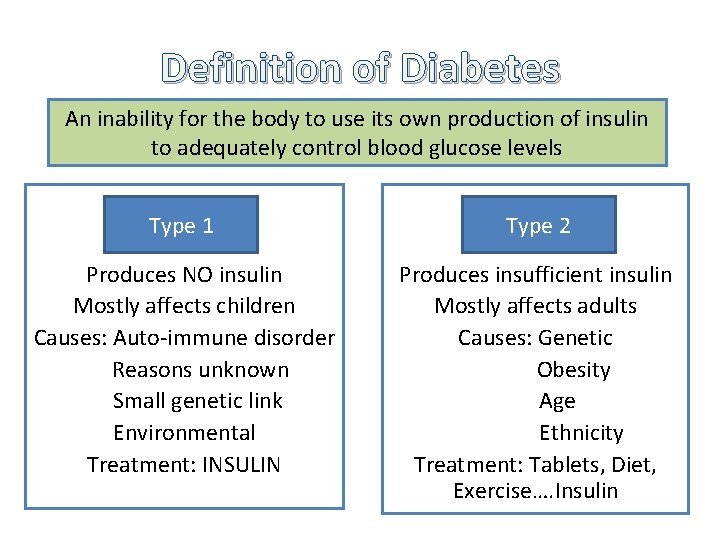
Definition of Diabetes An inability for the body to use its own production of insulin to adequately control blood glucose levels Type 1 Type 2 Produces NO insulin Mostly affects children Causes: Auto-immune disorder Reasons unknown Small genetic link Environmental Treatment: INSULIN Produces insufficient insulin Mostly affects adults Causes: Genetic Obesity Age Ethnicity Treatment: Tablets, Diet, Exercise…. Insulin
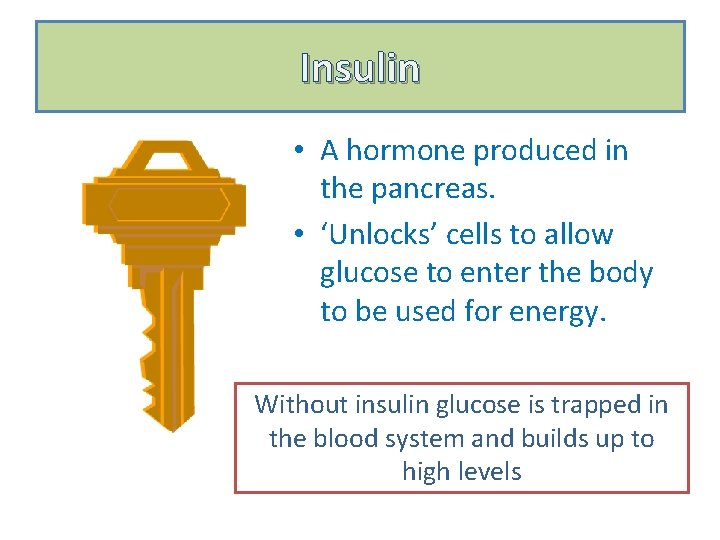
Insulin • A hormone produced in the pancreas. • ‘Unlocks’ cells to allow glucose to enter the body to be used for energy. Without insulin glucose is trapped in the blood system and builds up to high levels
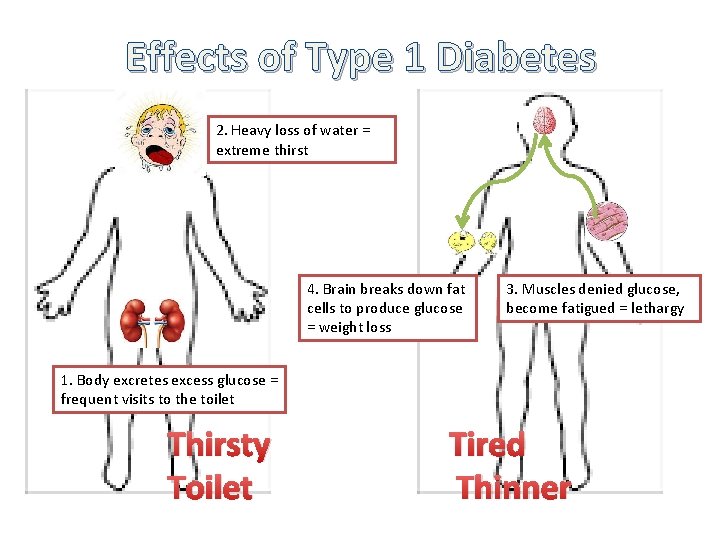
Effects of Type 1 Diabetes 2. Heavy loss of water = extreme thirst 4. Brain breaks down fat cells to produce glucose = weight loss 3. Muscles denied glucose, become fatigued = lethargy 1. Body excretes excess glucose = frequent visits to the toilet Thirsty Toilet Tired Thinner
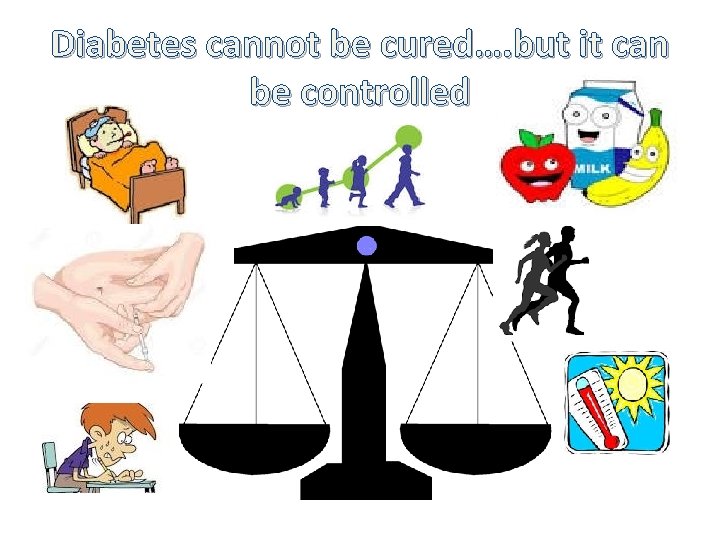
Diabetes cannot be cured…. but it can be controlled
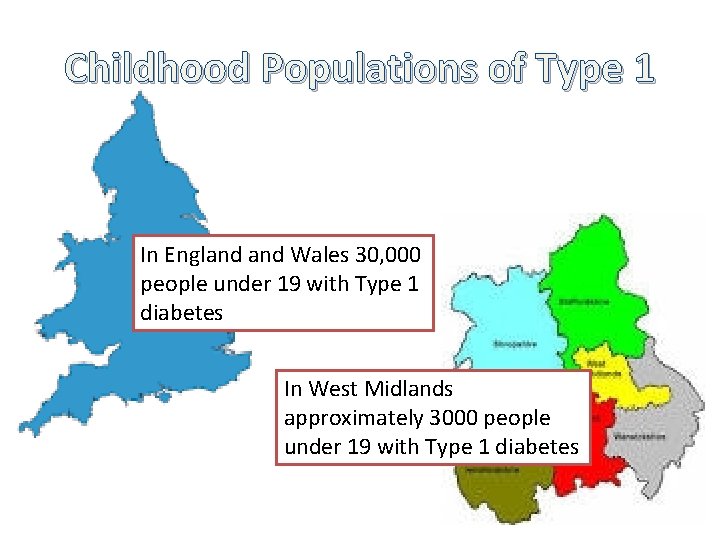
Childhood Populations of Type 1 In England Wales 30, 000 people under 19 with Type 1 diabetes In West Midlands approximately 3000 people under 19 with Type 1 diabetes
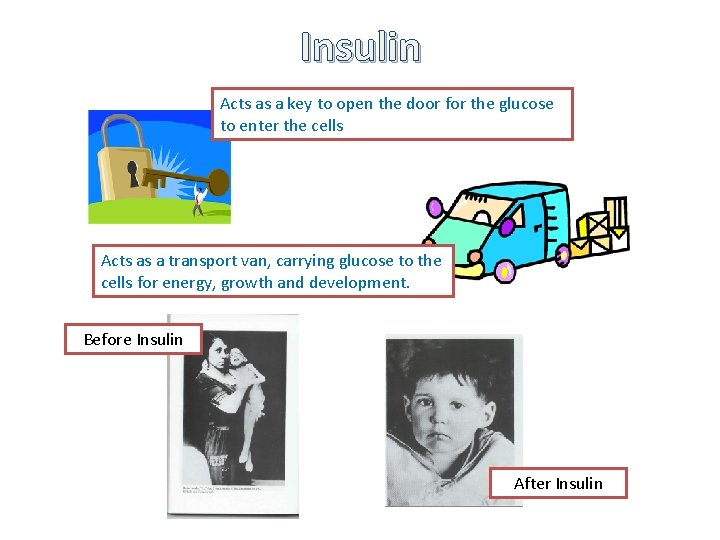
Insulin Acts as a key to open the door for the glucose to enter the cells Acts as a transport van, carrying glucose to the cells for energy, growth and development. Before Insulin After Insulin
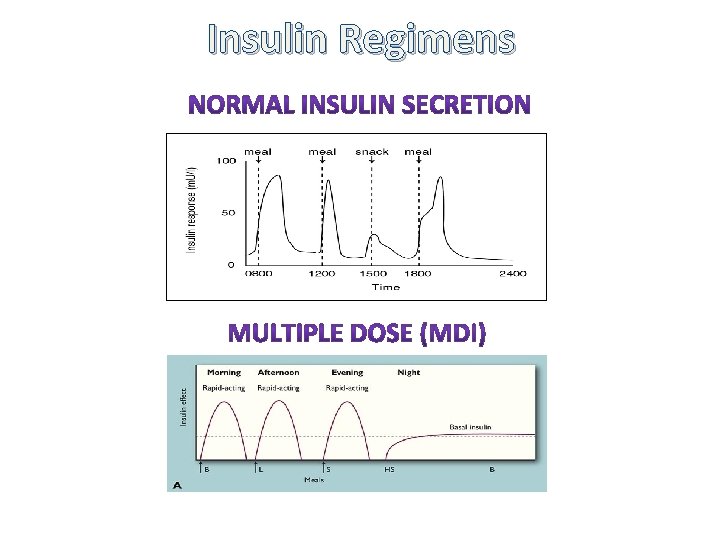
Insulin Regimens
- Slides: 8