
What is transfusion It is Intravenous administration of

- Slides: 27
What is transfusion It is Intravenous administration of blood and blood products
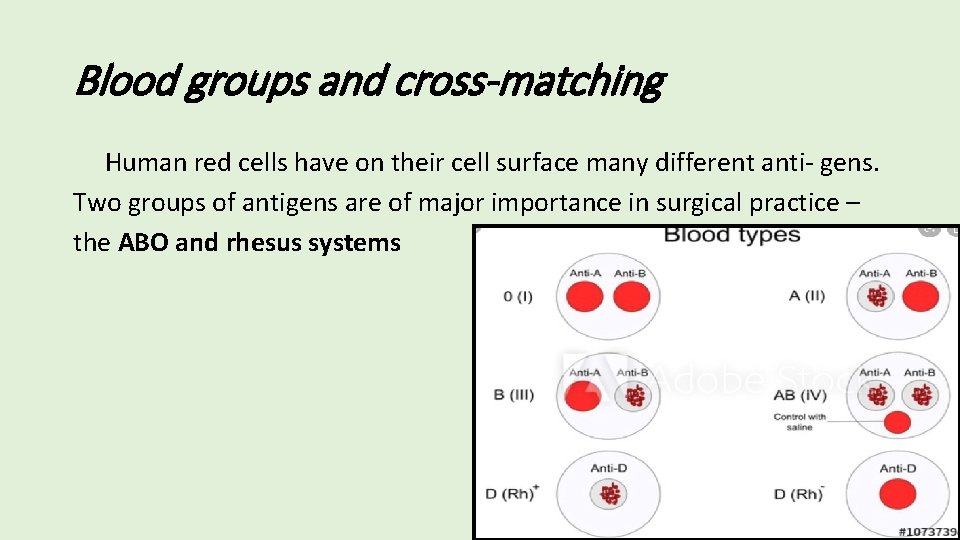
Blood groups and cross-matching Human red cells have on their cell surface many different anti- gens. Two groups of antigens are of major importance in surgical practice – the ABO and rhesus systems
To prevent transfusion reactions, all transfusions are preceded by ABO and rhesus typing of both donor and recipient blood to ensure compatibility. The recipient’s serum is then mixed with the donor’s cells to confirm ABO compatibility and to test for rhesus and any other blood group antigen–antibody reaction. This is called coomb’s test
• Full cross-matching of blood may take up to 45 minutes in most laboratories. In more urgent situations, ‘type specific’ blood is provided which is only ABO/rhesus matched and can be issued within 10– 15 minutes.
Each unit is tested for evidence of hepatitis B, hepatitis C, HIV-1, HIV 2 and syphilis. Donations are leukodepleted as a precaution against variant Creutzfeldt–Jakob disease. The ABO and rhesus D blood group is determined, as well as the presence of irregular red cell antibodies. The blood is then processed into subcomponents.
So if in emergency situations and you do not have time to cross match blood what do you suggest ? ?
Where blood must be given emergently, group O (universal donor) blood is given (O− to females, O+ to males).
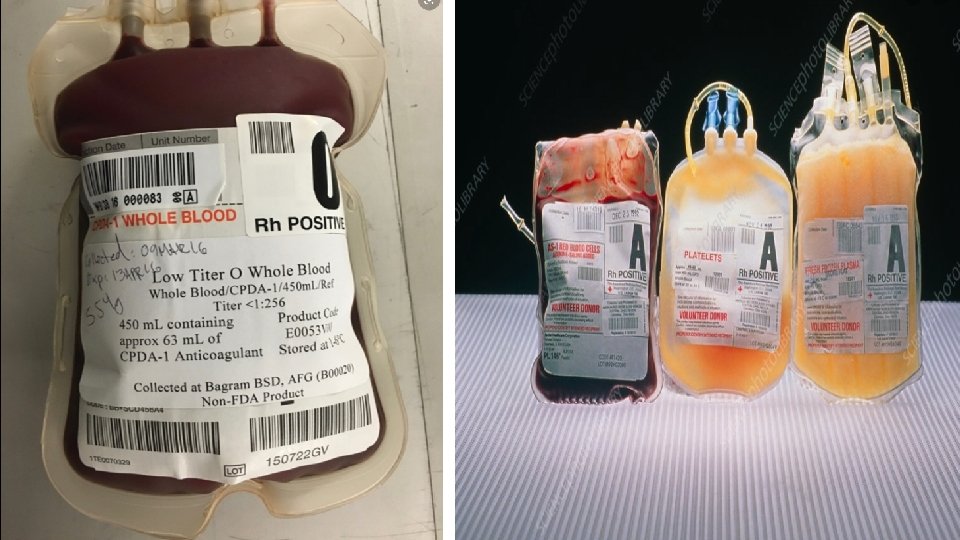
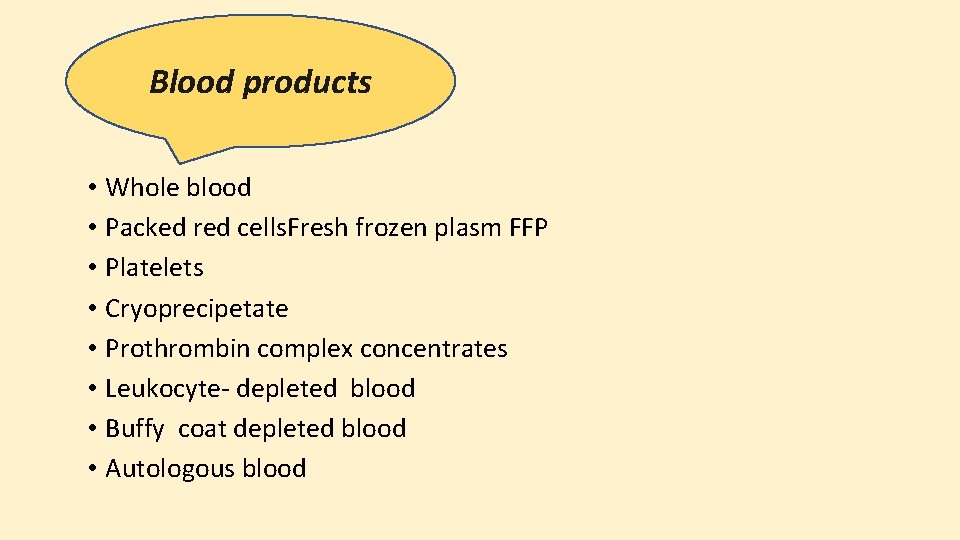
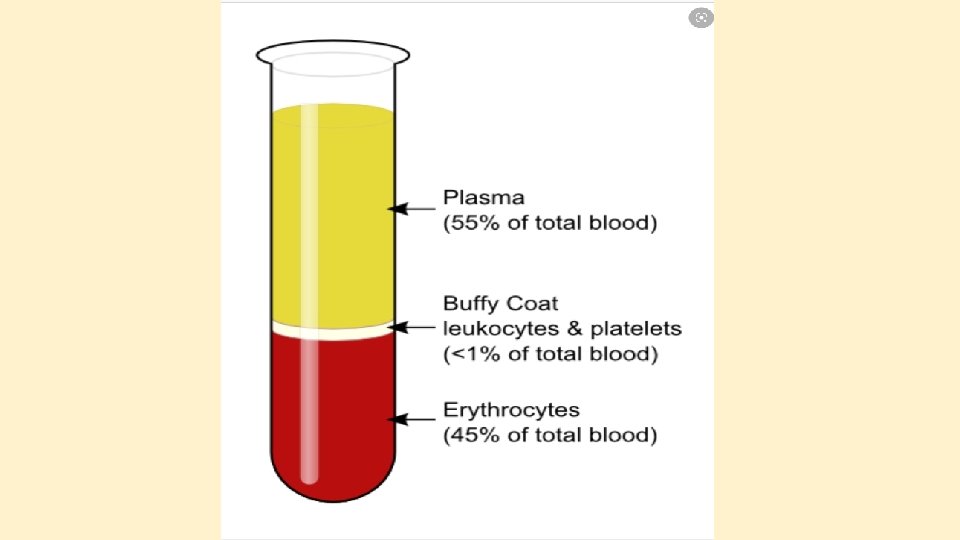
Blood products • Whole blood • Packed red cells. Fresh frozen plasm FFP • Platelets • Cryoprecipetate • Prothrombin complex concentrates • Leukocyte- depleted blood • Buffy coat depleted blood • Autologous blood
Whole blood • Once was the gold standard, is rarely available in Western countries • Volume : 450 ml • Storage 4 c ‘ • Shelf life 35 -42 days • Increase inflammatory response and incidence of organ failure • Main advantage is being rich with clotting factors
Packed RBC • Red blood cells are the product of choice for most clinical situations requiring resuscitation. • Concentrated suspensions of red blood cells can be prepared by removing most of the supernatant plasma after centrifugation. • Volume 330 ml • Storage 5 week at (2 -6) C’ • Better oxygen carrying capacity bec ATP level maintained
Leukocyte-Reduced and Washed Red Blood Cells • These products are prepared by filtration that removes about 99. 9% of the white blood cells and most of the platelets (leukocyte-reduced red blood cells) and, if necessary, by additional saline washing (leukocyte-reduced/washed red blood cells). • Leukocyte reduction prevents almost all febrile non hemolytic transfusion reactions (fever and/or rigors), alloimmunization to HLA class I antigens, and platelet transfusion refractoriness and cytomegalovirus CMV transmission.
Platelet Concentrates • The indications for platelet transfusion include, thrombocytopenia • caused by inadequate production, and qualitative platelet disorders. • The shelf life of platelets is 120 hours from time of donation. • volume of approximately 50 m. L
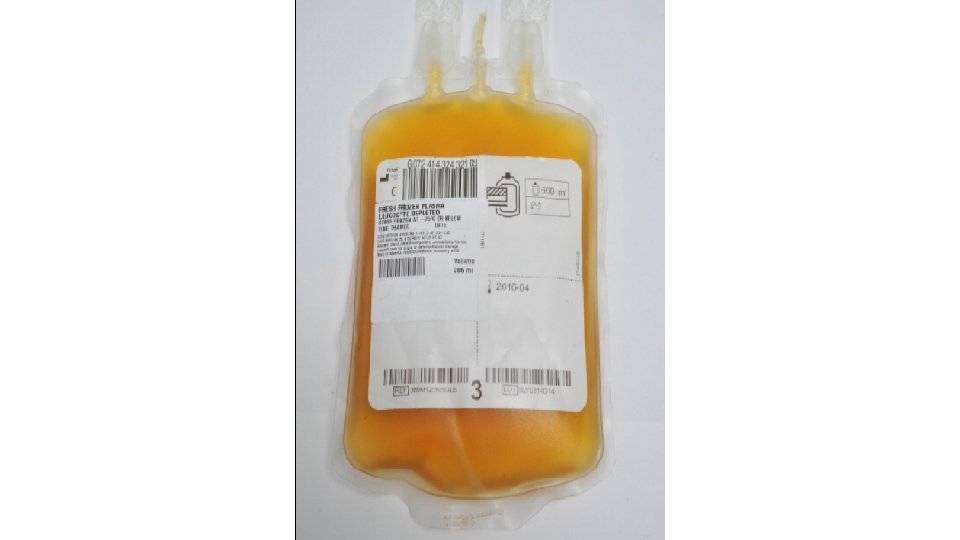
Fresh Frozen Plasma (FFP) • prepared from freshly donated blood is the usual source of the vitamin K-dependent factors and is the only source of factor V. • Volume 200 ml • Storage -30 c’ • Shelf life
Prothrombin complex (PCC) are highly purified concentrates prepared from pooled plasma. They contain factors II, IX and X. Factor VII may be included separately. Indicated for the emergency reversal of anticoagulant(warfarin) therapy in uncontrolled hg.
Cryoprecipetate • 20 ml • Storage -30 c’ • Contain • Given when fibrinogen <0. 8 g/L
Autologous blood • It is possible for patients undergoing elective surgery to pre- donate their own blood up to 3 weeks before surgery for retransfusion during the operation. Similarly, during surgery blood can be collected in a cell-saver which washes and collects red blood cells which can then be returned to the patient.
Indications for blood transfusion BT should be avoided if possible, The indications for blood transfusion are as follows: üacute blood loss, to replace circulating volume and maintain oxygen delivery; üperioperative anaemia, to ensure adequate oxygen delivery cut value of Hb 6 g/dl is acceptable in patients who are not actively bleeding, not about to undergo major surgery and are not symptomatic. ü symptomatic chronic anaemia, without hg or impending surgery.
Complications of blood transfusion • incompatibility haemolytic transfusion reaction • febrile transfusion reaction • allergic reaction • infection– bacterial infection – hepatitis– HIV– malaria • air embolism • Thrombophlebitis • transfusion-related acute lung injury (usually from FFP).
Complications from massive transfusion • coagulopathy • hypocalcaemia • hyperkalaemia • hypothermia. • Iron overload.
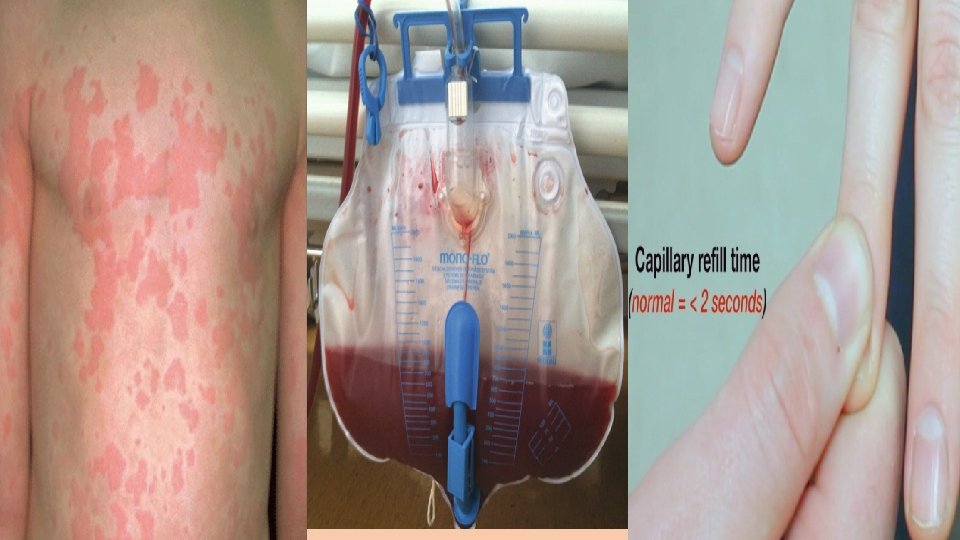
Incompatibility haemolytic transfusion reaction • Error in cross matches or clerk error • Ig. M against A or B antigen • Fever , rash , red urine , flank pain, haematuria , pain at cannula site , tachycardia, hypotension IMMEDIATELY stop transfusion Draw blood for recross match Start fluid resuscitation to prevent kidney injury Give adrenaline sc, or iv
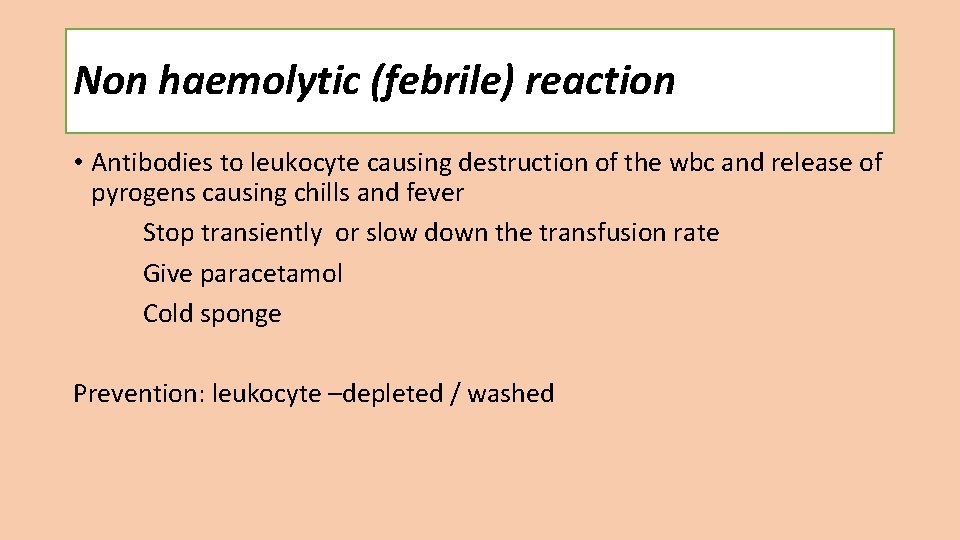
Non haemolytic (febrile) reaction • Antibodies to leukocyte causing destruction of the wbc and release of pyrogens causing chills and fever Stop transiently or slow down the transfusion rate Give paracetamol Cold sponge Prevention: leukocyte –depleted / washed
Thank you