
What is this a picture of Unit 1
- Slides: 13
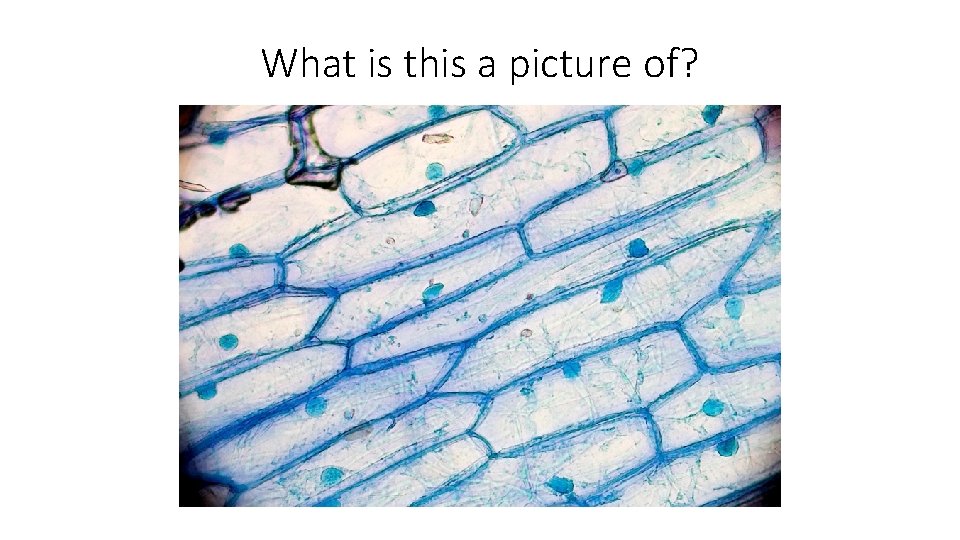
What is this a picture of?
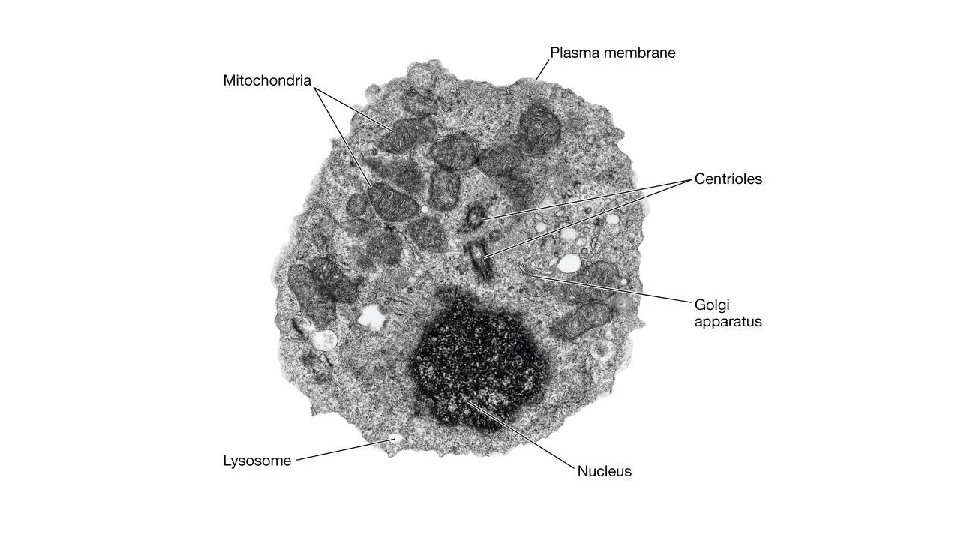
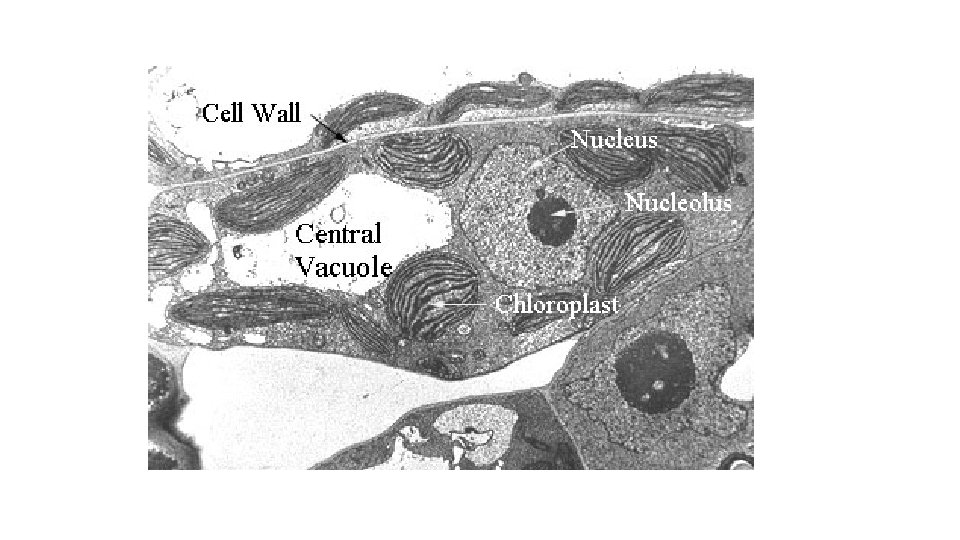
Unit 1: Cell Biology L 1: Animal and Plant Cells Learning Objectives: 1. Recall that plant and animal cells (eukaryotic cells) have a cell membrane, cytoplasm and genetic material enclosed in a nucleus. 2. Name and describe the functions of some sub-cellular structures (parts of the cell). 3. Compare and contrast animal, plant, and bacterial cell structures.
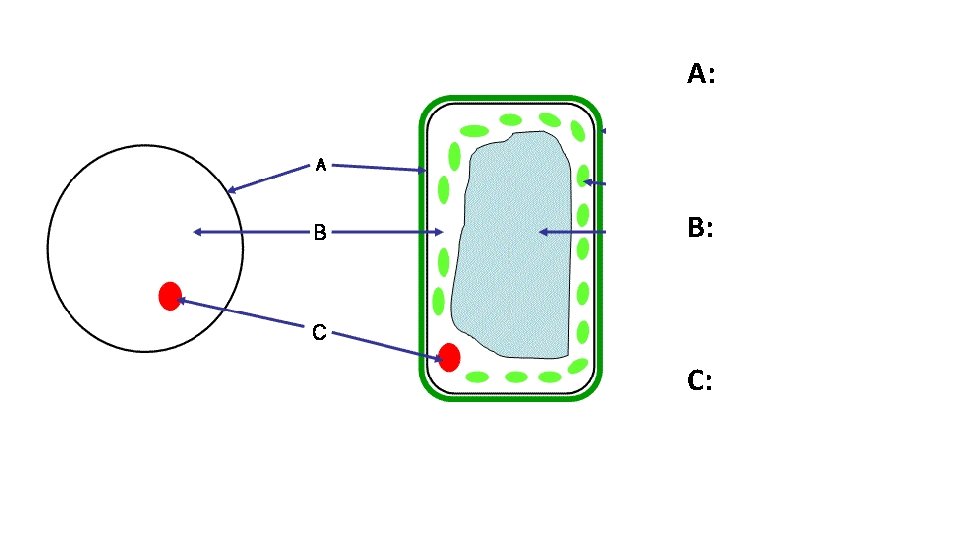
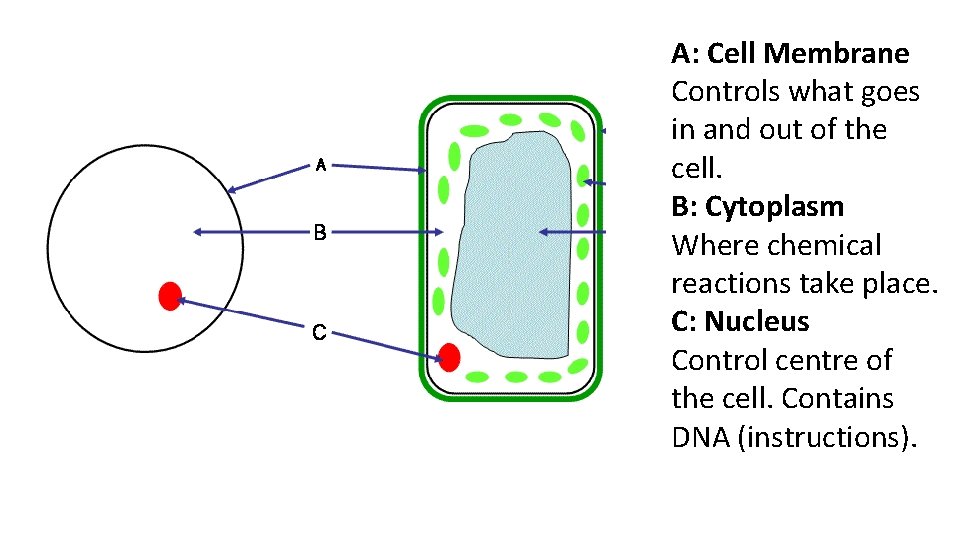
Plant and Animal Cells • Which three parts of the cell are in both animal and plant cells? • Watch the video and complete the worksheet. • Label which is the animal cell and which is the plant cell. • Label parts A, B, and C. • Give a brief description of the function of each part.
A: B: C:
A: Cell Membrane Controls what goes in and out of the cell. B: Cytoplasm Where chemical reactions take place. C: Nucleus Control centre of the cell. Contains DNA (instructions).
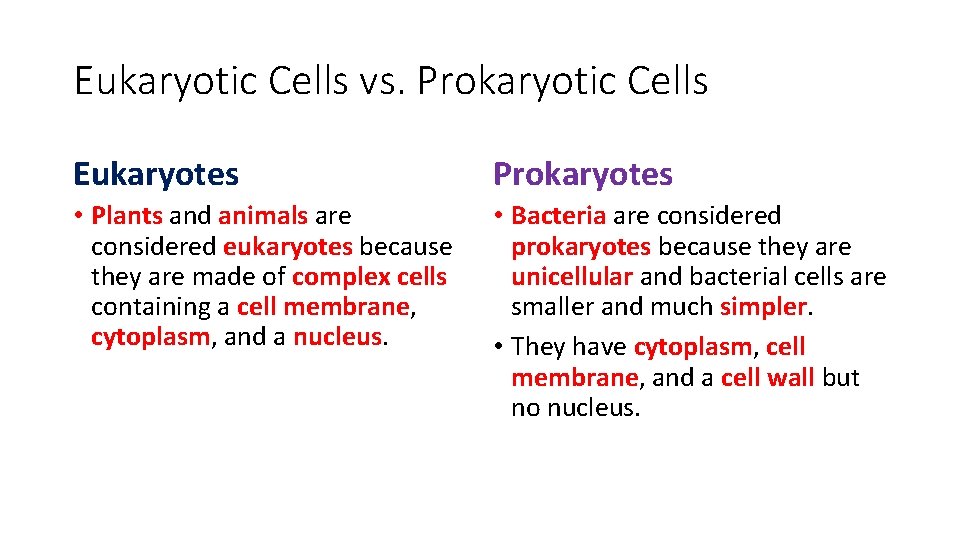
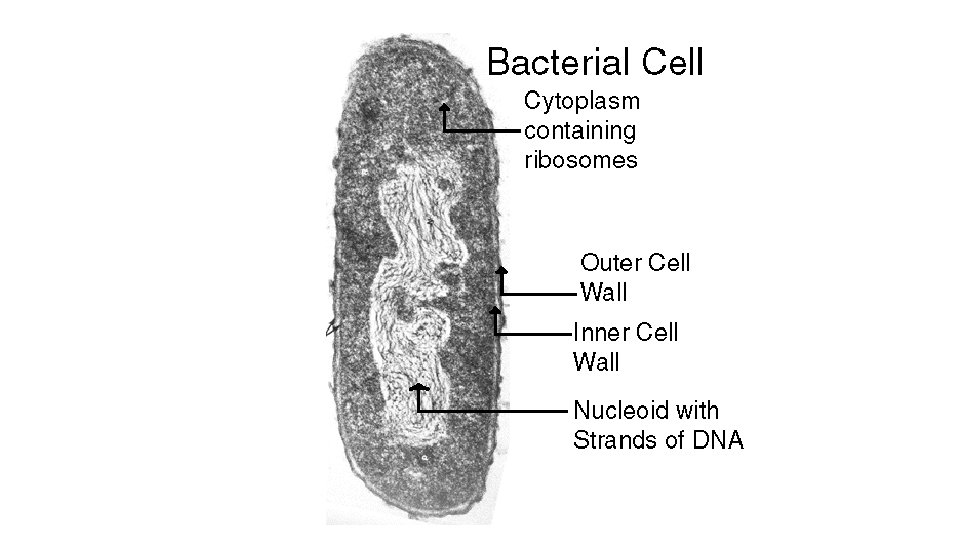
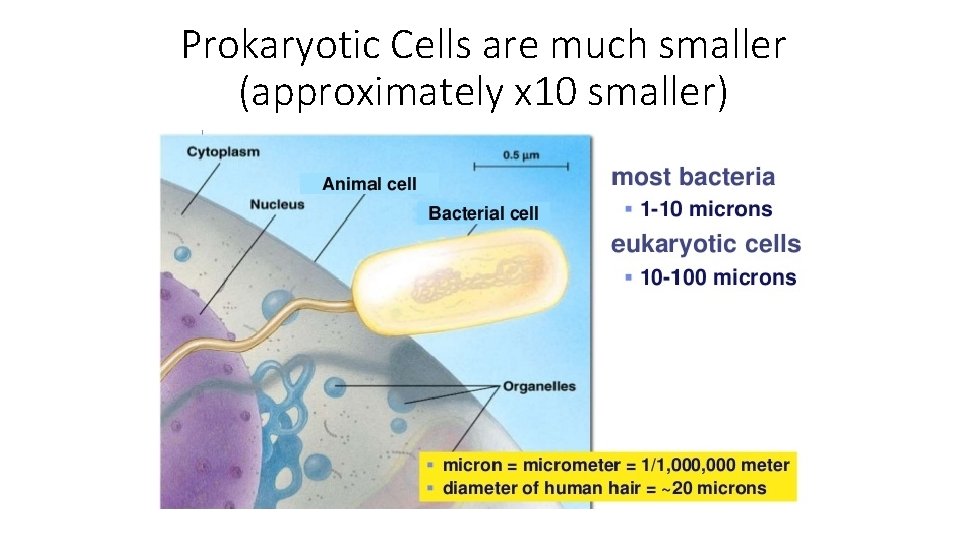
Eukaryotic Cells vs. Prokaryotic Cells Eukaryotes Prokaryotes • Plants and animals are considered eukaryotes because they are made of complex cells containing a cell membrane, cytoplasm, and a nucleus. • Bacteria are considered prokaryotes because they are unicellular and bacterial cells are smaller and much simpler. • They have cytoplasm, cell membrane, and a cell wall but no nucleus.
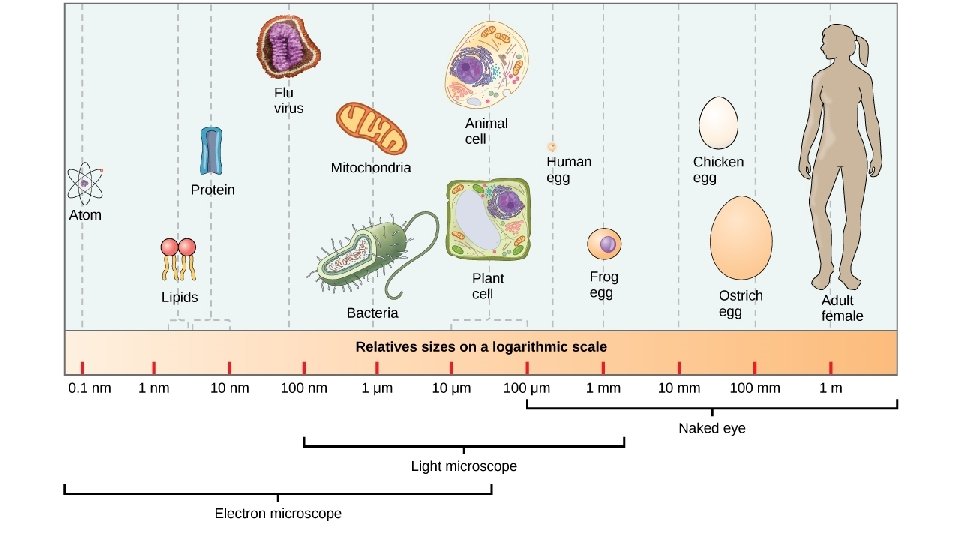
Prokaryotic Cells are much smaller (approximately x 10 smaller)
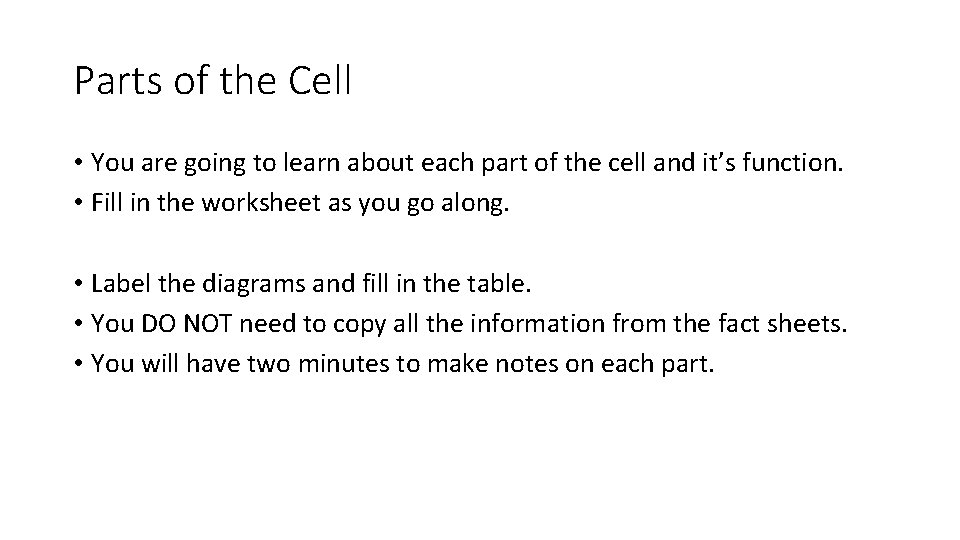
Parts of the Cell • You are going to learn about each part of the cell and it’s function. • Fill in the worksheet as you go along. • Label the diagrams and fill in the table. • You DO NOT need to copy all the information from the fact sheets. • You will have two minutes to make notes on each part.
Video: Brainpop • https: //www. brainpop. com/health/bodysystems/cells/