
What is Thermodynamics 1 Understanding why things happens
- Slides: 37
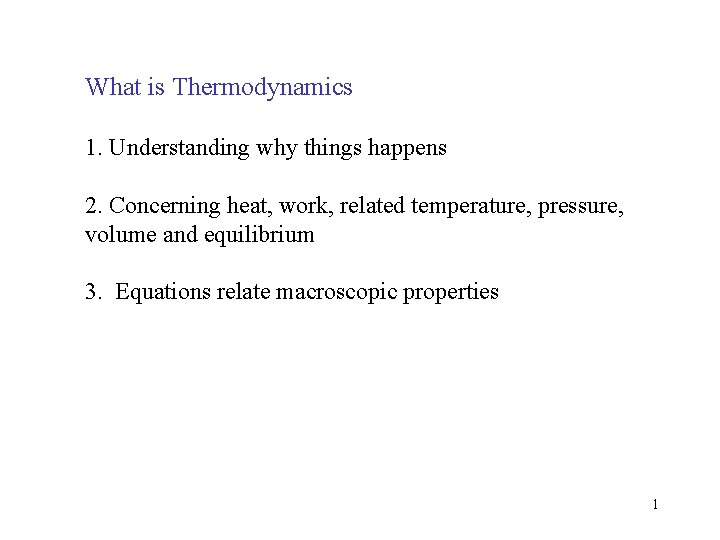
What is Thermodynamics 1. Understanding why things happens 2. Concerning heat, work, related temperature, pressure, volume and equilibrium 3. Equations relate macroscopic properties 1
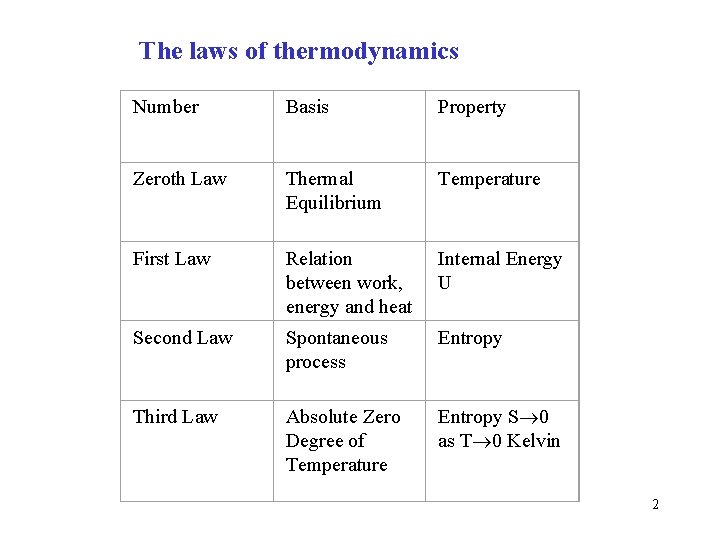
The laws of thermodynamics Number Basis Property Zeroth Law Thermal Equilibrium Temperature First Law Relation between work, energy and heat Internal Energy U Second Law Spontaneous process Entropy Third Law Absolute Zero Degree of Temperature Entropy S 0 as T 0 Kelvin 2
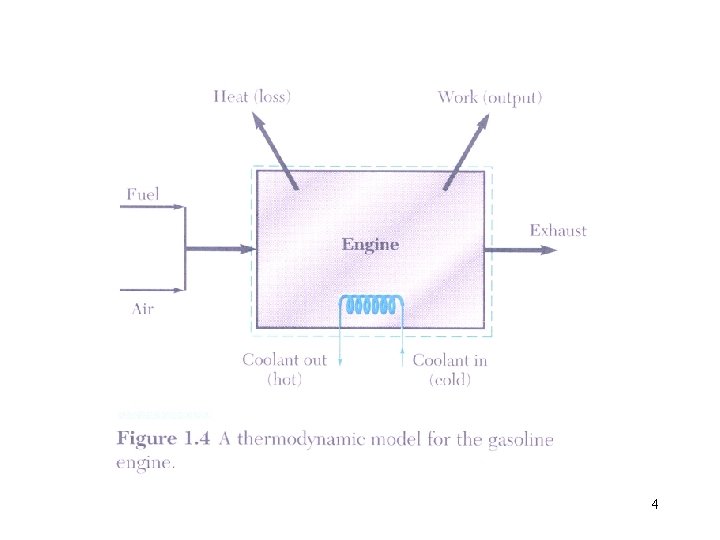
· Study of heat engines · Being studied by all students in physical science and engineering 3
4
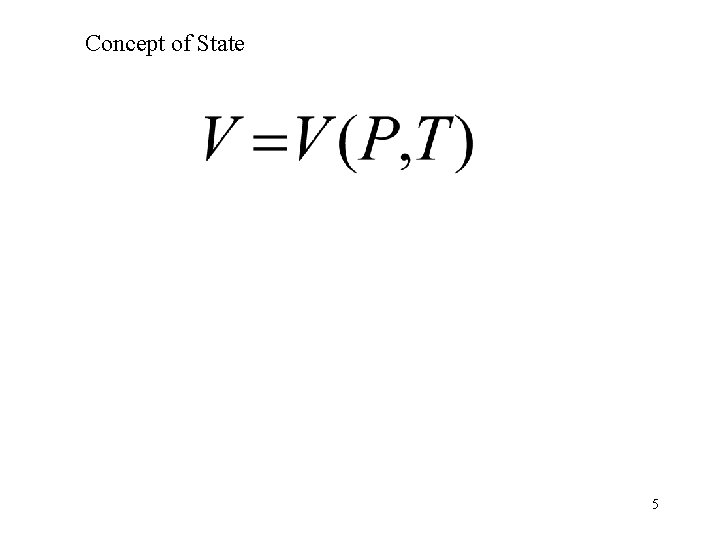
Concept of State 5
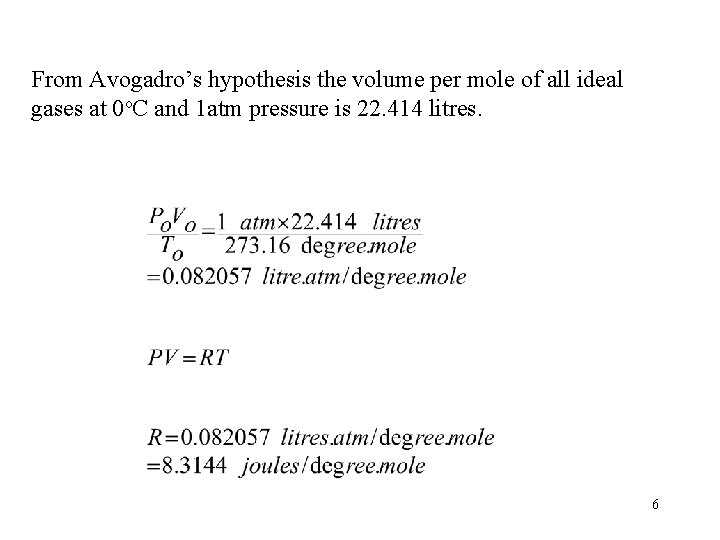
From Avogadro’s hypothesis the volume per mole of all ideal gases at 0 o. C and 1 atm pressure is 22. 414 litres. 6
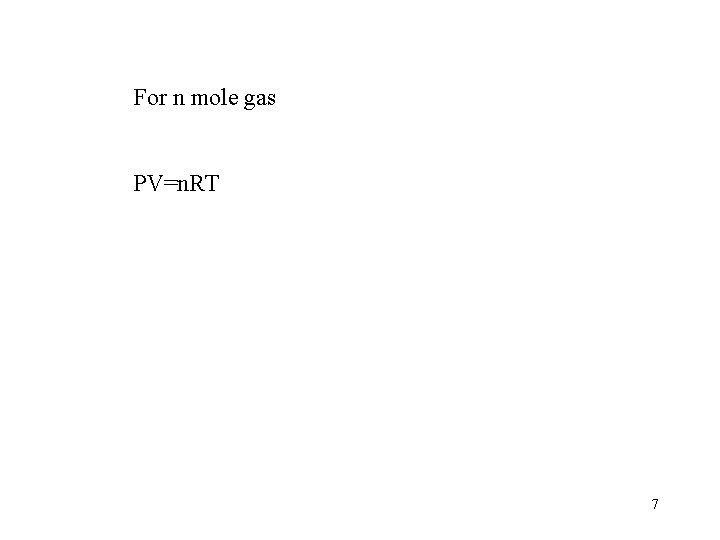
For n mole gas PV=n. RT 7
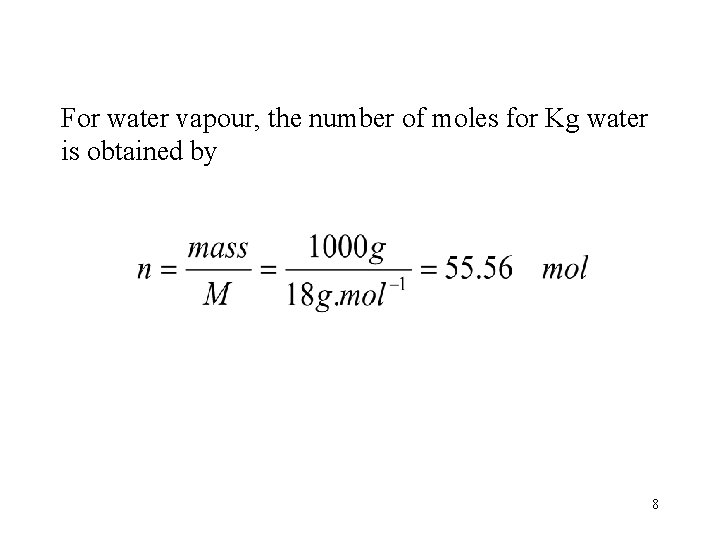
For water vapour, the number of moles for Kg water is obtained by 8
Thermodynamics Process Work and Energy Heat 9
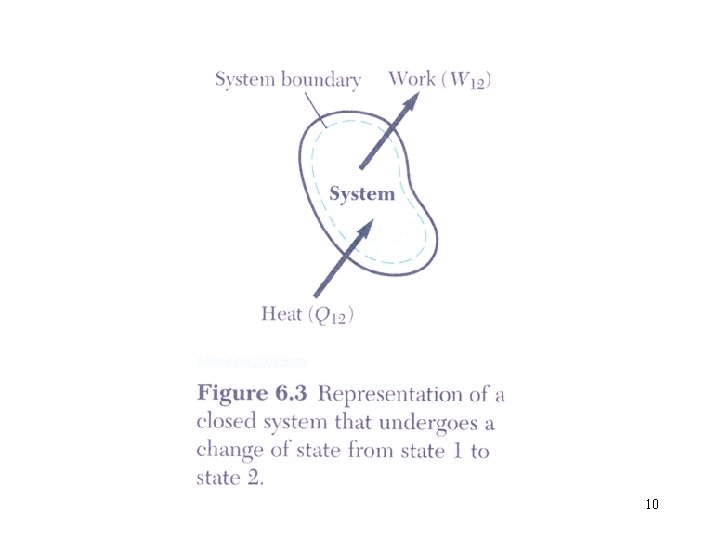
10
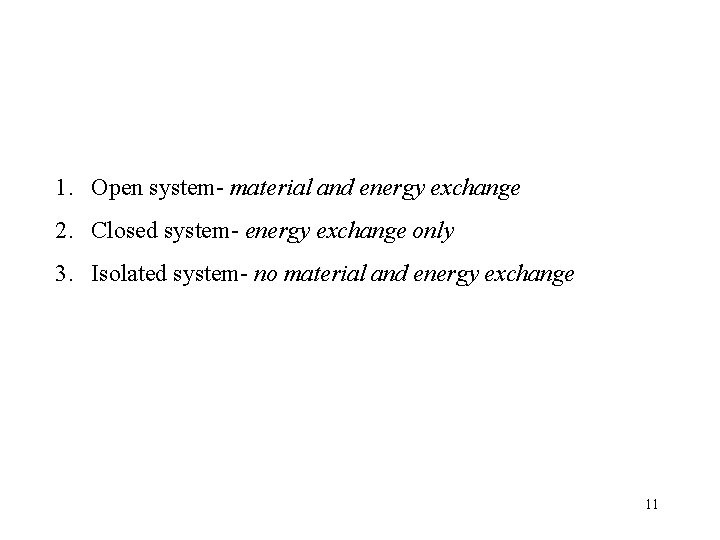
1. Open system- material and energy exchange 2. Closed system- energy exchange only 3. Isolated system- no material and energy exchange 11
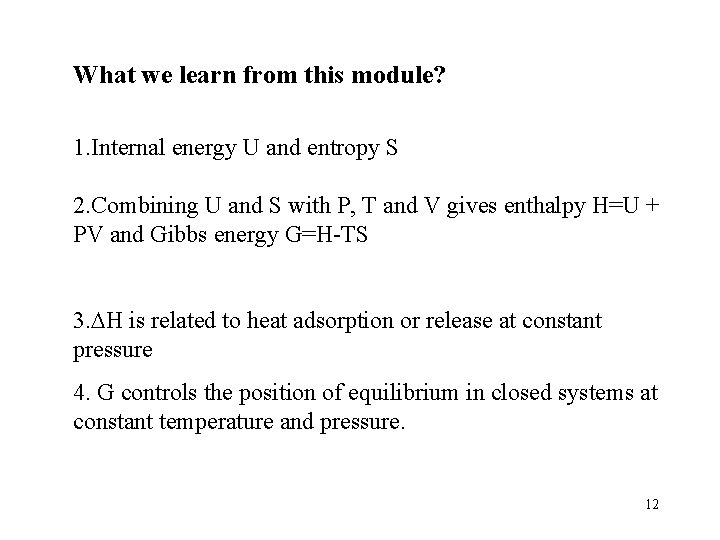
What we learn from this module? 1. Internal energy U and entropy S 2. Combining U and S with P, T and V gives enthalpy H=U + PV and Gibbs energy G=H-TS 3. H is related to heat adsorption or release at constant pressure 4. G controls the position of equilibrium in closed systems at constant temperature and pressure. 12
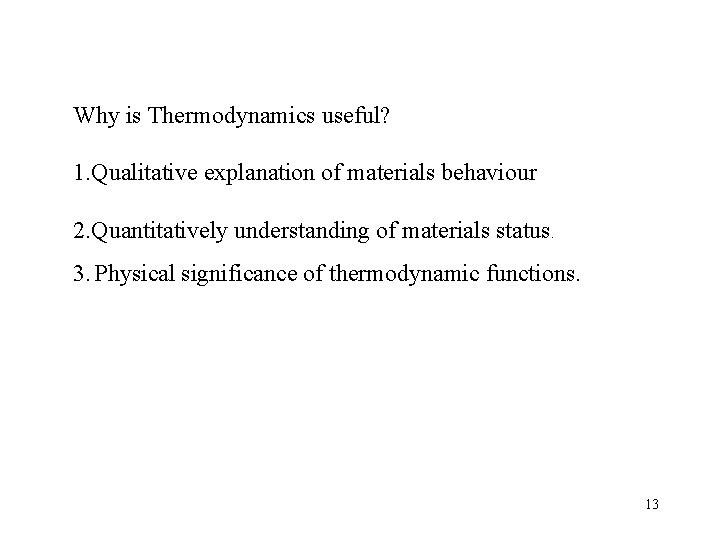
Why is Thermodynamics useful? 1. Qualitative explanation of materials behaviour 2. Quantitatively understanding of materials status. 3. Physical significance of thermodynamic functions. 13
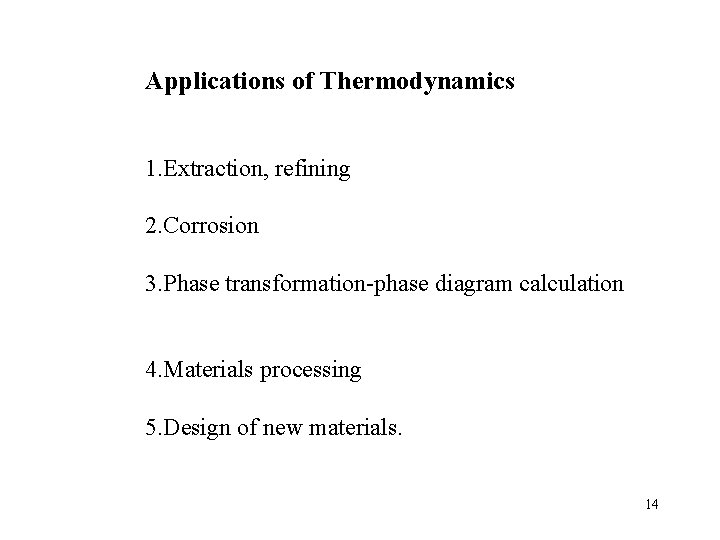
Applications of Thermodynamics 1. Extraction, refining 2. Corrosion 3. Phase transformation-phase diagram calculation 4. Materials processing 5. Design of new materials. 14
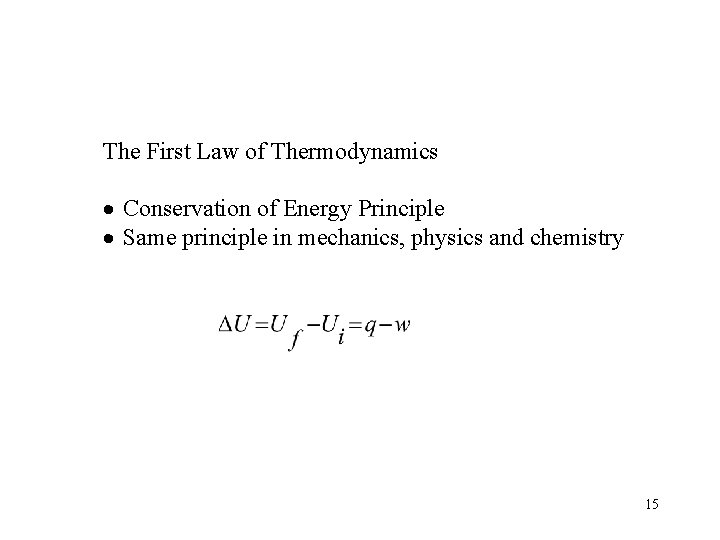
The First Law of Thermodynamics · Conservation of Energy Principle · Same principle in mechanics, physics and chemistry 15
16
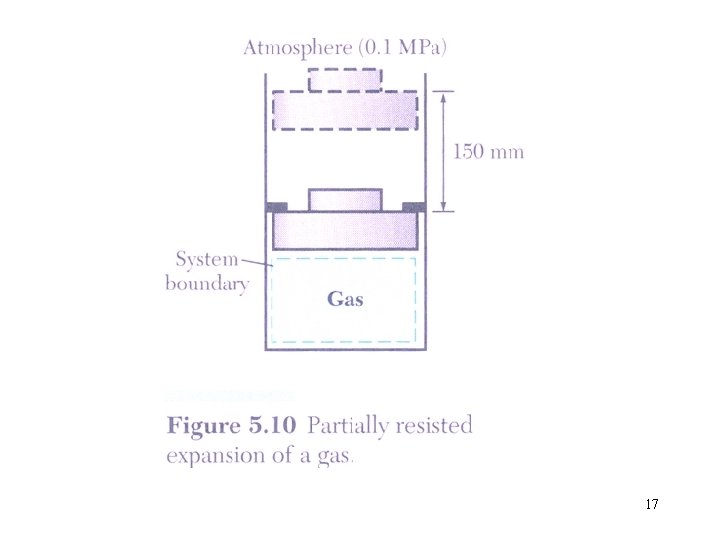
17
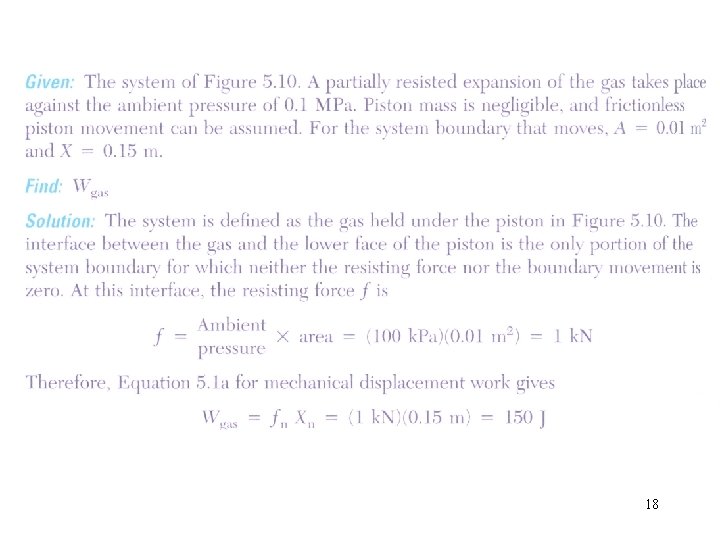
18
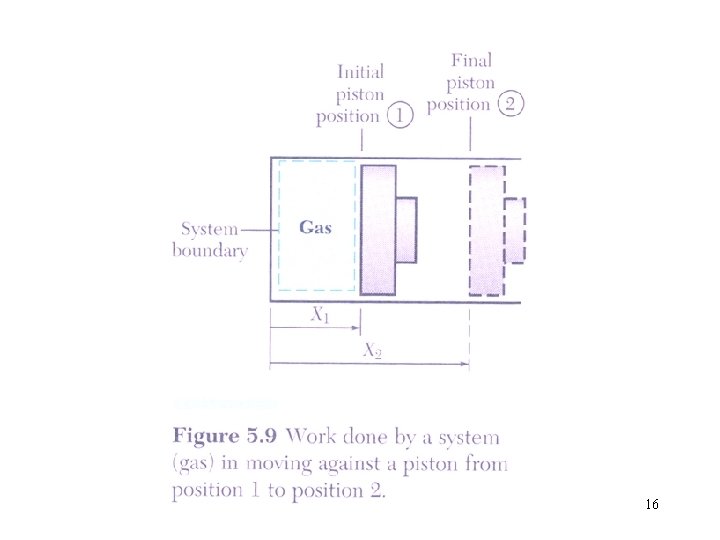
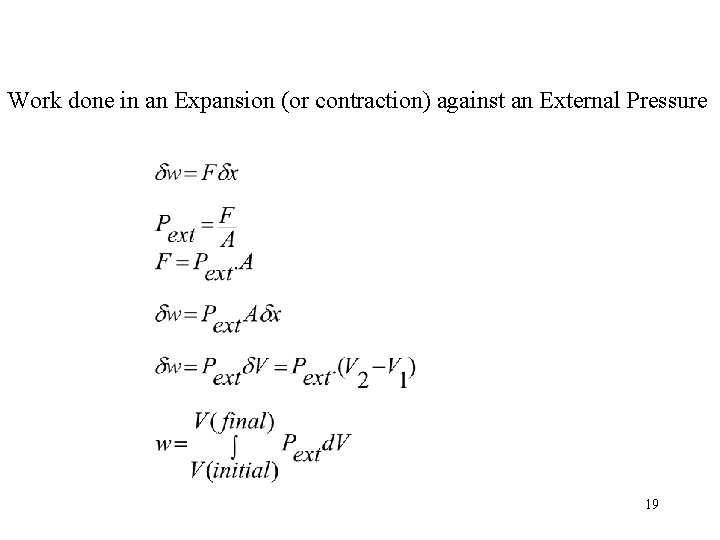
Work done in an Expansion (or contraction) against an External Pressure 19
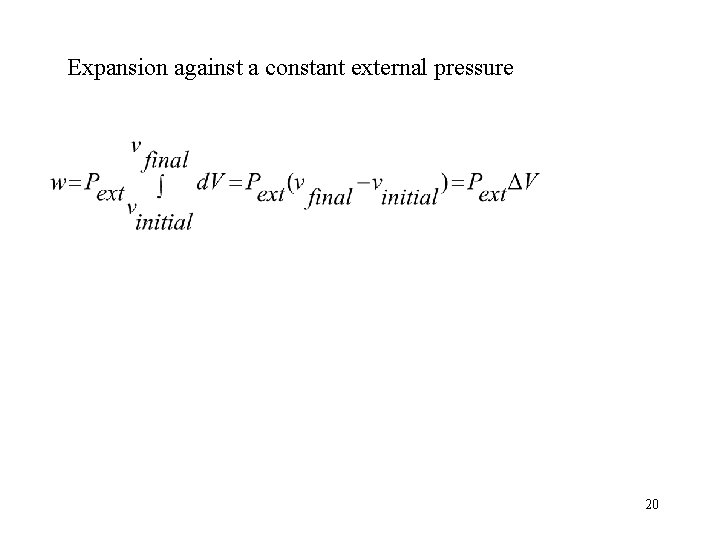
Expansion against a constant external pressure 20
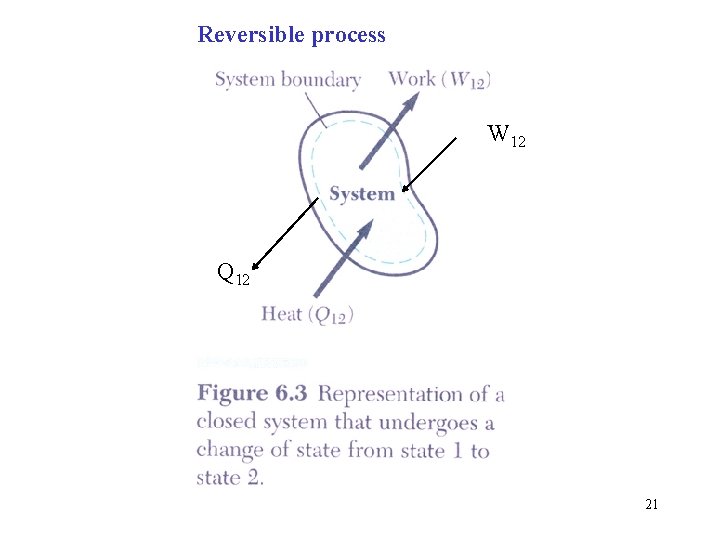
Reversible process W 12 Q 12 21
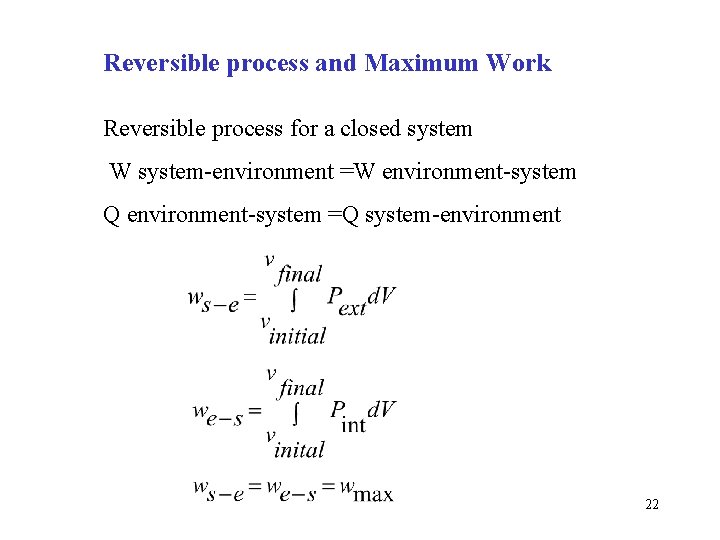
Reversible process and Maximum Work Reversible process for a closed system W system-environment =W environment-system Q environment-system =Q system-environment 22
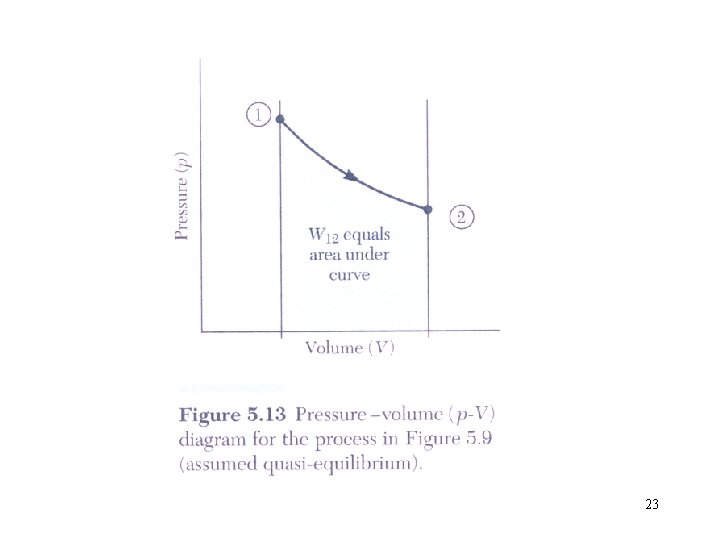
23
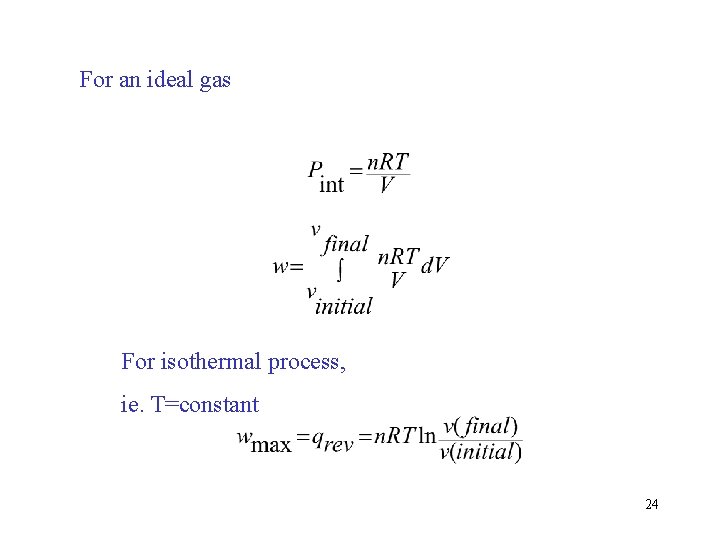
For an ideal gas For isothermal process, ie. T=constant 24
Questions*: 1. How to calculate W for a constant pressure process? 2. How to calculate W for an isothermal reversible process? 3. Is a constant pressure process an reversible process? Explain why? 4. * All of these questions are concerned with ideal gas systems. 25
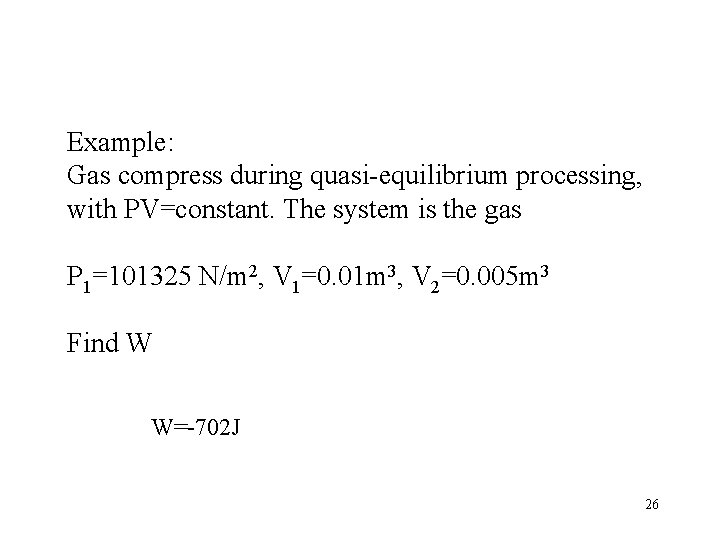
Example: Gas compress during quasi-equilibrium processing, with PV=constant. The system is the gas P 1=101325 N/m 2, V 1=0. 01 m 3, V 2=0. 005 m 3 Find W W=-702 J 26
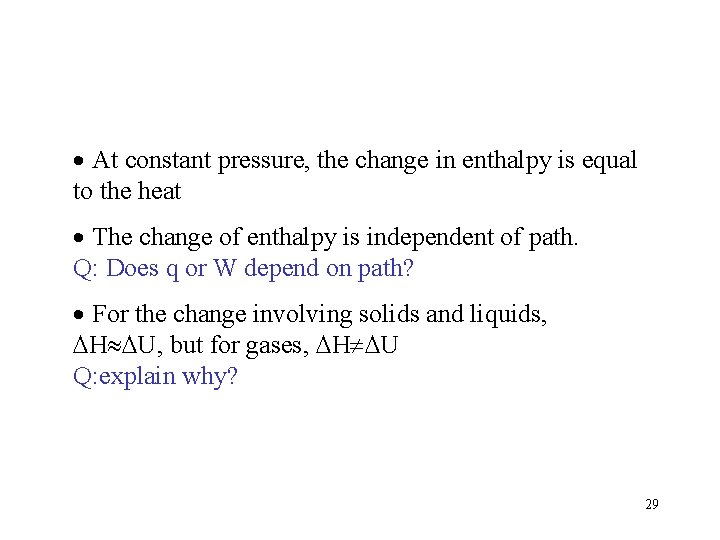
Enthalpy U=q-w · Q Heat is transferred due to the presence of a temperature difference. · Work here is considered as the work of expansion. · U results from the oscillation of atoms or ions in solid and movement of the particles in gas and liquid. · Q and w depend on how the change is carried out where the difference between them does not. · At constant volume, w=0 and U=q 27
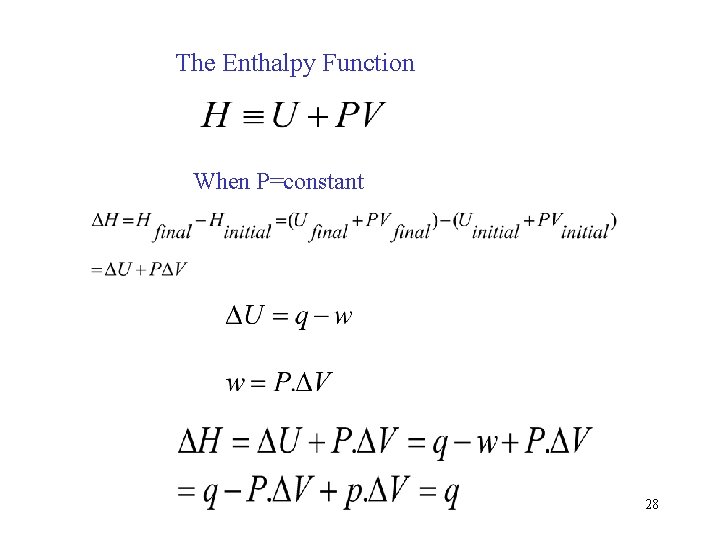
The Enthalpy Function When P=constant 28
· At constant pressure, the change in enthalpy is equal to the heat · The change of enthalpy is independent of path. Q: Does q or W depend on path? · For the change involving solids and liquids, H U, but for gases, H U Q: explain why? 29
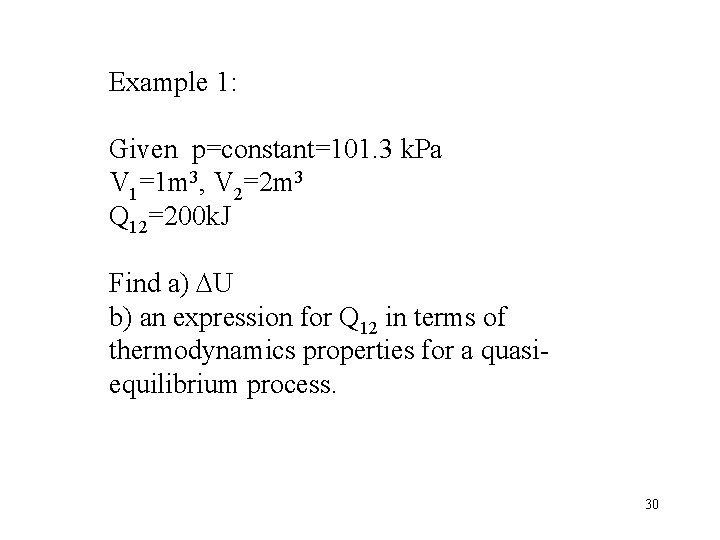
Example 1: Given p=constant=101. 3 k. Pa V 1=1 m 3, V 2=2 m 3 Q 12=200 k. J Find a) U b) an expression for Q 12 in terms of thermodynamics properties for a quasiequilibrium process. 30
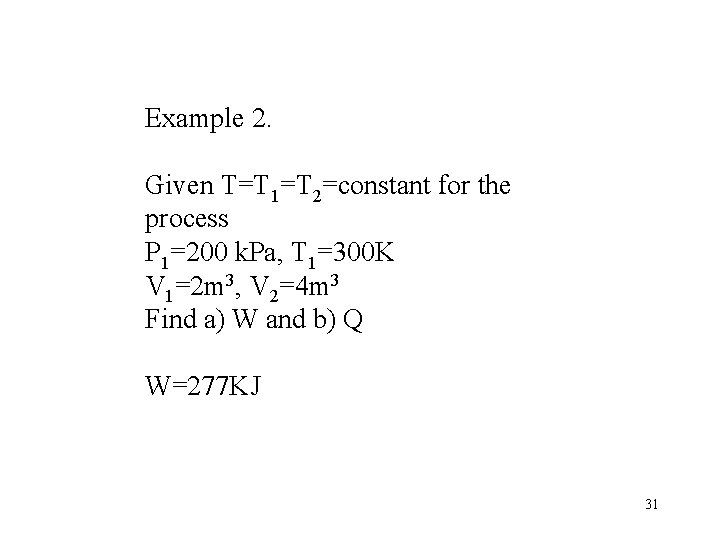
Example 2. Given T=T 1=T 2=constant for the process P 1=200 k. Pa, T 1=300 K V 1=2 m 3, V 2=4 m 3 Find a) W and b) Q W=277 KJ 31
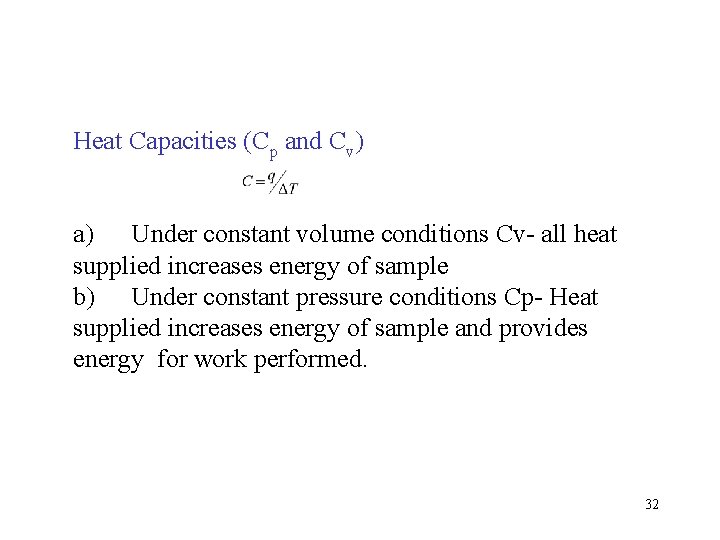
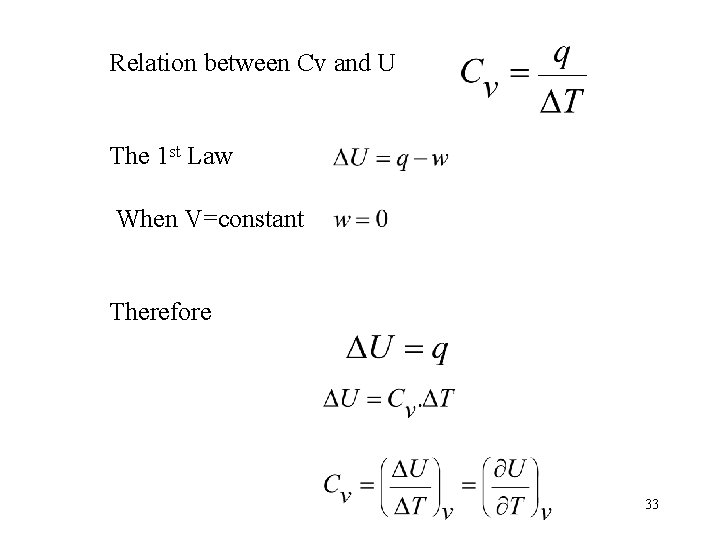
Heat Capacities (Cp and Cv) a) Under constant volume conditions Cv- all heat supplied increases energy of sample b) Under constant pressure conditions Cp- Heat supplied increases energy of sample and provides energy for work performed. 32
Relation between Cv and U The 1 st Law When V=constant Therefore 33
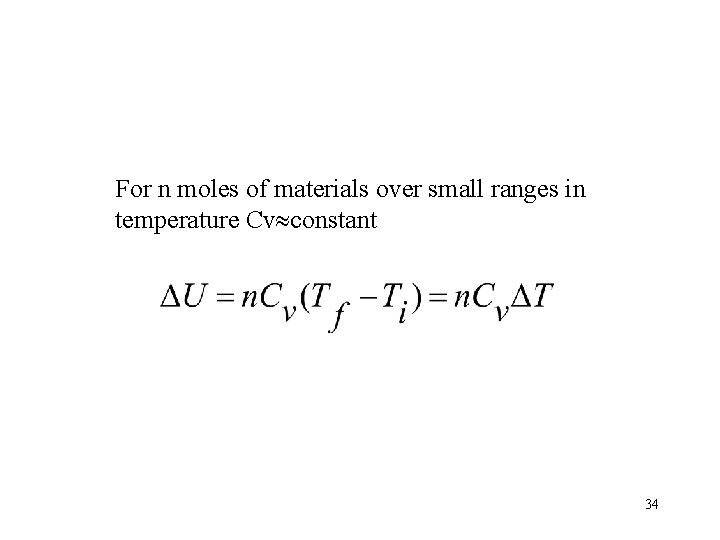
For n moles of materials over small ranges in temperature Cv constant 34
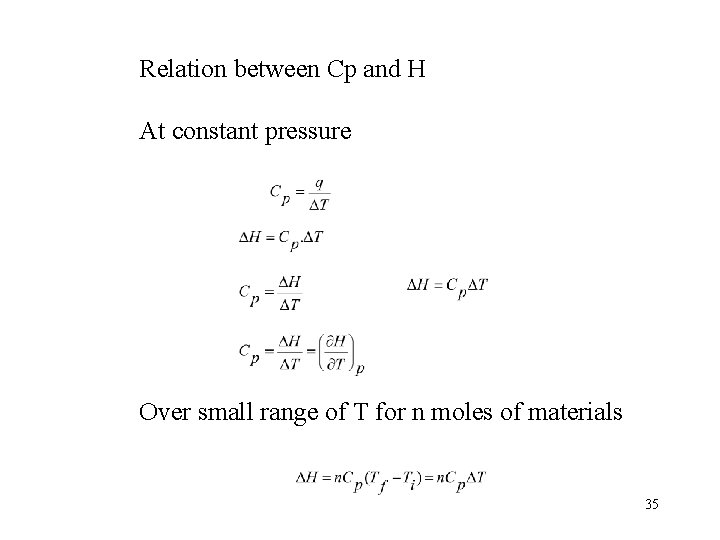
Relation between Cp and H At constant pressure Over small range of T for n moles of materials 35
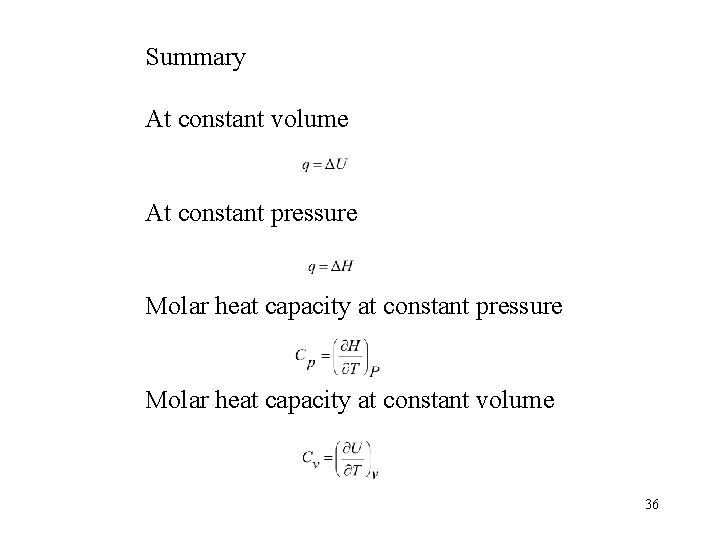
Summary At constant volume At constant pressure Molar heat capacity at constant volume 36
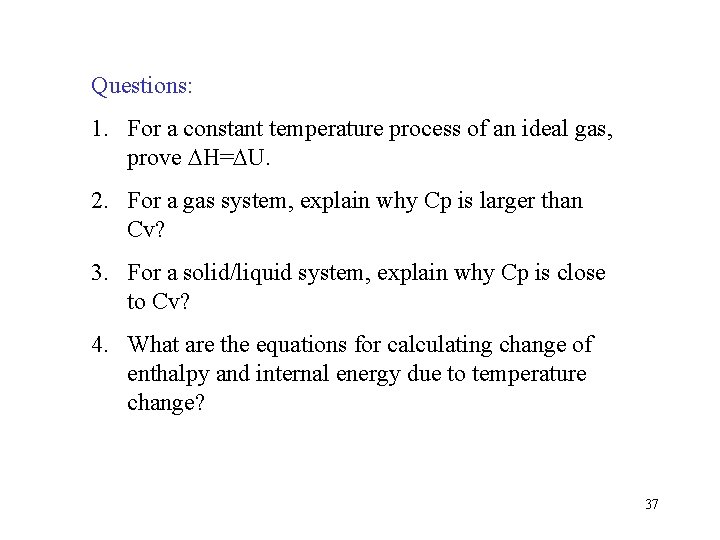
Questions: 1. For a constant temperature process of an ideal gas, prove H= U. 2. For a gas system, explain why Cp is larger than Cv? 3. For a solid/liquid system, explain why Cp is close to Cv? 4. What are the equations for calculating change of enthalpy and internal energy due to temperature change? 37