
What is the growth cycle of grass What

- Slides: 44
What is the growth cycle of grass? What you need to know: How does seed selection effect the productivity of a crop? Investigate the botanical composition of an old permanent pasture and a new ley (SPA) Carry out an investigation to measure the dry matter (DM) content of a named crop (SPA)
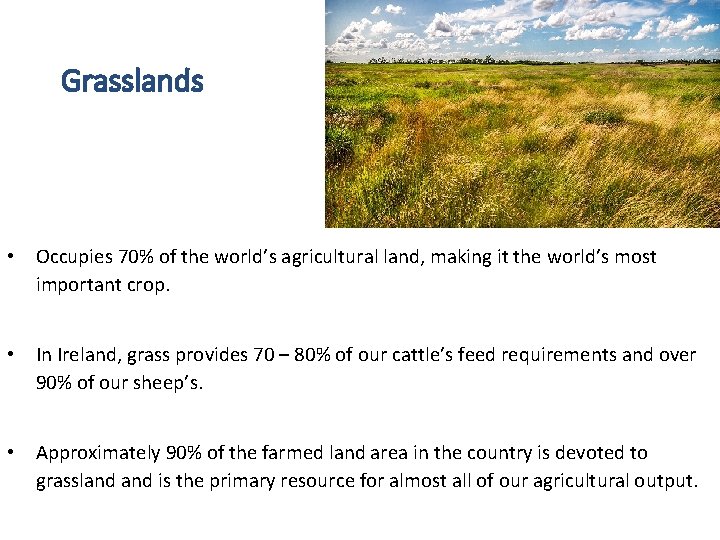
Grasslands • Occupies 70% of the world’s agricultural land, making it the world’s most important crop. • In Ireland, grass provides 70 – 80% of our cattle’s feed requirements and over 90% of our sheep’s. • Approximately 90% of the farmed land area in the country is devoted to grassland is the primary resource for almost all of our agricultural output.
Grassland ecology • Leafy grass species are more palatable and nutritious than taller stemmy species. • Leafy species are more intensely grazed and are found in lowlands. Stemmy species are found on mountains and hillsides. • The value of grassland is assessed by its botanical composition, stocking rate and productivity. https: //youtu. be/xe. Qyq_fsur. I grasslands introduction
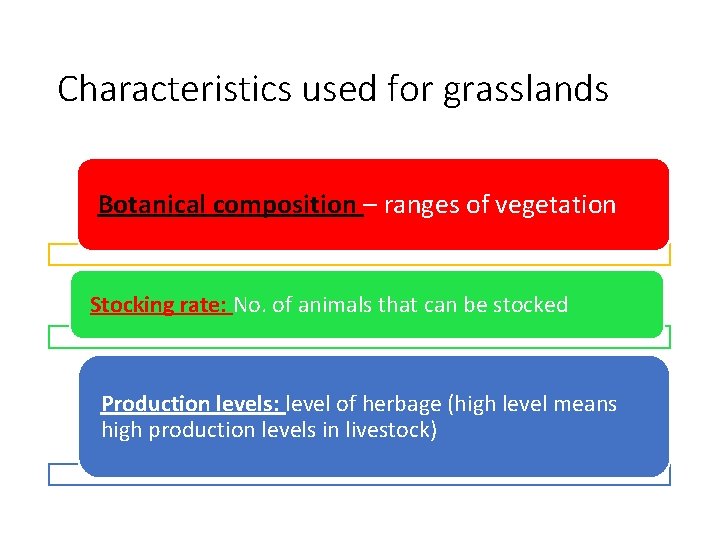
Characteristics used for grasslands Botanical composition – ranges of vegetation Stocking rate: No. of animals that can be stocked Production levels: level of herbage (high level means high production levels in livestock)
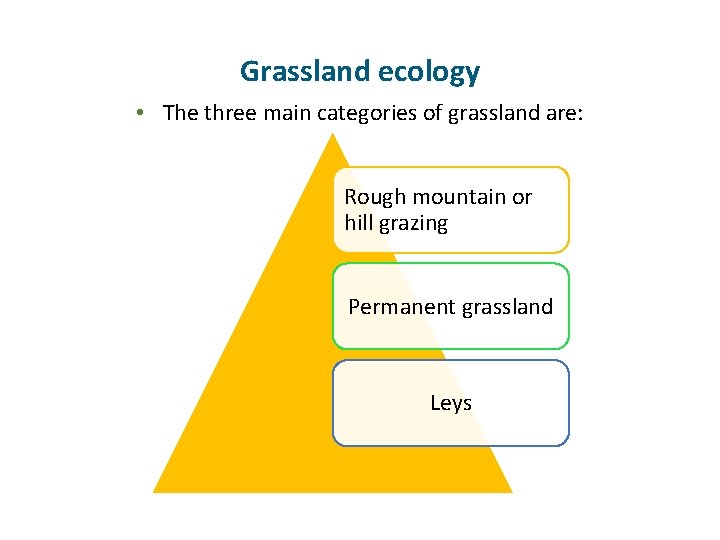
Grassland ecology • The three main categories of grassland are: Rough mountain or hill grazing Permanent grassland Leys
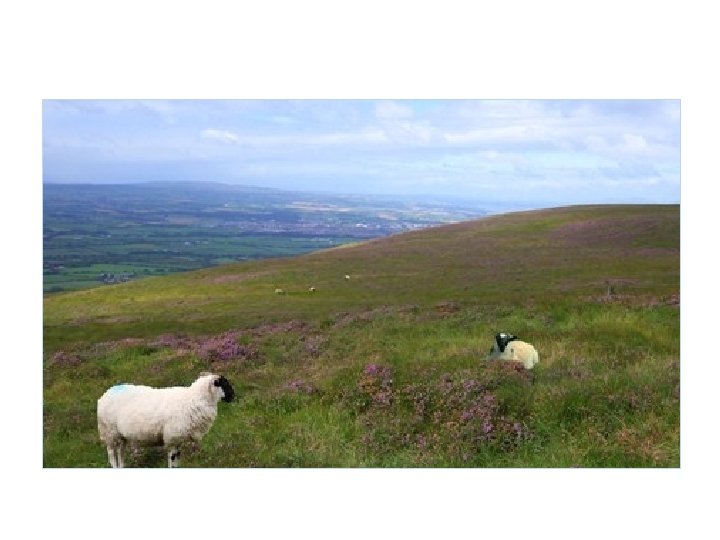
Rough Mountain and Hill Grazing: � More appropriately called grazing than grassland as most of the land is taken up with heather, gorse, bracken and scrub rather than grasses. � It is characterised by large range in composition, low stocking rates and low production. � The land is usually acidic or peaty and generally stony. � It can therefore be very difficult or impossible to cultivate.
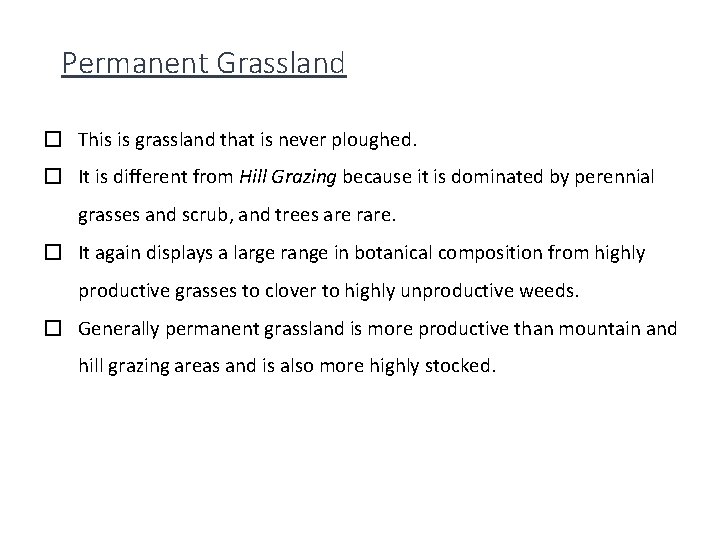
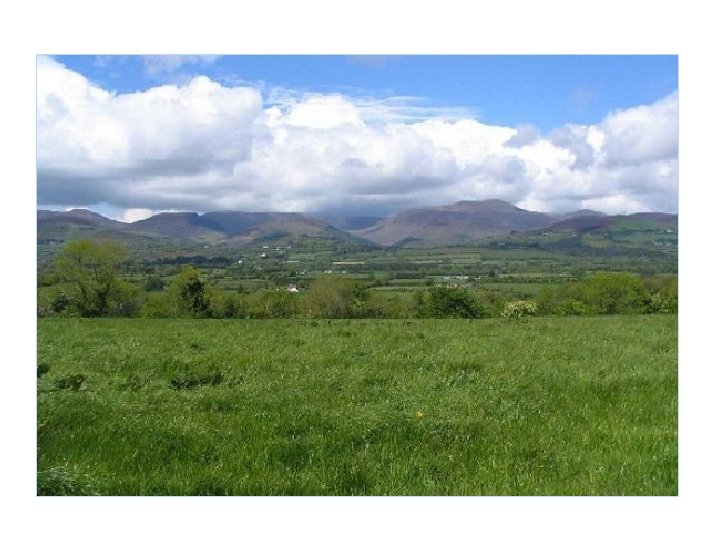
Permanent Grassland � This is grassland that is never ploughed. � It is different from Hill Grazing because it is dominated by perennial grasses and scrub, and trees are rare. � It again displays a large range in botanical composition from highly productive grasses to clover to highly unproductive weeds. � Generally permanent grassland is more productive than mountain and hill grazing areas and is also more highly stocked.
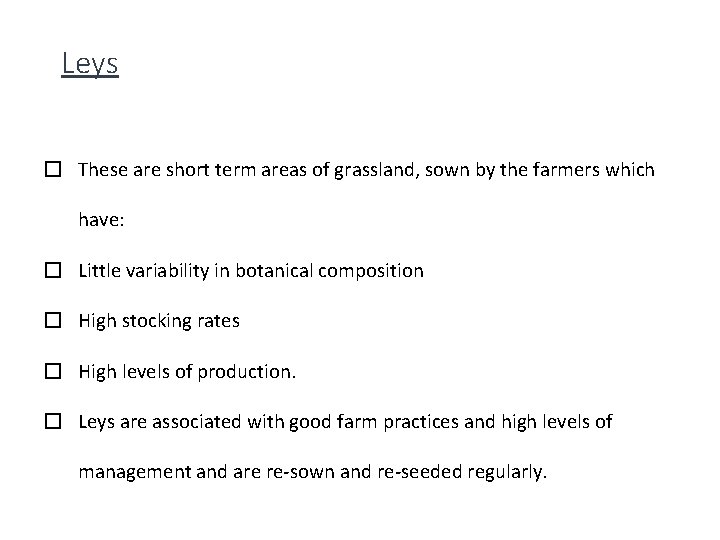
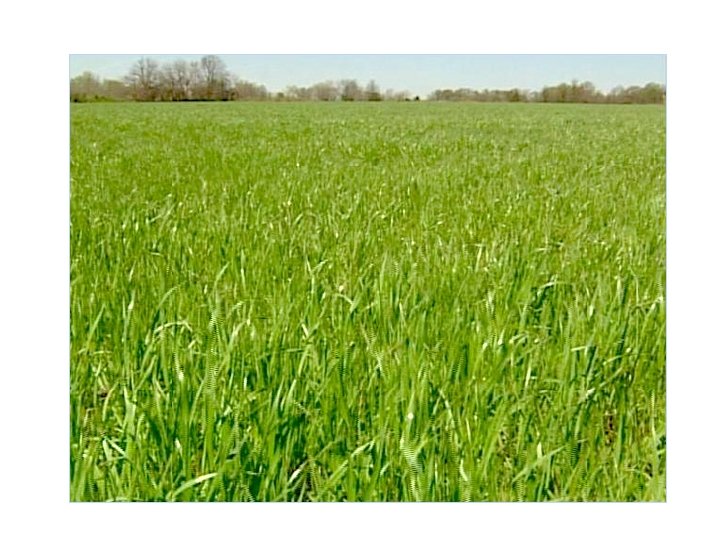
Leys � These are short term areas of grassland, sown by the farmers which have: � Little variability in botanical composition � High stocking rates � High levels of production. � Leys are associated with good farm practices and high levels of management and are re-sown and re-seeded regularly.
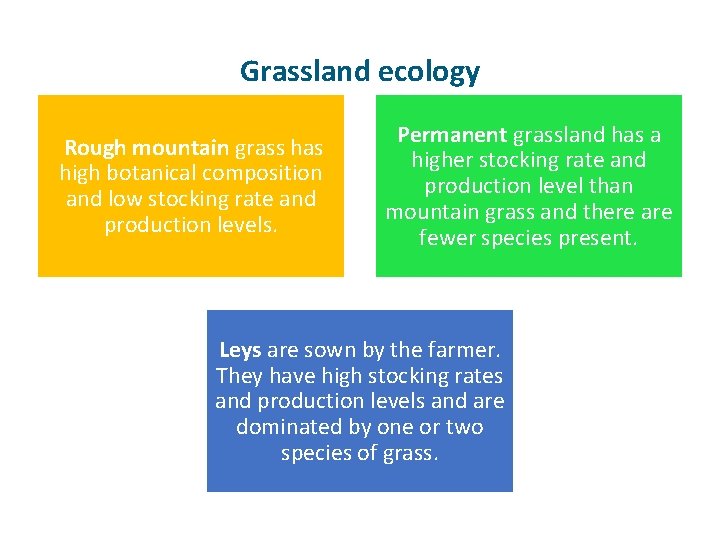
Grassland ecology Rough mountain grass has high botanical composition and low stocking rate and production levels. Permanent grassland has a higher stocking rate and production level than mountain grass and there are fewer species present. Leys are sown by the farmer. They have high stocking rates and production levels and are dominated by one or two species of grass.
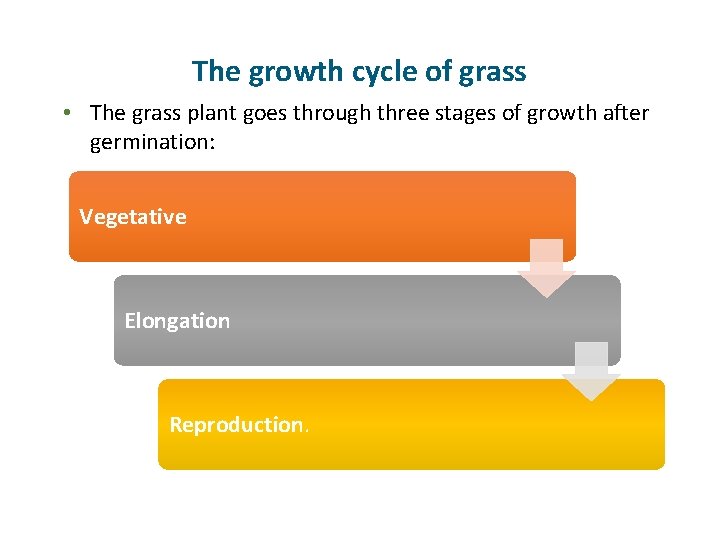
The growth cycle of grass • The grass plant goes through three stages of growth after germination: Vegetative Elongation Reproduction.
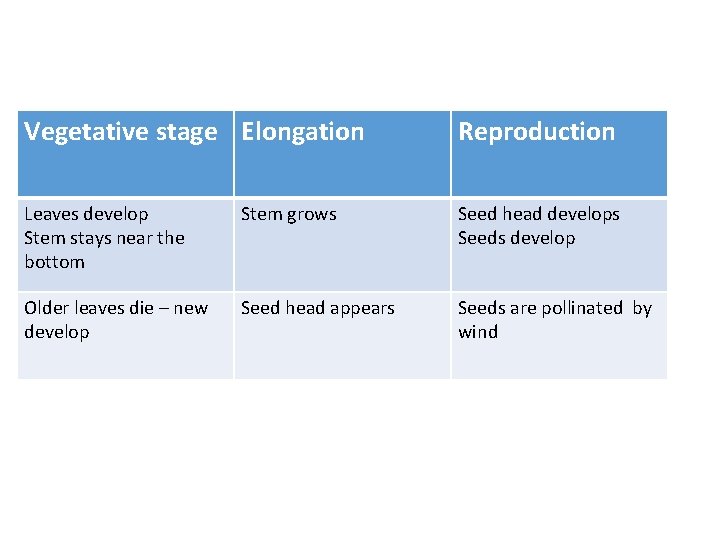
Vegetative stage Elongation Reproduction Leaves develop Stem stays near the bottom Stem grows Seed head develops Seeds develop Older leaves die – new develop Seed head appears Seeds are pollinated by wind
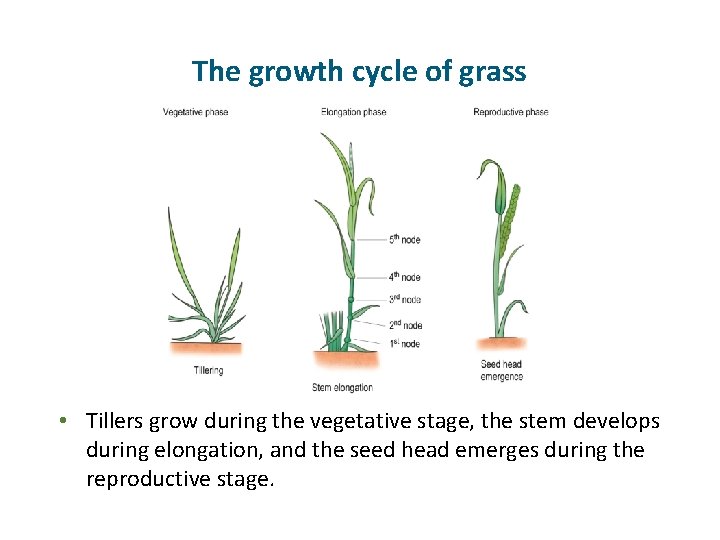
The growth cycle of grass • Tillers grow during the vegetative stage, the stem develops during elongation, and the seed head emerges during the reproductive stage.
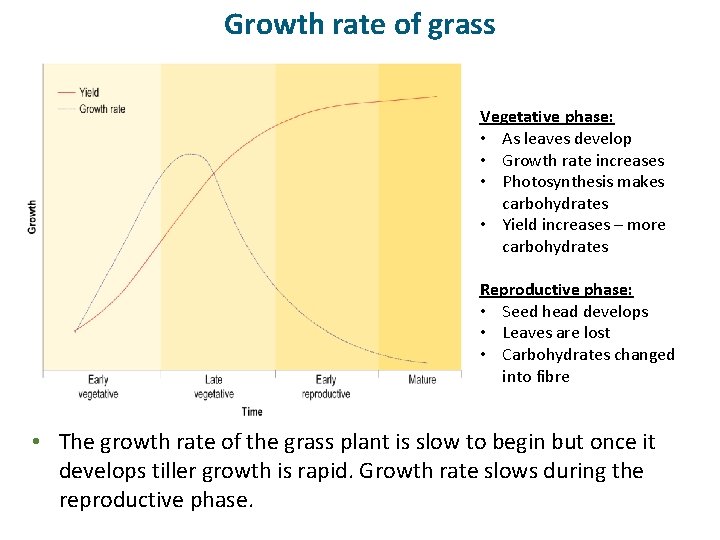
Growth rate of grass Vegetative phase: • As leaves develop • Growth rate increases • Photosynthesis makes carbohydrates • Yield increases – more carbohydrates Reproductive phase: • Seed head develops • Leaves are lost • Carbohydrates changed into fibre • The growth rate of the grass plant is slow to begin but once it develops tiller growth is rapid. Growth rate slows during the reproductive phase.
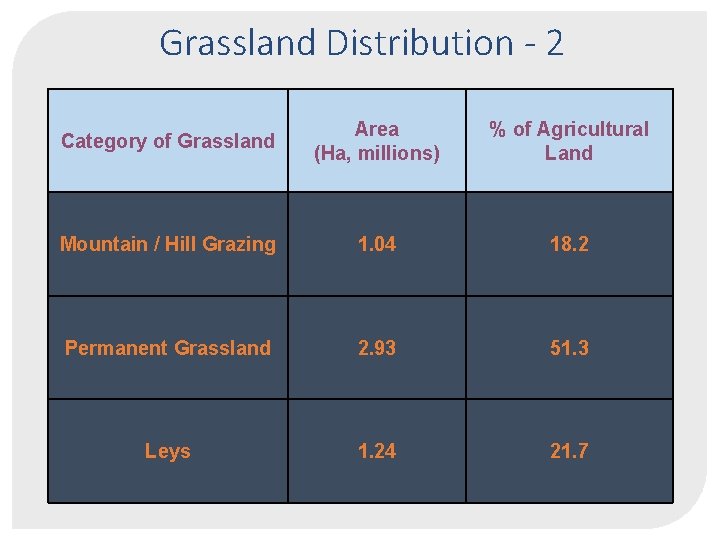
Grassland Distribution • Grass dominates most of the land in nearly all the counties in Ireland. • In Munster, Ulster and Connacht it can be up to 90% of all agricultural land. • In the south – east it is only about 75%. Why? • The following table shows the relative amounts of grassland in Ireland.
Grassland Distribution - 2 Category of Grassland Area (Ha, millions) % of Agricultural Land Mountain / Hill Grazing 1. 04 18. 2 Permanent Grassland 2. 93 51. 3 Leys 1. 24 21. 7
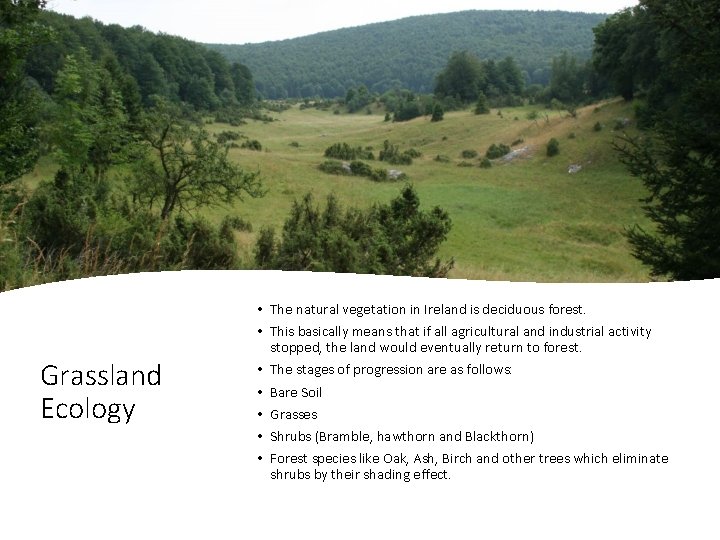
Grassland Ecology • The natural vegetation in Ireland is deciduous forest. • This basically means that if all agricultural and industrial activity stopped, the land would eventually return to forest. • The stages of progression are as follows: • Bare Soil • Grasses • Shrubs (Bramble, hawthorn and Blackthorn) • Forest species like Oak, Ash, Birch and other trees which eliminate shrubs by their shading effect.
Characteristics of grass: • Grass is used during summer (grazing) and winter fodder • No other use (yet) • Look for grass species that produce the largest amount, high in nutrients, attractive to the livestock • The grass species which can match these, is sown regularly • Grassland is measured in three ways: 1. Productivity, 2. Palatability 3. Digestibility.
Productivity • Ability of a grass to produce large amount of plant material (herbage). • It also refers to the ability to respond to a fertiliser. • Perennial ryegrass has the highest productivity while mat grasses have low productivity. • Palatability refers to taste etc, in other words how appealing the grass is! • Sheep and cattle are selective eaters and will only eat the most palatable grass.
Palatability • refers to taste etc, in other words how appealing the grass is! • Sheep and cattle are selective eaters and will only eat the most palatable grass.
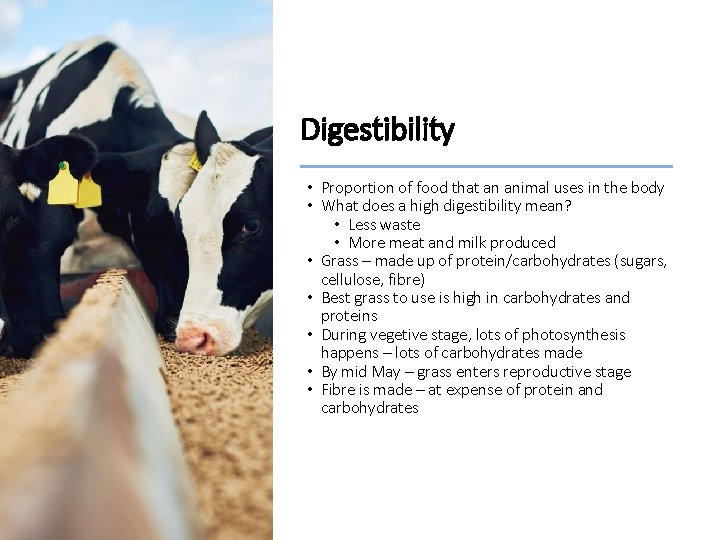
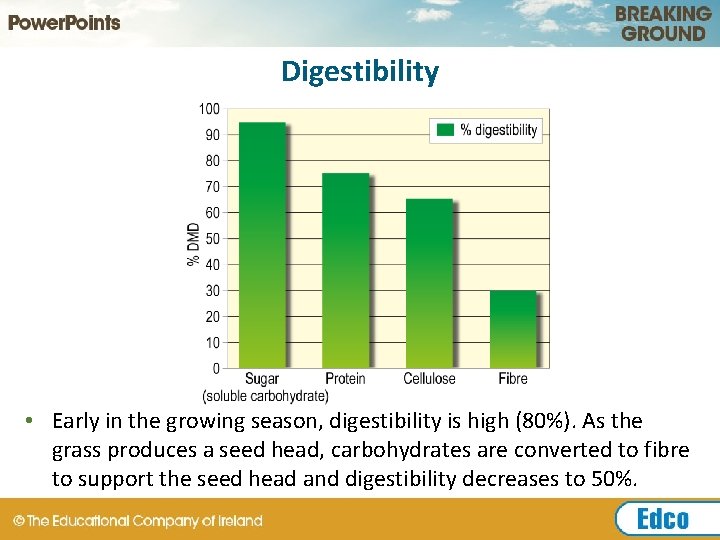
Digestibility • Proportion of food that an animal uses in the body • What does a high digestibility mean? • Less waste • More meat and milk produced • Grass – made up of protein/carbohydrates (sugars, cellulose, fibre) • Best grass to use is high in carbohydrates and proteins • During vegetive stage, lots of photosynthesis happens – lots of carbohydrates made • By mid May – grass enters reproductive stage • Fibre is made – at expense of protein and carbohydrates
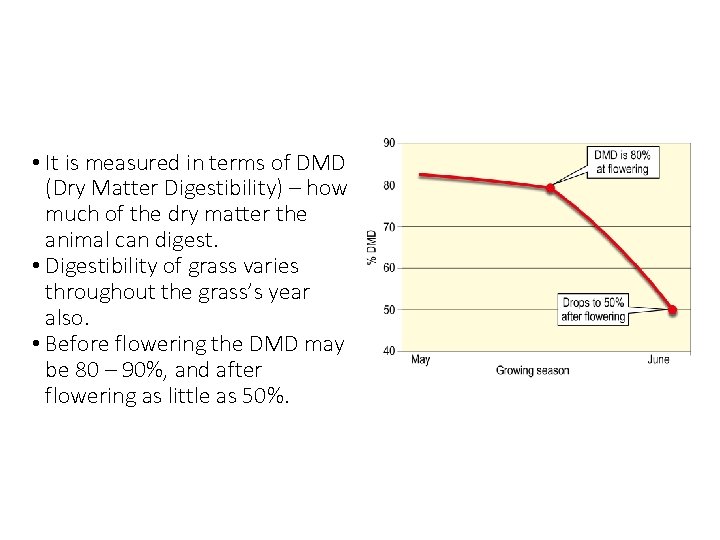
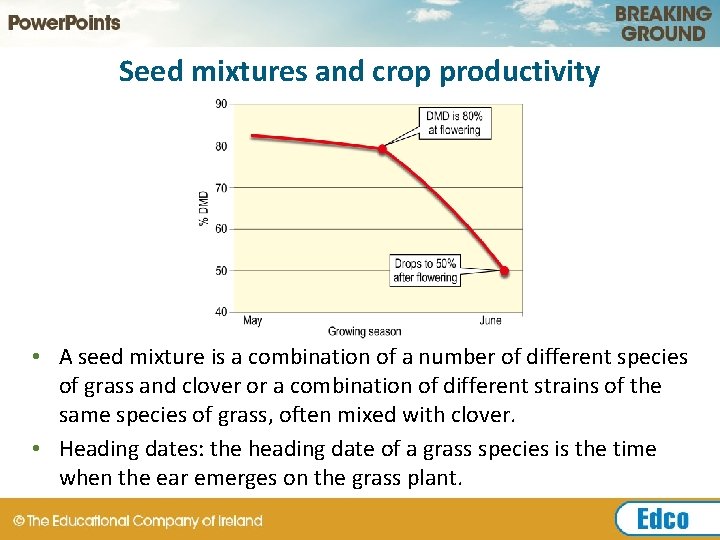
• It is measured in terms of DMD (Dry Matter Digestibility) – how much of the dry matter the animal can digest. • Digestibility of grass varies throughout the grass’s year also. • Before flowering the DMD may be 80 – 90%, and after flowering as little as 50%.
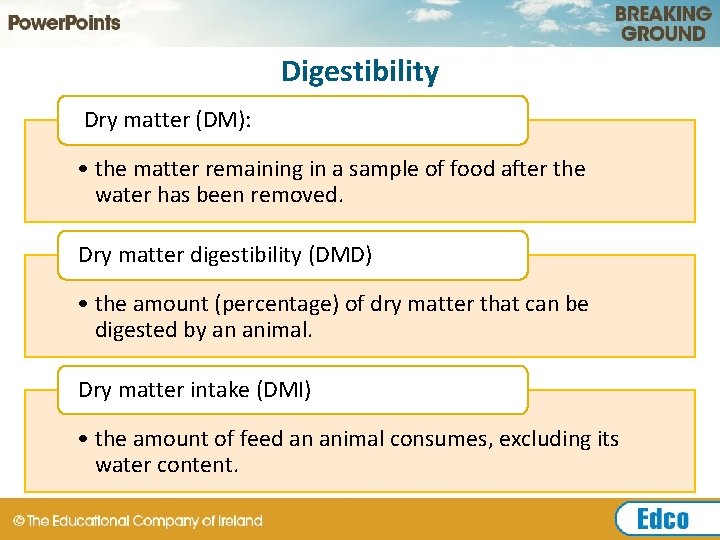
Digestibility Dry matter (DM): • the matter remaining in a sample of food after the water has been removed. Dry matter digestibility (DMD) • the amount (percentage) of dry matter that can be digested by an animal. Dry matter intake (DMI) • the amount of feed an animal consumes, excluding its water content.
Digestibility • Early in the growing season, digestibility is high (80%). As the grass produces a seed head, carbohydrates are converted to fibre to support the seed head and digestibility decreases to 50%.
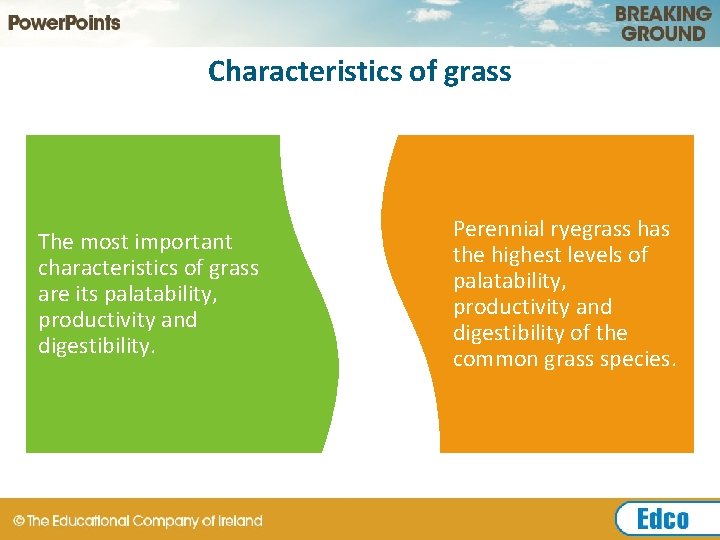
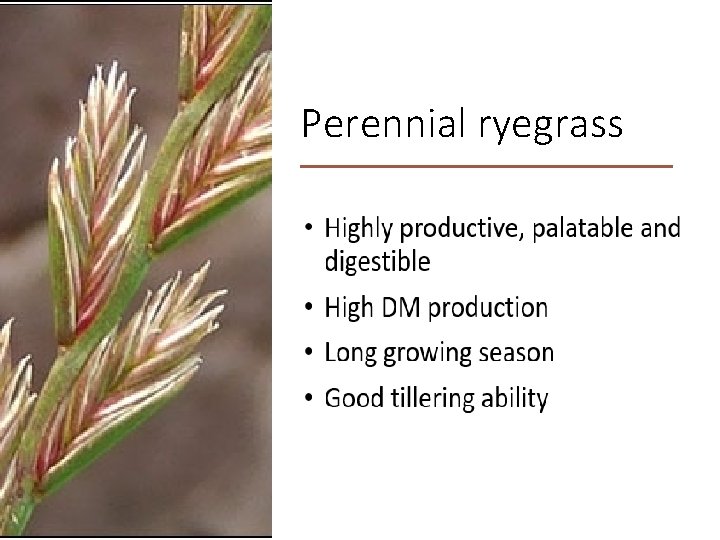
Characteristics of grass The most important characteristics of grass are its palatability, productivity and digestibility. Perennial ryegrass has the highest levels of palatability, productivity and digestibility of the common grass species.
https: //youtu. be/o 4 e_m 3 Eec. LU How To Get Productivity Back Into Your Grassland
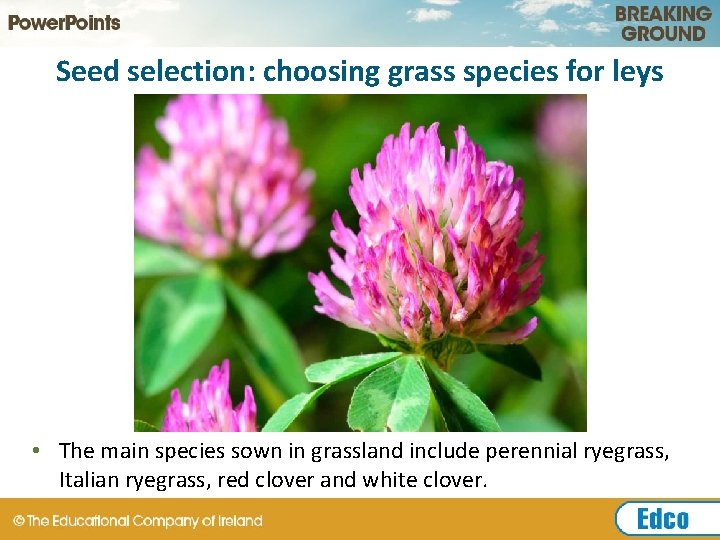
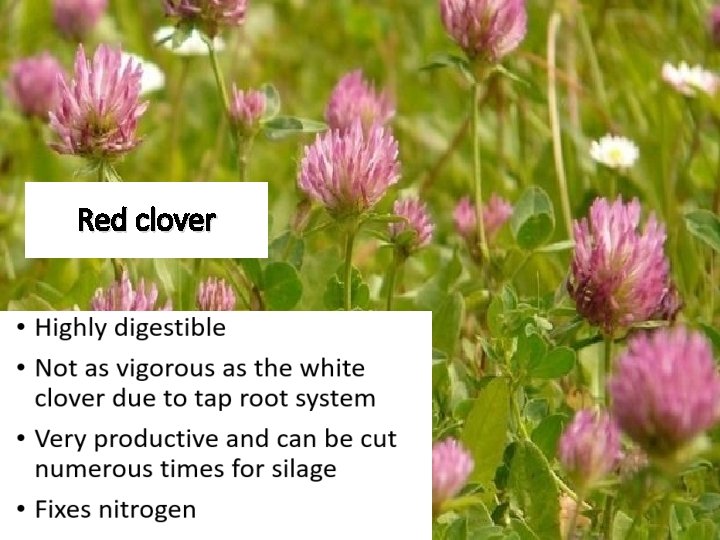
Seed selection: choosing grass species for leys • The main species sown in grassland include perennial ryegrass, Italian ryegrass, red clover and white clover.
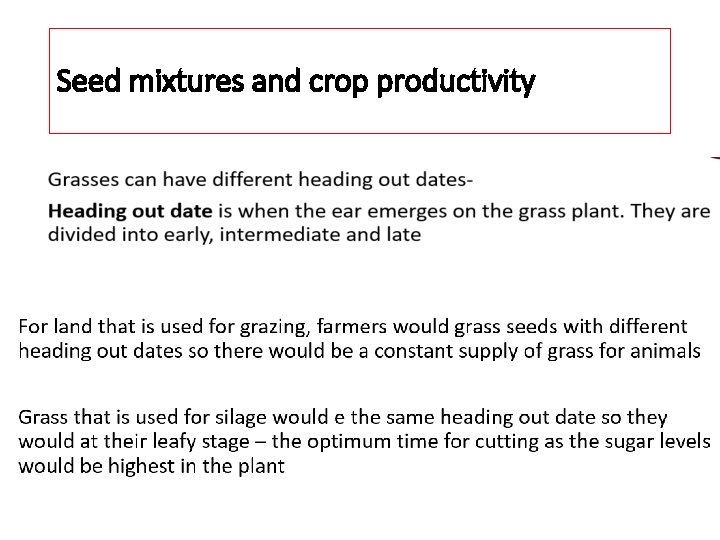
Seed mixtures and crop productivity • A seed mixture is a combination of a number of different species of grass and clover or a combination of different strains of the same species of grass, often mixed with clover. • Heading dates: the heading date of a grass species is the time when the ear emerges on the grass plant.
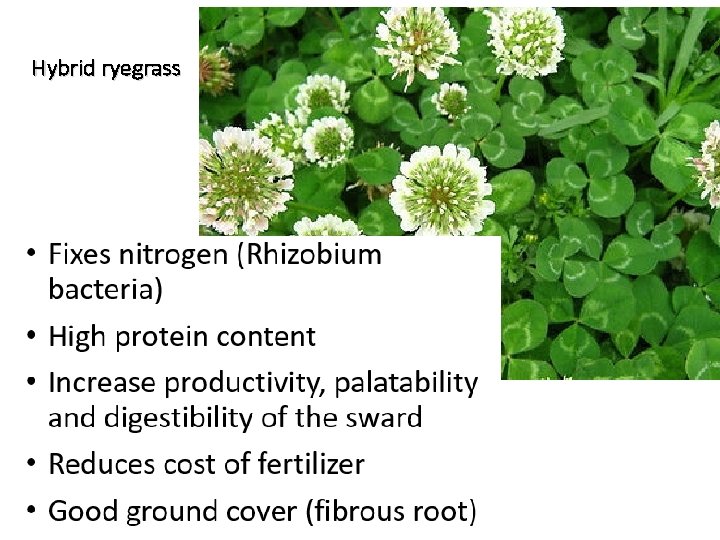
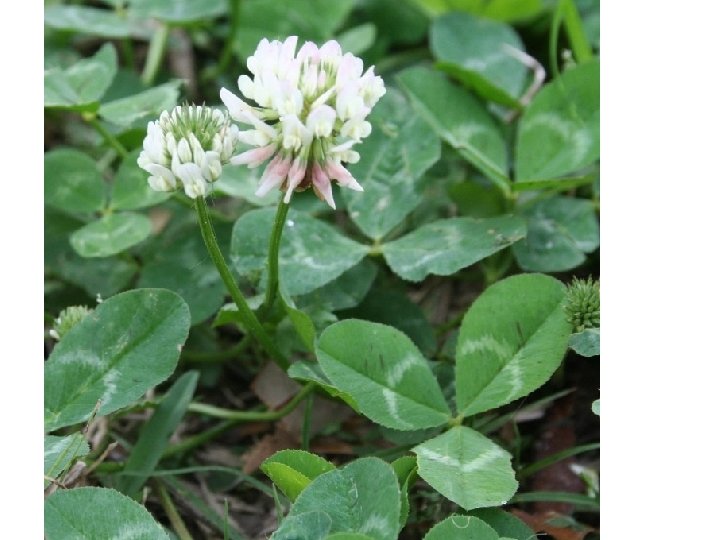
Seed selection Choosing grass species for leys • Variety of strains of ryegrass and clover is the most common seed mixture • Most common is • Perennial ryegrass (PRG) • White clover
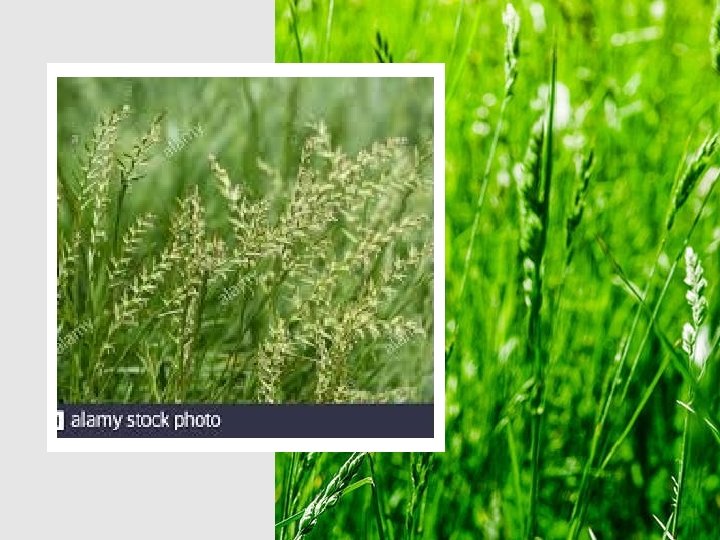
Perennial ryegrass
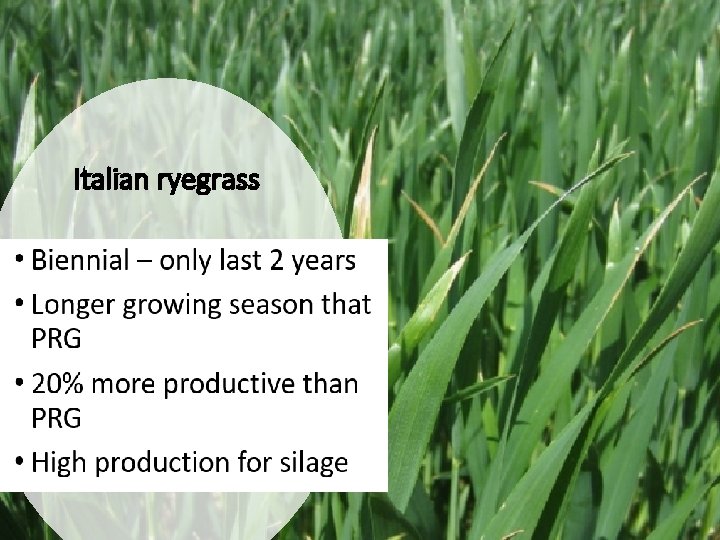
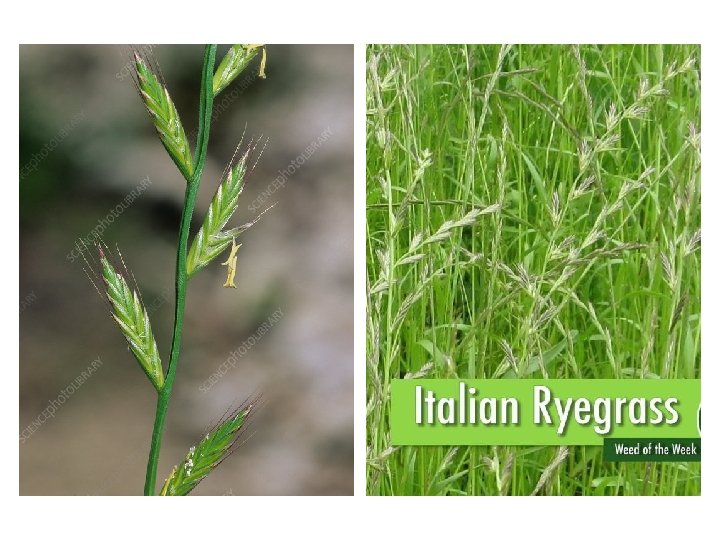
Italian ryegrass
Hybrid ryegrass
Red clover
Seed mixtures and crop productivity
Answers