
WHAT IS THE FIRE LIFE SAFETY ECOSYSTEM The
- Slides: 12
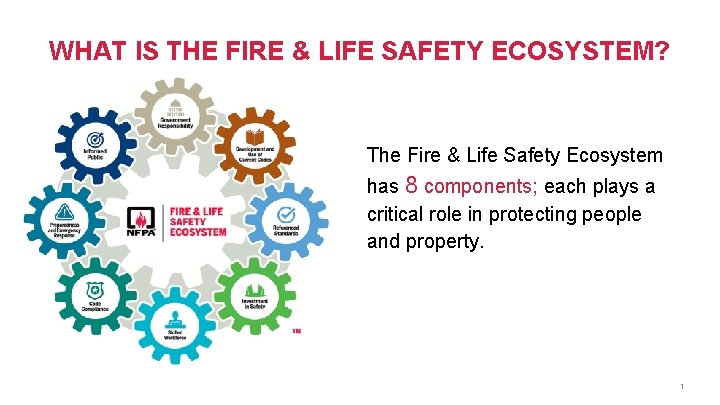
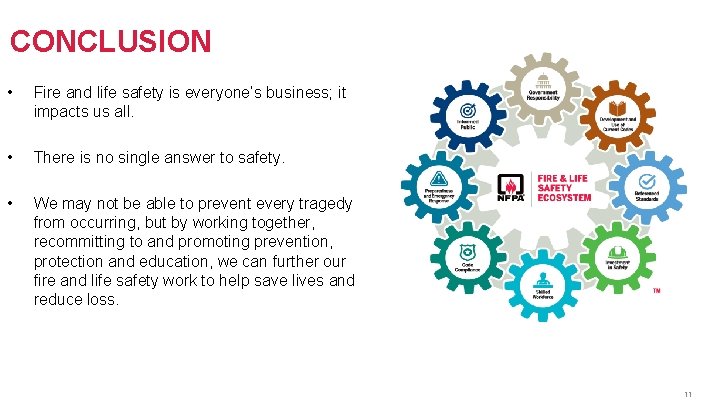
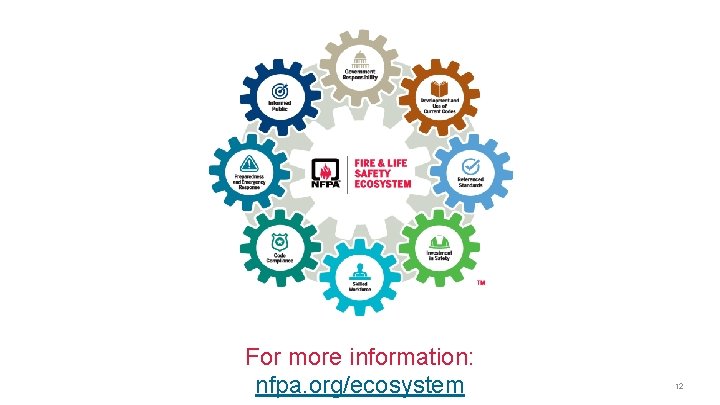
WHAT IS THE FIRE & LIFE SAFETY ECOSYSTEM? The Fire & Life Safety Ecosystem has 8 components; each plays a critical role in protecting people and property. 1
YOUR ROLE IN THE FIRE & LIFE SAFETY ECOSYSTEM Safety is everyone’s responsibility. Your role can and will impact safety. Do you know your role? What part do you play in the Fire & Life Safety Ecosystem? 2
GOVERNMENT RESPONSIBILITY What is it? Why is it important? Maintaining an effective policy and regulatory environment supporting fire, electrical, building and life safety. Recent polling shows people feel the government should be held accountable for ensuring safety requirements are up-to-date for their constituents. They assume it is currently happening, but in many cases, we know it doesn’t take place. 3
DEVELOPMENT AND USE OF CURRENT CODES What is it? Why is it important? Using the latest codes and standards developed by experts from across the world to establish minimum levels of safety to protect people and property. As technology changes, safety advocates are constantly assessing the risks we face in our homes, workplaces, and other buildings, as well as behaviors and actions that can create new hazards. Codes and standards are updated to reflect this changing world. 4
REFERENCED STANDARDS What is it? Why is it important? Applying all standards that are referenced within the primary fire, life safety, building, and electrical codes and standards. Referenced standards provide critical guidance to designers, installers, facility operators, and enforcers. They are part of the code and must be used to ensure a minimum level of safety for all. 5
INVESTMENT IN SAFETY What is it? Why is it important? Investing in safety should always be everyone’s high priority. We all must work together if we want to diminish losses from fire and related hazards. If we don’t take a vested interest in the safety of the public, and if we make decisions based solely on financial gains, tragedies will ultimately occur. 6
SKILLED WORKFORCE What is it? Why is it important? Providing opportunities for professionals to apply the skills they have, offer training when they need it, and reward those who recommit to fire prevention, protection, and education. Promoting the development of and utilizing skilled professionals ensures we are applying correctly the most current codes and standards to our work and in return, we reduce risk of injuries, loss, and death for workers and the public. 7
CODE COMPLIANCE What is it? Why is it important? Supporting effective code enforcement. Whether a house or a new office building, the places people live and work are only as safe as the code compliance in place before, during, and after construction. It’s a fact that enacting and enforcing fire, electrical, building and life safety codes and standards, and ensuring on -going inspection, testing, and maintenance of facilities and safety systems, reduce deaths, injuries, and losses resulting from building fires. 8
PREPAREDNESS AND EMERGENCY RESPONSE What is it? Why is it important? Investing in, prioritizing, and investing money in effective preparedness and response capabilities and resources for before, during, and after an emergency. When they put their lives on the line, first responders should feel secure knowing they are prepared to protect their communities, and that their communities are working to help prevent and prepare for emergency situations. 9
INFORMED PUBLIC What is it? Why is it important? Raising awareness, providing resources, and educating the public about the dangers posed by fire, electrical, and related hazards. When given tips and action steps to help address hazards, the public will likely make better, more informed decisions and take action to protect their home and personal safety. 10
CONCLUSION • Fire and life safety is everyone’s business; it impacts us all. • There is no single answer to safety. • We may not be able to prevent every tragedy from occurring, but by working together, recommitting to and promoting prevention, protection and education, we can further our fire and life safety work to help save lives and reduce loss. 11
For more information: nfpa. org/ecosystem 12