
What is Surveillance The close and continuous observation

What is Surveillance? The close and continuous observation of one or more persons for the purpose of direction, supervision, or control Webster’s Third International Dictionary New Lesson 1 -2: Surveillance
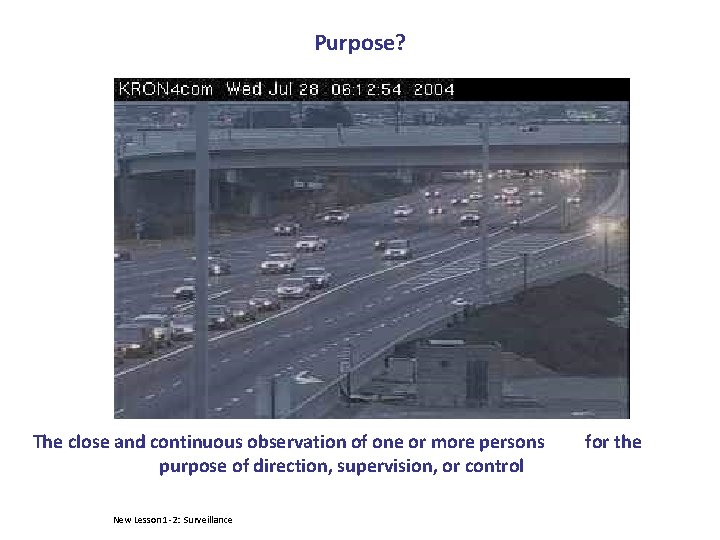
Purpose? The close and continuous observation of one or more persons purpose of direction, supervision, or control New Lesson 1 -2: Surveillance for the
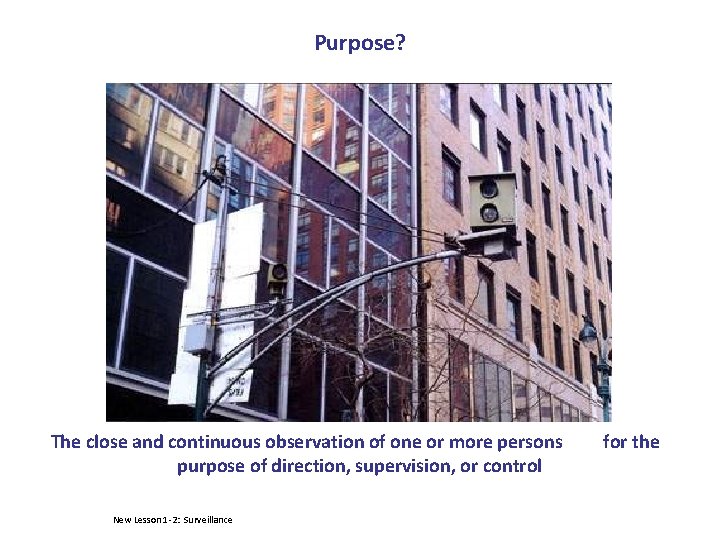
Purpose? The close and continuous observation of one or more persons purpose of direction, supervision, or control New Lesson 1 -2: Surveillance for the
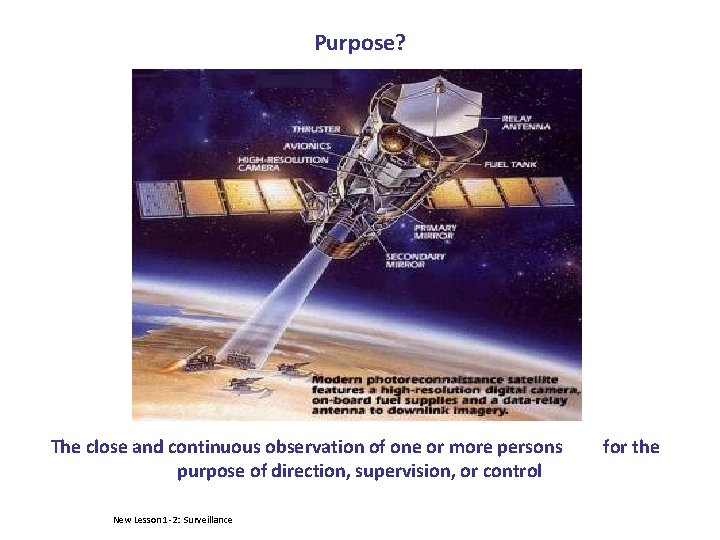
Purpose? The close and continuous observation of one or more persons purpose of direction, supervision, or control New Lesson 1 -2: Surveillance for the
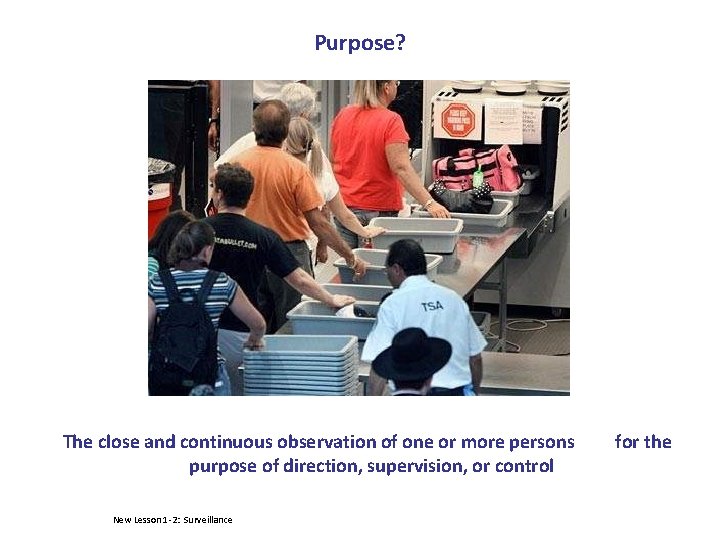
Purpose? The close and continuous observation of one or more persons purpose of direction, supervision, or control New Lesson 1 -2: Surveillance for the
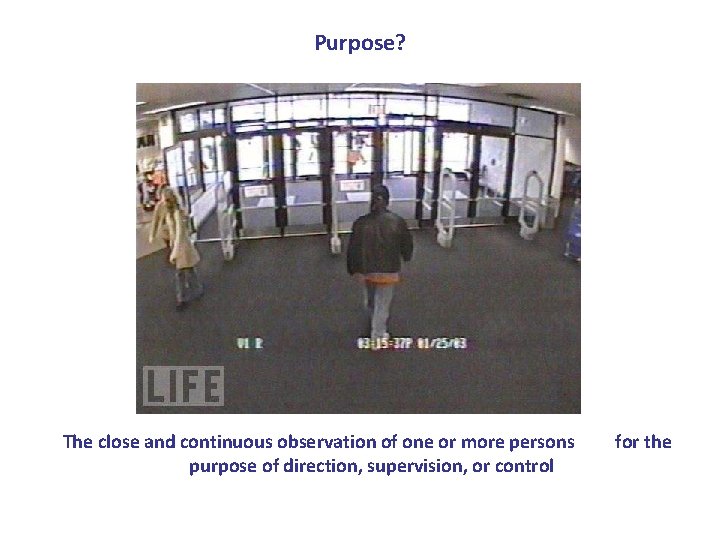
Purpose? The close and continuous observation of one or more persons purpose of direction, supervision, or control for the
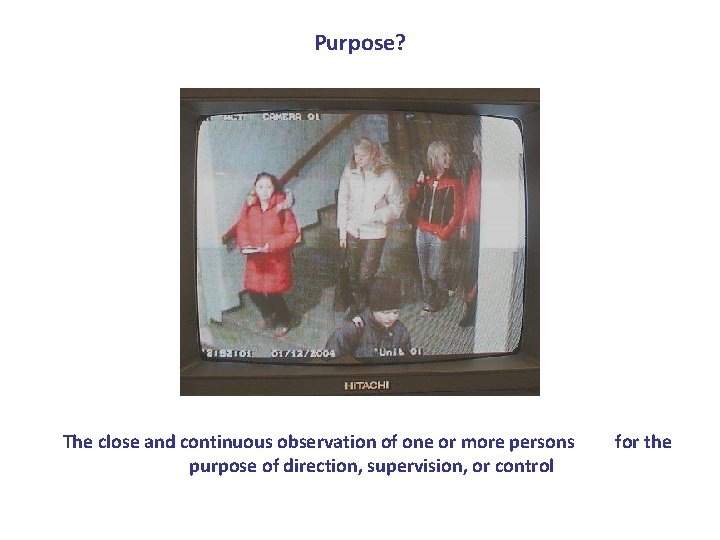
Purpose? The close and continuous observation of one or more persons purpose of direction, supervision, or control for the
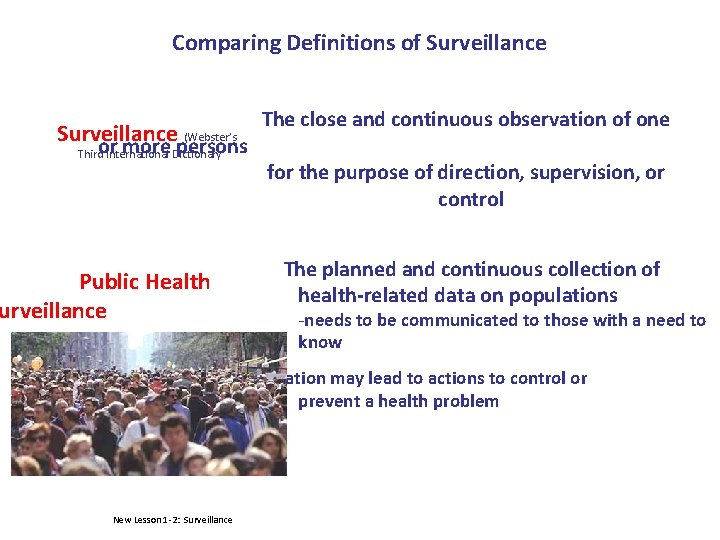
Comparing Definitions of Surveillance (Webster’s or more persons Third International Dictionary Public Health urveillance The close and continuous observation of one for the purpose of direction, supervision, or control The planned and continuous collection of health-related data on populations -needs to be communicated to those with a need to know - the information may lead to actions to control or prevent a health problem New Lesson 1 -2: Surveillance
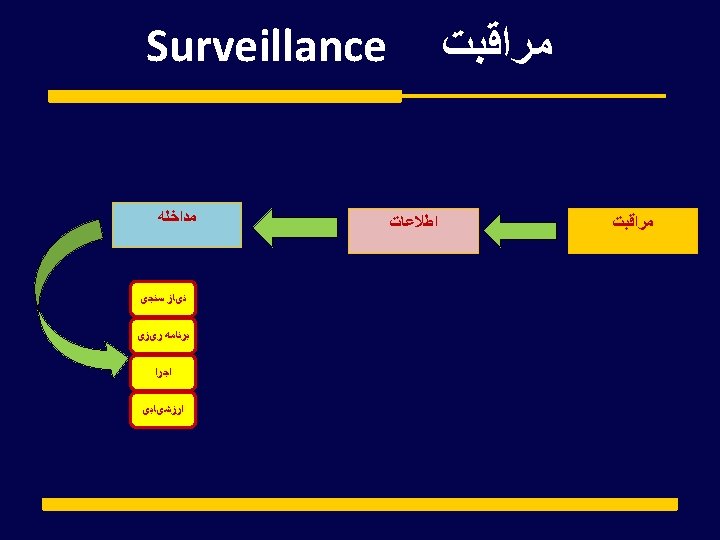
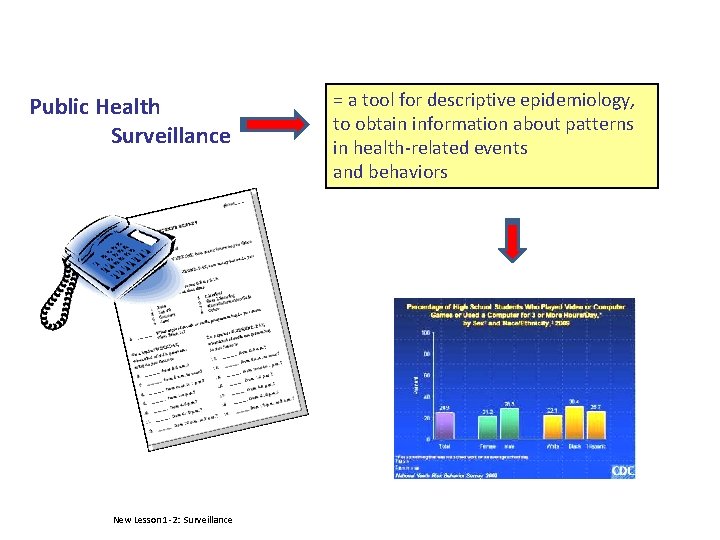
Public Health Surveillance New Lesson 1 -2: Surveillance = a tool for descriptive epidemiology, to obtain information about patterns in health-related events and behaviors
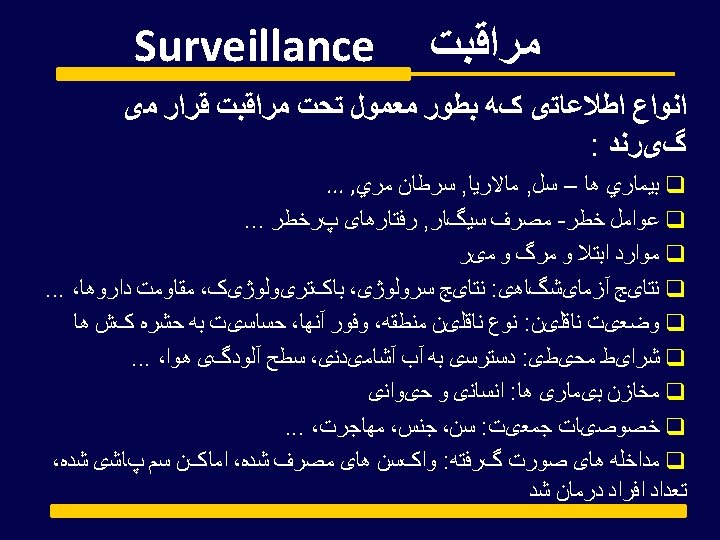
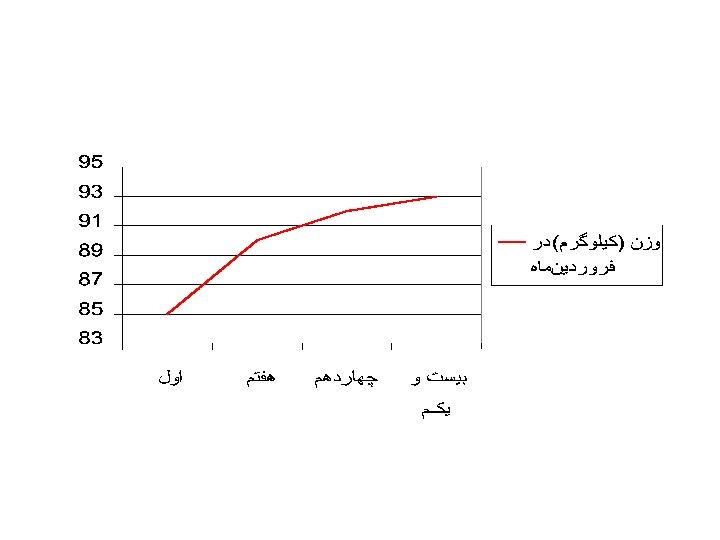
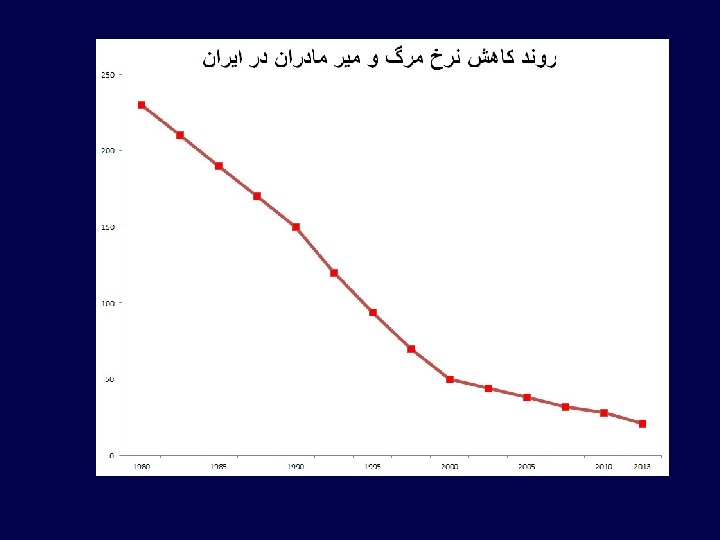
Public Health Surveillance in the United States New Lesson 1 -2: Surveillance
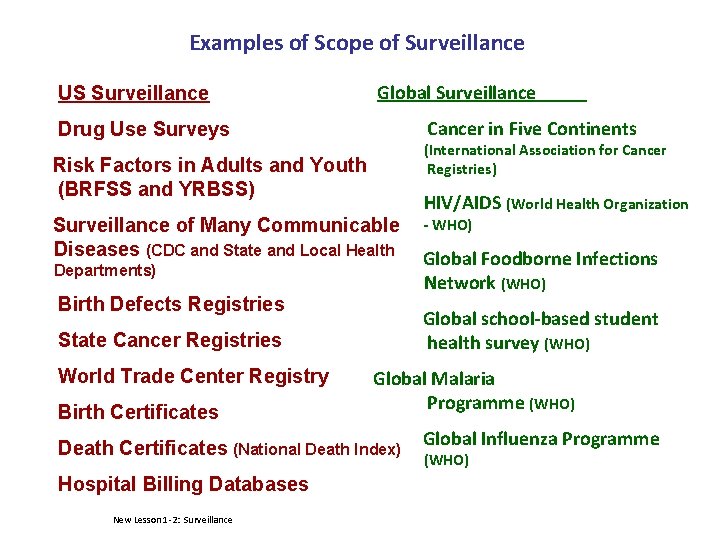
Examples of Scope of Surveillance US Surveillance Global Surveillance Cancer in Five Continents Drug Use Surveys (International Association for Cancer Registries) Risk Factors in Adults and Youth (BRFSS and YRBSS) Surveillance of Many Communicable Diseases (CDC and State and Local Health Departments) Birth Defects Registries Birth Certificates New Lesson 1 -2: Surveillance Global Foodborne Infections Network (WHO) Global Malaria Programme (WHO) Death Certificates (National Death Index) Hospital Billing Databases - WHO) Global school-based student health survey (WHO) State Cancer Registries World Trade Center Registry HIV/AIDS (World Health Organization Global Influenza Programme (WHO)


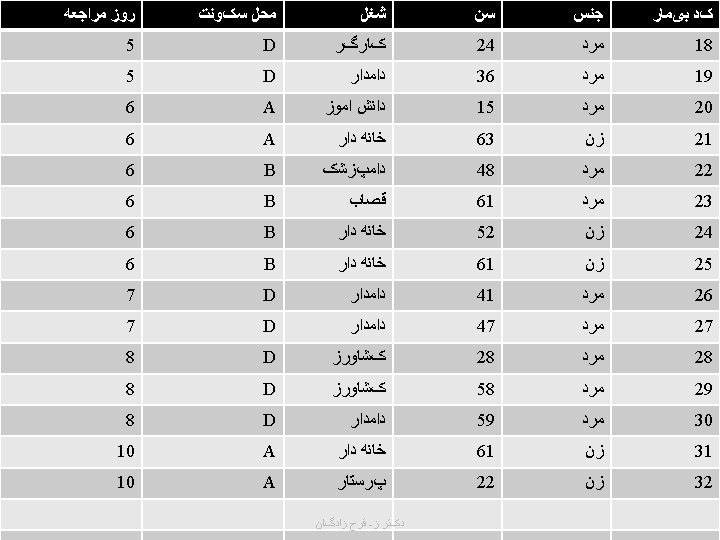
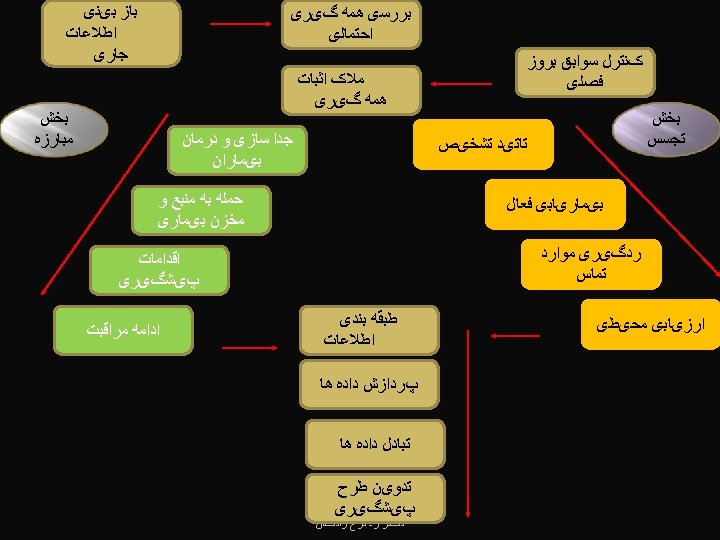
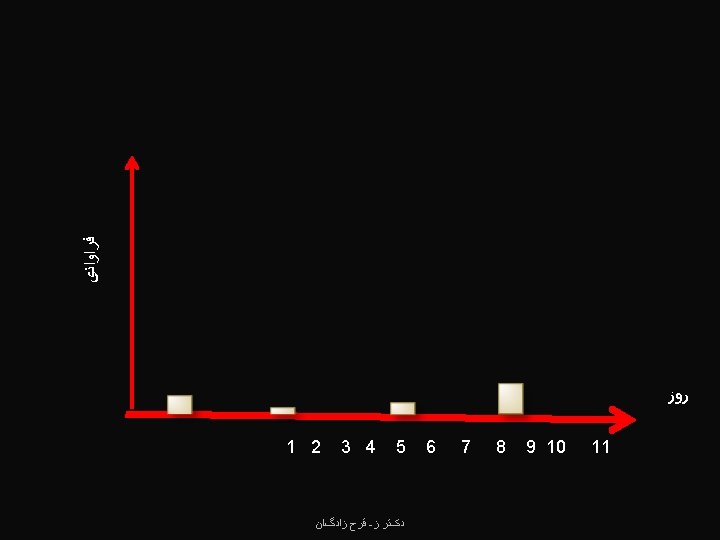
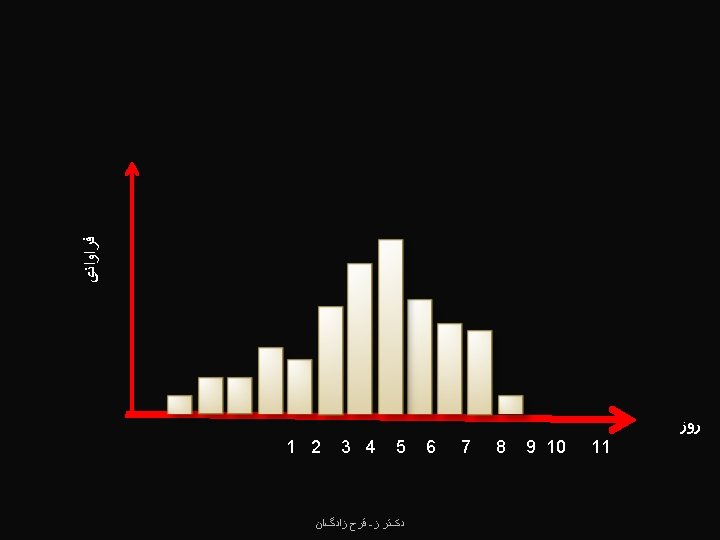

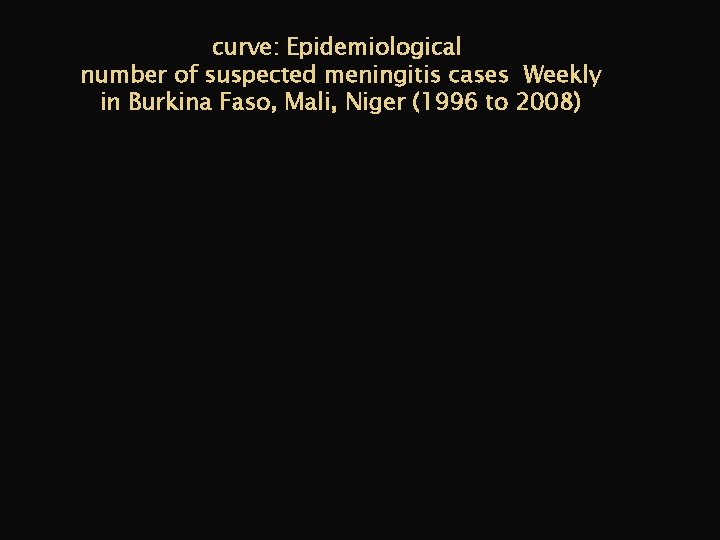
curve: Epidemiological number of suspected meningitis cases Weekly in Burkina Faso, Mali, Niger (1996 to 2008)
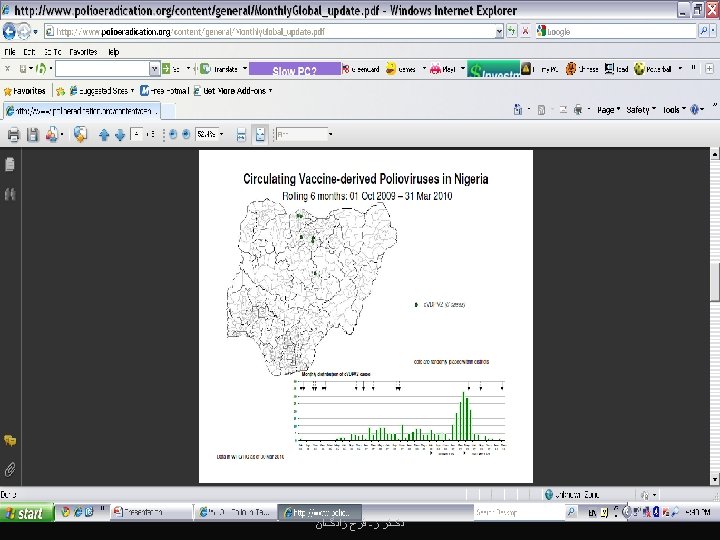

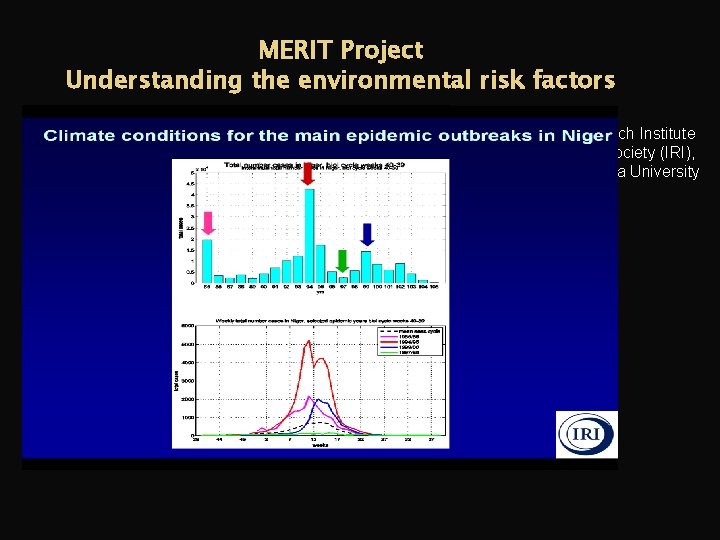
MERIT Project Understanding the environmental risk factors International Research Institute for Climate and Society (IRI), Columbia University
Data analysis by Dr. Z farajzadegan
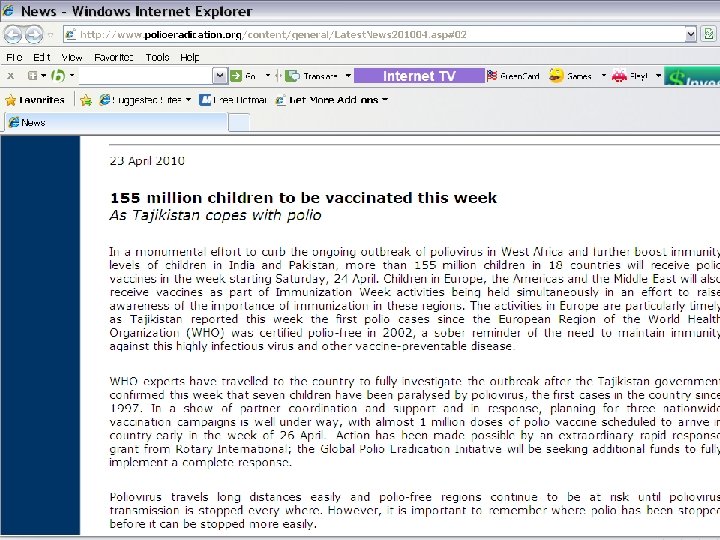

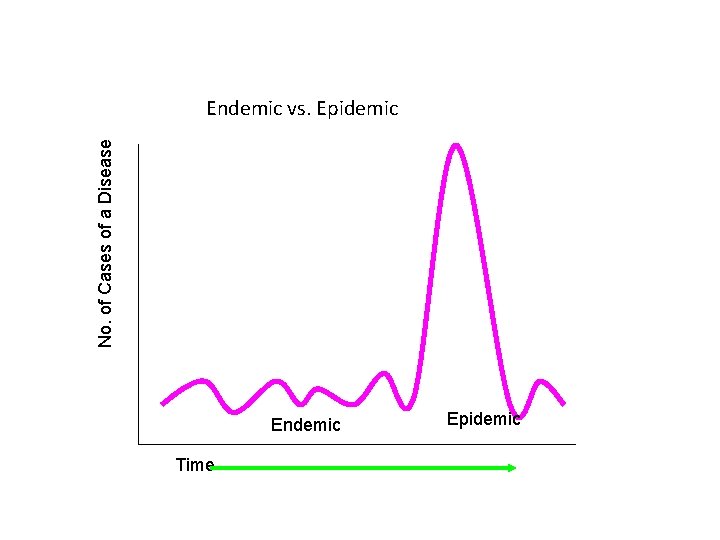
No. of Cases of a Disease Endemic vs. Epidemic Endemic Time Epidemic
Step 1: Verify the outbreak Determine whethere is an outbreak – an excess number of cases from what would be expected Establish a case definition • • Non-ambiguous – Clinical / diagnostic verification – Person / place / time descriptions – Identify and count cases of illness •
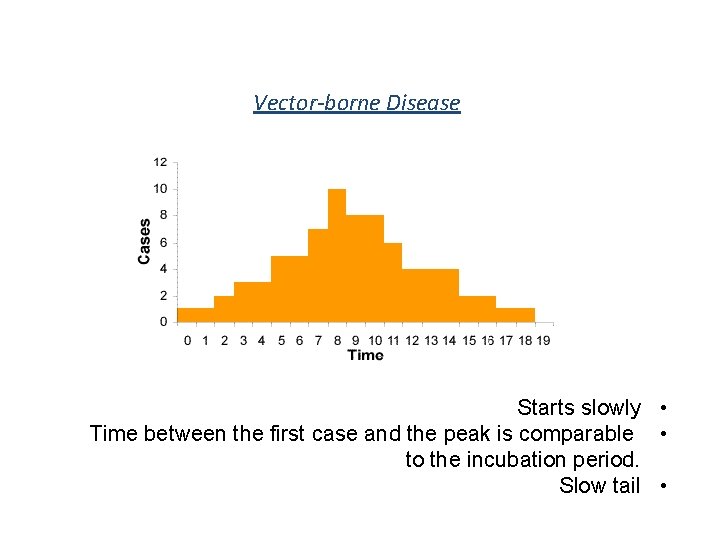
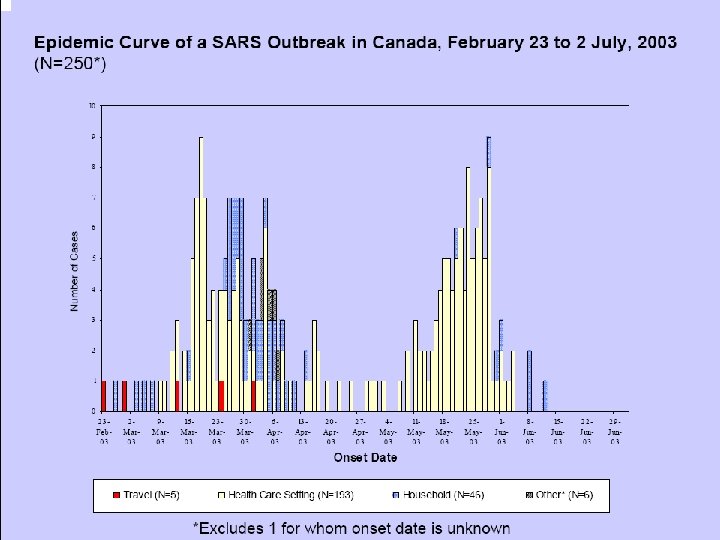
Vector-borne Disease Starts slowly • Time between the first case and the peak is comparable • to the incubation period. Slow tail •
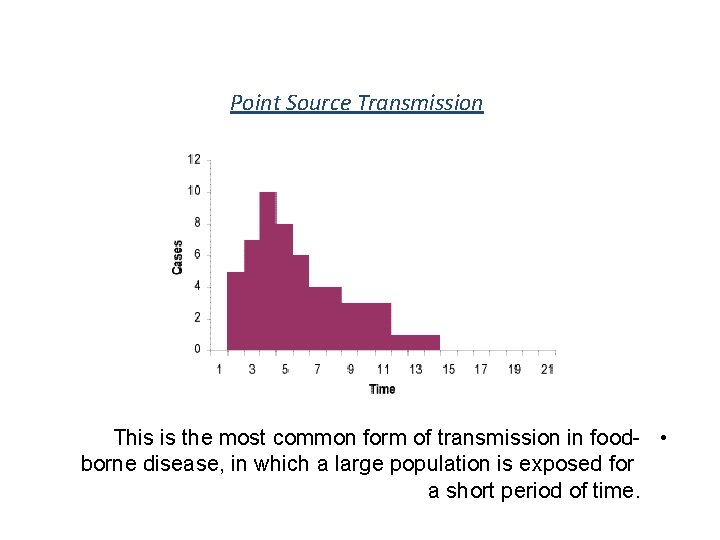
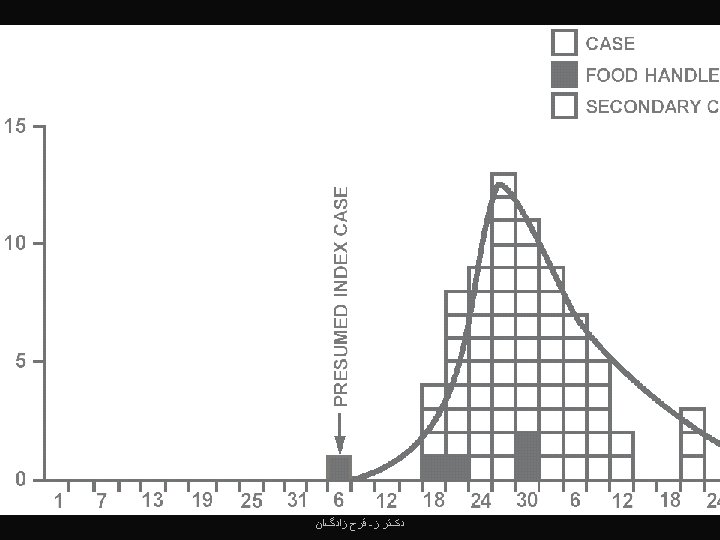
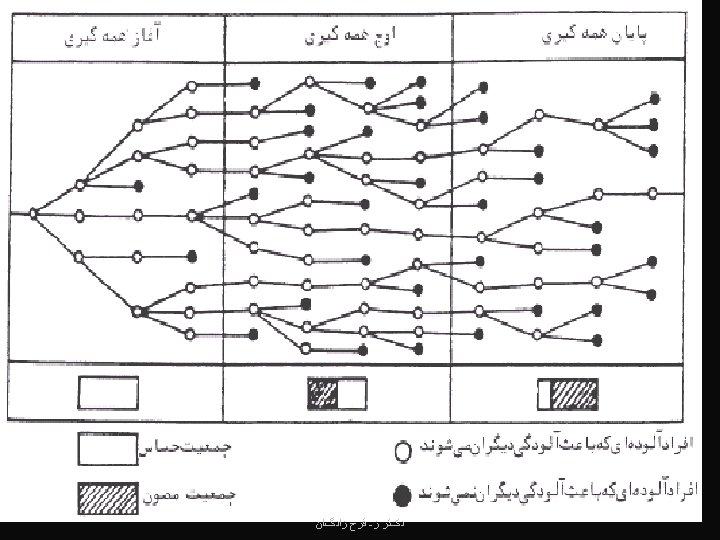
Point Source Transmission This is the most common form of transmission in food- • borne disease, in which a large population is exposed for a short period of time.
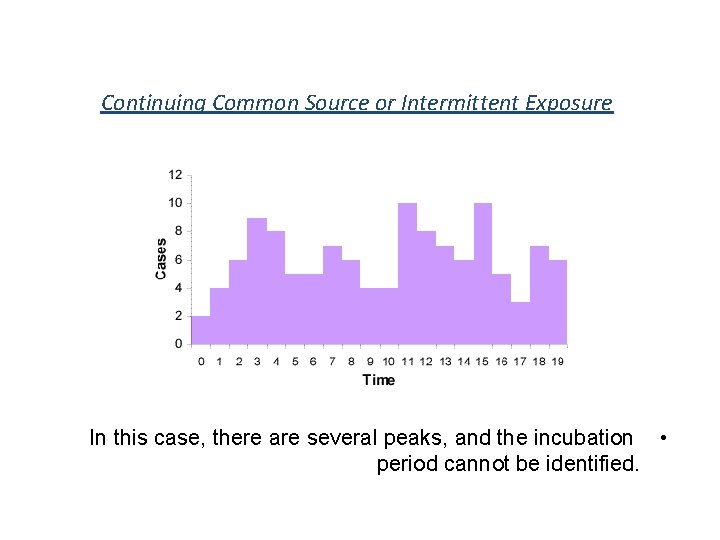
Continuing Common Source or Intermittent Exposure In this case, there are several peaks, and the incubation • period cannot be identified.
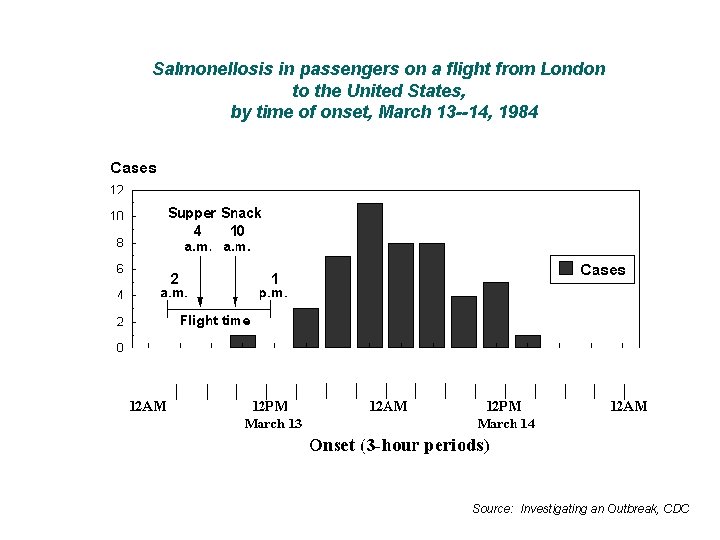
Salmonellosis in passengers on a flight from London to the United States, by time of onset, March 13 --14, 1984 Source: Investigating an Outbreak, CDC
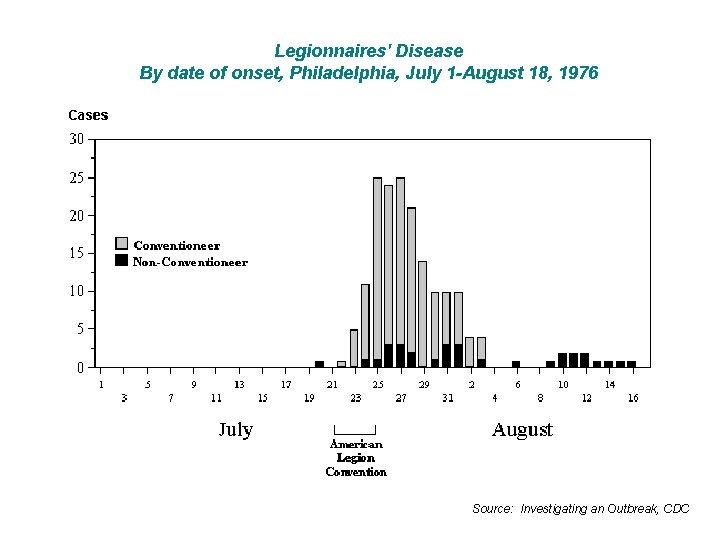
Legionnaires' Disease By date of onset, Philadelphia, July 1 -August 18, 1976 Source: Investigating an Outbreak, CDC
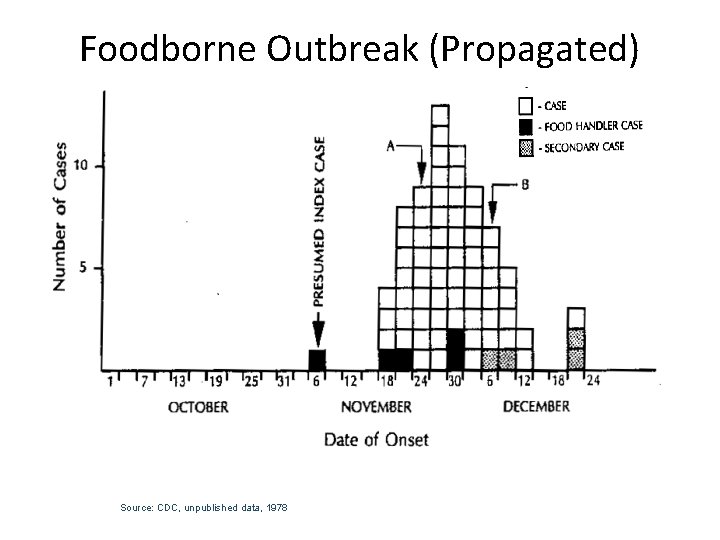
Foodborne Outbreak (Propagated) Source: CDC, unpublished data, 1978
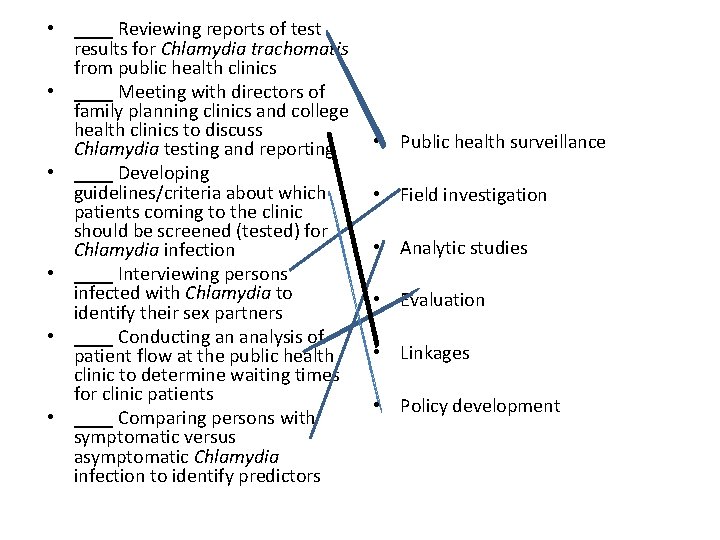
• ____ Reviewing reports of test results for Chlamydia trachomatis from public health clinics • ____ Meeting with directors of family planning clinics and college health clinics to discuss Chlamydia testing and reporting • ____ Developing guidelines/criteria about which patients coming to the clinic should be screened (tested) for Chlamydia infection • ____ Interviewing persons infected with Chlamydia to identify their sex partners • ____ Conducting an analysis of patient flow at the public health clinic to determine waiting times for clinic patients • ____ Comparing persons with symptomatic versus asymptomatic Chlamydia infection to identify predictors • Public health surveillance • Field investigation • Analytic studies • Evaluation • Linkages • Policy development
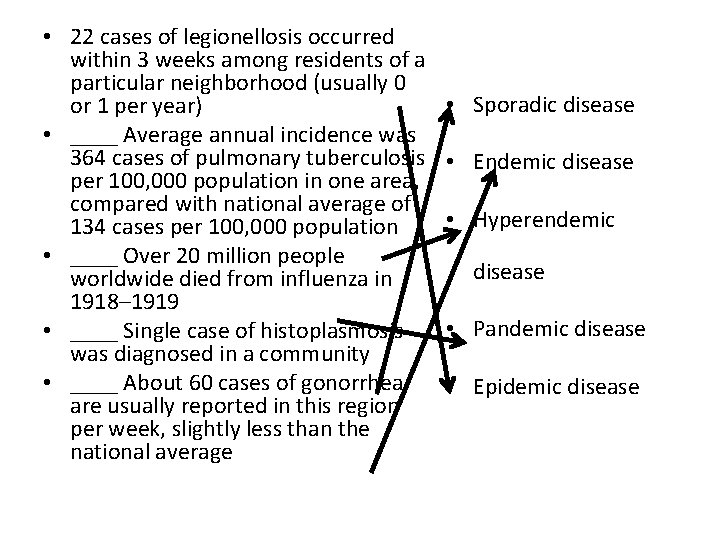
• 22 cases of legionellosis occurred within 3 weeks among residents of a particular neighborhood (usually 0 or 1 per year) • ____ Average annual incidence was 364 cases of pulmonary tuberculosis per 100, 000 population in one area, compared with national average of 134 cases per 100, 000 population • ____ Over 20 million people worldwide died from influenza in 1918– 1919 • ____ Single case of histoplasmosis was diagnosed in a community • ____ About 60 cases of gonorrhea are usually reported in this region per week, slightly less than the national average • Sporadic disease • Endemic disease • Hyperendemic disease • Pandemic disease • Epidemic disease
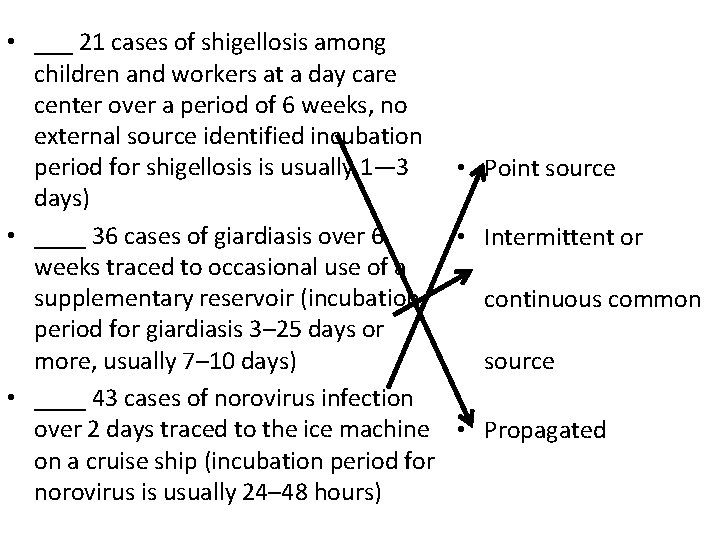
• ___ 21 cases of shigellosis among children and workers at a day care center over a period of 6 weeks, no external source identified incubation period for shigellosis is usually 1— 3 • Point source days) • ____ 36 cases of giardiasis over 6 • Intermittent or weeks traced to occasional use of a supplementary reservoir (incubation continuous common period for giardiasis 3– 25 days or more, usually 7– 10 days) source • ____ 43 cases of norovirus infection over 2 days traced to the ice machine • Propagated on a cruise ship (incubation period for norovirus is usually 24– 48 hours)
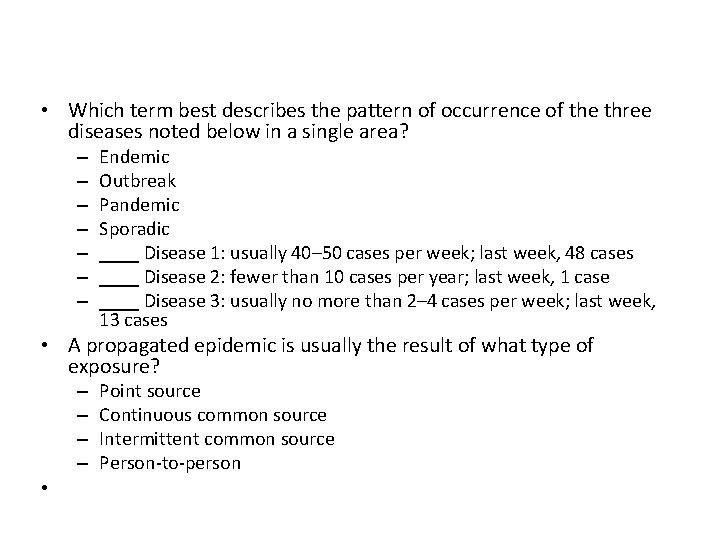
• Which term best describes the pattern of occurrence of the three diseases noted below in a single area? – – – – Endemic Outbreak Pandemic Sporadic ____ Disease 1: usually 40– 50 cases per week; last week, 48 cases ____ Disease 2: fewer than 10 cases per year; last week, 1 case ____ Disease 3: usually no more than 2– 4 cases per week; last week, 13 cases • A propagated epidemic is usually the result of what type of exposure? – – • Point source Continuous common source Intermittent common source Person-to-person
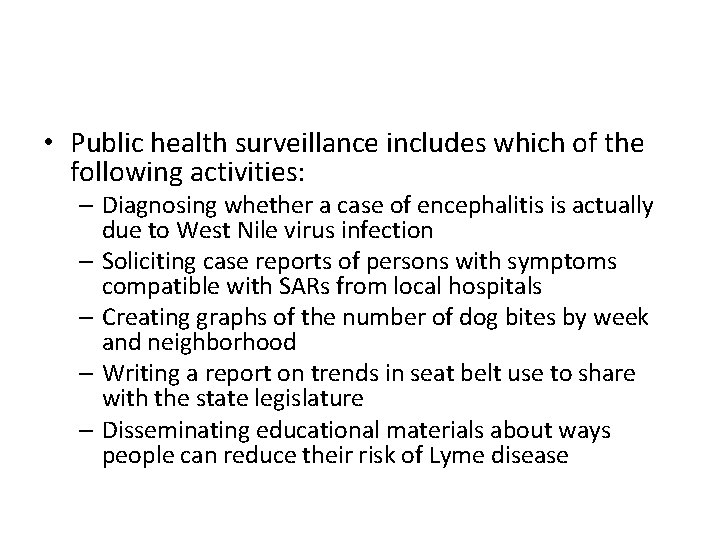
• Public health surveillance includes which of the following activities: – Diagnosing whether a case of encephalitis is actually due to West Nile virus infection – Soliciting case reports of persons with symptoms compatible with SARs from local hospitals – Creating graphs of the number of dog bites by week and neighborhood – Writing a report on trends in seat belt use to share with the state legislature – Disseminating educational materials about ways people can reduce their risk of Lyme disease
• • • Exercise 1 During the previous year, nine residents of a community died from the same type of cancer. List some reasons that might justify an investigation. (Exercise Answer Key) Exercise 2 During August, a county health department received reports of 12 new cases of tuberculosis and 12 new cases of aseptic meningitis. Tuberculosis does not have a striking seasonal distribution; however, aseptic meningitis, which is caused primarily by a viral infection, is highly seasonal and peaks from August–October. What additional information is needed to determine whether either of these groups of cases is an outbreak? (Exercise Answer Key) Exercise 3 Review the six case report forms in the Appendix and create a line listing based on the information. (Exercise Answer Key) Exercise 4 You are called to help investigate a cluster of 17 men who developed leukemia in a community. Some of them worked as electrical repair men, and others were ham radio operators. Which study design would you choose to investigate a possible association between exposure to electromagnetic fields and leukemia? (Exercise Answer Key) Exercise 5 The manager of a grocery store has reported a rash illness among the store’s workers. What type of study would you use to determine the source of the outbreak? Why? What is the appropriate measure of association? After reviewing the table in the Appendix showing the data on exposure to celery for these workers, calculate the measure of association and interpret your results. (Exercise Answer Key)

- Slides: 89