
What is Science Chapter 1 of the Textbook
What is Science? Chapter 1 of the Textbook Be sure to check out my website: www. mrrittner. weebly. com
Science �Science is a verb �A way of exploring and understanding our world �Objective, not subjective
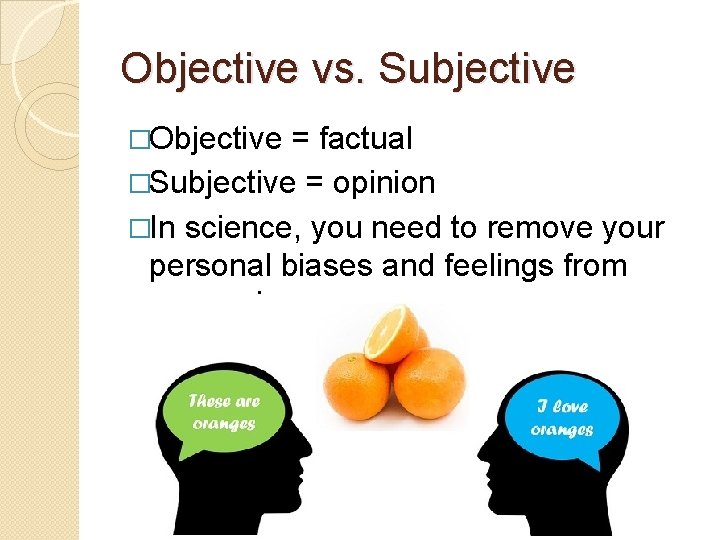
Objective vs. Subjective �Objective = factual �Subjective = opinion �In science, you need to remove your personal biases and feelings from research
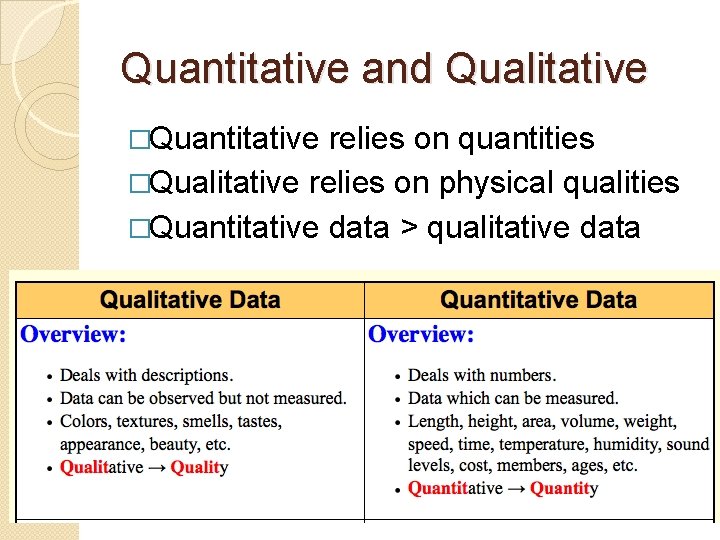
Quantitative and Qualitative �Quantitative relies on quantities �Qualitative relies on physical qualities �Quantitative data > qualitative data
That’s It! �Take notes. �Be ready for a quiz. �Write down any questions you have and come in for extra help if you need to.
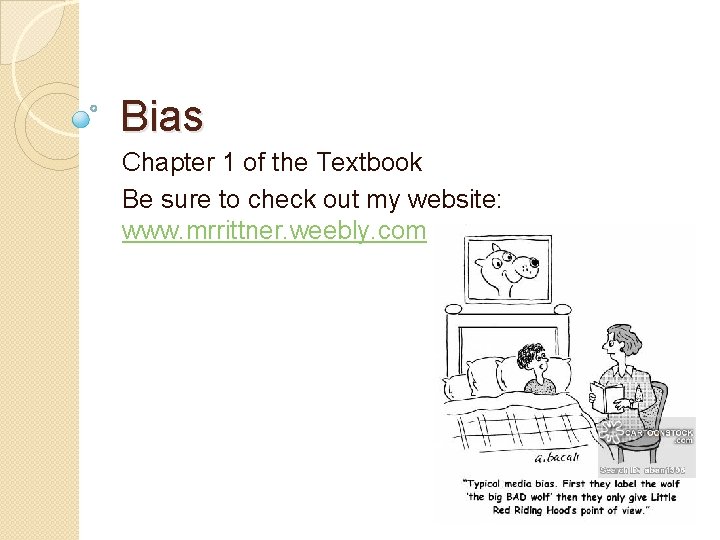
Bias Chapter 1 of the Textbook Be sure to check out my website: www. mrrittner. weebly. com
Bias �Prejudice in favor of or against someone or something �A person’s bias can and often does influence how data is collected and/or analyzed �It is important to reduce bias in research as much as possible to remain objective
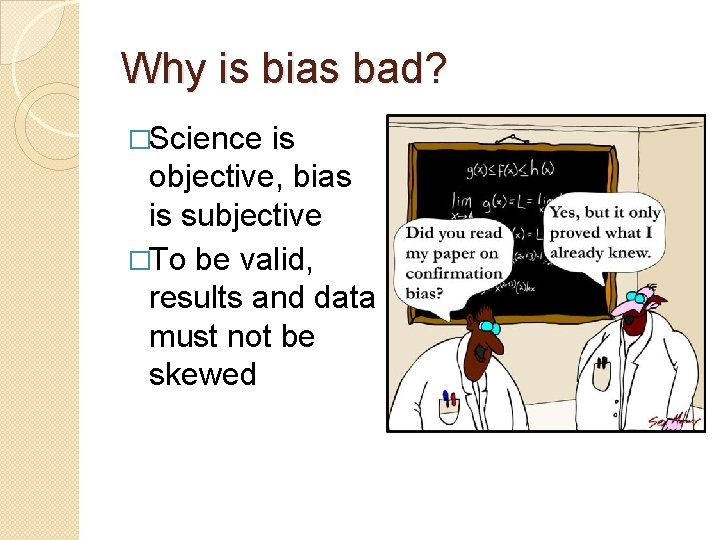
Why is bias bad? �Science is objective, bias is subjective �To be valid, results and data must not be skewed
Non-Response Bias �Just because someone can, doesn’t mean they will �Generally, the only people that leave reviews online are those that loved or hated someone or something �Literary Digest- 1936 Election
Conformation Bias �Favoring data or sources that support preconceived ideas and conclusions �Anti-climate change: it got cold in the winter no global warming �Ignores other data like increasing CO 2, escalating weather patterns and storms and average global temperature increase
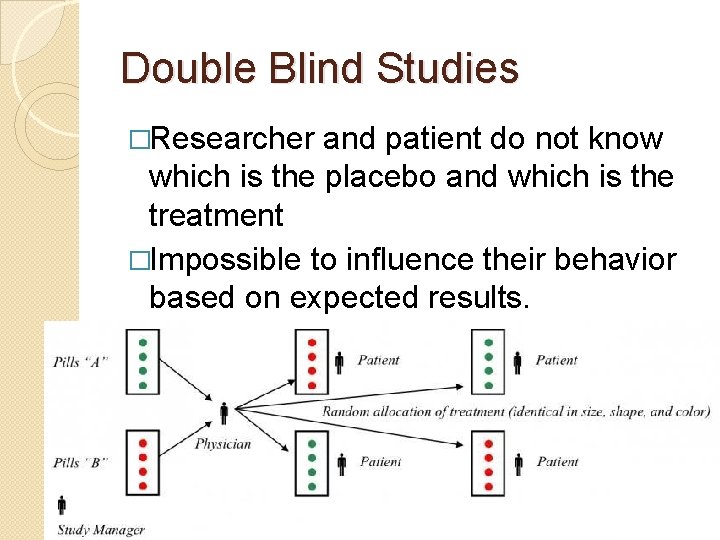
Double Blind Studies �Researcher and patient do not know which is the placebo and which is the treatment �Impossible to influence their behavior based on expected results.
Sampling Bias �Some members of an intended population are less likely to be included in research �Non-random, non-representative sampling �Reduce by increasing sample size to get more accurate results �Observe 5 people, one has green eyes 20% of population has green eyes
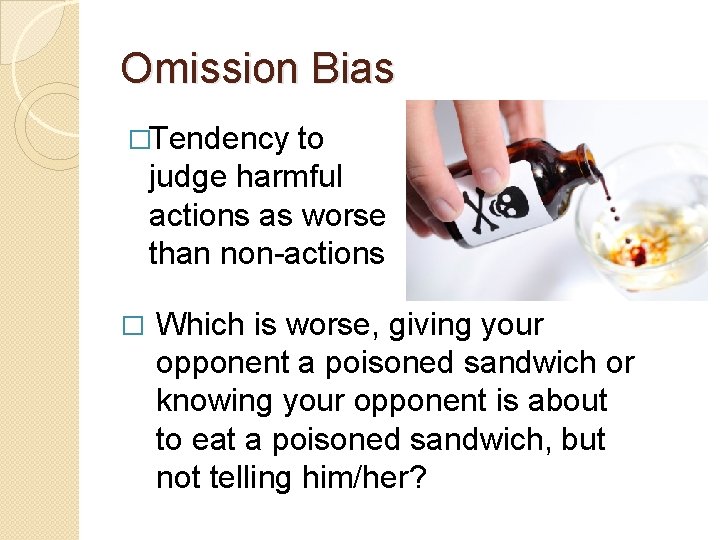
Omission Bias �Tendency to judge harmful actions as worse than non-actions � Which is worse, giving your opponent a poisoned sandwich or knowing your opponent is about to eat a poisoned sandwich, but not telling him/her?
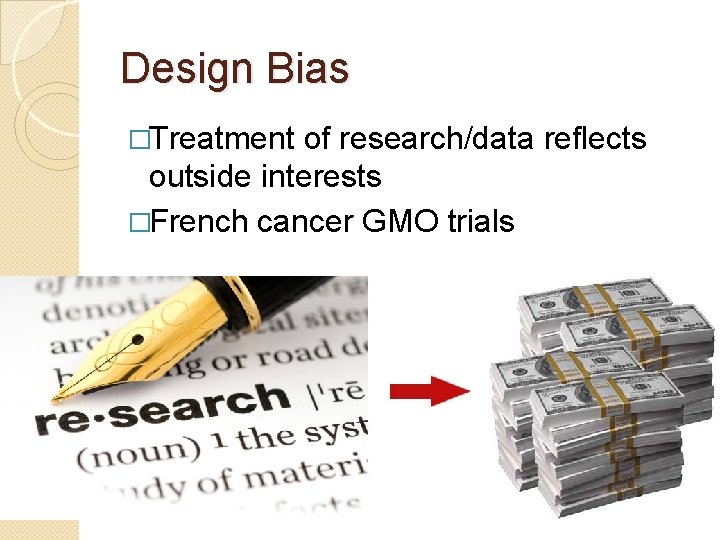
Design Bias �Treatment of research/data reflects outside interests �French cancer GMO trials
That’s It! �Take notes. �Be ready for a quiz. �Write down any questions you have and come in for extra help if you need to.
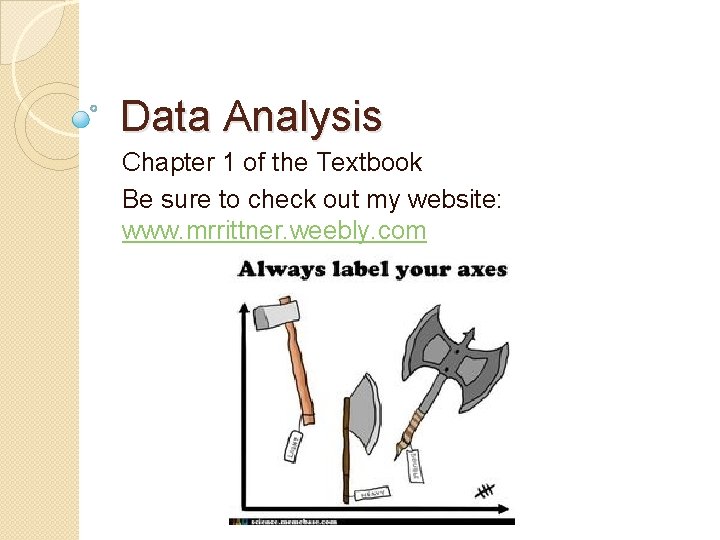
Data Analysis Chapter 1 of the Textbook Be sure to check out my website: www. mrrittner. weebly. com
Graphing �Graphing allows you to quickly and easily summarize data �Major Types �Bar Graphs �Line Graphs �Pie Chart �XY Scatter Plots
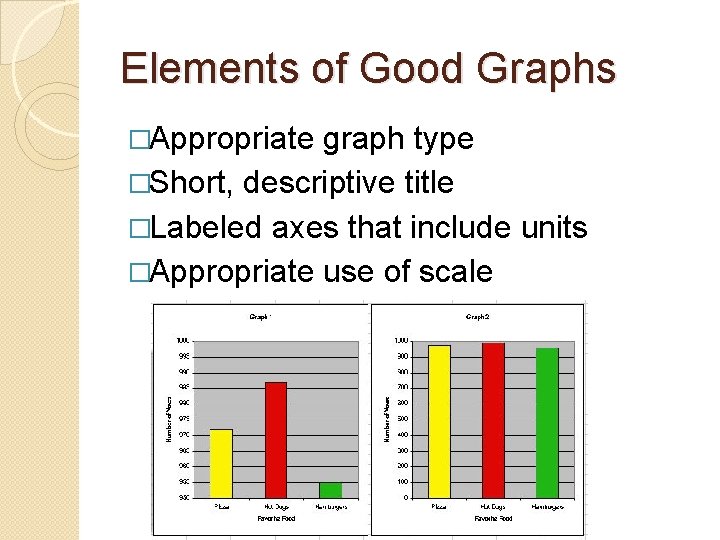
Elements of Good Graphs �Appropriate graph type �Short, descriptive title �Labeled axes that include units �Appropriate use of scale
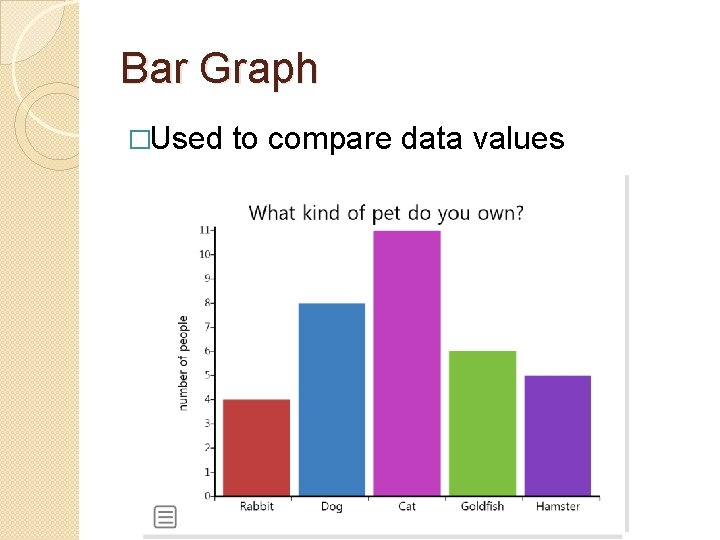
Bar Graph �Used to compare data values
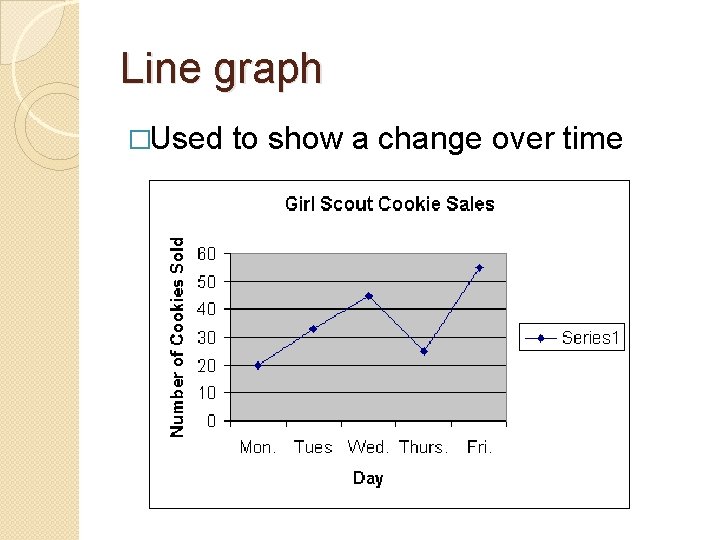
Line graph �Used to show a change over time
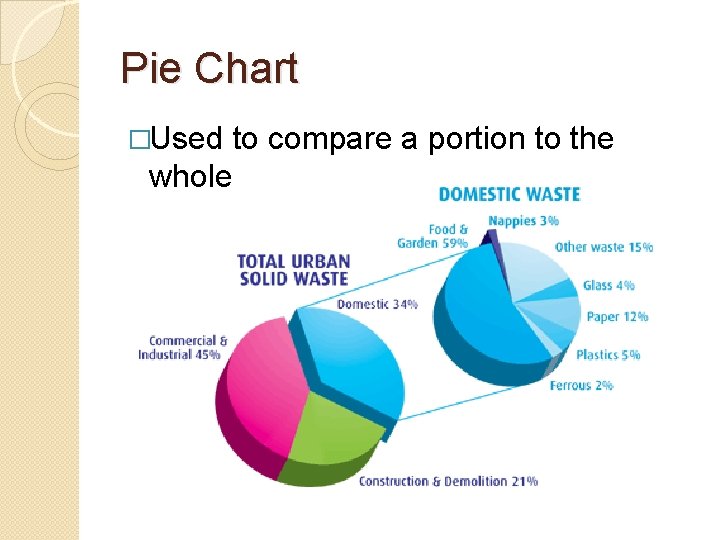
Pie Chart �Used to compare a portion to the whole
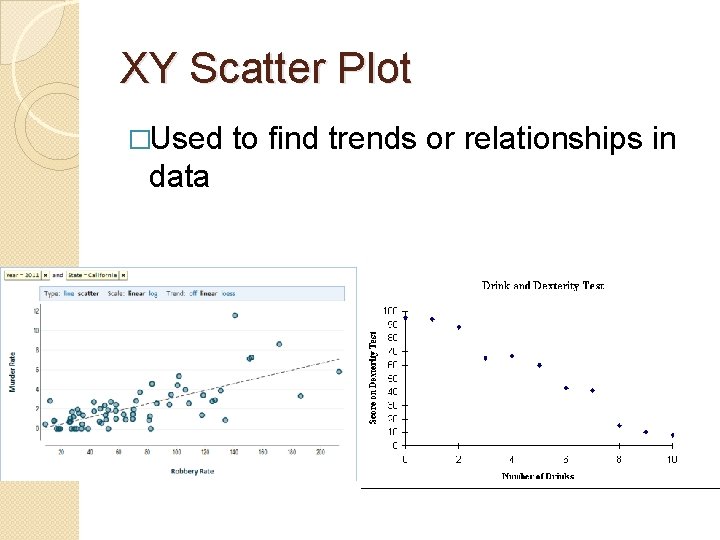
XY Scatter Plot �Used data to find trends or relationships in
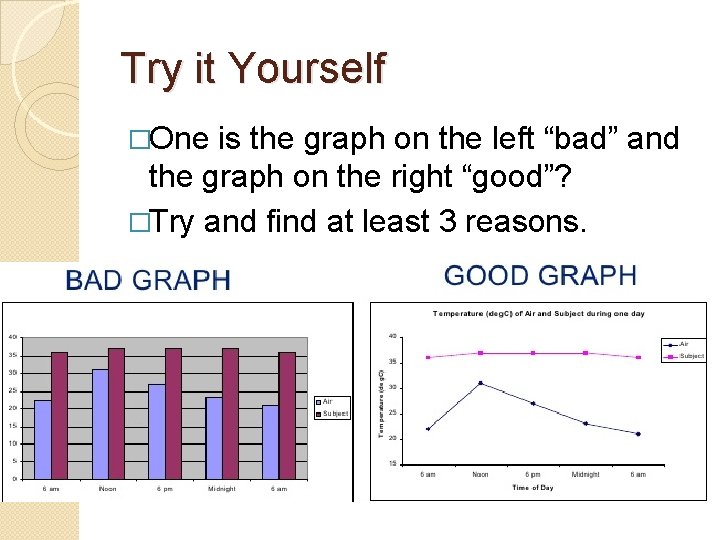
Try it Yourself �One is the graph on the left “bad” and the graph on the right “good”? �Try and find at least 3 reasons.
That’s It! �Take notes. �Be ready for a quiz. �Write down any questions you have and come in for extra help if you need to.
Experimental Design Chapter 1 of the Textbook Be sure to check out my website: www. mrrittner. weebly. com
Variables �Variables are anything that can be manipulated during an experiment �Types ◦ Independent- you control; not affected by other variables ◦ Dependent- controlled/manipulated by the independent variable
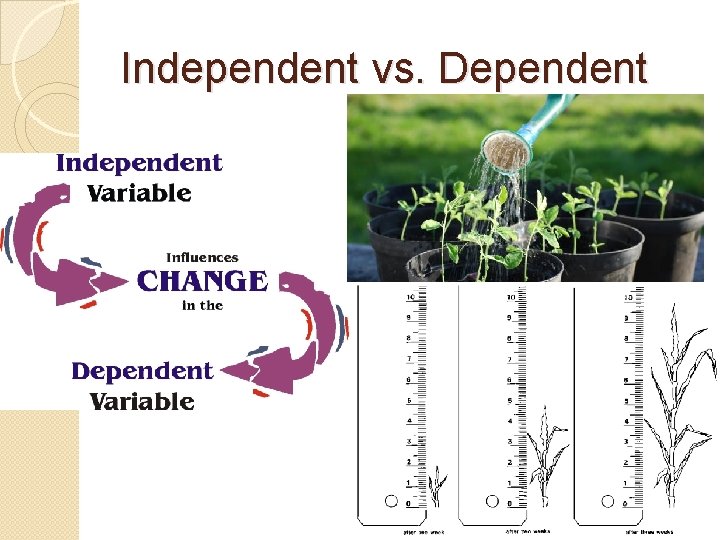
Independent vs. Dependent
Hypotheses �Objective, clear, measurable �Establish a relationship between the variables �Based on background information (educated guess) �If, then, because �Evaluated by an experiment
Designing an Experiment �Treatment- what is it that you are testing? �Control group- no treatment �Experimental group- receives the treatment �Replication �Varying levels of treatment
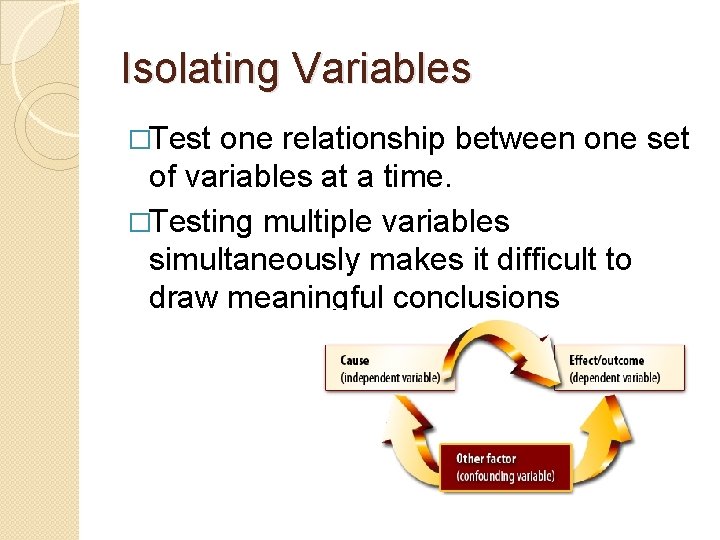
Isolating Variables �Test one relationship between one set of variables at a time. �Testing multiple variables simultaneously makes it difficult to draw meaningful conclusions
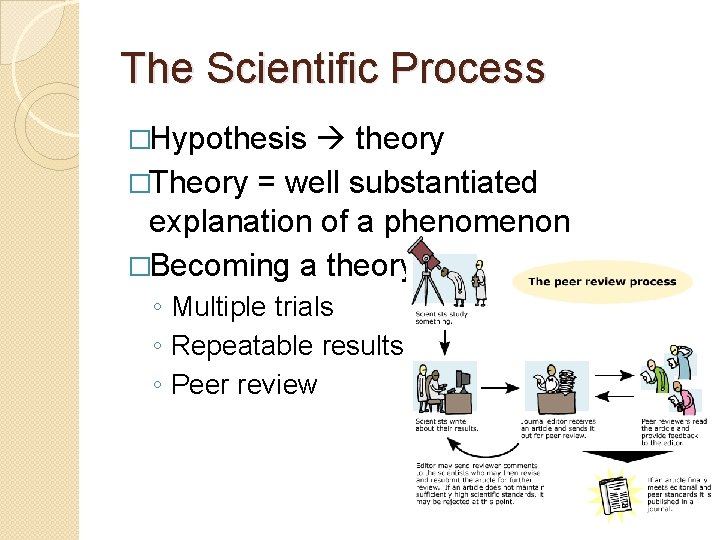
The Scientific Process �Hypothesis theory �Theory = well substantiated explanation of a phenomenon �Becoming a theory ◦ Multiple trials ◦ Repeatable results ◦ Peer review
That’s It! �Take notes. �Be ready for a quiz. �Write down any questions you have and come in for extra help if you need to.
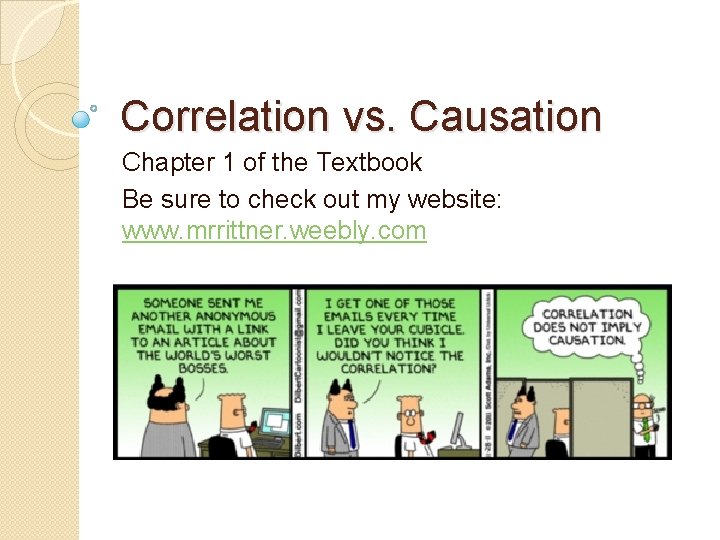
Correlation vs. Causation Chapter 1 of the Textbook Be sure to check out my website: www. mrrittner. weebly. com
Correlation vs. Causation �A correlation exists when there is any type of relationship between variables �A causation exists when there is a direct cause-effect relationship between variables �Correlation does not imply causation
Organic food and health �Eating organic foods are correlated with better heath �People who eat organic foods tend to live healthier life styles. Organic foods tend to contain less sugar (not a consequence of their being organic) �Insufficient evidence to say that eating organic foods makes you healthier
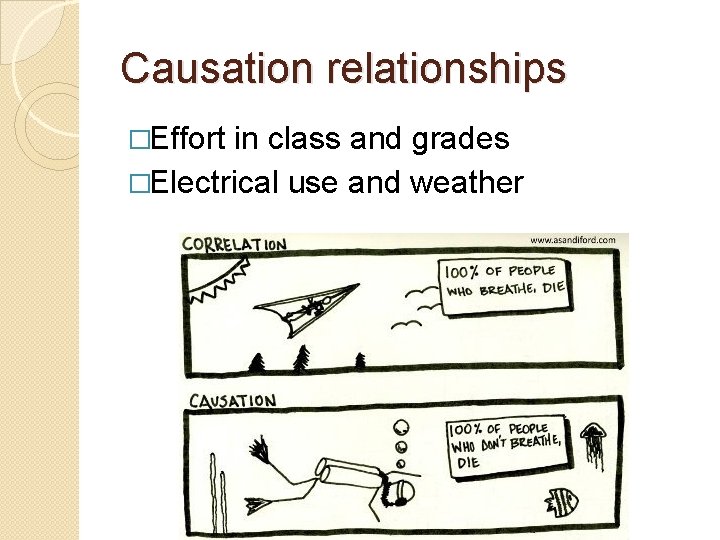
Causation relationships �Effort in class and grades �Electrical use and weather
That’s It! �Take notes. �Be ready for a quiz. �Write down any questions you have and come in for extra help if you need to.
Characteristics of Life Chapter 1 of the Textbook Be sure to check out my website: www. mrrittner. weebly. com
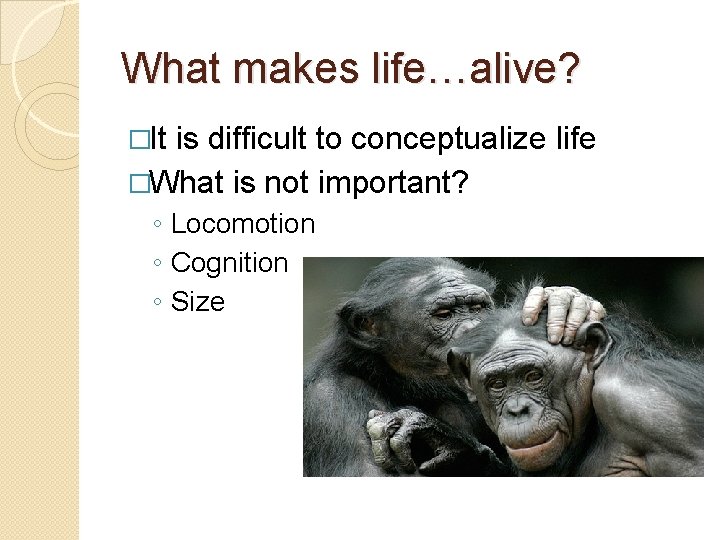
What makes life…alive? �It is difficult to conceptualize life �What is not important? ◦ Locomotion ◦ Cognition ◦ Size
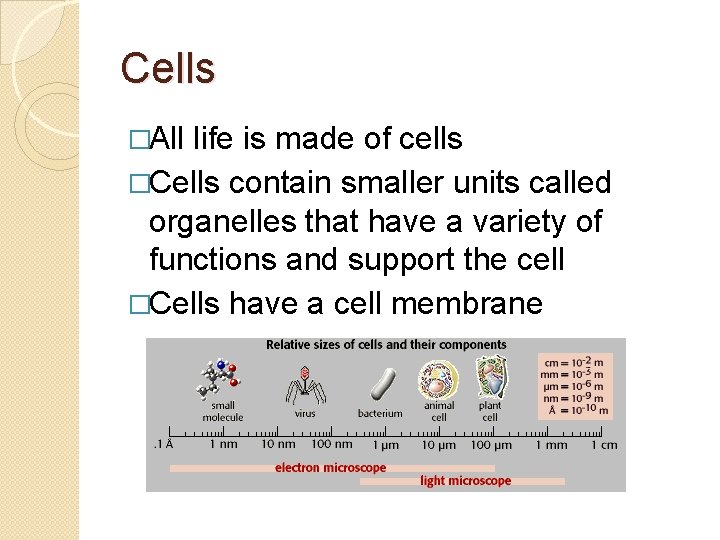
Cells �All life is made of cells �Cells contain smaller units called organelles that have a variety of functions and support the cell �Cells have a cell membrane
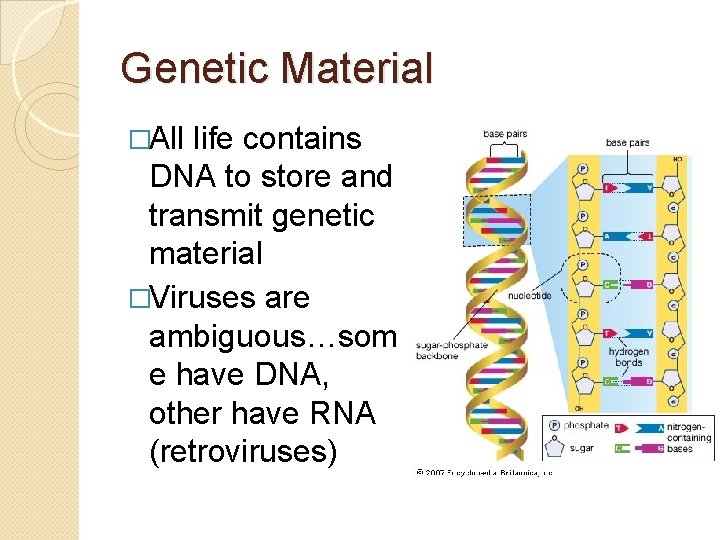
Genetic Material �All life contains DNA to store and transmit genetic material �Viruses are ambiguous…som e have DNA, other have RNA (retroviruses)
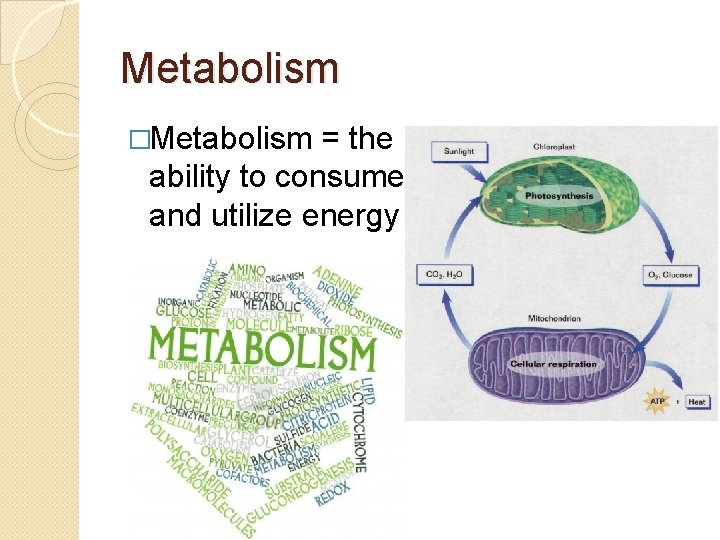
Metabolism �Metabolism = the ability to consume and utilize energy
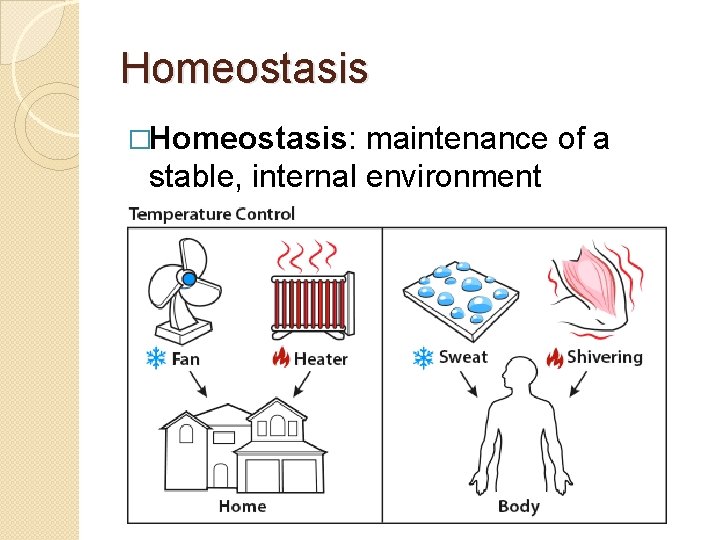
Homeostasis �Homeostasis: maintenance of a stable, internal environment
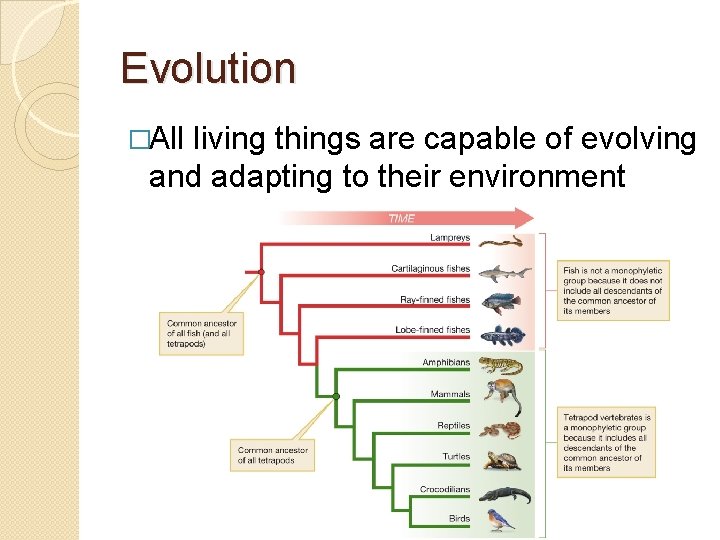
Evolution �All living things are capable of evolving and adapting to their environment
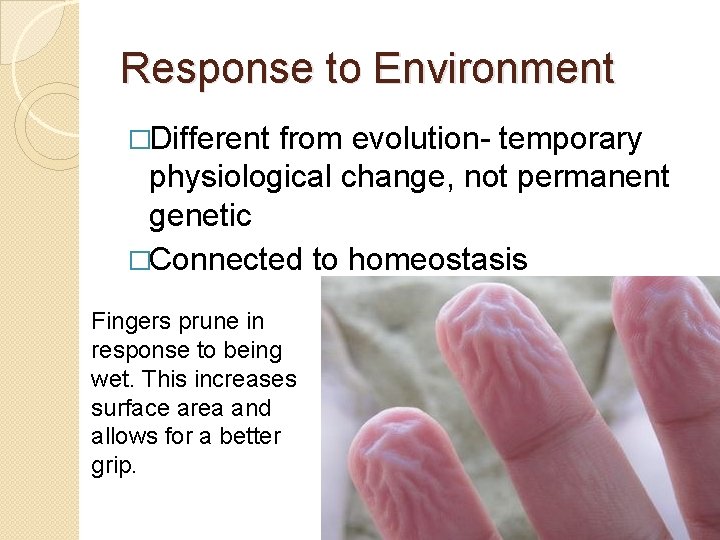
Response to Environment �Different from evolution- temporary physiological change, not permanent genetic �Connected to homeostasis Fingers prune in response to being wet. This increases surface area and allows for a better grip.
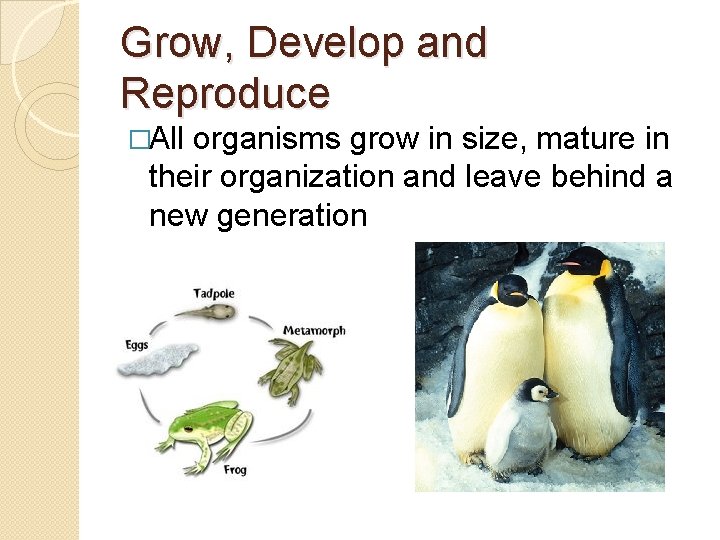
Grow, Develop and Reproduce �All organisms grow in size, mature in their organization and leave behind a new generation
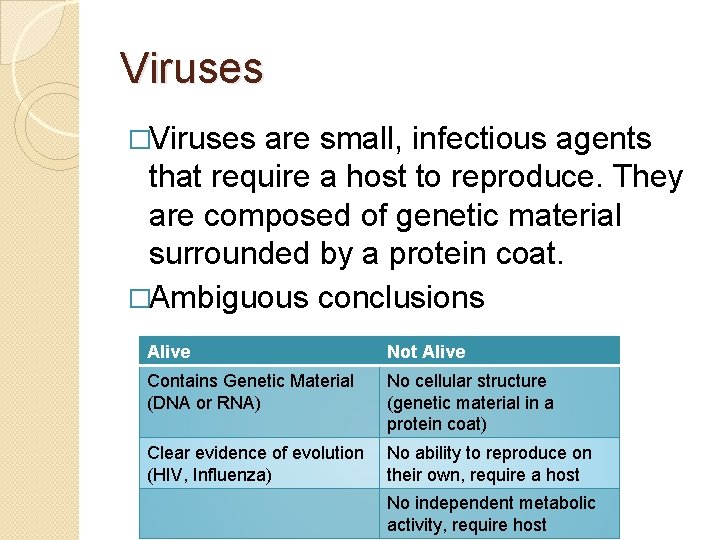
Viruses �Viruses are small, infectious agents that require a host to reproduce. They are composed of genetic material surrounded by a protein coat. �Ambiguous conclusions Alive Not Alive Contains Genetic Material (DNA or RNA) No cellular structure (genetic material in a protein coat) Clear evidence of evolution (HIV, Influenza) No ability to reproduce on their own, require a host No independent metabolic activity, require host
That’s It! �Take notes. �Be ready for a quiz. �Write down any questions you have and come in for extra help if you need to.
- Slides: 48