
What is Projectile Motion Projectile motion is the

- Slides: 6
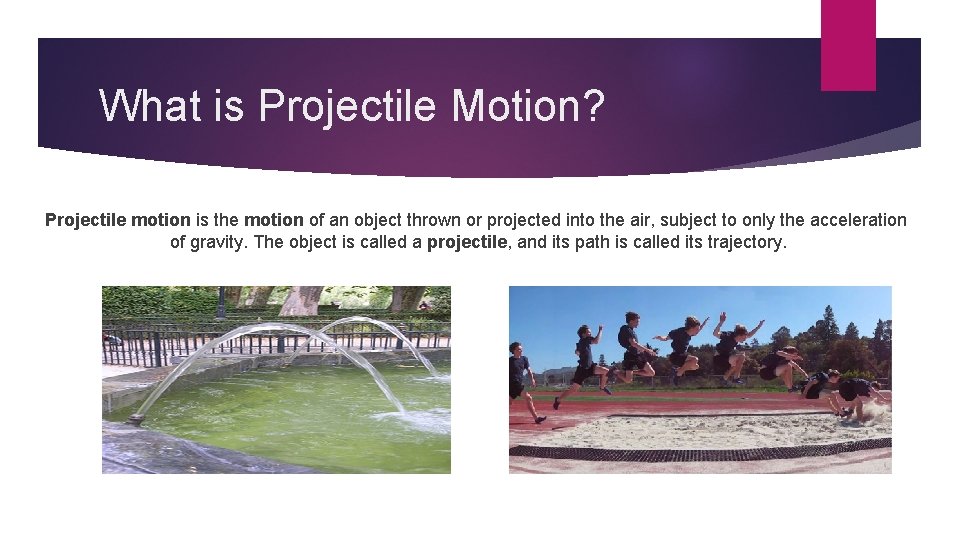
What is Projectile Motion? Projectile motion is the motion of an object thrown or projected into the air, subject to only the acceleration of gravity. The object is called a projectile, and its path is called its trajectory.
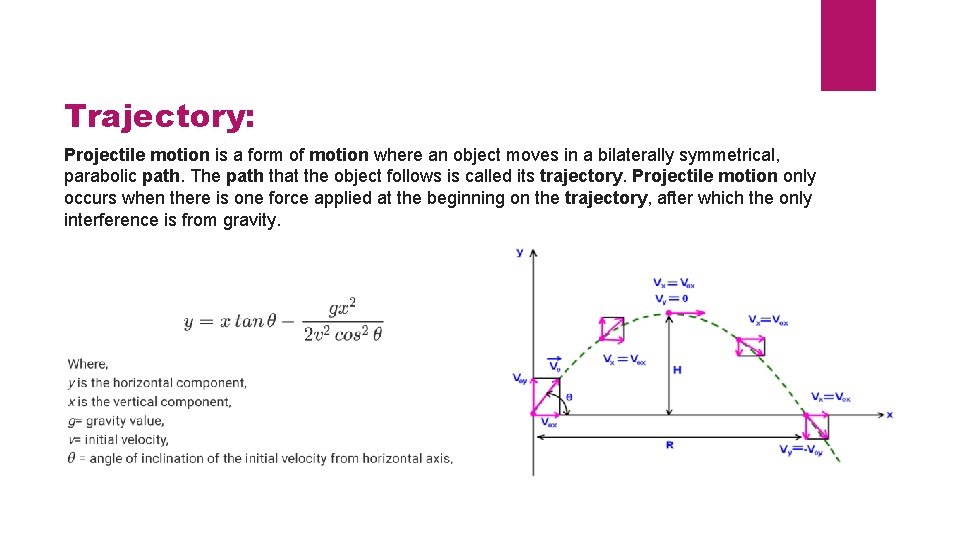
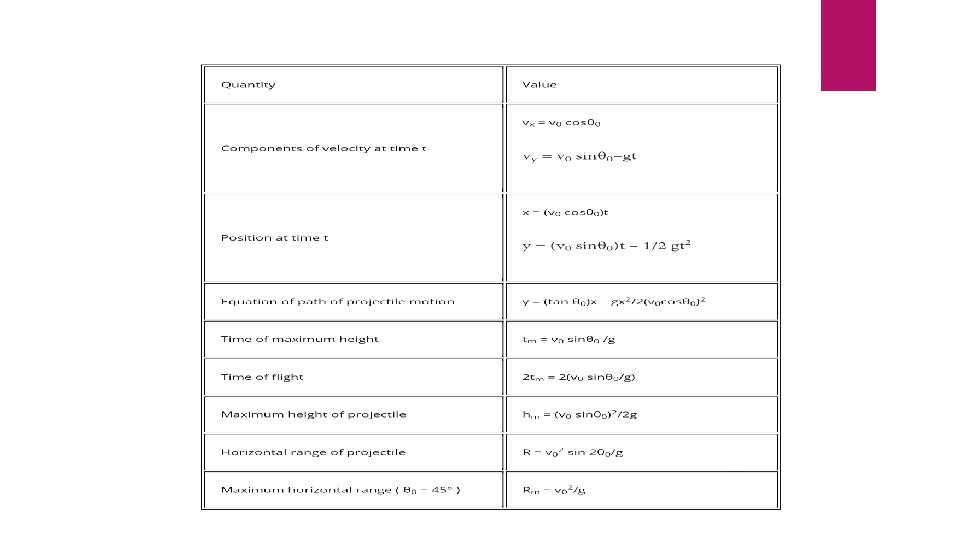
Trajectory: Projectile motion is a form of motion where an object moves in a bilaterally symmetrical, parabolic path. The path that the object follows is called its trajectory. Projectile motion only occurs when there is one force applied at the beginning on the trajectory, after which the only interference is from gravity.
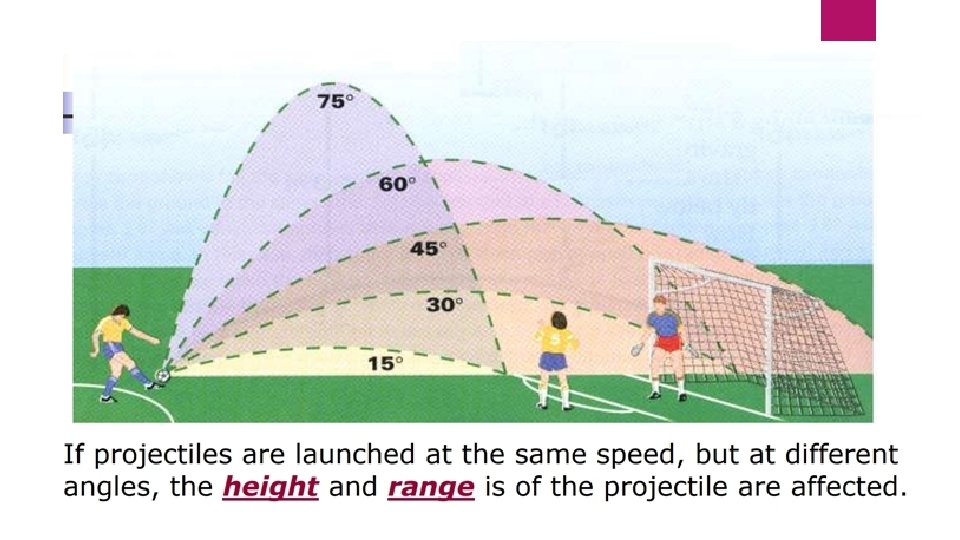
Horizontal Range: The horizontal range of a projectile is the distance along the horizontal plane it would travel, before reaching the same vertical position as it started from. The horizontal range depends on the initial velocity v 0, the launch angle θ, and the acceleration due to gravity. The unit of horizontal range is meters (m). Maximum Height: The maximum height of the object is the highest vertical position along its trajectory. The maximum height of the projectile depends on the initial velocity v 0 the launch angle θ, and the acceleration due to gravity. The unit of maximum height is meters (m).
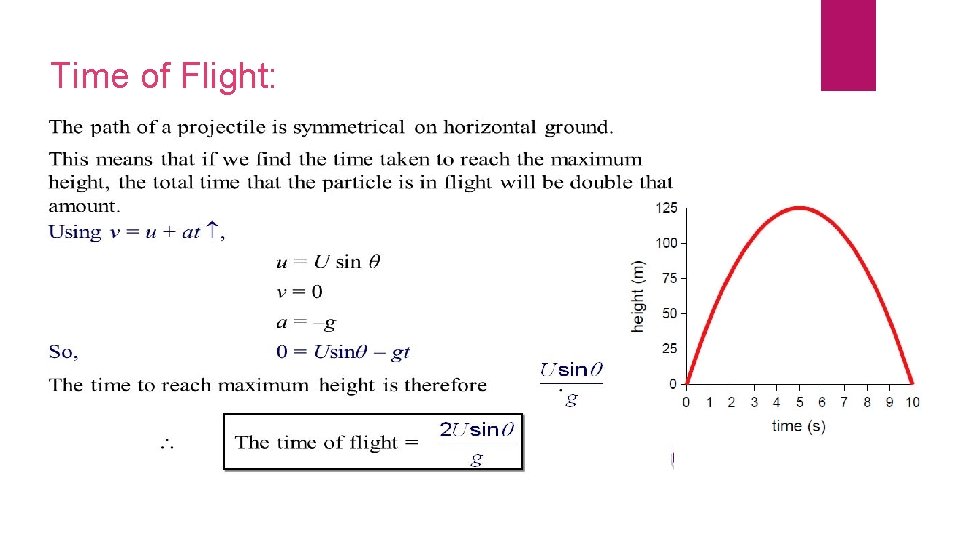
Time of Flight: