
What is Pathology Scientific study of disease or








- Slides: 41
What is Pathology? “Scientific study of disease" or the • alterations that occur when abnormal influences (bacteria, viruses, etc. ) affect cells, tissues, or body systems. More specifically, pathology may be defined as the "scientific study of the molecular, cellular, tissue, or organ system response to injurious agents or adverse influences. "
Pathology Deals with… • • The causes of disease (etiology) Mechanisms of disease (pathogenesis) Structural alterations of cells and tissues Functional alteration and consequences of disease
Function of Pathology serves as a "bridge" or "link" between the preclinical subjects (anatomy, physiology, etc. ) and the courses in clinical medicine. Actually, pathology provides a logical means of relating the knowledge of normal structure and function (anatomy and physiology) to abnormal structure and function as encountered in a diseased animal.
General Pathology It explores and explains the development • of basic pathologic mechanisms: Introduction to pathology • Inflammation, repair and regeneration, • Cell injury, degenerations and infiltrations • Haemodynamic (circulatory) disorders. • Granulomatous inflammations. • Growth disorders and neoplasia. •
Cell Injury and Necrosis
Causes of Cell Injury Oxygen Deprivation • Physical Agents • Chemical Agents and Drugs • Infectious Agents • Immunologic Reactions • Genetic Derangements • Nutritional Imbalances •
Causes of Cell Injury Oxygen Deprivation Hypoxia – deficiency of oxygen • (arterial Ischemia – loss of blood supply • flow or reduced venous drainage)
Causes of Cell Injury Physical Agents Mechanical trauma • Extremes of temperature – burns, deep • cold Radiation • Electric shock •
Causes of Cell Injury Chemical Agents and Drugs Hypertonic concentration of salt – • deranging electrolyte homeostasis Poisons – arsenic, cyanide, or mercuric • salts Insecticides and Herbicides • Air pollutant – carbon monoxide • Occupational hazard – asbestos • Alcohol and Narcotic drugs •
Causes of Cell Injury Infectious Agents Parasites • Fungi • Bacteria • Rickettsiae • Viruses •
Causes of Cell Injury Immunologic Reactions Anaphylactic reaction to foreign protein or • drug Reactions to endogenous self-antigens – • autoimmune diseases
Causes of Cell Injury Genetics Derangements Congenital malformation – Down • syndrome Decreased life of red blood cell – • Thalassemia, Sickle cell anemia Inborn errors of metabolism •
Causes of Cell Injury Nutritional Imbalances Protein-calorie deficiencies • Vitamin deficiencies • Anorexia nervosa • Excesses of lipids – Obesity, • Atherosclerosis Metabolic diseases – Diabetes •
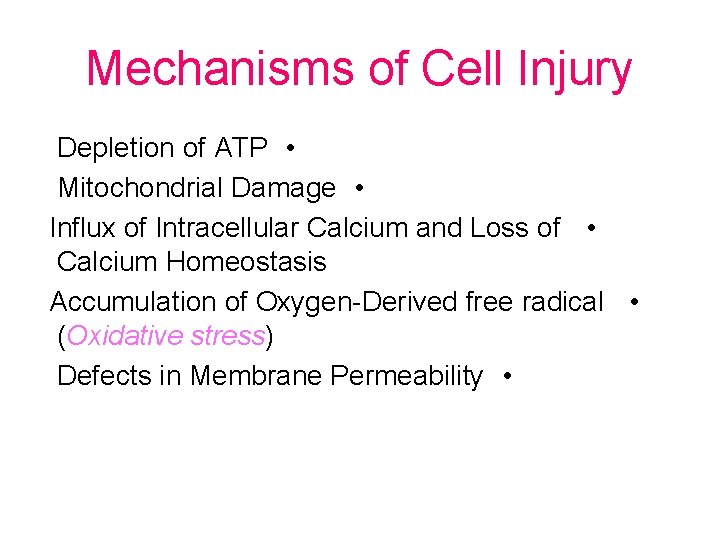
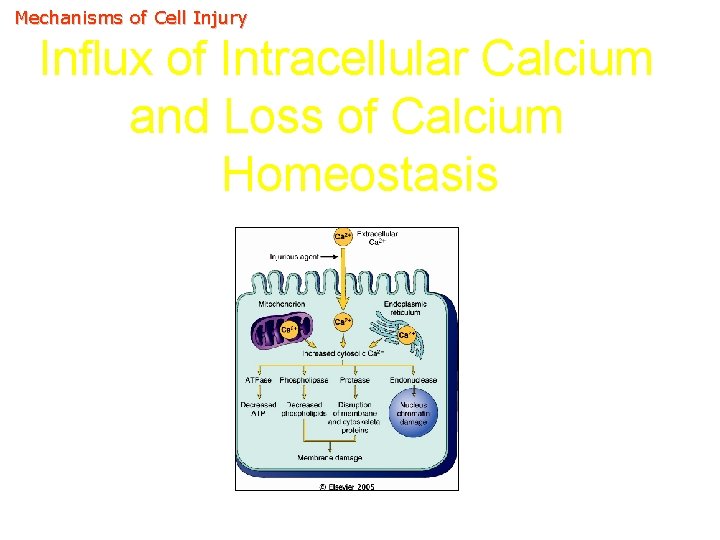
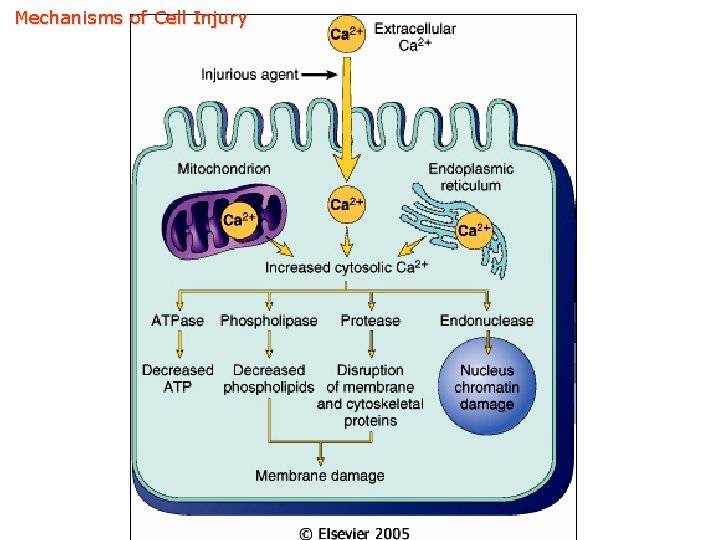
Mechanisms of Cell Injury Depletion of ATP • Mitochondrial Damage • Influx of Intracellular Calcium and Loss of • Calcium Homeostasis Accumulation of Oxygen-Derived free radical • (Oxidative stress) Defects in Membrane Permeability •
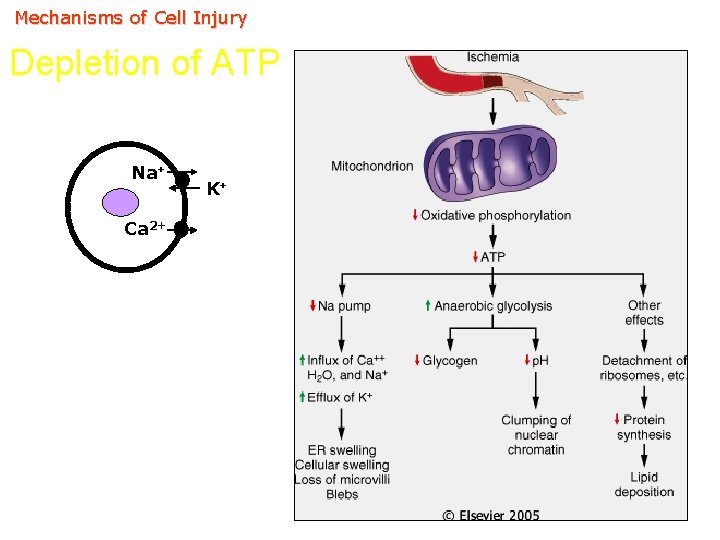
Mechanisms of Cell Injury Depletion of ATP Na+ Ca 2+ K+
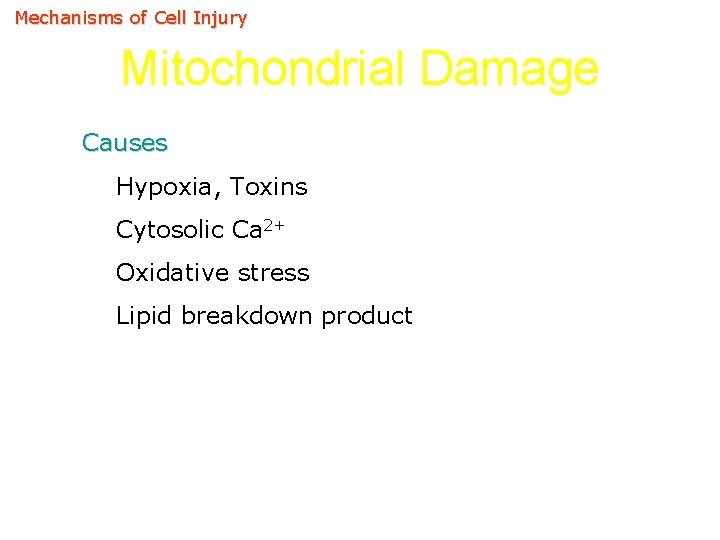
Mechanisms of Cell Injury Mitochondrial Damage Causes Hypoxia, Toxins Cytosolic Ca 2+ Oxidative stress Lipid breakdown product
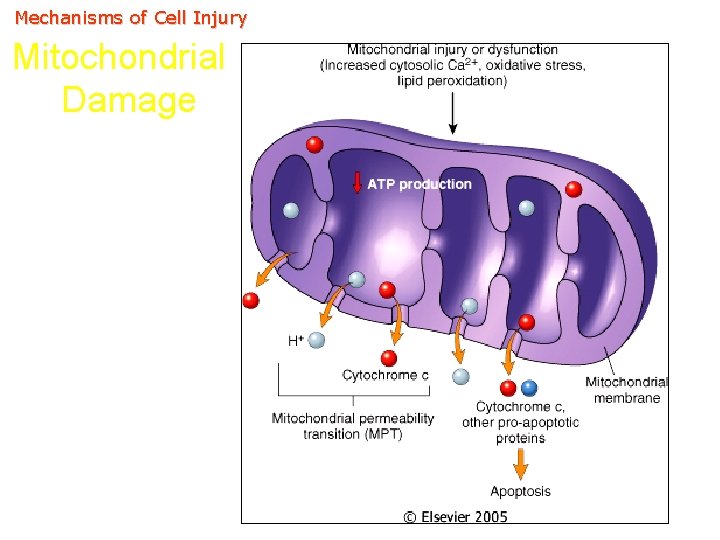
Mechanisms of Cell Injury Mitochondrial Damage • Mitochondrial permeability transition of inner membrane (formation of high-conductance channel) channel Mitochondrial Oxidative Phosphorylation ATP production • Leakage of Cytochrome c into cytosol
Mechanisms of Cell Injury Mitochondrial Damage
Mechanisms of Cell Injury Influx of Intracellular Calcium and Loss of Calcium Homeostasis
Mechanisms of Cell Injury
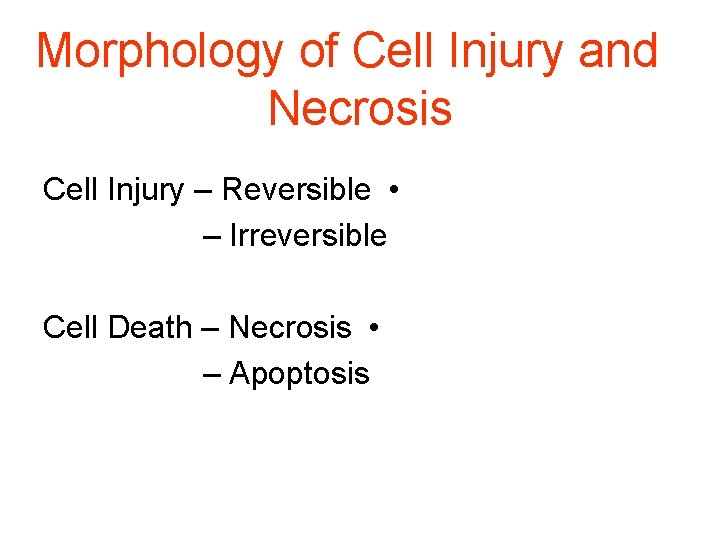
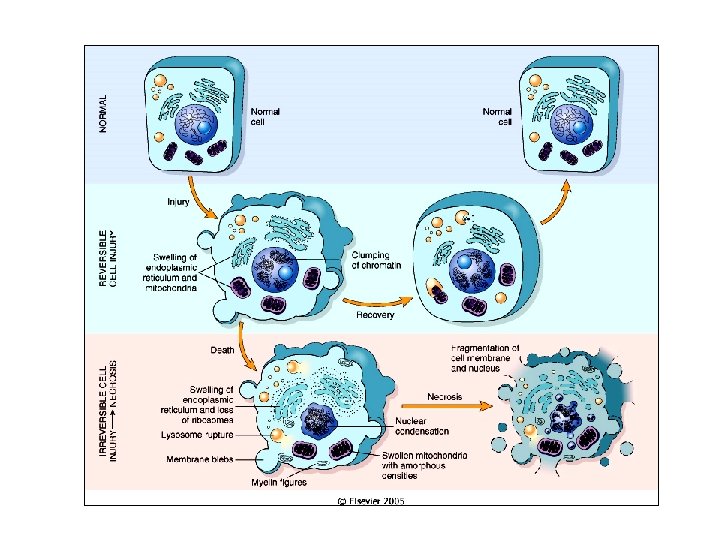
Morphology of Cell Injury and Necrosis Cell Injury – Reversible • – Irreversible Cell Death – Necrosis • – Apoptosis
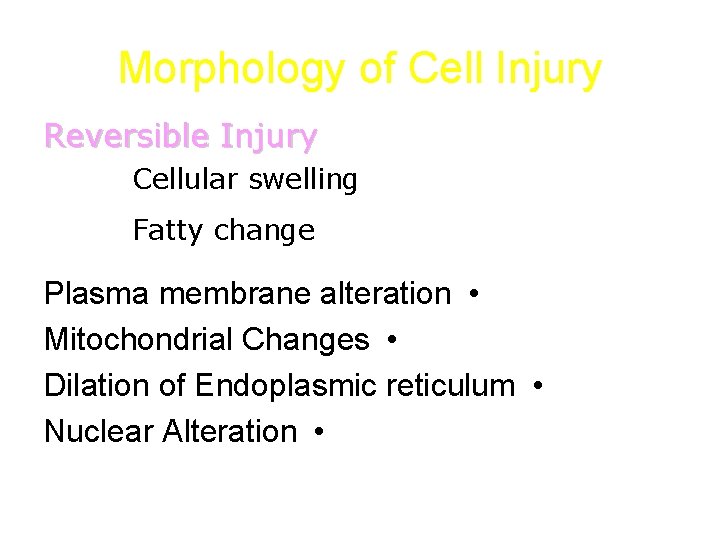
Morphology of Cell Injury Reversible Injury Cellular swelling Fatty change Plasma membrane alteration • Mitochondrial Changes • Dilation of Endoplasmic reticulum • Nuclear Alteration •
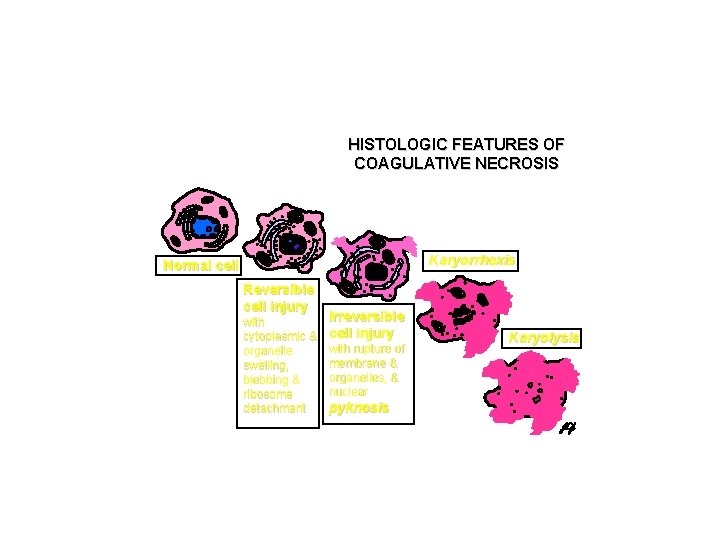
Morphology of Necrotic Cells Increased Eosinophilia • - loss of RNA (basophilia) - denatured cytoplasmic protein Nuclear Changes • - Pyknosis - Karyorrhexis - Karyolysis Myelin figure • – large, whorled phospholipid mass (phospholipid precipitate)
HISTOLOGIC FEATURES OF COAGULATIVE NECROSIS Karyorrhexis Normal cell Reversible cell injury with cytoplasmic & organelle swelling, blebbing & ribosome detachment Irreversible cell injury with rupture of membrane & organelles, & nuclear pyknosis Karyolysis
Morphologic pattern of Necrotic Cell mass Coagulative necrosis • Liquefactive necrosis • Caseous necrosis • Fat necrosis •
Morphologic pattern of Necrotic Cell mass Coagulative Necrosis • : intracellular acidosis – protein denatured – proteolysis inhibited
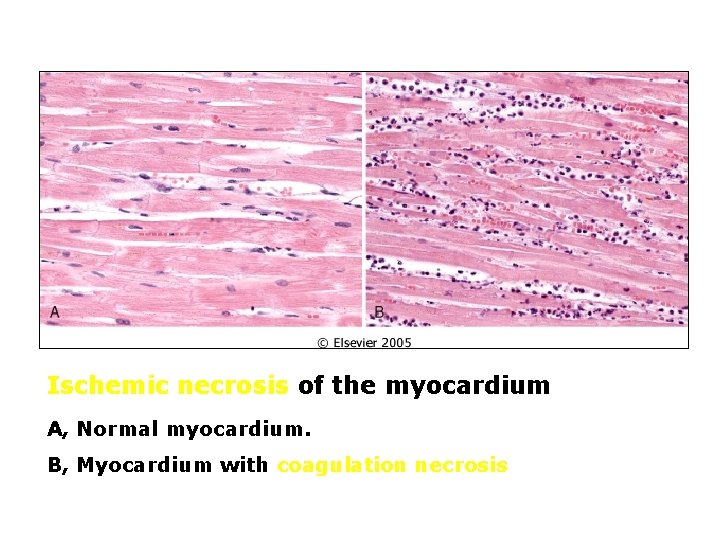
Ischemic necrosis of the myocardium A, Normal myocardium. B, Myocardium with coagulation necrosis
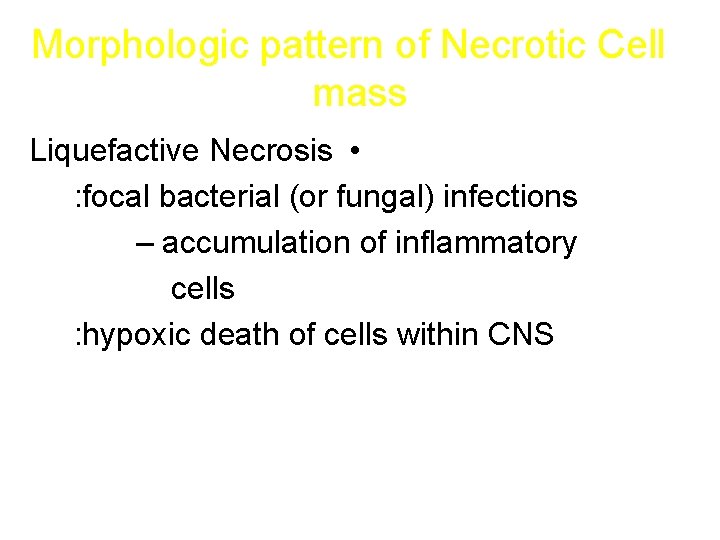
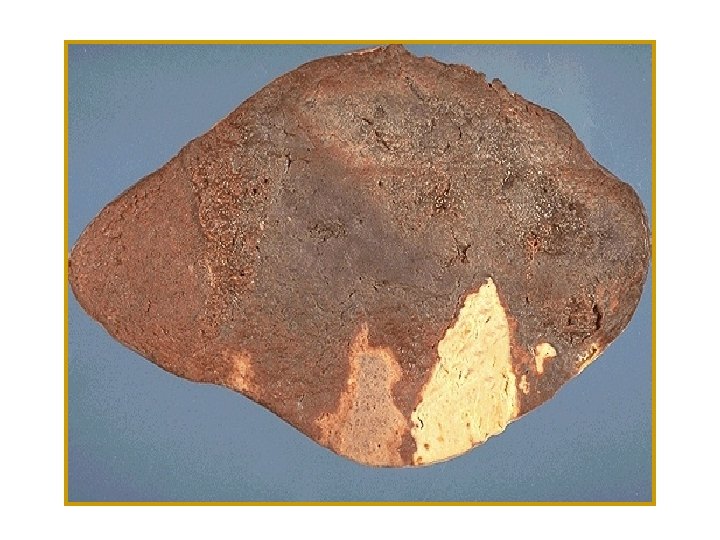
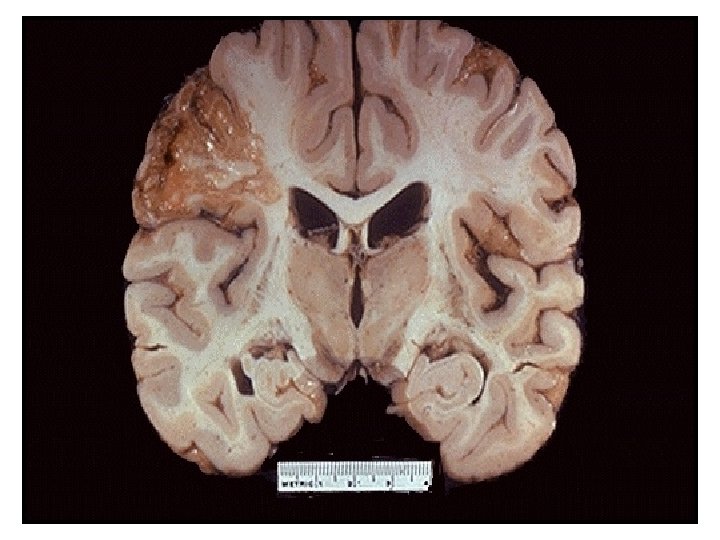
Morphologic pattern of Necrotic Cell mass Liquefactive Necrosis • : focal bacterial (or fungal) infections – accumulation of inflammatory cells : hypoxic death of cells within CNS
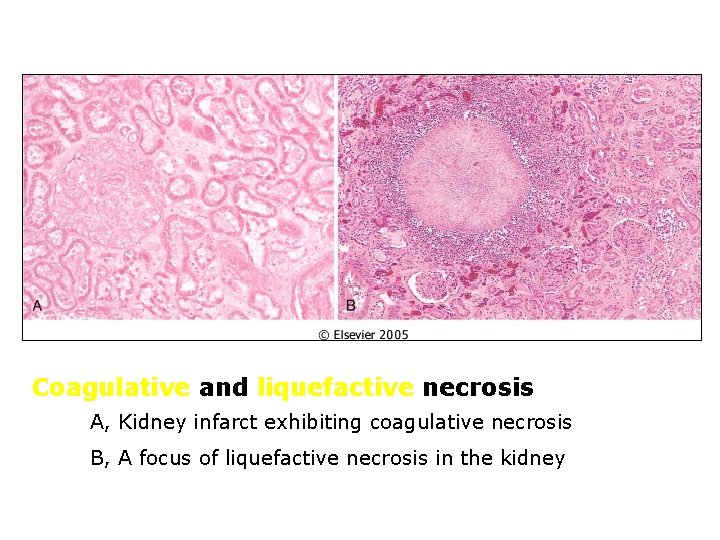
Coagulative and liquefactive necrosis A, Kidney infarct exhibiting coagulative necrosis B, A focus of liquefactive necrosis in the kidney
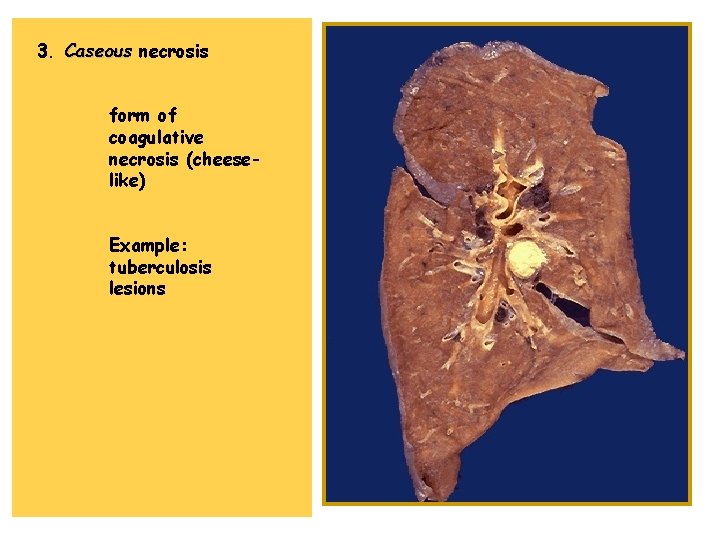
Morphologic Pattern of Necrotic Cell Mass Caseous necrosis • : gross appearance : microscopic – granulomatous inflammation
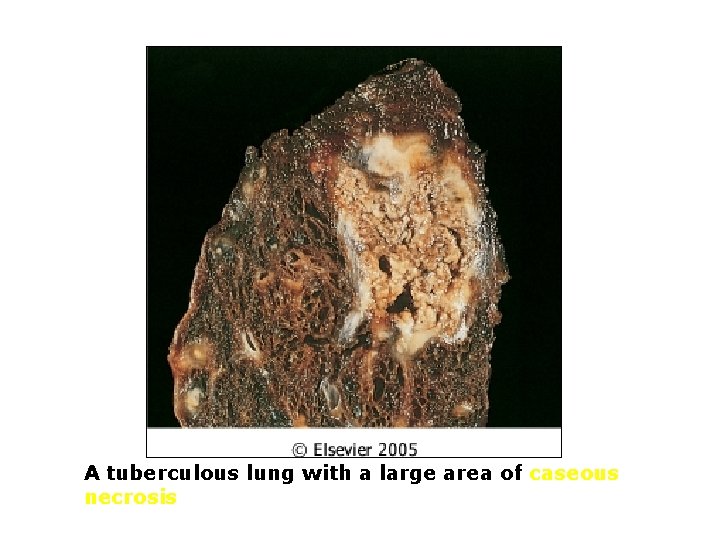
A tuberculous lung with a large area of caseous necrosis
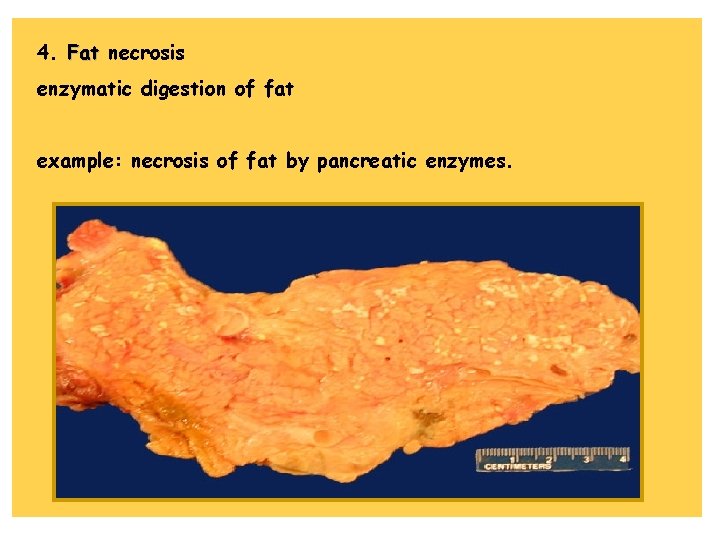
Foci of fat necrosis with saponification in the mesentery
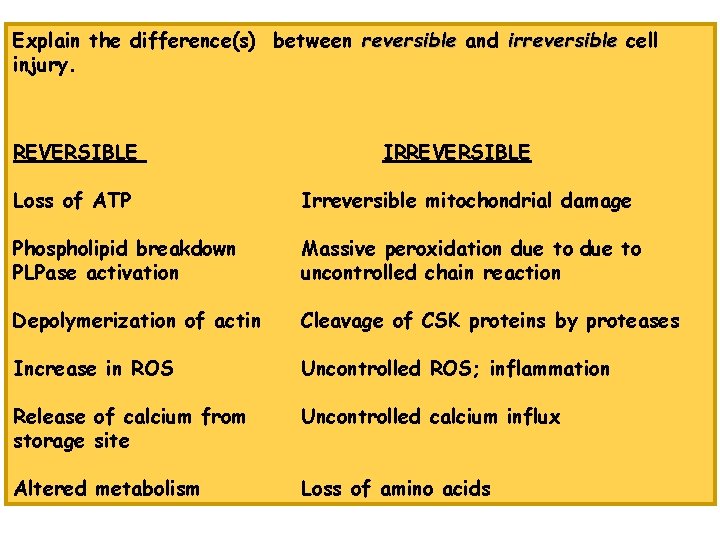
Explain the difference(s) between reversible and irreversible cell injury. REVERSIBLE IRREVERSIBLE Loss of ATP Irreversible mitochondrial damage Phospholipid breakdown PLPase activation Massive peroxidation due to uncontrolled chain reaction Depolymerization of actin Cleavage of CSK proteins by proteases Increase in ROS Uncontrolled ROS; inflammation Release of calcium from storage site Uncontrolled calcium influx Altered metabolism Loss of amino acids
Describe Patterns of Necrosis in Tissues or Organs As a result of cell death the tissues or organs display certain macroscopic changes: 1. Coagulative necrosis outline of the dead cells is maintained and the tissue is somewhat firm. Example: myocardial infarction
3. Caseous necrosis form of coagulative necrosis (cheeselike) Example: tuberculosis lesions
4. Fat necrosis enzymatic digestion of fat example: necrosis of fat by pancreatic enzymes.
5. Gangrenous necrosis Necrosis (secondary to ischemia) usually with superimposed infection example: necrosis of distal limbs, usually foot and toes in diabetes