
What is Marketing Definition The process of planning
- Slides: 36
What is Marketing? Definition: The process of planning and executing the conception, pricing, promotion and distribution of goods and services to facilitate exchanges that satisfy individual and organizational objectives. (Source: American Marketing Association)
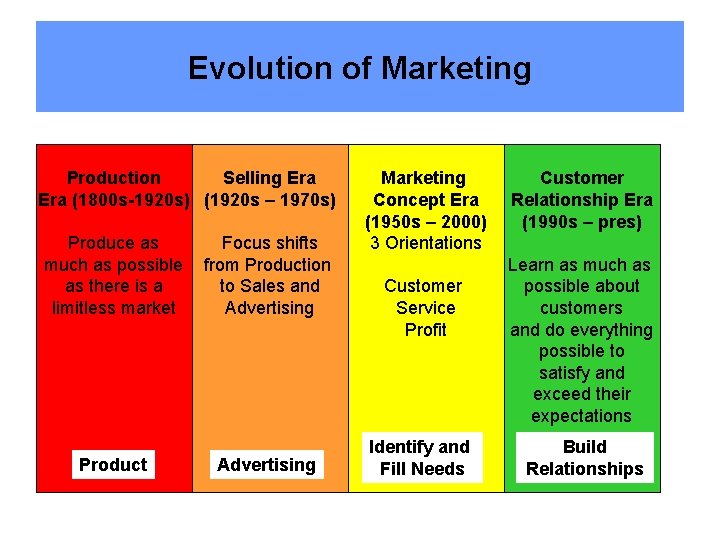
Evolution of Marketing Production Selling Era (1800 s-1920 s) (1920 s – 1970 s) Produce as much as possible as there is a limitless market Product Focus shifts from Production to Sales and Advertising Marketing Concept Era (1950 s – 2000) 3 Orientations Customer Service Profit Identify and Fill Needs Customer Relationship Era (1990 s – pres) Learn as much as possible about customers and do everything possible to satisfy and exceed their expectations Build Relationships
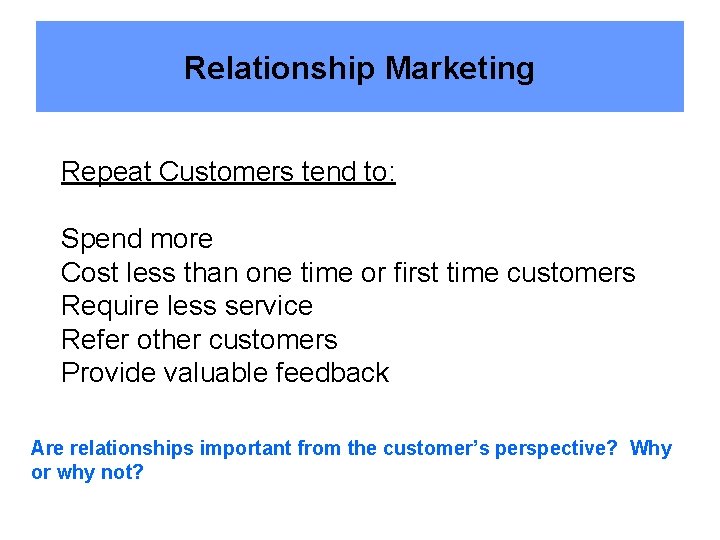
Relationship Marketing Repeat Customers tend to: Spend more Cost less than one time or first time customers Require less service Refer other customers Provide valuable feedback Are relationships important from the customer’s perspective? Why or why not?
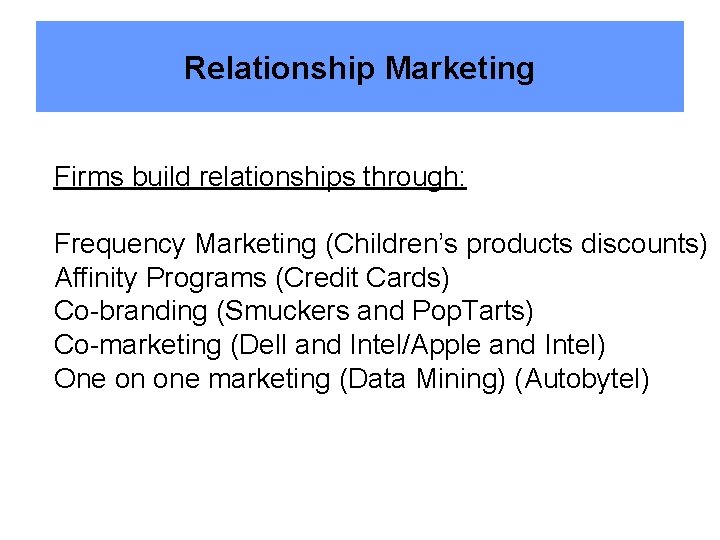
Relationship Marketing Firms build relationships through: Frequency Marketing (Children’s products discounts) Affinity Programs (Credit Cards) Co-branding (Smuckers and Pop. Tarts) Co-marketing (Dell and Intel/Apple and Intel) One on one marketing (Data Mining) (Autobytel)
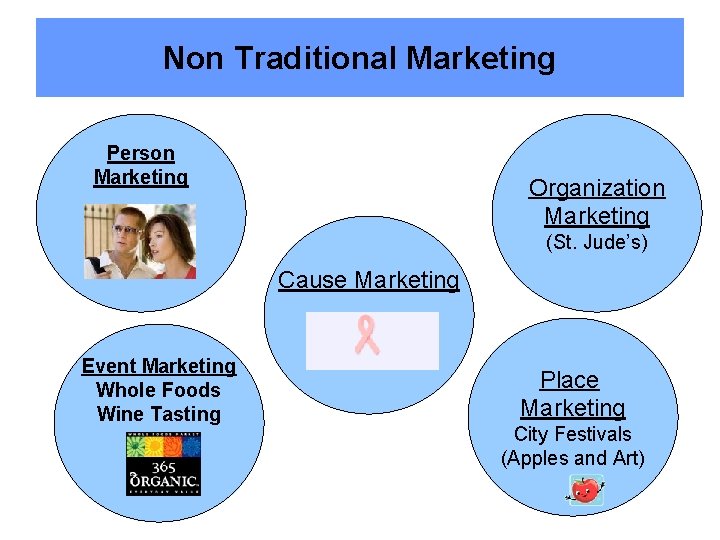
Non Traditional Marketing Person Marketing Organization Marketing (St. Jude’s) Cause Marketing Event Marketing Whole Foods Wine Tasting Place Marketing City Festivals (Apples and Art)
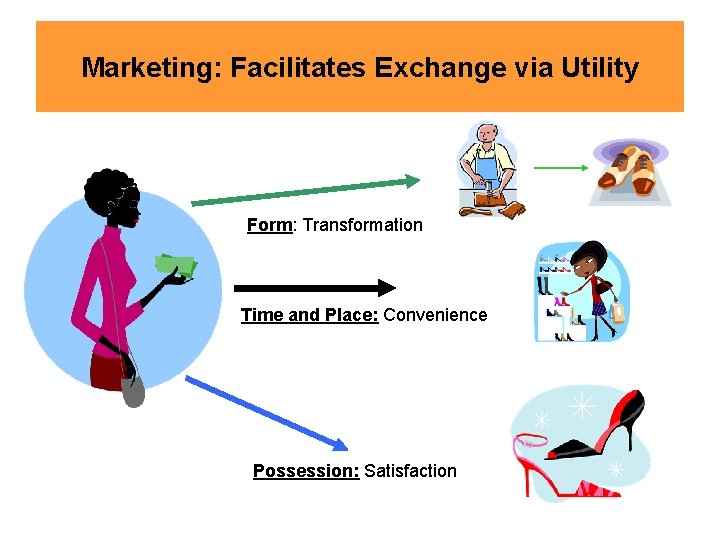
Marketing: Facilitates Exchange via Utility Form: Transformation Time and Place: Convenience Possession: Satisfaction
Strategic Marketing Planning Process 1. Examine Current Market Situation: Past Performance, Competition, SWOT 2. Assess Product and Market Opportunities: Macro Analysis 3. Set Objectives 4. Develop Marketing Strategy: Segmentation, Target Market, Position Product and Develop the Marketing Mix (4 P’s)
Examine Current Situation SWOT Analysis Strengths: something the company either possesses or is good at doing (e. g. , assets, skills, knowledge, partnerships) Weaknesses: an area of current or potential vulnerability Opportunities: areas of current or potential profitability and/or growth that exist in the external environment Threats: factors that exist in the external environment that have the potential to erode an organization’s profitability and/or growth
Assess Opportunities Market Research Data Sources: Primary and Secondary (External): Trade Associations, Advertising Agencies, Professional Research Firms, Government Primary: Company Databases, Focus Groups, Surveys Observation
Simple Research Process • Observation • Identification of Problem Area or Question of Interest • Develop hypotheses • Data Collection • Interpretation of Data • Refine or develop Theory or Apply to Decision-making process
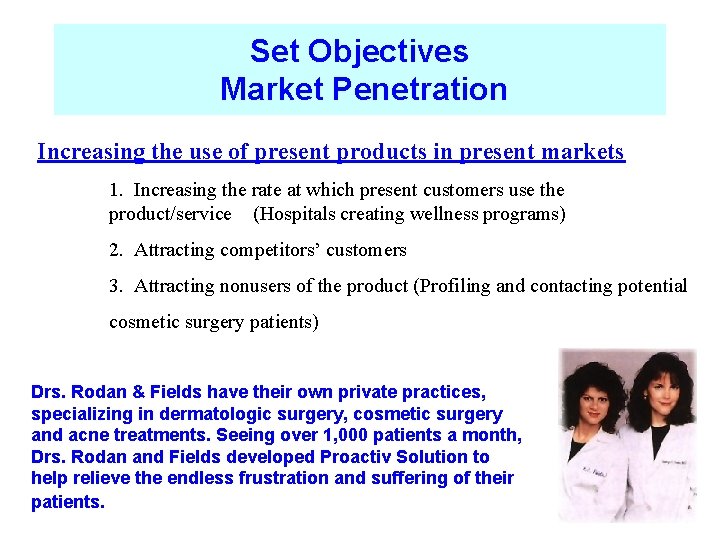
Set Objectives Market Penetration Increasing the use of present products in present markets 1. Increasing the rate at which present customers use the product/service (Hospitals creating wellness programs) 2. Attracting competitors’ customers 3. Attracting nonusers of the product (Profiling and contacting potential cosmetic surgery patients) Drs. Rodan & Fields have their own private practices, specializing in dermatologic surgery, cosmetic surgery and acne treatments. Seeing over 1, 000 patients a month, Drs. Rodan and Fields developed Proactiv Solution to help relieve the endless frustration and suffering of their patients.
Objective Market Development Selling present products in new markets 1. Opening additional geographic markets 2. Attracting other market segments
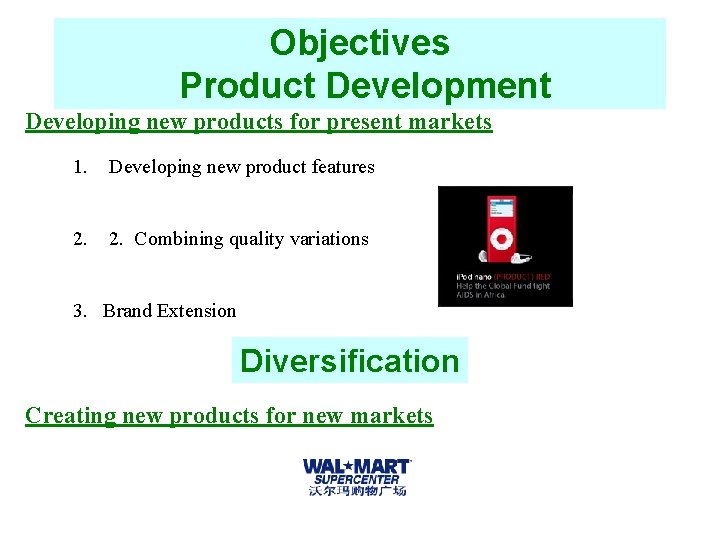
Objectives Product Development Developing new products for present markets 1. Developing new product features 2. Combining quality variations 3. Brand Extension Diversification Creating new products for new markets
Key Areas of Marketing Advertising (and so much more) Market Research New Product Development Product/Brand Management Distribution Channel Management Consumer Behavior Public Relations Market Management
Develop Strategy Market Segmentation Process of dividing a total market into several relatively homogenous groups. Examples of Segmentation Criteria: Geography, products, product usage rate, psychographic (values, lifestyles, attitudes).
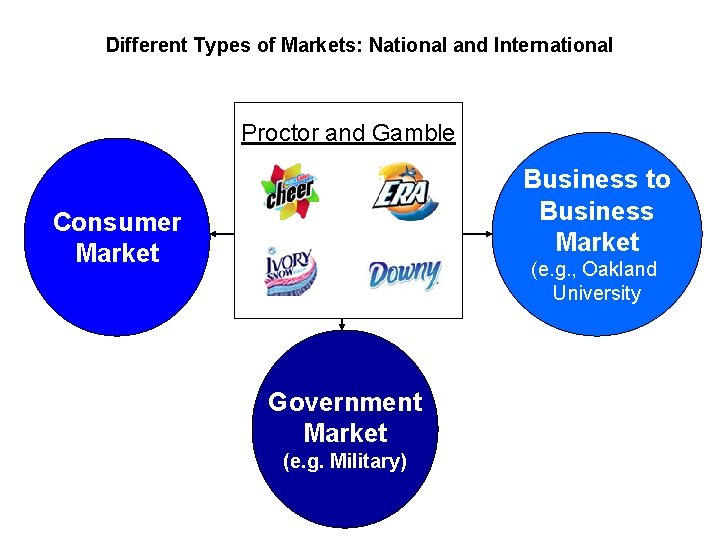
Different Types of Markets: National and International Proctor and Gamble Business to Business Market Consumer Market (e. g. , Oakland University Government Market (e. g. Military)
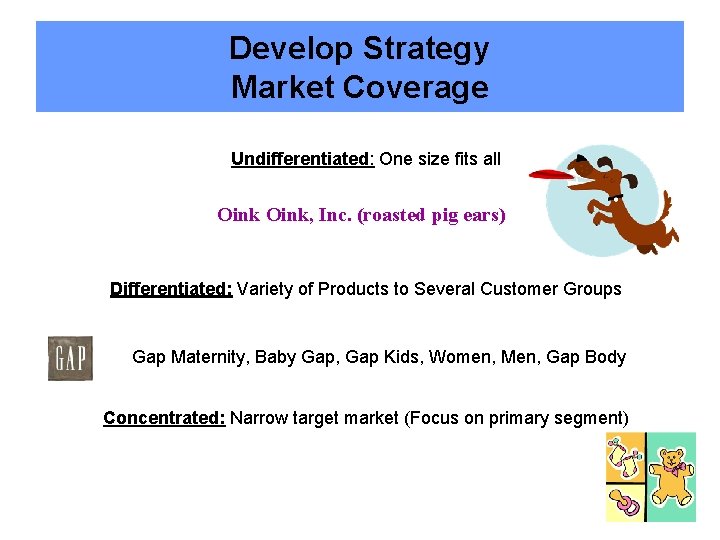
Develop Strategy Market Coverage Undifferentiated: One size fits all Oink, Inc. (roasted pig ears) Differentiated: Variety of Products to Several Customer Groups Gap Maternity, Baby Gap, Gap Kids, Women, Men, Gap Body Concentrated: Narrow target market (Focus on primary segment)
Marketing 4 P’s (Key Marketing Mix Decisions and Strategy) Product: Type, Attributes, Package Design, Brand, Warranties Place (Distribution): Choice of and availability at POS (point of sale) locations Price: Discount Pricing, Value Pricing, Skimming Pricing Promotion: Coupons, Rebates, Samples
Marketing 4 Ps: Product Differentiated or Standardized (e. g. , commodities) Product Line and Mix Product Life Cycle Product Identification: Branded versus non branded
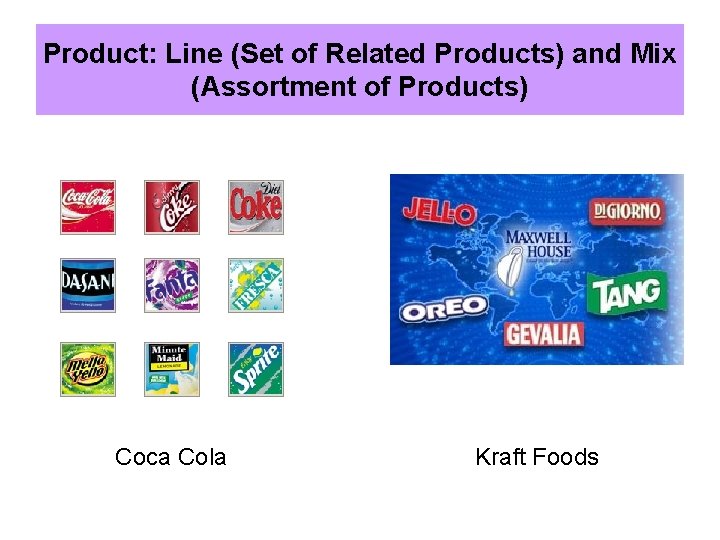
Product: Line (Set of Related Products) and Mix (Assortment of Products) Coca Cola Kraft Foods
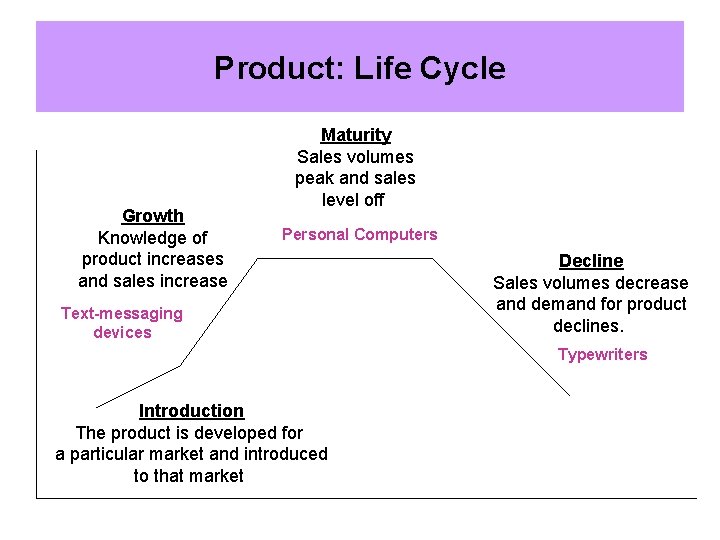
Product: Life Cycle Growth Knowledge of product increases and sales increase Maturity Sales volumes peak and sales level off Personal Computers Text-messaging devices Decline Sales volumes decrease and demand for product declines. Typewriters Introduction The product is developed for a particular market and introduced to that market
Brand Name, term, sign, symbol or design that identifies the products of a firm and distinguishes them from competitive offerings.
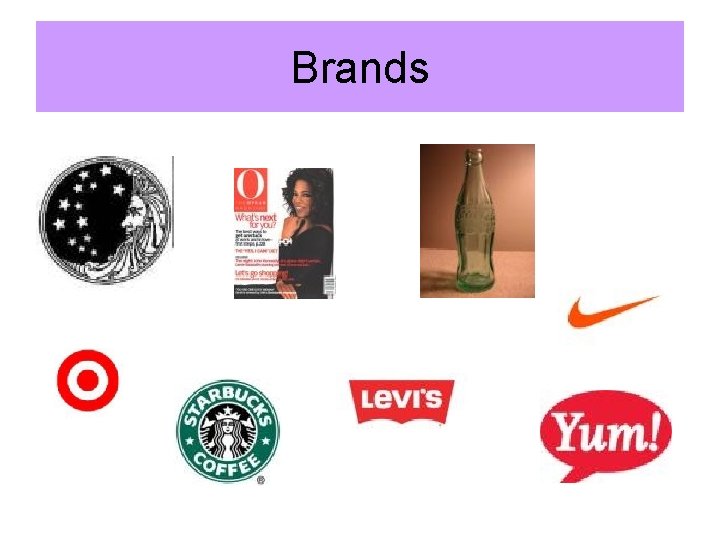
Brands
Top 10 Global Brands (Based on Economic Power) 1. Coca Cola (United States) 2. Microsoft (United States) 3. IBM (United States) 4. GE (United States) 5. Intel (United States) 6. Nokia (Finland) 7. Disney (United States) 8. Mc. Donalds (United States) 9. Toyota (Japan) 10. Marlboro (United States) 11. Mercedes-Benz (Germany)
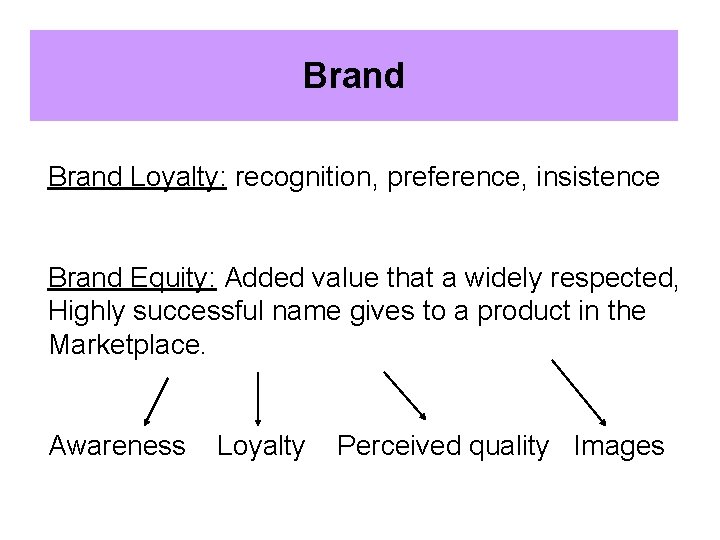
Brand Loyalty: recognition, preference, insistence Brand Equity: Added value that a widely respected, Highly successful name gives to a product in the Marketplace. Awareness Loyalty Perceived quality Images
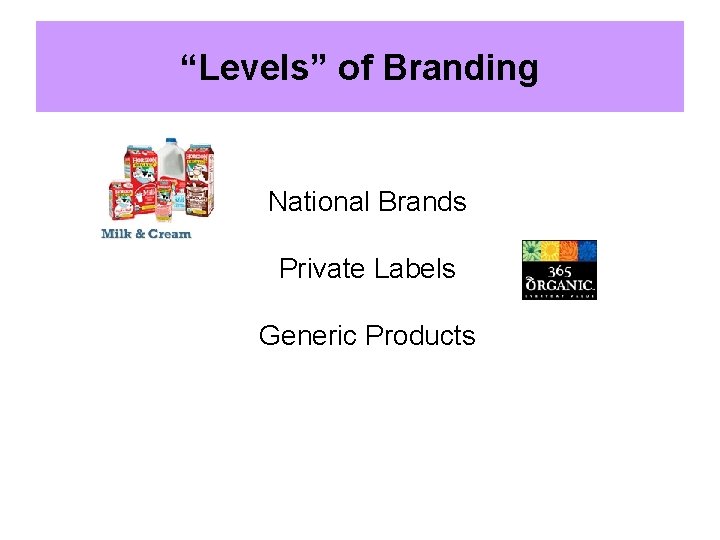
“Levels” of Branding National Brands Private Labels Generic Products
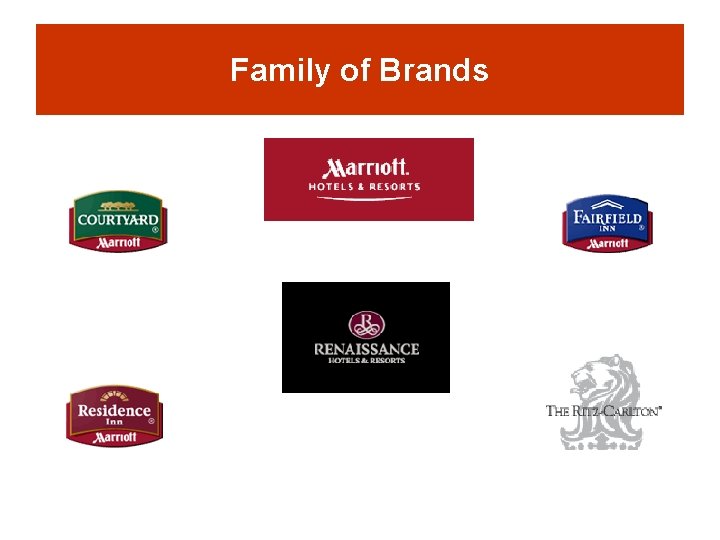
Family of Brands
Trends in Branding Authenticity – Good performance and good deeds pay off BUT consumers must sense that the actions are sincere and not a PR stunt Experience - the experience conveys the essence of the brand Neuromarketing – strengthen emotional bonds to the product
Trends in Branding Advertainment - to reach TV-shy youngsters, build the message in what they are watching/doing Multi-constituency – Realize that multiple stakeholders are involved with brand (customers and non customers) Letting-go - Brands will create social and cultural values; customers must have input in shaping brand image
Promotions Purpose: Informing, persuading and influencing a purchase decision Five Key Promotional Objectives 1. Differentiate the Product (e. g. , comparison) 2. Accentuate Product Value (e. g. , warranties) 3. Provide Information (e. g. , describe features) 4. Stabilize Sales (e. g. , even out cyclicality) 5. Increase Sales (e. g. , coupons)
Promotional Mix Advertising Personal Selling Sales Promotion Public Relations
Advertising (Effectiveness versus Control) Consider Market Reach Credibility Cost Detail • Word of Mouth • Online and Interactive (engagement rings) • Outdoor (billboards) • Media • Direct Mail • Sponsorship
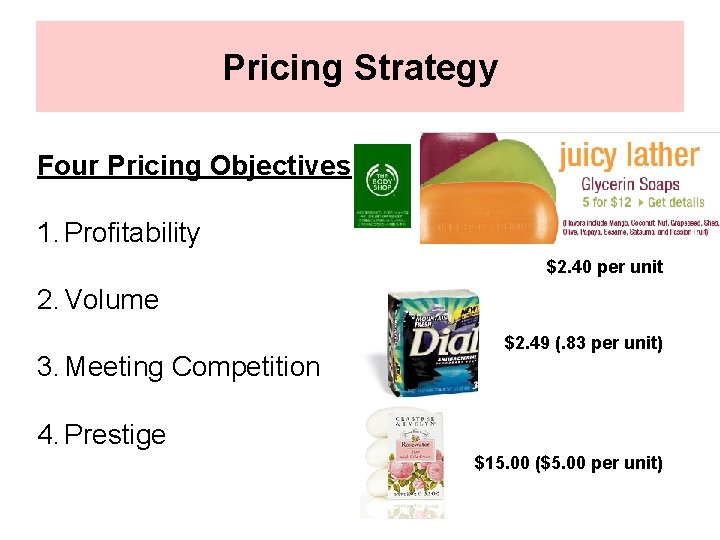
Pricing Strategy Four Pricing Objectives 1. Profitability $2. 40 per unit 2. Volume 3. Meeting Competition $2. 49 (. 83 per unit) 4. Prestige $15. 00 ($5. 00 per unit)
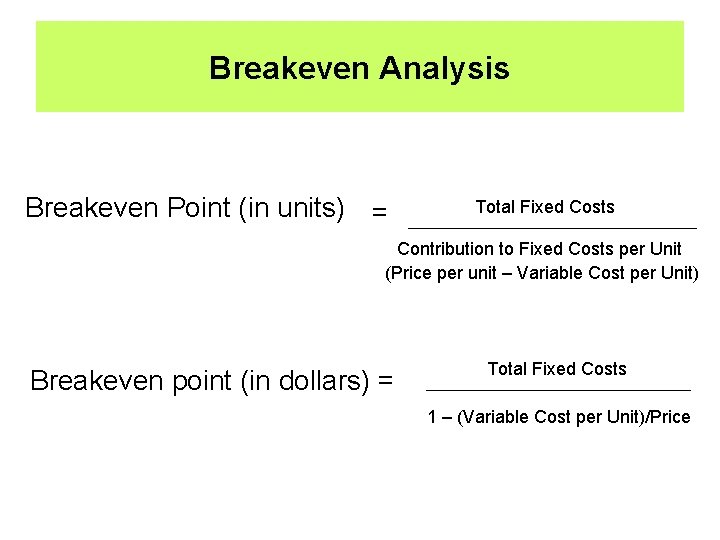
Breakeven Analysis Breakeven Point (in units) = Total Fixed Costs Contribution to Fixed Costs per Unit (Price per unit – Variable Cost per Unit) Breakeven point (in dollars) = Total Fixed Costs 1 – (Variable Cost per Unit)/Price
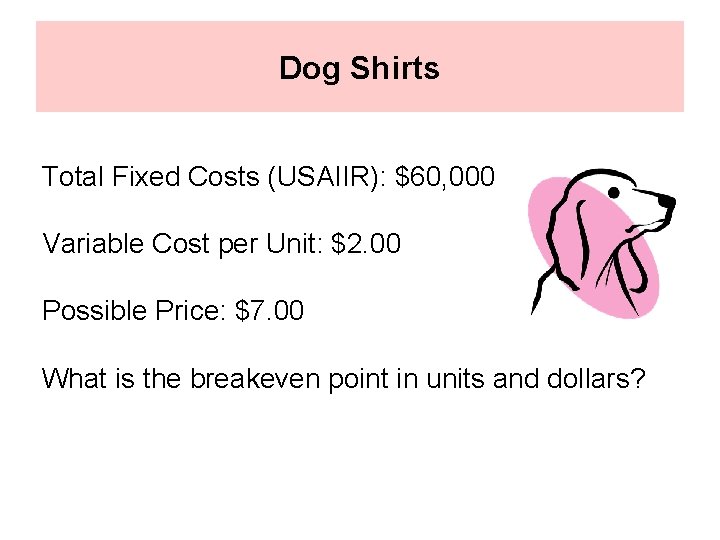
Dog Shirts Total Fixed Costs (USAIIR): $60, 000 Variable Cost per Unit: $2. 00 Possible Price: $7. 00 What is the breakeven point in units and dollars?
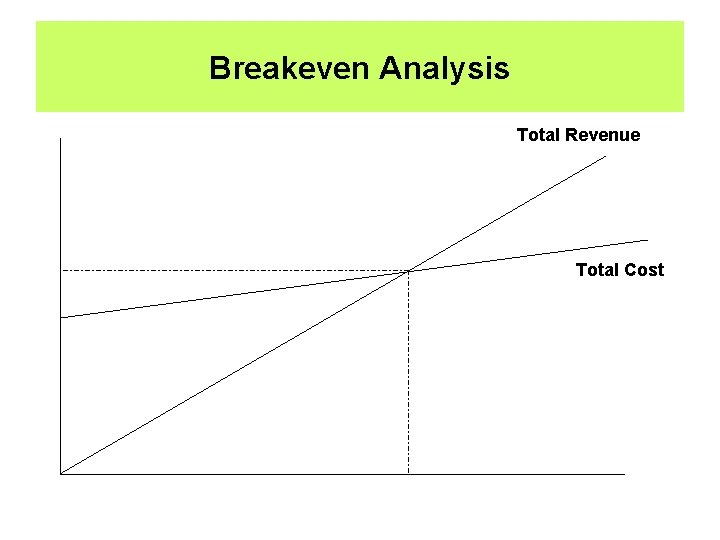
Breakeven Analysis Total Revenue Total Cost