
What is locomotion What is locomotion Locomotion the



- Slides: 44
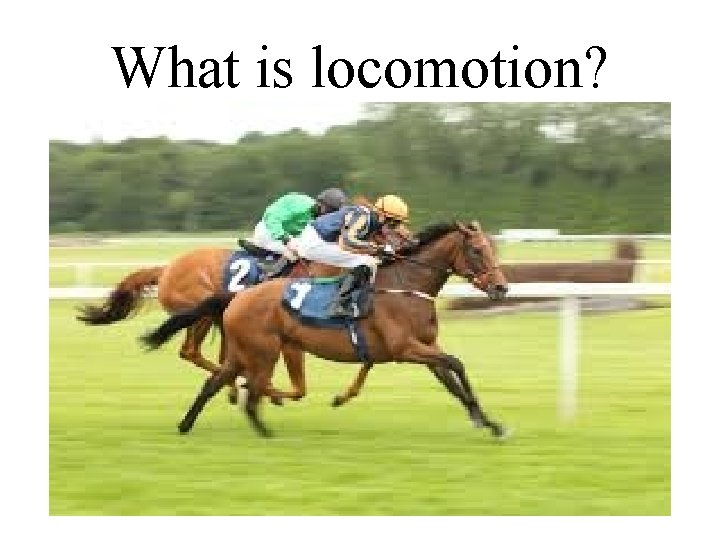
What is locomotion?
What is locomotion? Locomotion - the ability to move from place to place Why is locomotion important to an organism?
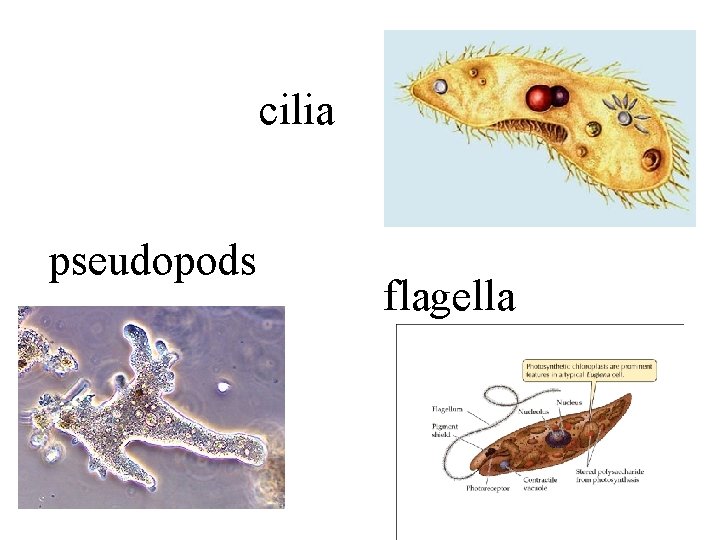
cilia pseudopods flagella
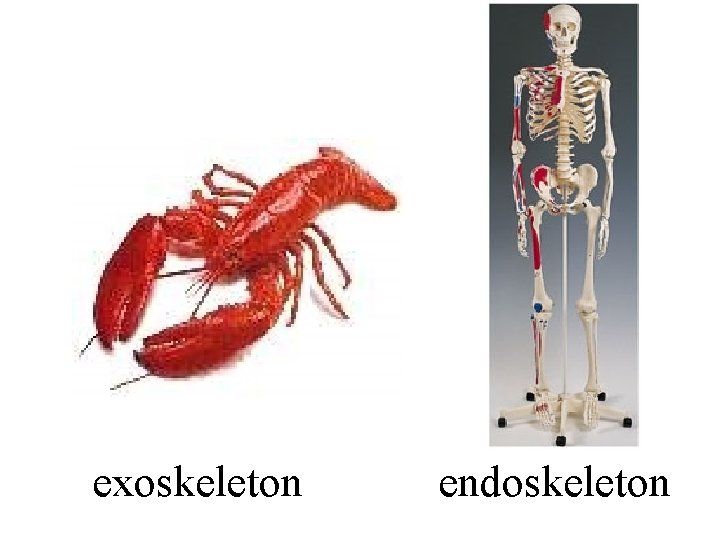
exoskeleton endoskeleton
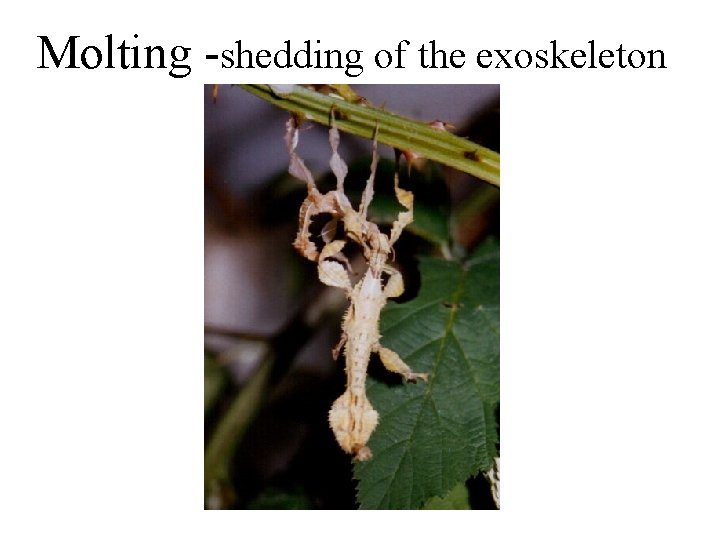
Molting -shedding of the exoskeleton
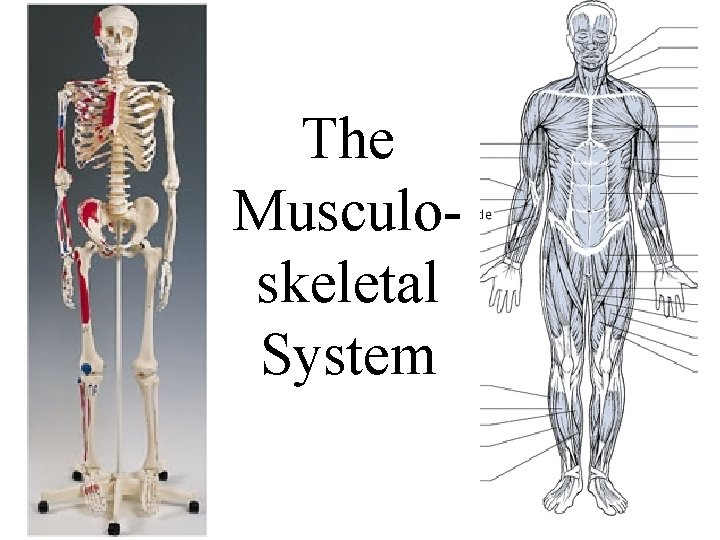
The Musculoskeletal System
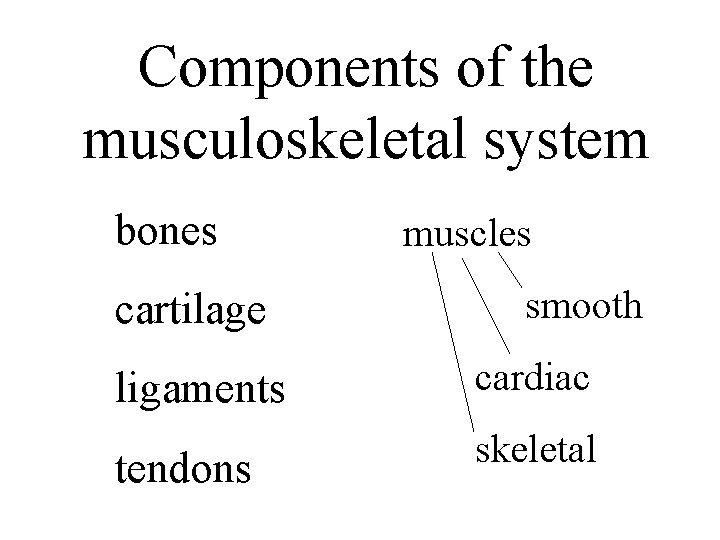
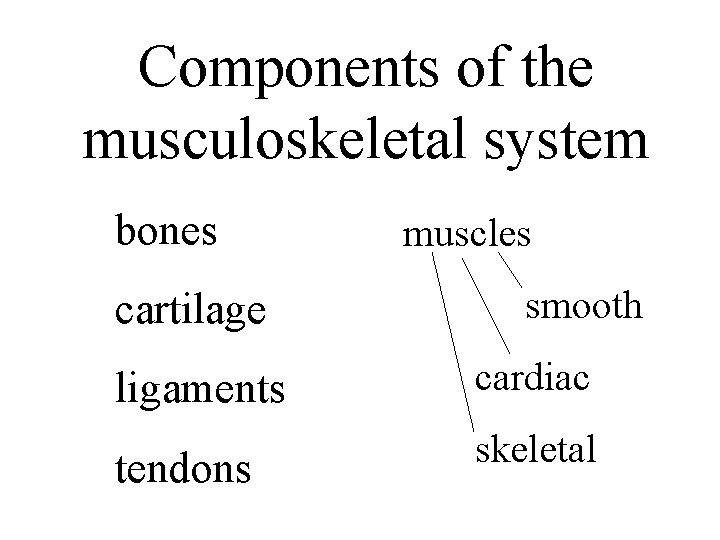
Components of the musculoskeletal system bones cartilage muscles smooth ligaments cardiac tendons skeletal
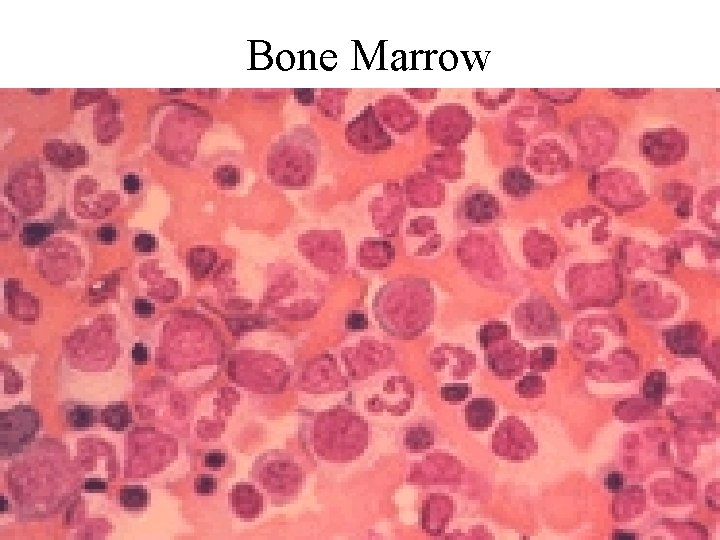
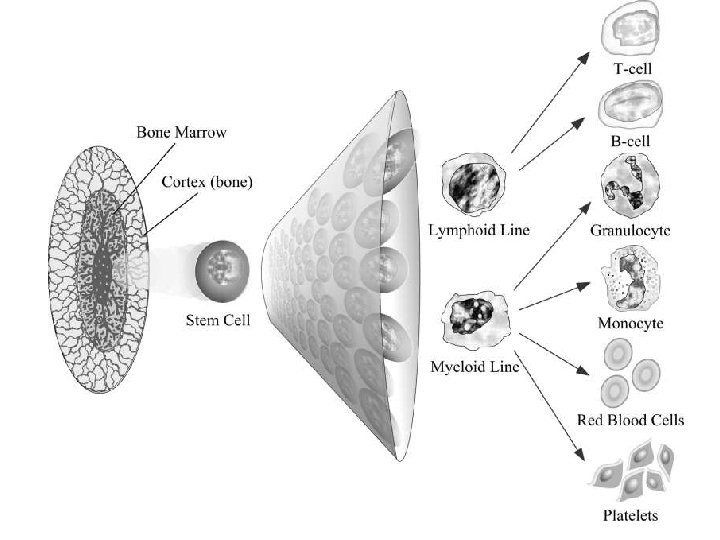
Bone Marrow
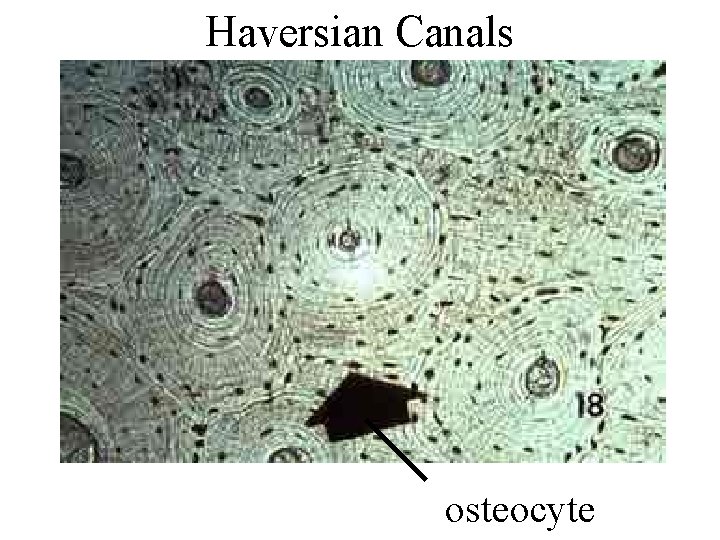
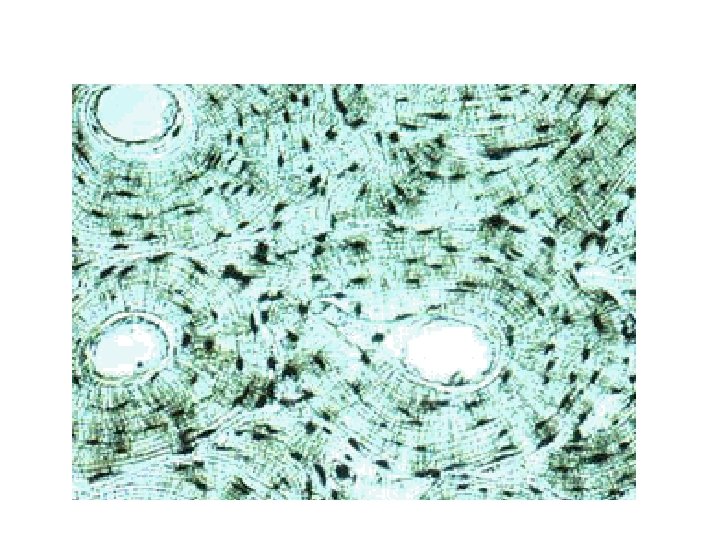
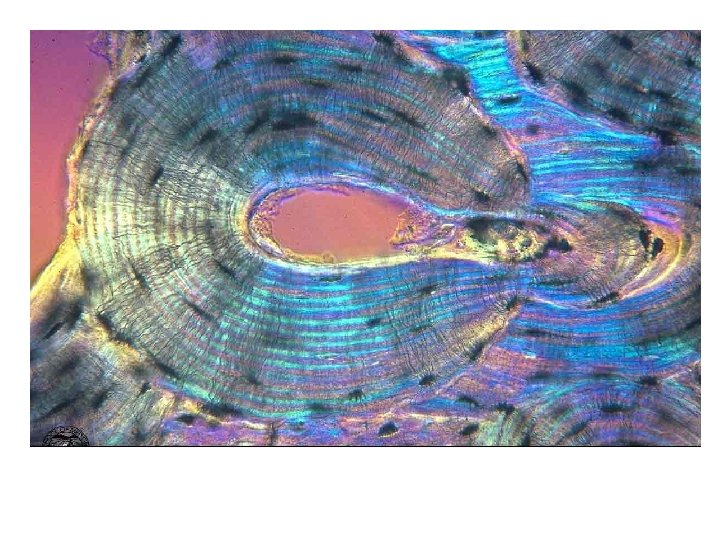
Haversian Canals osteocyte
Bone - a type of connective tissue that is hard and inflexible living tissue - osteocytes blood vessels bone marrow inorganic compounds (Ca, P) connective tissue fibers (collagen, polysaccharides)
Functions of Bone • give the body shape and support • protect delicate structures • produces red blood cells and some white blood cells • sites of attachment for skeletal muscles • levers for movement of body parts • storage places for minerals (Ca, P)
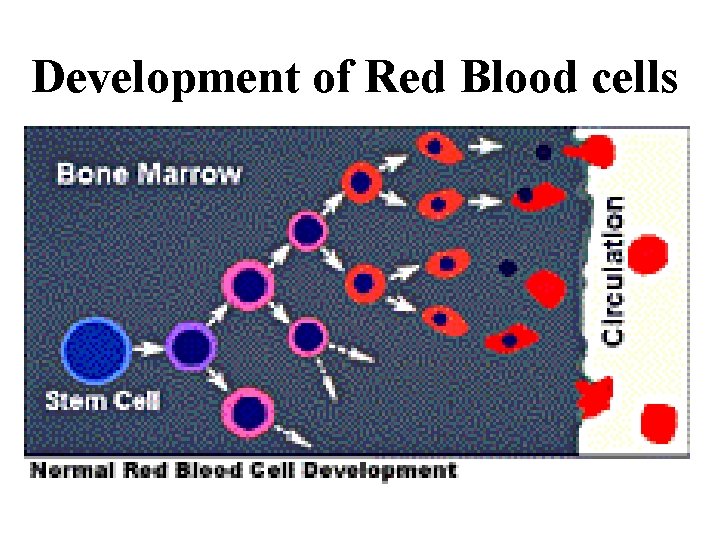
Development of Red Blood cells
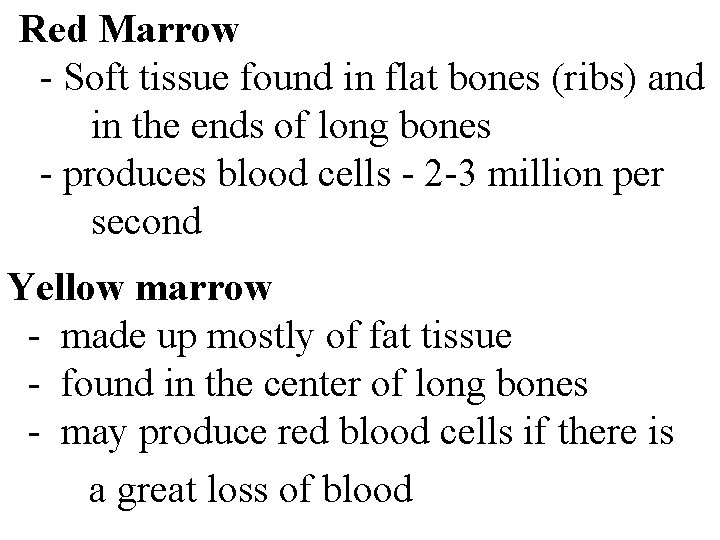
Red Marrow - Soft tissue found in flat bones (ribs) and in the ends of long bones - produces blood cells - 2 -3 million per second Yellow marrow - made up mostly of fat tissue - found in the center of long bones - may produce red blood cells if there is a great loss of blood
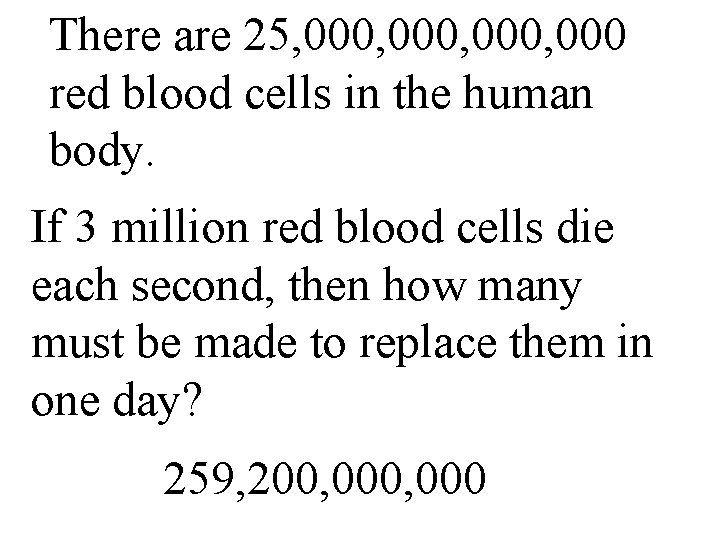
There are 25, 000, 000 red blood cells in the human body. If 3 million red blood cells die each second, then how many must be made to replace them in one day? 259, 200, 000
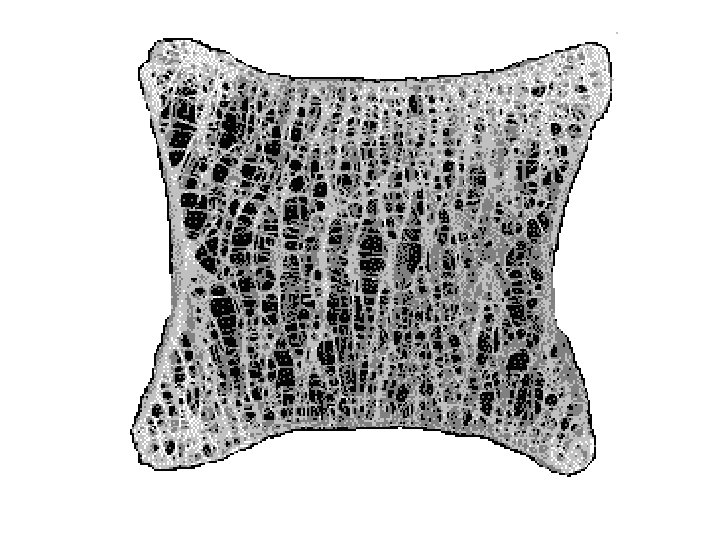
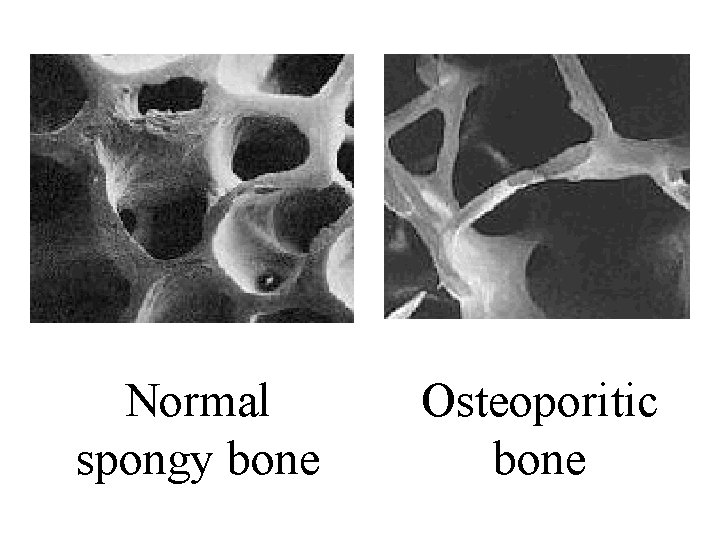
Normal spongy bone Osteoporitic bone
What is osteoporosis?
Osteoporosis A disease in which the bones become extremely porous, are subject to fracture, and heal slowly, occurring especially in women following menopause and often leading to curvature of the spine from vertebral collapse.
Osteoporosis causes - loss of calcium from the bones - lack of vitamin D other factors aging, physical inactivity, reduced levels of estrogen, heredity, excessive Cortisone or thyroid hormone, smoking, and excessive alcohol intake
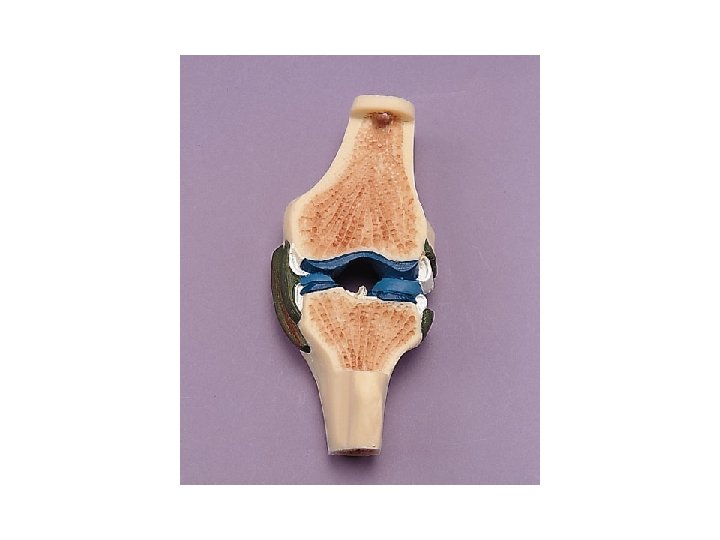
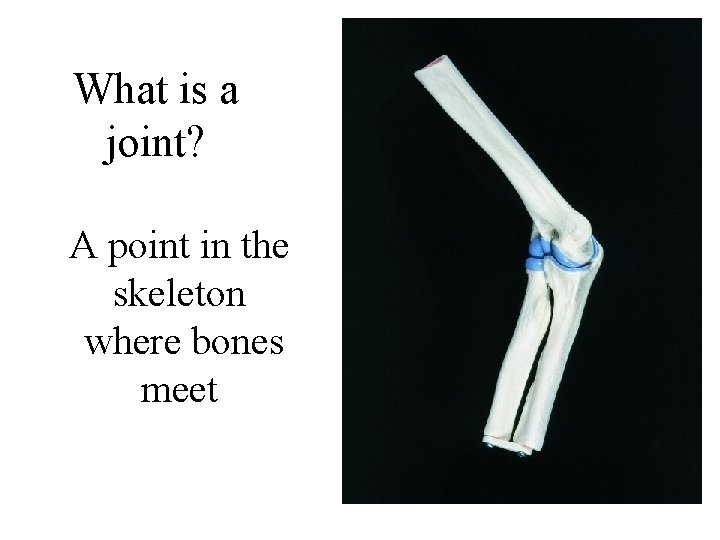
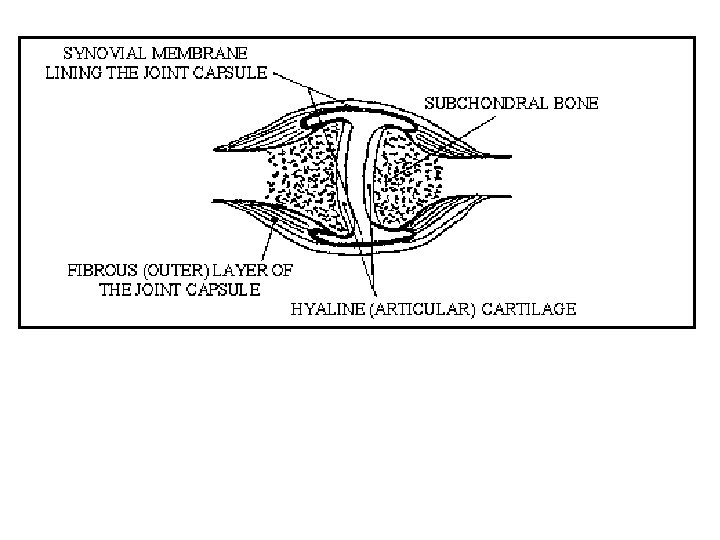
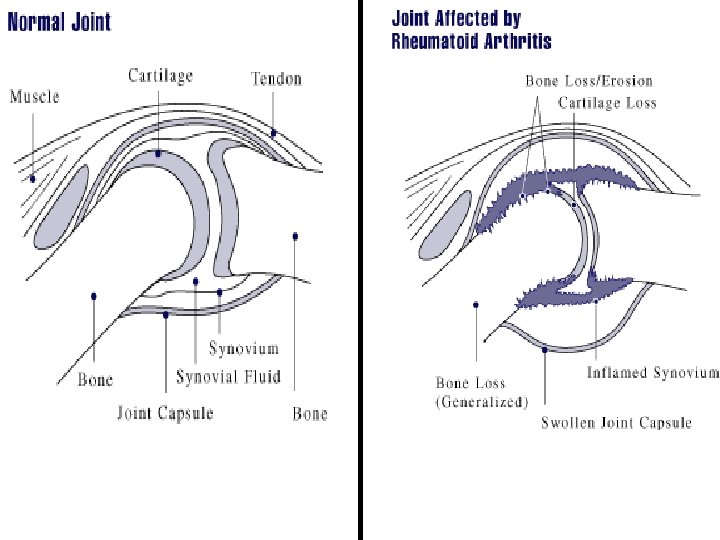
What is a joint? A point in the skeleton where bones meet
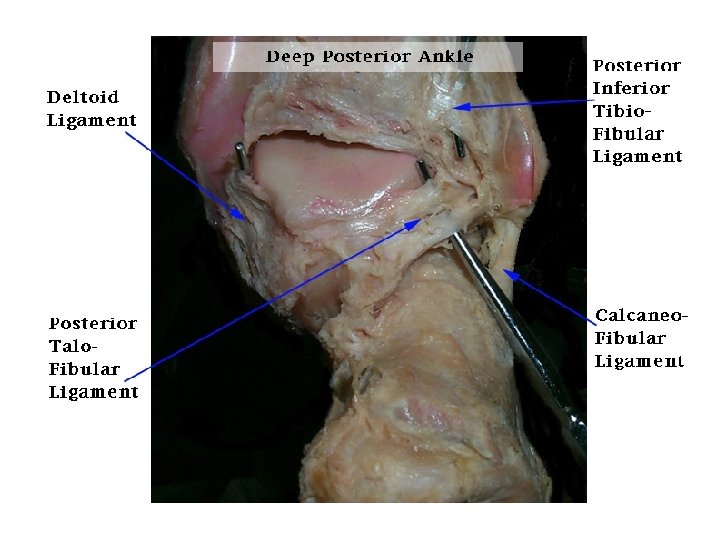
Ligament - band of tough, fibrous tissue connecting bones together
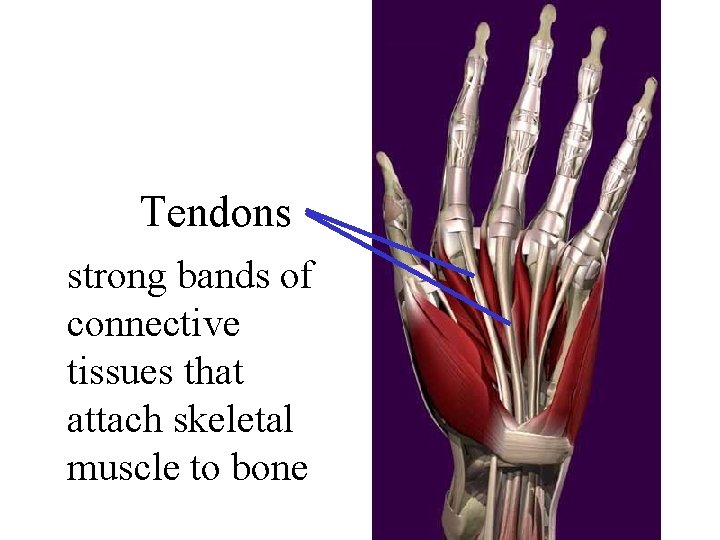
Tendons strong bands of connective tissues that attach skeletal muscle to bone
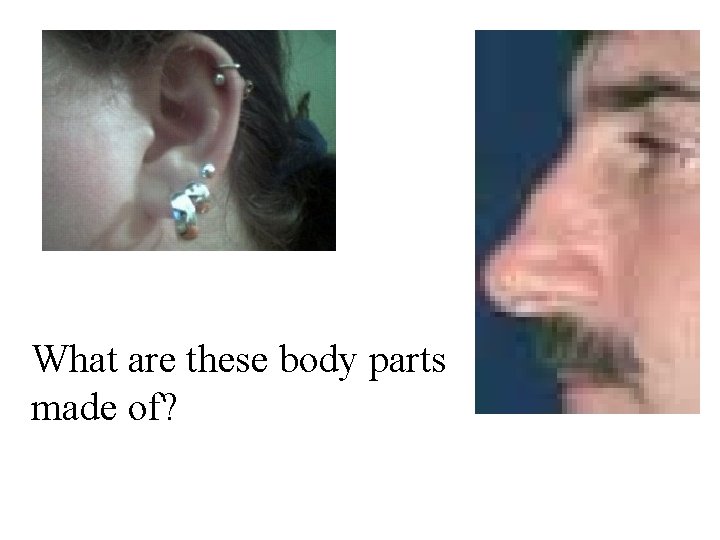
What are these body parts made of?
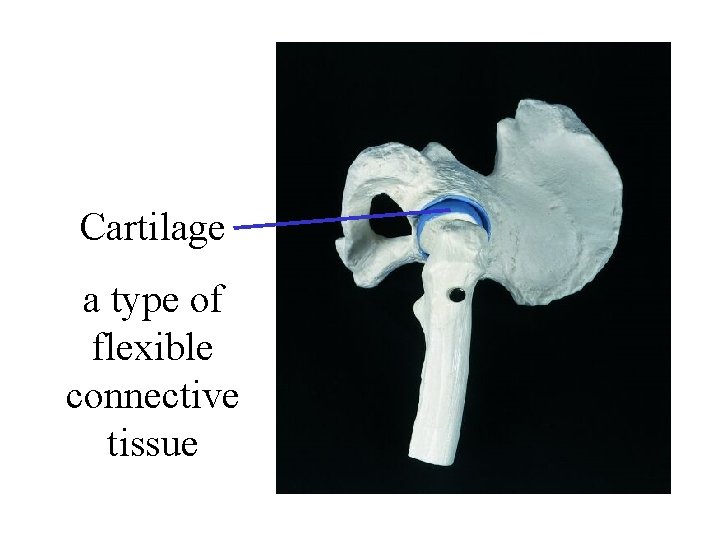
Cartilage a type of flexible connective tissue
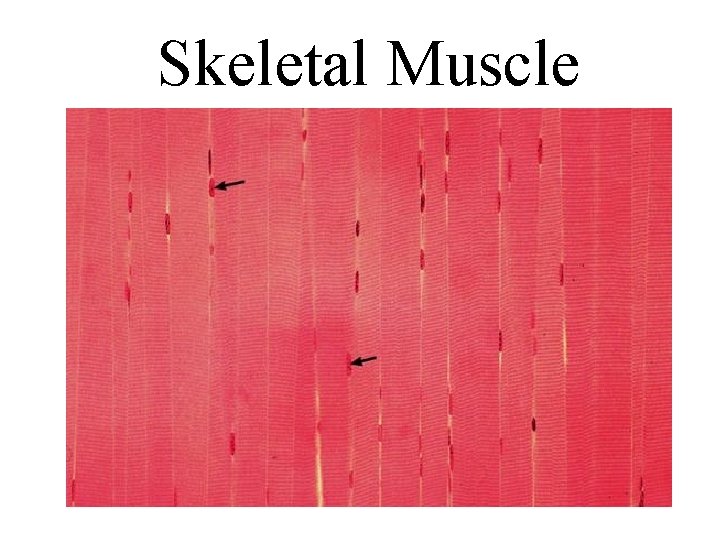
Skeletal Muscle
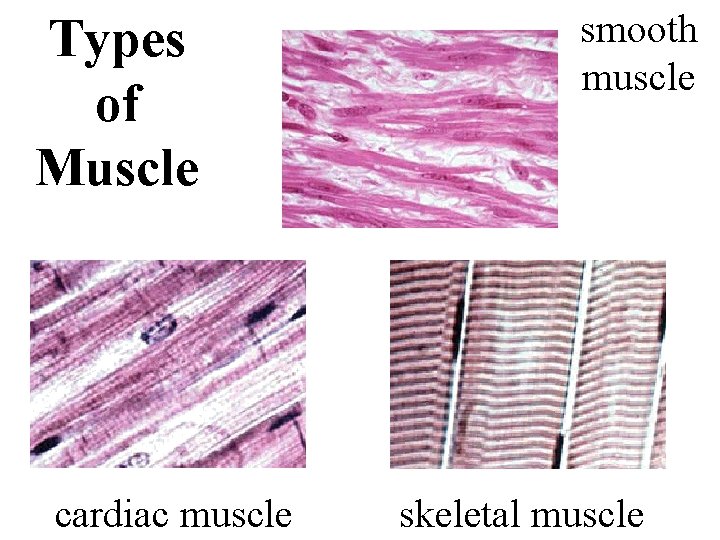
Types of Muscle cardiac muscle smooth muscle skeletal muscle
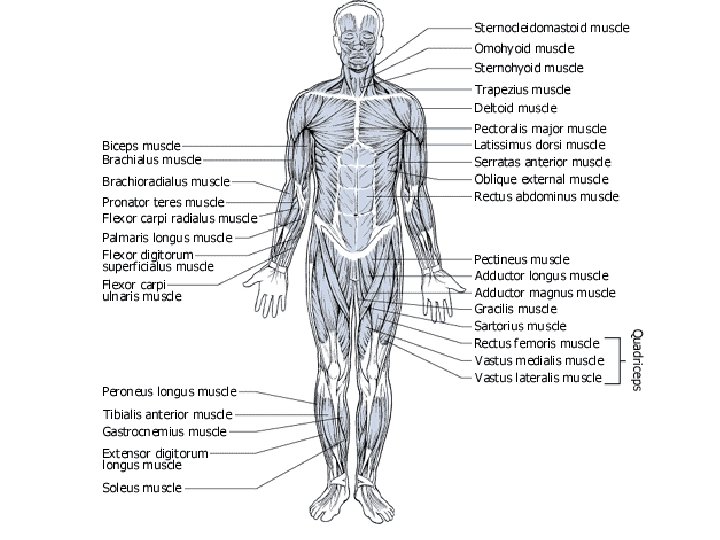
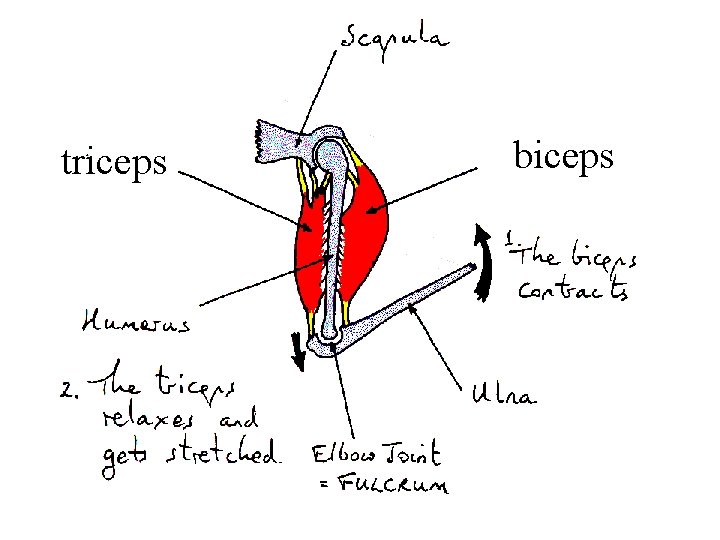
triceps biceps
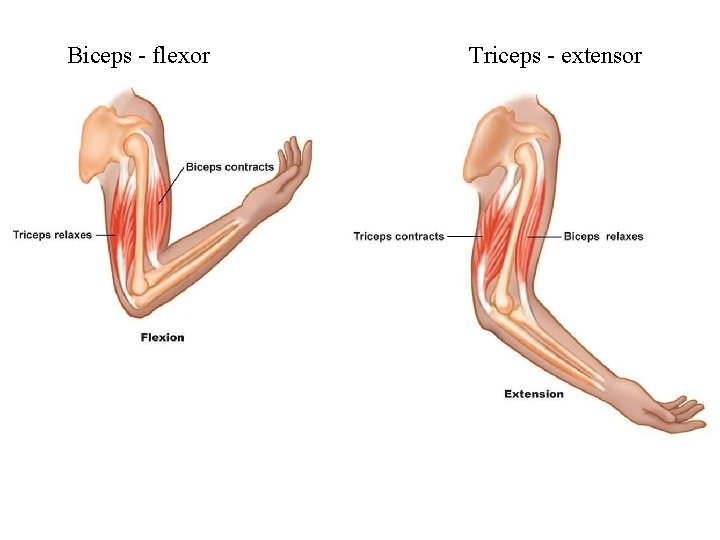
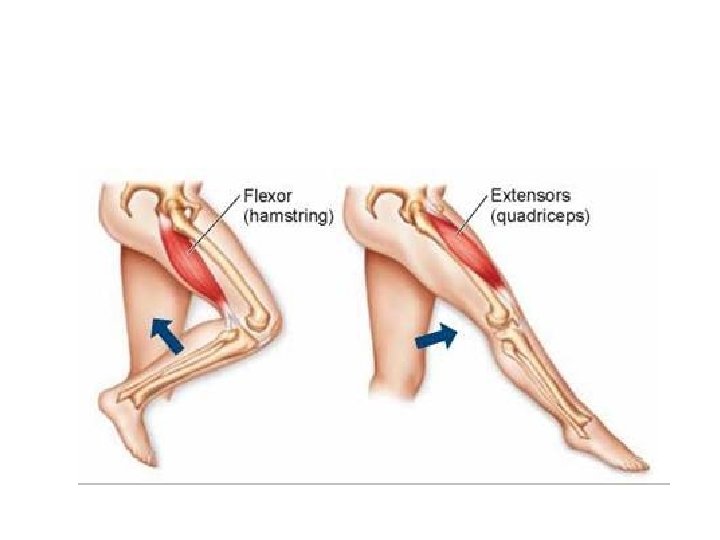
Why must muscles work in antagonistic pairs? Muscles can only produce movement through contracting (pulling the bones). They cannot move (push) the bones by relaxing.
Biceps - flexor Triceps - extensor
Components of the musculoskeletal system bones cartilage muscles smooth ligaments cardiac tendons skeletal