
What is life made of and how does
- Slides: 41
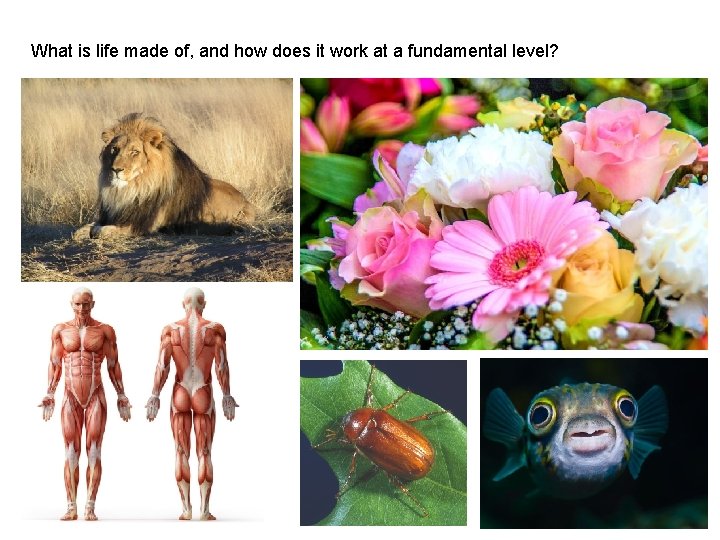
What is life made of, and how does it work at a fundamental level?
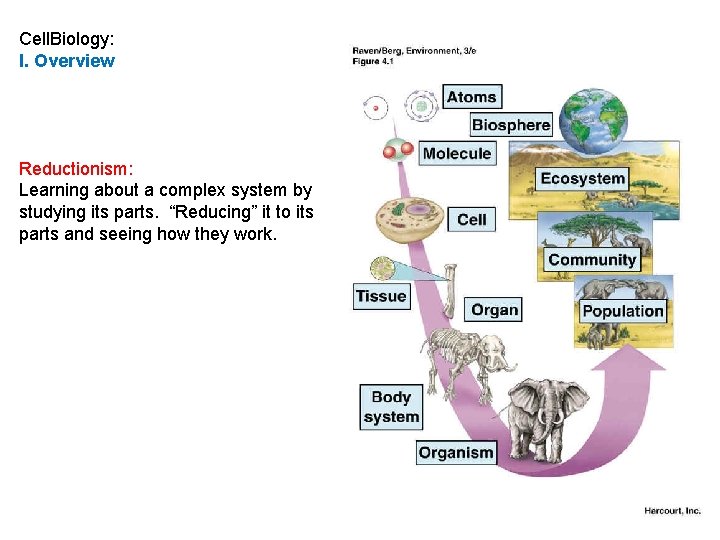
Cell. Biology: I. Overview Reductionism: Learning about a complex system by studying its parts. “Reducing” it to its parts and seeing how they work.
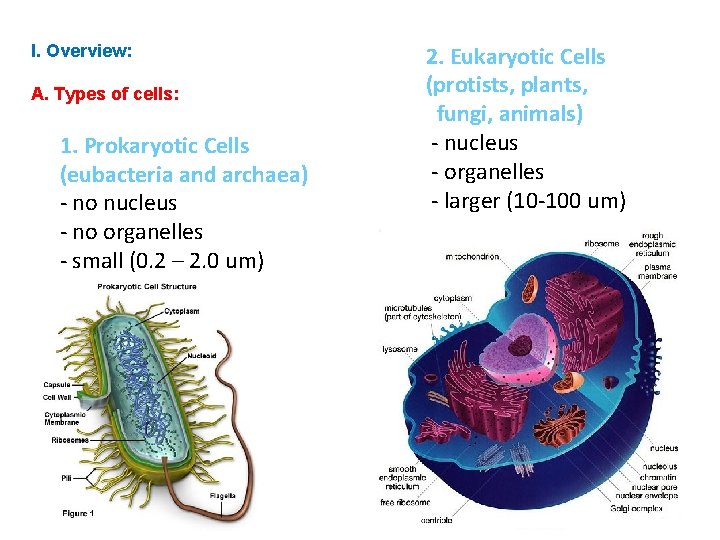
I. Overview: A. Types of cells: 1. Prokaryotic Cells (eubacteria and archaea) - no nucleus - no organelles - small (0. 2 – 2. 0 um) 2. Eukaryotic Cells (protists, plants, fungi, animals) - nucleus - organelles - larger (10 -100 um)
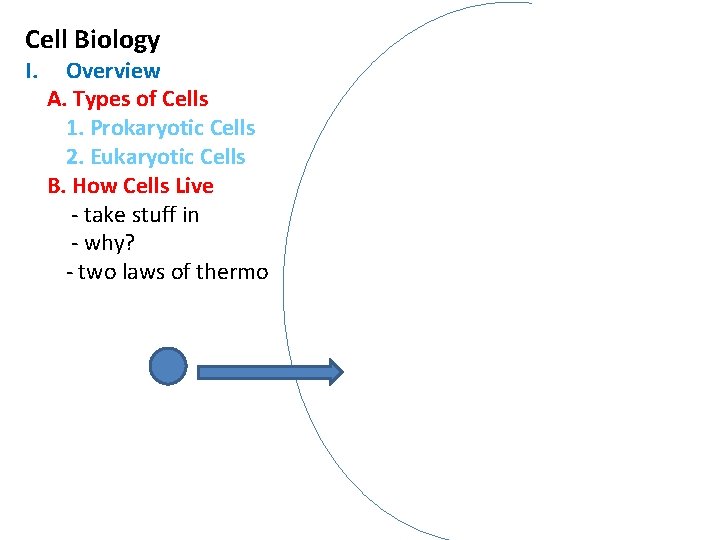
Cell Biology I. Overview A. Types of Cells 1. Prokaryotic Cells 2. Eukaryotic Cells B. How Cells Live - take stuff in - why? - two laws of thermo
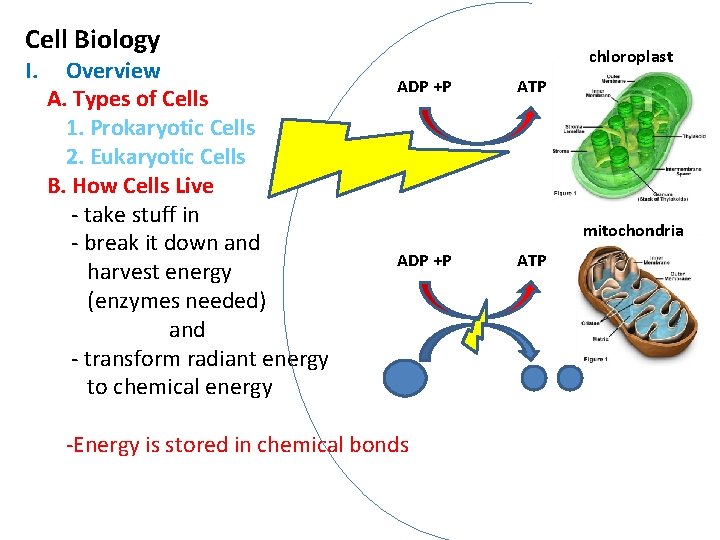
Cell Biology I. Overview A. Types of Cells 1. Prokaryotic Cells 2. Eukaryotic Cells B. How Cells Live - take stuff in - break it down and harvest energy (enzymes needed) and - transform radiant energy to chemical energy chloroplast ADP +P ATP mitochondria ADP +P -Energy is stored in chemical bonds ATP
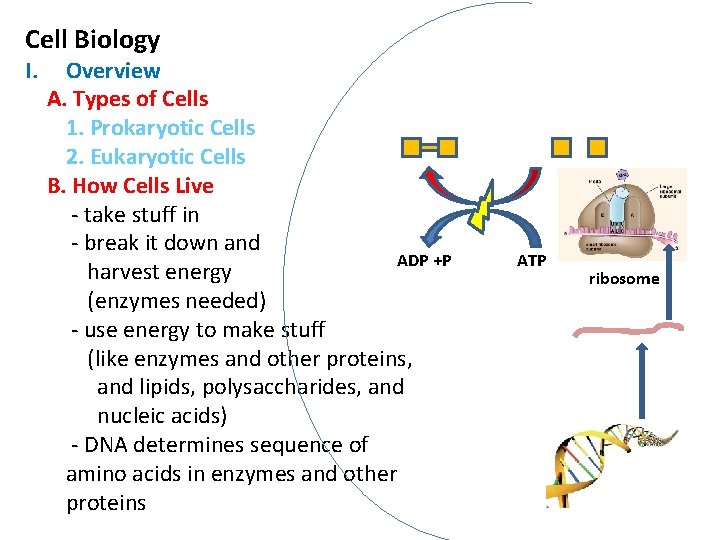
Cell Biology I. Overview A. Types of Cells 1. Prokaryotic Cells 2. Eukaryotic Cells B. How Cells Live - take stuff in - break it down and ADP +P harvest energy (enzymes needed) - use energy to make stuff (like enzymes and other proteins, and lipids, polysaccharides, and nucleic acids) - DNA determines sequence of amino acids in enzymes and other proteins ATP ribosome
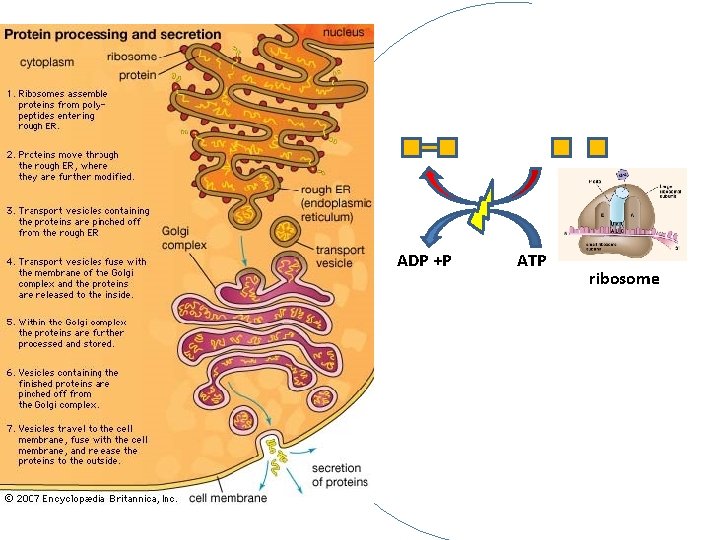
ADP +P ATP ribosome
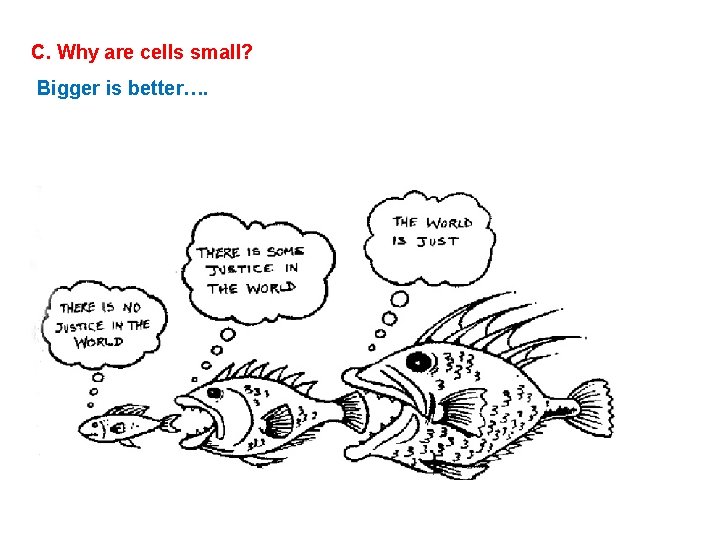
C. Why are cells small? Bigger is better….
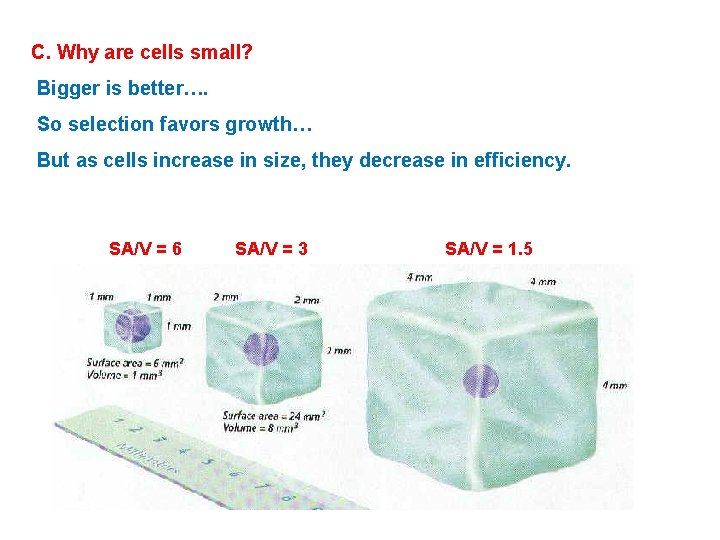
C. Why are cells small? Bigger is better…. So selection favors growth… But as cells increase in size, they decrease in efficiency. SA/V = 6 SA/V = 3 SA/V = 1. 5
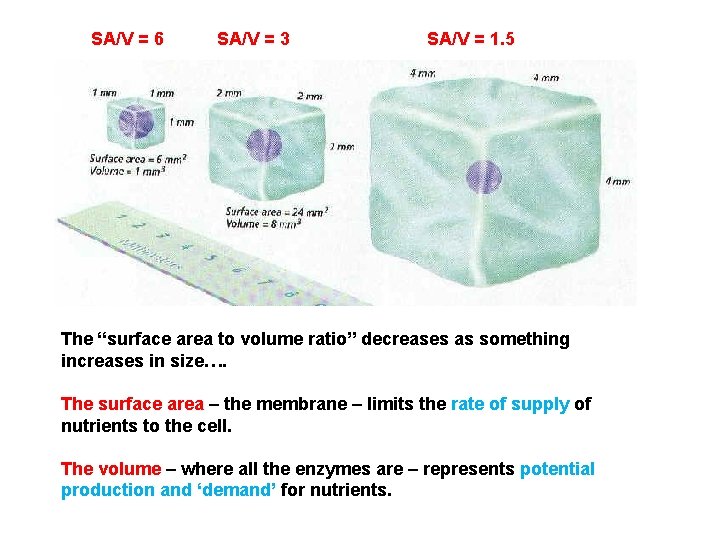
SA/V = 6 SA/V = 3 SA/V = 1. 5 The “surface area to volume ratio” decreases as something increases in size…. The surface area – the membrane – limits the rate of supply of nutrients to the cell. The volume – where all the enzymes are – represents potential production and ‘demand’ for nutrients.
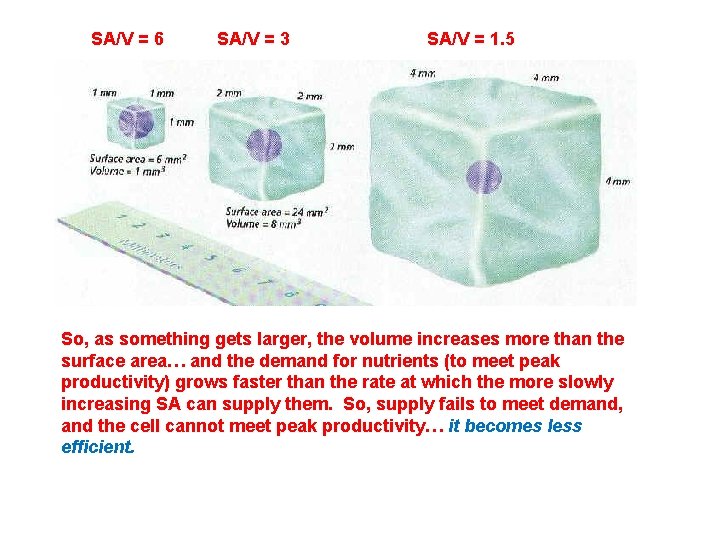
SA/V = 6 SA/V = 3 SA/V = 1. 5 So, as something gets larger, the volume increases more than the surface area… and the demand for nutrients (to meet peak productivity) grows faster than the rate at which the more slowly increasing SA can supply them. So, supply fails to meet demand, and the cell cannot meet peak productivity… it becomes less efficient.
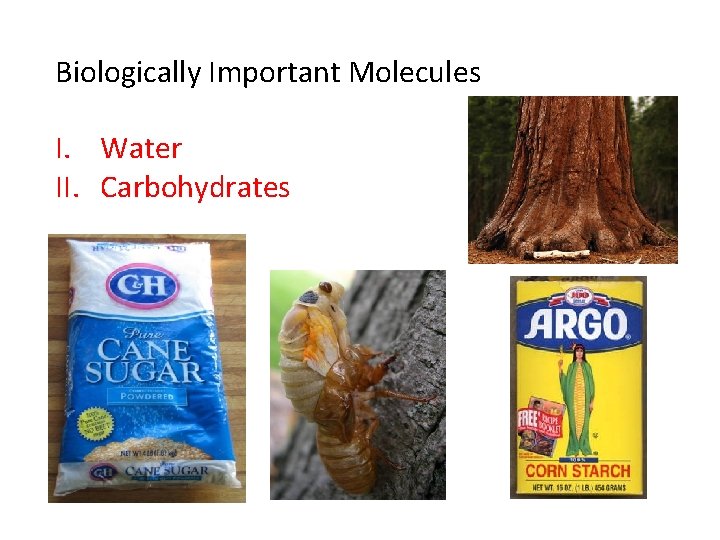
Biologically Important Molecules I. Water II. Carbohydrates
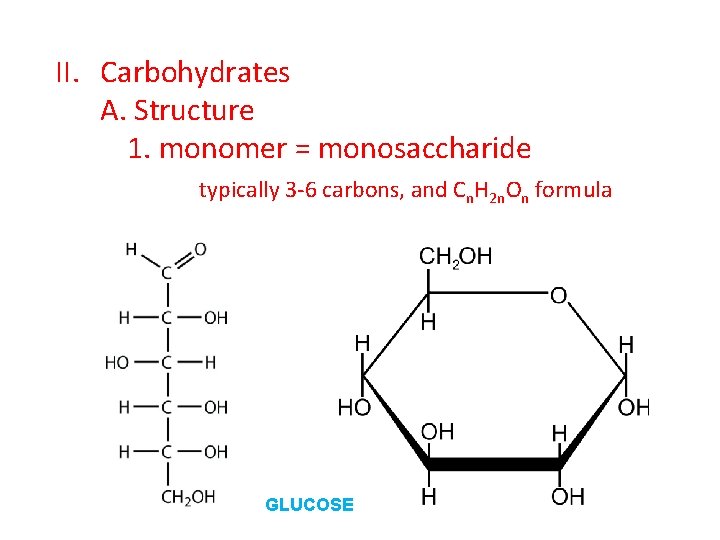
II. Carbohydrates A. Structure 1. monomer = monosaccharide typically 3 -6 carbons, and Cn. H 2 n. On formula GLUCOSE
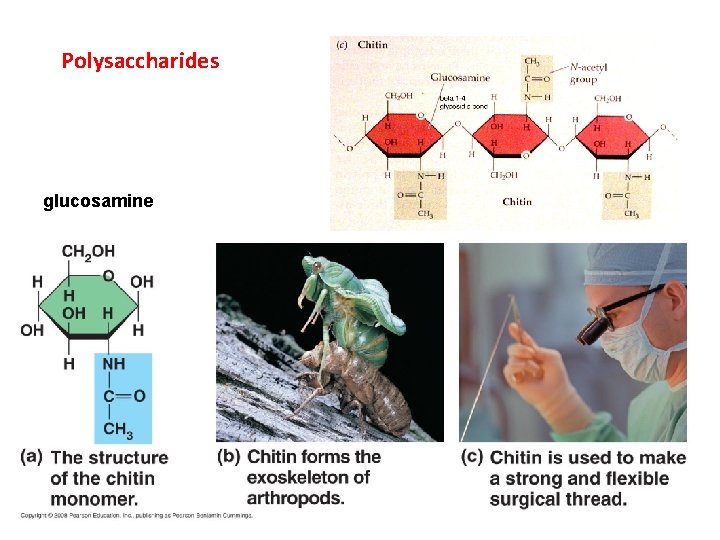
Polysaccharides glucosamine
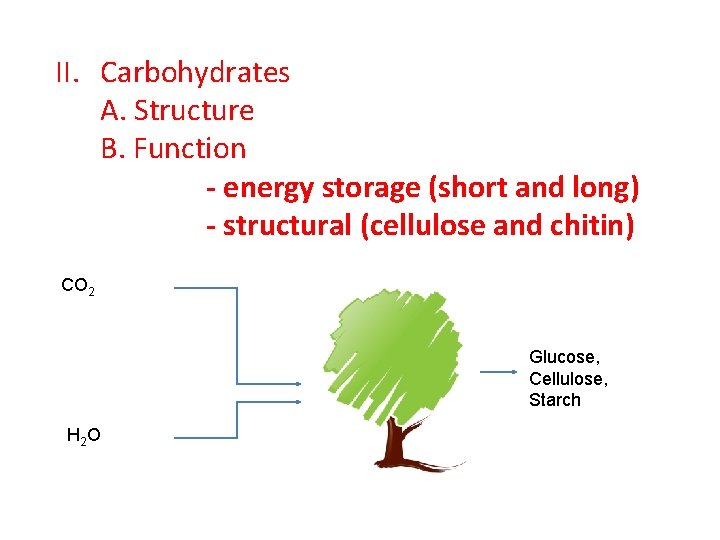
II. Carbohydrates A. Structure B. Function - energy storage (short and long) - structural (cellulose and chitin) CO 2 Glucose, Cellulose, Starch H 2 O
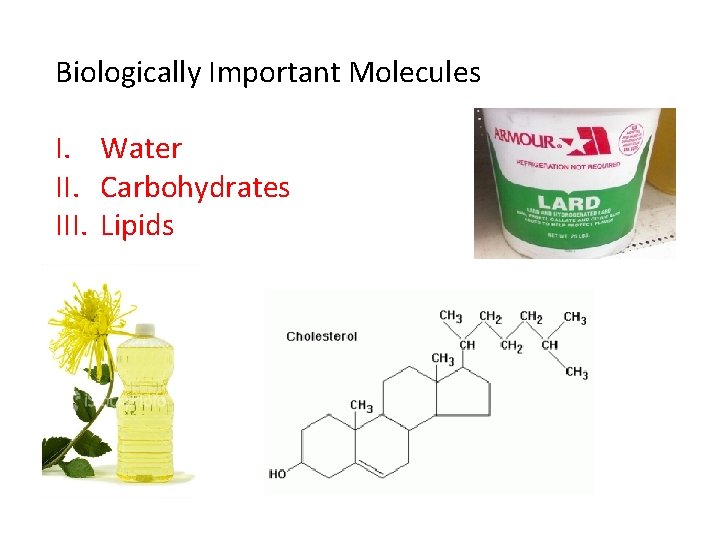
Biologically Important Molecules I. Water II. Carbohydrates III. Lipids
III. Lipids - not true polymers or macromolecules; an assortment of hydrophobic, hydrocarbon molecules classes as fats, phospholipids, waxes, or steroids.
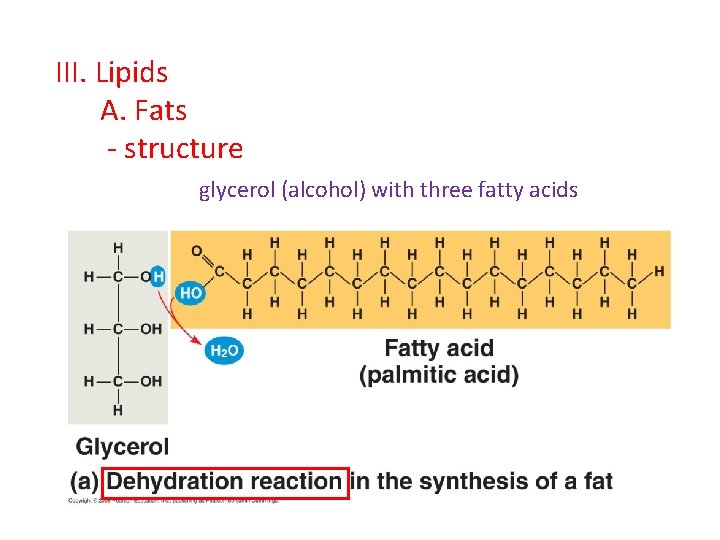
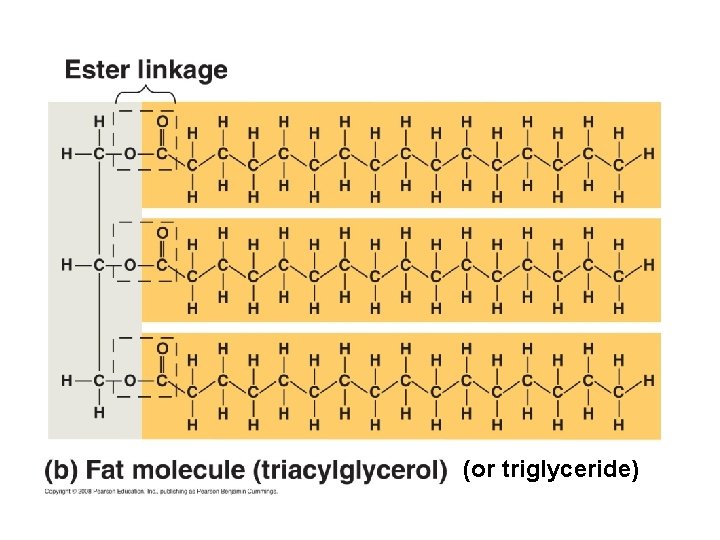
III. Lipids A. Fats - structure glycerol (alcohol) with three fatty acids
(or triglyceride)
III. Lipids A. Fats - structure - functions - long term energy storage (dense) not vital in immobile organisms (mature plants), so it is metabolically easier to store energy as starch. But in seeds and animals (mobile), there is selective value to packing energy efficiently, in a small space. In animals, fat is stored in adipose cells
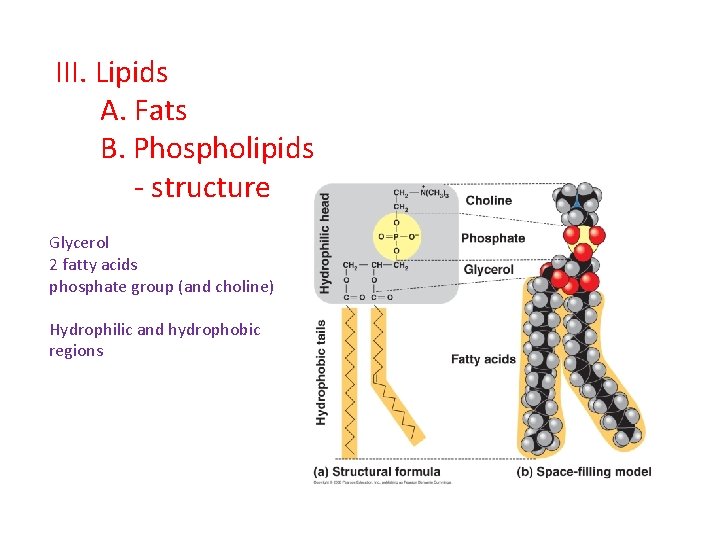
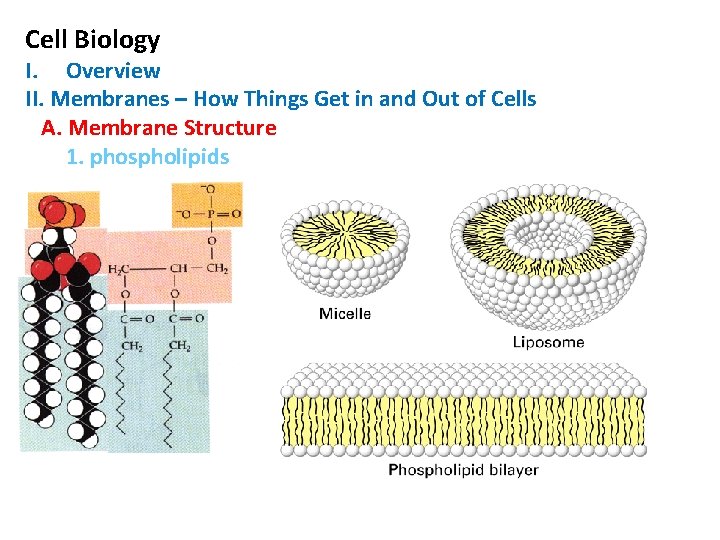
III. Lipids A. Fats B. Phospholipids - structure Glycerol 2 fatty acids phosphate group (and choline) Hydrophilic and hydrophobic regions
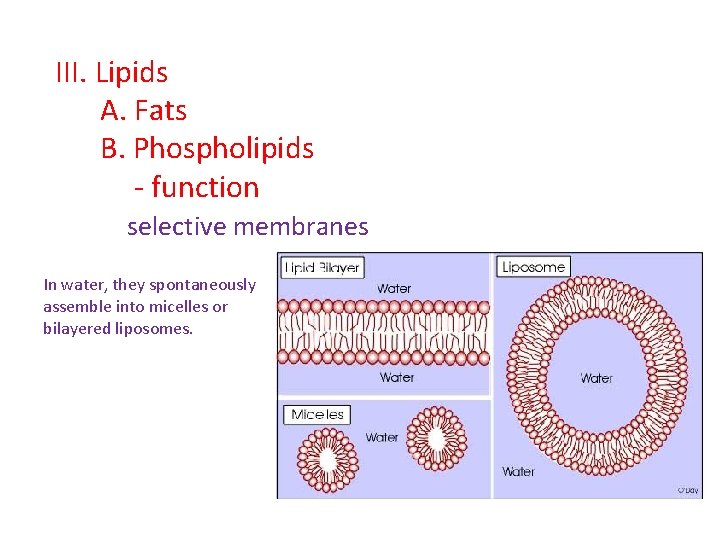
III. Lipids A. Fats B. Phospholipids - function selective membranes In water, they spontaneously assemble into micelles or bilayered liposomes.
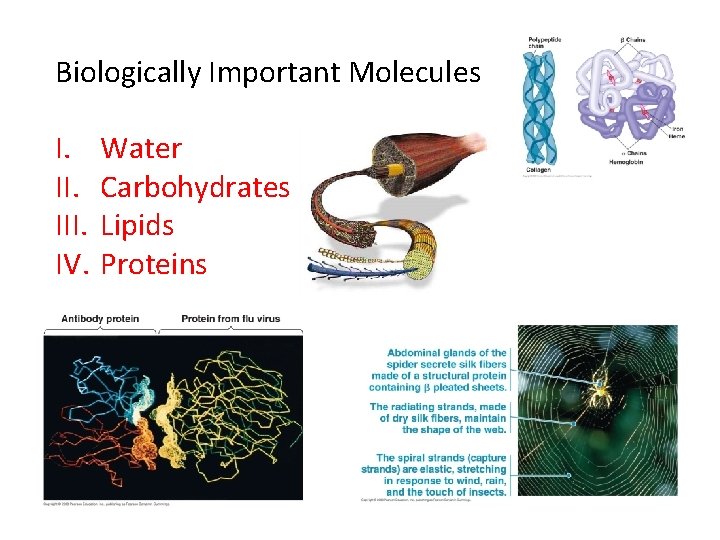
Biologically Important Molecules I. III. IV. Water Carbohydrates Lipids Proteins
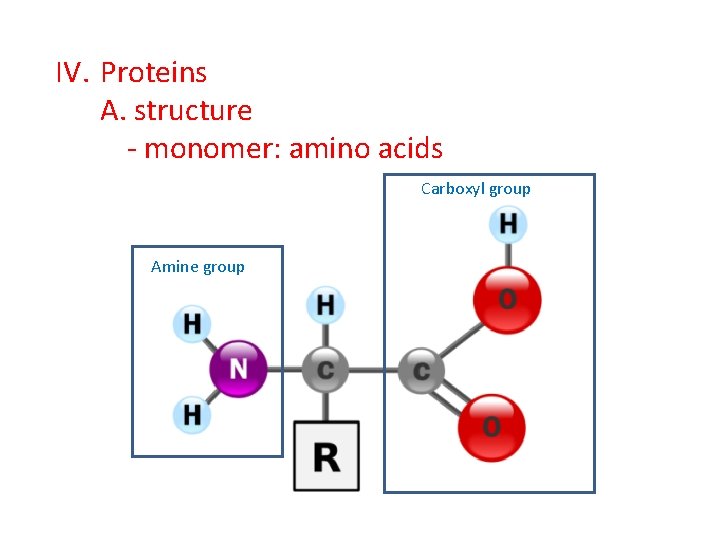
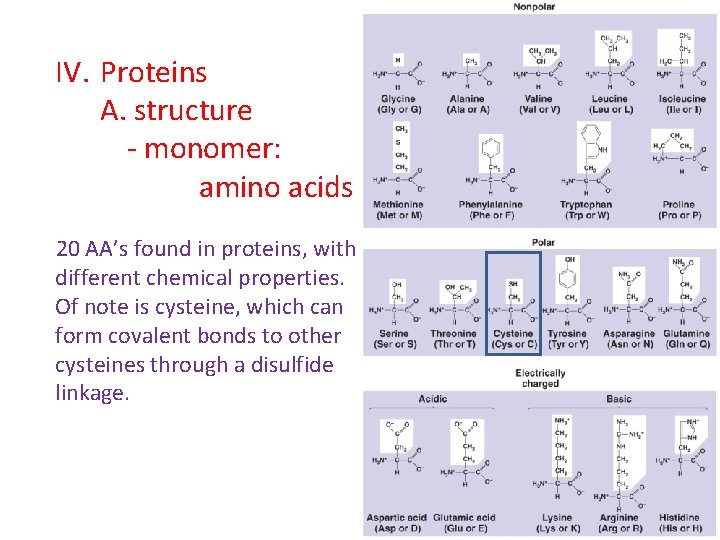
IV. Proteins A. structure - monomer: amino acids Carboxyl group Amine group
IV. Proteins A. structure - monomer: amino acids 20 AA’s found in proteins, with different chemical properties. Of note is cysteine, which can form covalent bonds to other cysteines through a disulfide linkage.
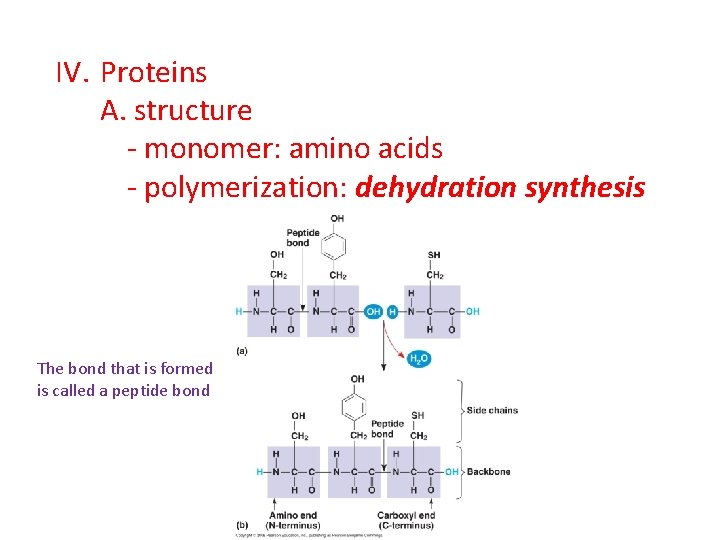
IV. Proteins A. structure - monomer: amino acids - polymerization: dehydration synthesis The bond that is formed is called a peptide bond
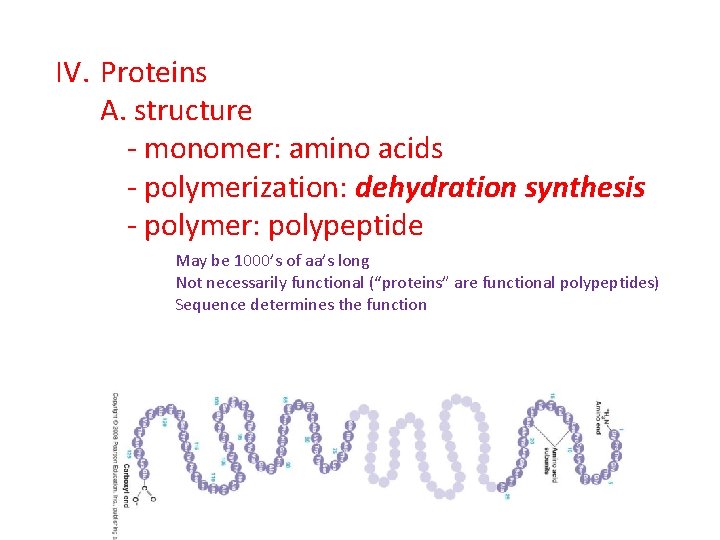
IV. Proteins A. structure - monomer: amino acids - polymerization: dehydration synthesis - polymer: polypeptide May be 1000’s of aa’s long Not necessarily functional (“proteins” are functional polypeptides) Sequence determines the function
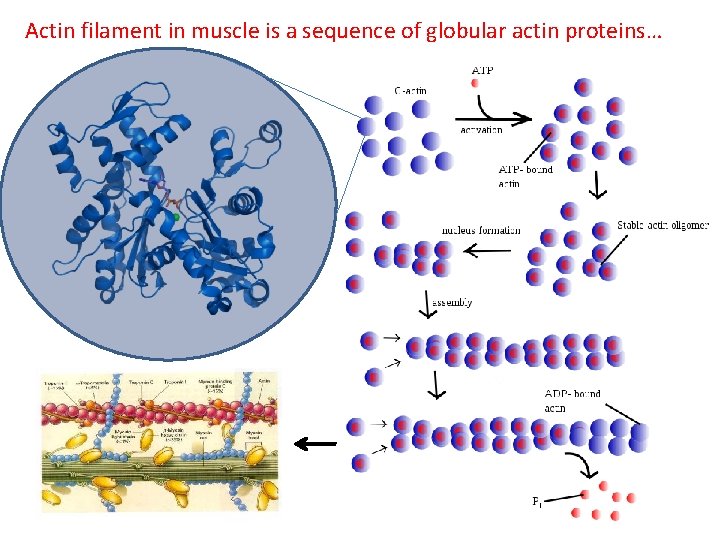
Actin filament in muscle is a sequence of globular actin proteins…
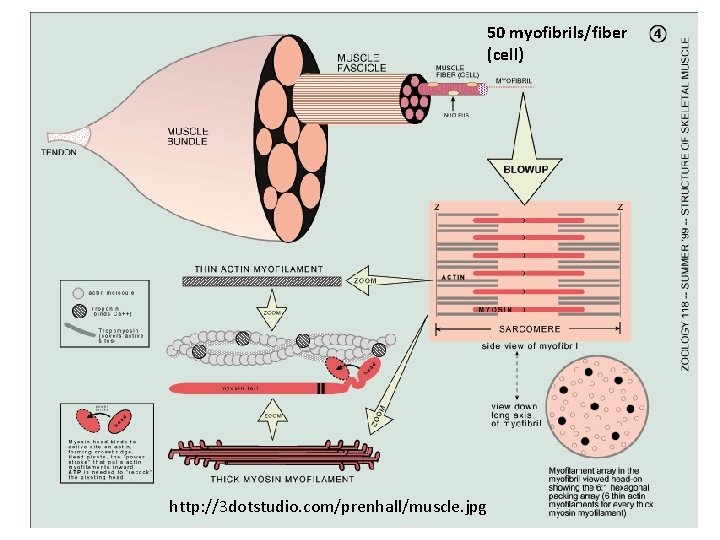
50 myofibrils/fiber (cell) http: //3 dotstudio. com/prenhall/muscle. jpg
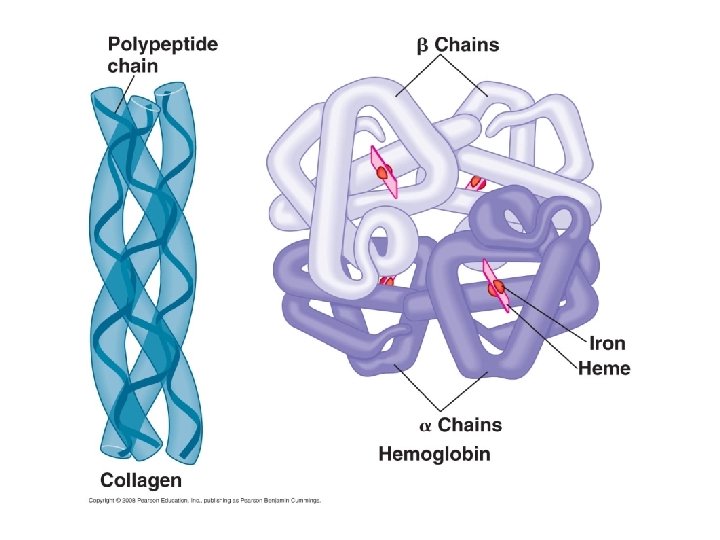
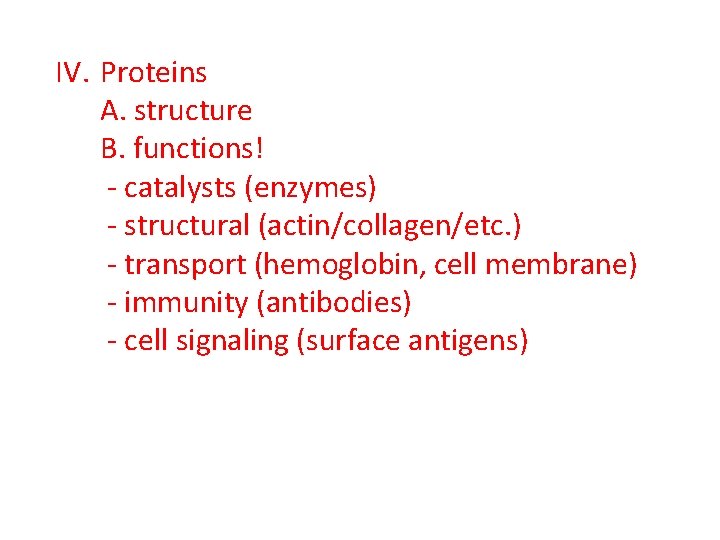
IV. Proteins A. structure B. functions! - catalysts (enzymes) - structural (actin/collagen/etc. ) - transport (hemoglobin, cell membrane) - immunity (antibodies) - cell signaling (surface antigens)
Cell Biology I. Overview II. Membranes – How Things Get in and Out of Cells A. Membrane Structure 1. phospholipids
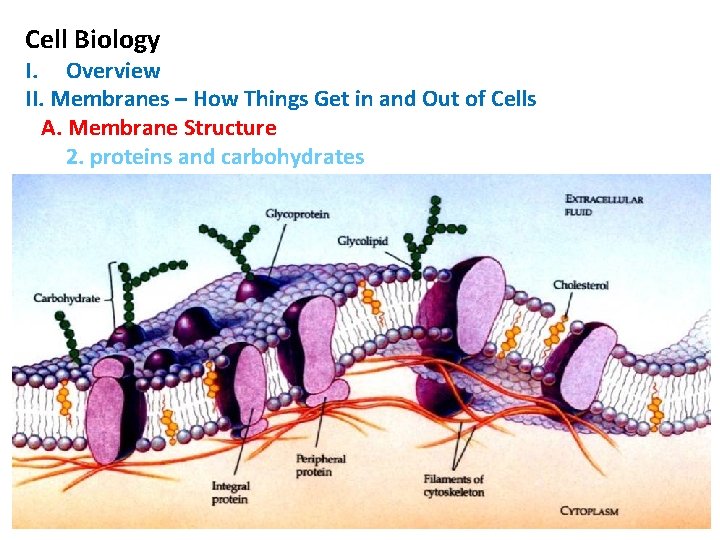
Cell Biology I. Overview II. Membranes – How Things Get in and Out of Cells A. Membrane Structure 2. proteins and carbohydrates
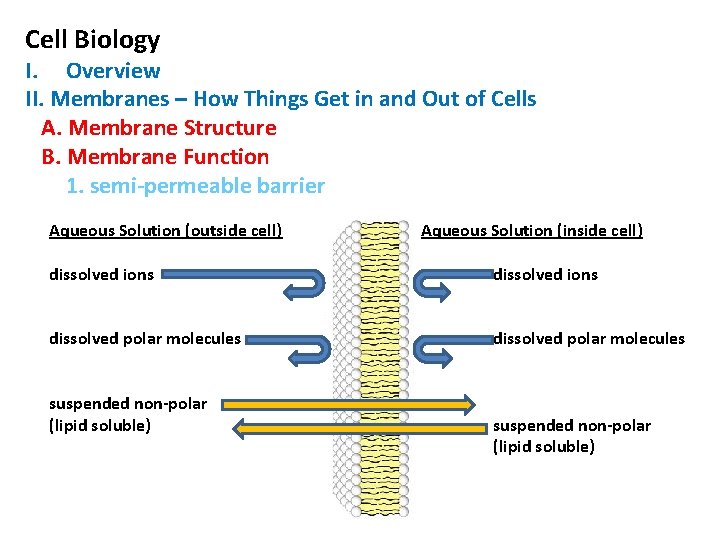
Cell Biology I. Overview II. Membranes – How Things Get in and Out of Cells A. Membrane Structure B. Membrane Function 1. semi-permeable barrier Aqueous Solution (outside cell) Aqueous Solution (inside cell) dissolved ions dissolved polar molecules suspended non-polar (lipid soluble)
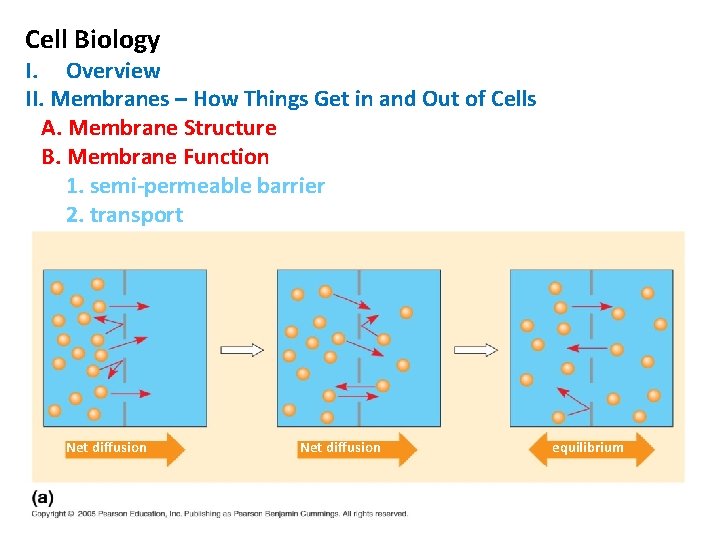
Cell Biology I. Overview II. Membranes – How Things Get in and Out of Cells A. Membrane Structure B. Membrane Function 1. semi-permeable barrier 2. transport Net diffusion equilibrium
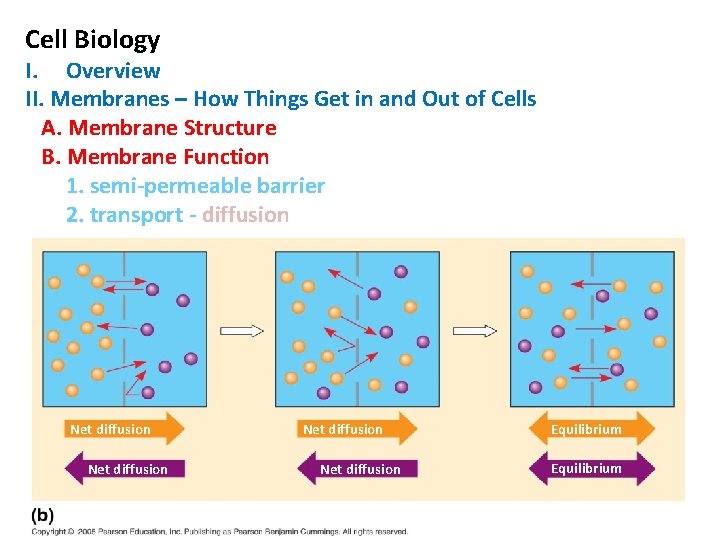
Cell Biology I. Overview II. Membranes – How Things Get in and Out of Cells A. Membrane Structure B. Membrane Function 1. semi-permeable barrier 2. transport - diffusion Net diffusion Net diffusion Equilibrium equilibrium Equilibrium
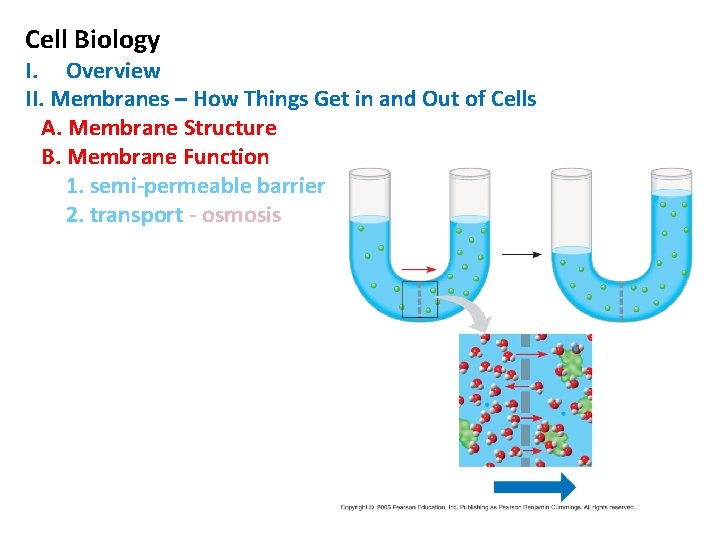
Cell Biology I. Overview II. Membranes – How Things Get in and Out of Cells A. Membrane Structure B. Membrane Function 1. semi-permeable barrier 2. transport - osmosis
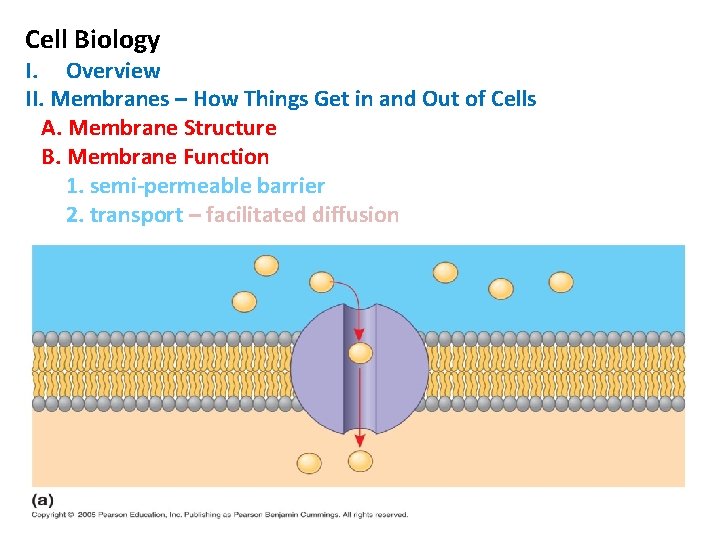
Cell Biology I. Overview II. Membranes – How Things Get in and Out of Cells A. Membrane Structure B. Membrane Function 1. semi-permeable barrier 2. transport – facilitated diffusion
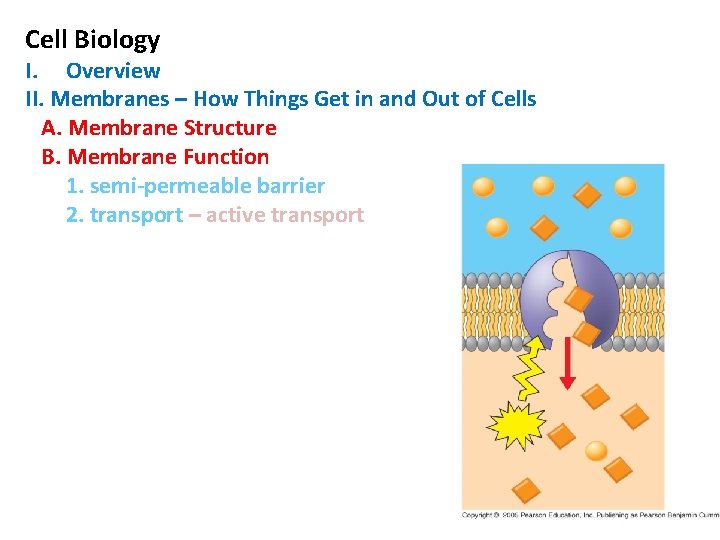
Cell Biology I. Overview II. Membranes – How Things Get in and Out of Cells A. Membrane Structure B. Membrane Function 1. semi-permeable barrier 2. transport – active transport
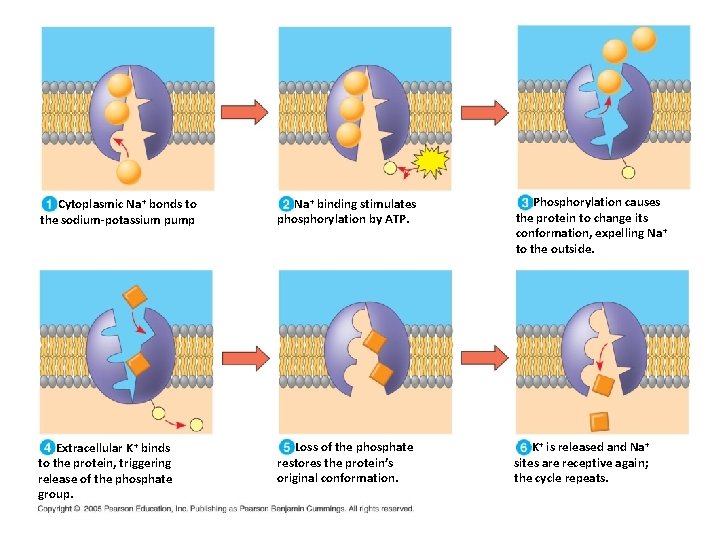
Cytoplasmic Na + bonds to the sodium-potassium pump Na + binding stimulates phosphorylation by ATP. Phosphorylation causes the protein to change its conformation, expelling Na + to the outside. Extracellular K + binds to the protein, triggering release of the phosphate group. Loss of the phosphate restores the protein’s original conformation. K + is released and Na+ sites are receptive again; the cycle repeats.
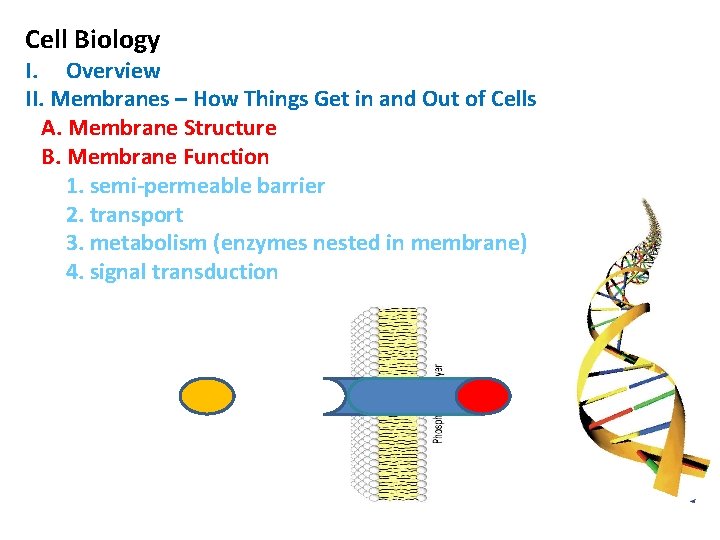
Cell Biology I. Overview II. Membranes – How Things Get in and Out of Cells A. Membrane Structure B. Membrane Function 1. semi-permeable barrier 2. transport 3. metabolism (enzymes nested in membrane) 4. signal transduction