
What is Geology Geology is the study of
- Slides: 10
What is Geology? Geology is the study of the Earth, the materials of which it is made, the structure of those materials, and the processes acting upon them.
Outline: • Earth’s crust • Plate tectonics • Disasters - earthquake e. g. Haiti - volcanoes - tsunamis • Useful? Where to live
Earth’s crust • Made of rocks and minerals - naturally occurring solids formed through geological processes • Feldspar and quartz most abundant minerals found in Earth's crust • Continental crust about 35 -40 km thick • Ocean crust about 7 km thick
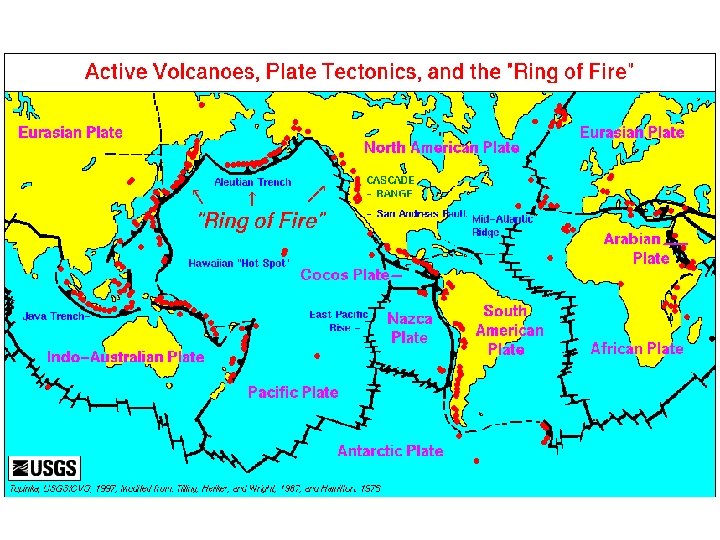
Plate tectonics: • describes the large scale motions of Earth’s plates • vital role in global cycle • maintains the balance of carbon between the biosphere and atmosphere. • But can be danger on the lines where plates meet
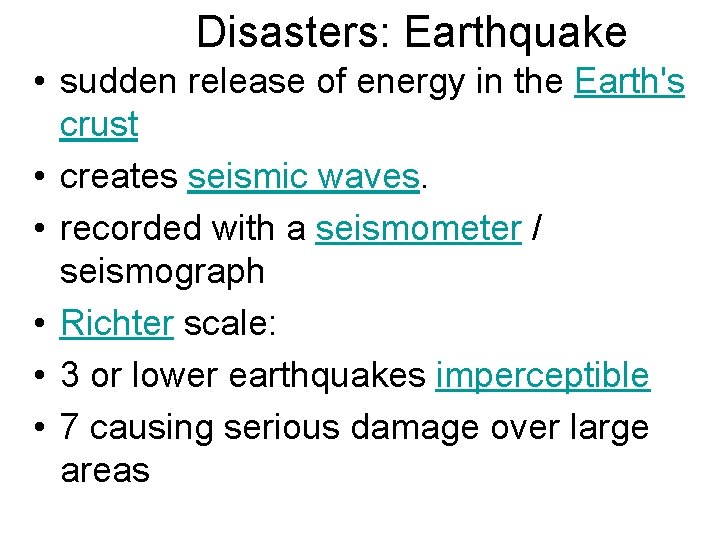
Disasters: Earthquake • sudden release of energy in the Earth's crust • creates seismic waves. • recorded with a seismometer / seismograph • Richter scale: • 3 or lower earthquakes imperceptible • 7 causing serious damage over large areas
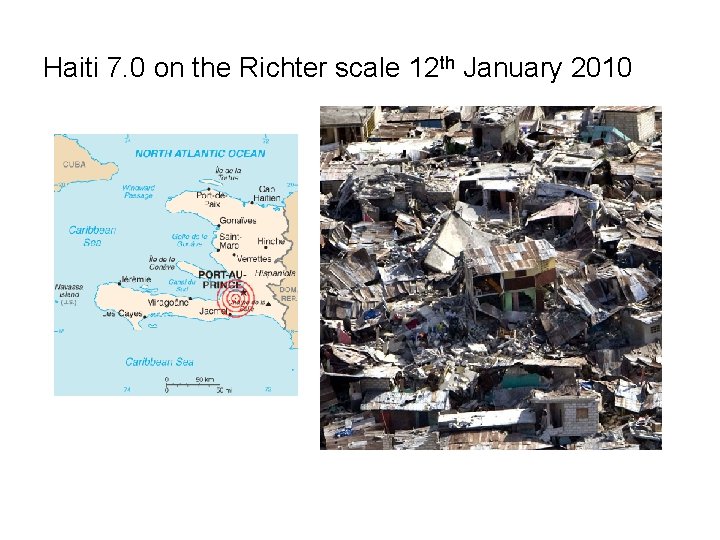
Haiti 7. 0 on the Richter scale 12 th January 2010
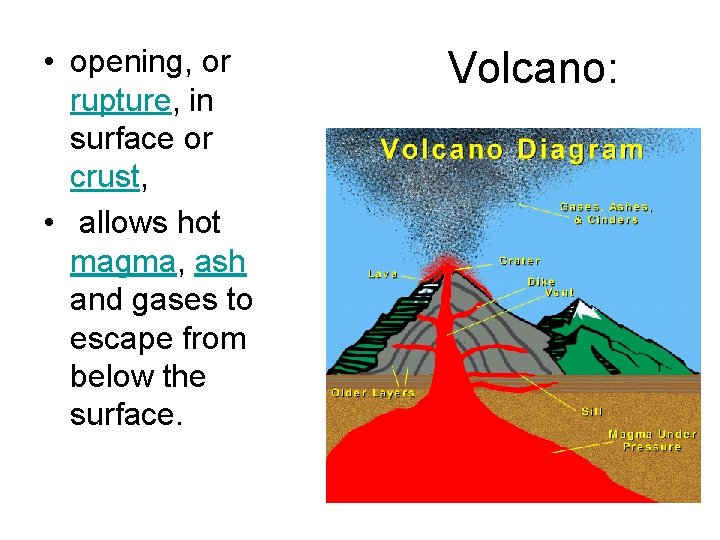
• opening, or rupture, in surface or crust, • allows hot magma, ash and gases to escape from below the surface. Volcano:
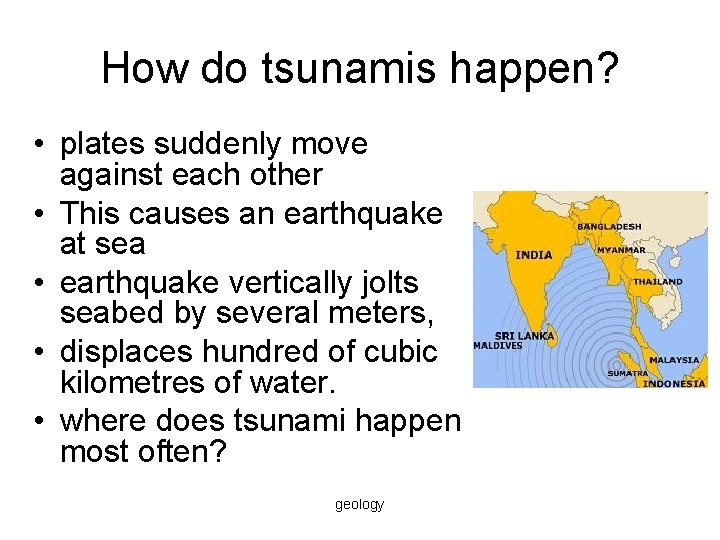
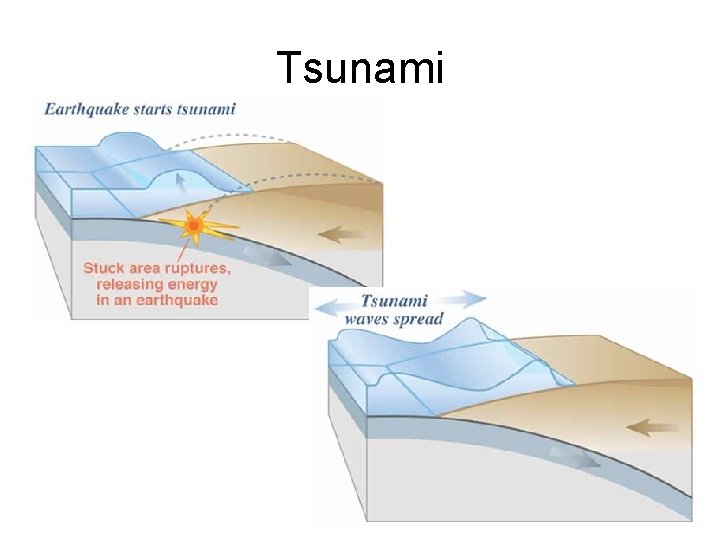
How do tsunamis happen? • plates suddenly move against each other • This causes an earthquake at sea • earthquake vertically jolts seabed by several meters, • displaces hundred of cubic kilometres of water. • where does tsunami happen most often? geology
Tsunami