
What is Geography Geography The science of the
- Slides: 27
What is Geography?
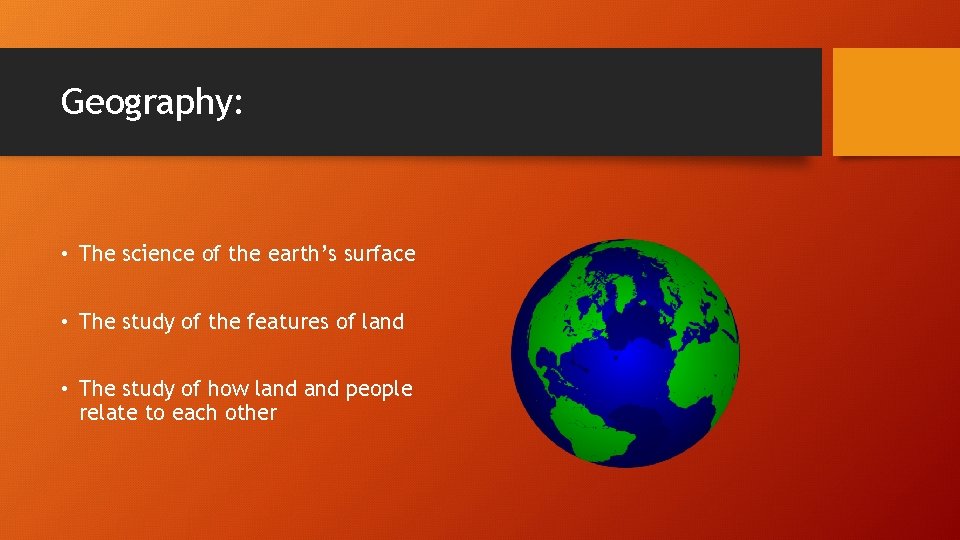
Geography: • The science of the earth’s surface • The study of the features of land • The study of how land people relate to each other
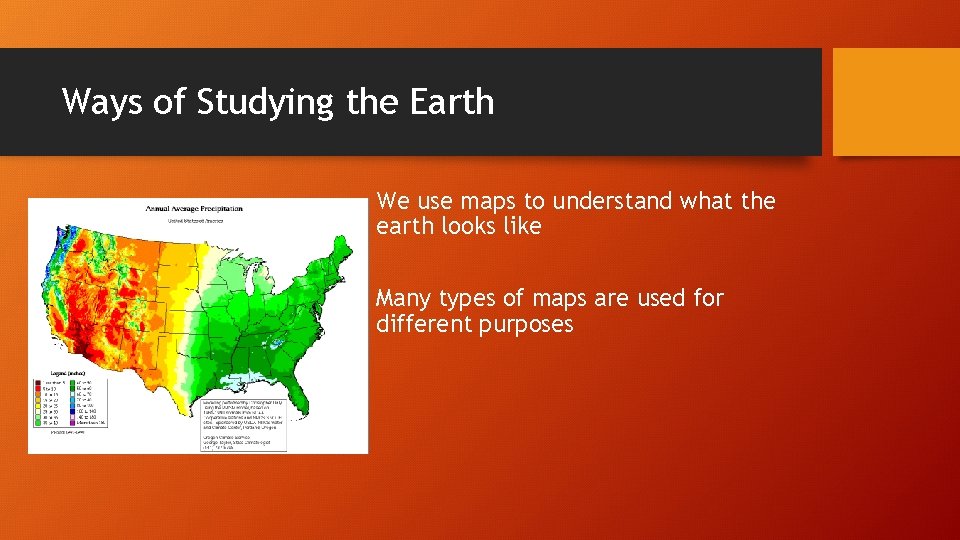
Ways of Studying the Earth We use maps to understand what the earth looks like Many types of maps are used for different purposes
Types of Maps Different types of maps show different things.
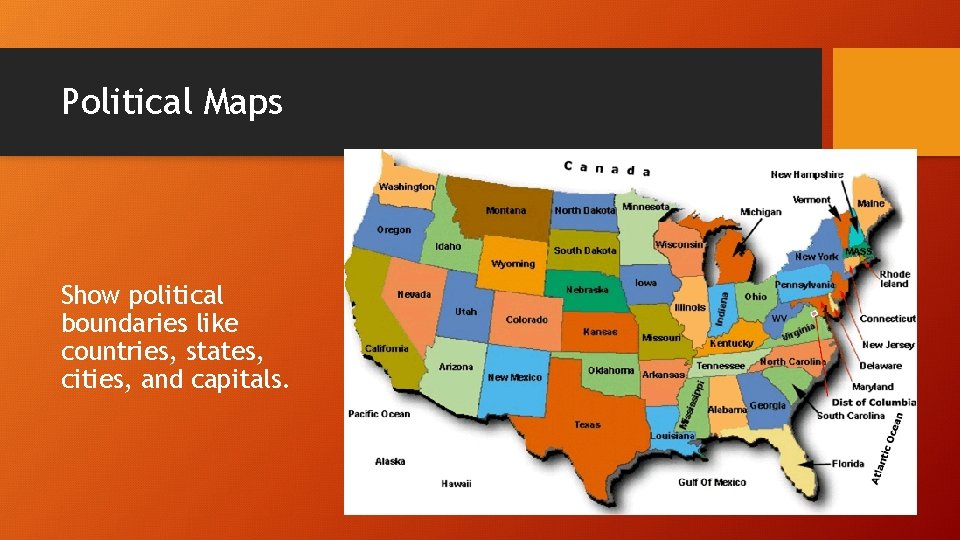
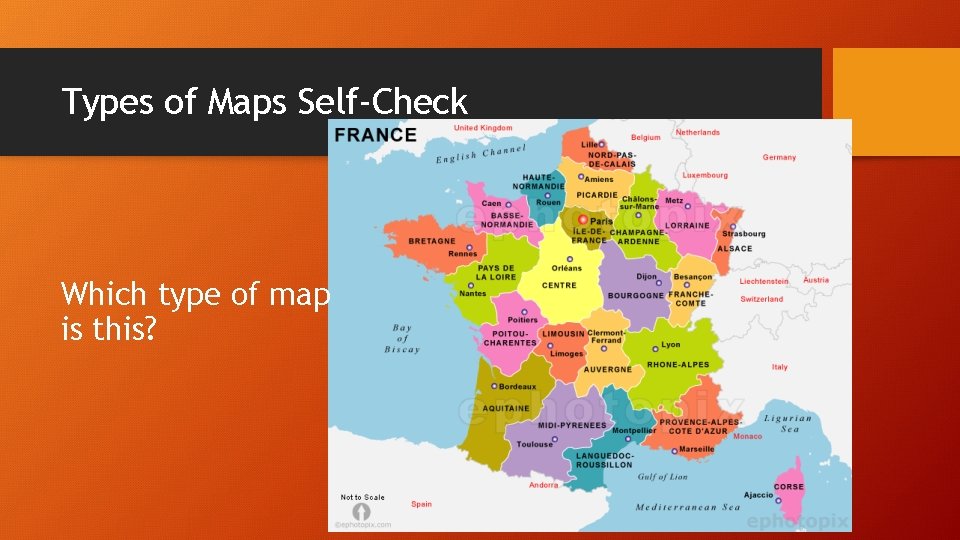
Political Maps Show political boundaries like countries, states, cities, and capitals.
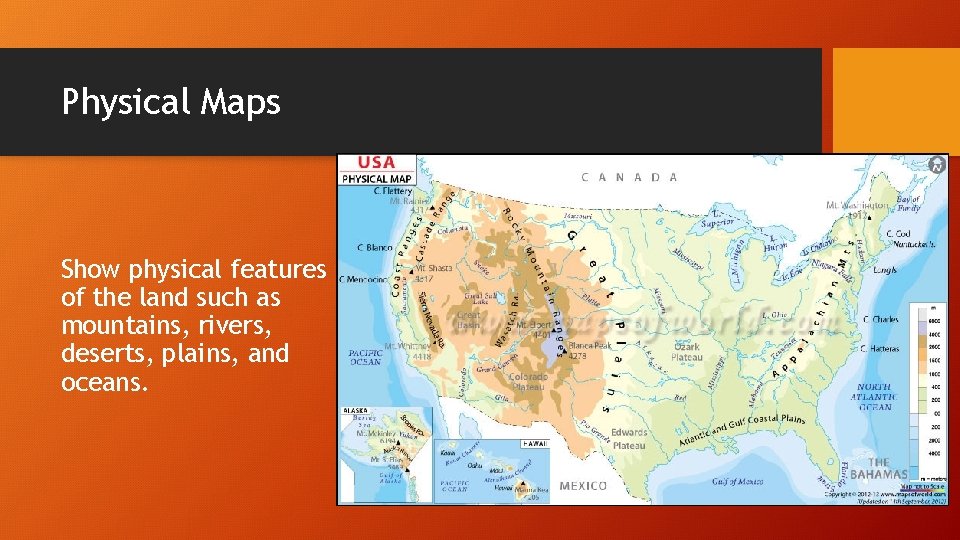
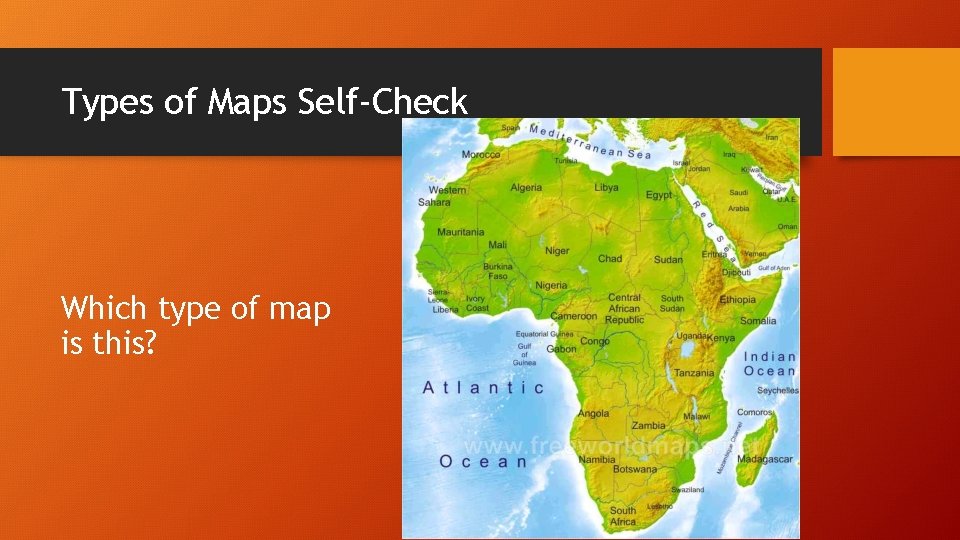
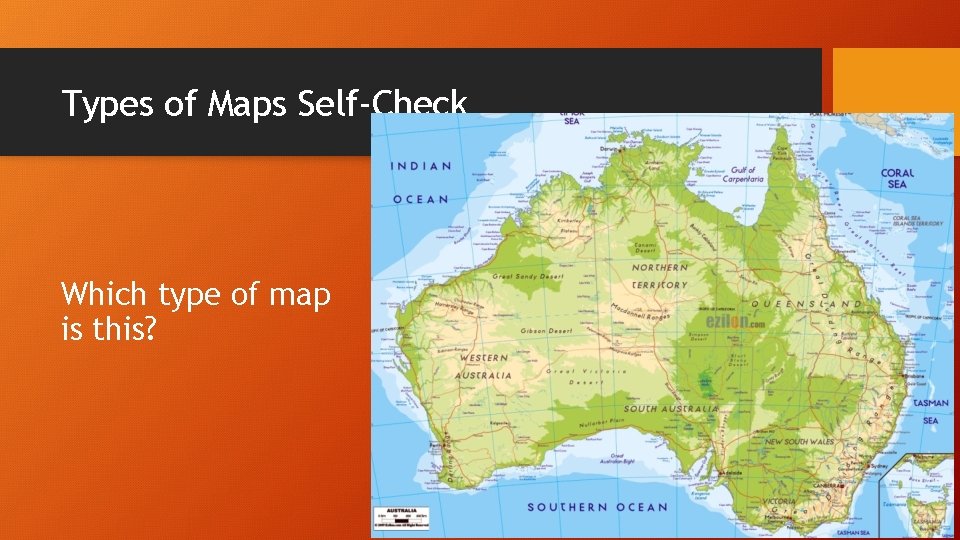
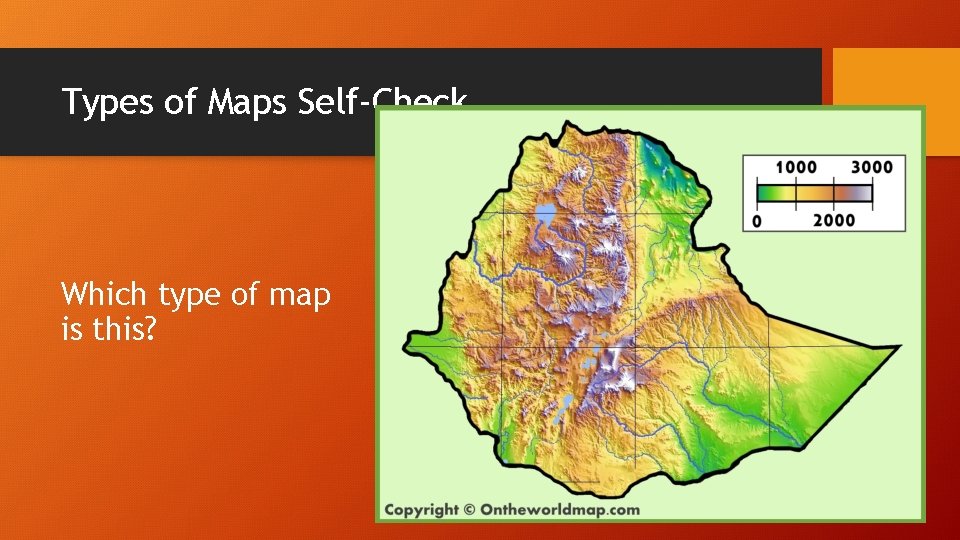
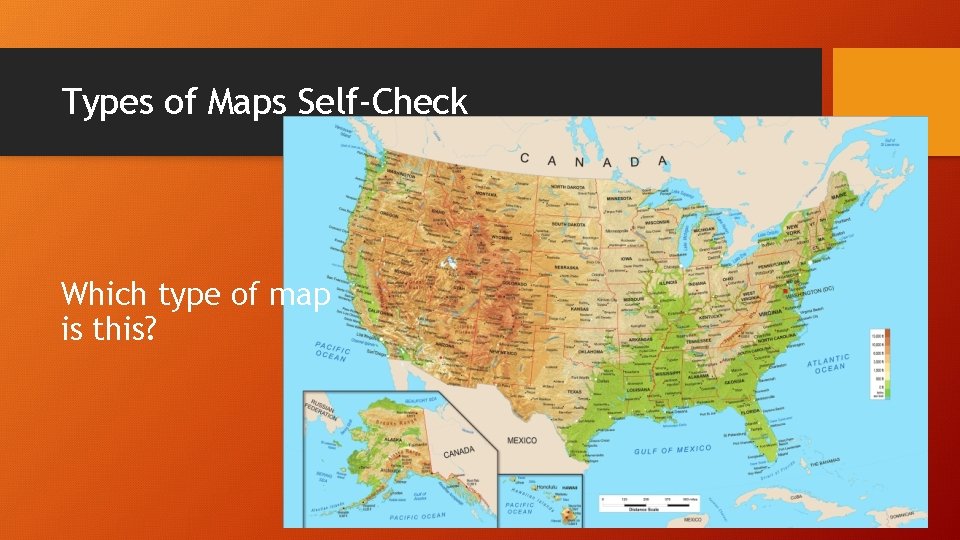
Physical Maps Show physical features of the land such as mountains, rivers, deserts, plains, and oceans.
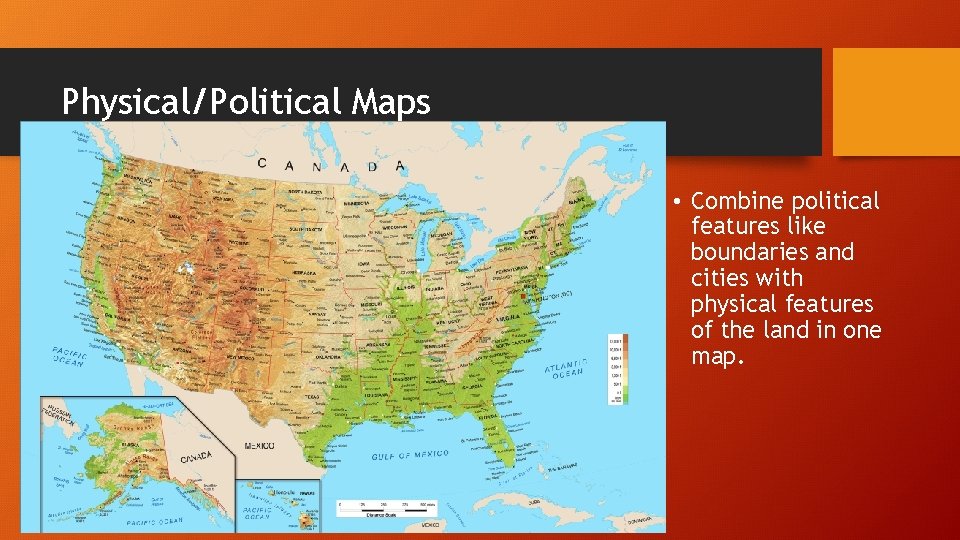
Physical/Political Maps • Combine political features like boundaries and cities with physical features of the land in one map.
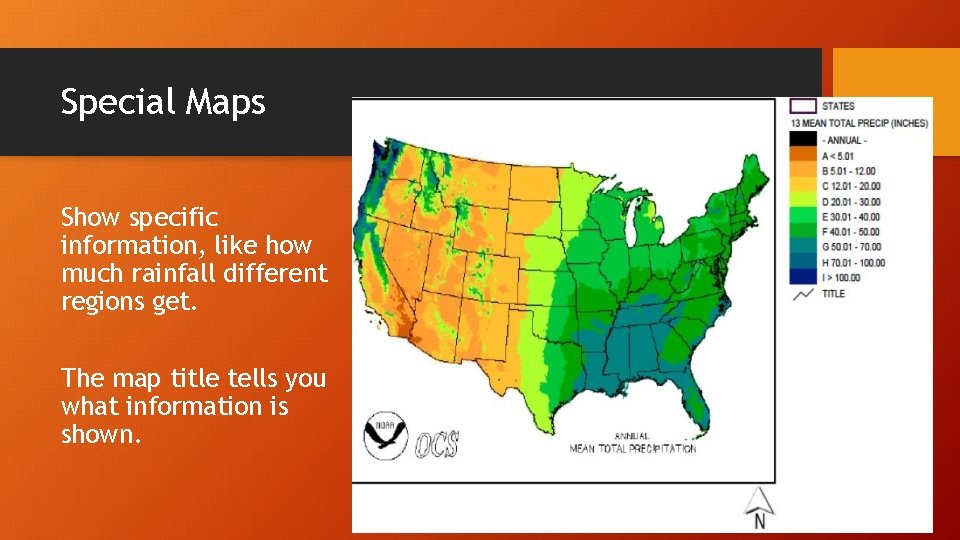
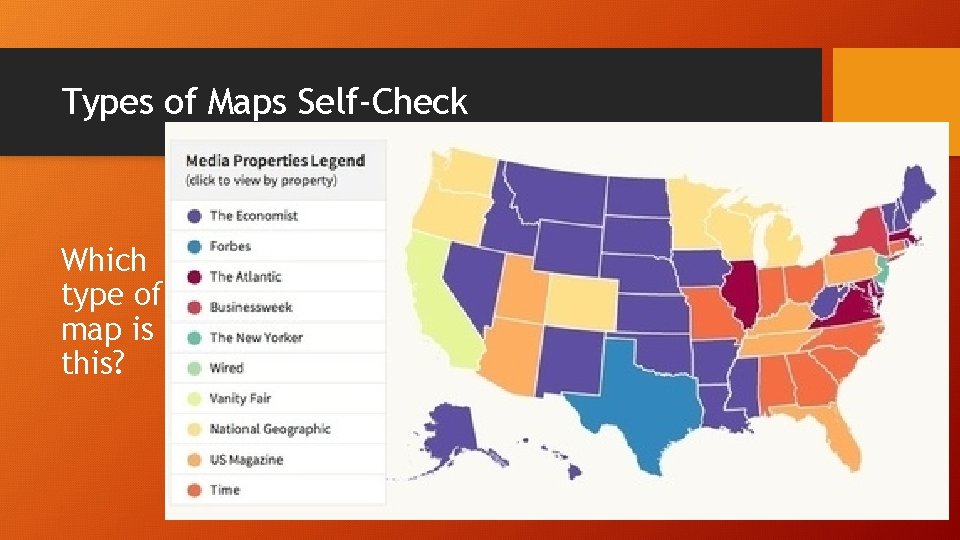
Special Maps Show specific information, like how much rainfall different regions get. The map title tells you what information is shown.
Types of Maps Self-Check Which type of map is this?
Types of Maps Self-Check Which type of map is this?
Types of Maps Self-Check Which type of map is this?
Types of Maps Self-Check Which type of map is this?
Types of Maps Self-Check Which type of map is this?
Types of Maps Self-Check Which type of map is this?
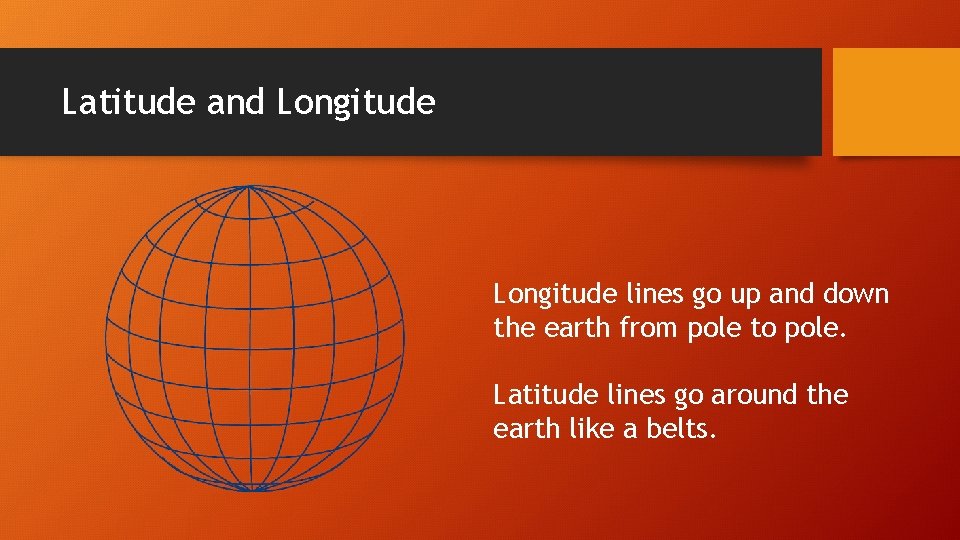
Latitude and Longitude • These are imaginary lines used on maps and globes to help you locate a place. • Together, latitude and longitude lines create a grid pattern.
Latitude and Longitude lines go up and down the earth from pole to pole. Latitude lines go around the earth like a belts.
Degrees, Minutes, and Seconds • Latitude and Longitude lines are measured in degrees. • Coordinates in Portland, Oregon are 45. 5° N, 122. 7° W
The Equator and Prime Meridian • The Equator goes around the earth’s middle and is considered 0 degrees latitude. • The Prime Meridian runs through Greenwich, England is considered 0 degrees longitude.
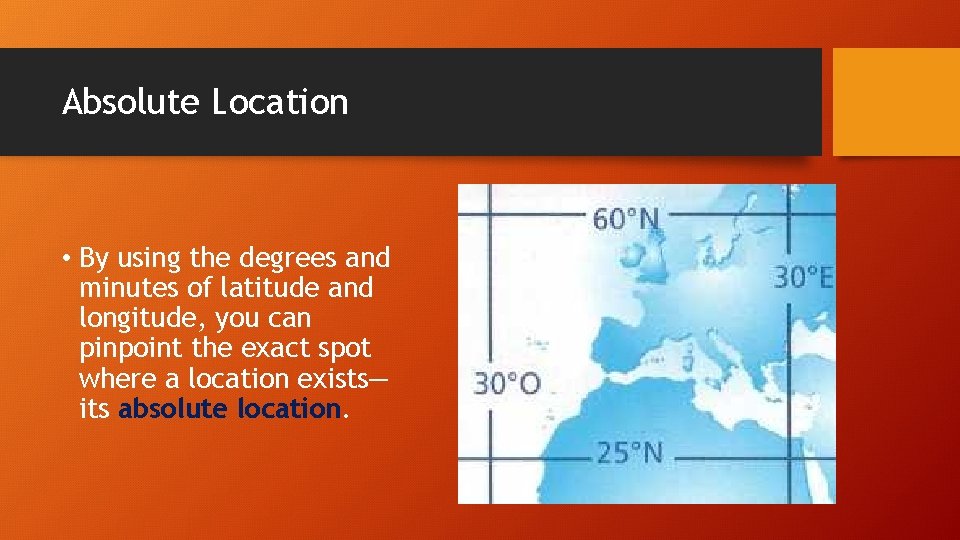
Absolute Location • By using the degrees and minutes of latitude and longitude, you can pinpoint the exact spot where a location exists— its absolute location.
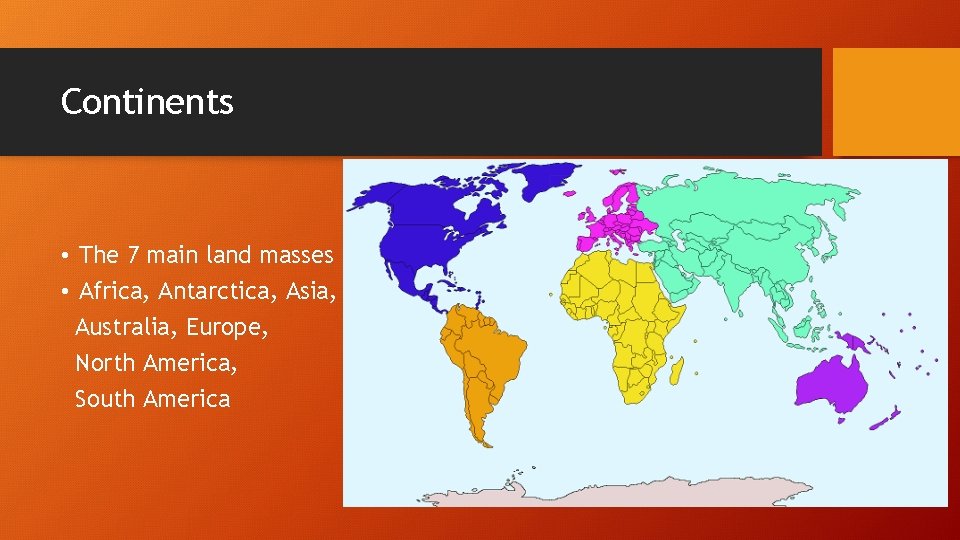
Continents • The 7 main land masses • Africa, Antarctica, Asia, Australia, Europe, North America, South America
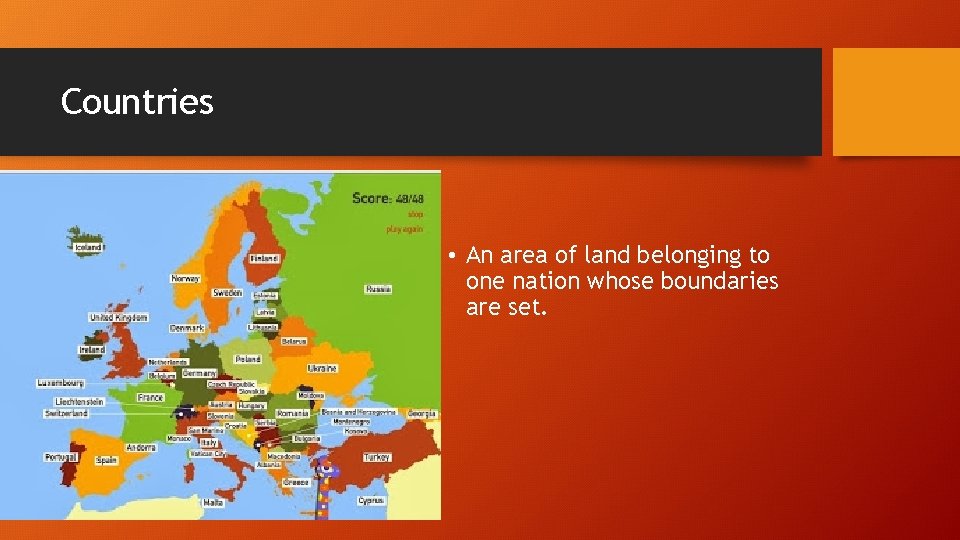
Countries • An area of land belonging to one nation whose boundaries are set.
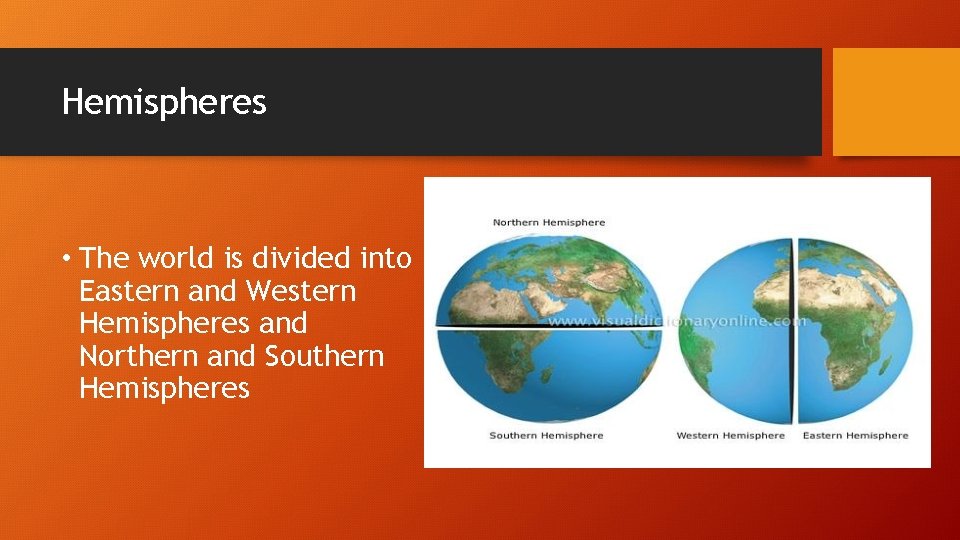
Hemispheres • The world is divided into Eastern and Western Hemispheres and Northern and Southern Hemispheres
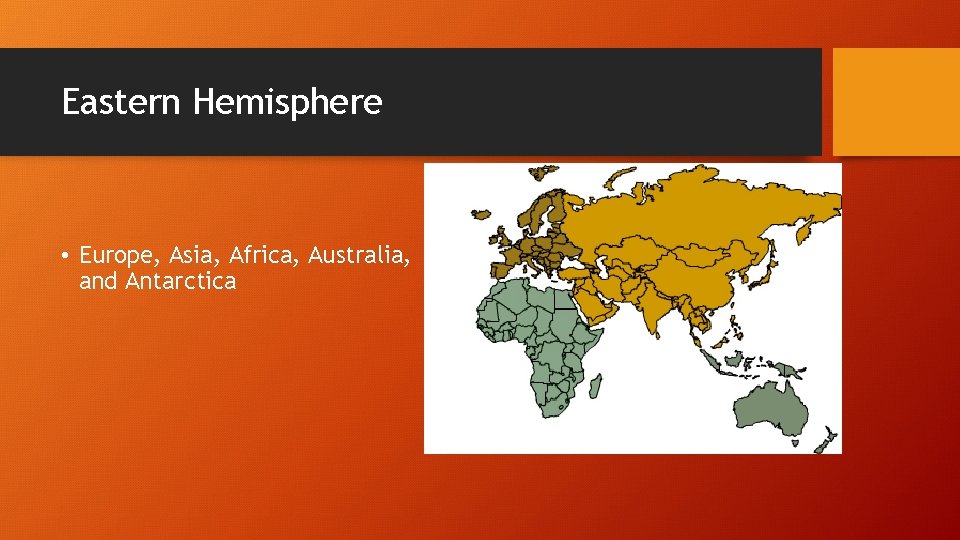
Eastern Hemisphere • Europe, Asia, Africa, Australia, and Antarctica
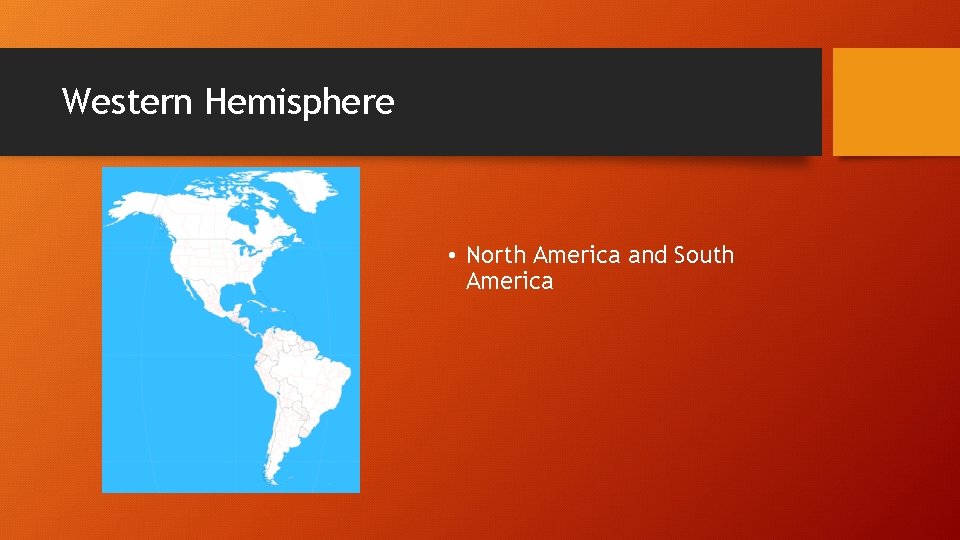
Western Hemisphere • North America and South America
Landforms • Use pages GH 14 and GH 15 in your Journey Across Time textbook for the following. • Examine the different types of landforms • Choose 4 landforms on which to focus • Write down the landform and the definition of each landform • Write at least 2 ways that these landforms could affect the people who live by them. For example, people who live on a seacoast would enjoy good fishing, but they could also be devastated by a tsunami.
Landforms • Next, get together with a partner. • Share the 4 landforms you focused on, and explain the ways that you think they could affect people. • Together with your partner, think of at least 1 more way that each landform could affect the people there. • Be sure that both partners share all 4 landforms, and come up with 1 more affect for all of them. • Be ready to share out to the class.
Affects of Landforms • Now, each group will share with the class. Choose 2 of the landforms and explain ALL the ways you think those landforms could affect the people who live by them.