
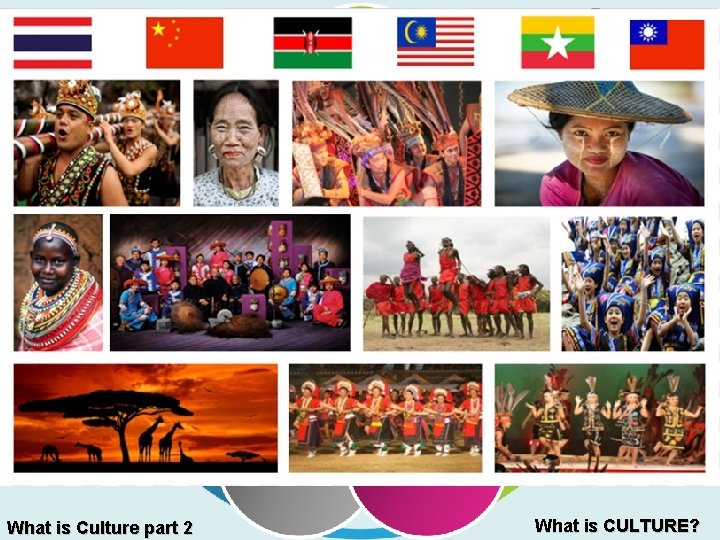
What is Culture part 2 What is CULTURE
- Slides: 39
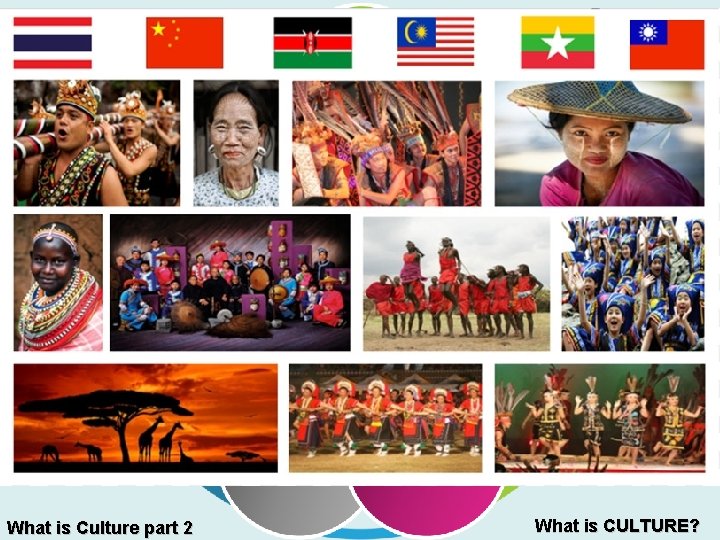
What is Culture part 2 What is CULTURE?
What is Culture part 2 What is CULTURE?
Take out your notebook and open up to your CULTURE WHEEL Add TWO IMAGES OR PHRASES that illustrate your CULTURE
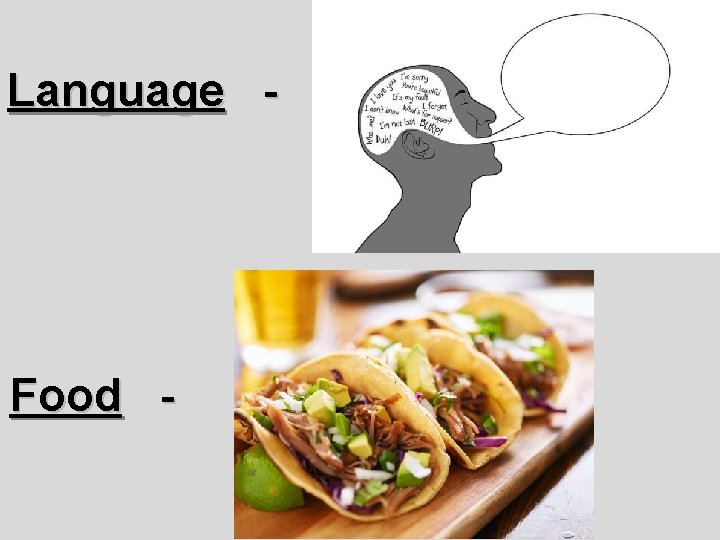
Language - Food -
Take out your notebook and open up to your CULTURE WHEEL Add TWO MORE IMAGES OR PHRASES that illustrate your CULTURE Take out the worksheet from yesterday – Village of 100 People
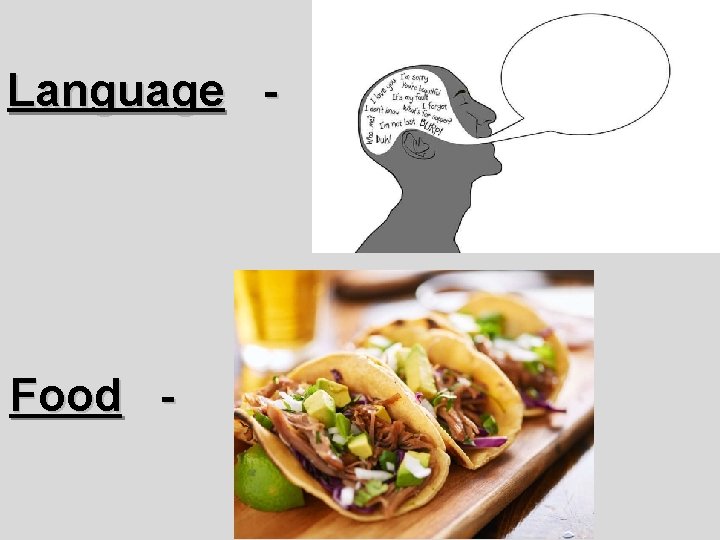
Language - Food -
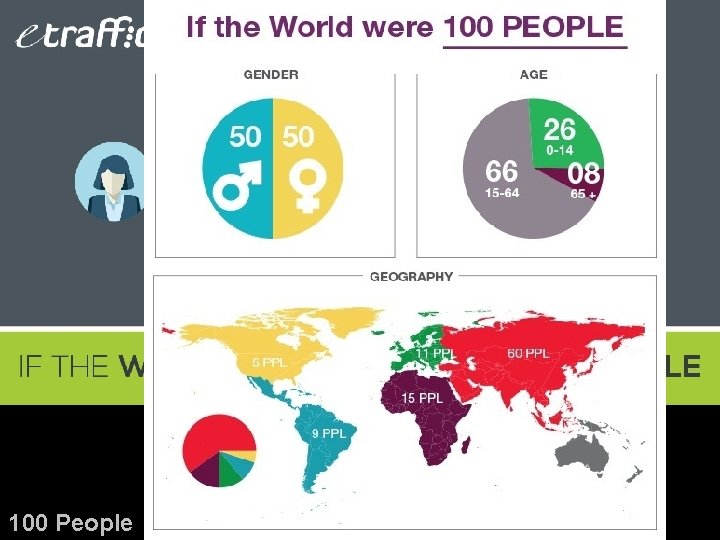
100 People
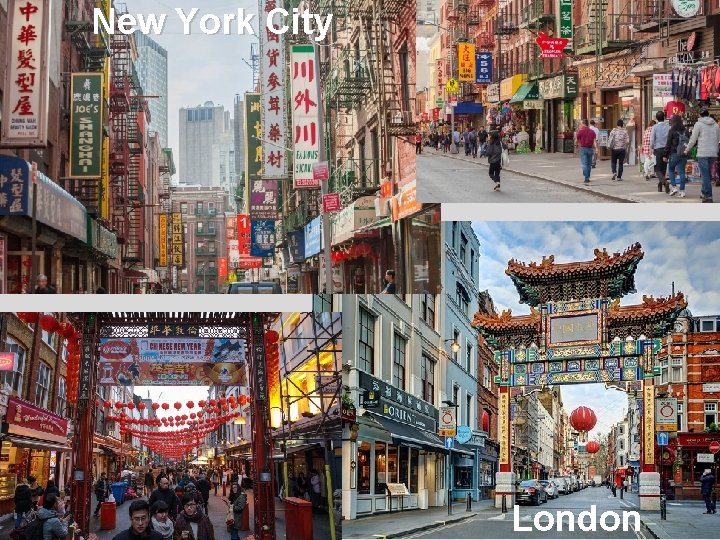
New York City London
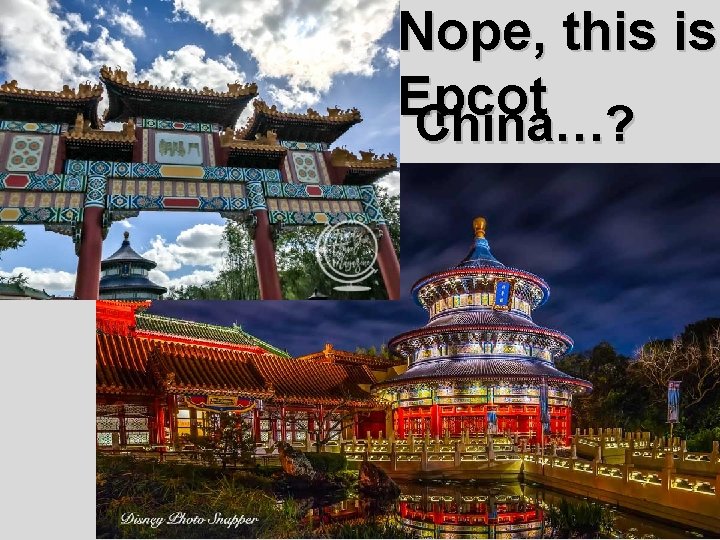
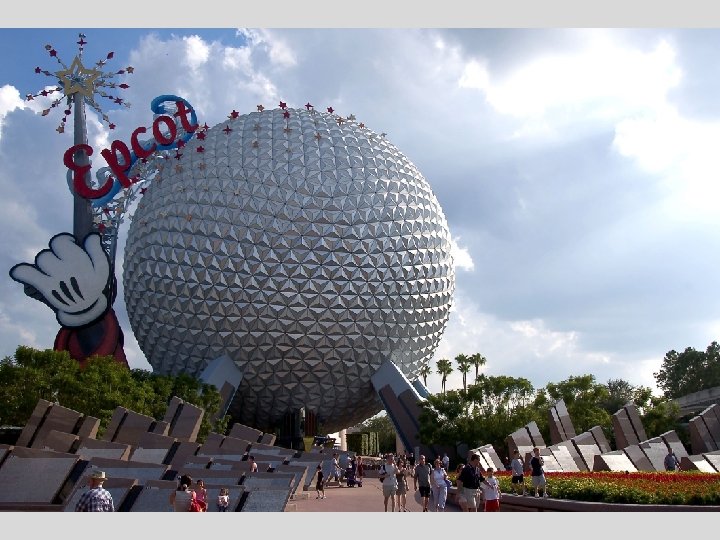
Nope, this is Epcot China…?
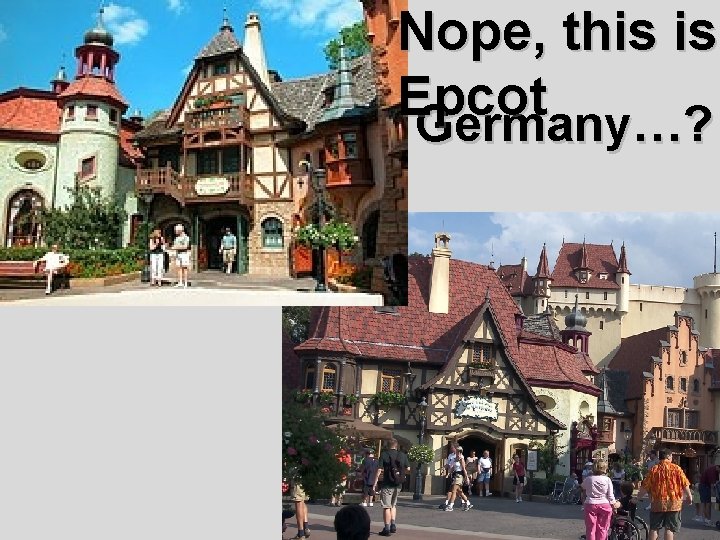
Nope, this is Epcot Germany…?
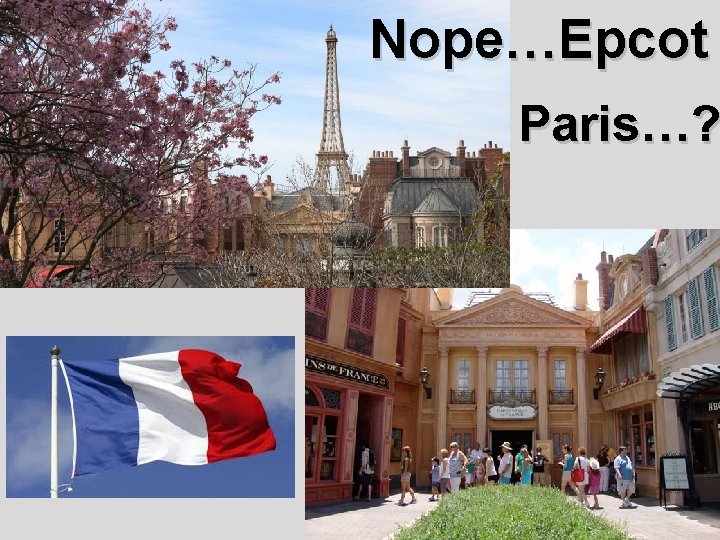
Nope…Epcot Paris…?
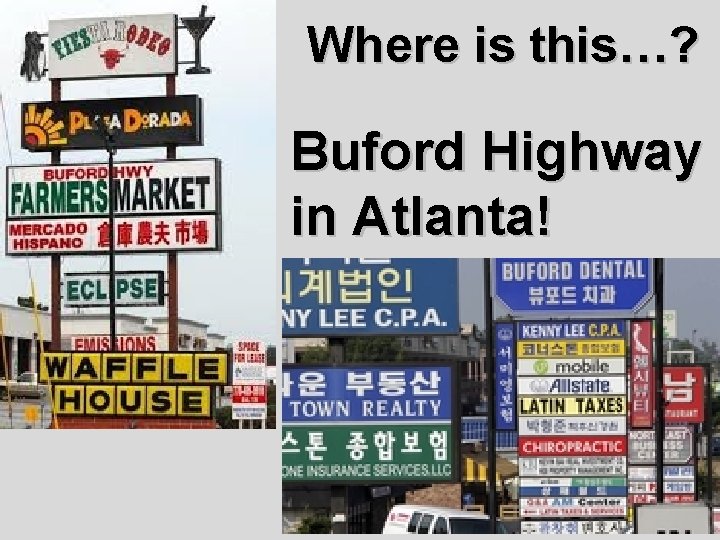
Where is this…? Buford Highway in Atlanta!
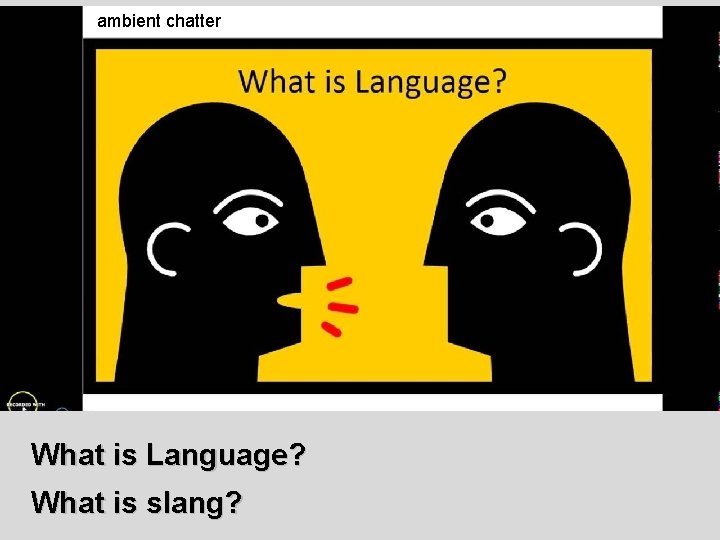
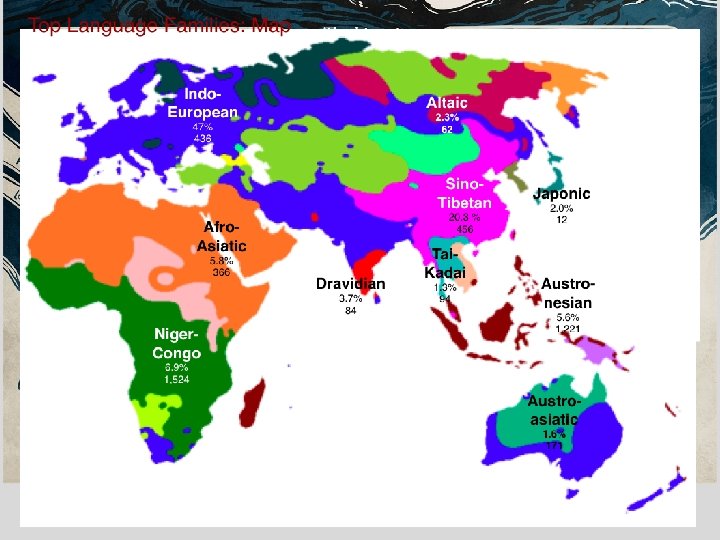
ambient chatter What is Language? What is slang?
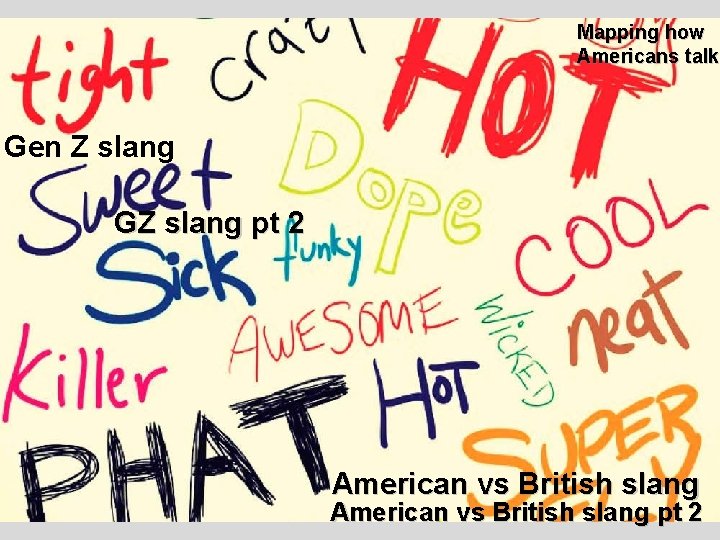
Mapping how Americans talk Gen Z slang GZ slang pt 2 American vs British slang pt 2
Examples of SLANG
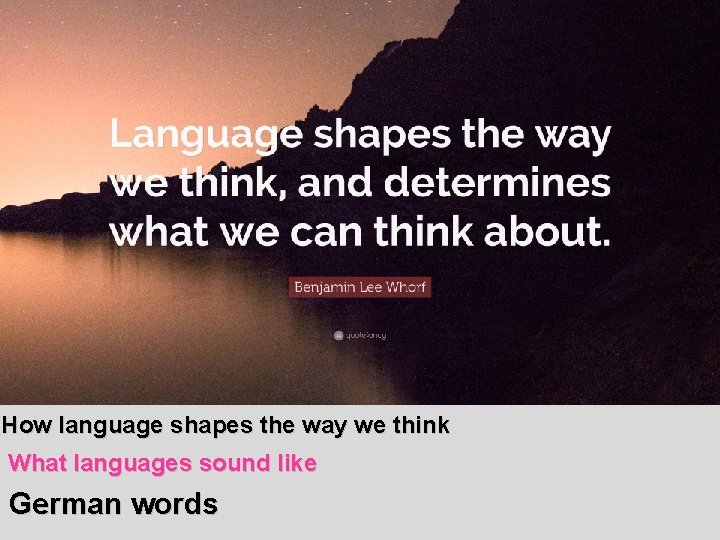
How language shapes the way we think What languages sound like German words
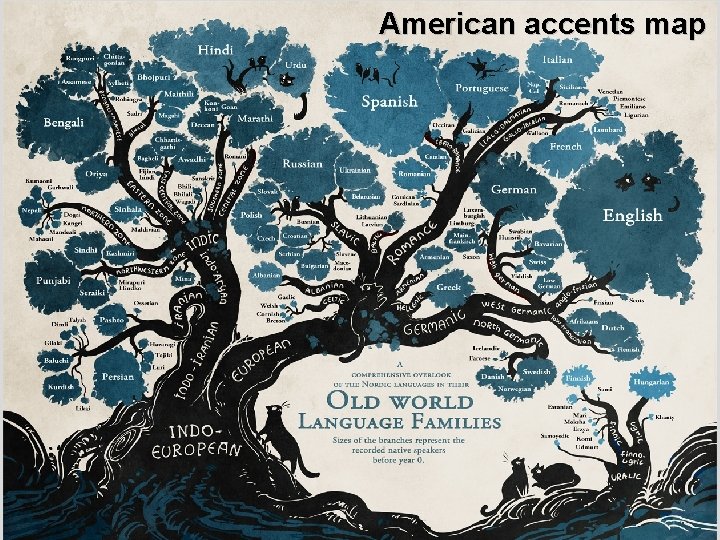
American accents map
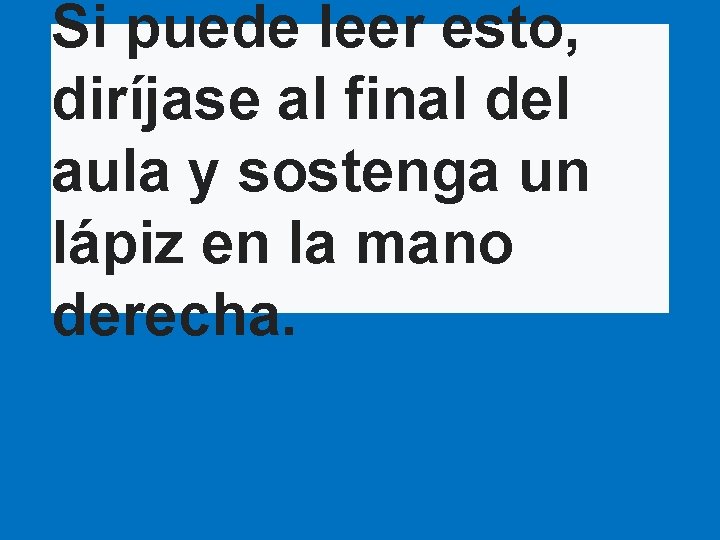
Si puede leer esto, diríjase al final del aula y sostenga un lápiz en la mano derecha.
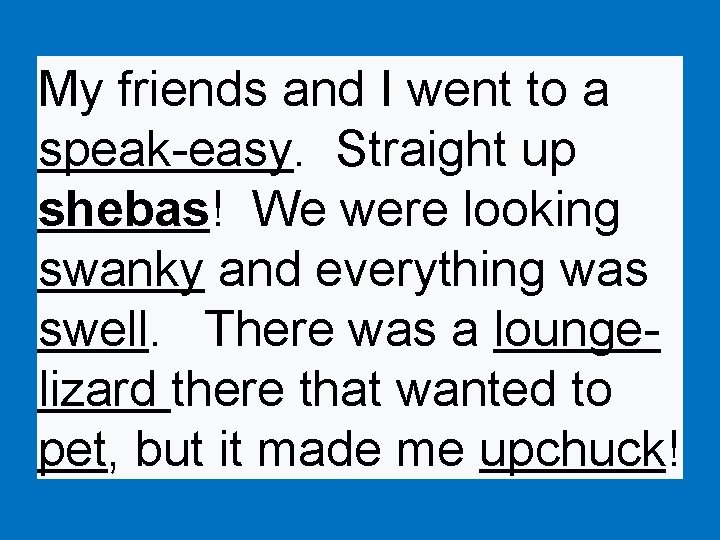
My friends and I went to a speak-easy. Straight up shebas! We were looking swanky and everything was swell. There was a loungelizard there that wanted to pet, but it made me upchuck!
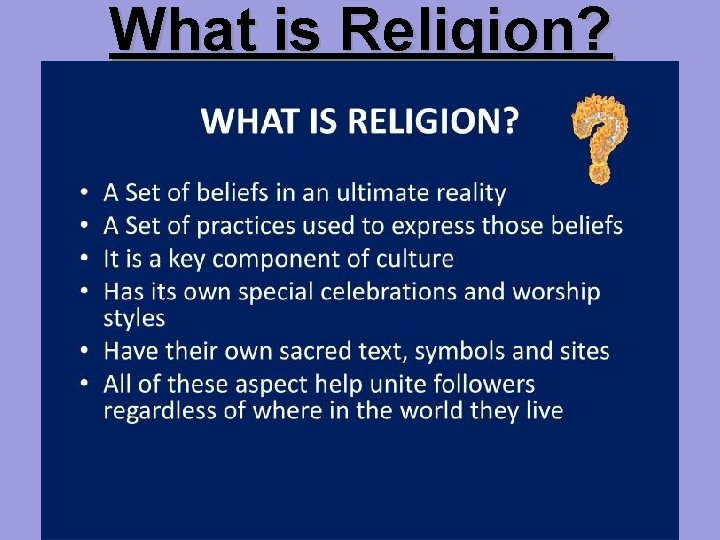
What is Religion?
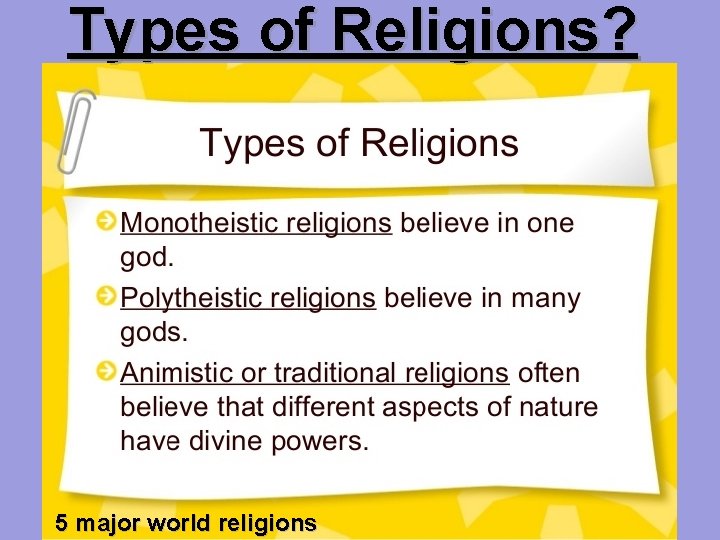
Types of Religions? 5 major world religions
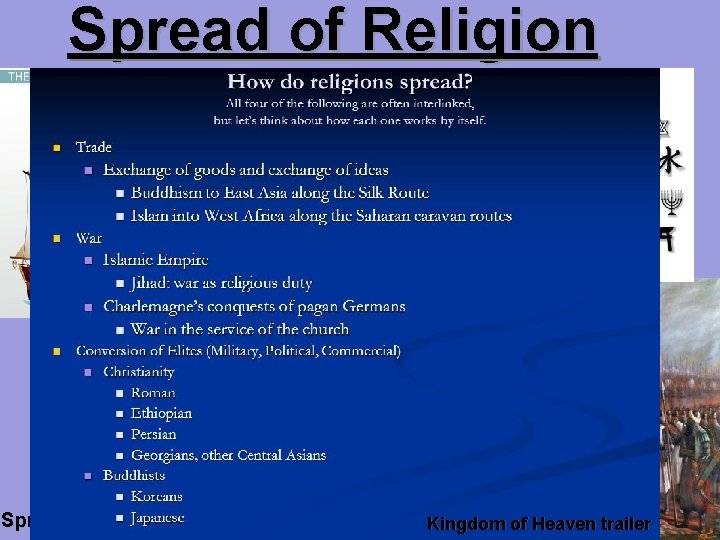
Spread of Religion Spread of religion Kingdom of Heaven trailer
Introduction to the Seven Elements of Culture
Elements of culture • Social Organization • Customs and Traditions • Language • Arts and Literature • Religion • Forms of Government • Economic Systems
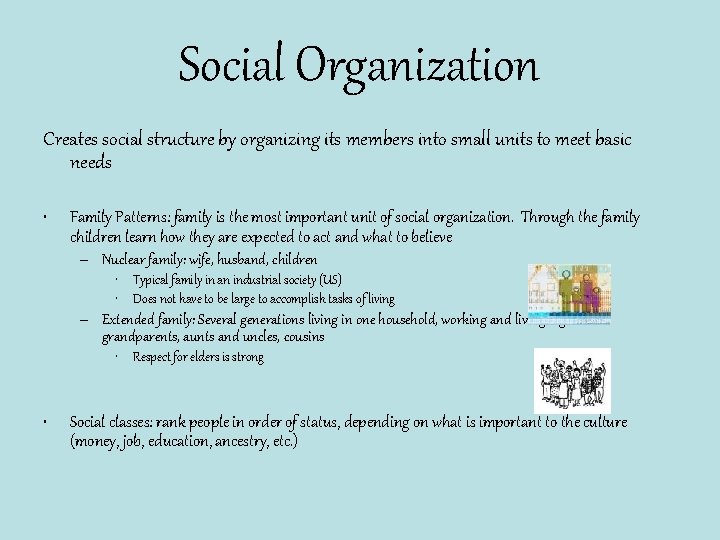
Social Organization Creates social structure by organizing its members into small units to meet basic needs • Family Patterns: family is the most important unit of social organization. Through the family children learn how they are expected to act and what to believe – Nuclear family: wife, husband, children • Typical family in an industrial society (US) • Does not have to be large to accomplish tasks of living – Extended family: Several generations living in one household, working and living together: grandparents, aunts and uncles, cousins • Respect for elders is strong • Social classes: rank people in order of status, depending on what is important to the culture (money, job, education, ancestry, etc. )
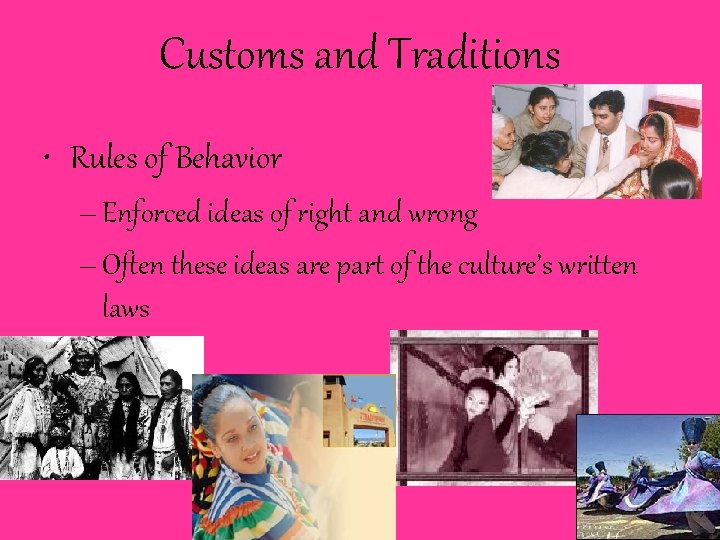
Customs and Traditions • Rules of Behavior – Enforced ideas of right and wrong – Often these ideas are part of the culture’s written laws
Language • Cornerstone of culture – All cultures have a spoken language (even if there are no developed forms of writing) – People who speak the same language often share the same culture – Many societies include a large number of people who speak different languages – Each language can have several different dialects
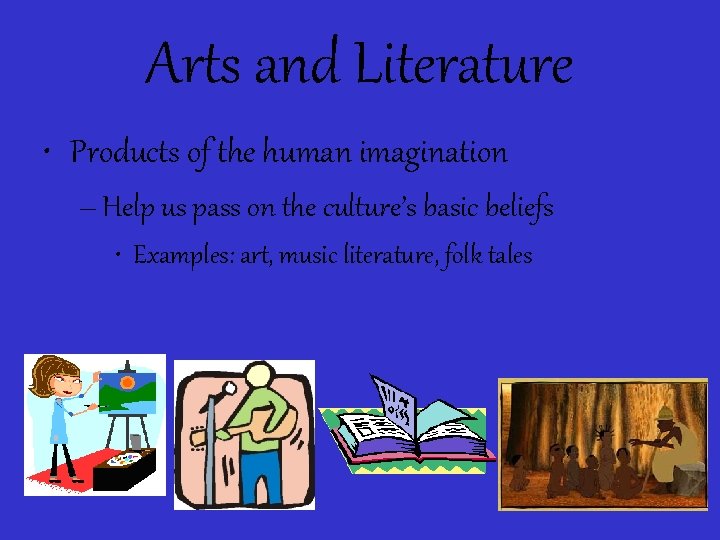
Arts and Literature • Products of the human imagination – Help us pass on the culture’s basic beliefs • Examples: art, music literature, folk tales
Forms of Government • People form governments to provide for their common needs, keep order within society, and protect their society from outside threats • Definition of government: 1. Person/people who hold power in a society; 2. Society’s laws and political institutions • Democracy: people have supreme power, government acts by and with consent – Republic: people choose leaders who represent them • Dictatorship: ruler/group holds power by force – Usually relying on military support for power
Economic Systems How people use limited resources to satisfy their wants and needs • Traditional Economy: people produce most of what they need to survive (hunting, gathering, farming, herding cattle, make own clothes/tools) • Market Economy: buying and selling goods and services • Command Economy: Government controls what/how goods are produced and what they cost. Individuals have little economic power • Mixed Economy: Individuals make some economic decisions and the government makes others