
What is coaching Coaching is also known as
- Slides: 16
What is coaching? Coaching is also known as mentoring, instructing or training Designed to support & guide learners to achieve a specific personal/professional goal
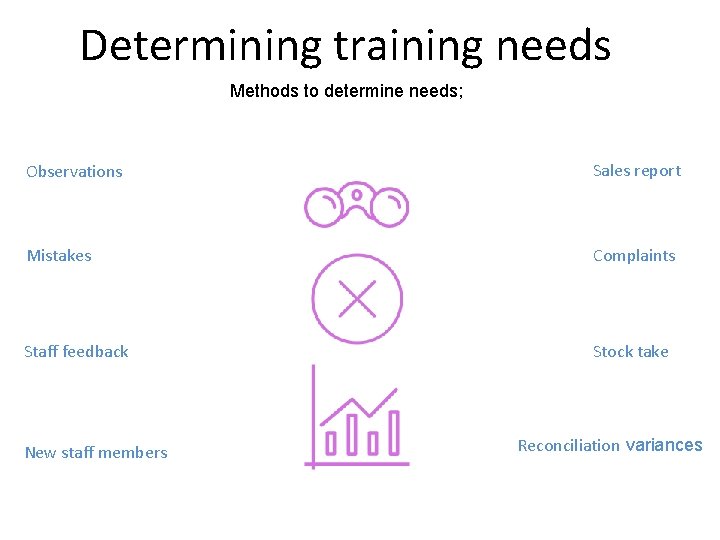
Determining training needs Methods to determine needs; Observations Sales report Mistakes Complaints Staff feedback Stock take New staff members Reconciliation variances
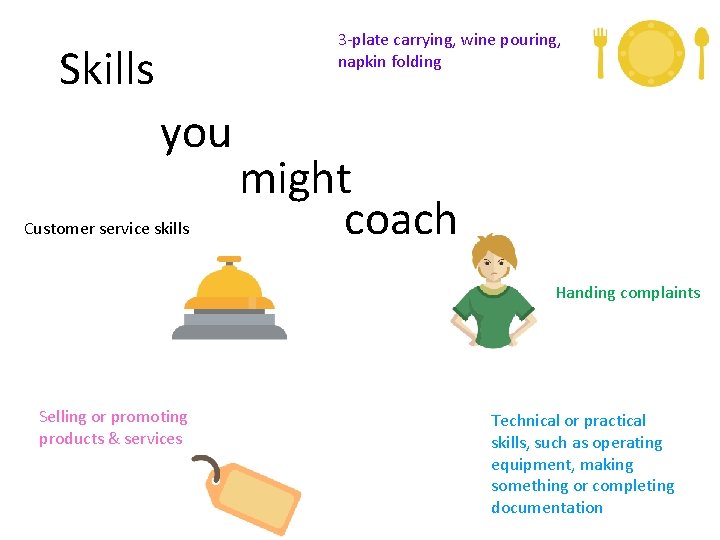
3 -plate carrying, wine pouring, napkin folding Skills you Customer service skills might coach Handing complaints Selling or promoting products & services Technical or practical skills, such as operating equipment, making something or completing documentation
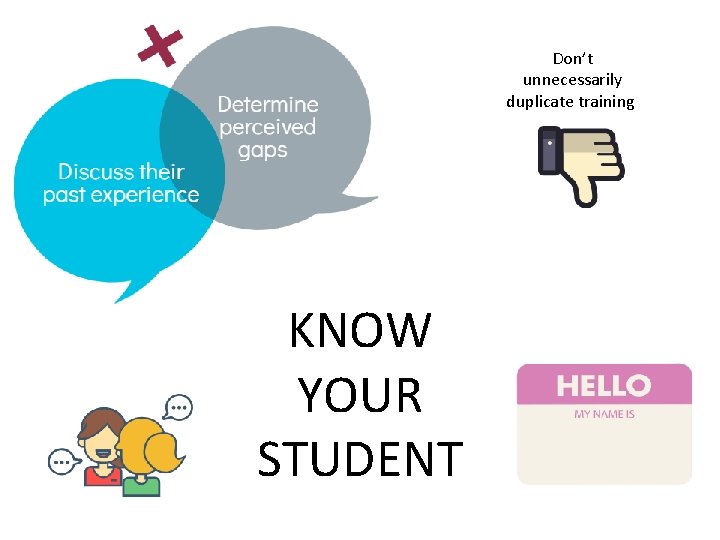
Don’t unnecessarily duplicate training KNOW YOUR STUDENT
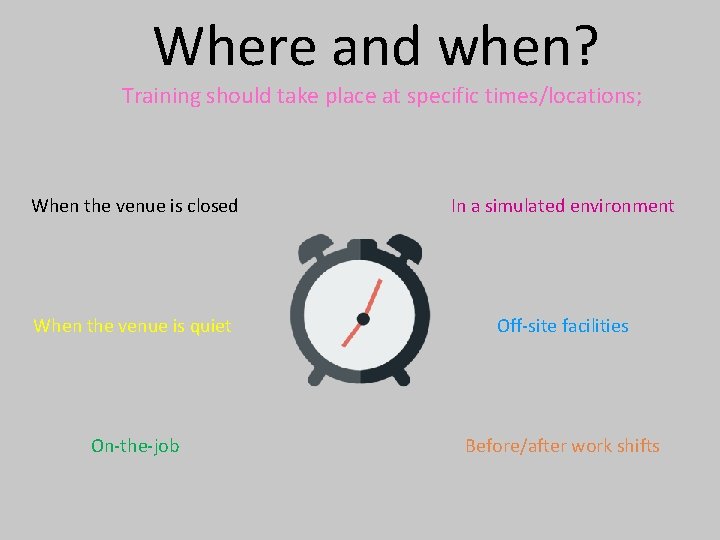
Where and when? Training should take place at specific times/locations; When the venue is closed In a simulated environment When the venue is quiet Off-site facilities On-the-job Before/after work shifts
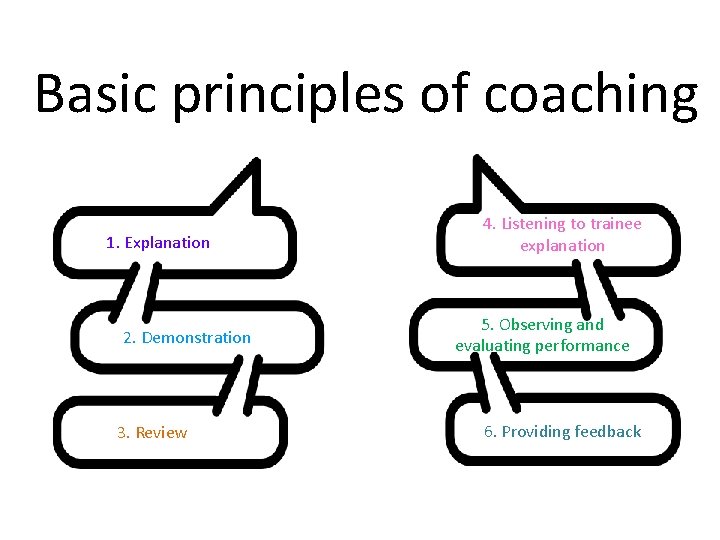
Basic principles of coaching 1. Explanation 2. Demonstration 3. Review 4. Listening to trainee explanation 5. Observing and evaluating performance 6. Providing feedback
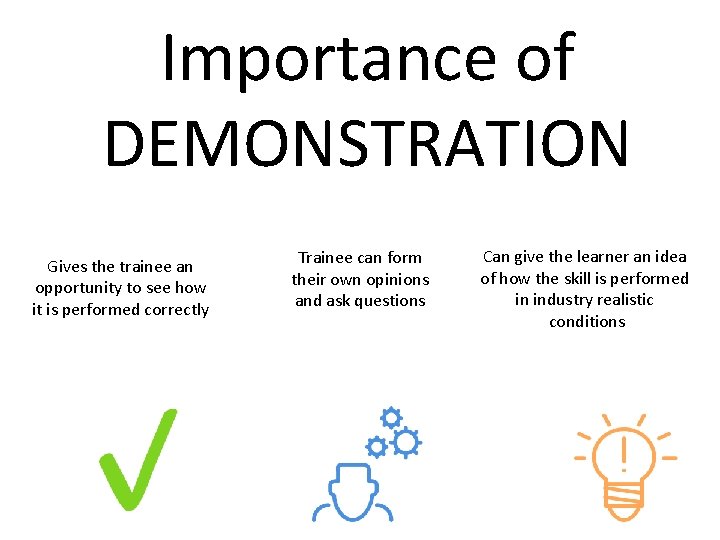
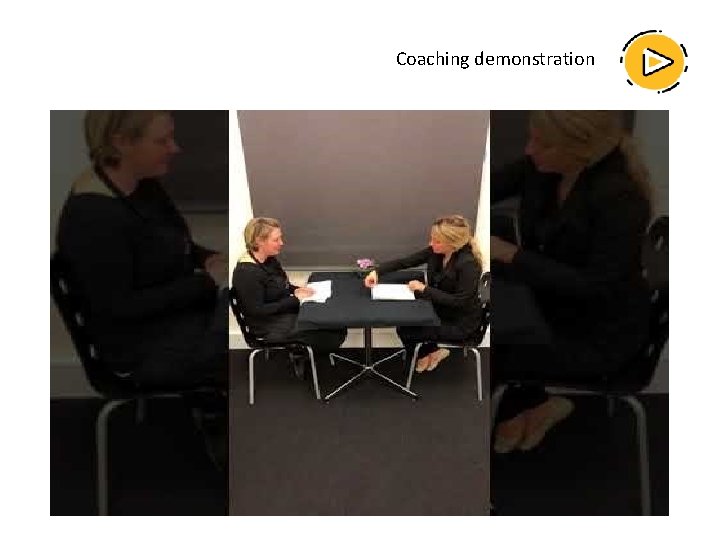
Importance of DEMONSTRATION Gives the trainee an opportunity to see how it is performed correctly Trainee can form their own opinions and ask questions Can give the learner an idea of how the skill is performed in industry realistic conditions
Coaching demonstration
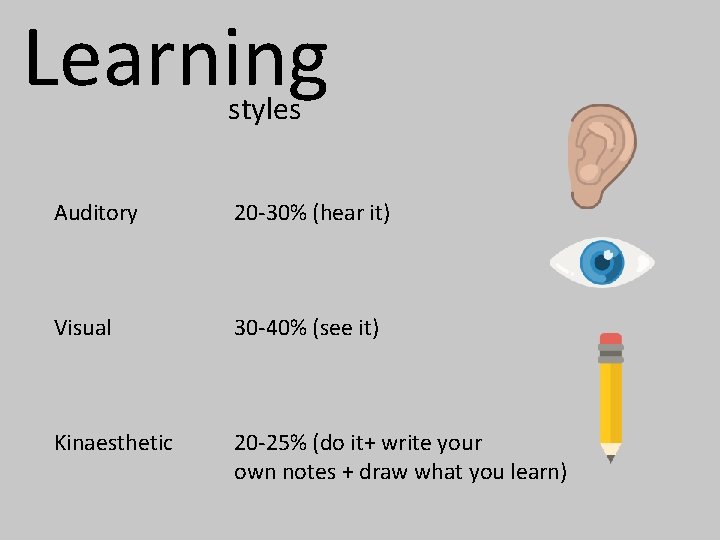
Learning styles Auditory 20 -30% (hear it) Visual 30 -40% (see it) Kinaesthetic 20 -25% (do it+ write your own notes + draw what you learn)
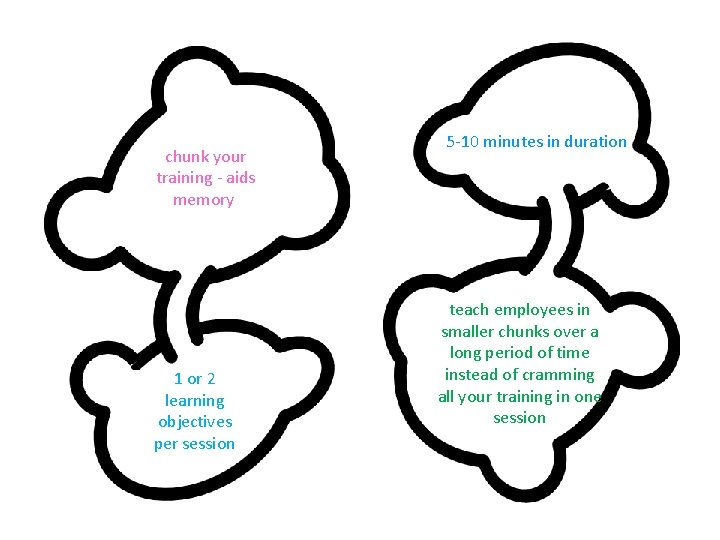
chunk your training - aids memory 1 or 2 learning objectives per session 5 -10 minutes in duration teach employees in smaller chunks over a long period of time instead of cramming all your training in one session
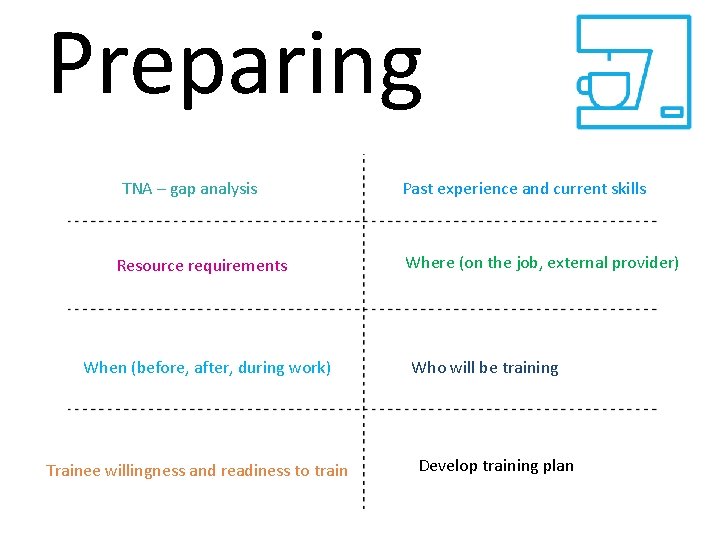
Preparing TNA – gap analysis Resource requirements When (before, after, during work) Trainee willingness and readiness to train Past experience and current skills Where (on the job, external provider) Who will be training Develop training plan
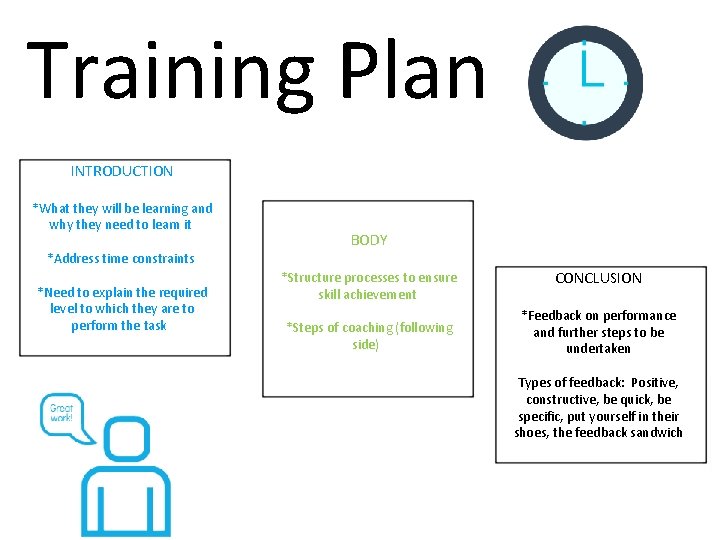
Training Plan INTRODUCTION *What they will be learning and why they need to learn it *Address time constraints *Need to explain the required level to which they are to perform the task BODY *Structure processes to ensure skill achievement *Steps of coaching (following side) CONCLUSION *Feedback on performance and further steps to be undertaken Types of feedback: Positive, constructive, be quick, be specific, put yourself in their shoes, the feedback sandwich
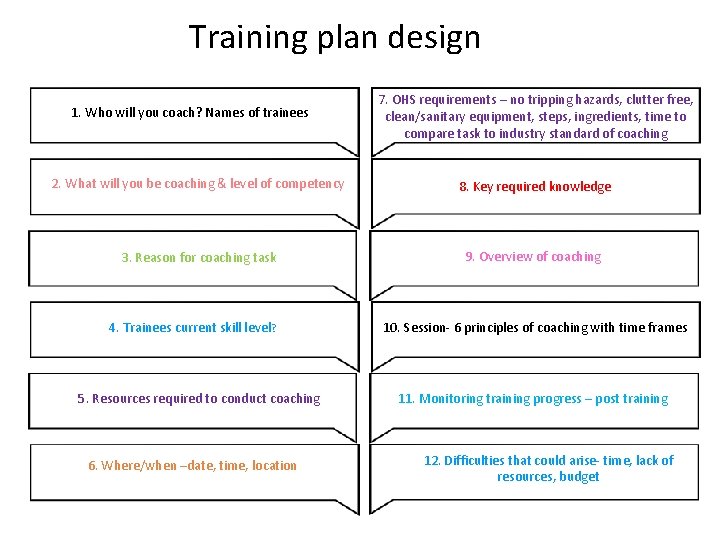
Training plan design 1. Who will you coach? Names of trainees 7. OHS requirements – no tripping hazards, clutter free, clean/sanitary equipment, steps, ingredients, time to compare task to industry standard of coaching 2. What will you be coaching & level of competency 8. Key required knowledge 3. Reason for coaching task 9. Overview of coaching 4. Trainees current skill level? 5. Resources required to conduct coaching 6. Where/when –date, time, location 10. Session- 6 principles of coaching with time frames 11. Monitoring training progress – post training 12. Difficulties that could arise- time, lack of resources, budget
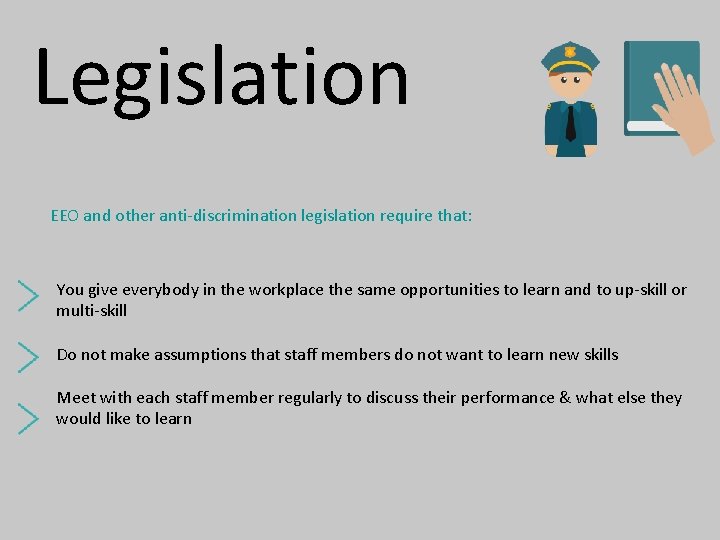
Legislation EEO and other anti-discrimination legislation require that: You give everybody in the workplace the same opportunities to learn and to up-skill or multi-skill Do not make assumptions that staff members do not want to learn new skills Meet with each staff member regularly to discuss their performance & what else they would like to learn
"The only thing worse than training your employees & having them leave is not training them and having them stay" Henry Ford, Founder Ford Motor Company