
What is CHP Why do we need it

- Slides: 62
What is CHP & Why do we need it in Michigan? April 30, 2015 Jim Leidel Director of Clean Energy Systems Oakland University
Outline of Discussion • What is CHP • the Opportunity of CHP: (a new look at an tried and true technology) • What does CHP look like • Project feasibility basics: the spark spread • Why CHP in Michigan? • Multiple benefits to CHP • Oakland University CHP & Micro. Grid • Questions ?
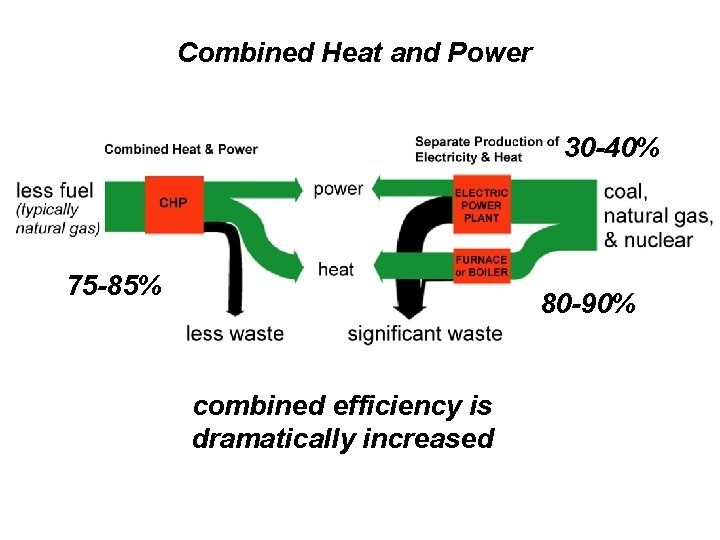
Combined Heat and Power 30 -40% 75 -85% 80 -90% combined efficiency is dramatically increased
Benefits of CHP to the Host • Additional heating capacity – “New” equipment replacing aging systems • • • Backup electrical power Lower carbon footprint Diversified energy options for supply Energy independence Grid Reliability Cost savings drives the whole opportunity
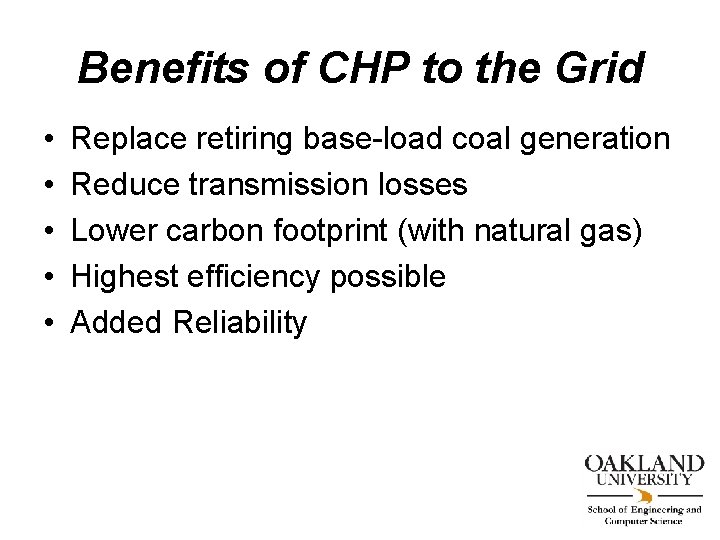
Benefits of CHP to the Grid • • • Replace retiring base-load coal generation Reduce transmission losses Lower carbon footprint (with natural gas) Highest efficiency possible Added Reliability
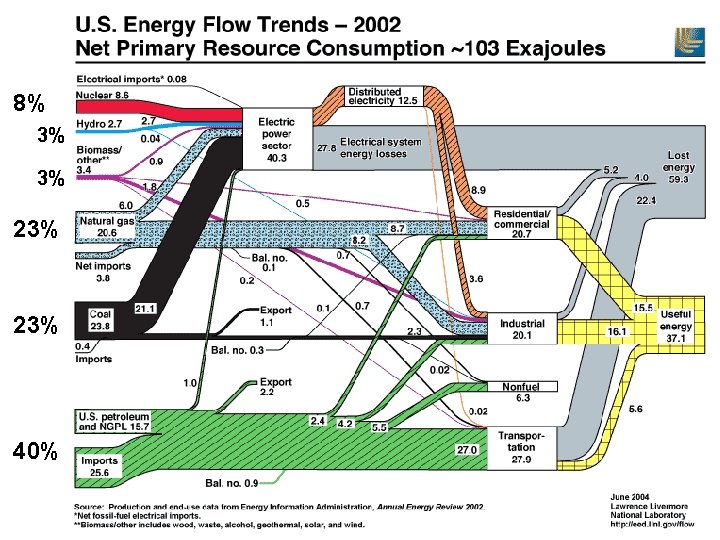
8% 3% 3% 23% 40%
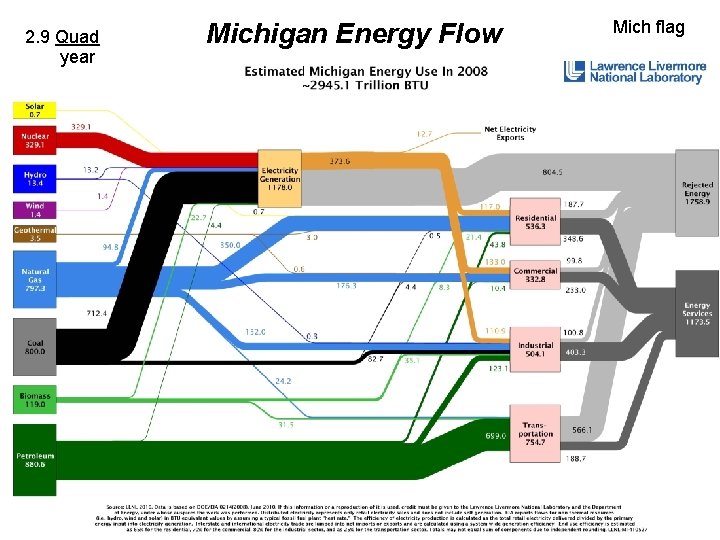
2. 9 Quad year Michigan Energy Flow Mich flag
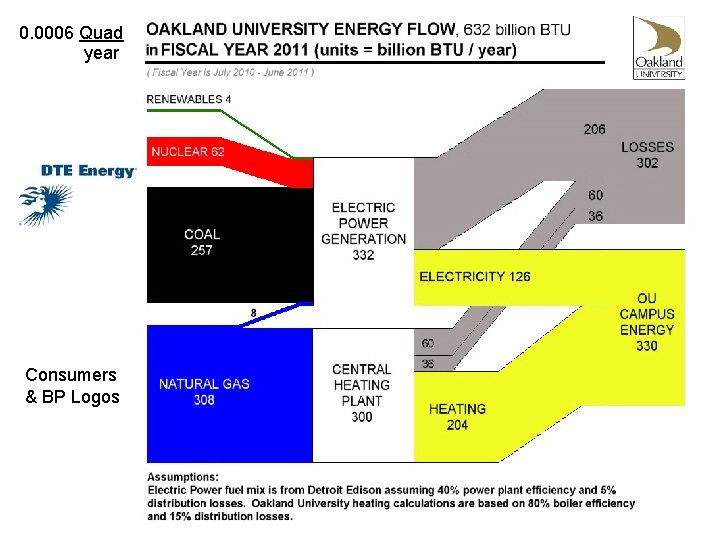
0. 0006 Quad year Consumers & BP Logos
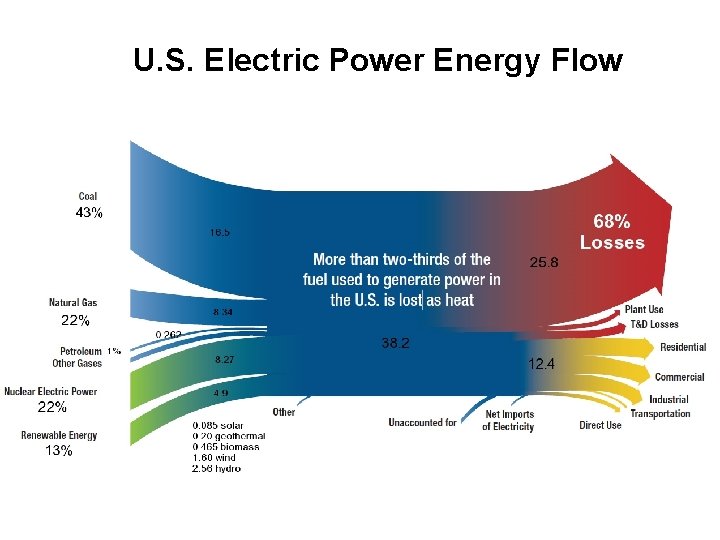
U. S. Electric Power Energy Flow
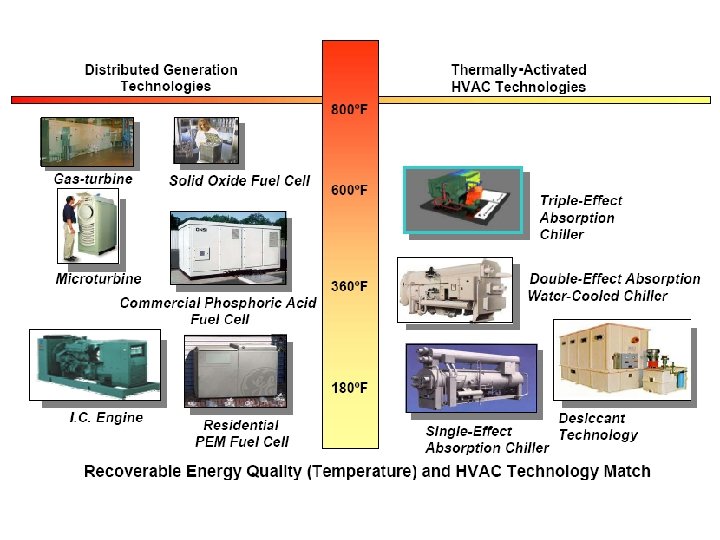
What does CHP look like?
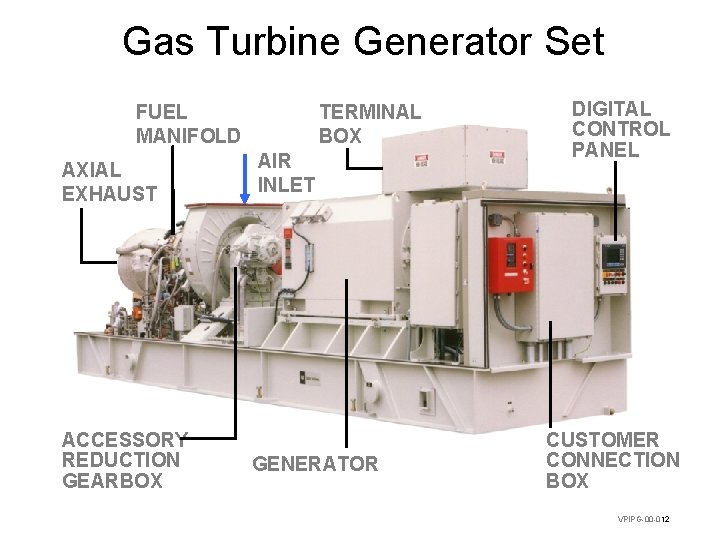
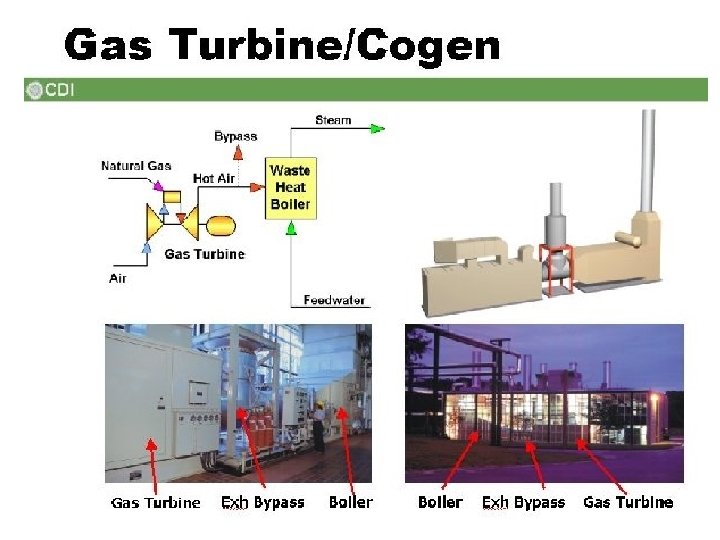
Gas Turbine Generator Set FUEL MANIFOLD AXIAL EXHAUST ACCESSORY REDUCTION GEARBOX TERMINAL BOX AIR INLET GENERATOR DIGITAL CONTROL PANEL CUSTOMER CONNECTION BOX VPIPG-00 -012
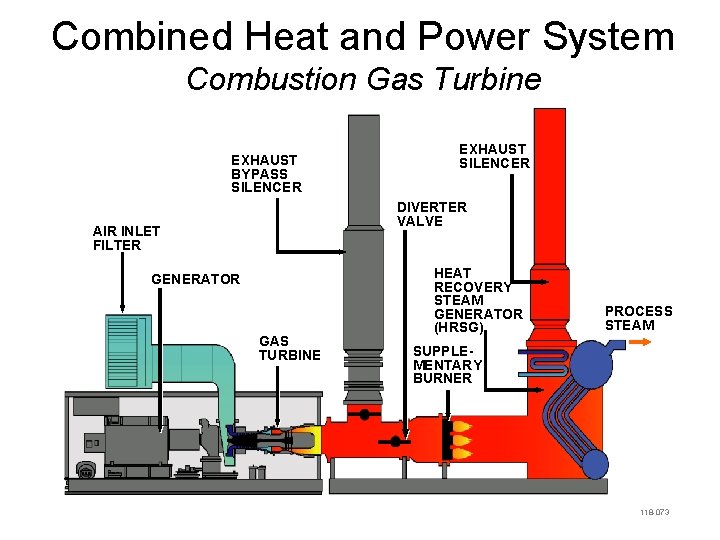
Combined Heat and Power System Combustion Gas Turbine EXHAUST BYPASS SILENCER EXHAUST SILENCER DIVERTER VALVE AIR INLET FILTER GENERATOR GAS TURBINE HEAT RECOVERY STEAM GENERATOR (HRSG) PROCESS STEAM SUPPLEMENTARY BURNER 118 -073
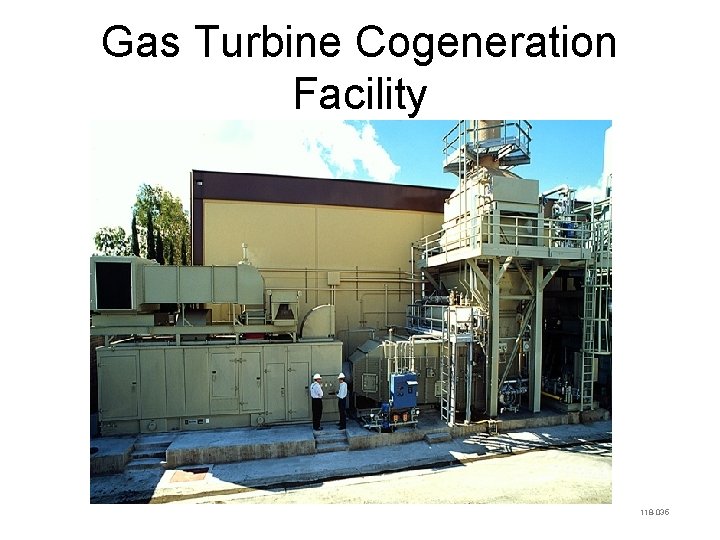
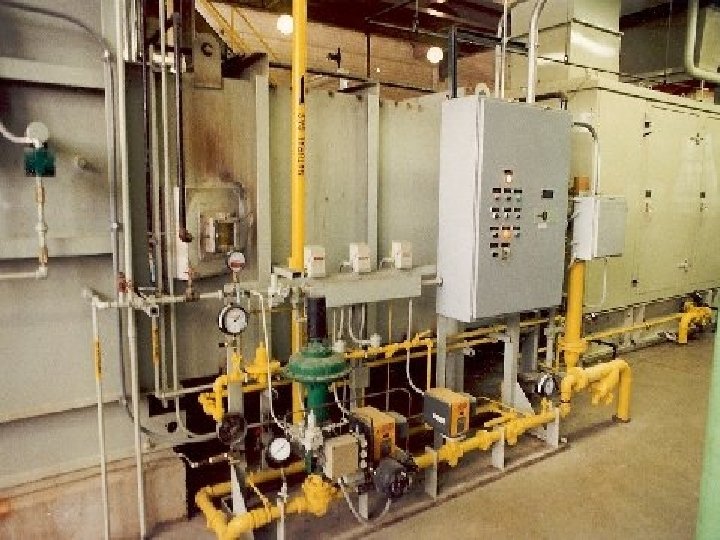
Gas Turbine Cogeneration Facility 118 -035
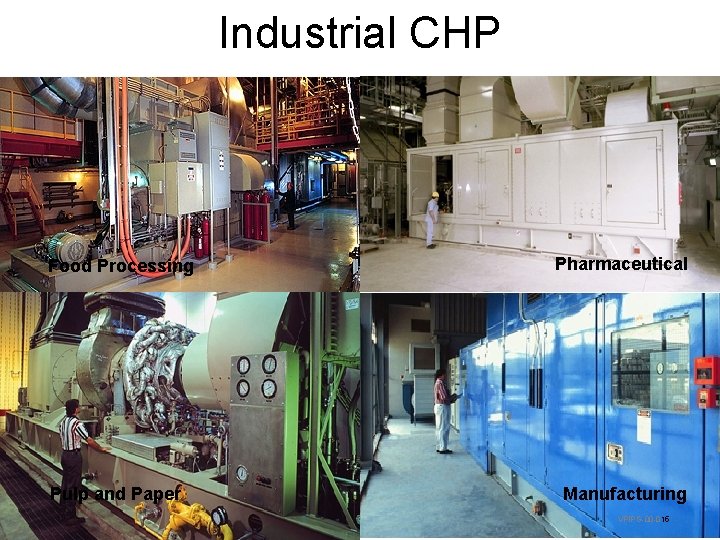
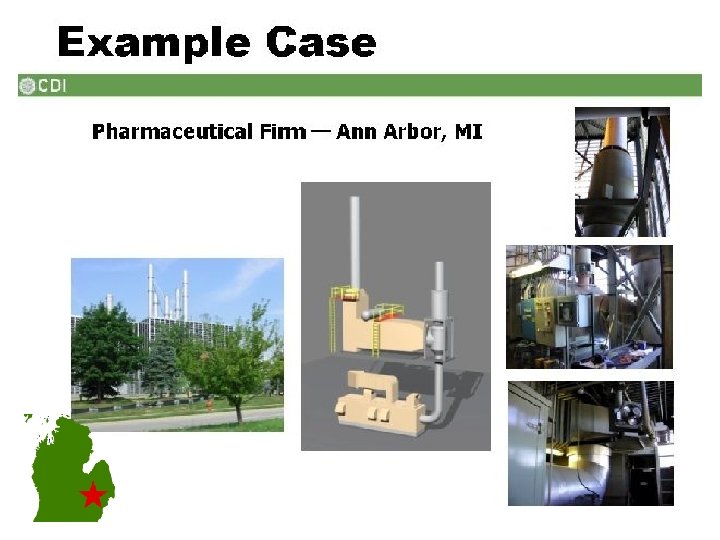
Industrial CHP Food Processing Pulp and Paper Pharmaceutical Manufacturing VPIPG-00 -015
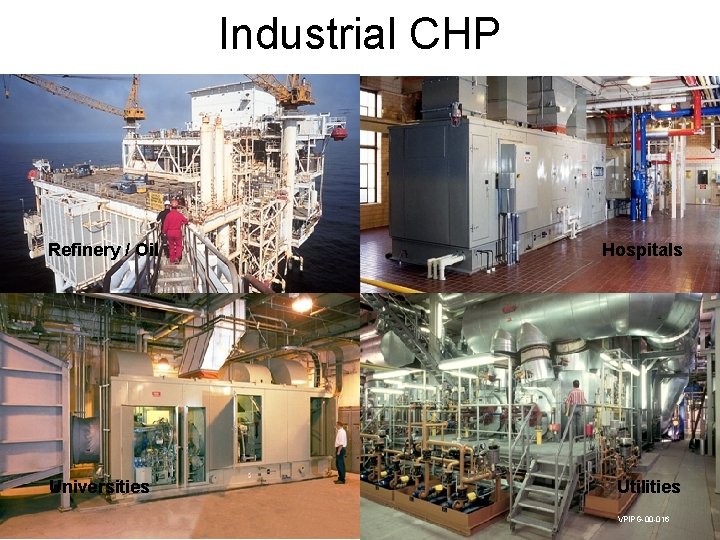
Industrial CHP Refinery / Oil Universities Hospitals Utilities VPIPG-00 -016
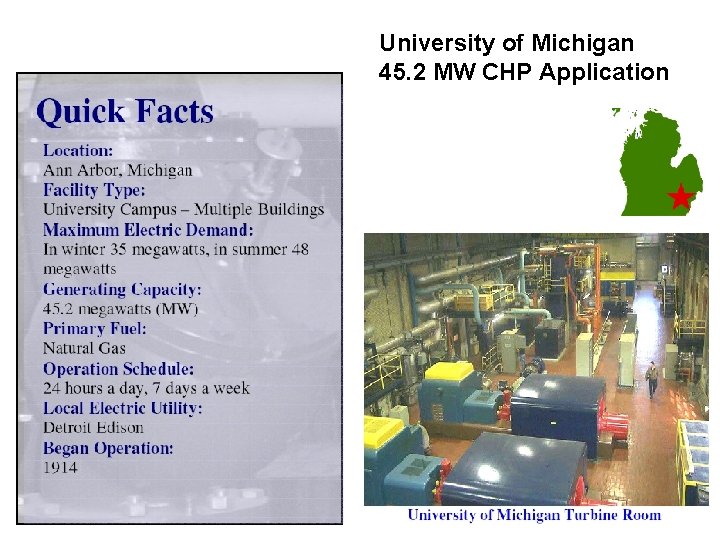
University of Michigan 45. 2 MW CHP Application
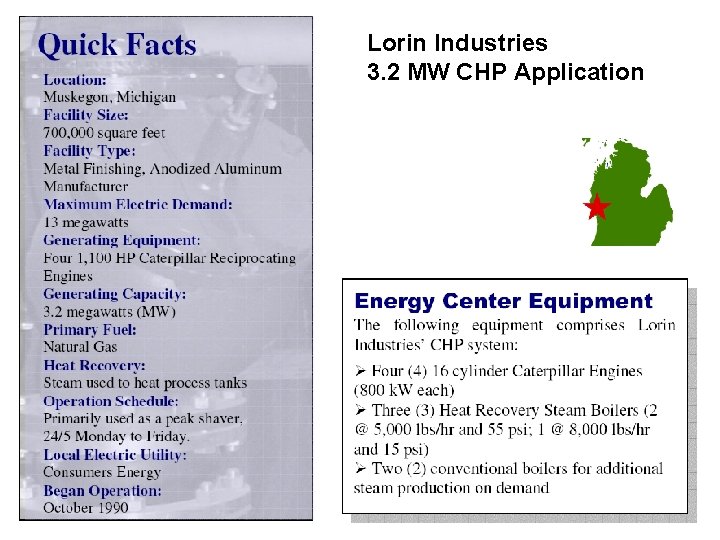
Lorin Industries 3. 2 MW CHP Application
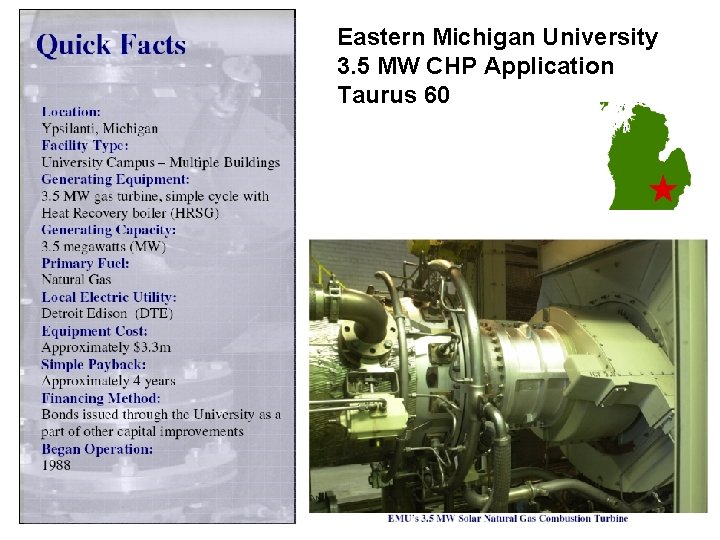
Eastern Michigan University 3. 5 MW CHP Application Taurus 60
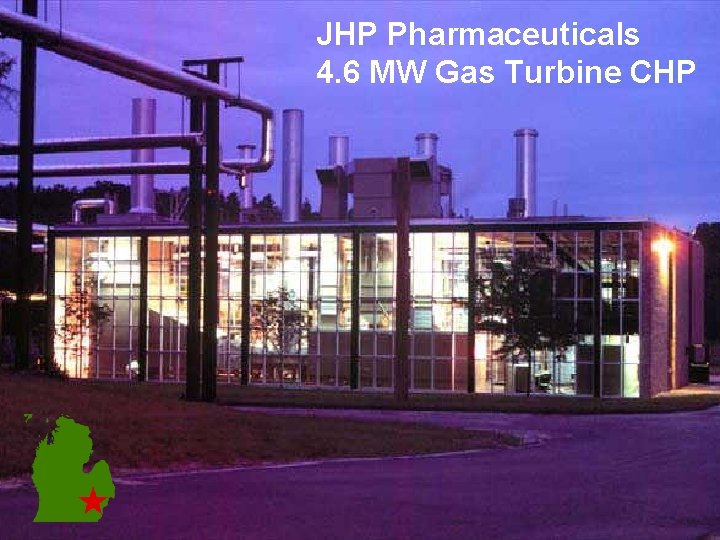
JHP Pharmaceuticals 4. 6 MW Gas Turbine CHP
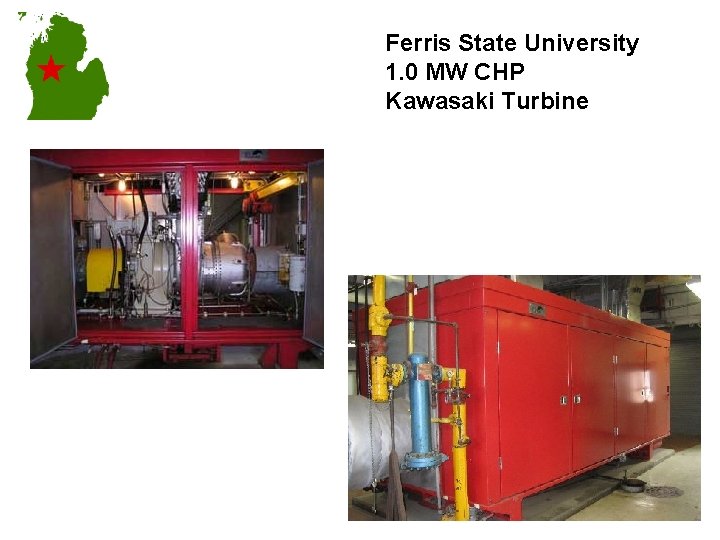
Ferris State University 1. 0 MW CHP Kawasaki Turbine
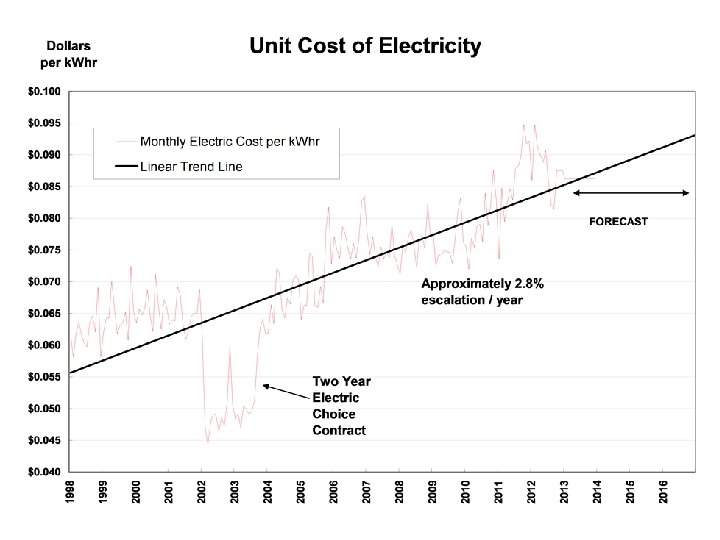
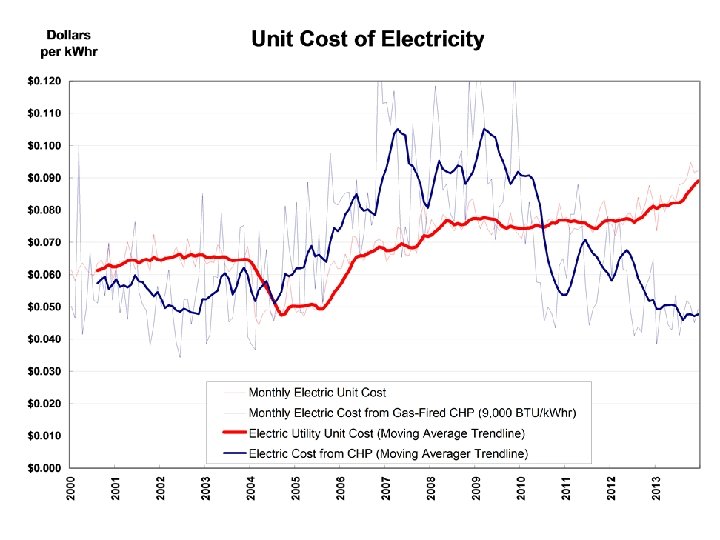
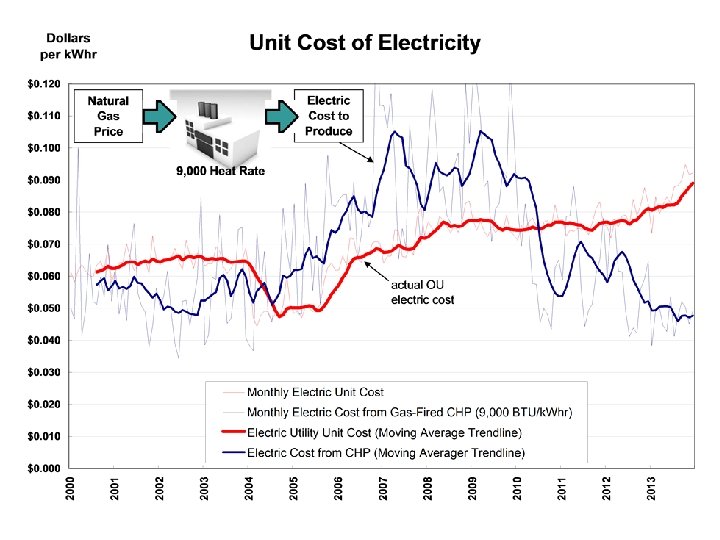
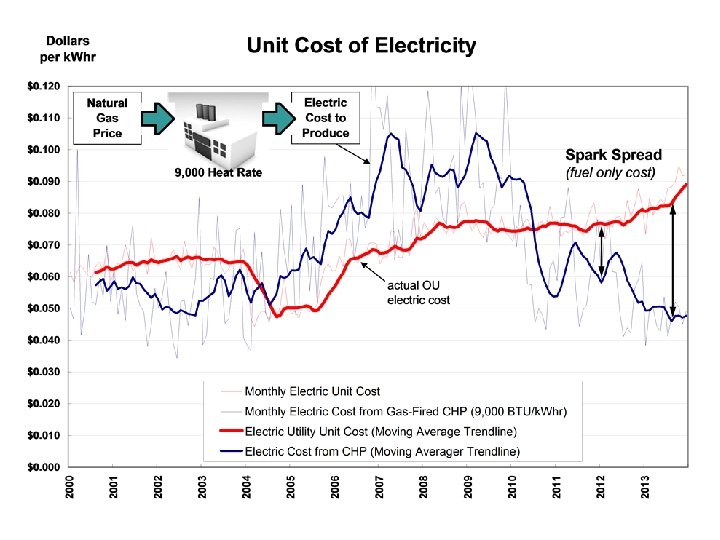
Is CHP Applicable? Spark Spread
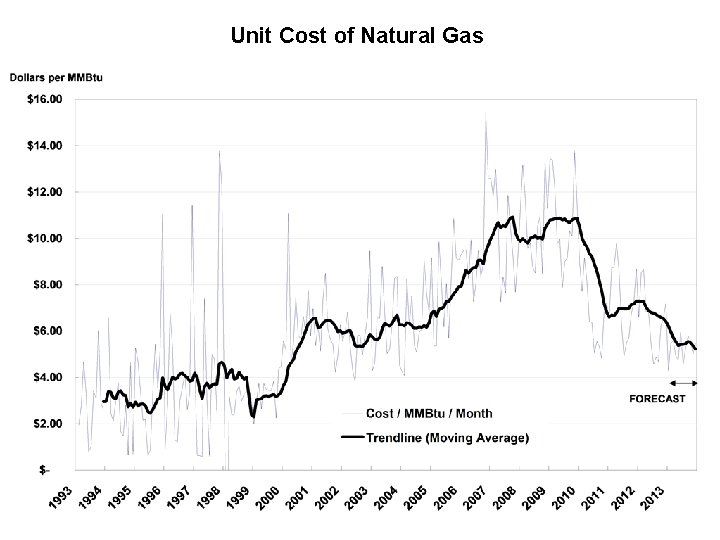
Unit Cost of Natural Gas
Why do we need CHP?
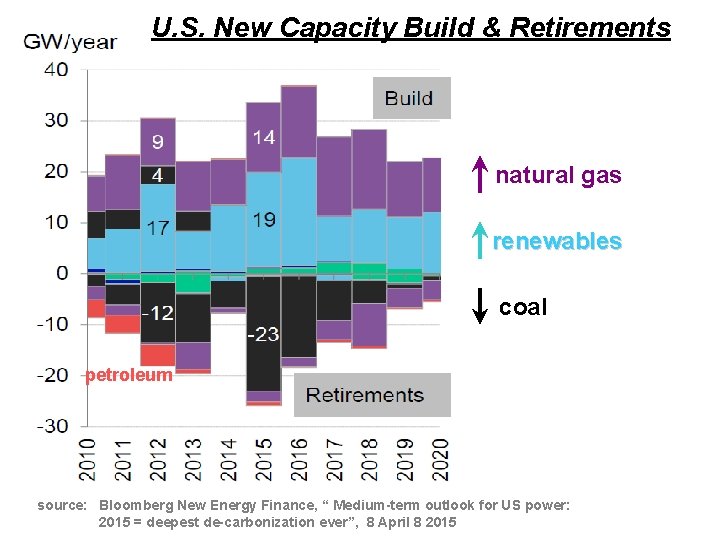
COAL RETIREMENTS: BEGINNING OF THE END The US coal fleet is entering an unprecedented period of retirements, as the industry faces a three-pronged assault from low gas prices, an aging fleet, and stringent environmental compliance. • Old age: numerous units are today approaching 50+ years of operation. • Cheap gas: sub-$4/MMBtu Henry Hub gas will hit coal units twice – first, by reducing wholesale power prices; and second, by bringing combine-cycle gas turbines (CCGTs) into the base-load power mix, encroaching on sales of coal-fired electricity. • Environmental regulations: standards laid out by the US Environmental Protection Agency (EPA) will force generators to decide whether to invest in expensive environmental controls.
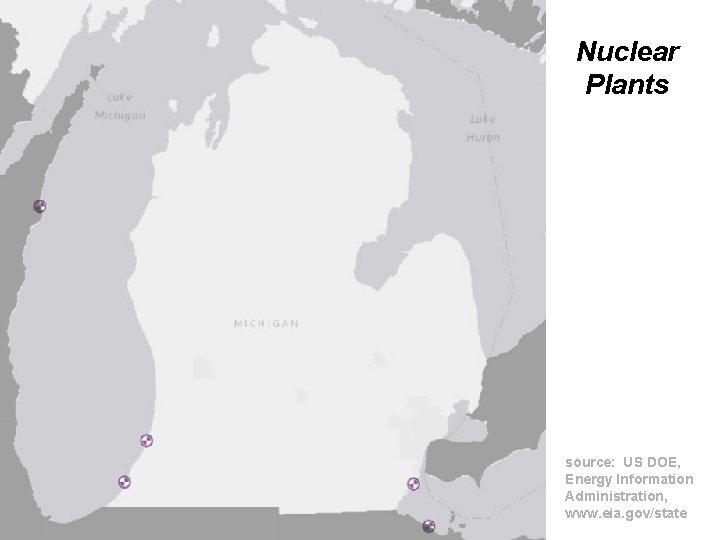
Nuclear Plants source: US DOE, Energy Information Administration, www. eia. gov/state
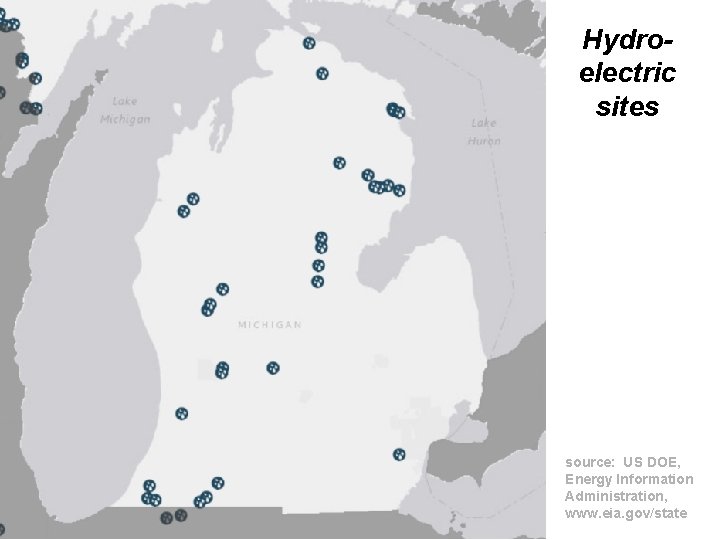
Hydroelectric sites source: US DOE, Energy Information Administration, www. eia. gov/state
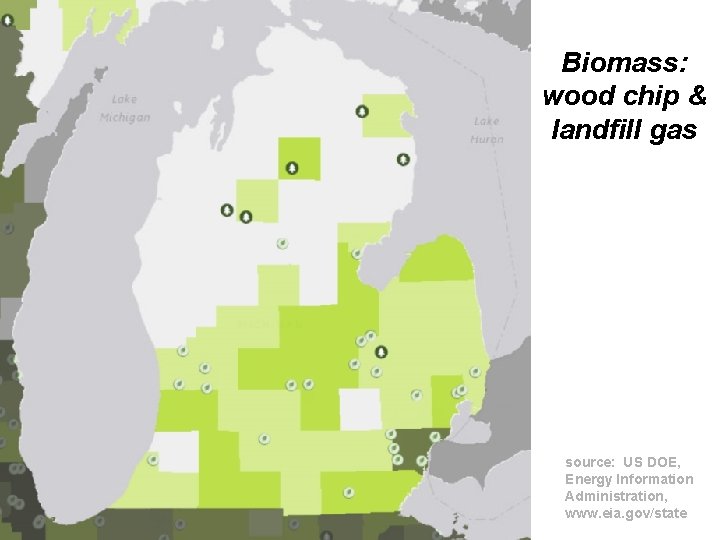
Biomass: wood chip & landfill gas source: US DOE, Energy Information Administration, www. eia. gov/state
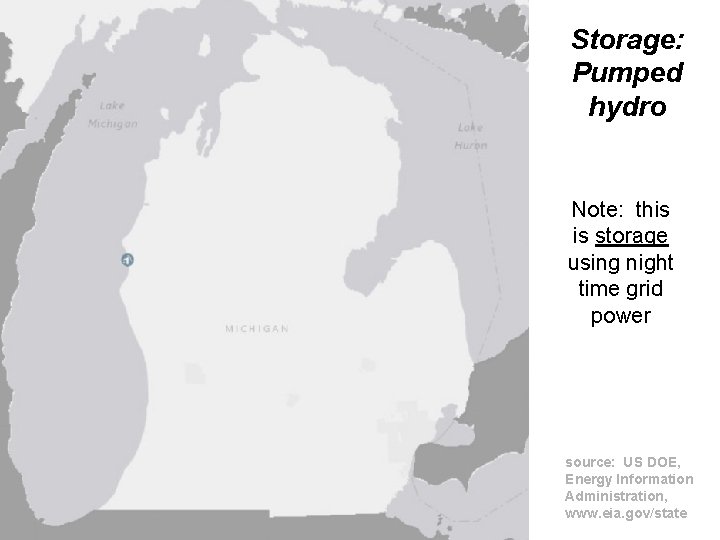
Storage: Pumped hydro Note: this is storage using night time grid power source: US DOE, Energy Information Administration, www. eia. gov/state
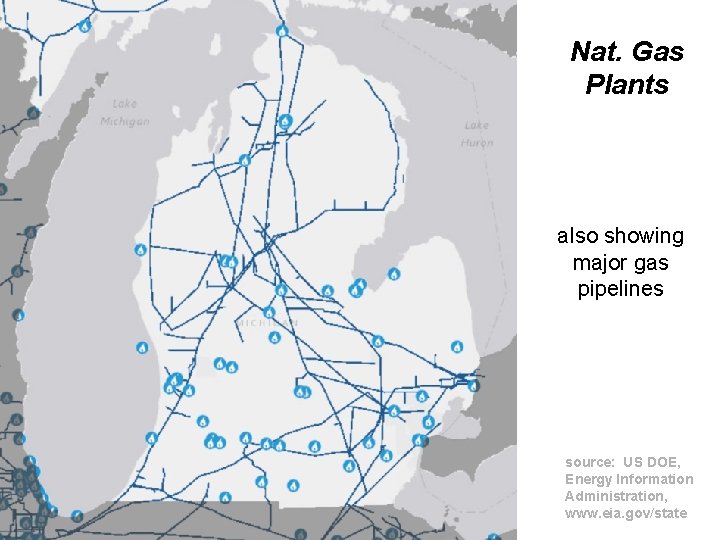
Nat. Gas Plants also showing major gas pipelines source: US DOE, Energy Information Administration, www. eia. gov/state
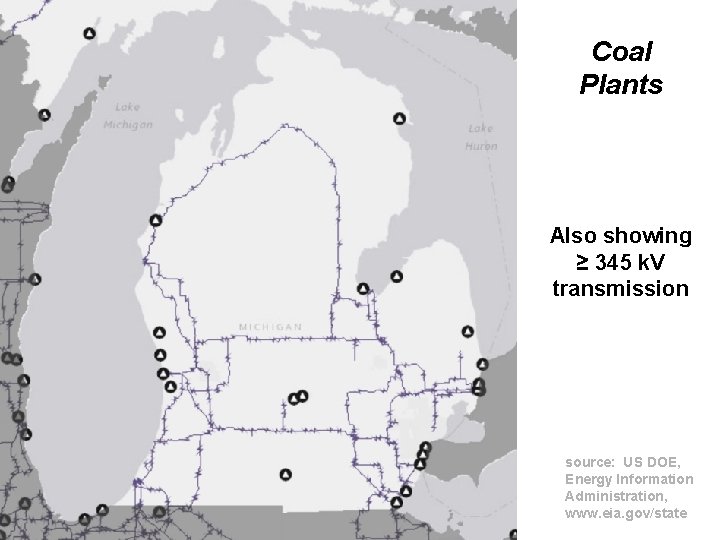
Coal Plants Also showing ≥ 345 k. V transmission source: US DOE, Energy Information Administration, www. eia. gov/state
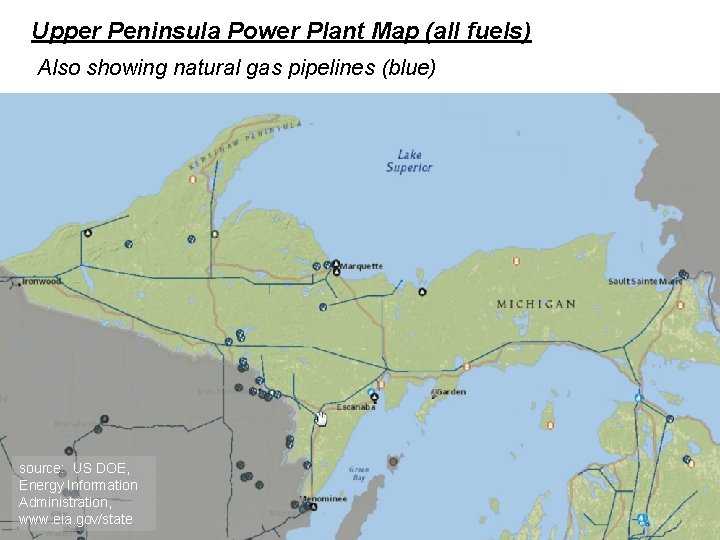
Upper Peninsula Power Plant Map (all fuels) Also showing natural gas pipelines (blue) source: US DOE, Energy Information Administration, www. eia. gov/state
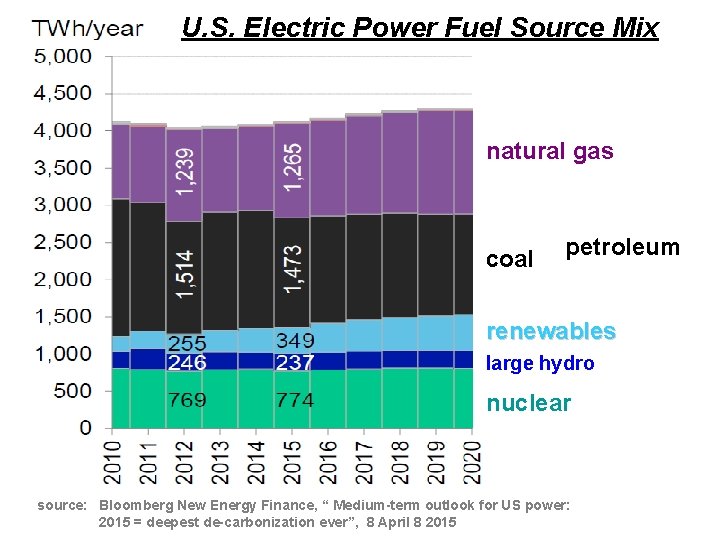
U. S. Electric Power Fuel Source Mix natural gas coal petroleum renewables large hydro nuclear source: Bloomberg New Energy Finance, “ Medium-term outlook for US power: 2015 = deepest de-carbonization ever”, 8 April 8 2015
U. S. New Capacity Build & Retirements natural gas renewables coal petroleum source: Bloomberg New Energy Finance, “ Medium-term outlook for US power: 2015 = deepest de-carbonization ever”, 8 April 8 2015
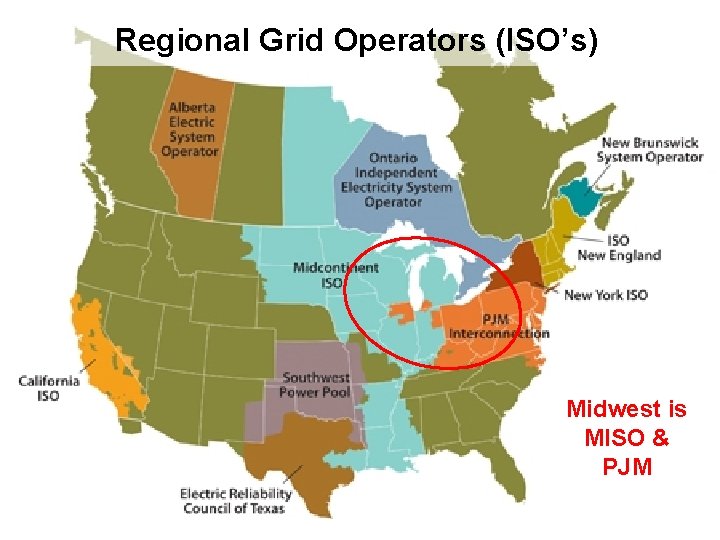
Regional Grid Operators (ISO’s) Midwest is MISO & PJM
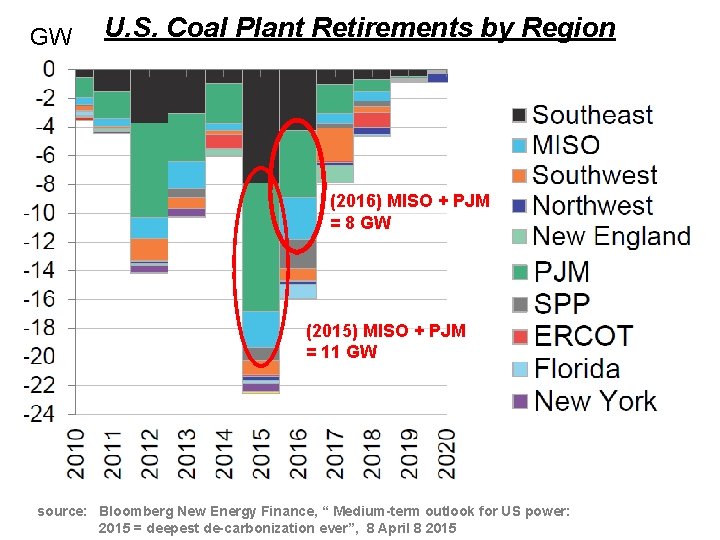
GW U. S. Coal Plant Retirements by Region (2016) MISO + PJM = 8 GW (2015) MISO + PJM = 11 GW source: Bloomberg New Energy Finance, “ Medium-term outlook for US power: 2015 = deepest de-carbonization ever”, 8 April 8 2015
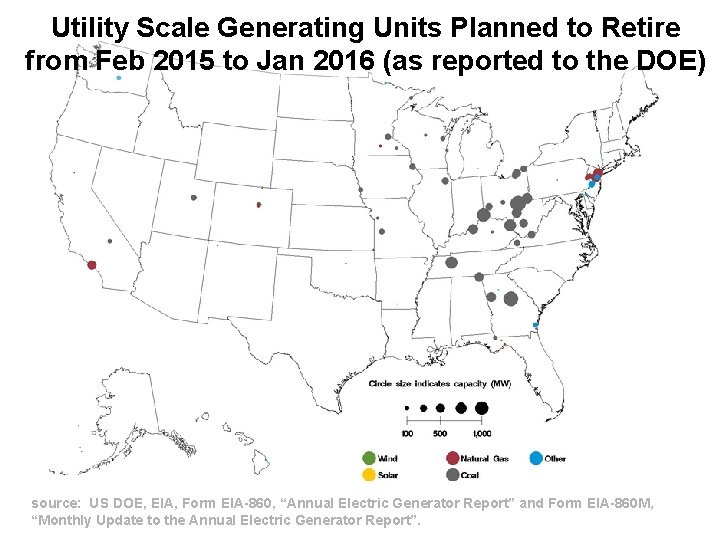
Utility Scale Generating Units Planned to Retire from Feb 2015 to Jan 2016 (as reported to the DOE) source: US DOE, EIA, Form EIA-860, “Annual Electric Generator Report” and Form EIA-860 M, “Monthly Update to the Annual Electric Generator Report”.
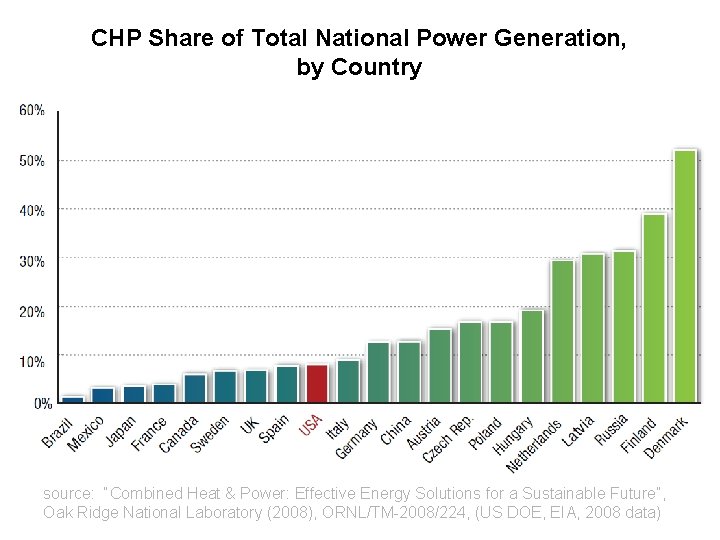
CHP Share of Total National Power Generation, by Country source: “Combined Heat & Power: Effective Energy Solutions for a Sustainable Future”, Oak Ridge National Laboratory (2008), ORNL/TM-2008/224, (US DOE, EIA, 2008 data)
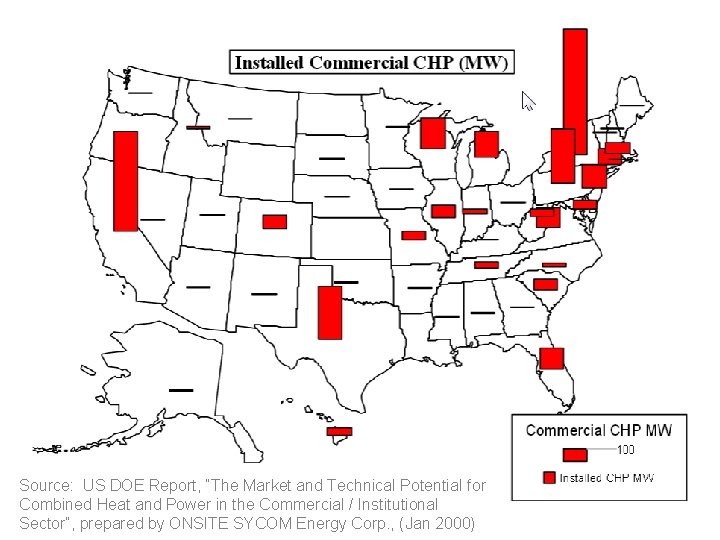
Source: US DOE Report, “The Market and Technical Potential for Combined Heat and Power in the Commercial / Institutional Sector”, prepared by ONSITE SYCOM Energy Corp. , (Jan 2000)
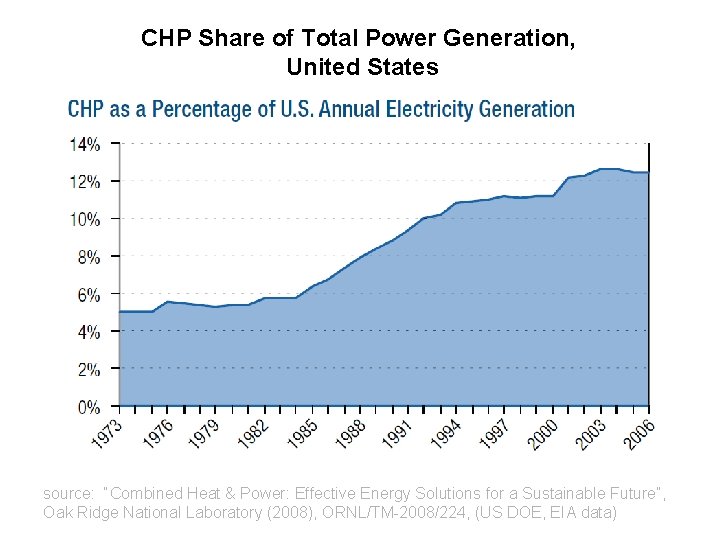
CHP Share of Total Power Generation, United States source: “Combined Heat & Power: Effective Energy Solutions for a Sustainable Future”, Oak Ridge National Laboratory (2008), ORNL/TM-2008/224, (US DOE, EIA data)
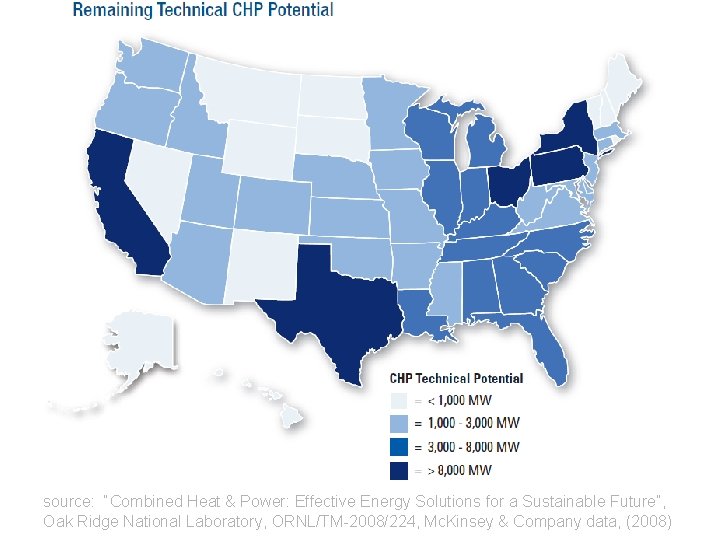
source: “Combined Heat & Power: Effective Energy Solutions for a Sustainable Future”, Oak Ridge National Laboratory, ORNL/TM-2008/224, Mc. Kinsey & Company data, (2008)
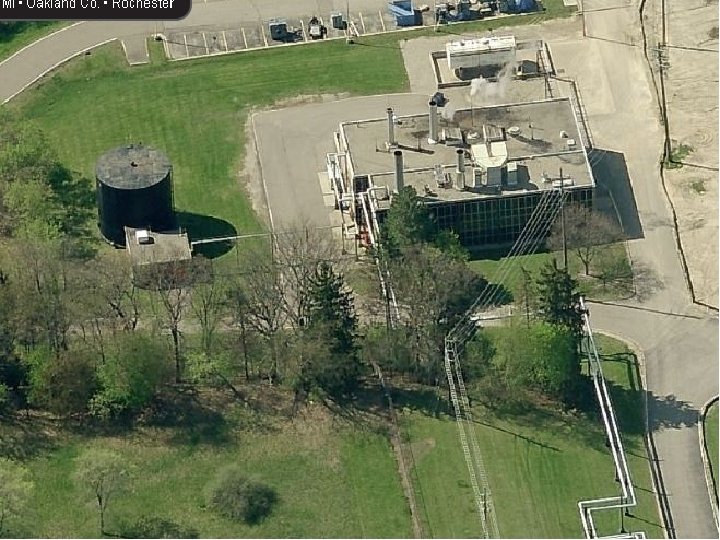
Oakland University Projects 4. 6 MW 400 k. W
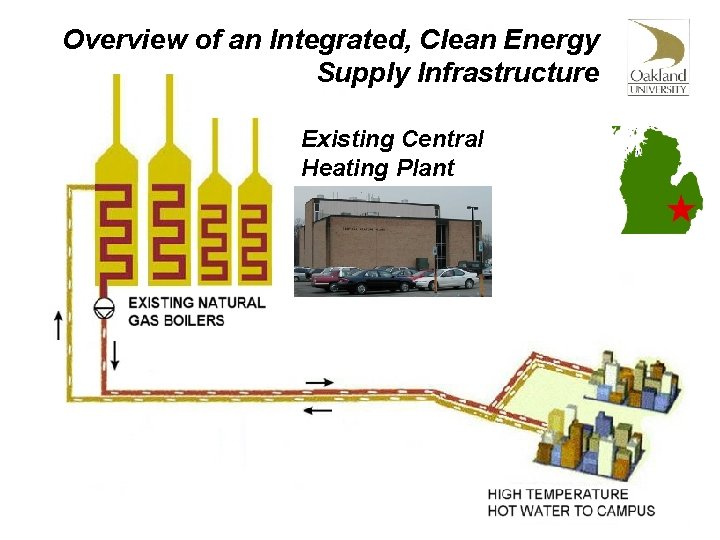
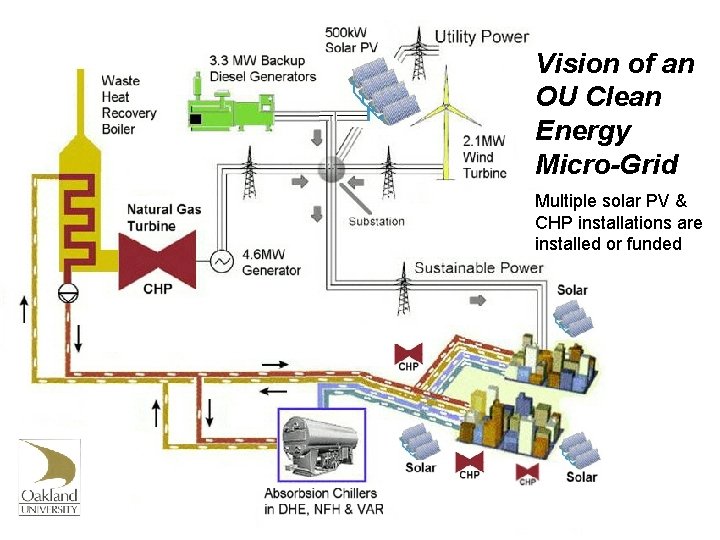
Overview of an Integrated, Clean Energy Supply Infrastructure Existing Central Heating Plant
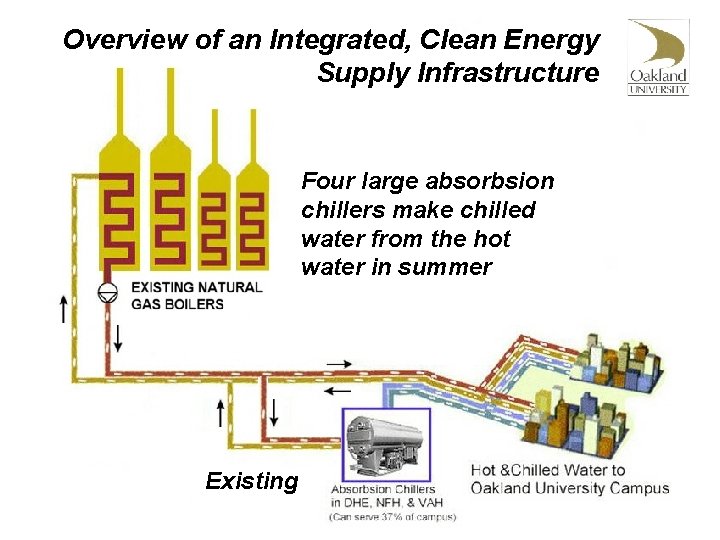
Overview of an Integrated, Clean Energy Supply Infrastructure Four large absorbsion chillers make chilled water from the hot water in summer Existing
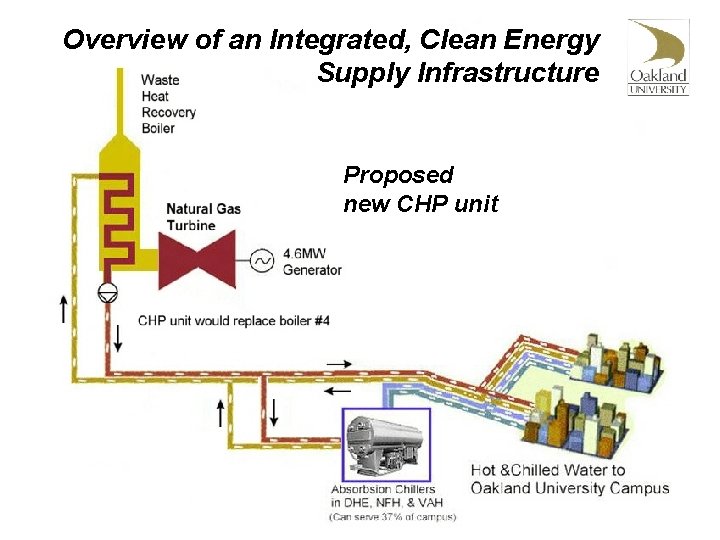
Overview of an Integrated, Clean Energy Supply Infrastructure Proposed new CHP unit
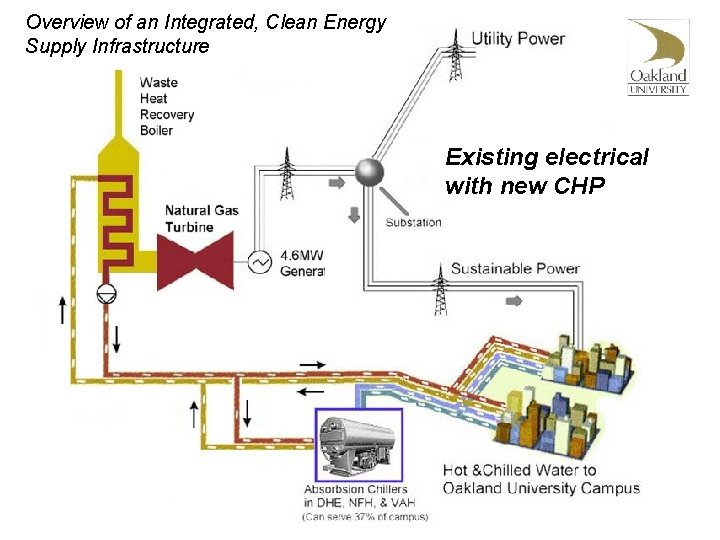
Overview of an Integrated, Clean Energy Supply Infrastructure Existing electrical with new CHP
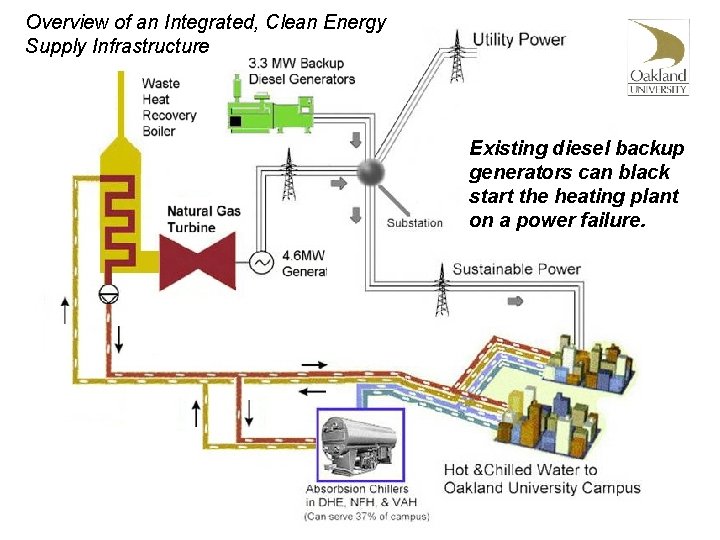
Overview of an Integrated, Clean Energy Supply Infrastructure Existing diesel backup generators can black start the heating plant on a power failure.
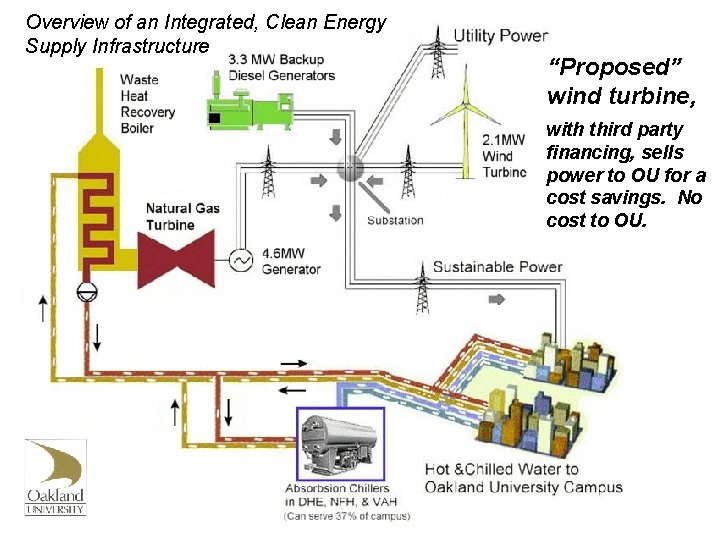
Overview of an Integrated, Clean Energy Supply Infrastructure “Proposed” wind turbine, with third party financing, sells power to OU for a cost savings. No cost to OU.
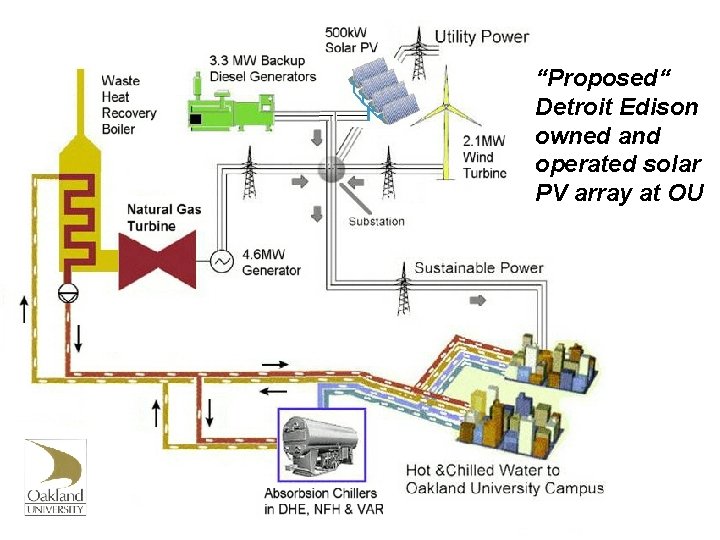
“Proposed“ Detroit Edison owned and operated solar PV array at OU
Vision of an OU Clean Energy Micro-Grid Multiple solar PV & CHP installations are installed or funded
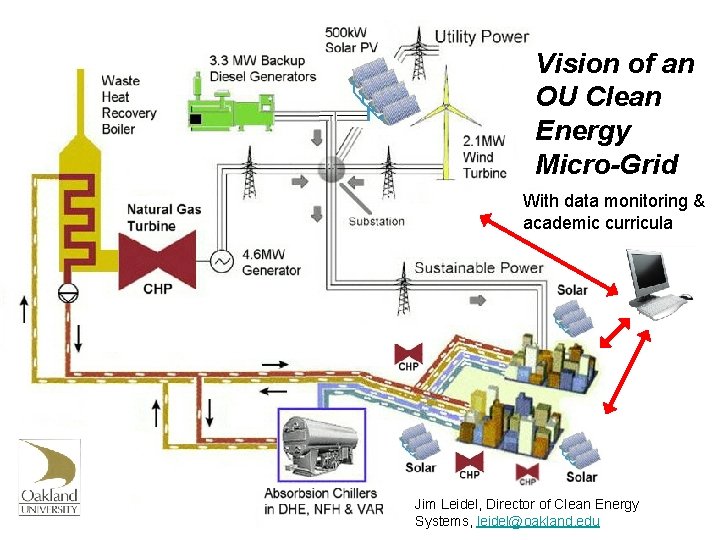
Vision of an OU Clean Energy Micro-Grid With data monitoring & academic curricula Jim Leidel, Director of Clean Energy Systems, leidel@oakland. edu
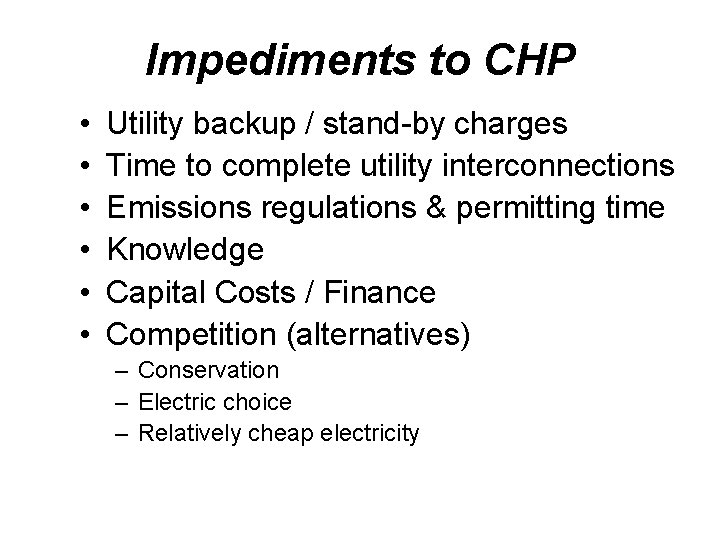
Impediments to CHP • • • Utility backup / stand-by charges Time to complete utility interconnections Emissions regulations & permitting time Knowledge Capital Costs / Finance Competition (alternatives) – Conservation – Electric choice – Relatively cheap electricity
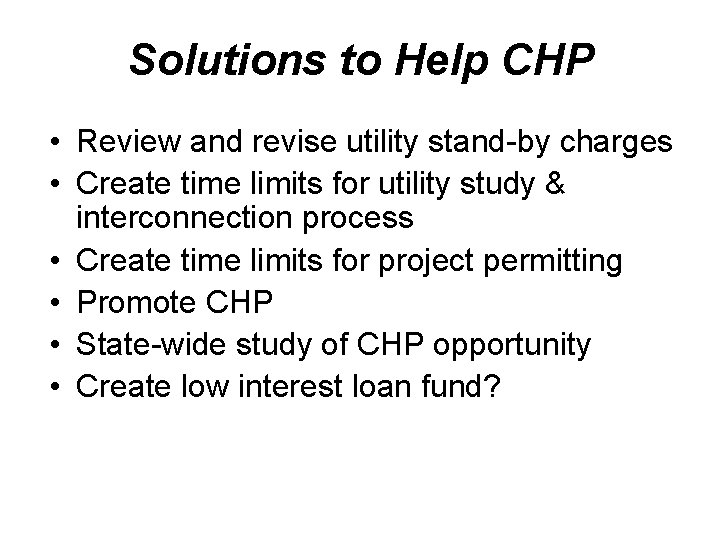
Solutions to Help CHP • Review and revise utility stand-by charges • Create time limits for utility study & interconnection process • Create time limits for project permitting • Promote CHP • State-wide study of CHP opportunity • Create low interest loan fund?
Thank you Questions? Jim Leidel Director of Clean Energy Systems Oakland University leidel@oakland. edu www. oakland. edu/CERC Clean Energy Research Center & OU INC