
What is Chemistry Chapter One Chemistry Study of
- Slides: 17
What is Chemistry? Chapter One
Chemistry • Study of the composition of matter and the changes that matter undergoes • Matter- anything that has mass and occupies space
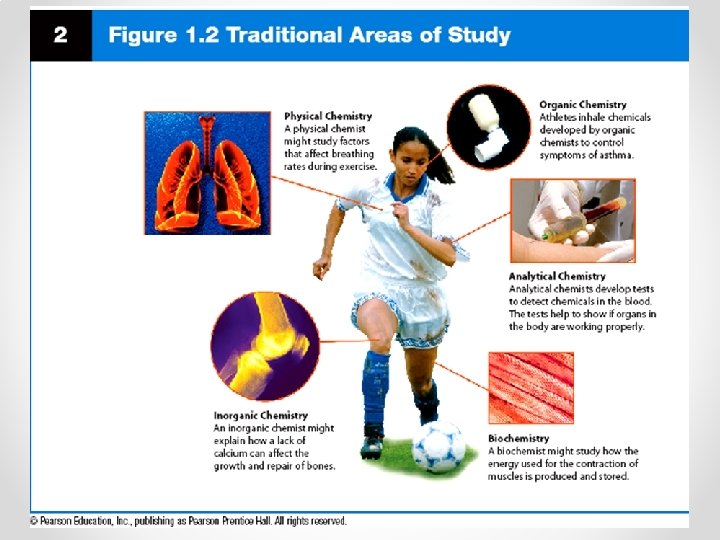
5 Areas of Study • Organic Chemistry- study of all chemicals containing carbon • Inorganic chemistry- study of all chemicals that do not contain carbon • Biochemistry- study of processes that take place in organisms • Analytical Chemistry- study that focuses on the composition of matter • Physical Chemistry- deals with the mechanism, the rate, and the energy transfer that occurs when matter undergoes a change • Boundaries are not firm and will overlap
Pure Vs. Applied Chemistry • Pure chemistry is the pursuit of chemical knowledge for the sake of gaining information • Applied Chemistry is using chemistry to attain certain goals, in fields like medicine, agriculture, and manufacturing – leads to an application o Ex. aspirin
Technology • Is the means by which a society provides its members with those things needed and desired • Allows humans to do some things more quickly or with less effort
Why do we need to study chemistry?
1. 2 Chemistry Far & Wide
Materials • Chemists design materials to fit specific needs • Example – burrs into velcro • Macroscopic- being able to see the world with your naked eye o Ex. Burr • Microscopic- only able to see under magnification o Ex. Hooks on burr
Energy • Demands for energy continue to increase. • Two ways to meet the demand for energy is to conserve and produce energy • Chemists play an essential role in finding ways to conserve energy, produce energy, and store energy.
Conservation of Energy • One of the easiest ways to conserve energy is through the use of insulation • Insulation acts as a barrier to allow heat to flow from the inside to the outside of houses
Production of Energy • Burning of coal, petroleum, and natural gas is a major source of energy called fossil fuels • They are formed by the remains of plants and animals
Storage • Batteries are devices that use chemicals to store energy. • These tools were first developed by NASA
Medicine and Biotechnology • Chemistry supplies the medicines, materials, and technology that doctors use to treat their patients • Work in the medical field is done by biochemists • Chemists have to know how the body and chemicals work to make medicine that is safe and effective
Agriculture • Chemists help to develop more productive crops and safer, more effective ways to protect crops. • You can use chemistry to make the soil more productive and keep pests off your crops
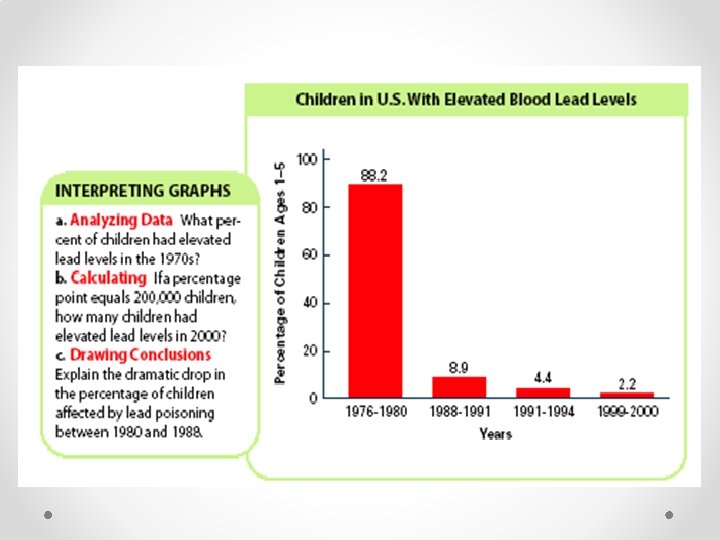
The Environment • Technology produces pollutants • A pollutant is a material found in the air, water, or soil that is harmful to humans or other organisms • Chemists help to identify and prevent pollution. • Lead in paint