
WHAT IS CANCER Cancer isnt a single disease

- Slides: 61
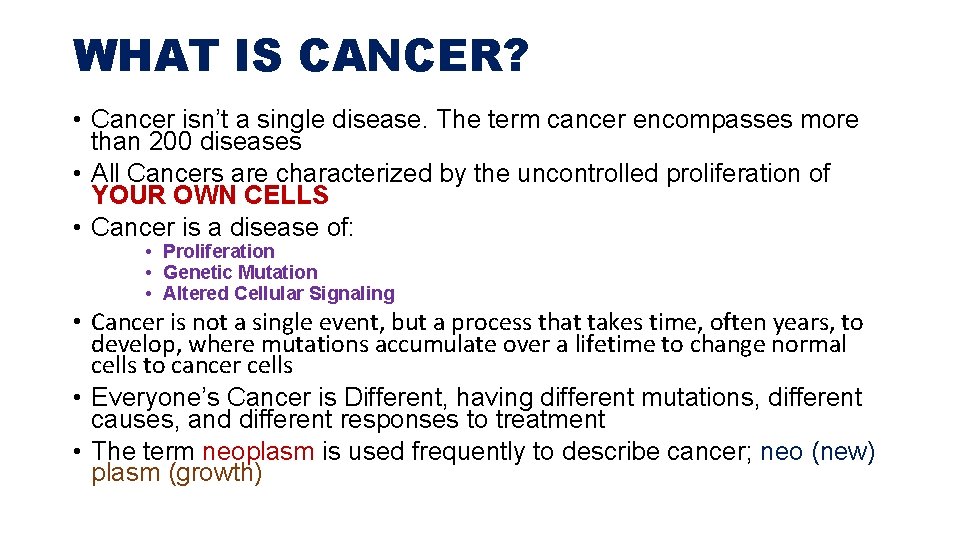
WHAT IS CANCER? • Cancer isn’t a single disease. The term cancer encompasses more than 200 diseases • All Cancers are characterized by the uncontrolled proliferation of YOUR OWN CELLS • Cancer is a disease of: • Proliferation • Genetic Mutation • Altered Cellular Signaling • Cancer is not a single event, but a process that takes time, often years, to develop, where mutations accumulate over a lifetime to change normal cells to cancer cells • Everyone’s Cancer is Different, having different mutations, different causes, and different responses to treatment • The term neoplasm is used frequently to describe cancer; neo (new) plasm (growth)
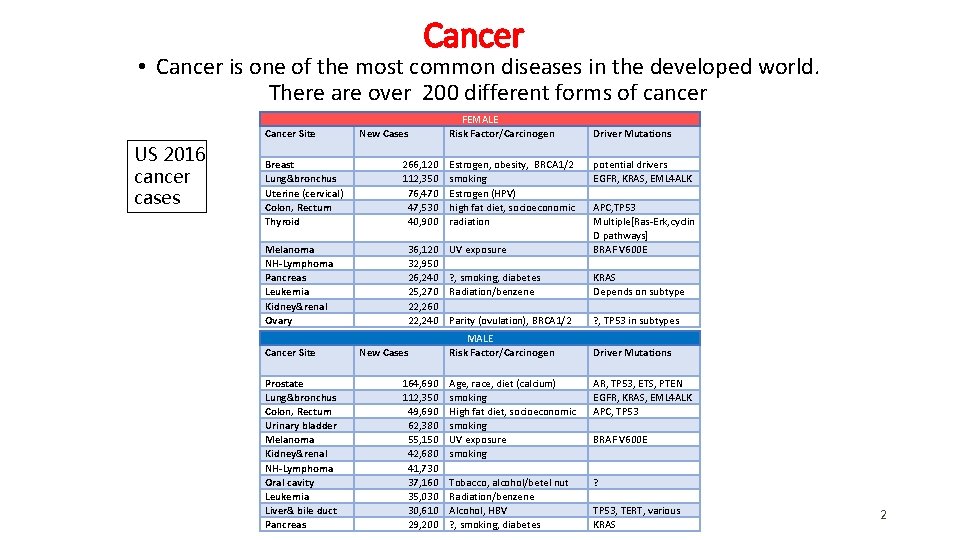
Cancer • Cancer is one of the most common diseases in the developed world. There are over 200 different forms of cancer Cancer Site US 2016 cancer cases Breast Lung&bronchus Uterine (cervical) Colon, Rectum Thyroid Melanoma NH-Lymphoma Pancreas Leukemia Kidney&renal Ovary Cancer Site Prostate Lung&bronchus Colon, Rectum Urinary bladder Melanoma Kidney&renal NH-Lymphoma Oral cavity Leukemia Liver& bile duct Pancreas New Cases 266, 120 112, 350 76, 470 47, 530 40, 900 36, 120 32, 950 26, 240 25, 270 22, 260 22, 240 New Cases 164, 690 112, 350 49, 690 62, 380 55, 150 42, 680 41, 730 37, 160 35, 030 30, 610 29, 200 FEMALE Risk Factor/Carcinogen Estrogen, obesity, BRCA 1/2 smoking Estrogen (HPV) high fat diet, socioeconomic radiation Driver Mutations potential drivers EGFR, KRAS, EML 4 ALK UV exposure APC, TP 53 Multiple[Ras-Erk, cyclin D pathways] BRAF V 600 E ? , smoking, diabetes Radiation/benzene KRAS Depends on subtype Parity (ovulation), BRCA 1/2 ? , TP 53 in subtypes MALE Risk Factor/Carcinogen Driver Mutations Age, race, diet (calcium) smoking High fat diet, socioeconomic smoking UV exposure smoking AR, TP 53, ETS, PTEN EGFR, KRAS, EML 4 ALK APC, TP 53 Tobacco, alcohol/betel nut Radiation/benzene Alcohol, HBV ? , smoking, diabetes ? BRAF V 600 E TP 53, TERT, various KRAS 2
CARGINOGENESIS § Carcinogenesis is a multistep process that drives normal cells to evolve progressively towards a malignant, neoplastic state, and ultimately to acquire metastatic features. § During this process non-cancer cells develop stepwise various biological capabilities that enable them to acquire their tumorigenic potential. Note: sometimes the word carcinogenesis and oncogenesis are used interchangeably Tumorigenesis: formation of a tumor 3
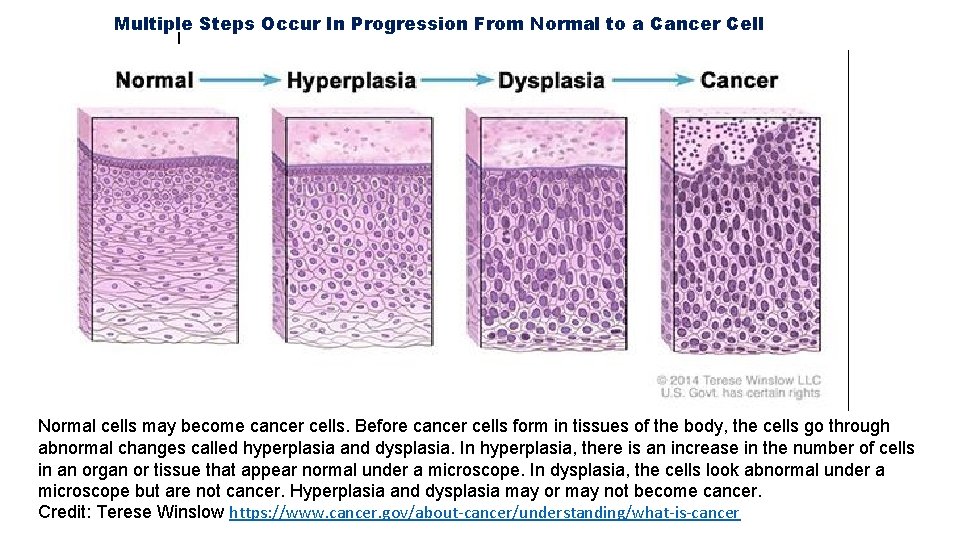
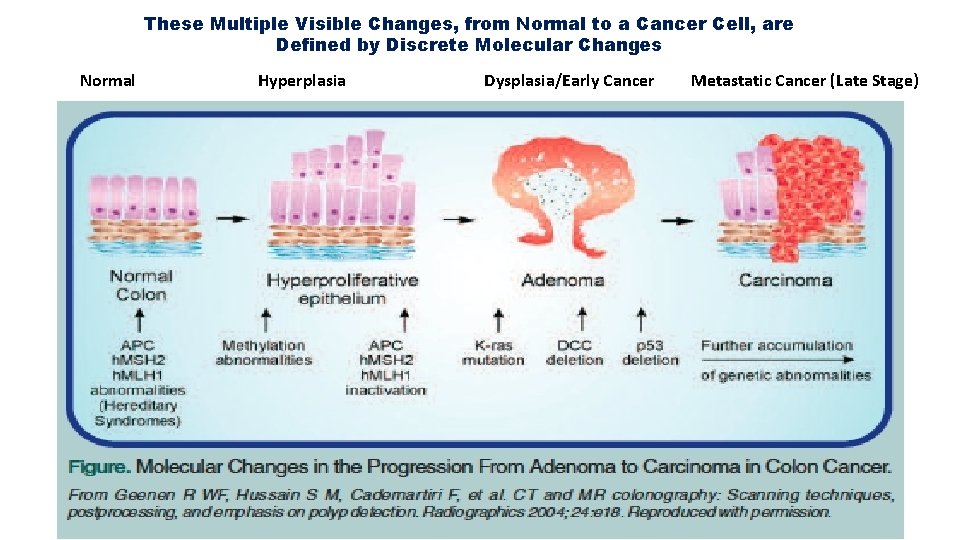
Multiple Steps Occur In Progression From Normal to a Cancer Cell l Normal cells may become cancer cells. Before cancer cells form in tissues of the body, the cells go through abnormal changes called hyperplasia and dysplasia. In hyperplasia, there is an increase in the number of cells in an organ or tissue that appear normal under a microscope. In dysplasia, the cells look abnormal under a microscope but are not cancer. Hyperplasia and dysplasia may or may not become cancer. Credit: Terese Winslow https: //www. cancer. gov/about-cancer/understanding/what-is-cancer
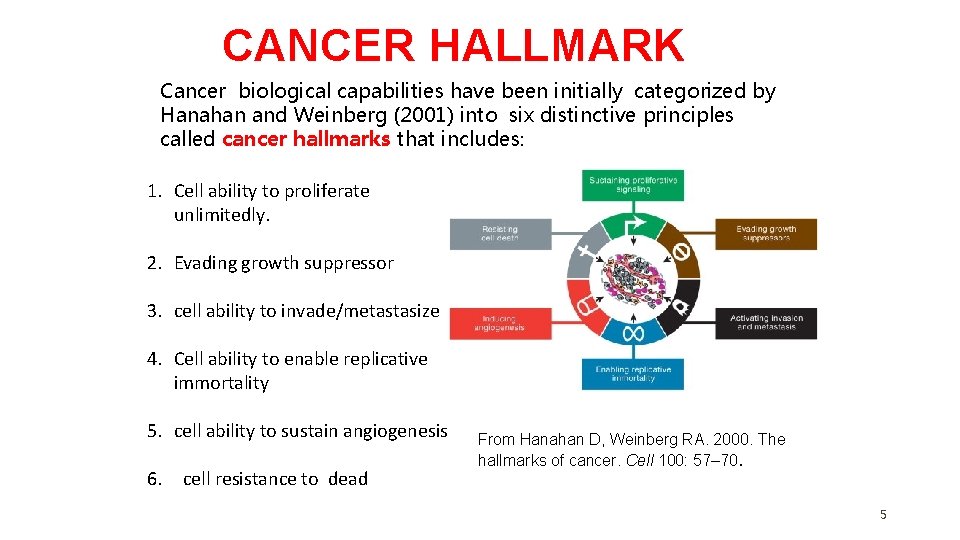
CANCER HALLMARK Cancer biological capabilities have been initially categorized by Hanahan and Weinberg (2001) into six distinctive principles called cancer hallmarks that includes: 1. Cell ability to proliferate unlimitedly. 2. Evading growth suppressor 3. cell ability to invade/metastasize 4. Cell ability to enable replicative immortality 5. cell ability to sustain angiogenesis 6. cell resistance to dead From Hanahan D, Weinberg RA. 2000. The hallmarks of cancer. Cell 100: 57– 70. 5
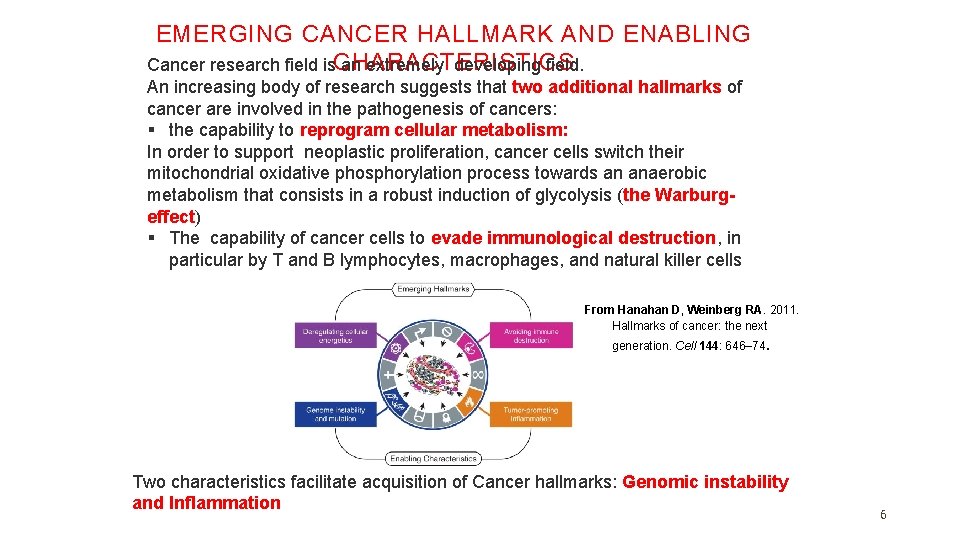
EMERGING CANCER HALLMARK AND ENABLING Cancer research field is. CHARACTERISTICS an extremely developing field. An increasing body of research suggests that two additional hallmarks of cancer are involved in the pathogenesis of cancers: § the capability to reprogram cellular metabolism: In order to support neoplastic proliferation, cancer cells switch their mitochondrial oxidative phosphorylation process towards an anaerobic metabolism that consists in a robust induction of glycolysis (the Warburgeffect) § The capability of cancer cells to evade immunological destruction, in particular by T and B lymphocytes, macrophages, and natural killer cells From Hanahan D, Weinberg RA. 2011. Hallmarks of cancer: the next generation. Cell 144: 646– 74. Two characteristics facilitate acquisition of Cancer hallmarks: Genomic instability and Inflammation 6
These Multiple Visible Changes, from Normal to a Cancer Cell, are Defined by Discrete Molecular Changes Normal Hyperplasia Dysplasia/Early Cancer Metastatic Cancer (Late Stage)
Cancer is a Disease of Uncontrolled Proliferation and Genetic Instability
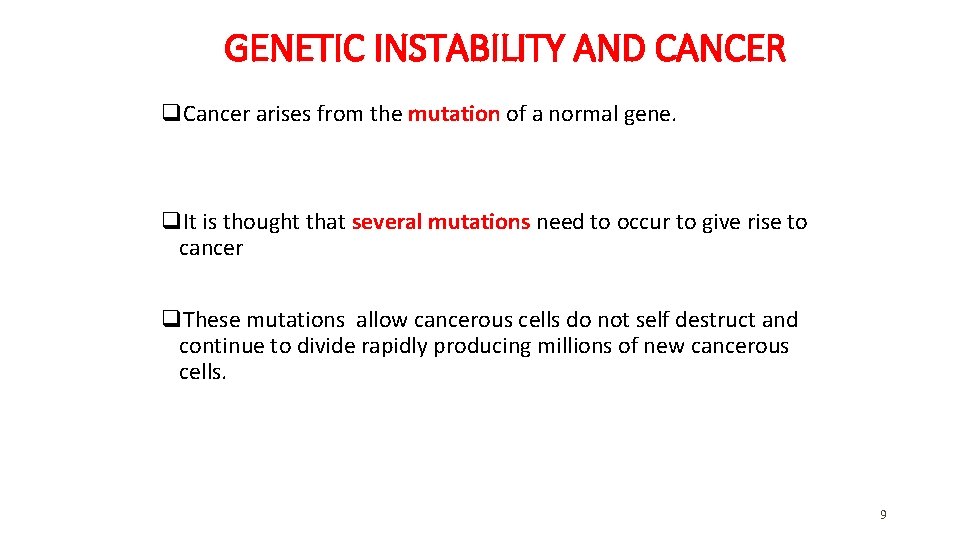
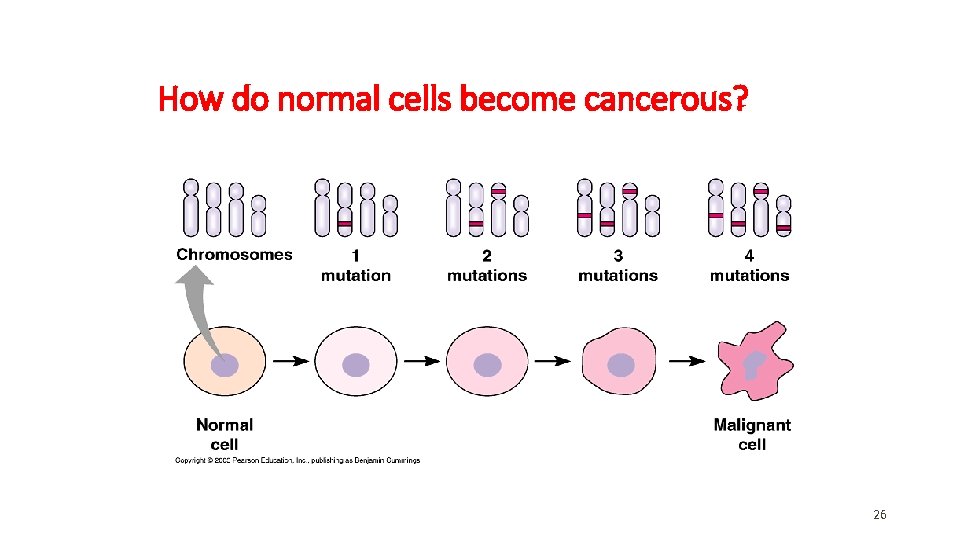
GENETIC INSTABILITY AND CANCER q. Cancer arises from the mutation of a normal gene. q. It is thought that several mutations need to occur to give rise to cancer q. These mutations allow cancerous cells do not self destruct and continue to divide rapidly producing millions of new cancerous cells. 9
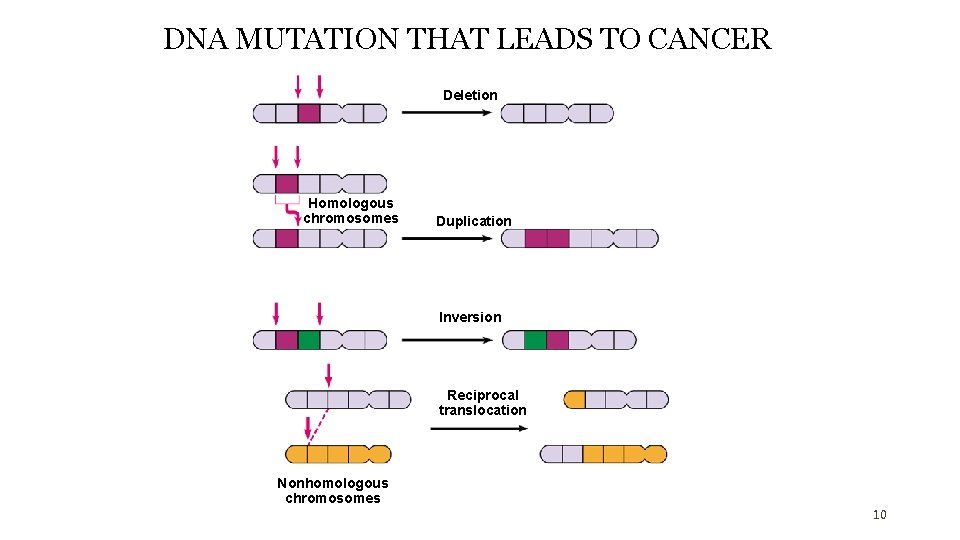
DNA MUTATION THAT LEADS TO CANCER Deletion Homologous chromosomes Duplication Inversion Reciprocal translocation Nonhomologous chromosomes 10
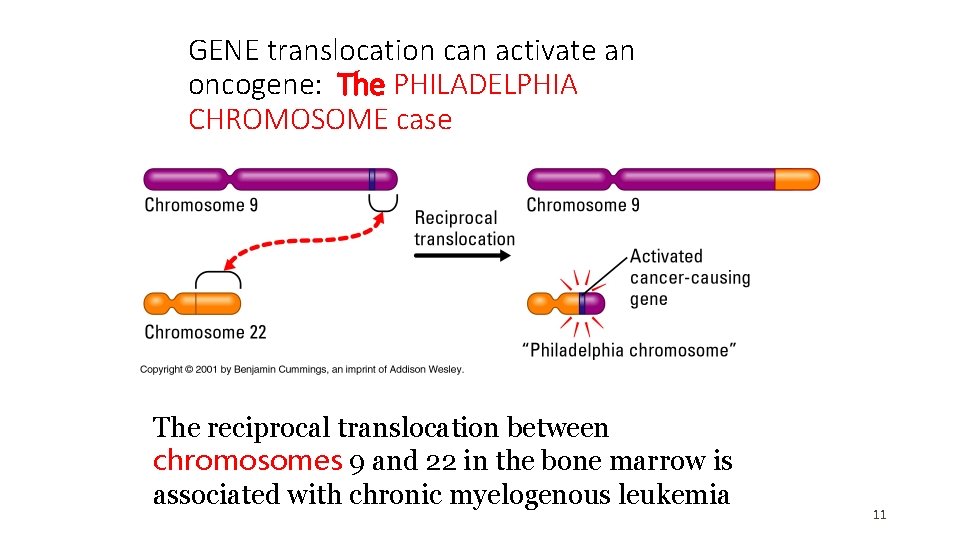
GENE translocation can activate an oncogene: The PHILADELPHIA CHROMOSOME case The reciprocal translocation between chromosomes 9 and 22 in the bone marrow is associated with chronic myelogenous leukemia 11
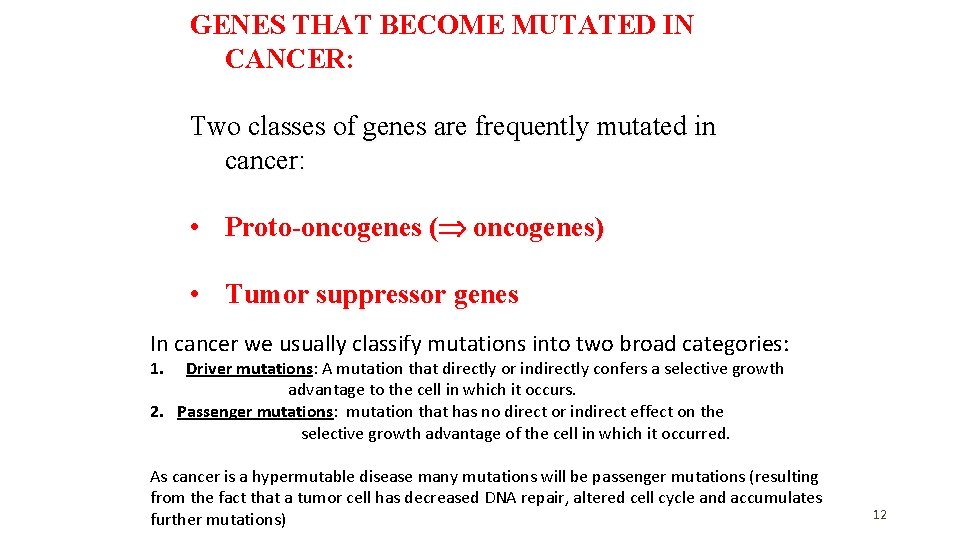
GENES THAT BECOME MUTATED IN CANCER: Two classes of genes are frequently mutated in cancer: • Proto-oncogenes ( oncogenes) • Tumor suppressor genes In cancer we usually classify mutations into two broad categories: 1. Driver mutations: A mutation that directly or indirectly confers a selective growth advantage to the cell in which it occurs. 2. Passenger mutations: mutation that has no direct or indirect effect on the selective growth advantage of the cell in which it occurred. As cancer is a hypermutable disease many mutations will be passenger mutations (resulting from the fact that a tumor cell has decreased DNA repair, altered cell cycle and accumulates further mutations) 12
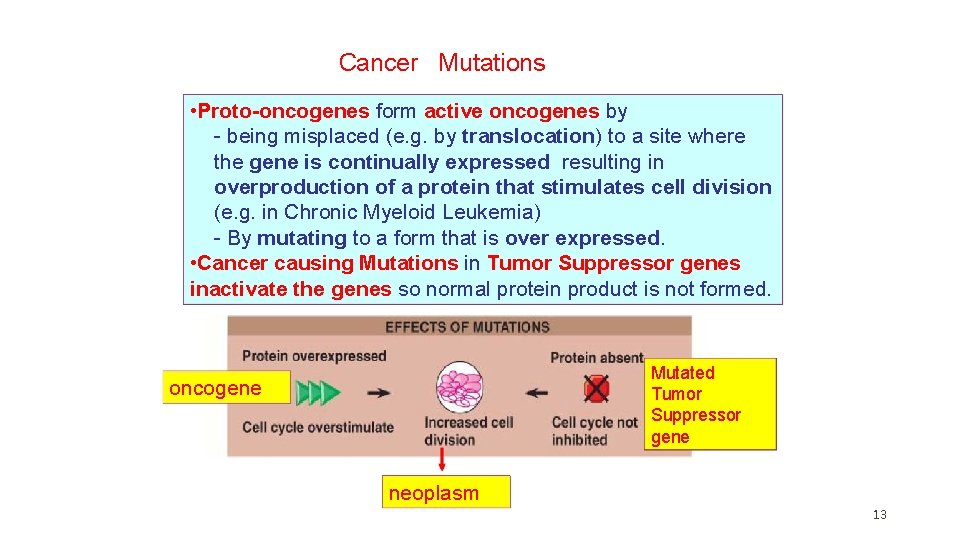
Cancer Mutations • Proto-oncogenes form active oncogenes by - being misplaced (e. g. by translocation) to a site where the gene is continually expressed resulting in overproduction of a protein that stimulates cell division (e. g. in Chronic Myeloid Leukemia) - By mutating to a form that is over expressed. • Cancer causing Mutations in Tumor Suppressor genes inactivate the genes so normal protein product is not formed. Mutated Tumor Suppressor gene oncogene neoplasm 13
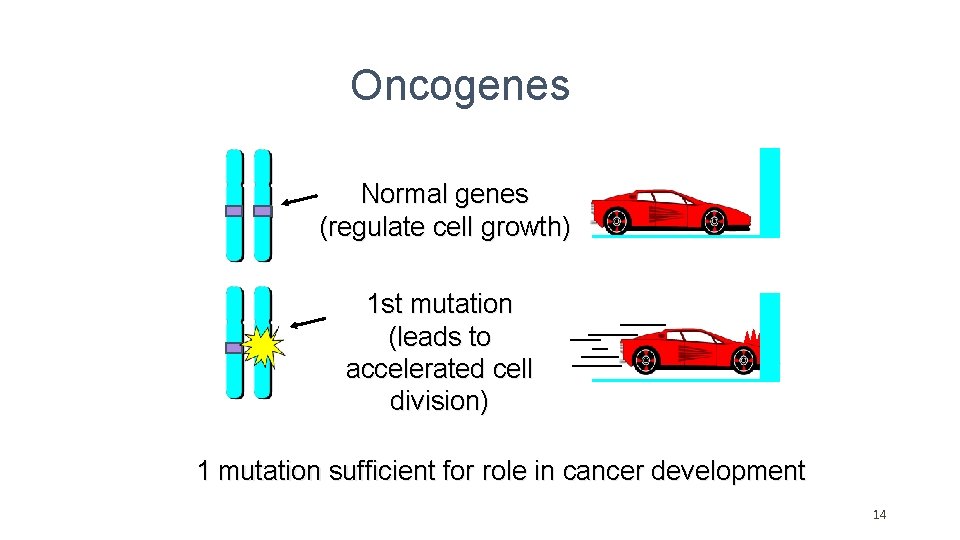
Oncogenes Normal genes (regulate cell growth) 1 st mutation (leads to accelerated cell division) 1 mutation sufficient for role in cancer development 14
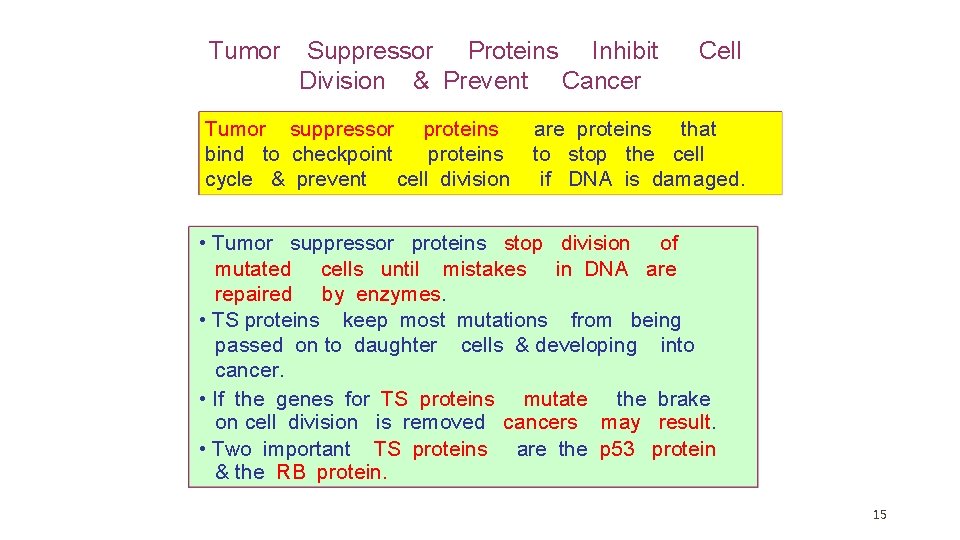
Tumor Suppressor Proteins Inhibit Division & Prevent Cancer Tumor suppressor proteins bind to checkpoint proteins cycle & prevent cell division Cell are proteins that to stop the cell if DNA is damaged. • Tumor suppressor proteins stop division of mutated cells until mistakes in DNA are repaired by enzymes. • TS proteins keep most mutations from being passed on to daughter cells & developing into cancer. • If the genes for TS proteins mutate the brake on cell division is removed cancers may result. • Two important TS proteins are the p 53 protein & the RB protein. 15
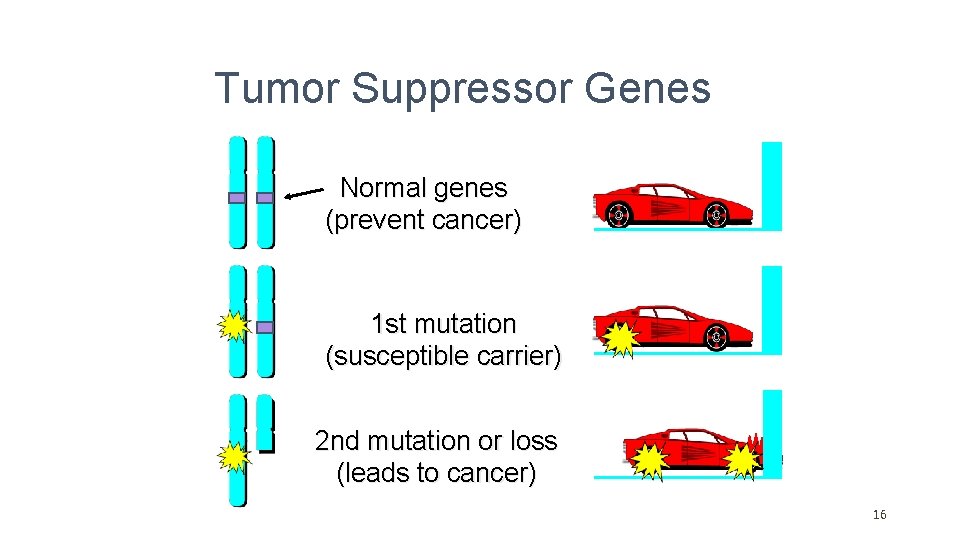
Tumor Suppressor Genes Normal genes (prevent cancer) 1 st mutation (susceptible carrier) 2 nd mutation or loss (leads to cancer) 16
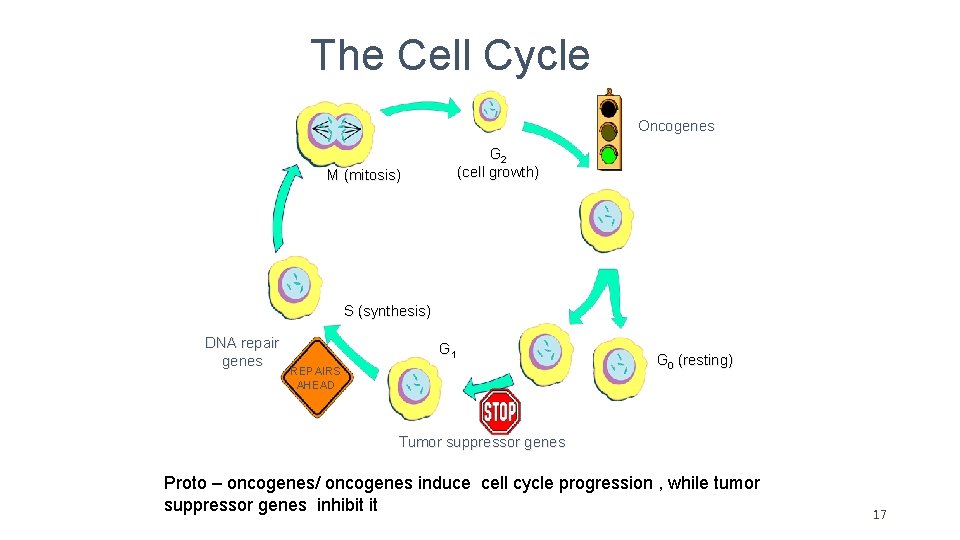
The Cell Cycle Oncogenes G 2 (cell growth) M (mitosis) S (synthesis) DNA repair genes G 1 REPAIRS AHEAD G 0 (resting) Tumor suppressor genes Proto – oncogenes/ oncogenes induce cell cycle progression , while tumor suppressor genes inhibit it 17
Cancer is also a disease of altered Cell Signaling • Mutations that cause gene rearrangements, inversions, and gene fusions create proteins with altered functions • Some of these functions are related to regulating the growth of the cell or providing stimulus for the cell to divide • In Cancer, these altered proteins and therefore altered functions can result in a cell proliferating and can promote cells which have been damaged to keep dividing
WHAT IS The CELL SIGNALING? How cells receive and respond to signals from their surroundings ü On one hand, cell signaling regulates gene expression and controls the cell fate (proliferation, motility, differentiation and programmed cell death, or apoptosis). ü On the other hand, cell signaling allows for the organization of cells into tissues, which, in turn, generate organs. In addition, cell signaling is essential for the maintenance of cells, tissues and organs. 19
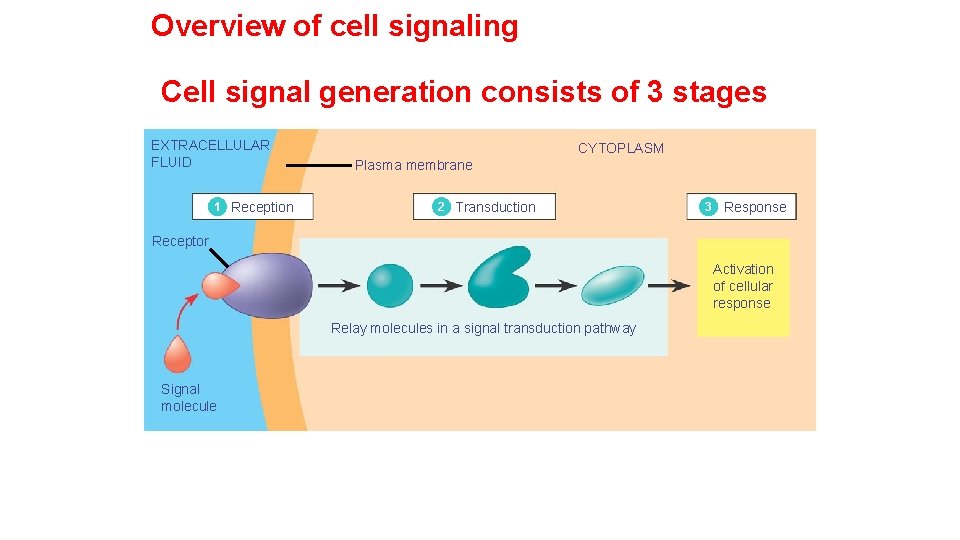
Overview of cell signaling Cell signal generation consists of 3 stages EXTRACELLULAR FLUID 1 Reception CYTOPLASM Plasma membrane 2 Transduction 3 Response Receptor Activation of cellular response Relay molecules in a signal transduction pathway Signal molecule
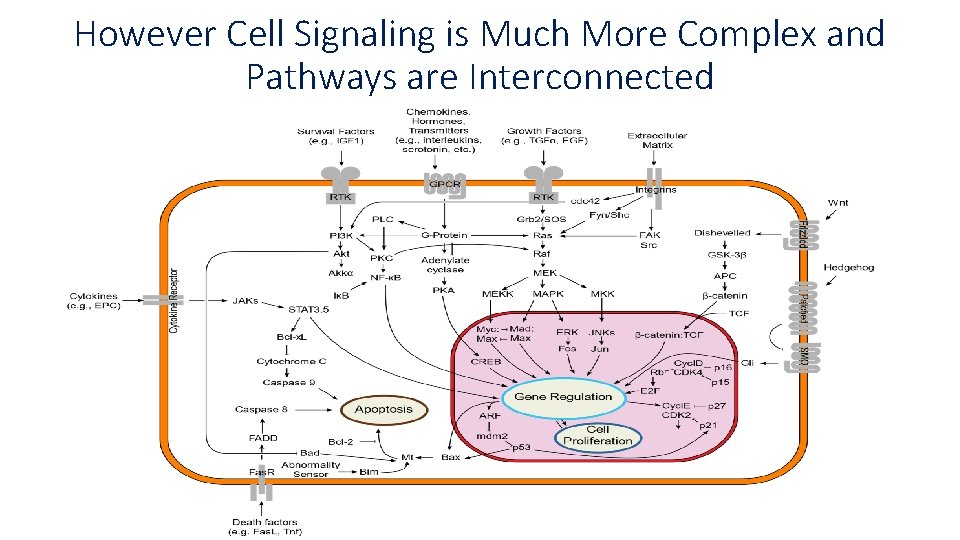
However Cell Signaling is Much More Complex and Pathways are Interconnected
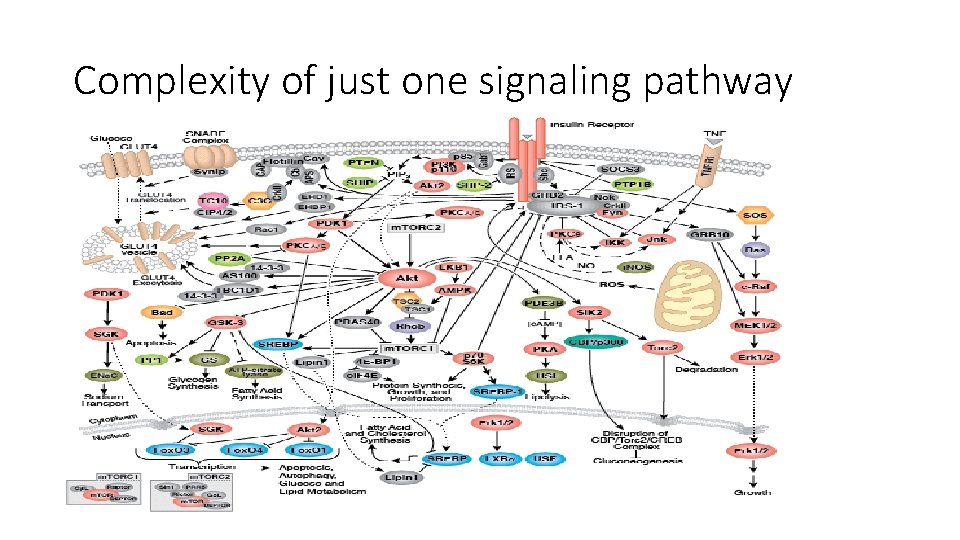
Complexity of just one signaling pathway
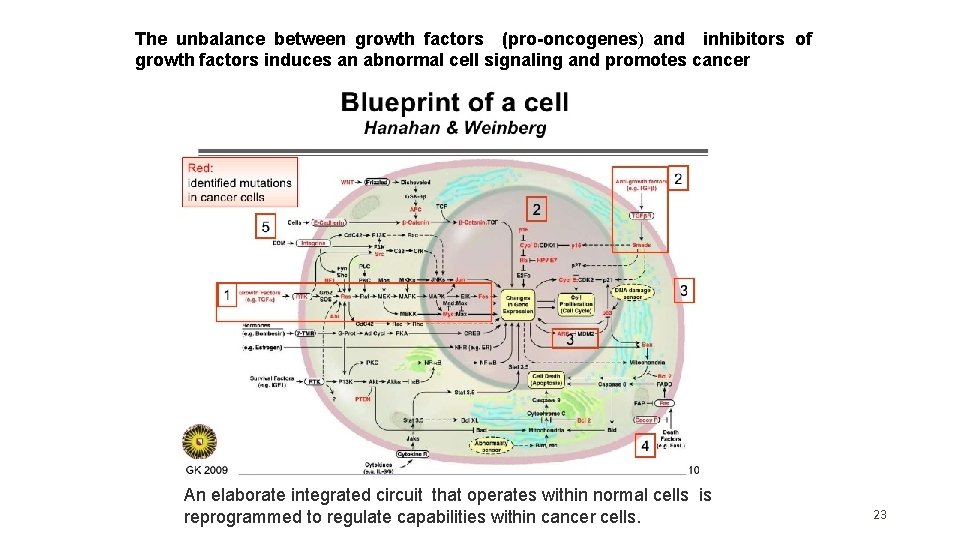
The unbalance between growth factors (pro-oncogenes) and inhibitors of growth factors induces an abnormal cell signaling and promotes cancer An elaborate integrated circuit that operates within normal cells is reprogrammed to regulate capabilities within cancer cells. 23
Cellular Signaling has to be Regulated or Disease Can Result • Signal Termination is Extremely Important to Prevent Cellular Signals from Going haywire. The Signal needs to be able to be shut off • In Cancer, there are commonly found mutations that interfere with the termination of cellular signals • This creates a situation where the signal can not shut off and if the signal is related to cell growth now a cell, which have damaging mutations, can proliferate unregulated • The APC protein regulates a cellular signal (the WNT pathway which controls colon cell proliferation) by destroying the signal. This gene is the most frequently mutated gene in many forms of colon cancer and is the primary mutated protein in this signaling pathway
STEPS OF CANCER PROGRESSION 25
How do normal cells become cancerous? 26
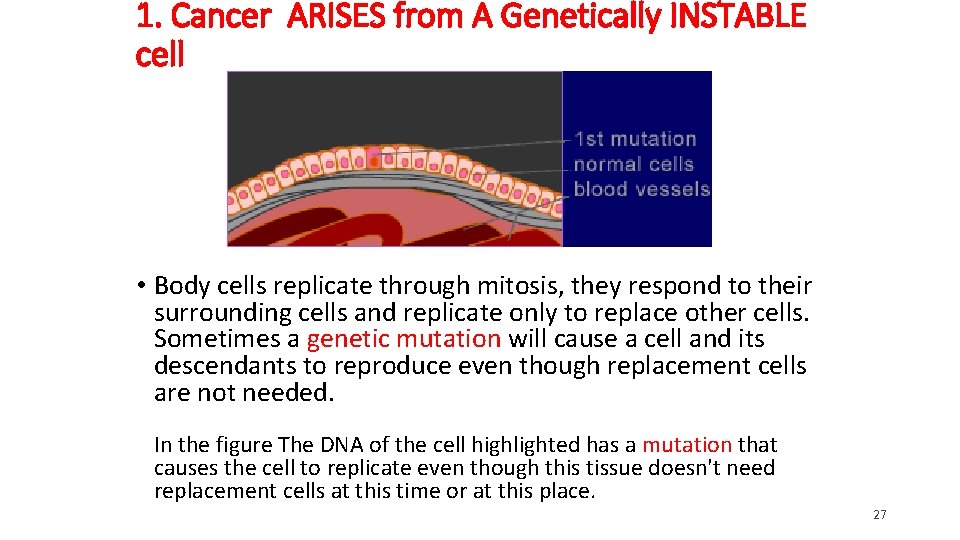
1. Cancer ARISES from A Genetically INSTABLE cell • Body cells replicate through mitosis, they respond to their surrounding cells and replicate only to replace other cells. Sometimes a genetic mutation will cause a cell and its descendants to reproduce even though replacement cells are not needed. In the figure The DNA of the cell highlighted has a mutation that causes the cell to replicate even though this tissue doesn't need replacement cells at this time or at this place. 27
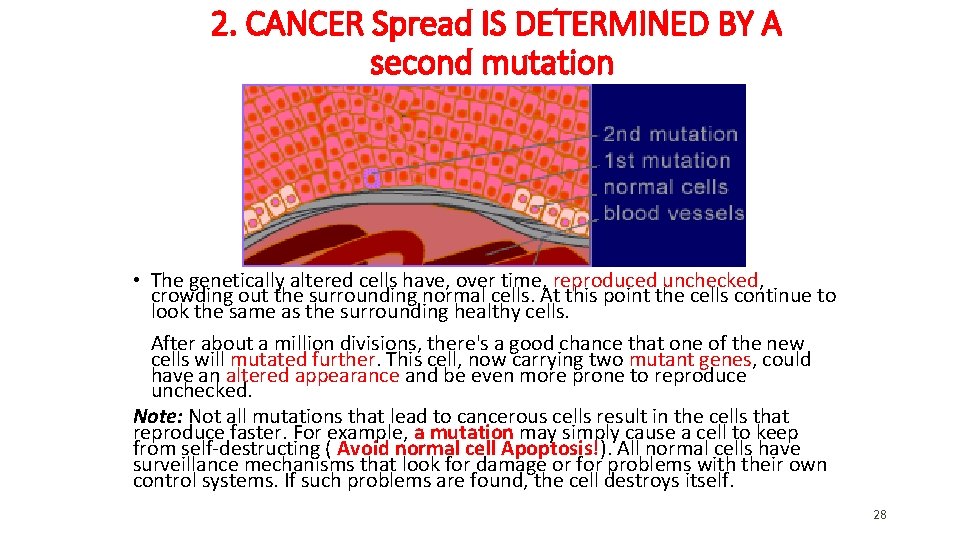
2. CANCER Spread IS DETERMINED BY A second mutation • The genetically altered cells have, over time, reproduced unchecked, crowding out the surrounding normal cells. At this point the cells continue to look the same as the surrounding healthy cells. After about a million divisions, there's a good chance that one of the new cells will mutated further. This cell, now carrying two mutant genes, could have an altered appearance and be even more prone to reproduce unchecked. Note: Not all mutations that lead to cancerous cells result in the cells that reproduce faster. For example, a mutation may simply cause a cell to keep from self-destructing ( Avoid normal cell Apoptosis!). All normal cells have surveillance mechanisms that look for damage or for problems with their own control systems. If such problems are found, the cell destroys itself. 28
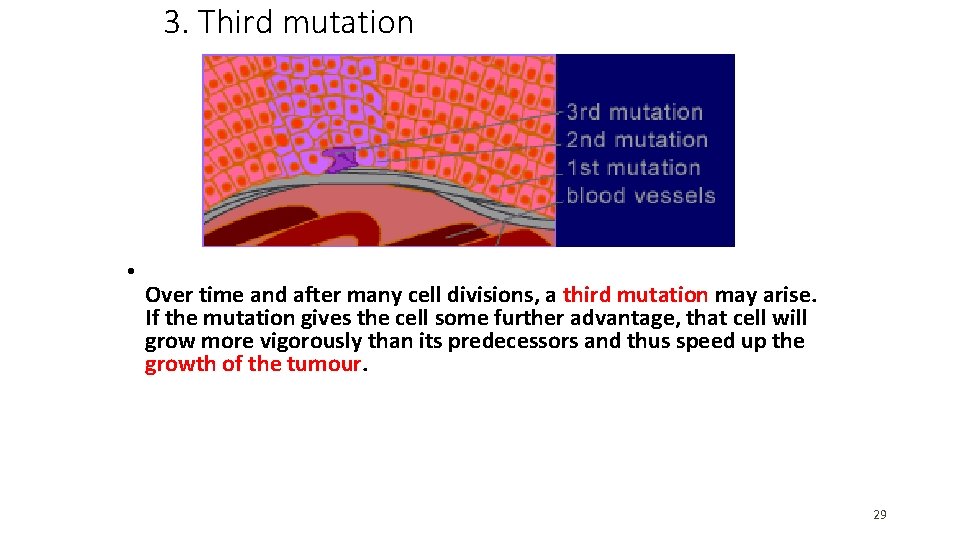
3. Third mutation • Over time and after many cell divisions, a third mutation may arise. If the mutation gives the cell some further advantage, that cell will grow more vigorously than its predecessors and thus speed up the growth of the tumour. 29
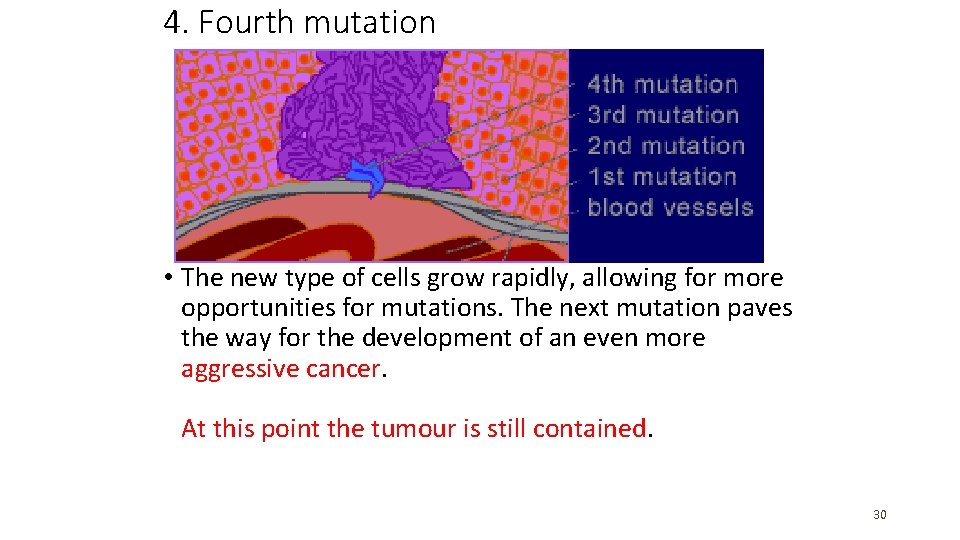
4. Fourth mutation • The new type of cells grow rapidly, allowing for more opportunities for mutations. The next mutation paves the way for the development of an even more aggressive cancer. At this point the tumour is still contained. 30
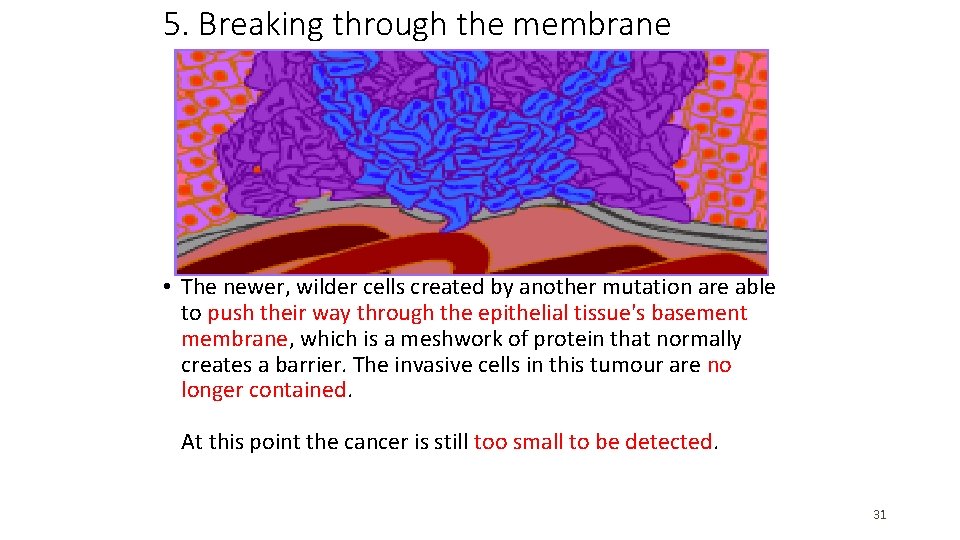
5. Breaking through the membrane • The newer, wilder cells created by another mutation are able to push their way through the epithelial tissue's basement membrane, which is a meshwork of protein that normally creates a barrier. The invasive cells in this tumour are no longer contained. At this point the cancer is still too small to be detected. 31
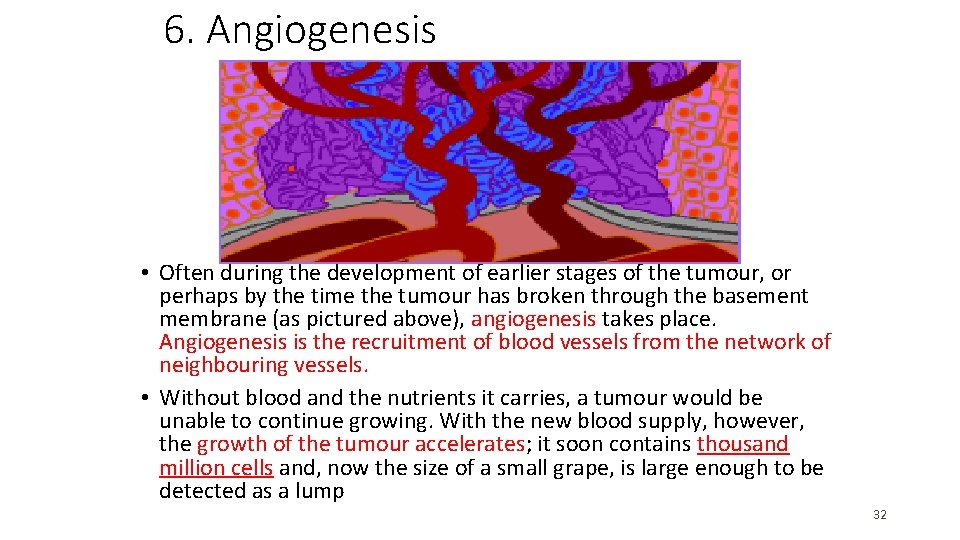
6. Angiogenesis • Often during the development of earlier stages of the tumour, or perhaps by the time the tumour has broken through the basement membrane (as pictured above), angiogenesis takes place. Angiogenesis is the recruitment of blood vessels from the network of neighbouring vessels. • Without blood and the nutrients it carries, a tumour would be unable to continue growing. With the new blood supply, however, the growth of the tumour accelerates; it soon contains thousand million cells and, now the size of a small grape, is large enough to be detected as a lump 32
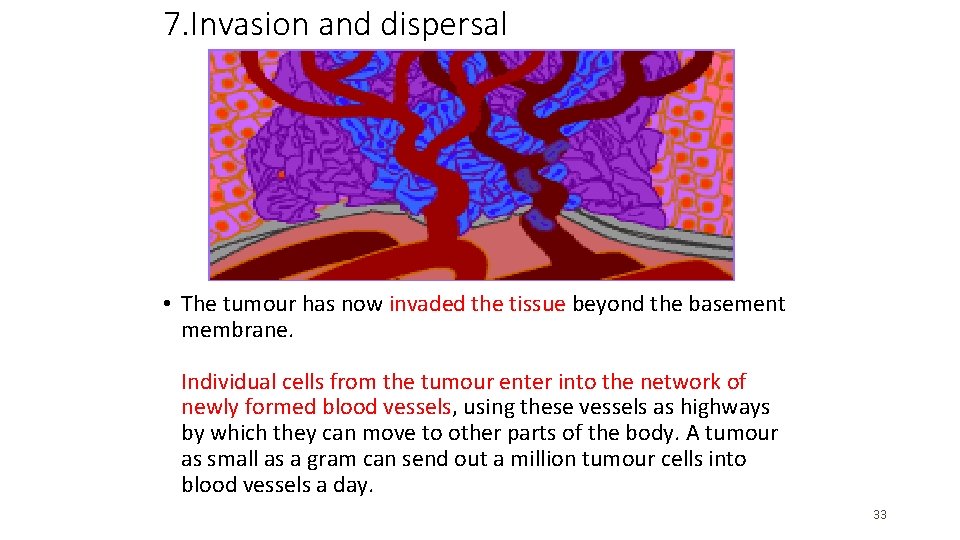
7. Invasion and dispersal • The tumour has now invaded the tissue beyond the basement membrane. Individual cells from the tumour enter into the network of newly formed blood vessels, using these vessels as highways by which they can move to other parts of the body. A tumour as small as a gram can send out a million tumour cells into blood vessels a day. 33
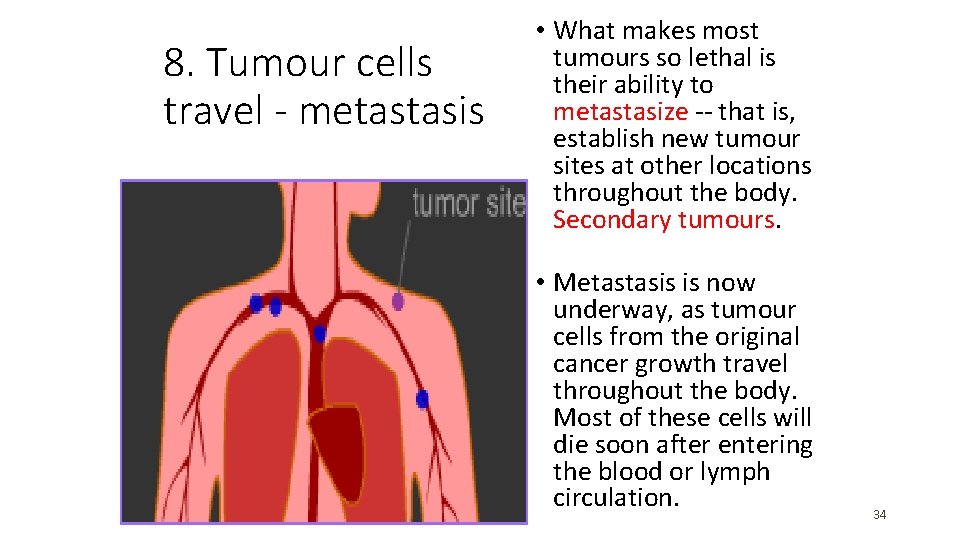
8. Tumour cells travel - metastasis • What makes most tumours so lethal is their ability to metastasize -- that is, establish new tumour sites at other locations throughout the body. Secondary tumours. • Metastasis is now underway, as tumour cells from the original cancer growth travel throughout the body. Most of these cells will die soon after entering the blood or lymph circulation. 34
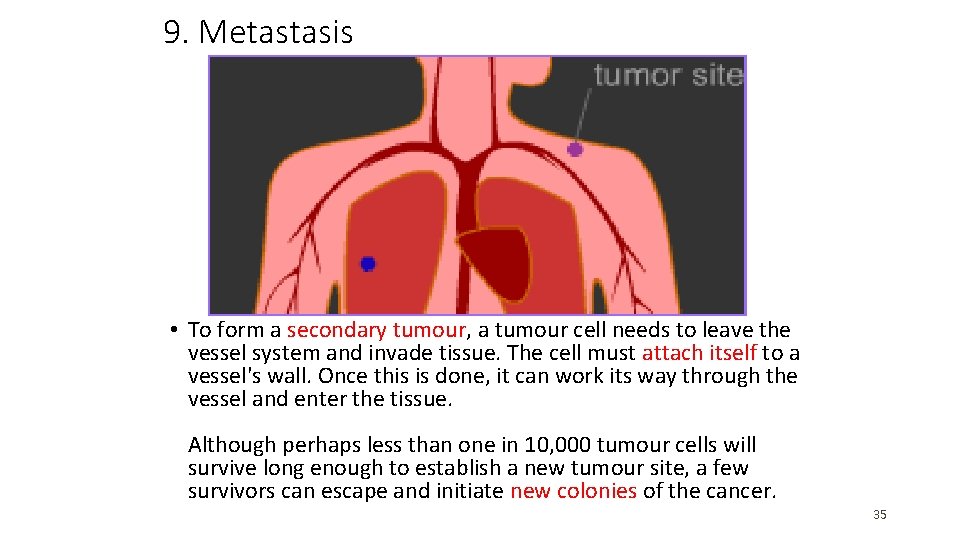
9. Metastasis • To form a secondary tumour, a tumour cell needs to leave the vessel system and invade tissue. The cell must attach itself to a vessel's wall. Once this is done, it can work its way through the vessel and enter the tissue. Although perhaps less than one in 10, 000 tumour cells will survive long enough to establish a new tumour site, a few survivors can escape and initiate new colonies of the cancer. 35
WHAT CAUSE GENE MUTATION • A factor which brings about a mutation is called a mutagen. • A mutagen is mutagenic. • Any agent that causes cancer is called a carcinogen and is described as carcinogenic. A carcinogen induces Cancer due to the ability to damage the genome or to the disruption of cellular metabolic processes. 36
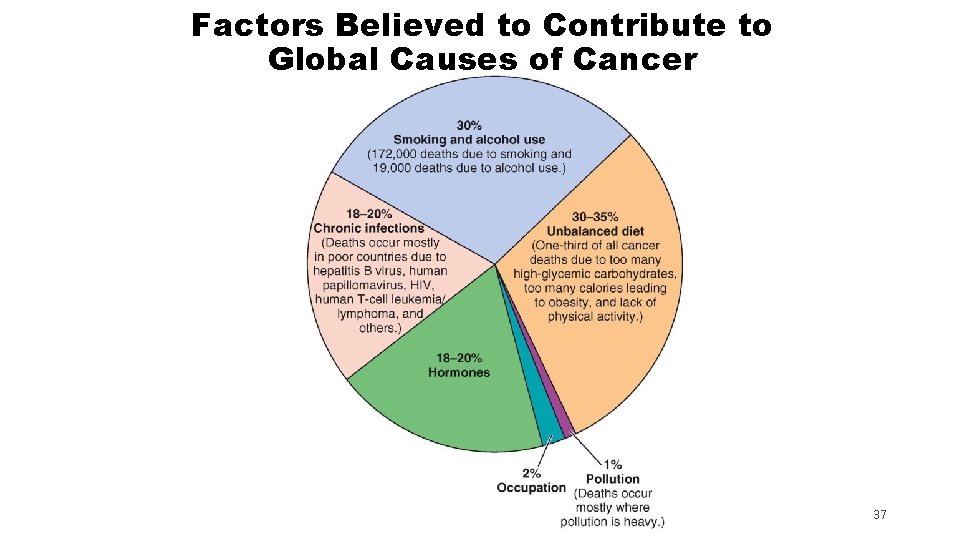
Factors Believed to Contribute to Global Causes of Cancer 37
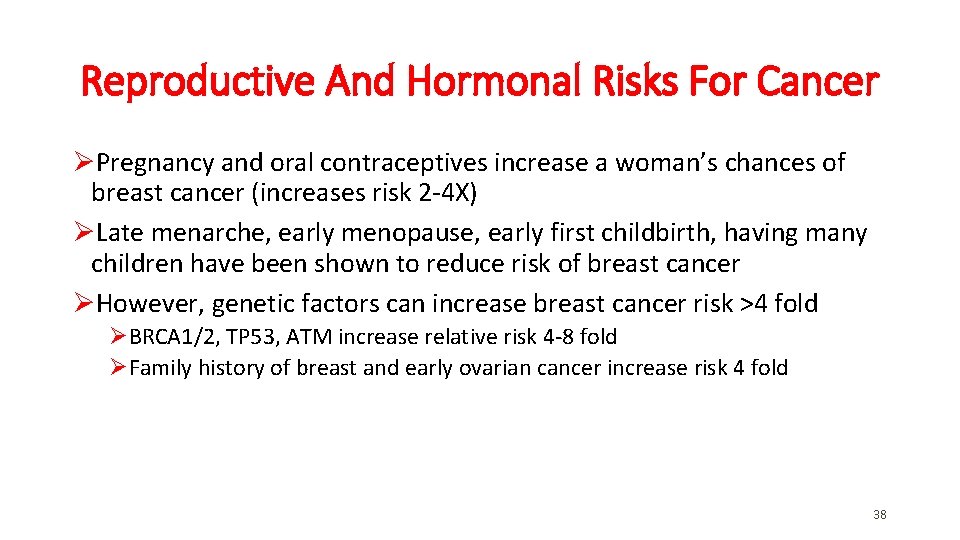
Reproductive And Hormonal Risks For Cancer ØPregnancy and oral contraceptives increase a woman’s chances of breast cancer (increases risk 2 -4 X) ØLate menarche, early menopause, early first childbirth, having many children have been shown to reduce risk of breast cancer ØHowever, genetic factors can increase breast cancer risk >4 fold ØBRCA 1/2, TP 53, ATM increase relative risk 4 -8 fold ØFamily history of breast and early ovarian cancer increase risk 4 fold 38
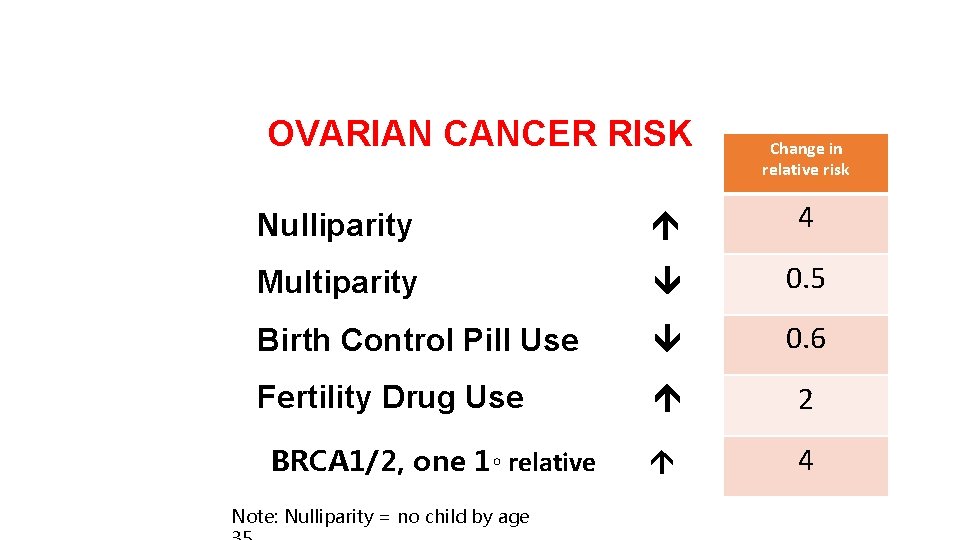
OVARIAN CANCER RISK Change in relative risk Nulliparity 4 Multiparity 0. 5 Birth Control Pill Use 0. 6 Fertility Drug Use 2 4 BRCA 1/2, one 1◦ relative Note: Nulliparity = no child by age
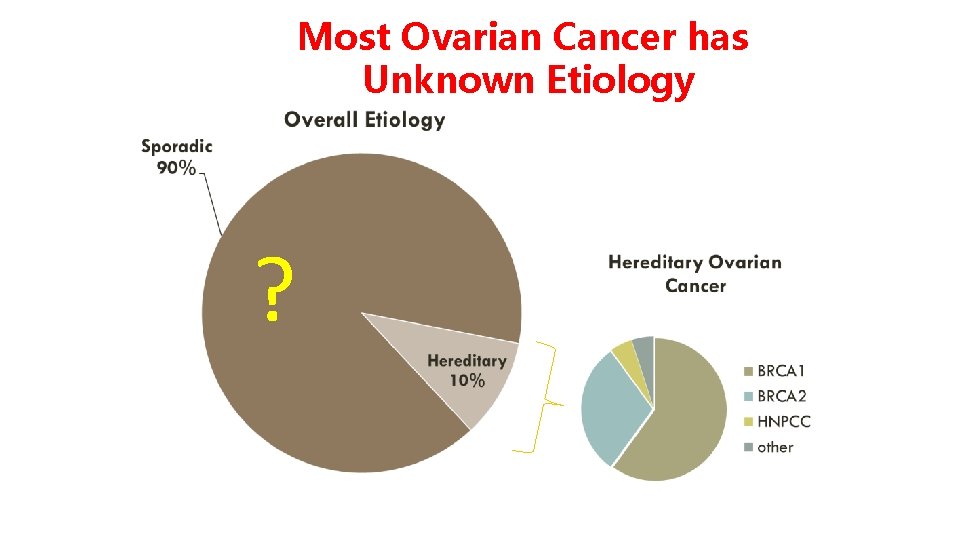
Most Ovarian Cancer has Unknown Etiology ?
Viral Factors ØHerpes-related viruses may be involved in the development of leukemia, Hodgkin’s disease, cervical cancer, and Burkitt’s lymphoma ØEpstein-Barr virus, associated with mononucleosis, may contribute to cancer ØHuman papillomavirus (HPV), virus that causes genital warts, has been linked to cervical cancer ØHelicobacter pylori causes ulcers which are a major factor in the development of stomach cancer 41
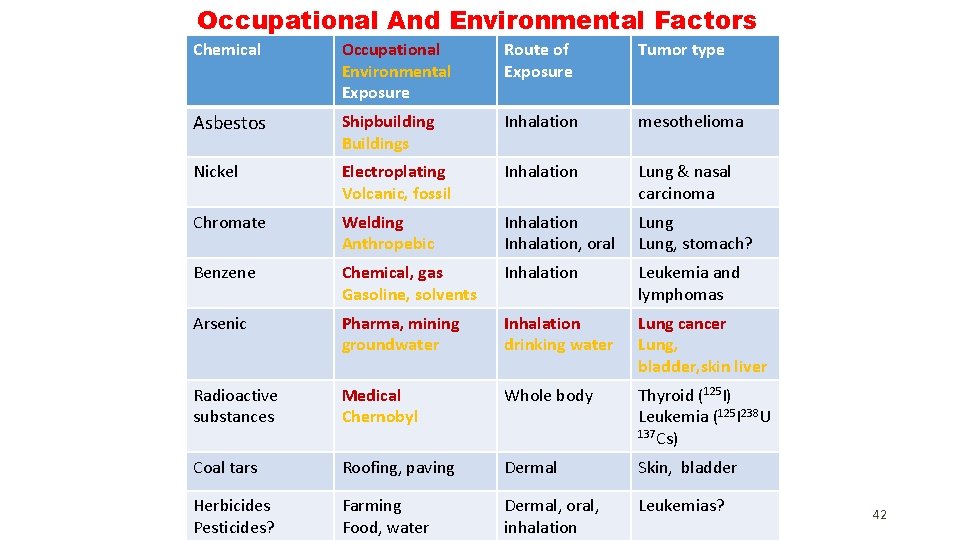
Occupational And Environmental Factors Chemical Occupational Environmental Exposure Route of Exposure Tumor type Asbestos Shipbuilding Buildings Inhalation mesothelioma Nickel Electroplating Volcanic, fossil Inhalation Lung & nasal carcinoma Chromate Welding Anthropebic Inhalation, oral Lung, stomach? Benzene Chemical, gas Gasoline, solvents Inhalation Leukemia and lymphomas Arsenic Pharma, mining groundwater Inhalation drinking water Lung cancer Lung, bladder, skin liver Radioactive substances Medical Chernobyl Whole body Thyroid (125 I) Leukemia (125 I 238 U 137 Cs) Coal tars Roofing, paving Dermal Skin, bladder Herbicides Pesticides? Farming Food, water Dermal, oral, inhalation Leukemias? 42
How We Name Cancers Learning the Language of Cancer
How Are Cancers Classified And Named? • Cancers are classified and named based on the organ or type of cell in which they originate: • Carcinomas are cancers that occur on the skin or tissues that line internal organs. • Sarcomas are cancers that occur in the bone, cartilage, fat, muscle, blood vessels, or other connective or supportive tissue. • Leukemias are cancers that occur in the cells of the blood and bone marrow. • Lymphomas are cancers that occur in the cells of the immune system and typically appear within the lymphatic system. • Central nervous system cancers are cancers that occur in the cells of the brain and spinal cord. • Cancers are named also based on how far the disease has progressed • The term “adenoma” means a cancer from the epithelium (cells that line organs) that has not gained ability to travel throughout the body (IT IS BENIGN) • The term “carcinoma” means that cancer from the epithelium has become MALIGNANT (broken through tissue and can travel throughout the body)
How Are Cancers Classified And Named? • Cancers can be named based on their potential to grow and travel through the body • A BENIGN tumor is a growth that is not “cancer”. It does not invade nearby tissue or spread to other parts of the body (we call nonmetastatic) • A MALIGNANT tumor is growth of abnormal cells divide without control and can invade nearby tissues. Malignant cells can also spread to other parts of the body through the blood and lymph systems (we call metastatic) • There are other names a physician might call a tumor based on how severe it is and might see terms like stage and grade of tumor like high grade (very dangerous) or low grade (not as dangerous) but for this lesson we do not need to discuss further
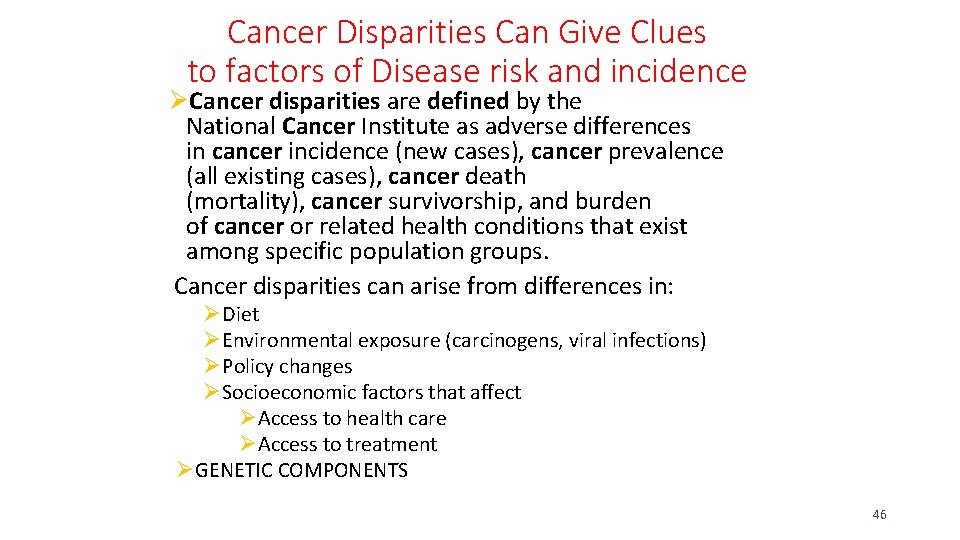
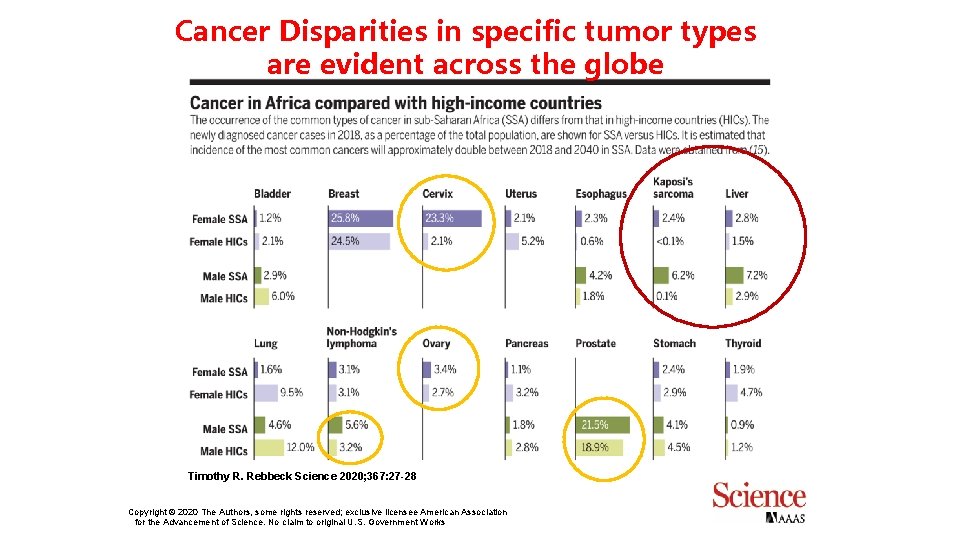
Cancer Disparities Can Give Clues to factors of Disease risk and incidence ØCancer disparities are defined by the National Cancer Institute as adverse differences in cancer incidence (new cases), cancer prevalence (all existing cases), cancer death (mortality), cancer survivorship, and burden of cancer or related health conditions that exist among specific population groups. Cancer disparities can arise from differences in: ØDiet ØEnvironmental exposure (carcinogens, viral infections) ØPolicy changes ØSocioeconomic factors that affect ØAccess to health care ØAccess to treatment ØGENETIC COMPONENTS 46
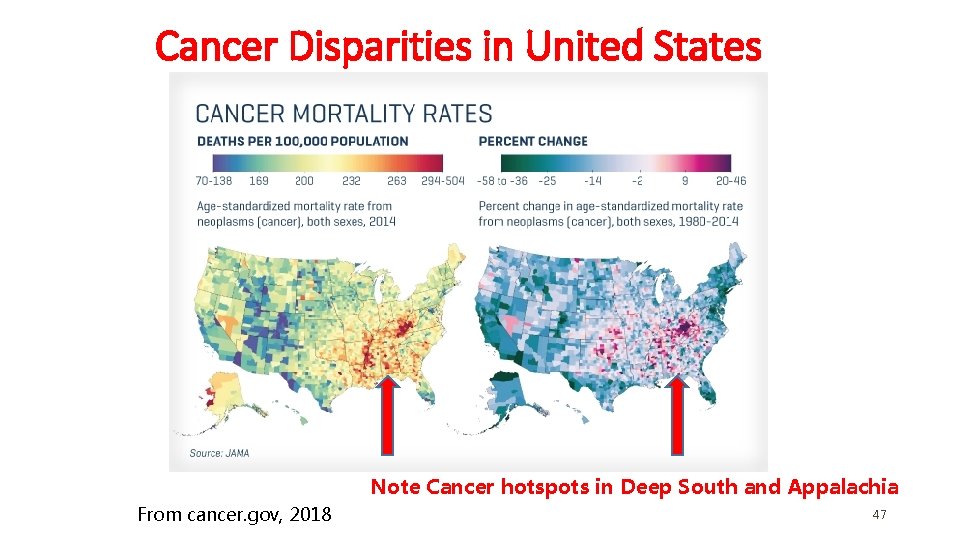
Cancer Disparities in United States Note Cancer hotspots in Deep South and Appalachia From cancer. gov, 2018 47
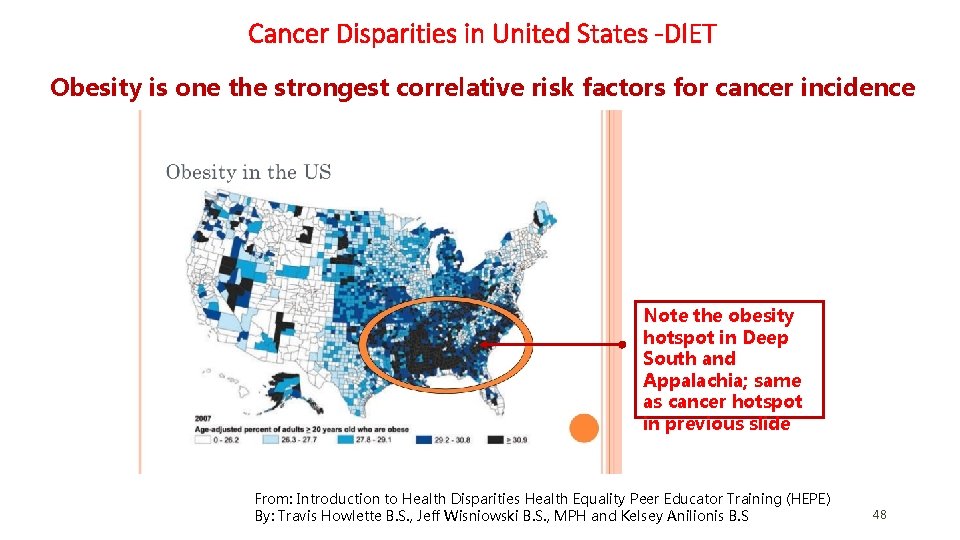
Cancer Disparities in United States -DIET Obesity is one the strongest correlative risk factors for cancer incidence Note the obesity hotspot in Deep South and Appalachia; same as cancer hotspot in previous slide From: Introduction to Health Disparities Health Equality Peer Educator Training (HEPE) By: Travis Howlette B. S. , Jeff Wisniowski B. S. , MPH and Kelsey Anilionis B. S 48
Cancer Disparities in specific tumor types are evident across the globe Timothy R. Rebbeck Science 2020; 367: 27 -28 Copyright © 2020 The Authors, some rights reserved; exclusive licensee American Association for the Advancement of Science. No claim to original U. S. Government Works
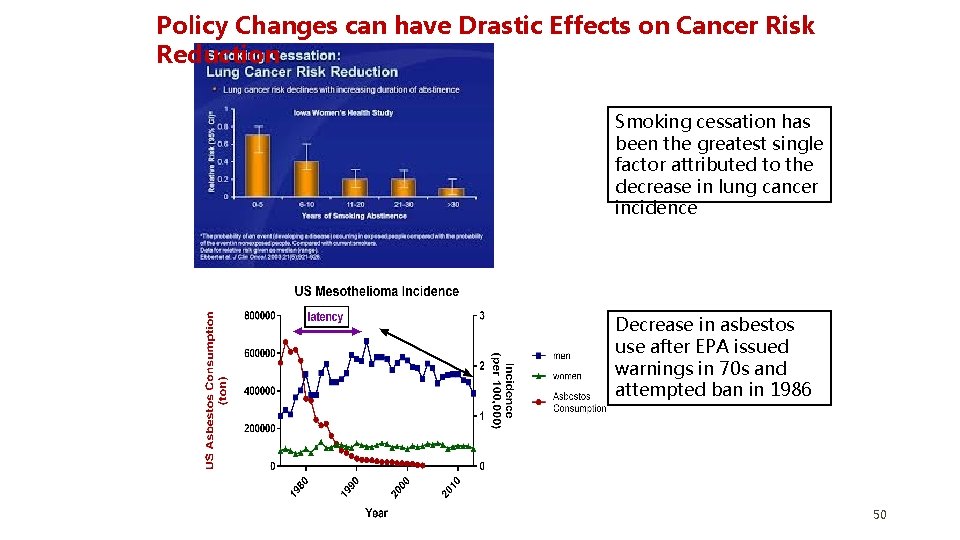
Policy Changes can have Drastic Effects on Cancer Risk Reduction Smoking cessation has been the greatest single factor attributed to the decrease in lung cancer incidence Decrease in asbestos use after EPA issued warnings in 70 s and attempted ban in 1986 50
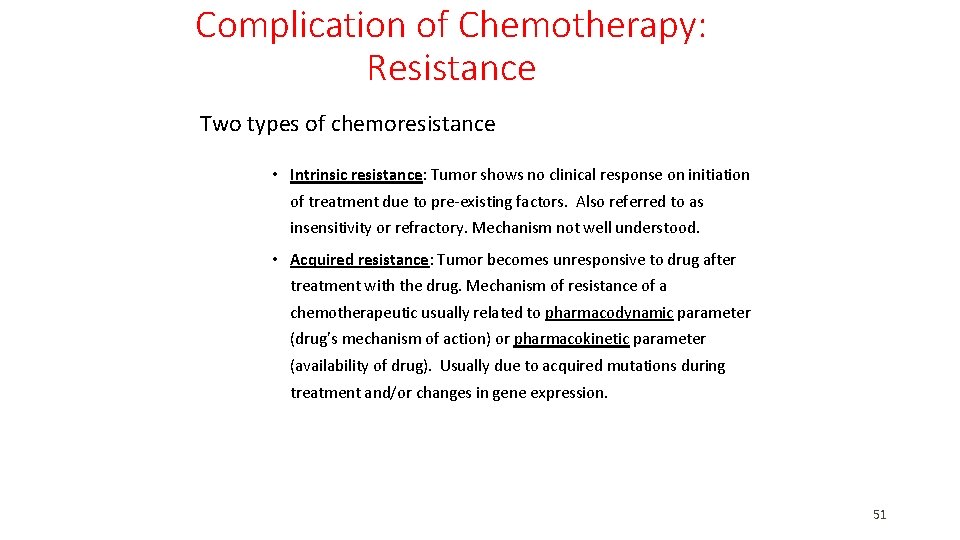
Complication of Chemotherapy: Resistance Two types of chemoresistance • Intrinsic resistance: Tumor shows no clinical response on initiation of treatment due to pre-existing factors. Also referred to as insensitivity or refractory. Mechanism not well understood. • Acquired resistance: Tumor becomes unresponsive to drug after treatment with the drug. Mechanism of resistance of a chemotherapeutic usually related to pharmacodynamic parameter (drug’s mechanism of action) or pharmacokinetic parameter (availability of drug). Usually due to acquired mutations during treatment and/or changes in gene expression. 51
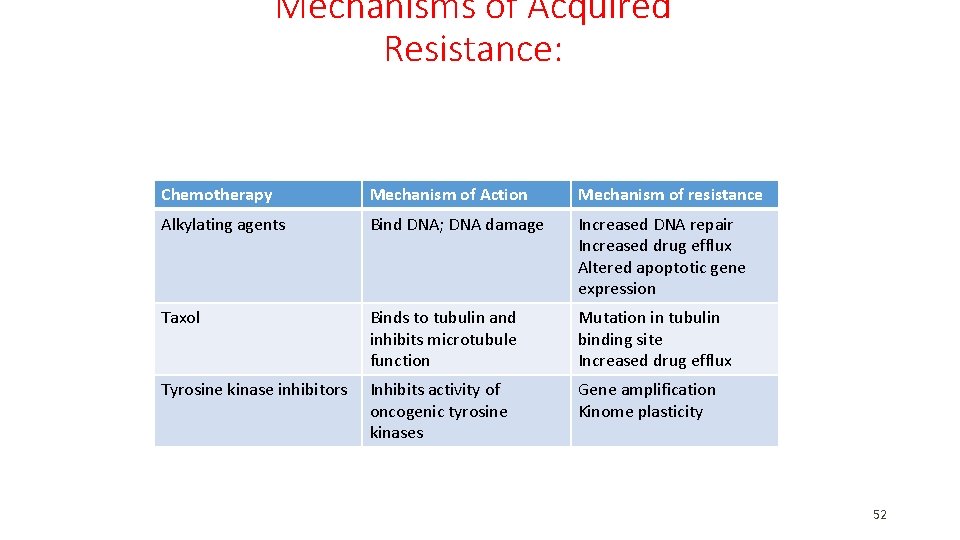
Mechanisms of Acquired Resistance: Chemotherapy Mechanism of Action Mechanism of resistance Alkylating agents Bind DNA; DNA damage Increased DNA repair Increased drug efflux Altered apoptotic gene expression Taxol Binds to tubulin and inhibits microtubule function Mutation in tubulin binding site Increased drug efflux Tyrosine kinase inhibitors Inhibits activity of oncogenic tyrosine kinases Gene amplification Kinome plasticity 52
Clinical Oncology
Cancer Therapy: Old Paradigm • Many years ago we had no idea of all the mutations in cancer because genetic methods were not developed • Then cancer chemotherapy was based on killing rapidly proliferating cells and so drugs were designed to target the cell cycle like a bomb • As a result, these drugs had very toxic side effects to normal cells. The drugs did not discriminate between normal and cancer cells, it is just that cancer cells proliferated faster • We did know of some cellular signaling pathways we could inhibit like hormone signaling but these had side effects as well
Cancer Therapy: New Paradigm • Now we can sequence a patient’s tumor and know what mutations their tumor has • This new genetic knowledge has allowed us to tailor both drug development and treatment • We call this Precision Medicine, where we can precisely target a mutation, irregardless of the tumor. This in general is less toxic than the old paradigm and has revolutionized both tumor diagnosis, treatment and drug design • Personalized Medicine is a term used by oncologists where we tailor a whole treatment plan based on the individual’s needs • So we can use a precision medicine in a personalized medicine treatment plan (a patient has an ALK mutation and we use the drug crizotinib while this patient also shows some unique treatment problems so we use a personalized treatment plan incorporating something like acupuncture or virtual reality to lessen their side effects) • “Precision Medicine treats the tumor. Personalized Medicine treats the patient”
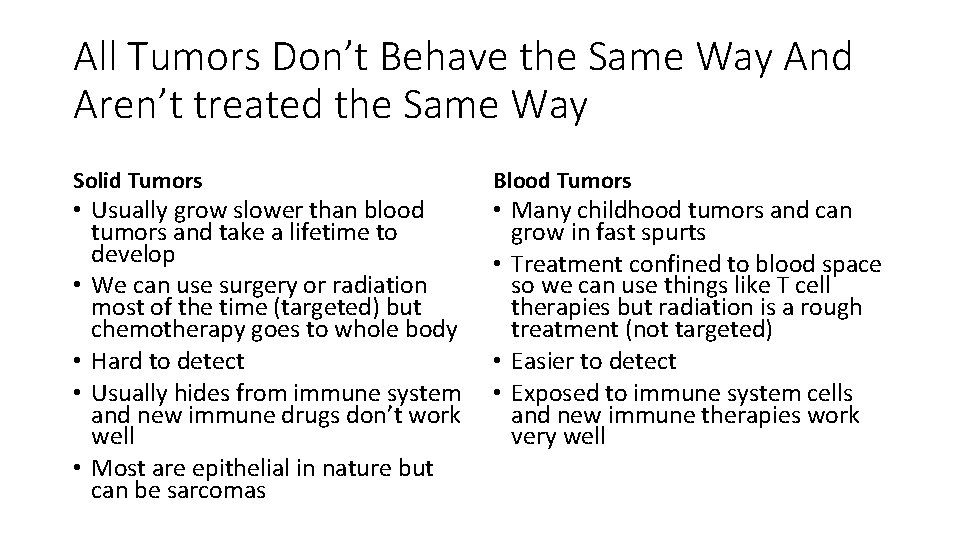
All Tumors Don’t Behave the Same Way And Aren’t treated the Same Way Solid Tumors • Usually grow slower than blood tumors and take a lifetime to develop • We can use surgery or radiation most of the time (targeted) but chemotherapy goes to whole body • Hard to detect • Usually hides from immune system and new immune drugs don’t work well • Most are epithelial in nature but can be sarcomas Blood Tumors • Many childhood tumors and can grow in fast spurts • Treatment confined to blood space so we can use things like T cell therapies but radiation is a rough treatment (not targeted) • Easier to detect • Exposed to immune system cells and new immune therapies work very well
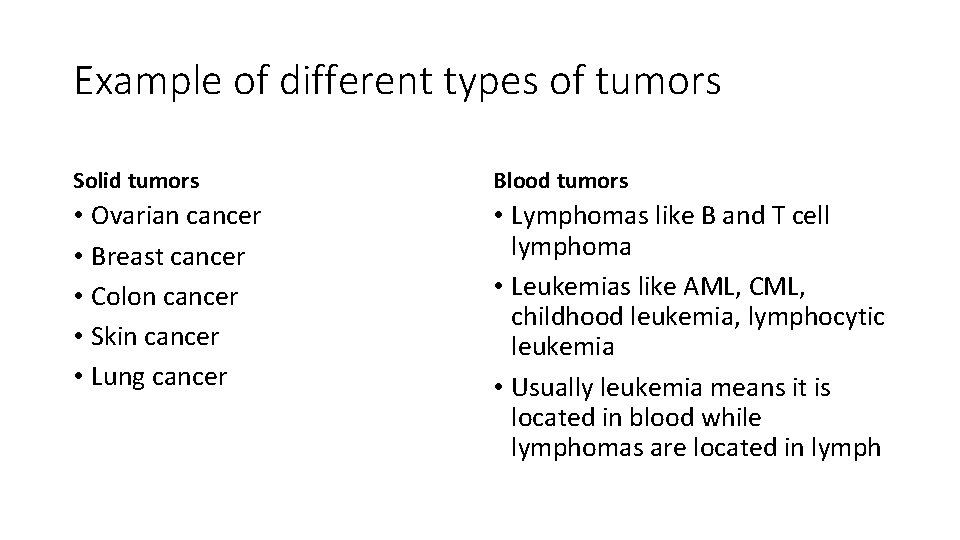
Example of different types of tumors Solid tumors Blood tumors • Ovarian cancer • Breast cancer • Colon cancer • Skin cancer • Lung cancer • Lymphomas like B and T cell lymphoma • Leukemias like AML, CML, childhood leukemia, lymphocytic leukemia • Usually leukemia means it is located in blood while lymphomas are located in lymph
Ovarian Cancer
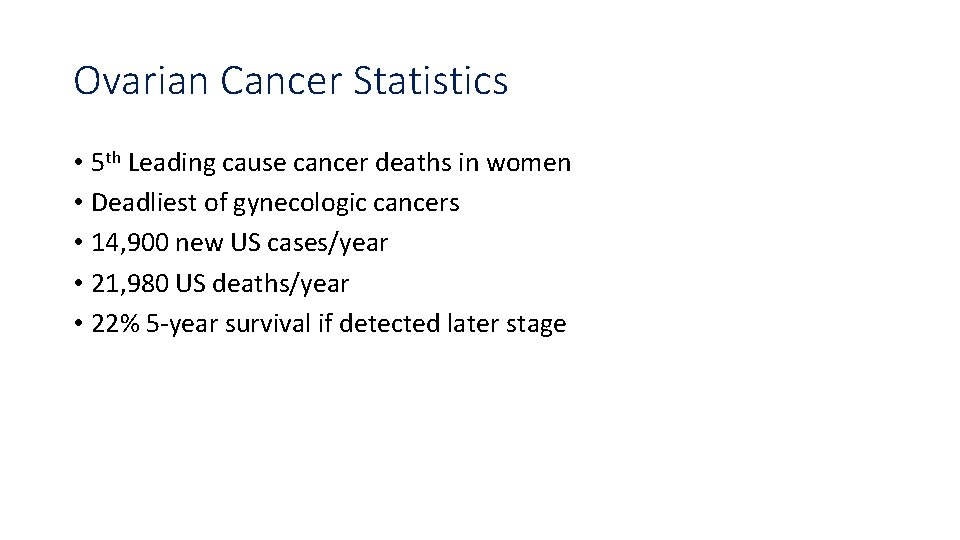
Ovarian Cancer Statistics • 5 th Leading cause cancer deaths in women • Deadliest of gynecologic cancers • 14, 900 new US cases/year • 21, 980 US deaths/year • 22% 5 -year survival if detected later stage
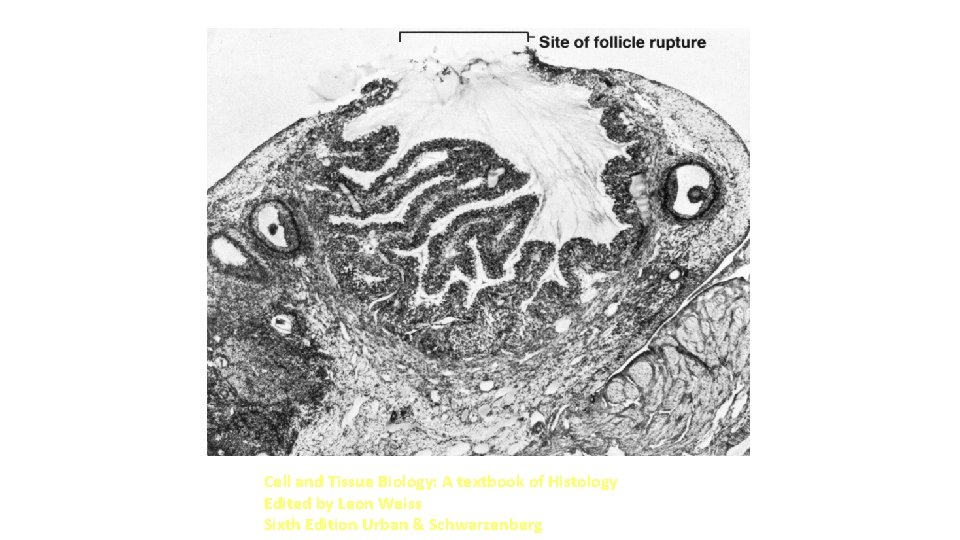
Cell and Tissue Biology: A textbook of Histology Edited by Leon Weiss Sixth Edition Urban & Schwarzenberg