
What is an intramolecular force ionic covalent polar


- Slides: 23
What is an intramolecular force? ionic, covalent, polar covalent bonds What do these forces hold together? atoms
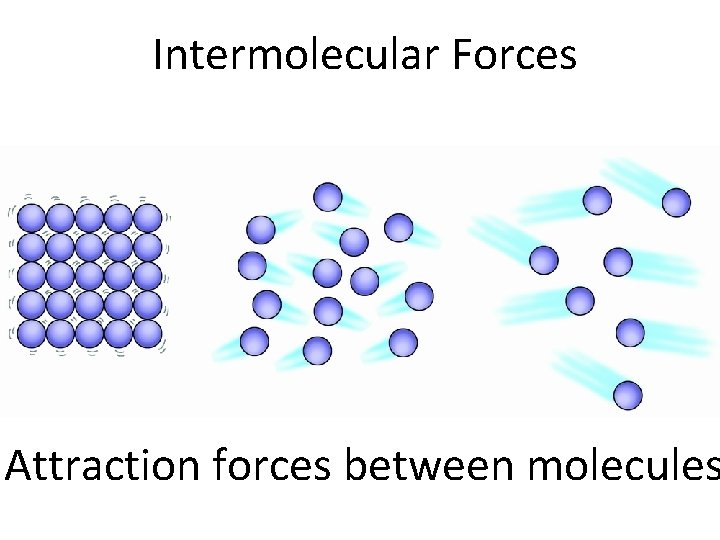
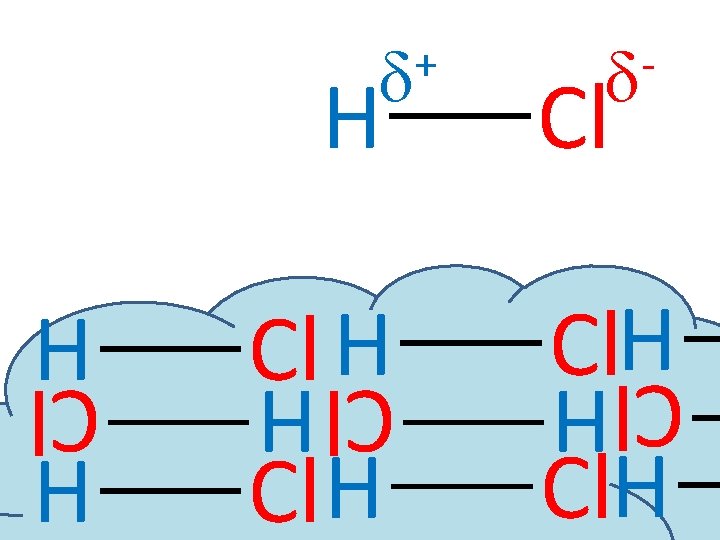
Intermolecular Forces Attraction forces between molecules
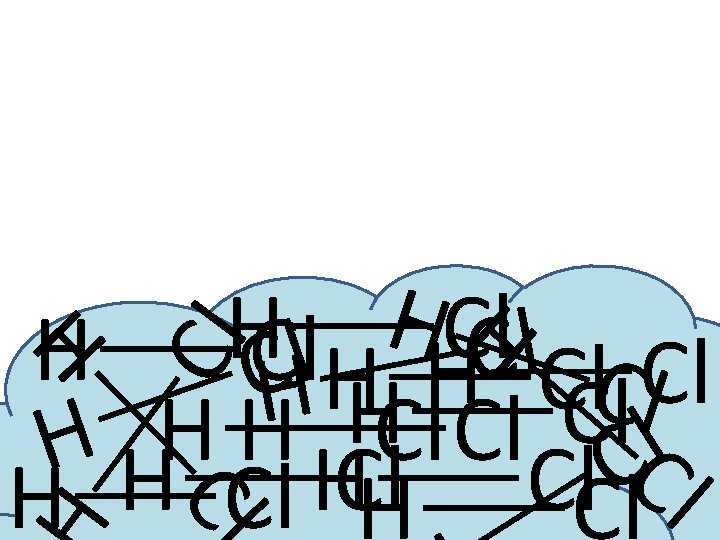
H Cl H H H Cl l H Cl C l CH HH H Cl Cl C l Cl H HH H HCl. Cl CCl l H Cl Cl
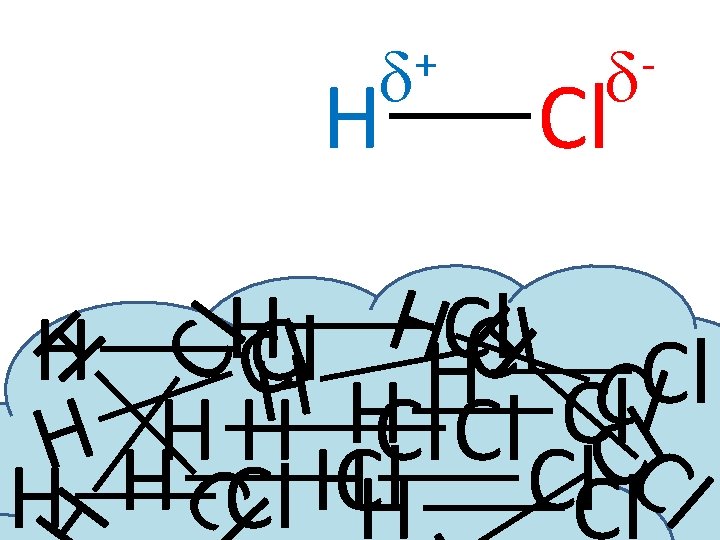
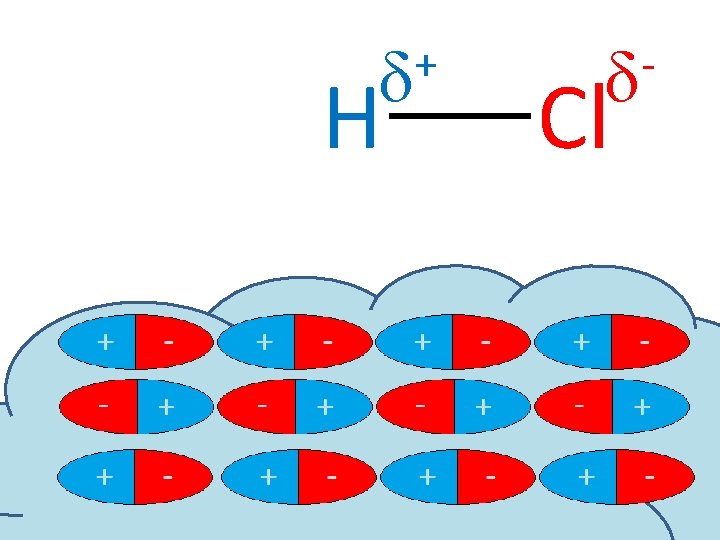
+ d H d Cl H H H Cl l H Cl C l CH H H Cl. Cl H HH H HCl. Cl CCl l H Cl Cl
H Cl H H H d Cl Cl. H + d Cl
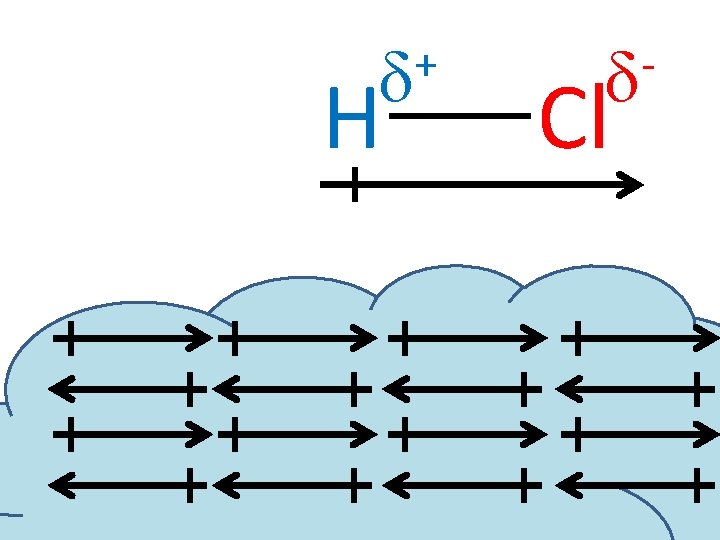
+ d H d Cl
+ d H d Cl
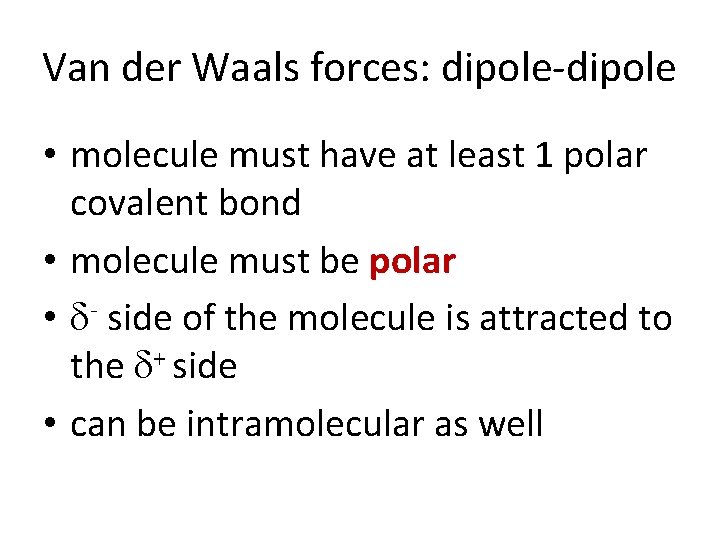
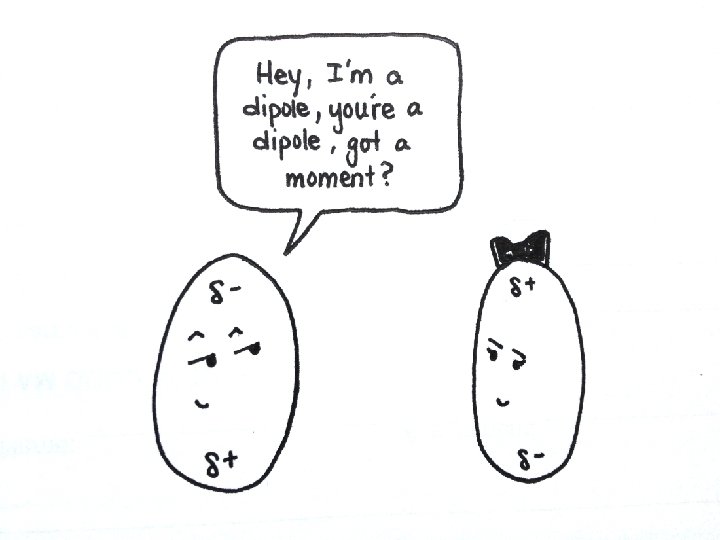
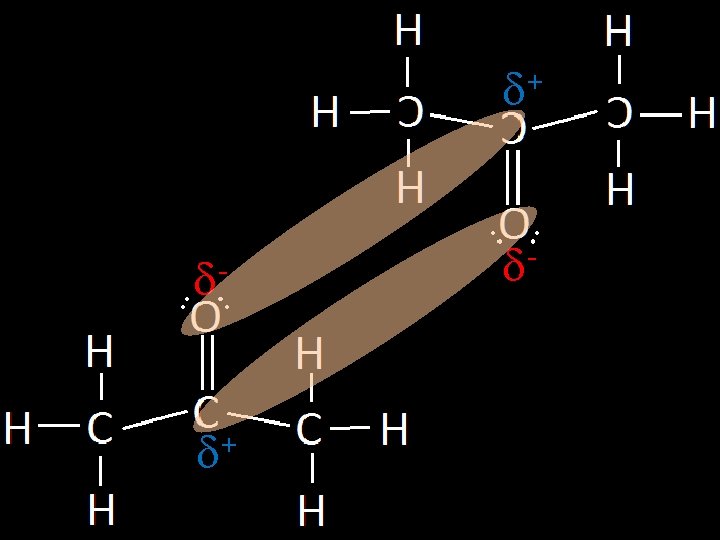
Van der Waals forces: dipole-dipole • molecule must have at least 1 polar covalent bond • molecule must be polar • d- side of the molecule is attracted to the d+ side • can be intramolecular as well
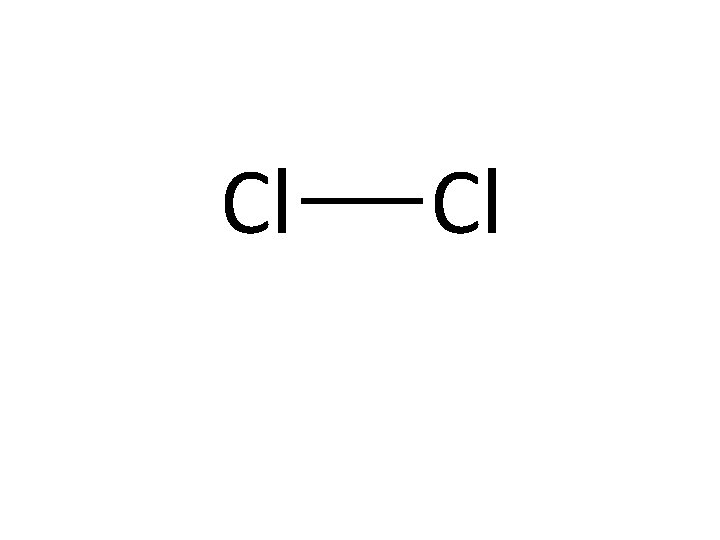
Cl Cl
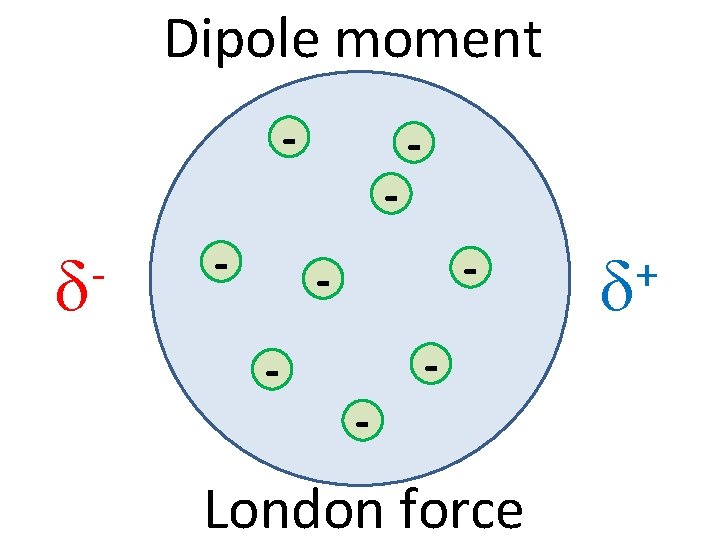
Dipole moment d - - - London force + d
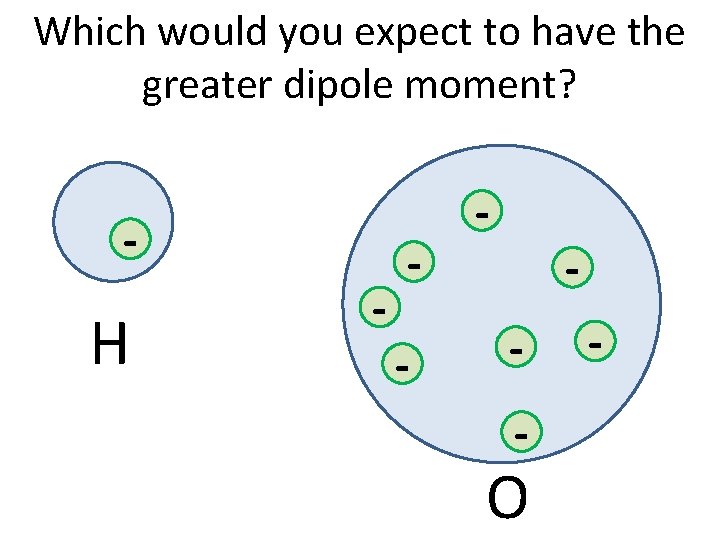
Which would you expect to have the greater dipole moment? - H - - O -
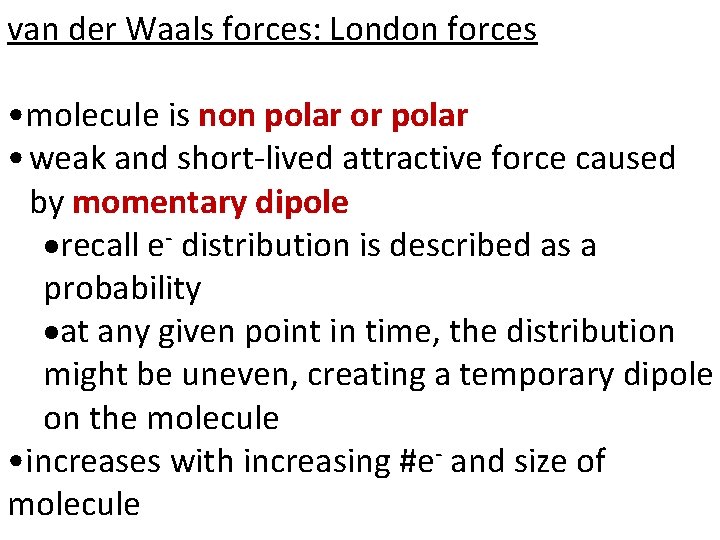
van der Waals forces: London forces • molecule is non polar or polar • weak and short-lived attractive force caused by momentary dipole recall e- distribution is described as a probability at any given point in time, the distribution might be uneven, creating a temporary dipole on the molecule • increases with increasing #e- and size of molecule
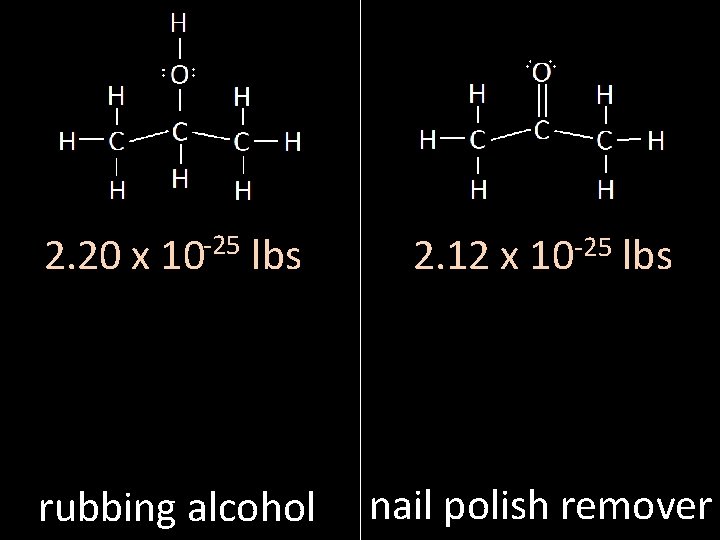
-25 2. 20 x 10 lbs rubbing alcohol 2. 12 x 10 -25 lbs nail polish remover
+ d d
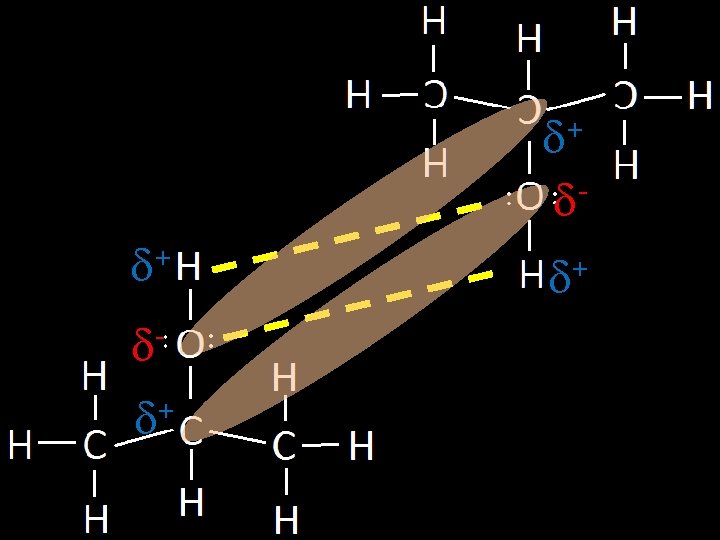
Which is Stronger? dipole-dipole H-bond
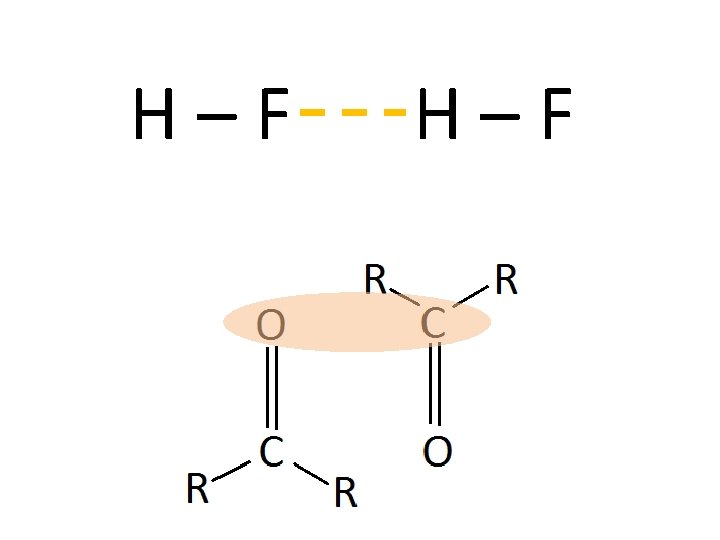
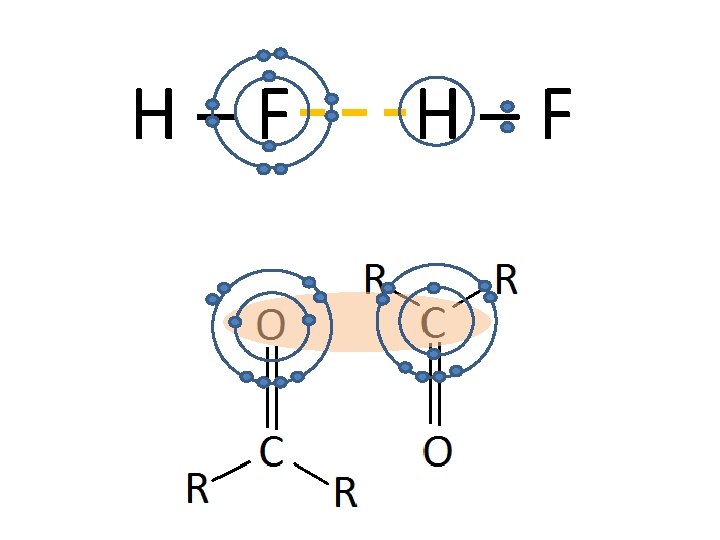
H–F
H–F
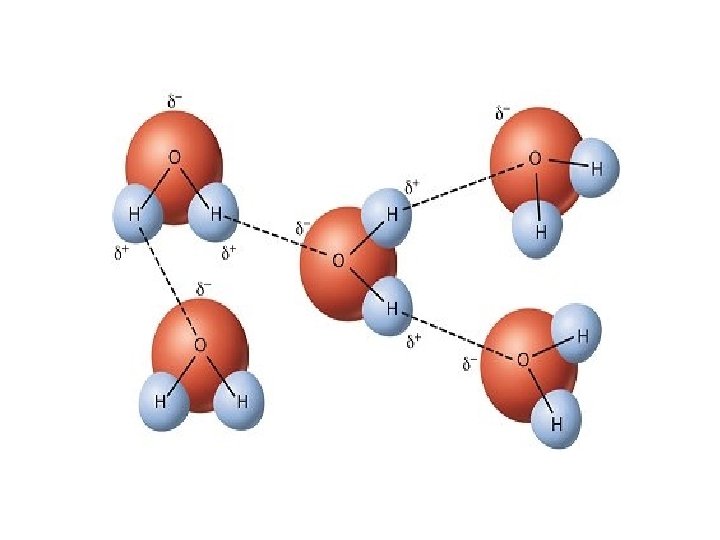
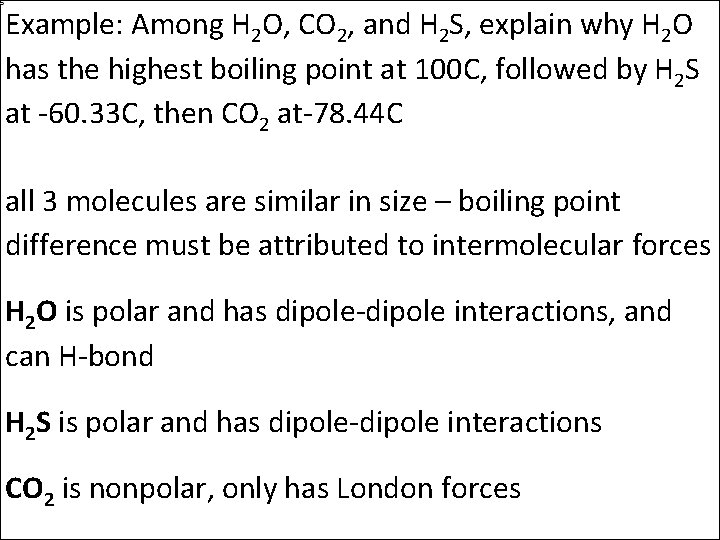
Example: Among H 2 O, CO 2, and H 2 S, explain why H 2 O has the highest boiling point at 100 C, followed by H 2 S at -60. 33 C, then CO 2 at-78. 44 C all 3 molecules are similar in size – boiling point difference must be attributed to intermolecular forces H 2 O is polar and has dipole-dipole interactions, and can H-bond H 2 S is polar and has dipole-dipole interactions CO 2 is nonpolar, only has London forces