
What is a soil pedon A pedon is
- Slides: 42
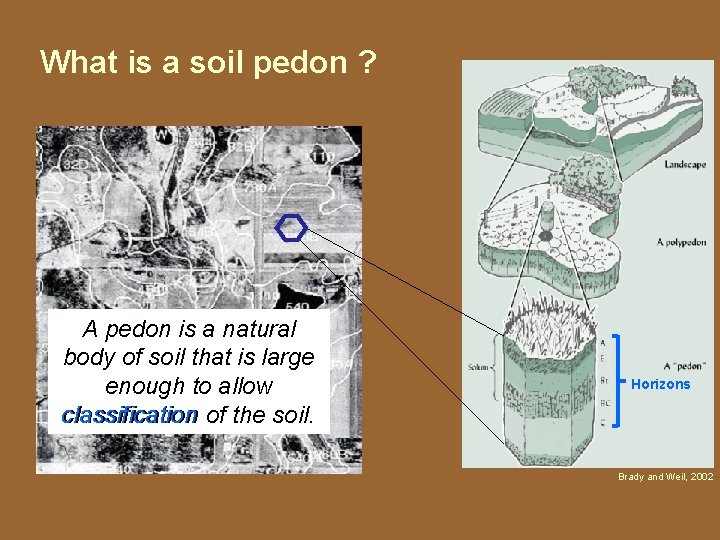
What is a soil pedon ? A pedon is a natural body of soil that is large enough to allow classification of the soil. Horizons Brady and Weil, 2002
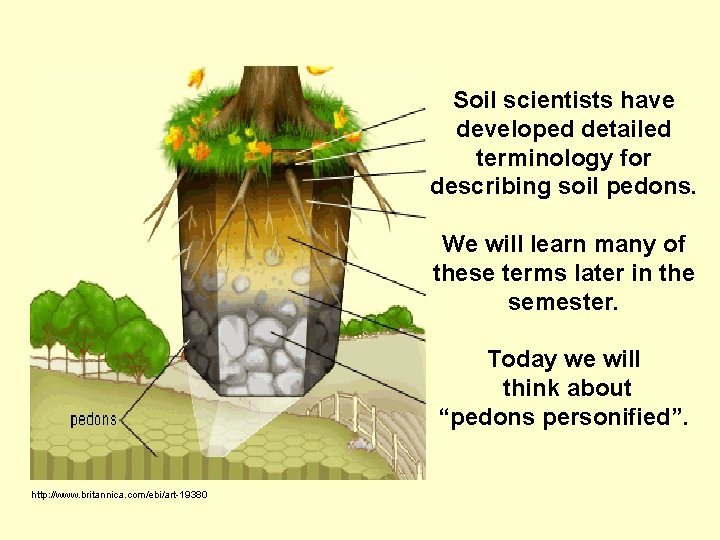
Soil scientists have developed detailed terminology for describing soil pedons. We will learn many of these terms later in the semester. Today we will think about “pedons personified”. http: //www. britannica. com/ebi/art-19380
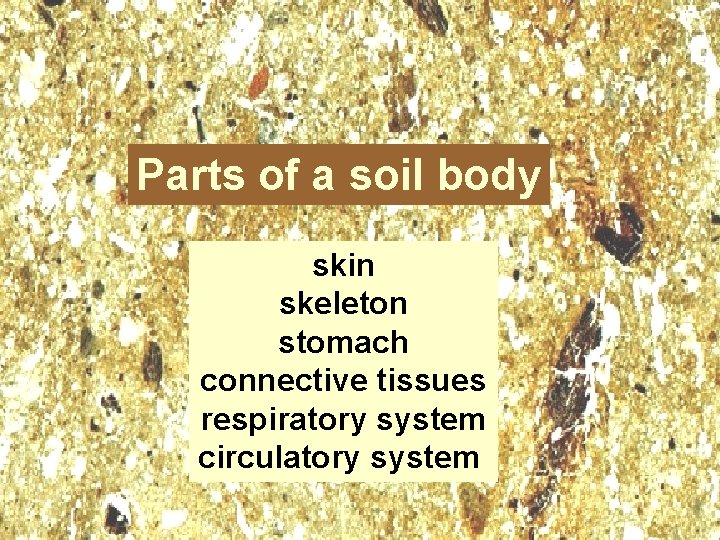
Parts of a soil body skin skeleton stomach connective tissues respiratory system circulatory system
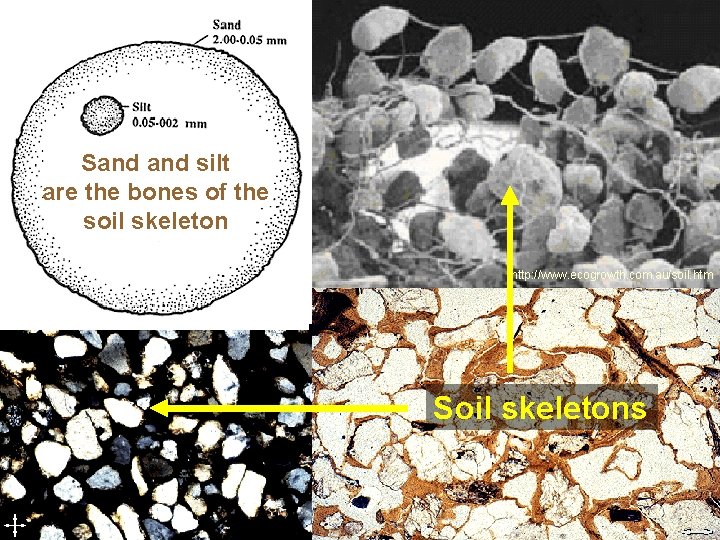
Sand silt are the bones of the soil skeleton http: //www. ecogrowth. com. au/soil. htm Soil skeletons
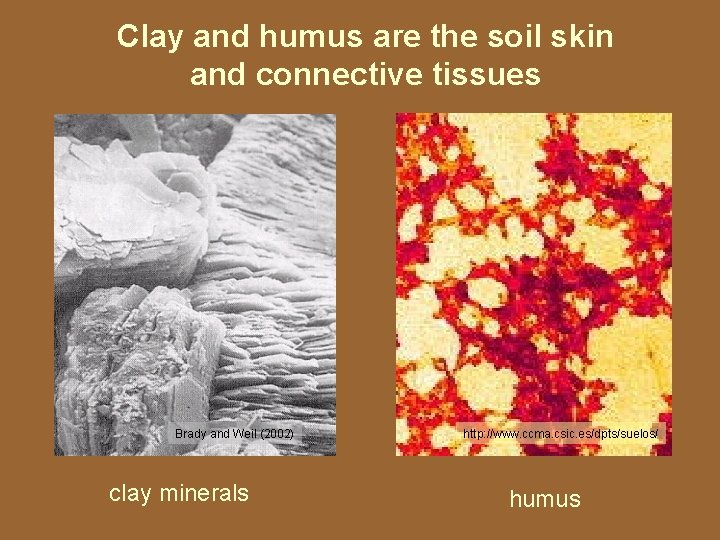
Clay and humus are the soil skin and connective tissues Brady and Weil (2002) clay minerals http: //www. ccma. csic. es/dpts/suelos/ humus
Why is the soil skin important ? § Adsorption of water films § Adsorption of organic and inorganic chemicals § Ion exchange § Catalysis of chemical reactions § Habitat for bacteria
What is humus ? ? While it is unlikely that any 2 humus molecules are identical… the diverse products of “humification” have many common characteristics: § Extreme chemical complexity § Resistance to further decomposition § High specific surface and negative charge § Dark color
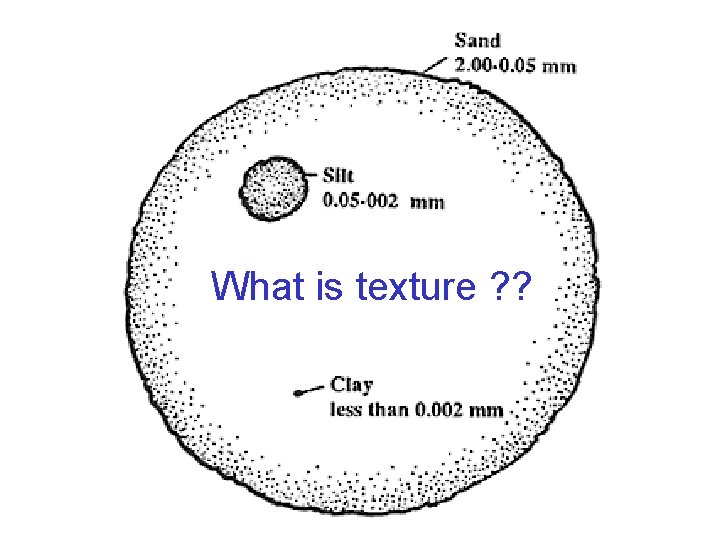
What is texture ? ?
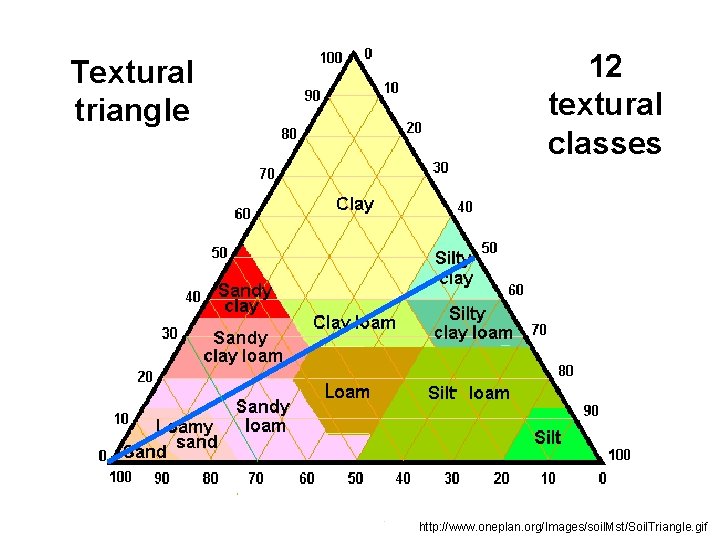
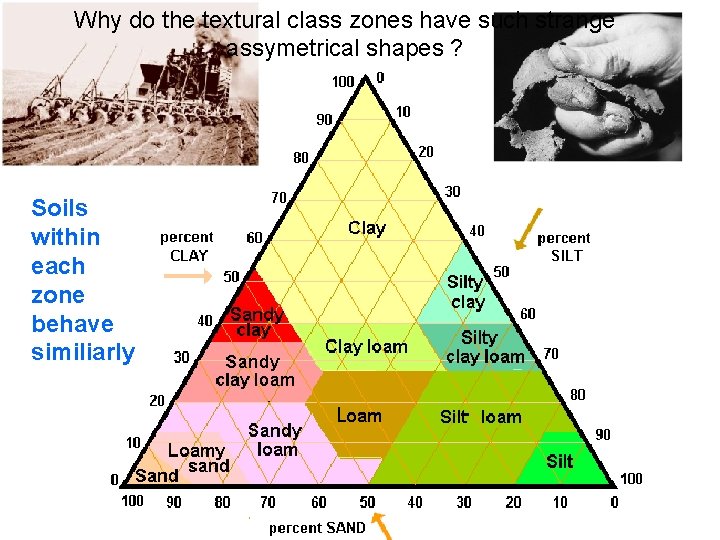
Textural triangle 12 textural classes http: //www. oneplan. org/Images/soil. Mst/Soil. Triangle. gif
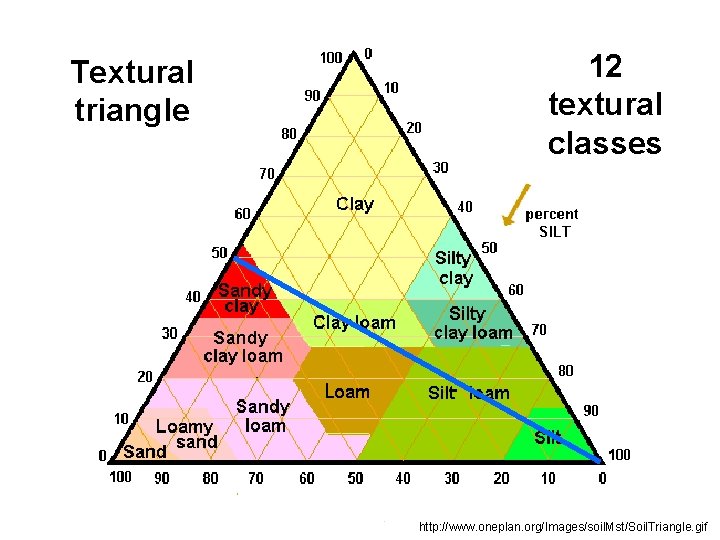
Textural triangle 12 textural classes http: //www. oneplan. org/Images/soil. Mst/Soil. Triangle. gif
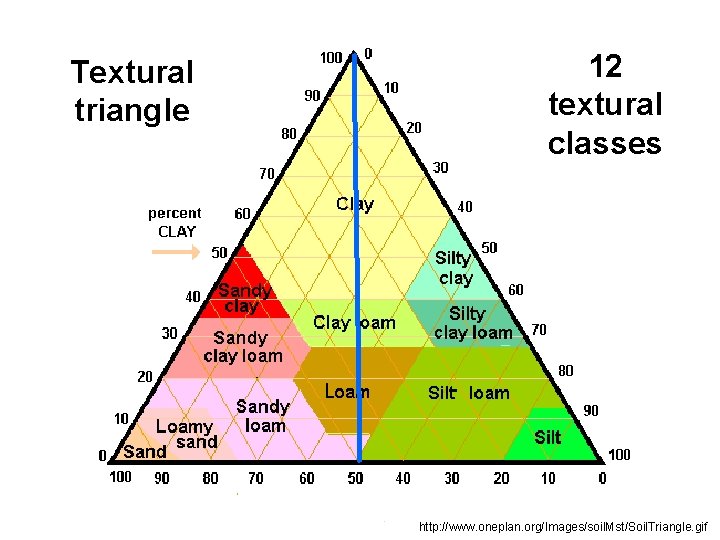
Textural triangle 12 textural classes http: //www. oneplan. org/Images/soil. Mst/Soil. Triangle. gif
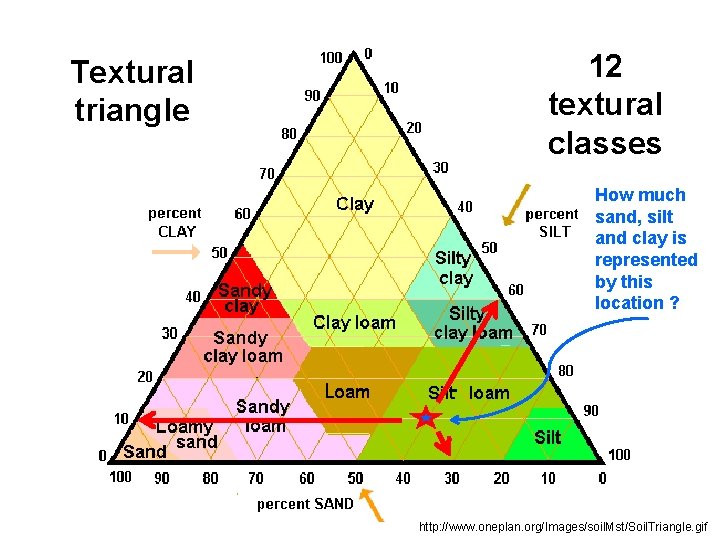
Textural triangle 12 textural classes How much sand, silt and clay is represented by this location ? http: //www. oneplan. org/Images/soil. Mst/Soil. Triangle. gif
Why do the textural class zones have such strange assymetrical shapes ? Soils within each zone behave similiarly
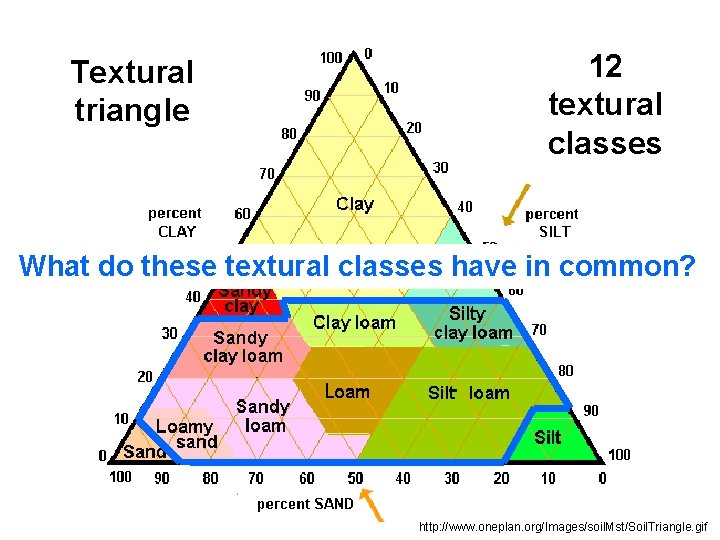
Textural triangle 12 textural classes What do these textural classes have in common? http: //www. oneplan. org/Images/soil. Mst/Soil. Triangle. gif
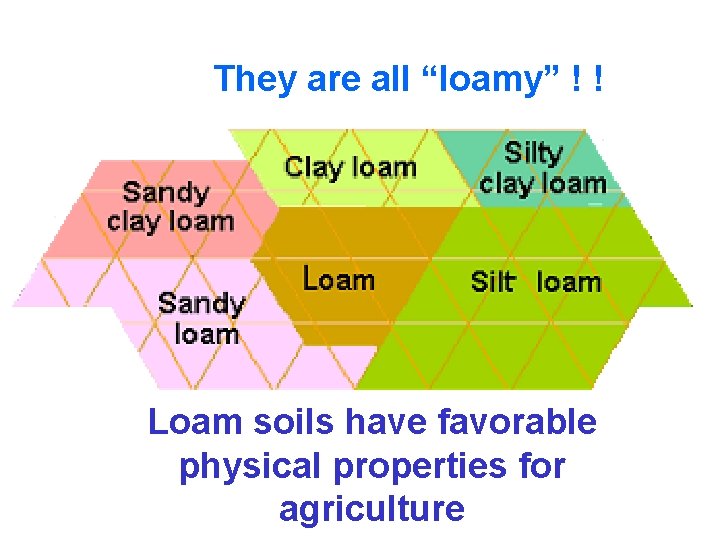
They are all “loamy” ! ! Loam soils have favorable physical properties for agriculture
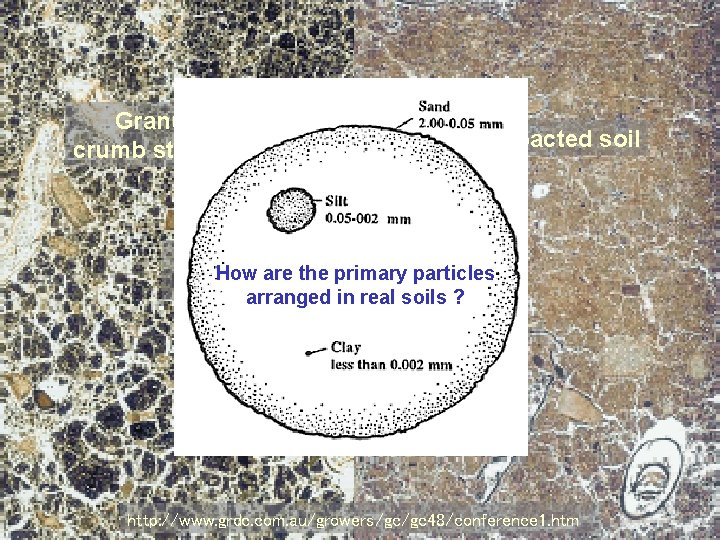
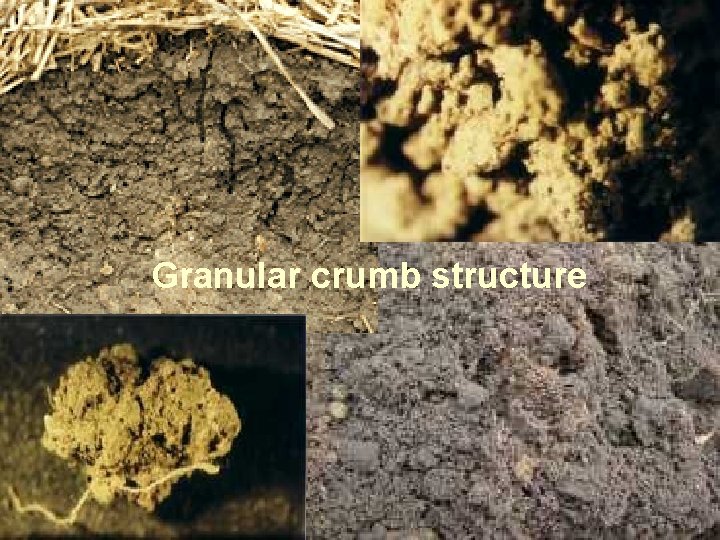
Granular crumb structure Compacted soil How are the primary particles The soil fabric arranged in real soils ? http: //www. grdc. com. au/growers/gc/gc 48/conference 1. htm
Granular crumb structure
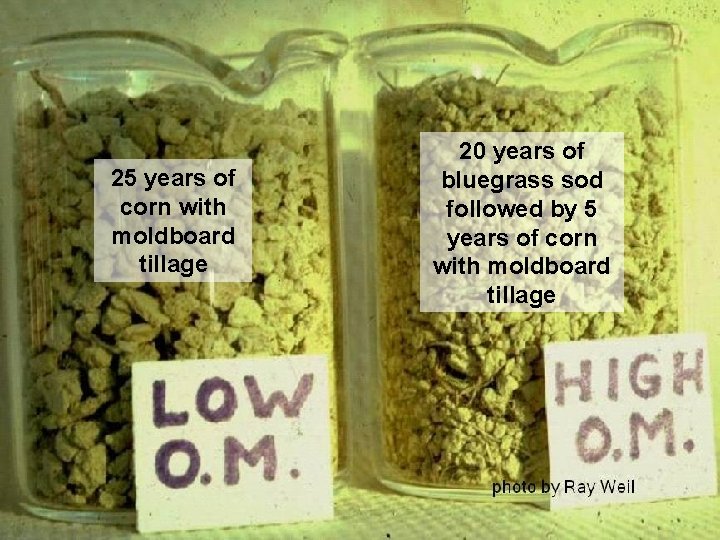
25 years of corn with moldboard tillage 20 years of bluegrass sod followed by 5 years of corn with moldboard tillage
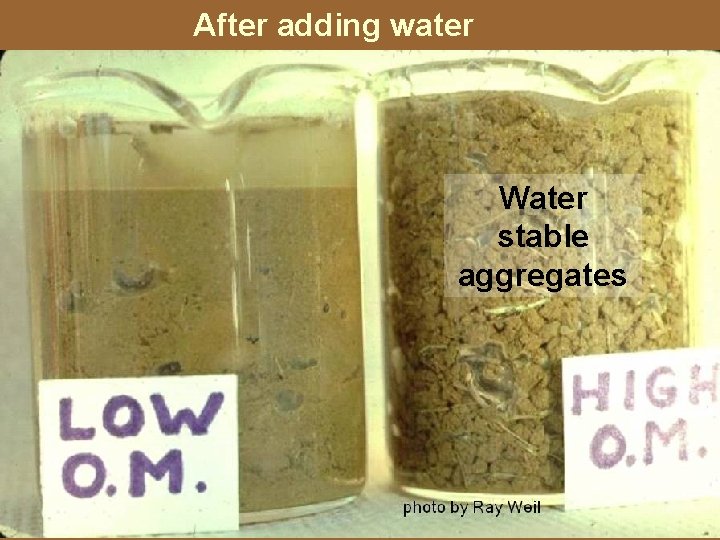
After adding water Water stable aggregates 25 yrs of 20 yrs of bluegrass, conventional then 5 yrs corn conventional corn
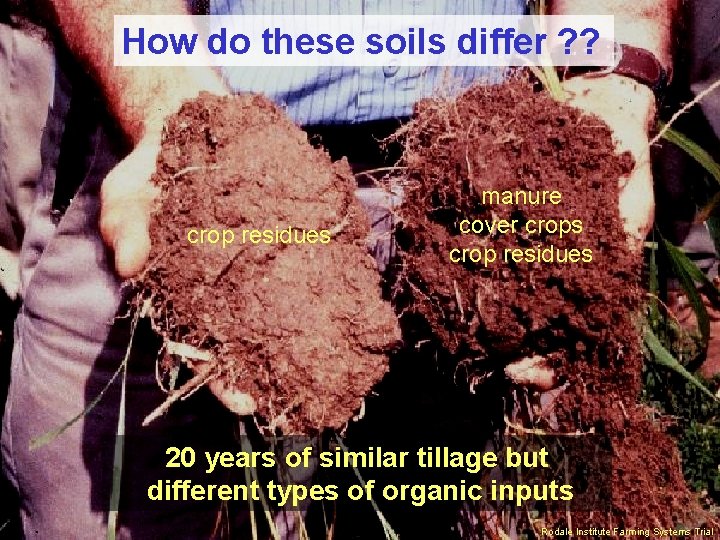
How do these soils differ ? ? crop residues manure cover crops crop residues 20 years of similar tillage but different types of organic inputs Rodale Institute Farming Systems Trial
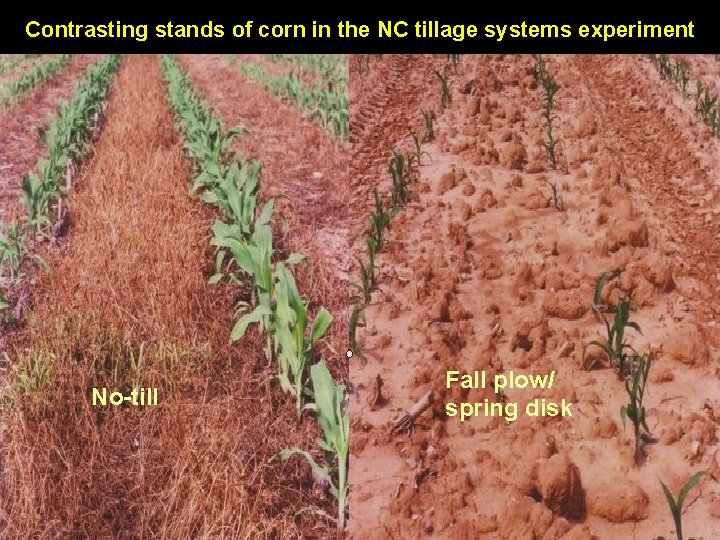
Contrasting stands of corn in the NC tillage systems experiment No-till Fall plow/ spring disk
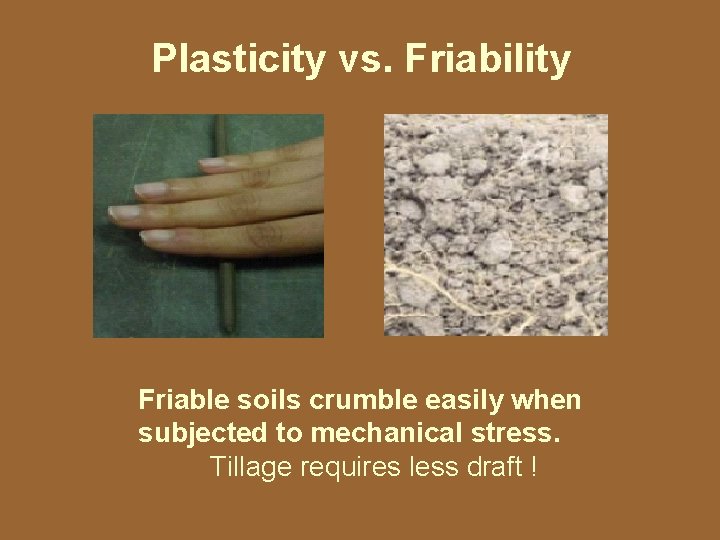
Plasticity vs. Friability Friable soils crumble easily when subjected to mechanical stress. Tillage requires less draft !
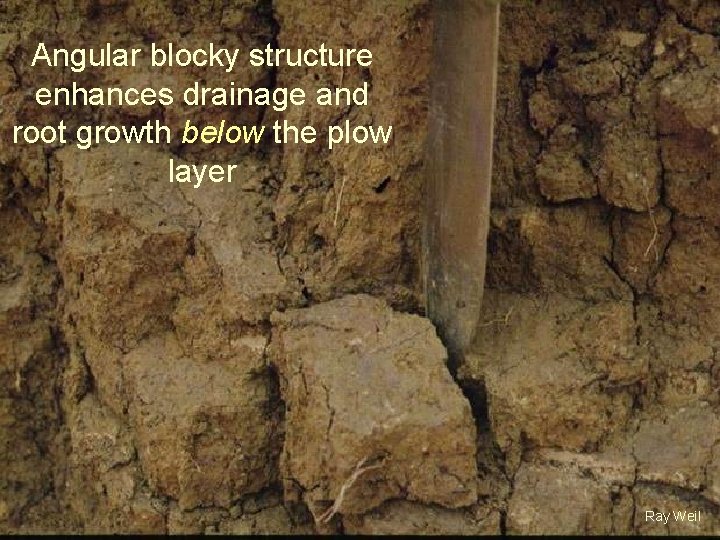
Angular blocky structure enhances drainage and root growth below the plow layer Ray Weil
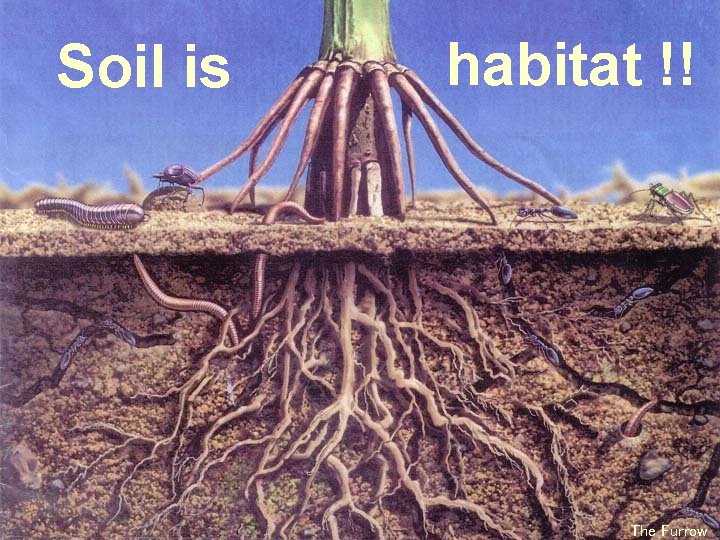
Soil is habitat !! The Furrow
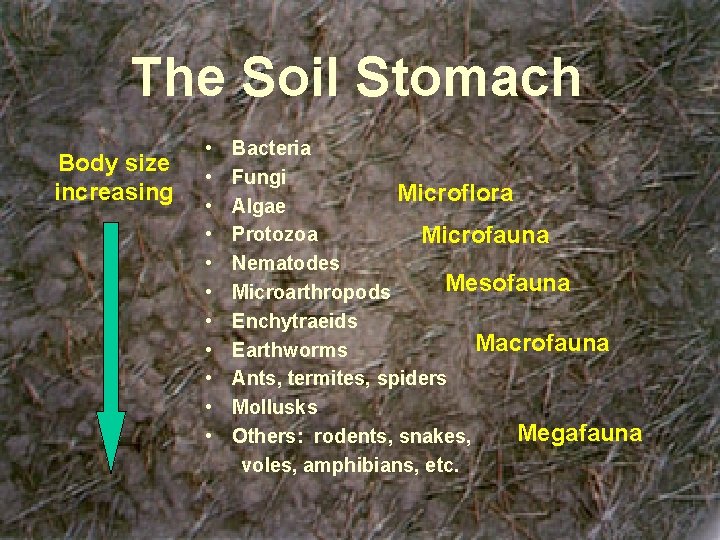
The Soil Stomach Body size increasing • • • Bacteria Fungi Microflora Algae Protozoa Microfauna Nematodes Mesofauna Microarthropods Enchytraeids Macrofauna Earthworms Ants, termites, spiders Mollusks Megafauna Others: rodents, snakes, voles, amphibians, etc.
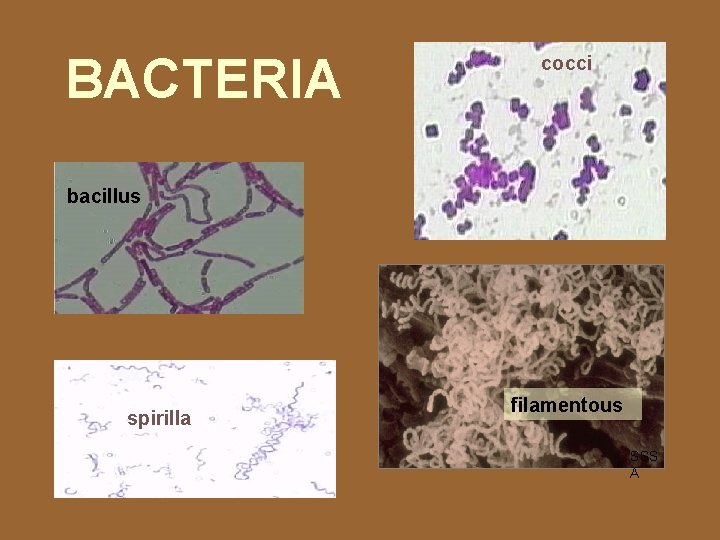
BACTERIA cocci bacillus spirilla filamentous SSS A
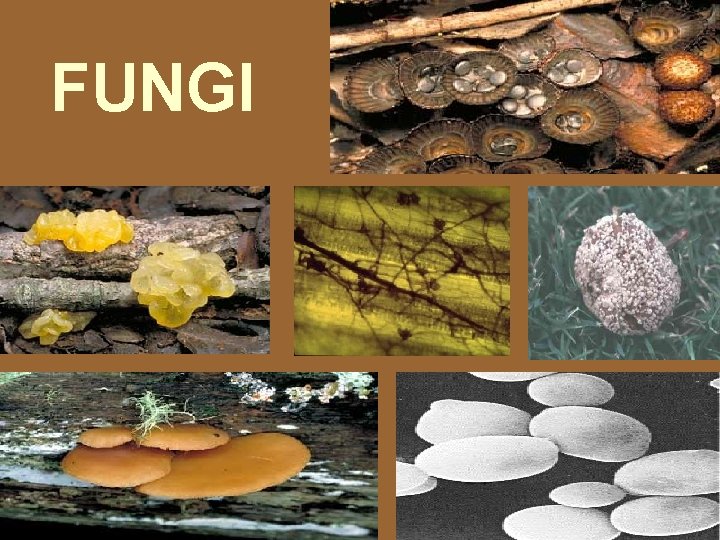
FUNGI
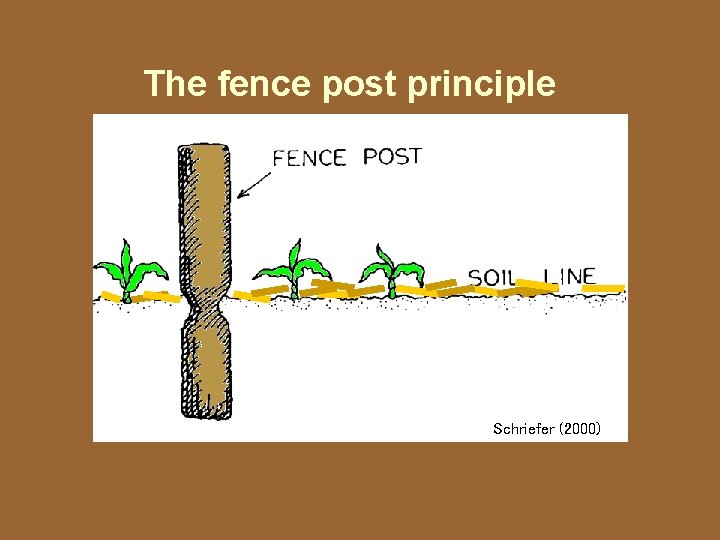
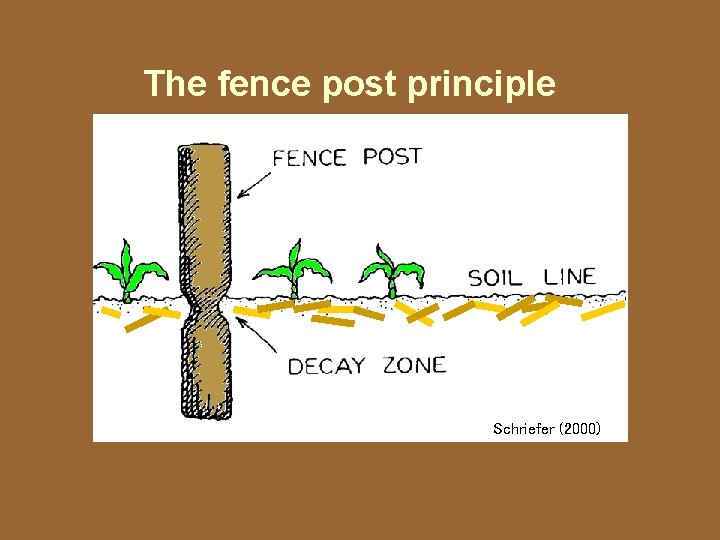
The fence post principle Schriefer (2000)
The fence post principle Schriefer (2000)
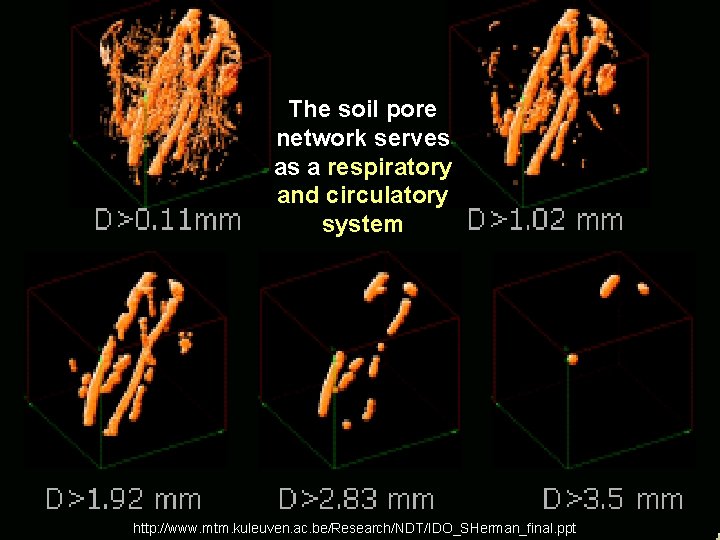
The soil pore network serves as a respiratory and circulatory system http: //www. mtm. kuleuven. ac. be/Research/NDT/IDO_SHerman_final. ppt
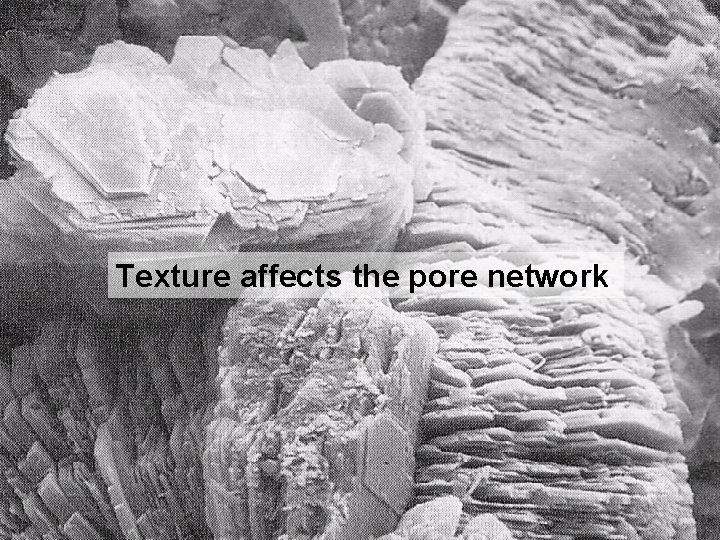
Texture affects the pore network
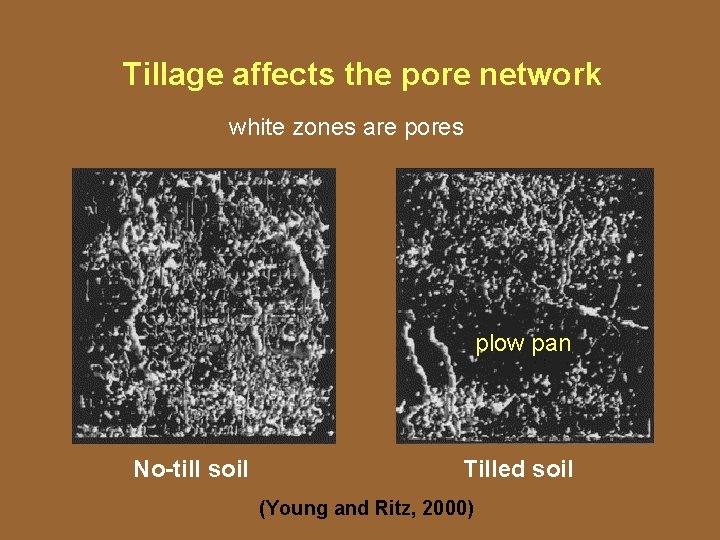
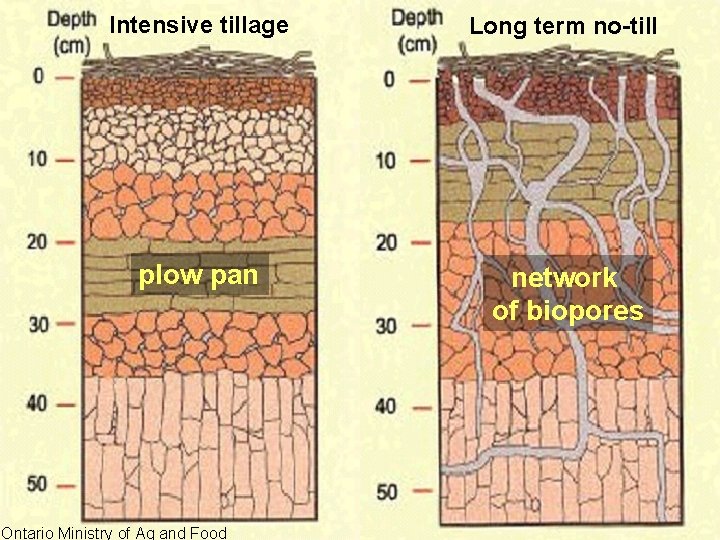
Tillage affects the pore network white zones are pores plow pan No-till soil Tilled soil (Young and Ritz, 2000)
Intensive tillage Long term no-till plow pan network of biopores Ontario Ministry of Ag and Food
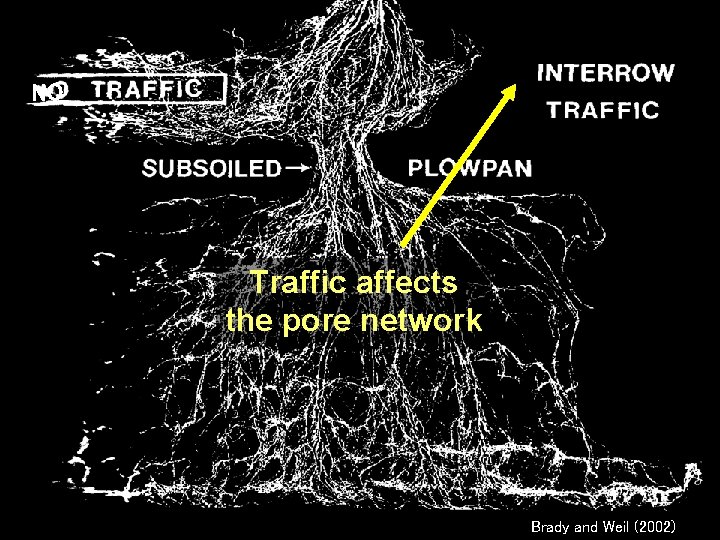
NO Traffic affects the pore network Brady and Weil (2002)
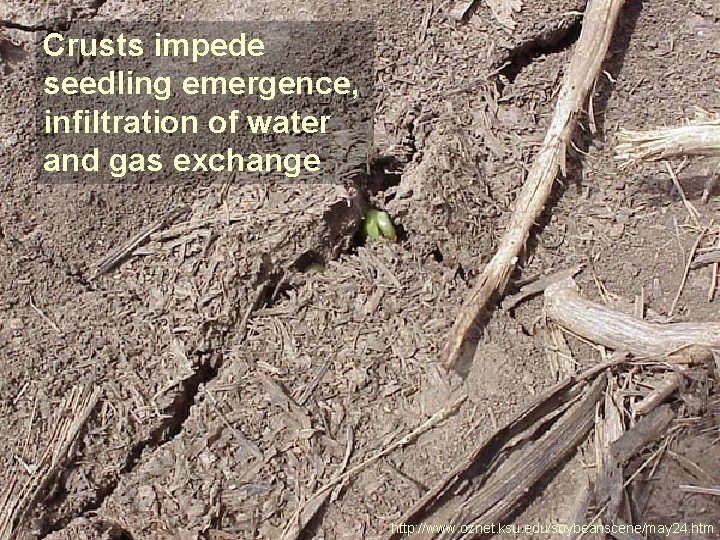
Crusts impede seedling emergence, infiltration of water and gas exchange http: //www. oznet. ksu. edu/soybeanscene/may 24. htm
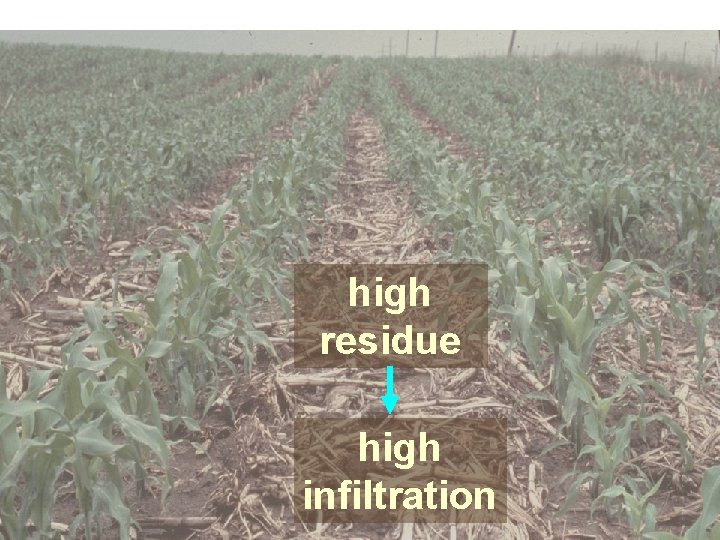
high residue high infiltration
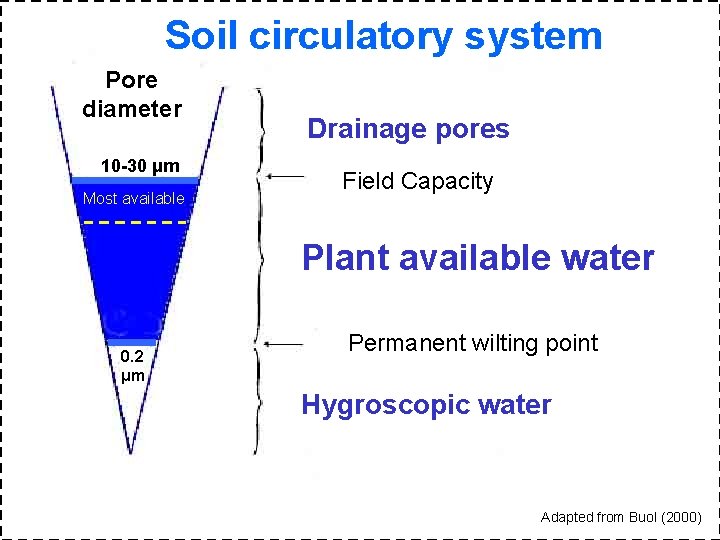
Soil circulatory system Pore diameter 10 -30 μm Most available Drainage pores Field Capacity Plant available water 0. 2 μm Permanent wilting point Hygroscopic water Adapted from Buol (2000)
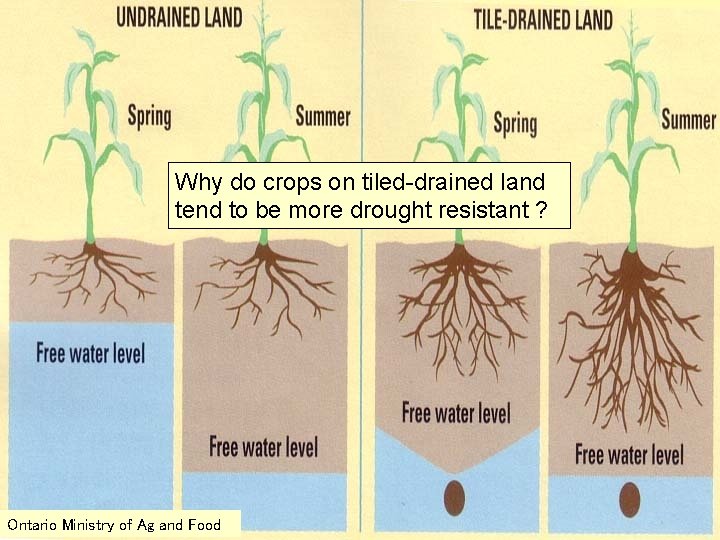
Why do crops on tiled-drained land tend to be more drought resistant ? Ontario Ministry of Ag and Food
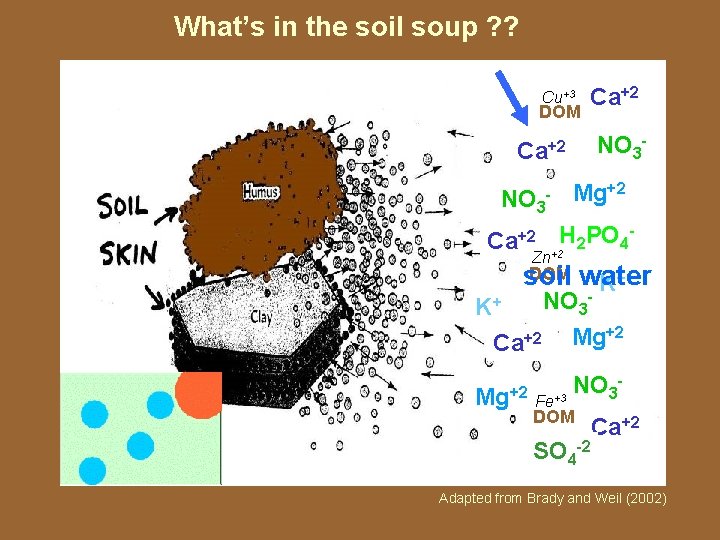
What’s in the soil soup ? ? Cu+3 DOM Ca+2 NO 3 - Ca+2 +2 NO 3 - Mg +2 H PO Ca 2 4 Zn+2 DOM water soil K+ NO 3 K+ +2 Ca+2 Mg - Mg+2 Fe NO 3 +3 DOM SO 4 -2 Ca+2 Adapted from Brady and Weil (2002)
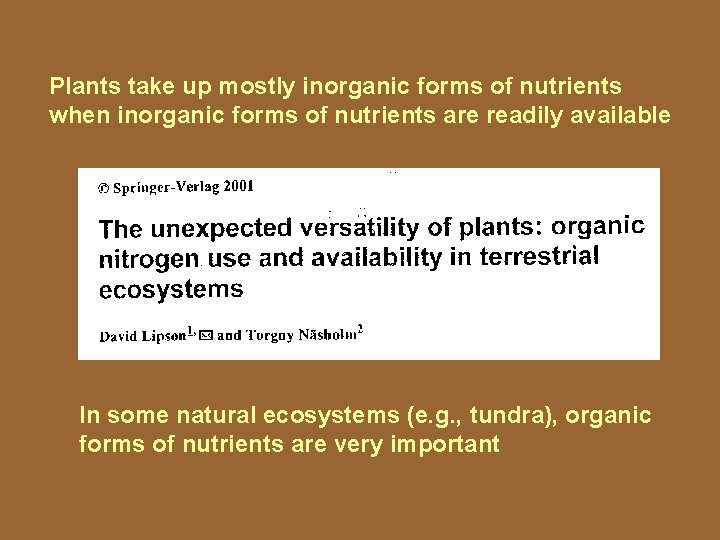
Plants take up mostly inorganic forms of nutrients when inorganic forms of nutrients are readily available In some natural ecosystems (e. g. , tundra), organic forms of nutrients are very important
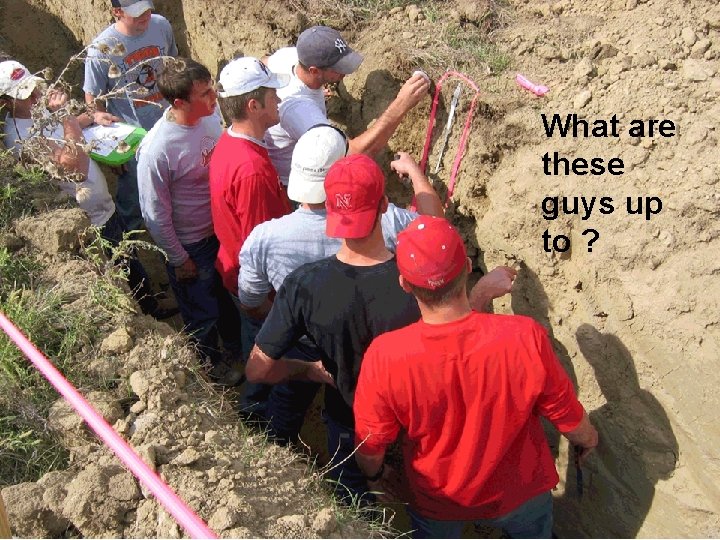
What are these guys up to ?