
What is a settlement pattern What might influence

- Slides: 24
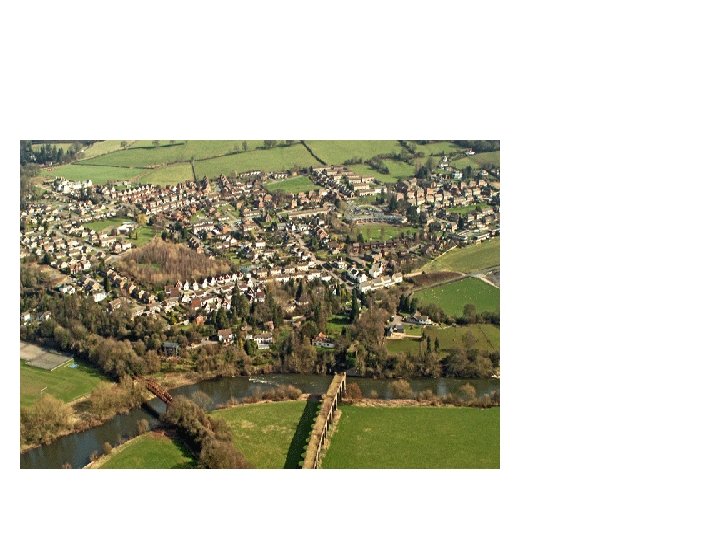
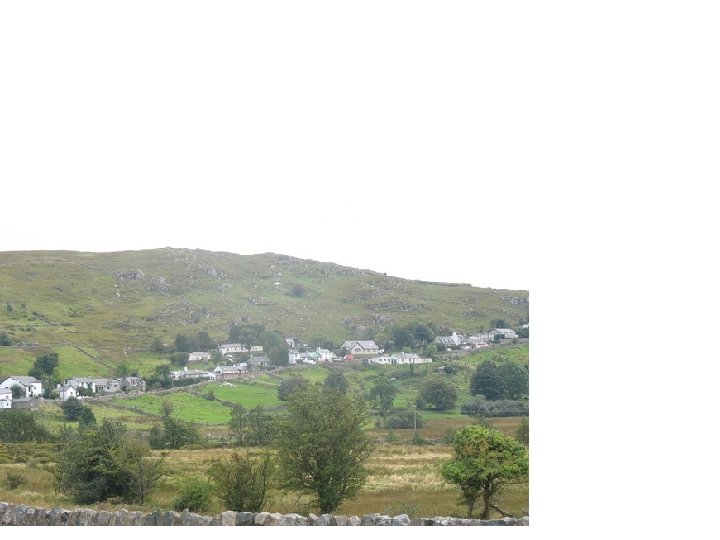
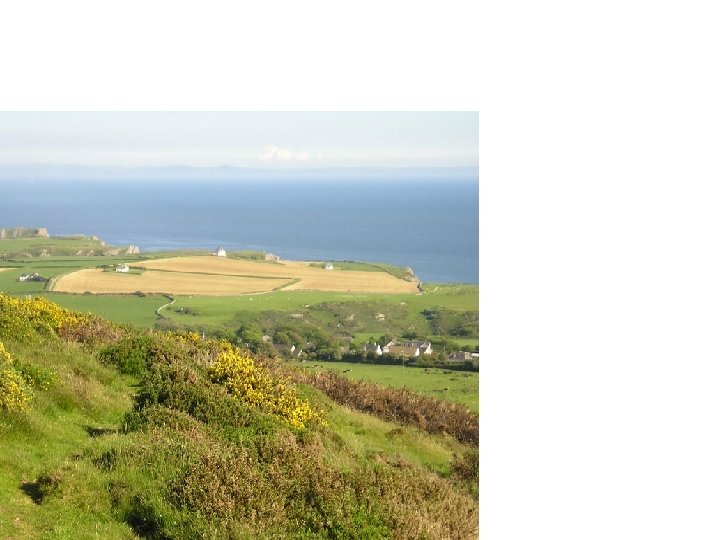
What is a settlement pattern? What might influence this pattern?
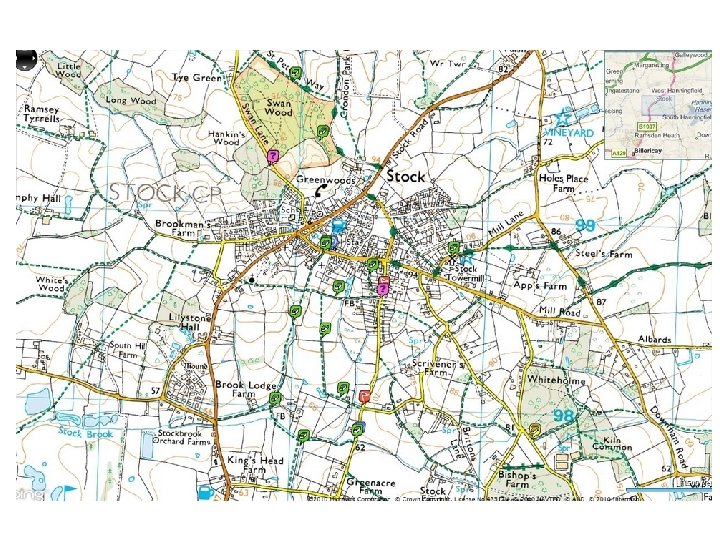
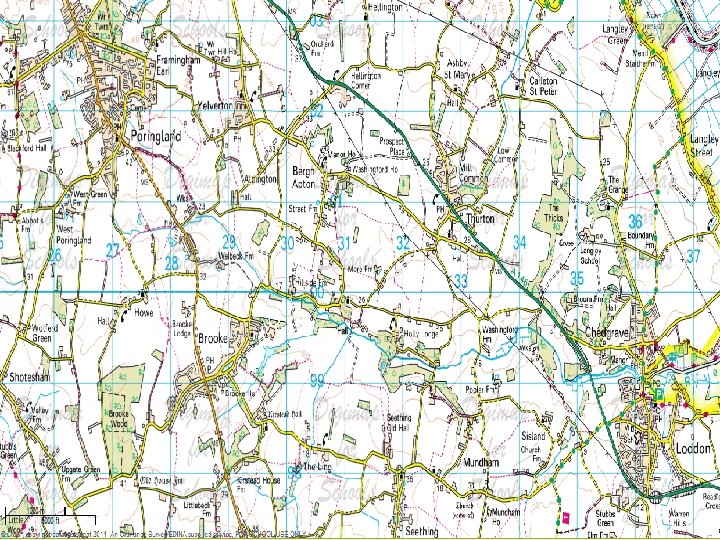
A settlement pattern is the shape of the settlement. The shape of early villages and towns was usually influenced by the surrounding area.
What is the pattern of settlement distribution? Lesson 3 Lesson Objectives: • To gain an understanding of how settlements are set out and the purpose of them. Lesson Outcomes By the end of today’s lesson students will be able to: • Identify and explain different settlement patterns. • Describe what a function is • Explain the purpose of settlement patterns
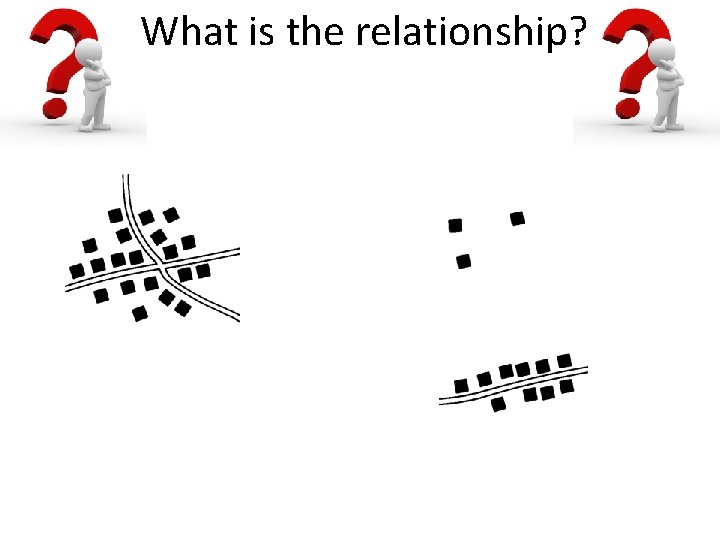
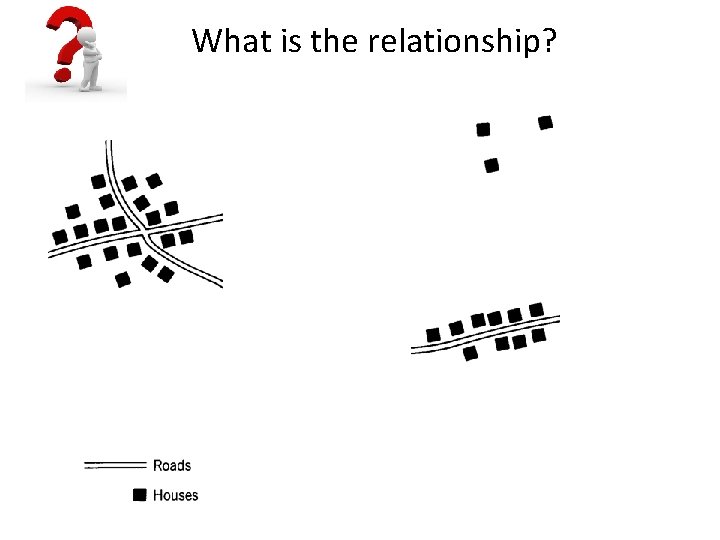
What is the relationship?
What is the relationship?
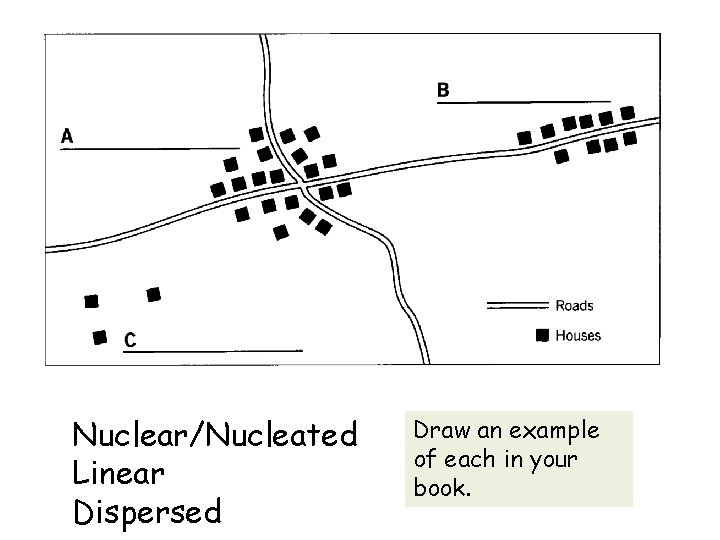
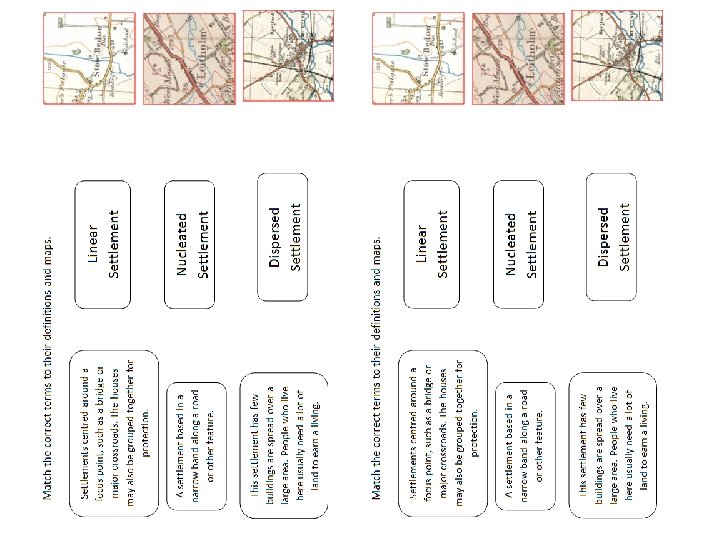
Settlement patterns • Dispersed pattern- spread out around the classroom. • Linear- get into a straight line. • Nucleated- huddle together.
Nuclear/Nucleated Linear Dispersed Draw an example of each in your book.
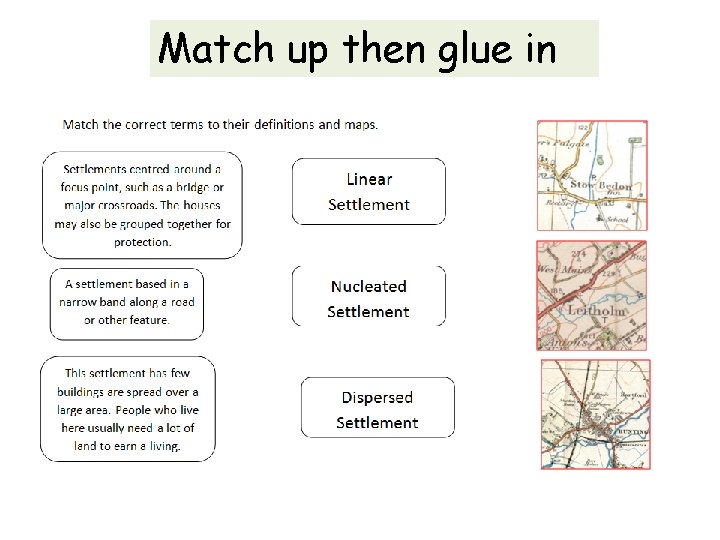
Match up then glue in
The situation of a settlement is its position in relation to the surrounding human and physical features. Site The place where a settlement is. Key Words
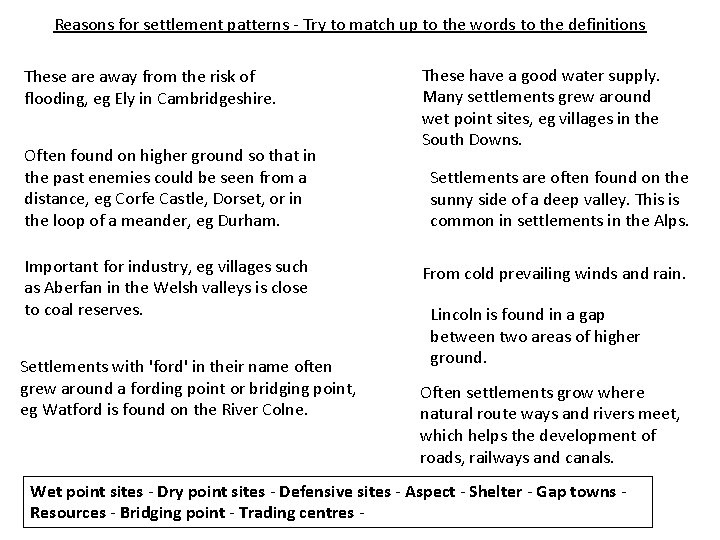
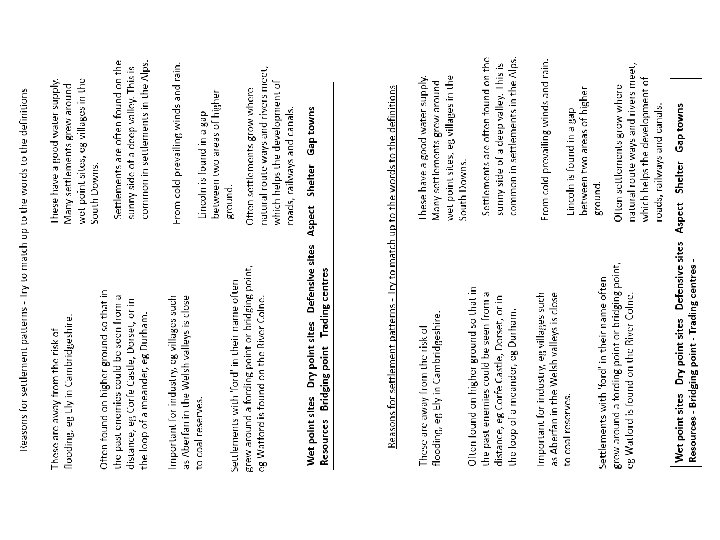
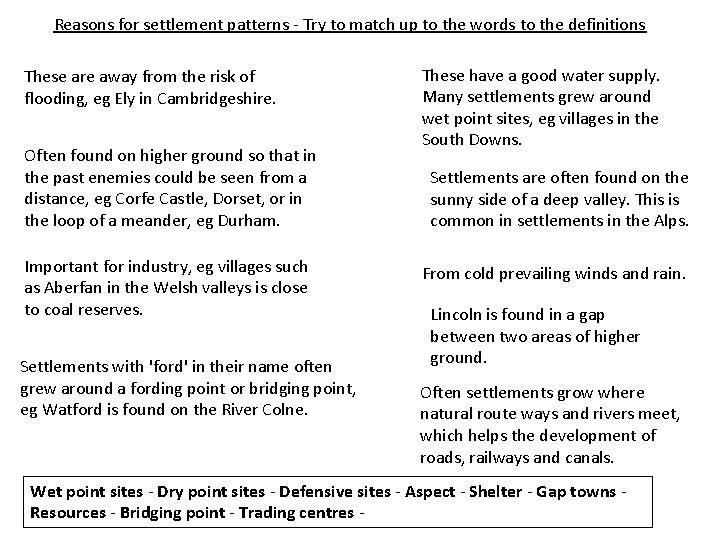
Reasons for settlement patterns - Try to match up to the words to the definitions These are away from the risk of flooding, eg Ely in Cambridgeshire. Often found on higher ground so that in the past enemies could be seen from a distance, eg Corfe Castle, Dorset, or in the loop of a meander, eg Durham. Important for industry, eg villages such as Aberfan in the Welsh valleys is close to coal reserves. Settlements with 'ford' in their name often grew around a fording point or bridging point, eg Watford is found on the River Colne. These have a good water supply. Many settlements grew around wet point sites, eg villages in the South Downs. Settlements are often found on the sunny side of a deep valley. This is common in settlements in the Alps. From cold prevailing winds and rain. Lincoln is found in a gap between two areas of higher ground. Often settlements grow where natural route ways and rivers meet, which helps the development of roads, railways and canals. Wet point sites - Dry point sites - Defensive sites - Aspect - Shelter - Gap towns Resources - Bridging point - Trading centres -
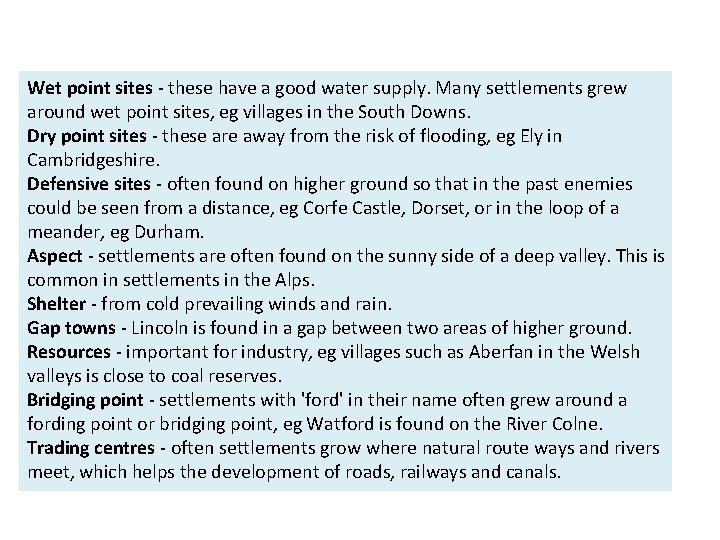
Wet point sites - these have a good water supply. Many settlements grew around wet point sites, eg villages in the South Downs. Dry point sites - these are away from the risk of flooding, eg Ely in Cambridgeshire. Defensive sites - often found on higher ground so that in the past enemies could be seen from a distance, eg Corfe Castle, Dorset, or in the loop of a meander, eg Durham. Aspect - settlements are often found on the sunny side of a deep valley. This is common in settlements in the Alps. Shelter - from cold prevailing winds and rain. Gap towns - Lincoln is found in a gap between two areas of higher ground. Resources - important for industry, eg villages such as Aberfan in the Welsh valleys is close to coal reserves. Bridging point - settlements with 'ford' in their name often grew around a fording point or bridging point, eg Watford is found on the River Colne. Trading centres - often settlements grow where natural route ways and rivers meet, which helps the development of roads, railways and canals.
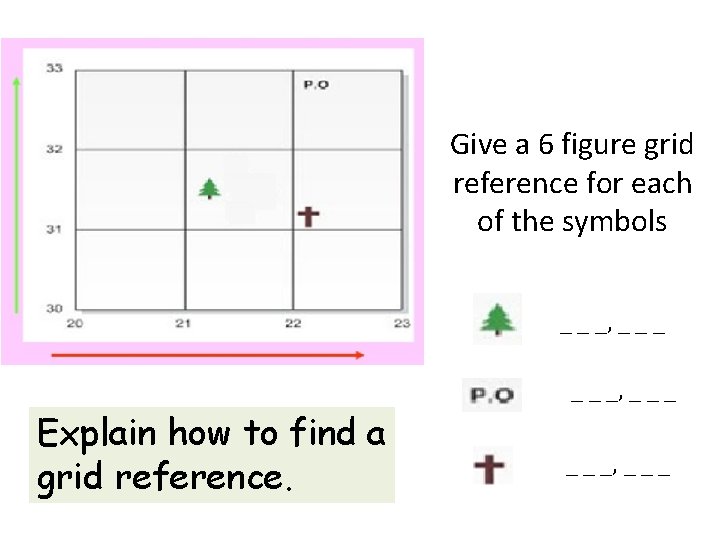
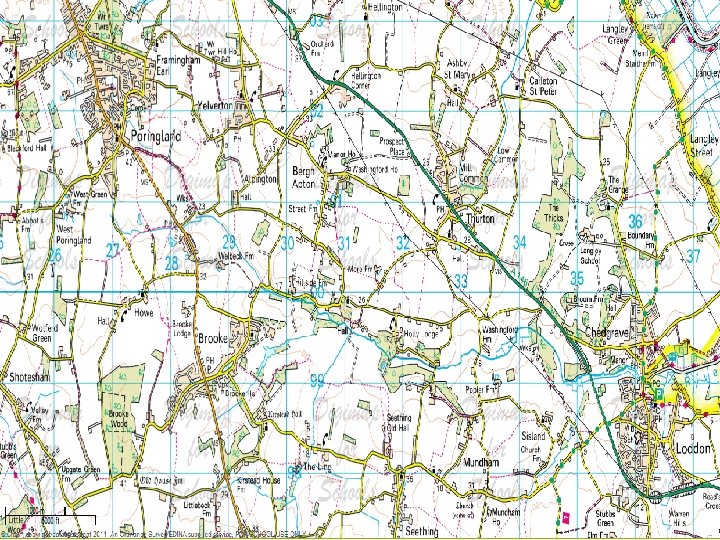
Give a 6 figure grid reference for each of the symbols _ _ _, _ _ _ Explain how to find a grid reference. _ _ _, _ _ _
Time to RAP Make a rap or a poem to explain what; nuclear, linear and dispersed are.
Resources
Reasons for settlement patterns - Try to match up to the words to the definitions These are away from the risk of flooding, eg Ely in Cambridgeshire. Often found on higher ground so that in the past enemies could be seen from a distance, eg Corfe Castle, Dorset, or in the loop of a meander, eg Durham. Important for industry, eg villages such as Aberfan in the Welsh valleys is close to coal reserves. Settlements with 'ford' in their name often grew around a fording point or bridging point, eg Watford is found on the River Colne. These have a good water supply. Many settlements grew around wet point sites, eg villages in the South Downs. Settlements are often found on the sunny side of a deep valley. This is common in settlements in the Alps. From cold prevailing winds and rain. Lincoln is found in a gap between two areas of higher ground. Often settlements grow where natural route ways and rivers meet, which helps the development of roads, railways and canals. Wet point sites - Dry point sites - Defensive sites - Aspect - Shelter - Gap towns Resources - Bridging point - Trading centres -