
What is a Habit Tree Introduction 1 st
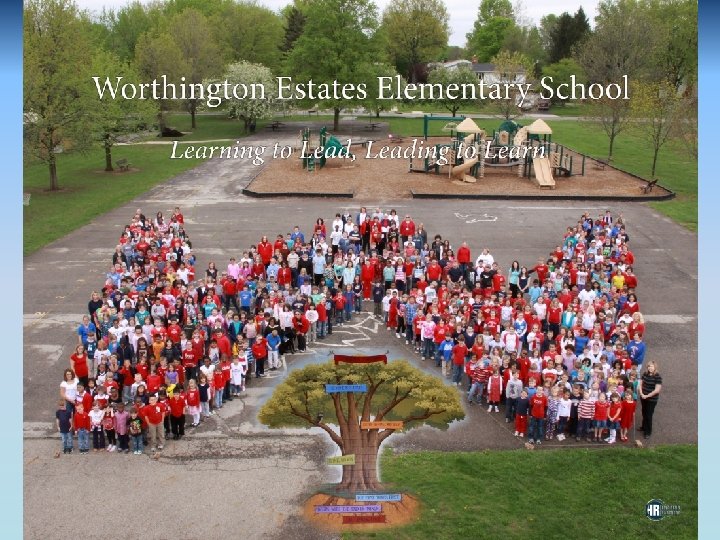

What is a “Habit Tree? ”
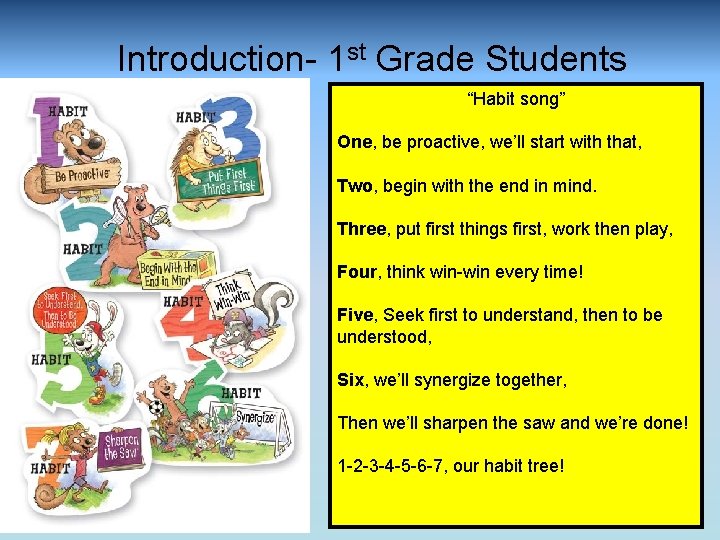
Introduction- 1 st Grade Students “Habit song” One, be proactive, we’ll start with that, Two, begin with the end in mind. Three, put first things first, work then play, Four, think win-win every time! Five, Seek first to understand, then to be understood, Six, we’ll synergize together, Then we’ll sharpen the saw and we’re done! 1 -2 -3 -4 -5 -6 -7, our habit tree!
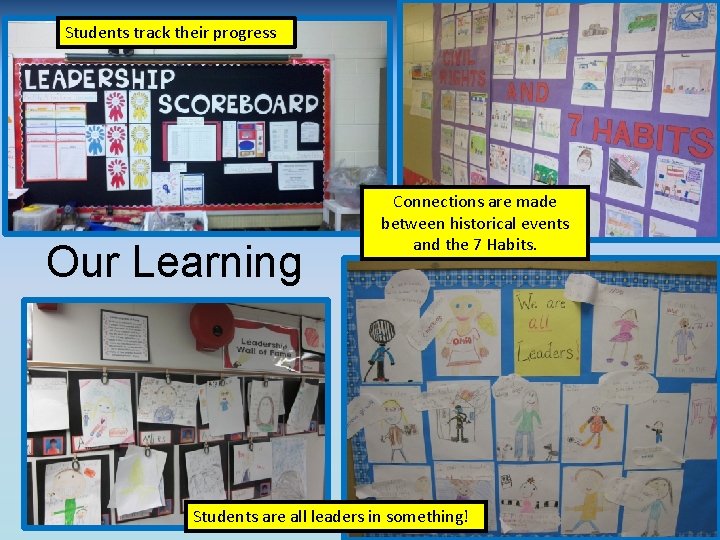
Students track their progress Our Learning Connections are made between historical events and the 7 Habits. Students are all leaders in something!
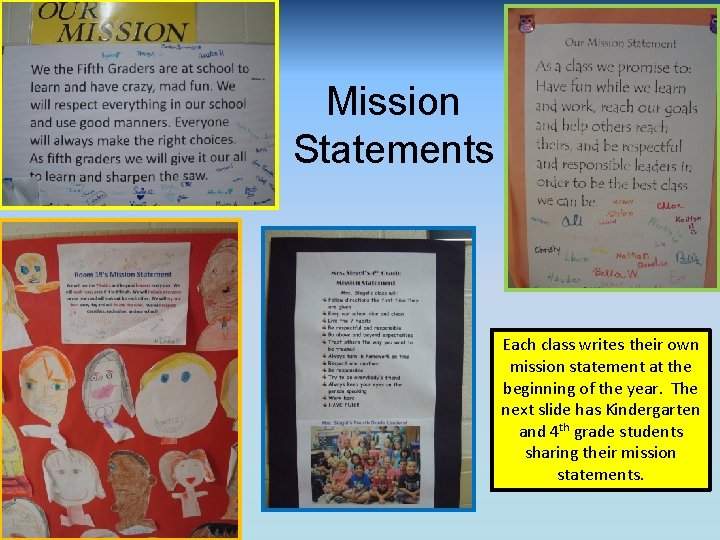
Mission Statements Each class writes their own mission statement at the beginning of the year. The next slide has Kindergarten and 4 th grade students sharing their mission statements.
Kindergarten and 4 th Grade Mission Statements
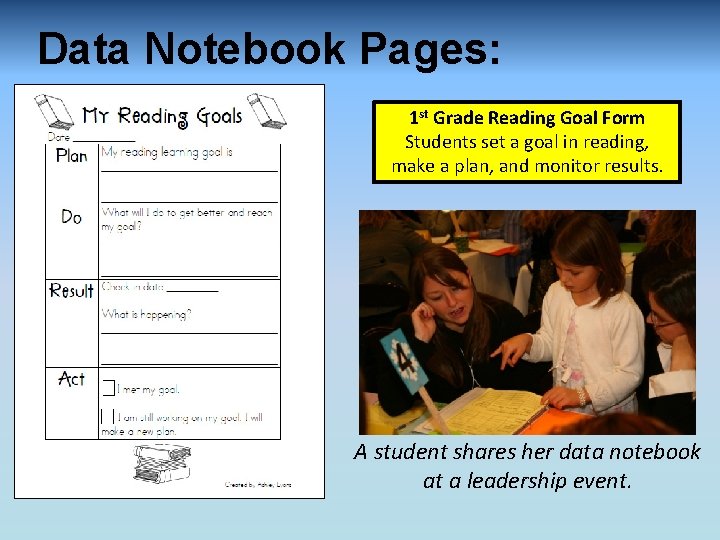
Data Notebook Pages: 1 st Grade Reading Goal Form Students set a goal in reading, make a plan, and monitor results. A student shares her data notebook at a leadership event.
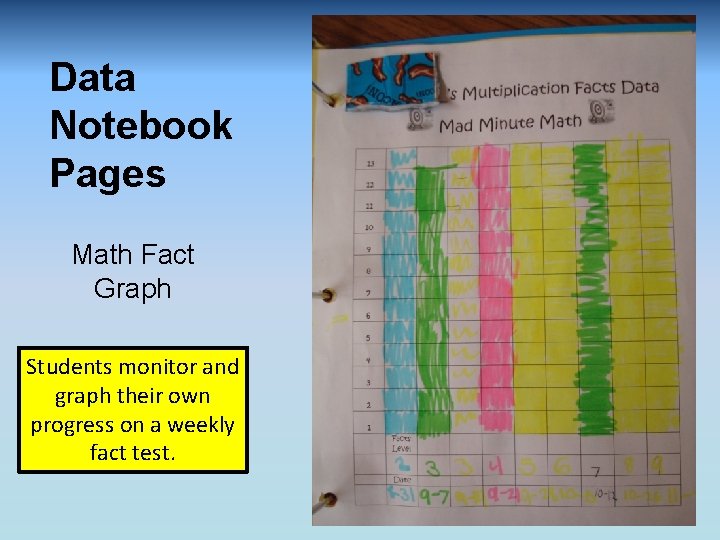
Data Notebook Pages Math Fact Graph Students monitor and graph their own progress on a weekly fact test.
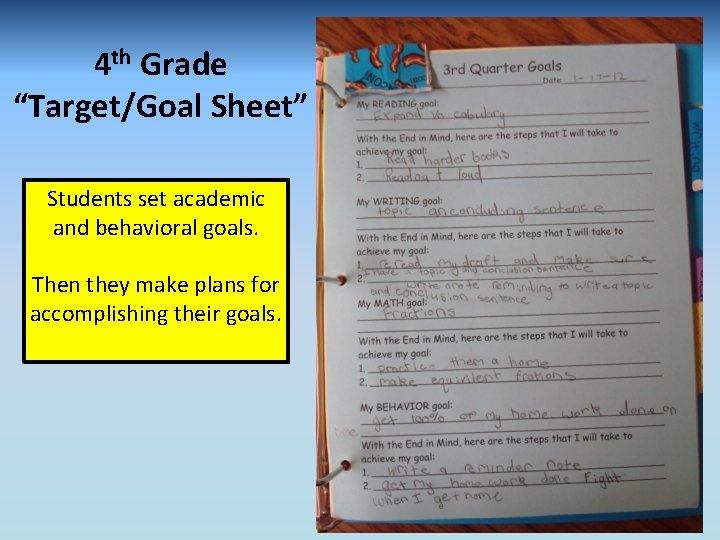
4 th Grade “Target/Goal Sheet” Students set academic and behavioral goals. Then they make plans for accomplishing their goals.
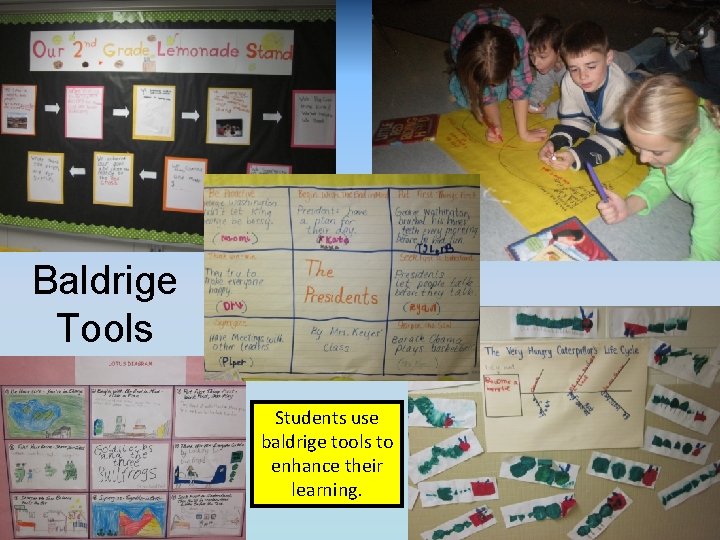
Baldrige Tools Students use baldrige tools to enhance their learning.
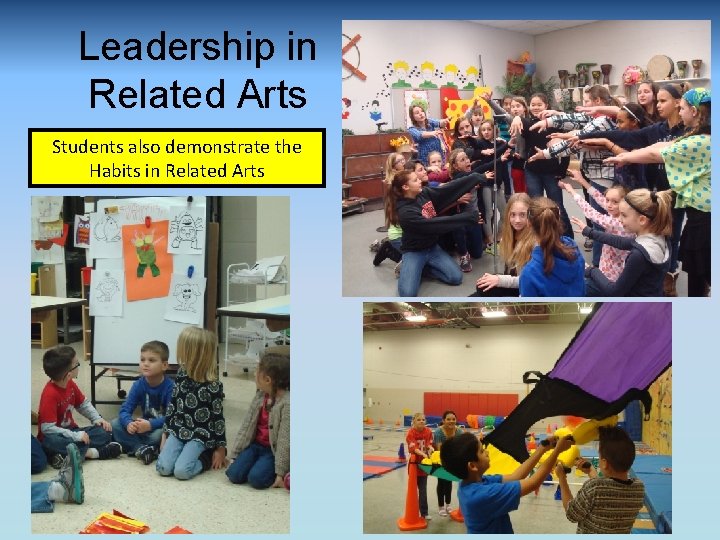
Leadership in Related Arts Students also demonstrate the Habits in Related Arts
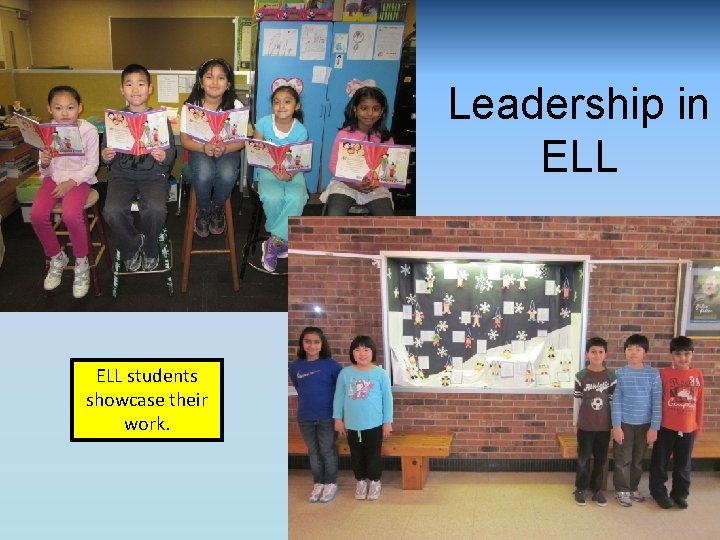
Leadership in ELL students showcase their work.
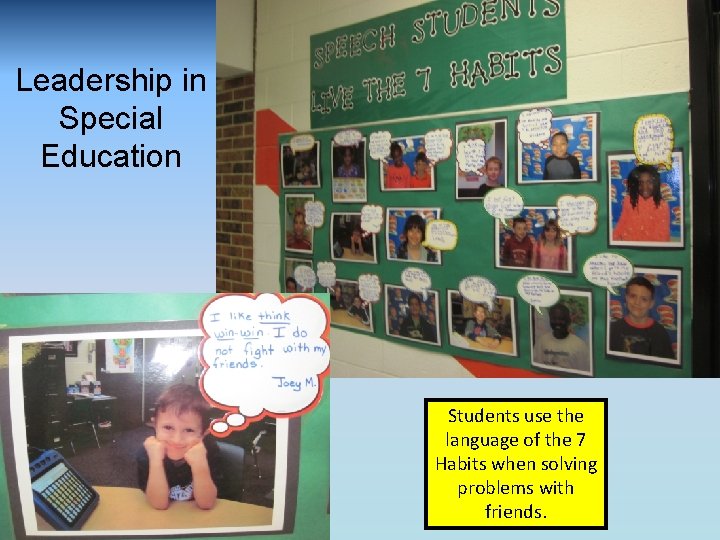
Leadership in Special Education Students use the language of the 7 Habits when solving problems with friends.
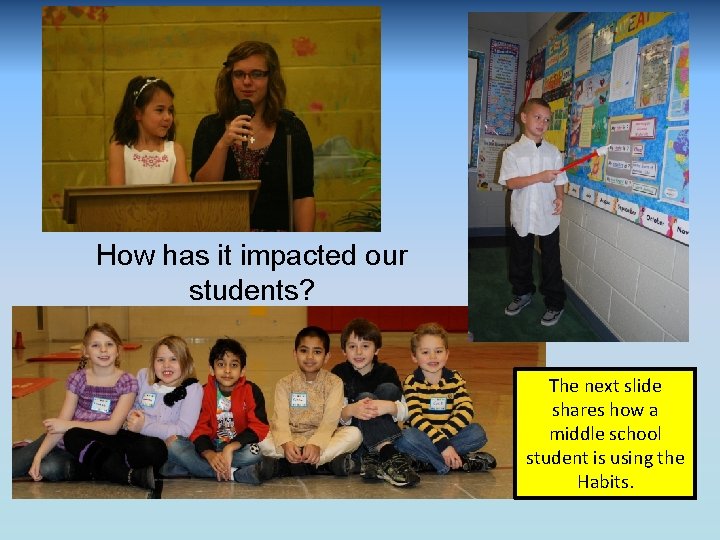
How has it impacted our students? The next slide shares how a middle school student is using the Habits.
How the Habits Help a Former WES Student
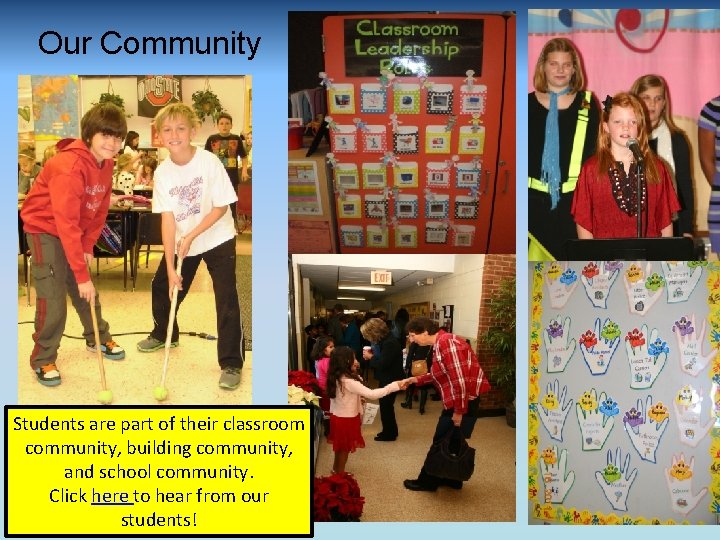
Our Community Students are part of their classroom community, building community, and school community. Click here to hear from our students!
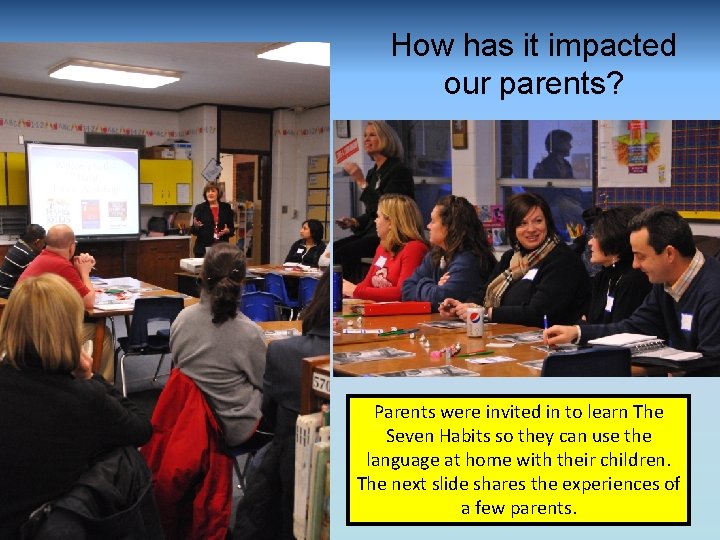
How has it impacted our parents? Parents were invited in to learn The Seven Habits so they can use the language at home with their children. The next slide shares the experiences of a few parents.
What WES Parents Say About the 7 Habits
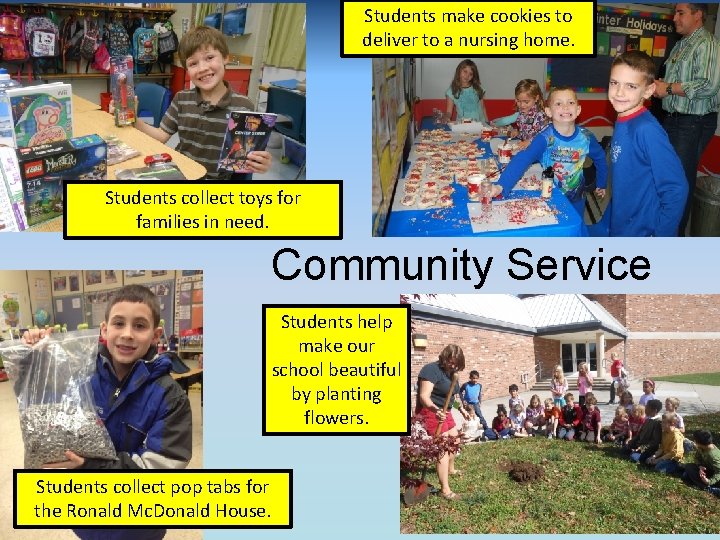
Students make cookies to deliver to a nursing home. Students collect toys for families in need. Community Service Students help make our school beautiful by planting flowers. Students collect pop tabs for the Ronald Mc. Donald House.
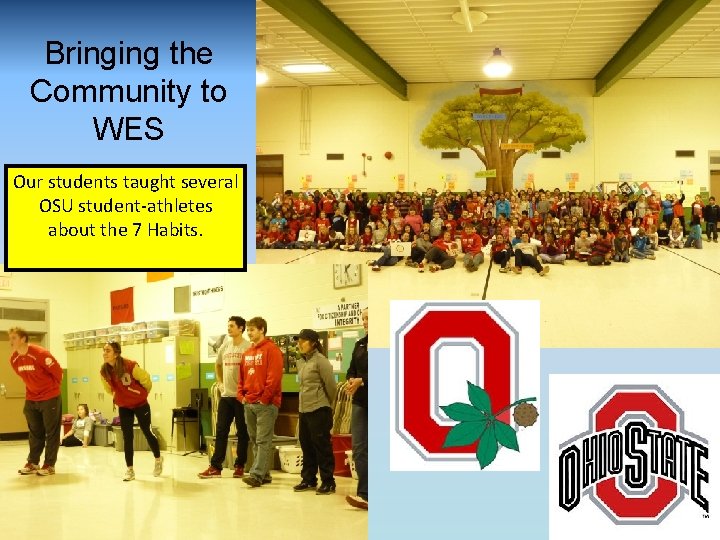
Bringing the Community to WES Our students taught several OSU student-athletes about the 7 Habits.
Making a Difference • Four areas in which we would expect to see improvement – Academic growth – Behavior – Student engagement – Culture/climate
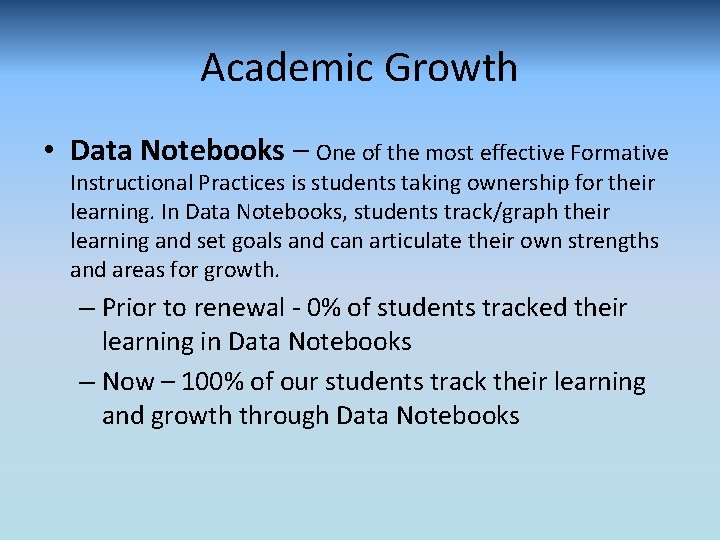
Academic Growth • Data Notebooks – One of the most effective Formative Instructional Practices is students taking ownership for their learning. In Data Notebooks, students track/graph their learning and set goals and can articulate their own strengths and areas for growth. – Prior to renewal - 0% of students tracked their learning in Data Notebooks – Now – 100% of our students track their learning and growth through Data Notebooks
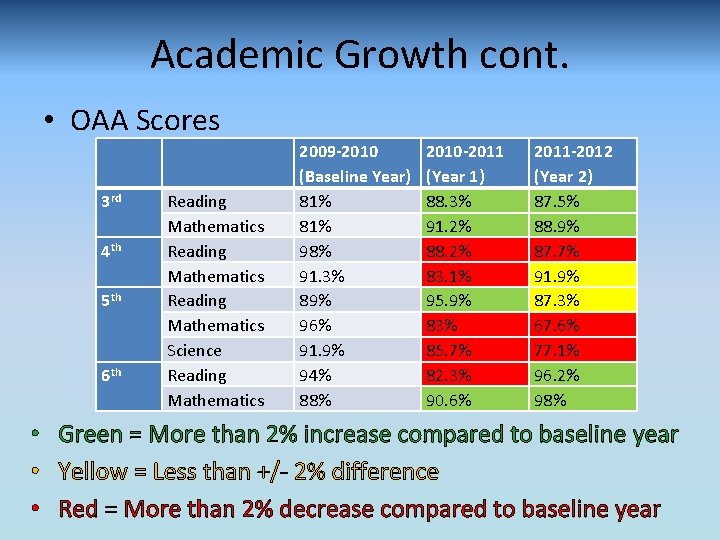
Academic Growth cont. • OAA Scores 3 rd Reading Mathematics Science Reading Mathematics 4 th 5 th 6 th 2009 -2010 (Baseline Year) 81% 98% 91. 3% 89% 96% 91. 9% 94% 88% 2010 -2011 (Year 1) 88. 3% 91. 2% 88. 2% 83. 1% 95. 9% 83% 85. 7% 82. 3% 90. 6% 2011 -2012 (Year 2) 87. 5% 88. 9% 87. 7% 91. 9% 87. 3% 67. 6% 77. 1% 96. 2% 98% • Green = More than 2% increase compared to baseline year • Yellow = Less than +/- 2% difference • Red = More than 2% decrease compared to baseline year
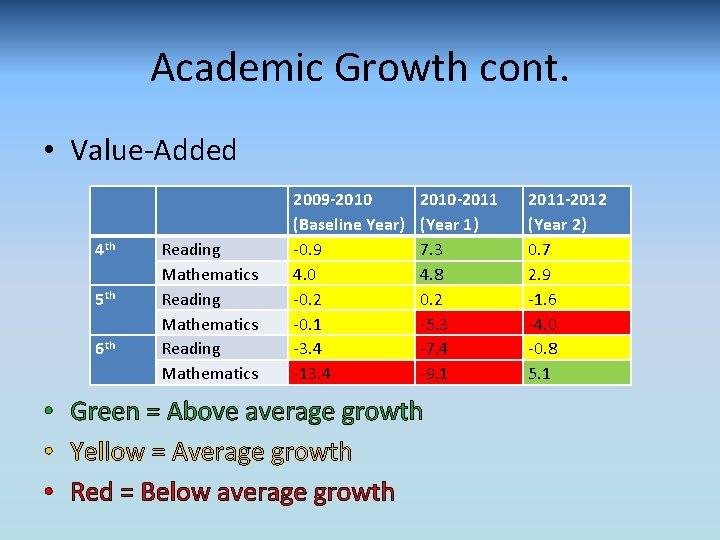
Academic Growth cont. • Value-Added 4 th Reading Mathematics 5 th 6 th 2009 -2010 (Baseline Year) -0. 9 4. 0 -0. 2 -0. 1 -3. 4 -13. 4 2010 -2011 (Year 1) 7. 3 4. 8 0. 2 -5. 3 -7. 4 -9. 1 • Green = Above average growth • Yellow = Average growth • Red = Below average growth 2011 -2012 (Year 2) 0. 7 2. 9 -1. 6 -4. 0 -0. 8 5. 1
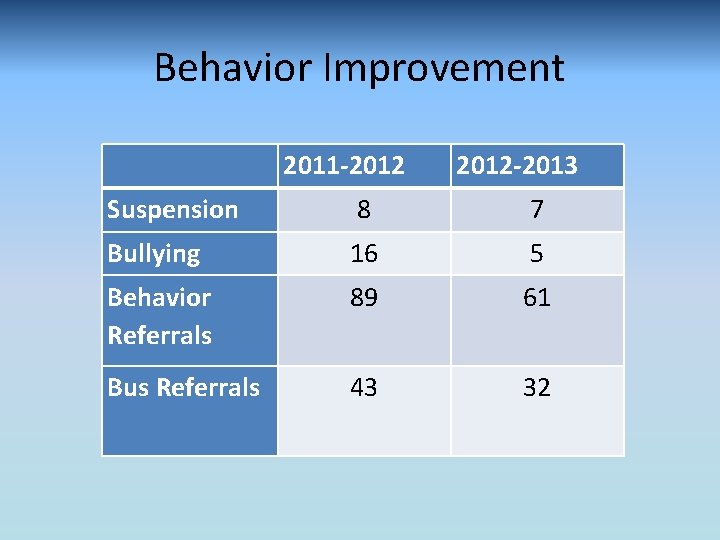
Behavior Improvement 2011 -2012 -2013 Suspension 8 7 Bullying 16 5 Behavior Referrals 89 61 Bus Referrals 43 32
Student Engagement and Climate/Culture • Evidence already presented – Common language – More leadership opportunities for students – Student expectations – Staff unity
- Slides: 26