
What in the CELL Who discovered cells Robert
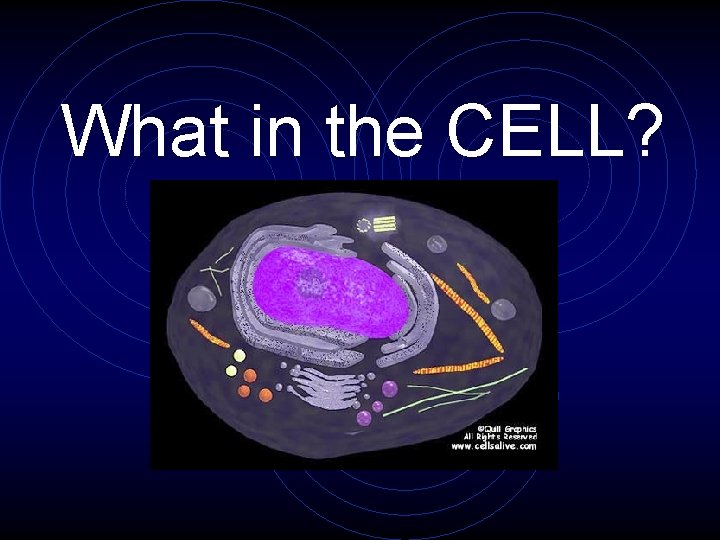
What in the CELL?
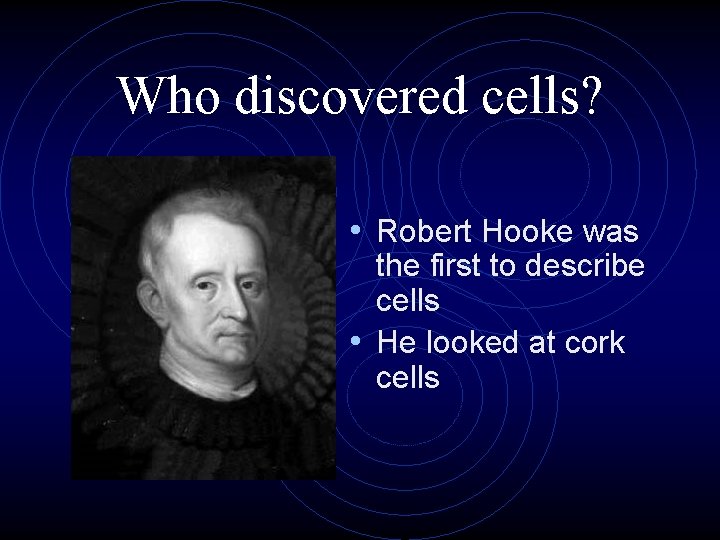
Who discovered cells? • Robert Hooke was the first to describe cells • He looked at cork cells
Who else? • Anton Von Leeuwenhoek – Danish curtain maker whose hobby was to make lenses. • How did this increase our knowledge of cells?
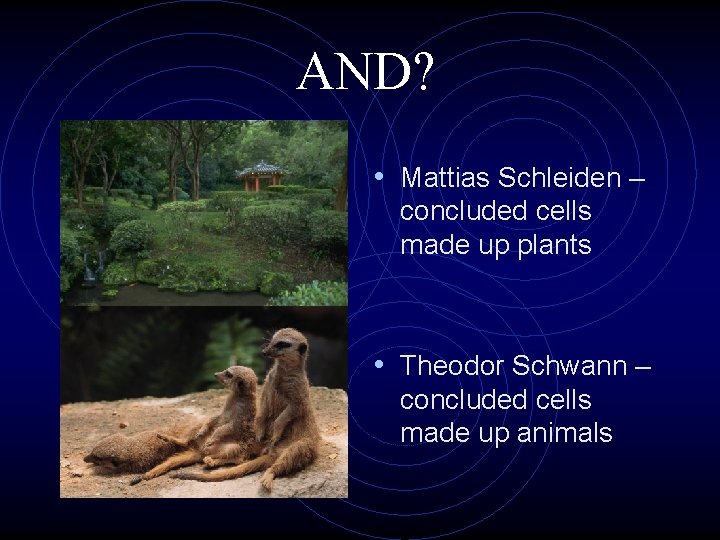
AND? • Mattias Schleiden – concluded cells made up plants • Theodor Schwann – concluded cells made up animals

AND Lastly? • Rudolph Virchow determined that cells come from other cells.
The Cell Theory • The work of these men helped to contribute to the modern-day cell theory… • All living cells are made of one or more cells • Cells are the basic unit of structure and function in all organisms • All cells arise from existing cells
Our knowledge of cells… • Has increased with the use of microscopes. • Crude Lenses • Compound Microscopes • TEMs • SEMs Why? ? ?
Task #1 • Go to www. geocities. com/jdaregelski • • • Then click on Microbiology Home Then Web. Micro 2001 Then Microscopes And complete the questionnaire for this website.
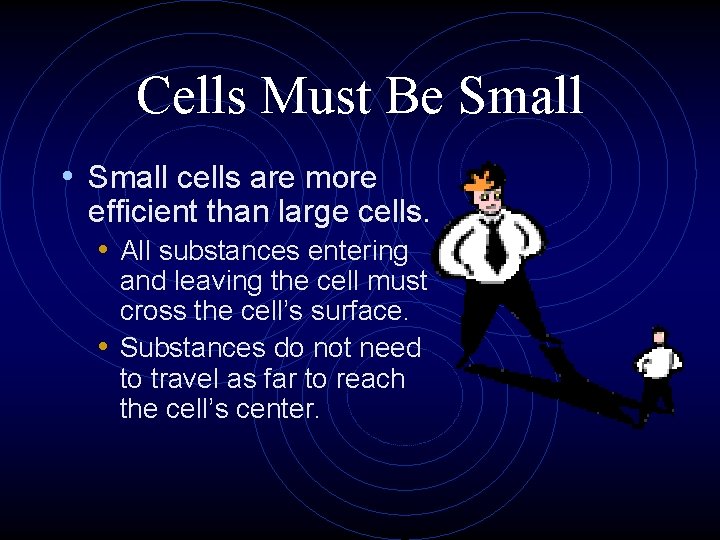
Cells Must Be Small • Small cells are more efficient than large cells. • All substances entering and leaving the cell must cross the cell’s surface. • Substances do not need to travel as far to reach the cell’s center.
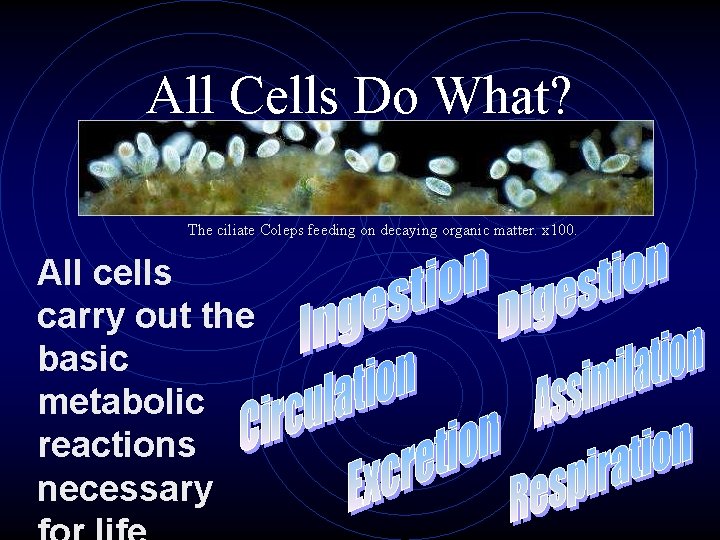
All Cells Do What? The ciliate Coleps feeding on decaying organic matter. x 100. All cells carry out the basic metabolic reactions necessary
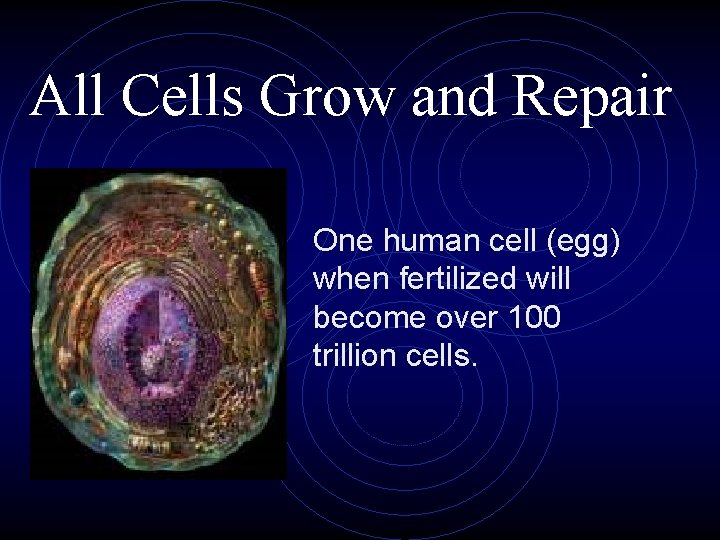
All Cells Grow and Repair One human cell (egg) when fertilized will become over 100 trillion cells.
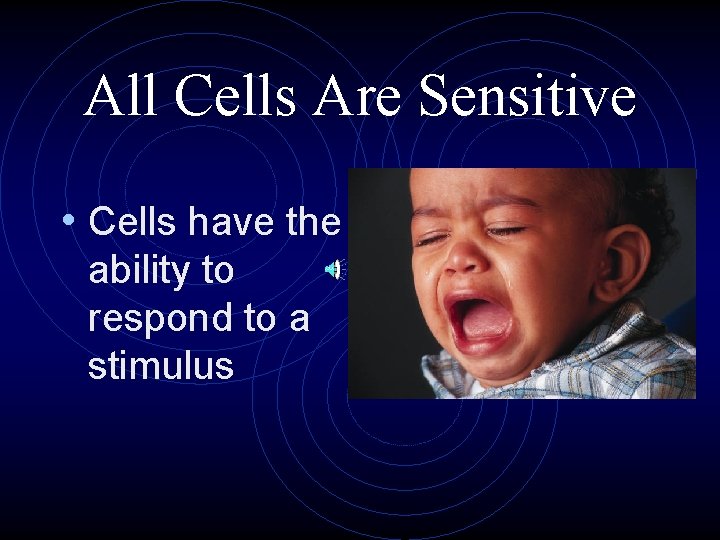
All Cells Are Sensitive • Cells have the ability to respond to a stimulus
Prokaryote Versus Eukaryote • Get a sheet of paper… • Fold it like a hamburger… • Make a Venn Diagram… – Label one flap - Prokaryote – Label one flap – Both – Label the last one - Eukaryote • Take three minutes and using pages 57 and 58 – Write all of the pertinent information regarding these types of cells that you can.

Organs in Cells? • Cells have tiny organelles within them that carry out functions within the cell much like the organs in our bodies – such as our heart, brain, lungs and spleen!
Organelles you need to know the function of… • • • Nucleus • Cell Membrane • • Cytoplasm Cytoskeleton • • Ribosome Smooth • Endoplasmic • Reticulum Cell Wall Flagellum Cilia Vesicle Golgi Apparatus Lysosome Rough Endoplasmic Reticulum • Nucleolus • Plastid • Chromaplast • Leucoplast • Chloroplast • Microfilaments • Mitochondria • Microtubule
Task #2 Your homework assignment - Due on ? ? You will produce a travel brochure to attract visitors to spend money to visit an animal or plant cell. Think about the cell as a huge amusement park or even a roadside attraction. The brochure must describe at least 8 “attractions” (organelles or cell processes) that will “delight and amaze” your potential customers. Humor and creativity are encouraged. Brochures are evaluated by accuracy of organelle descriptions, design and creativity.
• Entice your visitors to take the next exit and visit the “incredible! Amazing! And unbelievable!” sights of an animal or plant cell. For example, visitors might want to “visit the ribosomes, just outside the nucleus and watch as proteins are synthesized RIGHT BEFORE YOUR VERY EYES!!!”. Be Creative!!!
Task #3 • Using the Plant and Animal Cell Foldable (provided by Mrs. Regelski) – List all the differences between plants and animals.
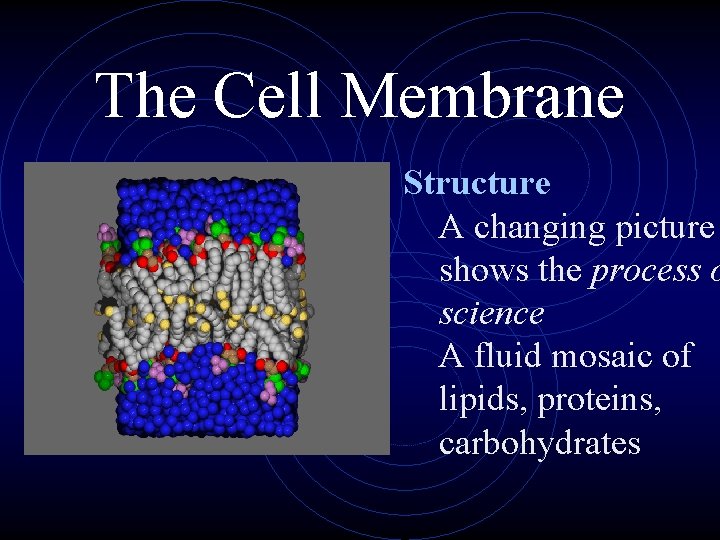
The Cell Membrane Structure A changing picture shows the process o science A fluid mosaic of lipids, proteins, carbohydrates
The Cell Membrane Continued • Membrane Function • Selectively permeable – It allows some substances to pass through and does not allow others.
It’s Made of Lipids? • Even well before scientists could “see” the membrane, they knew it was made of lipids…. . how did they know that? • They could measure that lipids entered cells more rapidly than substances that were insoluble in lipids
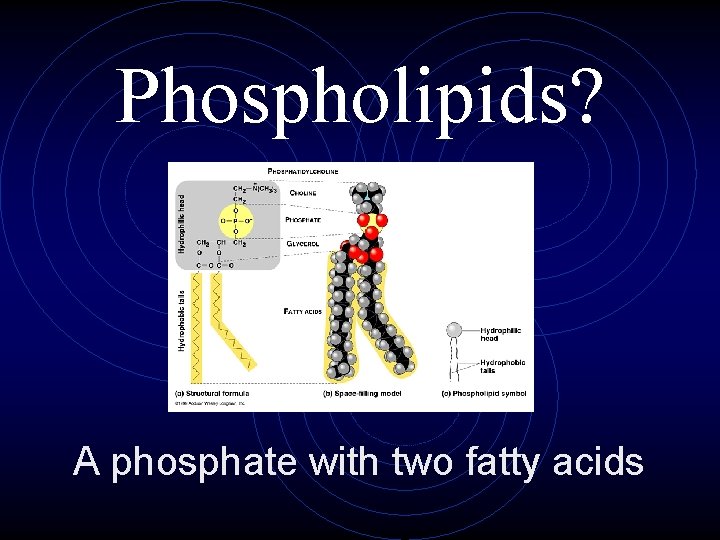
Phospholipids? A phosphate with two fatty acids
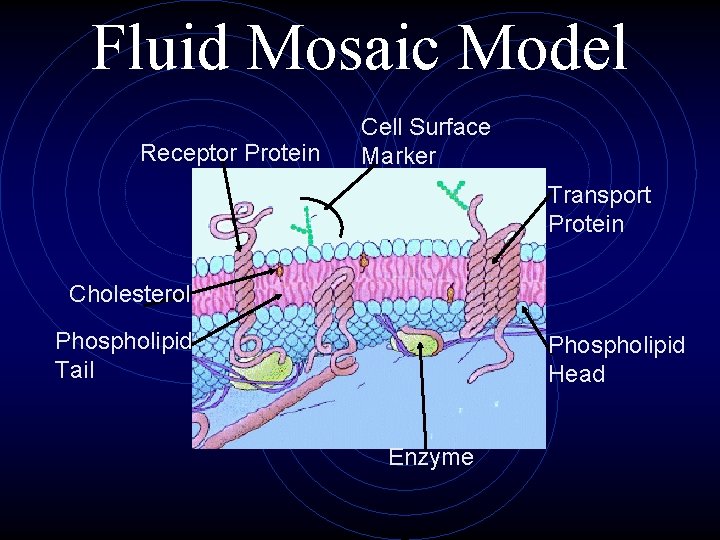
Fluid Mosaic Model Receptor Protein Cell Surface Marker Transport Protein Cholesterol Phospholipid Tail Phospholipid Head Enzyme
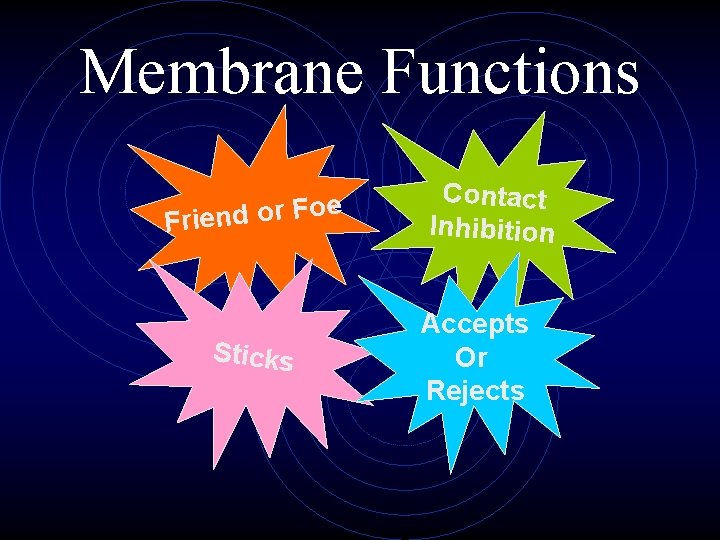
Membrane Functions e o F r o d n e Fri Sticks Contact Inhibition Accepts Or Rejects
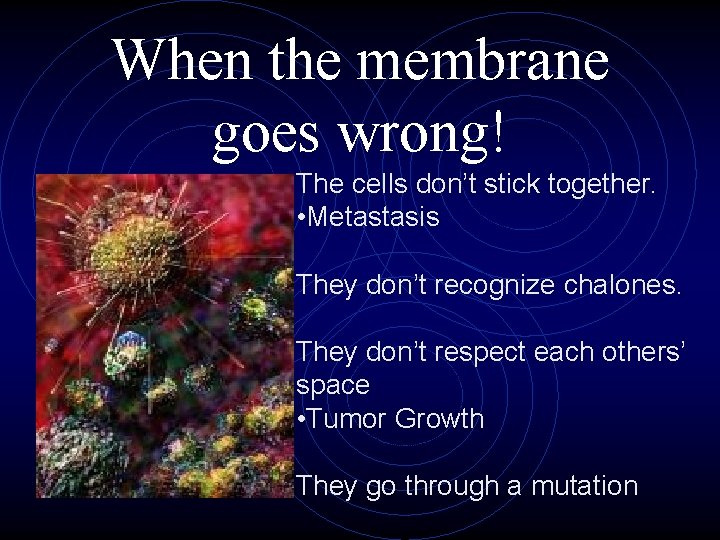
When the membrane goes wrong! The cells don’t stick together. • Metastasis They don’t recognize chalones. They don’t respect each others’ space • Tumor Growth They go through a mutation
- Slides: 25