
What enzymes are regulated Enzymes at control points
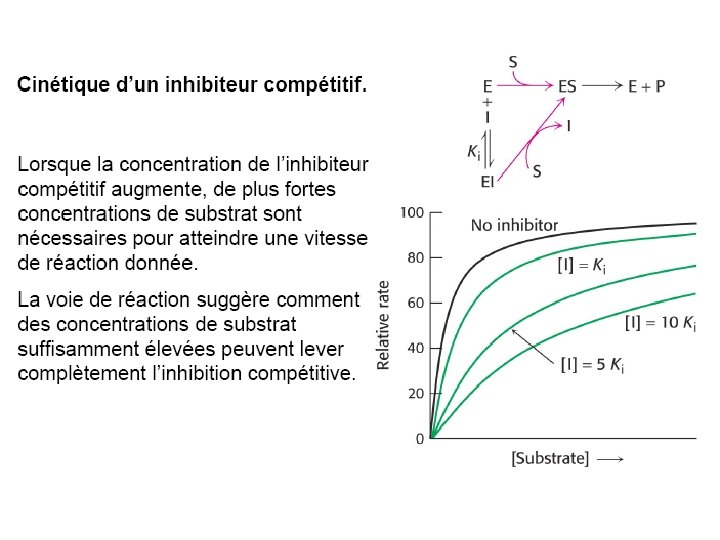
- Slides: 38
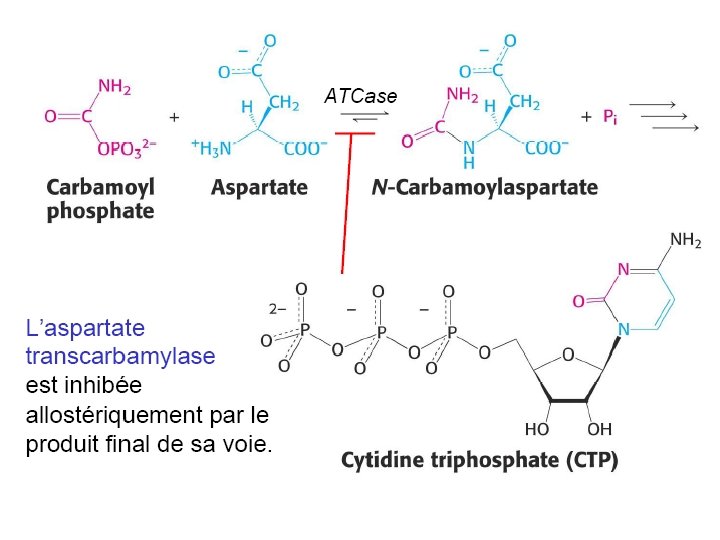
What enzymes are regulated? • Enzymes at control points in metabolism • Generally the committed step (not necessarily the first step) • Note that these are usually essentially irreversible steps
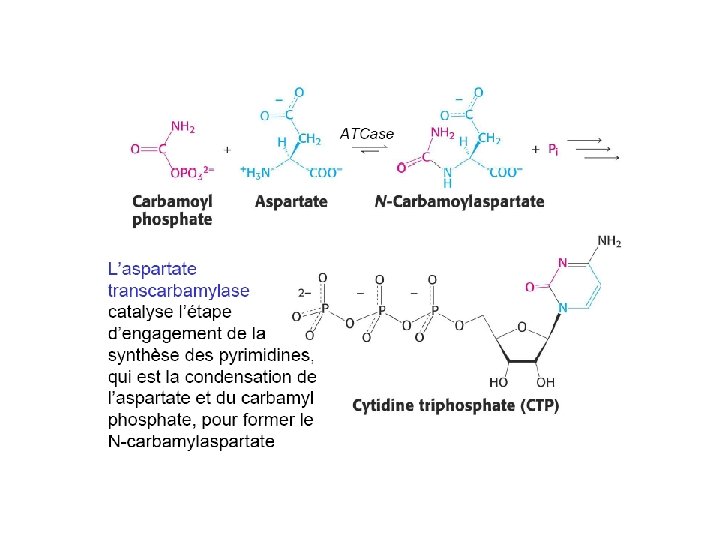
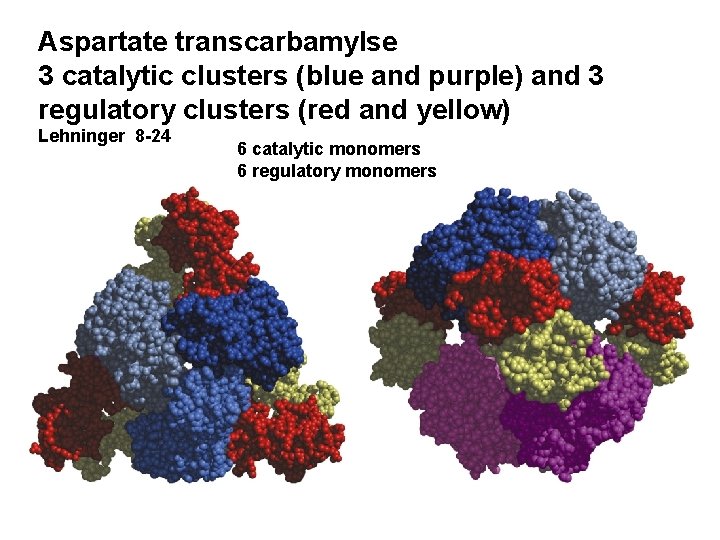
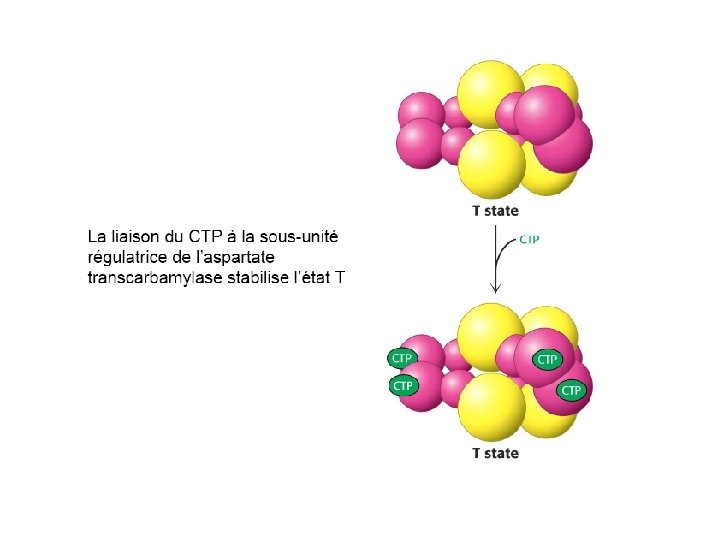
Aspartate transcarbamylse 3 catalytic clusters (blue and purple) and 3 regulatory clusters (red and yellow) Lehninger 8 -24 6 catalytic monomers 6 regulatory monomers
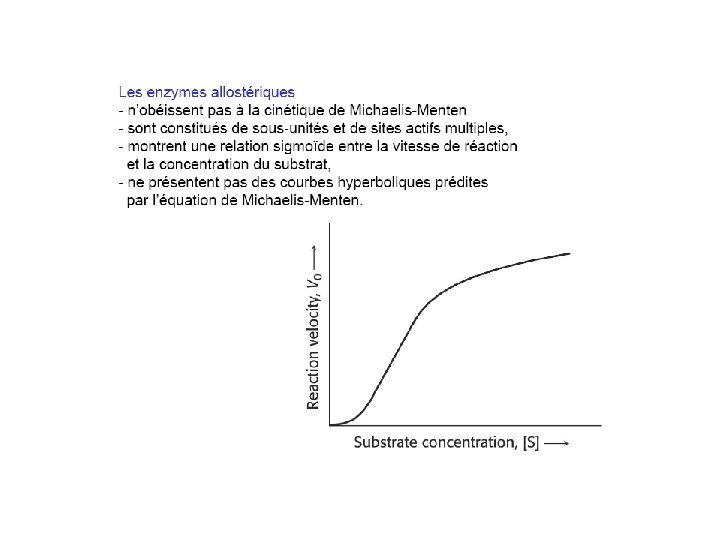
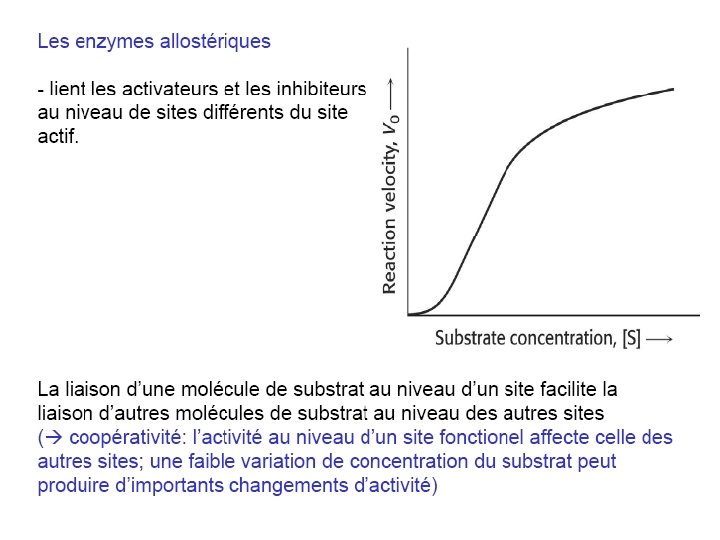
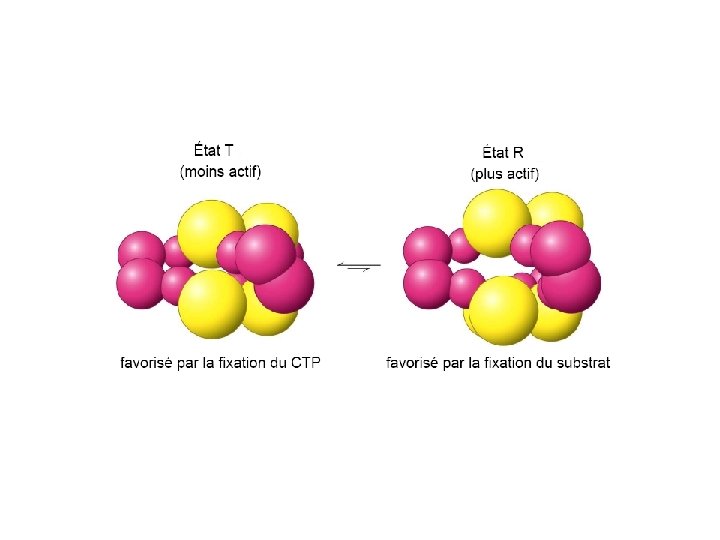
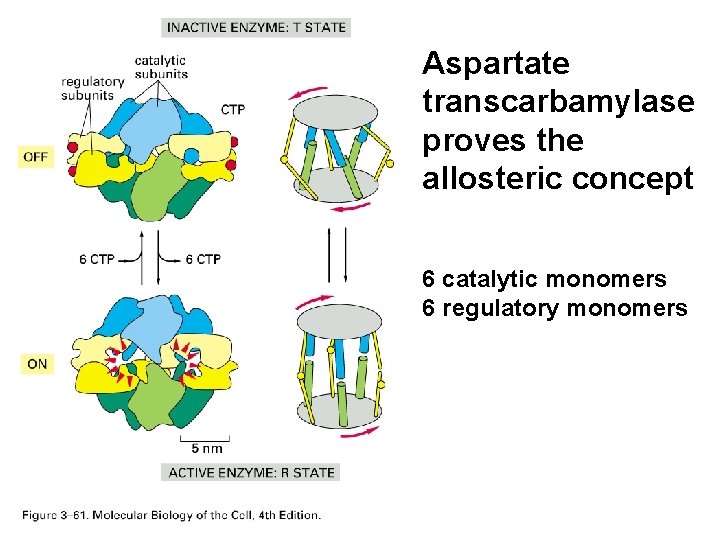
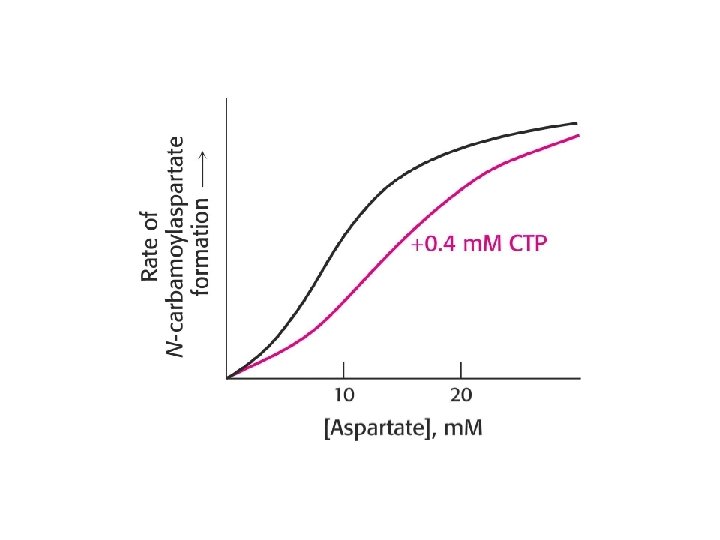
Aspartate transcarbamylase proves the allosteric concept 6 catalytic monomers 6 regulatory monomers
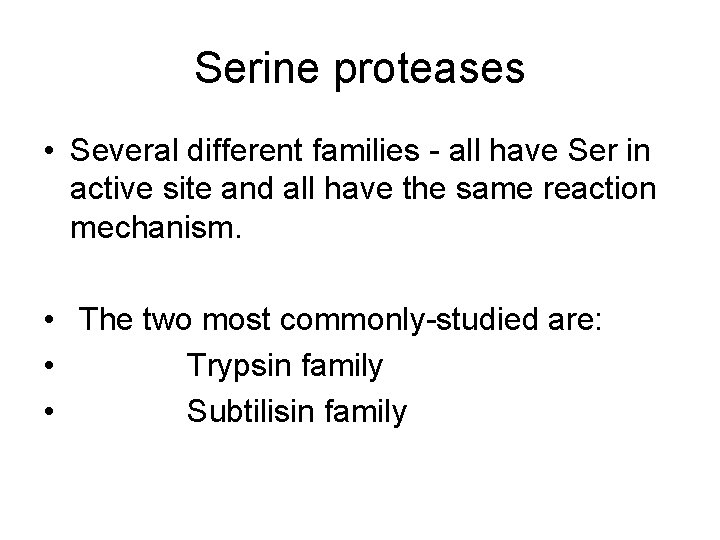
Serine proteases • Several different families - all have Ser in active site and all have the same reaction mechanism. • The two most commonly-studied are: • Trypsin family • Subtilisin family
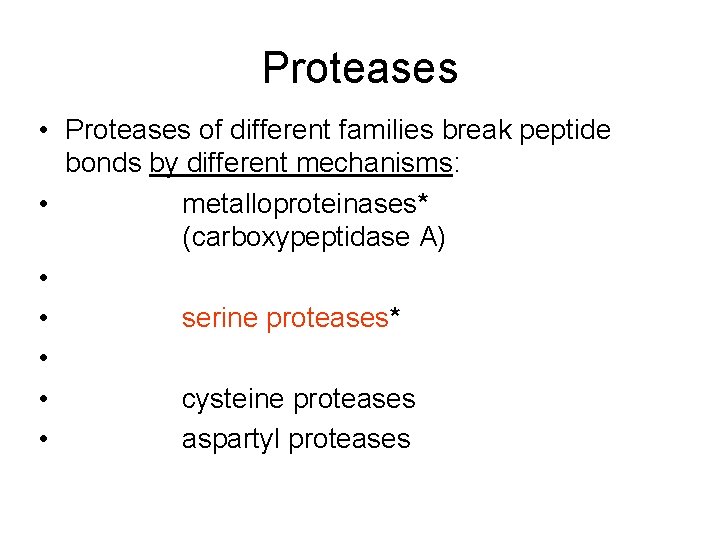
Proteases • Proteases of different families break peptide bonds by different mechanisms: • metalloproteinases* (carboxypeptidase A) • • serine proteases* • • cysteine proteases • aspartyl proteases
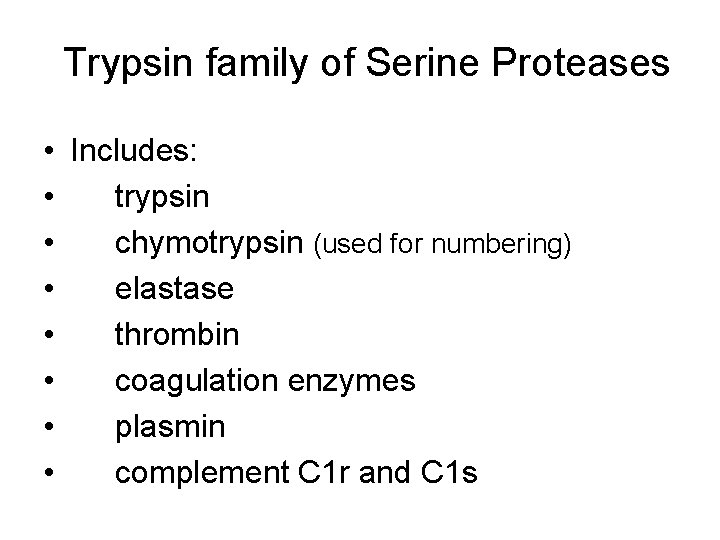
Trypsin family of Serine Proteases • Includes: • trypsin • chymotrypsin (used for numbering) • elastase • thrombin • coagulation enzymes • plasmin • complement C 1 r and C 1 s
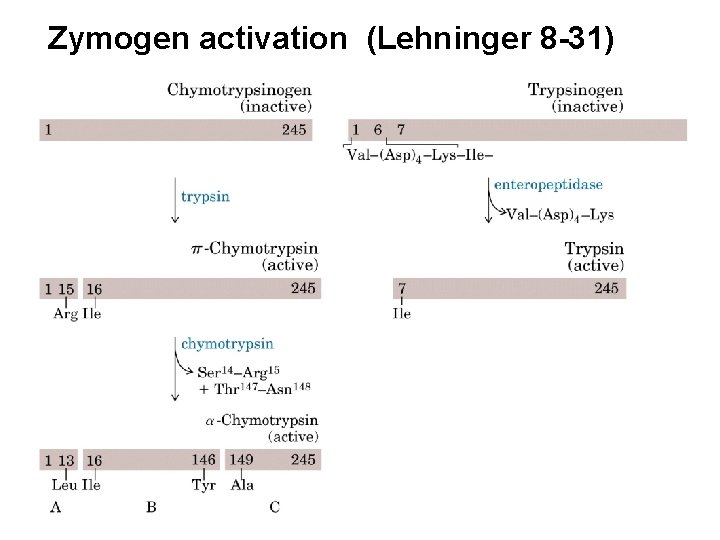
Zymogen activation (Lehninger 8 -31)
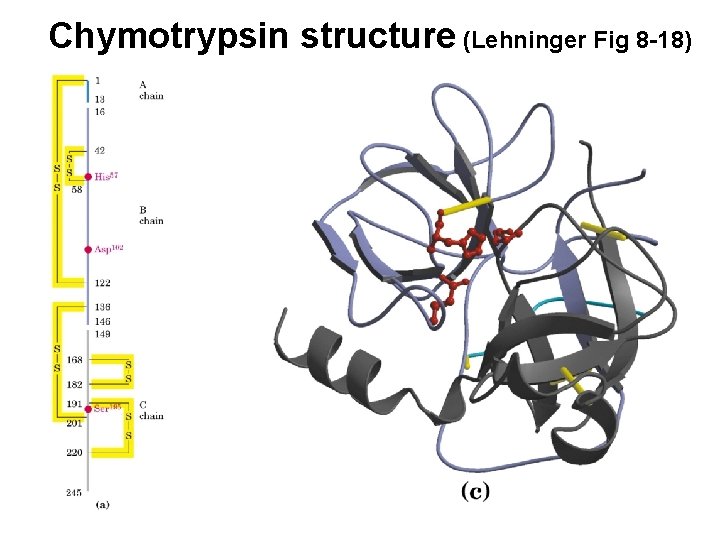
Chymotrypsin structure (Lehninger Fig 8 -18)
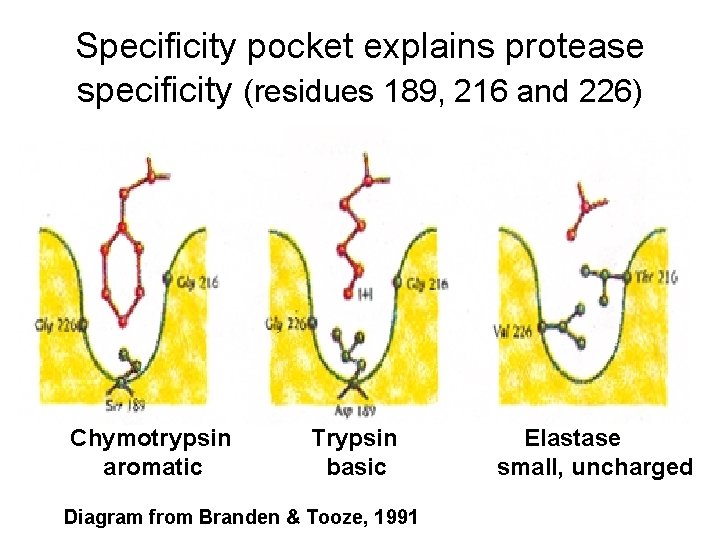
Specificity pocket explains protease specificity (residues 189, 216 and 226) Chymotrypsin aromatic Trypsin basic Diagram from Branden & Tooze, 1991 Elastase small, uncharged