
What Does Neuroscience Have to Do with Assessing










- Slides: 27
What Does Neuroscience Have to Do with Assessing Student Learning and Development? Marilee Bresciani Ludvik, Ph. D. Professor, ARPE, San Diego State University mbrescia@mail. sdsu. edu
What is the Commodity of the Higher Education Industry? SOCIAL CHANGE DEGREE JOB
Depending on your Response… • How is the commodity assured to be delivered? – How is it designed, delivered, and evaluated to achieve this? – What is your role in contributing to all of that? Bresciani Ludvik, M. J.
“ We can’t solve problems with the same kind of thinking that created them. ” – Albert Einstein
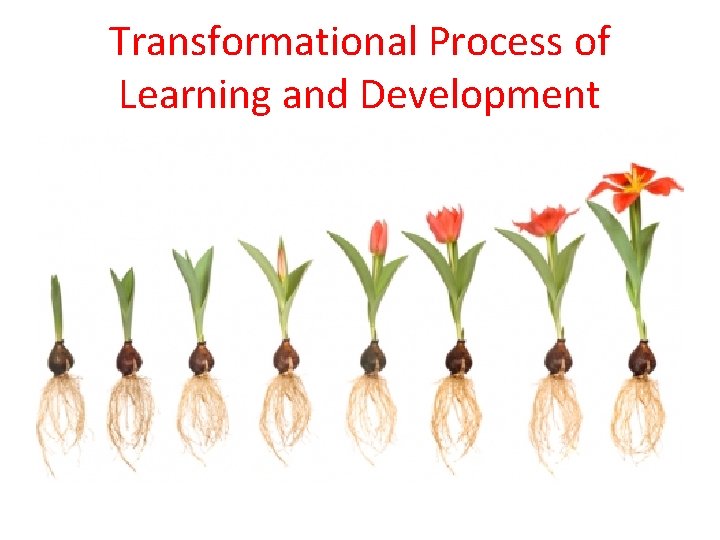
Transformational Process of Learning and Development
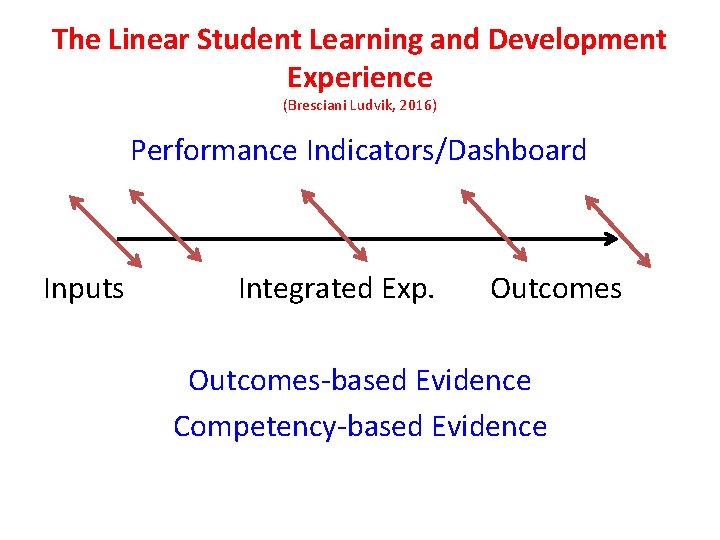
The Linear Student Learning and Development Experience (Bresciani Ludvik, 2016) Performance Indicators/Dashboard Inputs Integrated Exp. Outcomes-based Evidence Competency-based Evidence
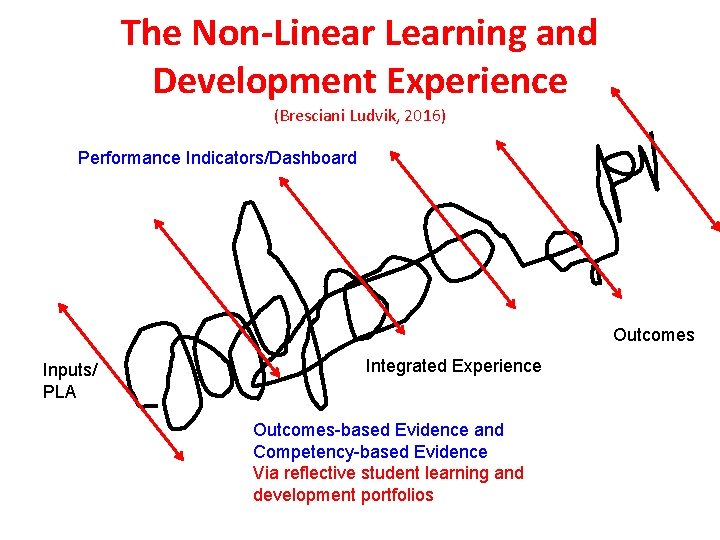
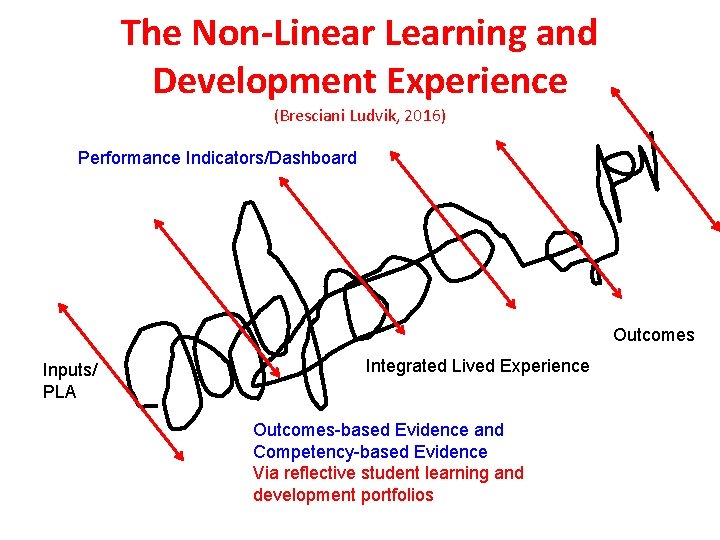
The Non-Linear Learning and Development Experience (Bresciani Ludvik, 2016) Performance Indicators/Dashboard Outcomes Inputs/ PLA Integrated Experience Outcomes-based Evidence and Competency-based Evidence Via reflective student learning and development portfolios
Learning and Development are inextricably intertwined -Student Learning Imperative, 1996 Bresciani Ludvik, M. J.
Theoretical Characterization (Bresciani Ludvik, In Press) Neural Processes Neurocognitive Skills Behavior Learning and Development Theories are Designed to Influence Neurocognitive Skills With the Hope that Behavior Changes Assessment Measures Focus Here and Here Assess
NEUROPLASTICITY
“When we try to pick out anything by itself, we find it hitched to everything else in the universe. ” - John Muir
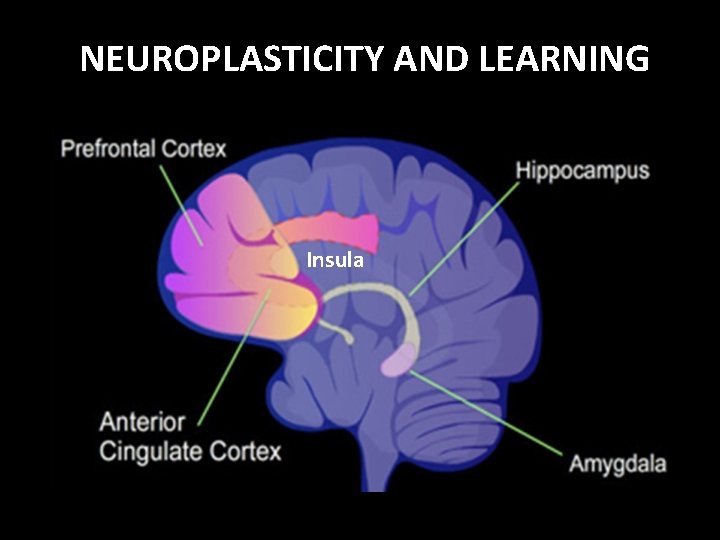
NEUROPLASTICITY AND LEARNING Insula
“There can be no knowledge without emotion. To the cognition of the brain must be added the experience of the soul. ” — Arnold Bennett
First Person Self-report has led to Our Understanding all of this AND…
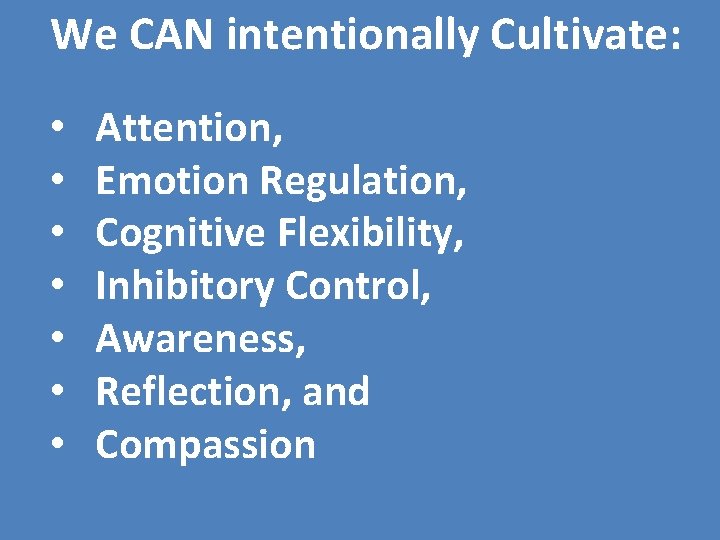
We CAN intentionally Cultivate: • • Attention, Emotion Regulation, Cognitive Flexibility, Inhibitory Control, Awareness, Reflection, and Compassion
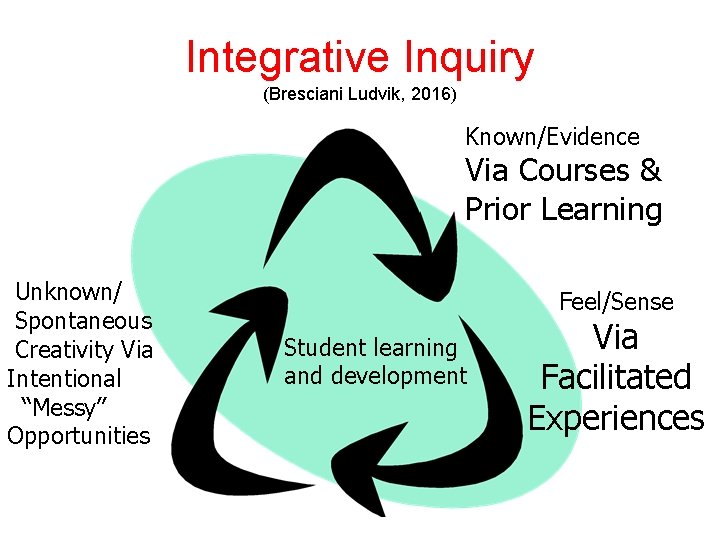
Integrative Inquiry (Bresciani Ludvik, 2016) Known/Evidence Via Courses & Prior Learning Unknown/ Spontaneous Creativity Via Intentional “Messy” Opportunities Feel/Sense Student learning and development Via Facilitated Experiences
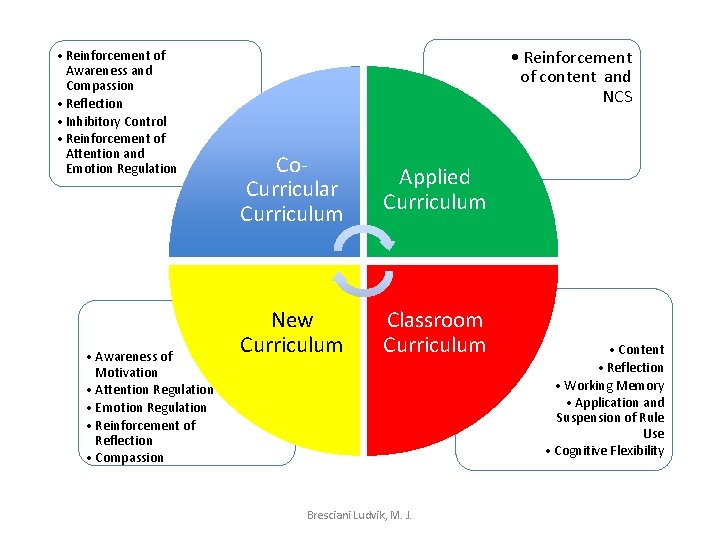
• Reinforcement of Awareness and Compassion • Reflection • Inhibitory Control • Reinforcement of Attention and Emotion Regulation • Awareness of Motivation • Attention Regulation • Emotion Regulation • Reinforcement of Reflection • Compassion • Reinforcement of content and NCS Co. Curricular Curriculum Applied Curriculum New Curriculum Classroom Curriculum Bresciani Ludvik, M. J. • Content • Reflection • Working Memory • Application and Suspension of Rule Use • Cognitive Flexibility
The Non-Linear Learning and Development Experience (Bresciani Ludvik, 2016) Performance Indicators/Dashboard Outcomes Inputs/ PLA Integrated Lived Experience Outcomes-based Evidence and Competency-based Evidence Via reflective student learning and development portfolios
We do not learn from experience, we learn from reflecting on experience. ” — John Dewey
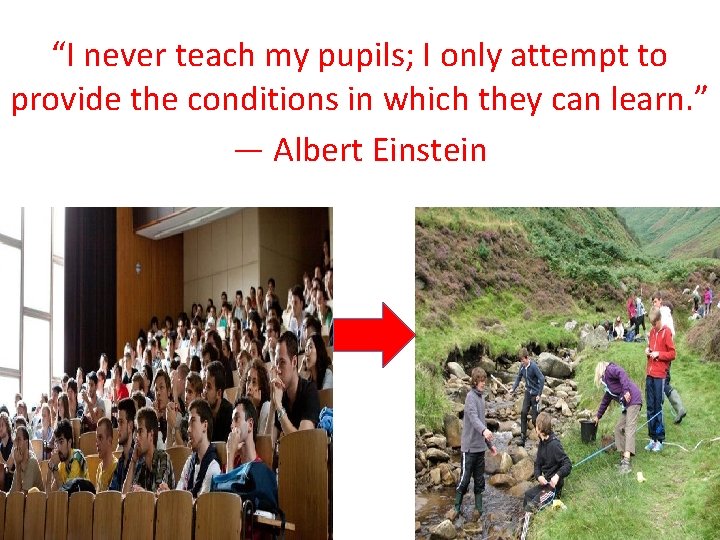
“I never teach my pupils; I only attempt to provide the conditions in which they can learn. ” — Albert Einstein
What would it look like to consider the entirety of the learning process in the design, Delivery, and assessment of your programs and services?
• Questions… • Thoughts… • Ideas… • Next Steps…
ON-GOING REFLECTION • How do we see learning and development occurring in our area? • How are we using assessment to foster improvements in that? • What is my specific role in ensuring this happens? • What else do I think we need to make improvements happen?
Reference Available from Stylus Publishing Questions? Mbrescia@ mail. sdsu. edu
Get Started on Changing Your Brain With the Integrative Inquiry App at Pollinate. life http: //www. pollinate. life/promo/iniq 16 www. Integrativeinquiry. org