
What do you know about AFRICA n THINK

What do you know about AFRICA? n THINK ABOUT THE CONNECTIONS BETWEEN YOUR CURRENT KNOWLEDGE AND WHAT WE HAVE LEARNED THEMATICALLY! n Don’t forget to wish Hannah a Happy Birthday today

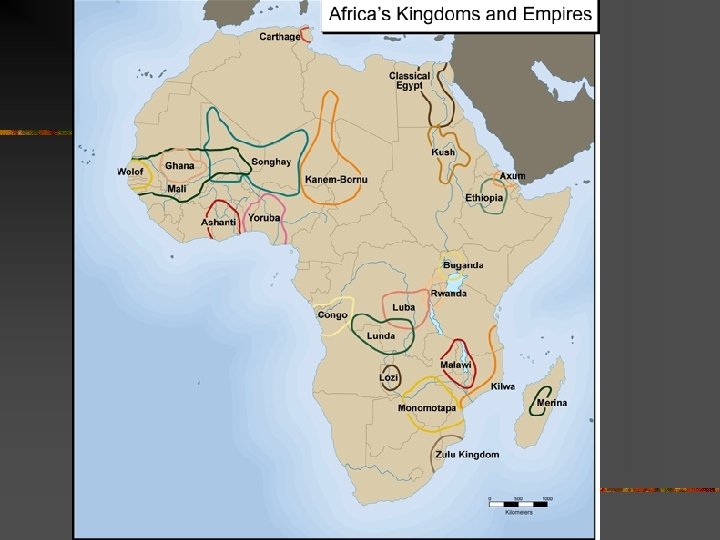
KINGDOMS AND TRADING STATES OF AFRICA The Dark Continent Chapter 12
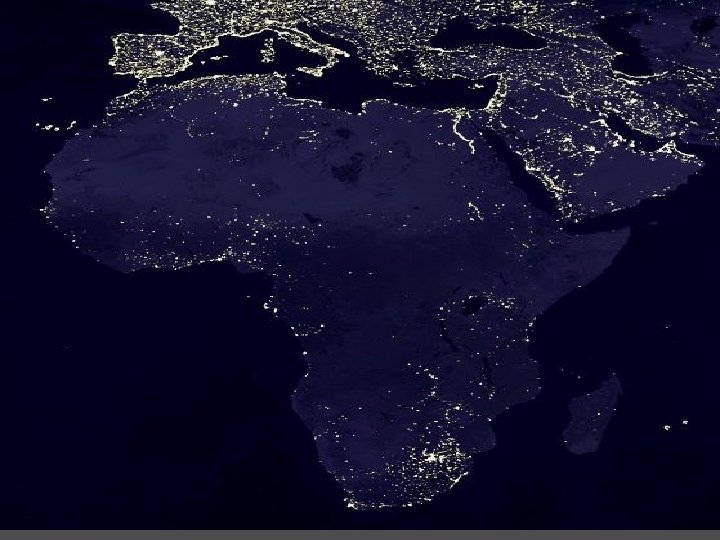
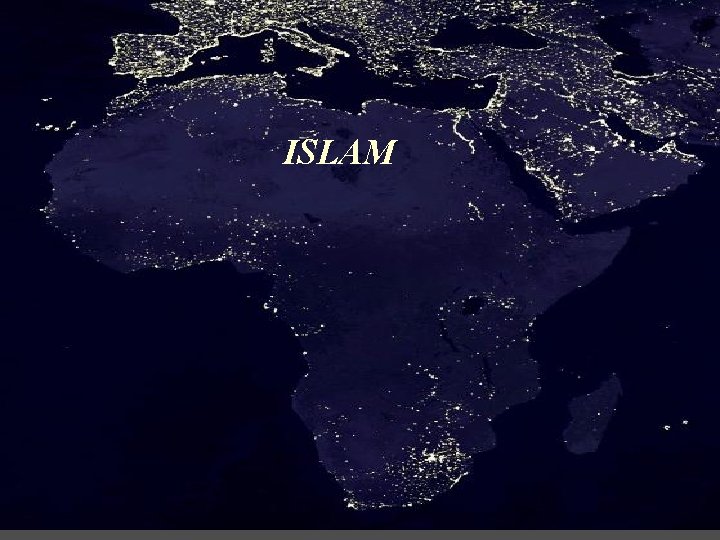
ISLAM
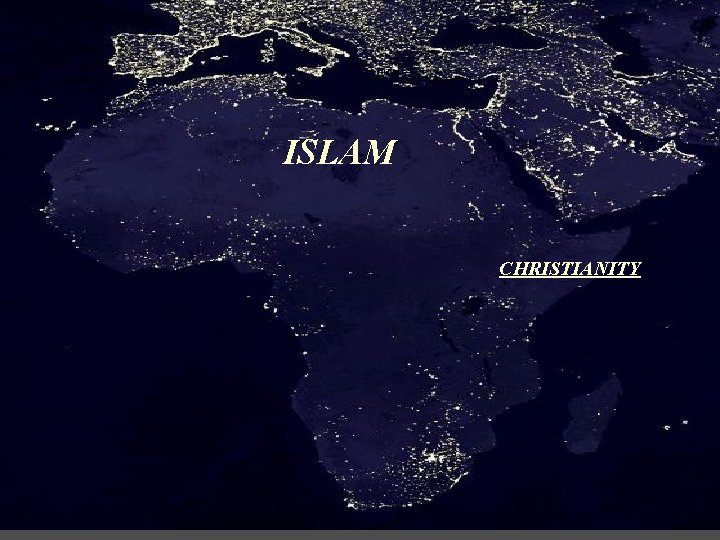
ISLAM CHRISTIANITY
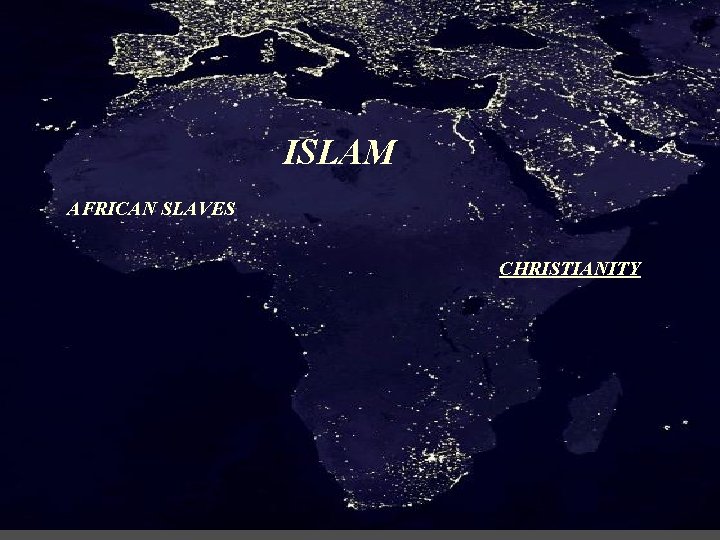
ISLAM AFRICAN SLAVES CHRISTIANITY
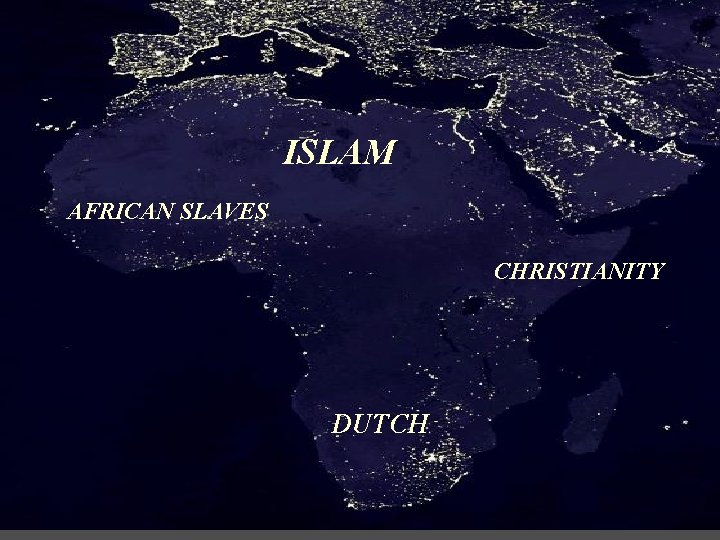
ISLAM AFRICAN SLAVES CHRISTIANITY DUTCH
SECTION 1 EARLY CIVILIZATIONS OF AFRICA QUESTIONS n How did geography affect cultural development and the migration of peoples? n What were the achievements of the kingdom of Nubia? n How did outside influences lead to change in North Africa? VOCABULARY n Savanna n Desertification n outpost
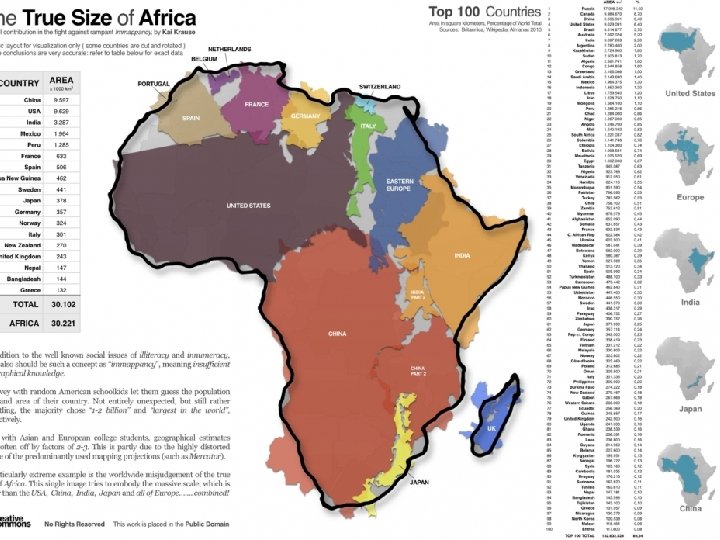
Geography of Africa n Second largest continent in area (after Asia) n Contains one-fifth of all land surface of Earth n Varied topography - much of Africa is a high plateau n Great Rift Valley - break in earth in East Africa
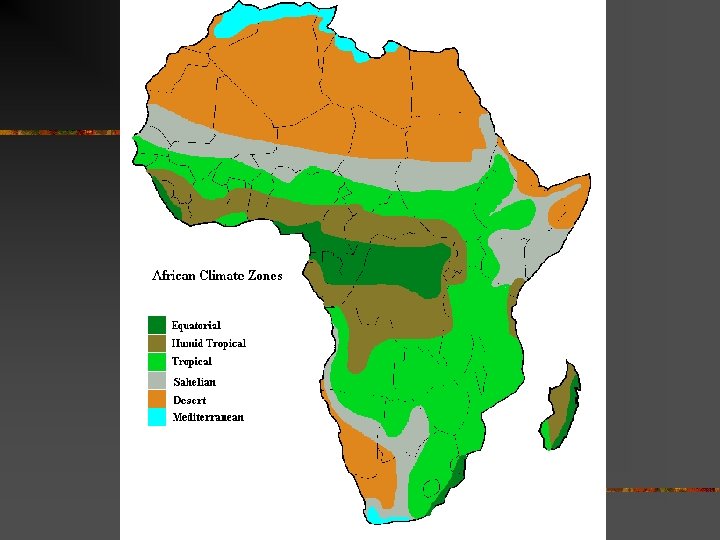
Climate Zones n n n Tropical rain forest - 5% of land area Savanna - grassy plains used for grazing animals, fertile soil Sahel - dry area between savanna and desert Desertification - deserts are expanding due to human use and climate changes Deserts - Sahara (as large as US), Kalahari and Namib in southern Africa Mediterranean climates in north and south
Africa's Bodies of Water n n Smooth coastline - few good harbors Fast-flowing rivers - cataracts Nile, Zambezi, Niger, Congo are the major rivers Lakes - Victoria, Rudolph, Tanganyika, Nyasa, Chad
Resources n Wealth of mineral resources - iron, gold, copper, diamonds n Salt trade in early history
Migration of Peoples Man began on earth in East Africa Great Rift Valley n Sahara desertification began 2500 BCE n Bantu migrations displaced other language groups n
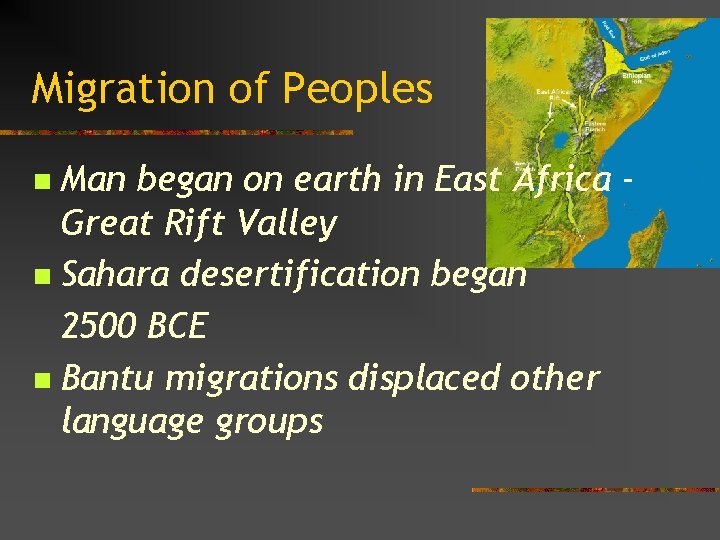
Migration of Peoples Man began on earth in East Africa Great Rift Valley n Sahara desertification began 2500 BCE n Bantu migrations displaced other language groups n
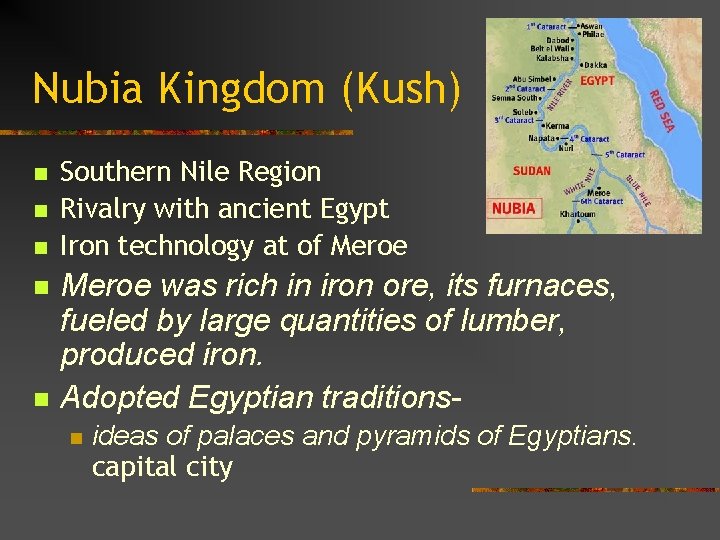
Nubia Kingdom (Kush) n n n Southern Nile Region Rivalry with ancient Egypt Iron technology at of Meroe was rich in iron ore, its furnaces, fueled by large quantities of lumber, produced iron. Adopted Egyptian traditionsn ideas of palaces and pyramids of Egyptians. capital city
North Africa CARTHAGE n n n Strong Ties to Roman World Wealth from trade (MED) Under Roman rule, Christianity spread to the cities of North Africa. The Romans also built roads, dams, aqueducts, and cities across the region. Camels brought from Asia revolutionized trade across the Sahara. In the 600 s, Arab armies carried Islam to North Africa. Islam replaced Christianity as the dominant religion of the region, and Arabic

SECTION 2 KINGDOMS OF WEST AFRICA QUESTIONS n Why were gold and salt important in early Africa? n How did the rulers of Ghana, Mali, and Songhai build strong kingdoms? n How did other West African kingdoms develop? VOCABULARY n Surplus n Commodity n Mansa n oba
Warm UP: n n n What were some natural resources traded in Early Africa What are the different climatic regions throughout Africa What religions spread into Africa

Trading Gold and Salt n n n n Sahara desert increased in size, desertification, driving people south to savanna Trade network crossed Sahara Desert from savanna Salt and gold very important in Sahara trade Gold from West Africa traded with North Africa and Europe West Africans traded gold for salt, found in the Sahara Salt prevented dehydration in hot climates Block of salt worth its weight in gold

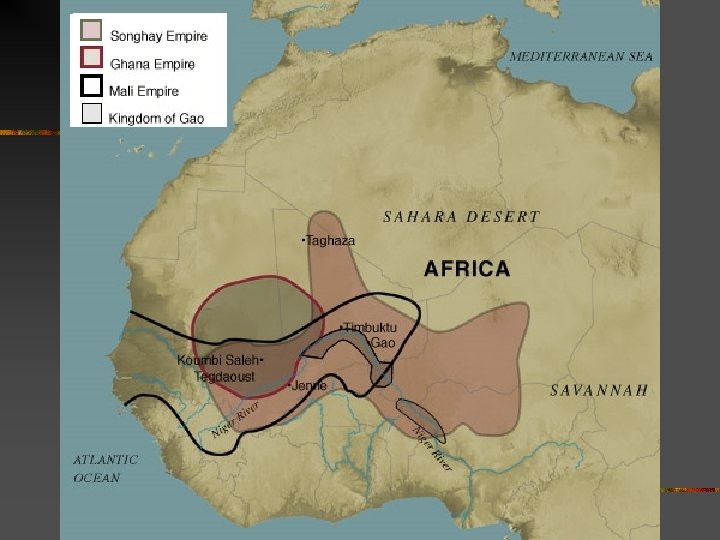
Gold Wealth of Ghana n n n Kingdom of Ghana controlled gold and salt trade across West Africa Capital was Kumbi Saleh, a wealthy, great trade center Muslim merchants brought Islam to Ghana absorbed Muslim government, military technology, business methods Ghana would collapse, taken over by the Kingdom of Mali

The Kingdom of Mali n n Mali means “where the king dwells” Mansas or kings expanded power over gold and salt mining regions of Africa Greatest Emperor of Mali was Mansa Musa, became king around 1312 Expanded Mali’s borders west and north to Atlantic Ocean, conquering many areas
Mali Cont’d n n n Timbuktu became a great trading city, center of learning Converted to Islam, 1324 made his Hajj to Mecca Mansa Musa was a Muslim with money who migrated to Mecca Great time of trade, diplomacy with other Muslim states 1400 s Mali weakens

A New Empire in Songhai n n n 1450 Songhai kingdom emerges with capital city of Gao Sonni Ali created largest kingdom in West Africa Bureaucracy to govern kingdom Expanded trade into Europe and Asia Late 1500 s civil wars broke out, Songhai weakens
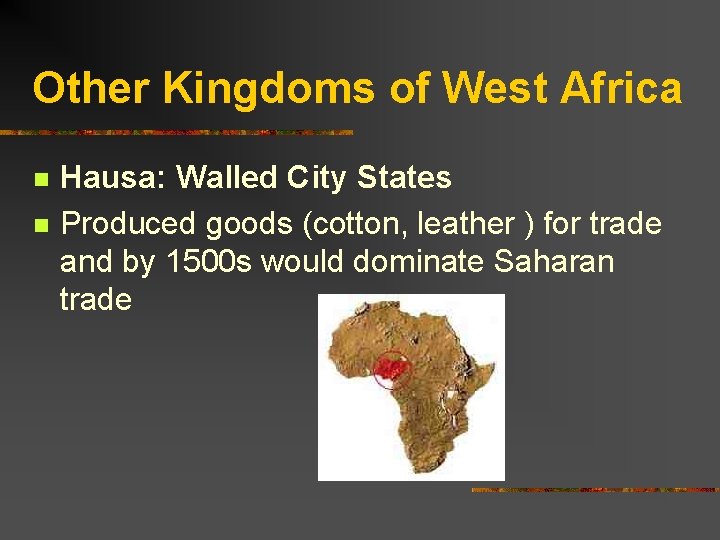
Other Kingdoms of West Africa n n Hausa: Walled City States Produced goods (cotton, leather ) for trade and by 1500 s would dominate Saharan trade
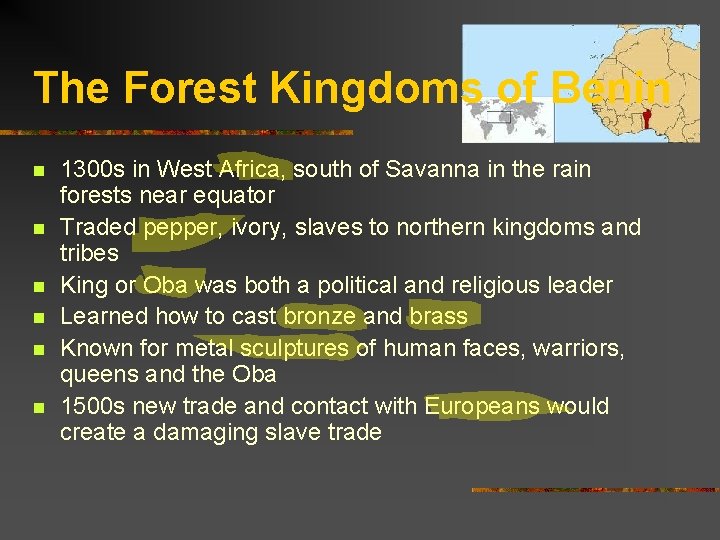
The Forest Kingdoms of Benin n n n 1300 s in West Africa, south of Savanna in the rain forests near equator Traded pepper, ivory, slaves to northern kingdoms and tribes King or Oba was both a political and religious leader Learned how to cast bronze and brass Known for metal sculptures of human faces, warriors, queens and the Oba 1500 s new trade and contact with Europeans would create a damaging slave trade
SECTION 3 TRADE ROUTES OF EAST AFRICA QUESTIONS n How did religion influence the development of Axum and Ethiopia? n What effects did trade have on city-states in East Africa? n What have archaeologists discovered about Great Zimbabwe?
OBJECTIVES To explain how religion influenced the development of Axum and Ethiopia. n To Enumerate the effects of trade on city-states in East Africa. n To outline what archeologists discovered about Great Zimbabwe. n
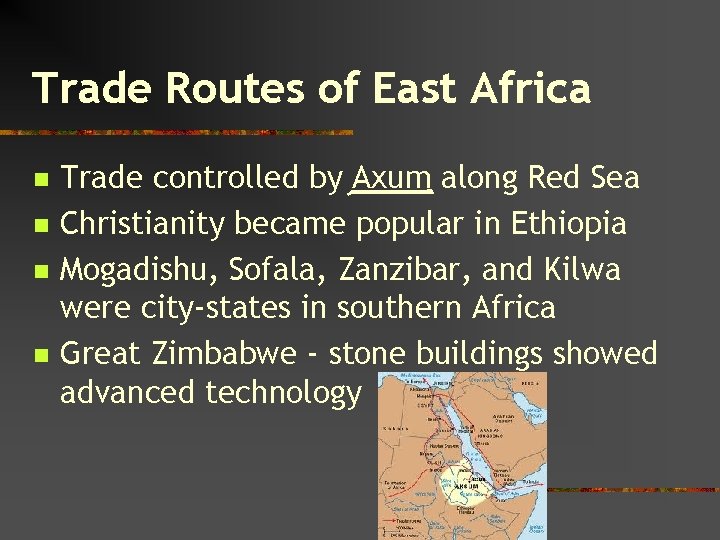
Trade Routes of East Africa n n Trade controlled by Axum along Red Sea Christianity became popular in Ethiopia Mogadishu, Sofala, Zanzibar, and Kilwa were city-states in southern Africa Great Zimbabwe - stone buildings showed advanced technology
Many Peoples, Many Traditions QUESTIONS n How did the interaction of people and the environment lead to diverse societies? n How did government, family, and religion hold African societies together? n How did artistic and literary traditions reflect the values of African societies? VOCABULARY n Slash-and-burn agriculture n Nuclear family n Patrilineal family n Matrilineal family n Lineage n griot
OBJECTIVES n n n To identify how the interaction of people and the environment led to diverse societies. To describe how government, family and religion held African societies together. To illustrate how artistic and literary traditions reflected the values of African society.
VOCABULARY n n n Slash-and-burn agriculture- farming method in which forest and brush are cut down and burned to create planting fields. Nuclear family- Family unit consisting of parents and children. Patrilineal family- term for a family organization in which kinship ties are traced through the father.
VOCABULARY Cont’d n n n Matrilineal family- term for a family organization in which kinship ties are traced through the mother. Lineage- group claming a common ancestor. Griot- professional storyteller in early West Africa.
GOVERNMENT n n Villages were tight knit communities. In most villages, power was shared among a group of elders. A village made decisions by consensus. Villages within a kingdom had to pay taxes and provide soldiers to the central government.
RELIGION n n Religious beliefs were varied and complex. People identified the forces of nature with divine spirits. Many Africans believed in a single supreme being, above all other gods. Christianity and Islam influenced people in some parts of Africa.

Animism n n Generic term for religions based on nature worship Polytheistic Forces of nature controlled by spirits Spirits caused rain, good harvests, cured illnesses
FAMILY n n The family was the basic unit of society. Some families were matrilineal, while others were patrilineal. Each family belonged to a lineage. Several lineages formed a clan. One’s place in society was determined by age grades.
Art and Literature ART n n n Art strengthened bonds within the community. Decorative patterns often identified a piece of art as the work of a particular clan. Artwork was closely tied to religion. LITERATURE n n n African societies preserved their histories and values through oral and written literature. Griots, or professional poets, recited ancient stories. Histories and folk tales encouraged a sense of community and common values.
- Slides: 41