
What can we learn from atmospheric soundings simple
- Slides: 37
What can we learn from atmospheric soundings, simple models, and complex models in idealized settings? Kerry Emanuel Lorenz Center MIT
Some Thoughts on Parameterization Under what circumstances is a process “parameterizable”? How should we go about building and testing parameterizations? What do observations tell us about convection and its parameterization? What observations are most effective at constraining convection schemes?
When is convection parameterizable? If the key statistics of convection (e. g time/area-averaged fluxes of enthalpy, water, and momentum) can be specified as a unique function of the recent time history of largescale (model) variables
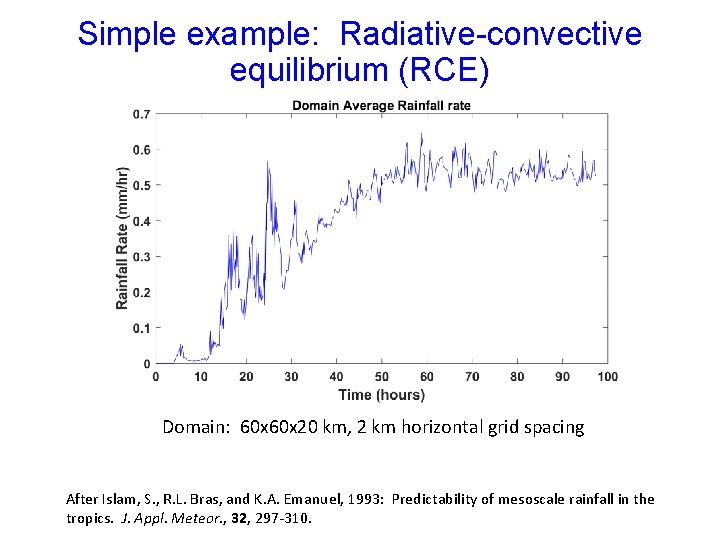
Simple example: Radiative-convective equilibrium (RCE) Domain: 60 x 20 km, 2 km horizontal grid spacing After Islam, S. , R. L. Bras, and K. A. Emanuel, 1993: Predictability of mesoscale rainfall in the tropics. J. Appl. Meteor. , 32, 297 -310.
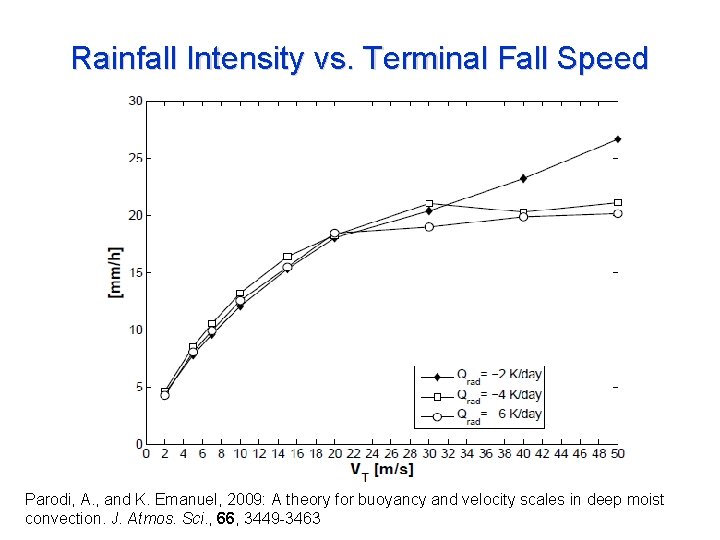
Rainfall Intensity vs. Terminal Fall Speed Parodi, A. , and K. Emanuel, 2009: A theory for buoyancy and velocity scales in deep moist convection. J. Atmos. Sci. , 66, 3449 -3463
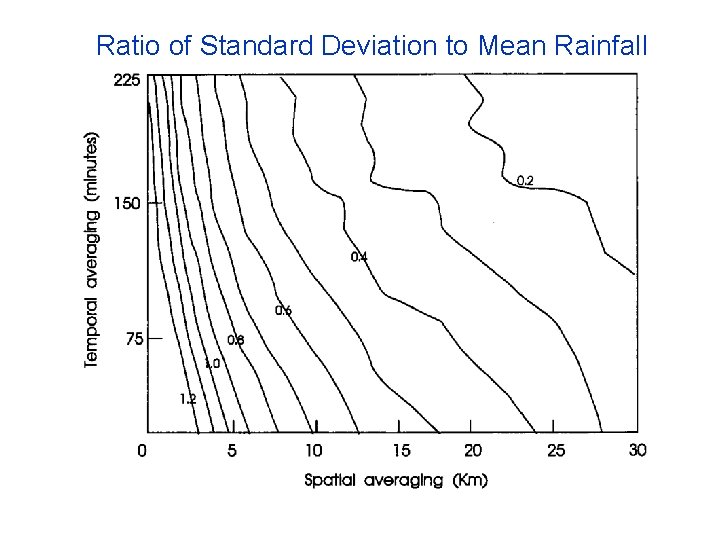
Ratio of Standard Deviation to Mean Rainfall
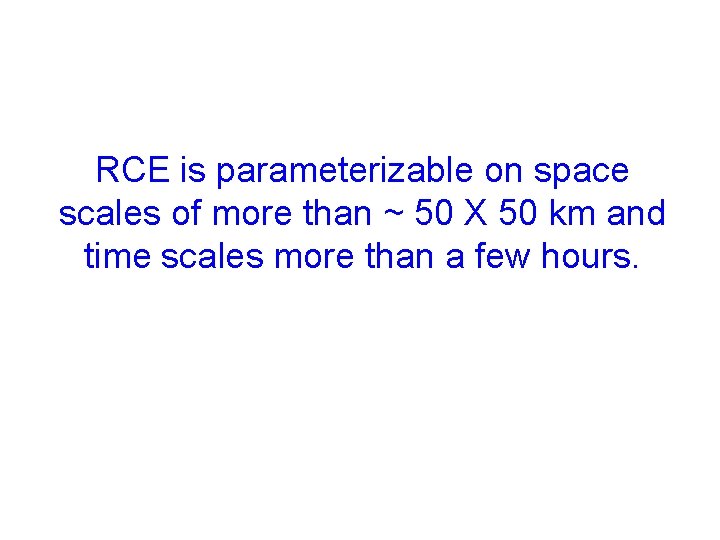
RCE is parameterizable on space scales of more than ~ 50 X 50 km and time scales more than a few hours.
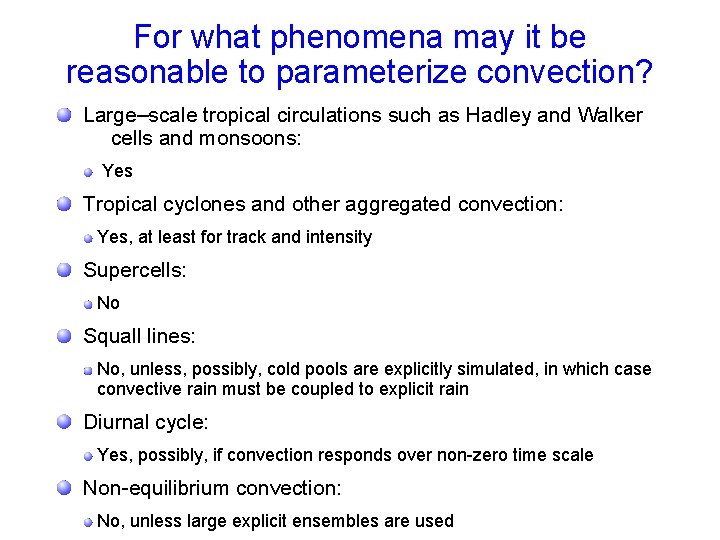
For what phenomena may it be reasonable to parameterize convection? Large–scale tropical circulations such as Hadley and Walker cells and monsoons: Yes Tropical cyclones and other aggregated convection: Yes, at least for track and intensity Supercells: No Squall lines: No, unless, possibly, cold pools are explicitly simulated, in which case convective rain must be coupled to explicit rain Diurnal cycle: Yes, possibly, if convection responds over non-zero time scale Non-equilibrium convection: No, unless large explicit ensembles are used
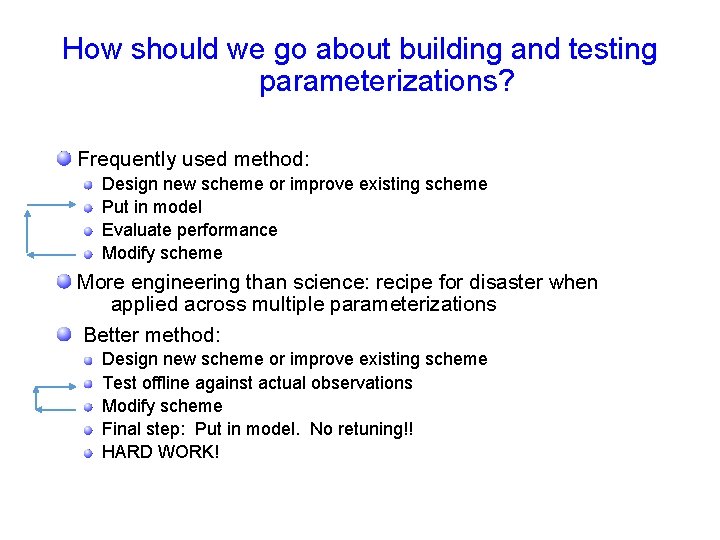
How should we go about building and testing parameterizations? Frequently used method: Design new scheme or improve existing scheme Put in model Evaluate performance Modify scheme More engineering than science: recipe for disaster when applied across multiple parameterizations Better method: Design new scheme or improve existing scheme Test offline against actual observations Modify scheme Final step: Put in model. No retuning!! HARD WORK!
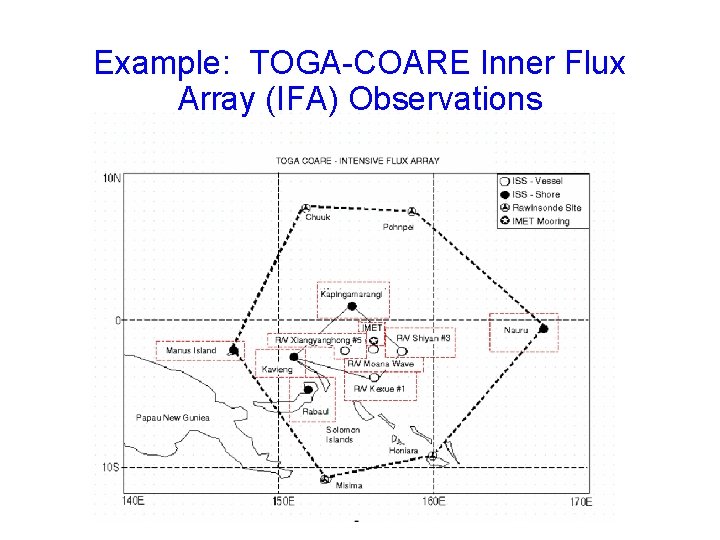
Example: TOGA-COARE Inner Flux Array (IFA) Observations
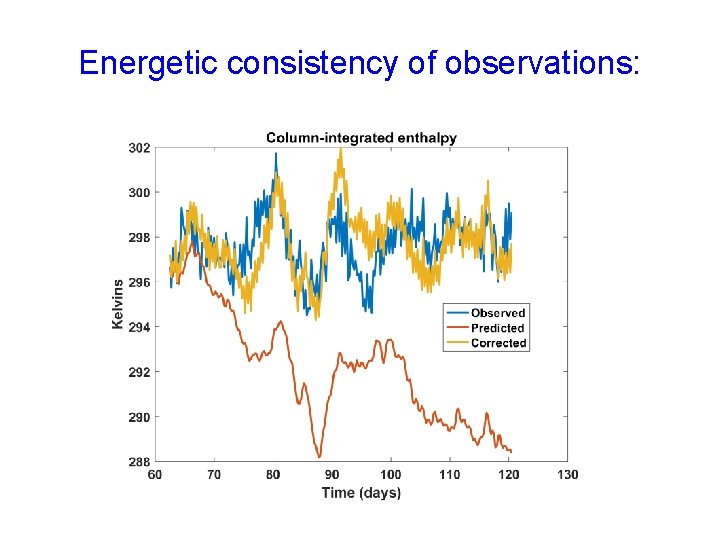
Energetic consistency of observations:
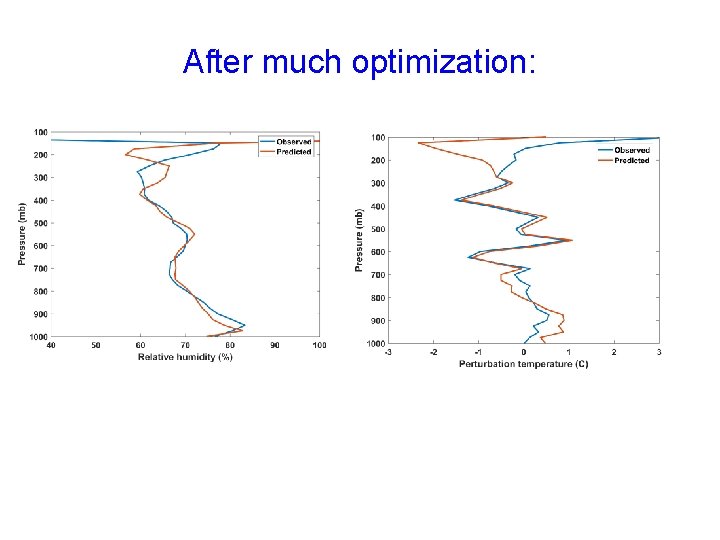
After much optimization:
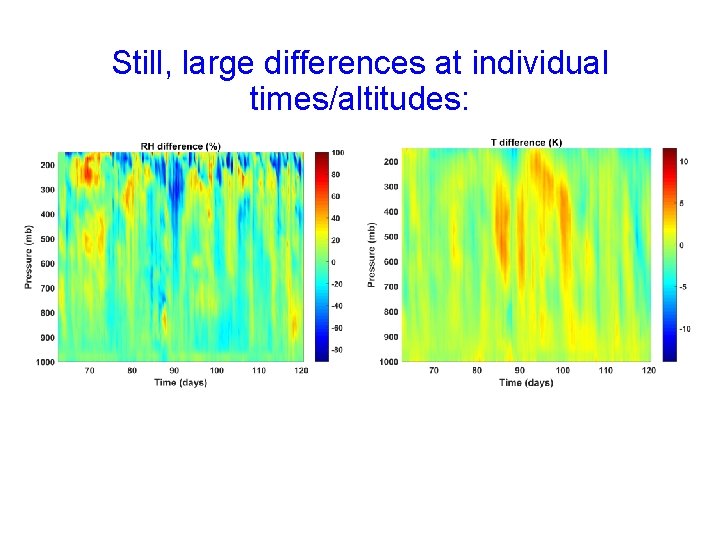
Still, large differences at individual times/altitudes:
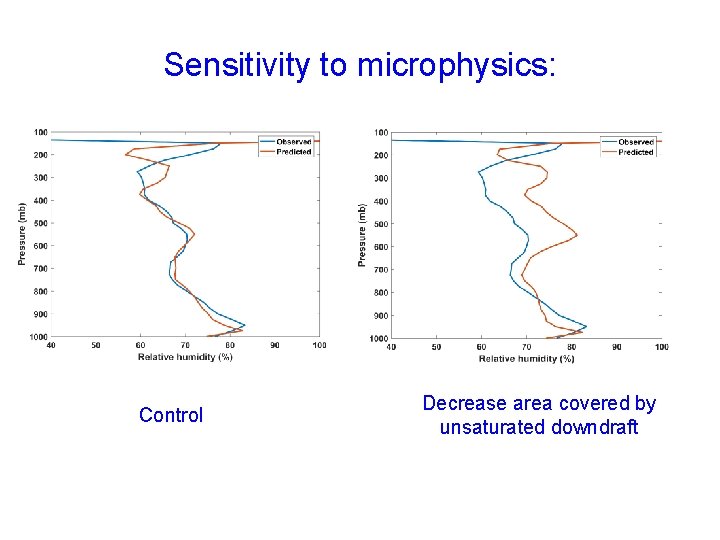
Sensitivity to microphysics: Control Decrease area covered by unsaturated downdraft
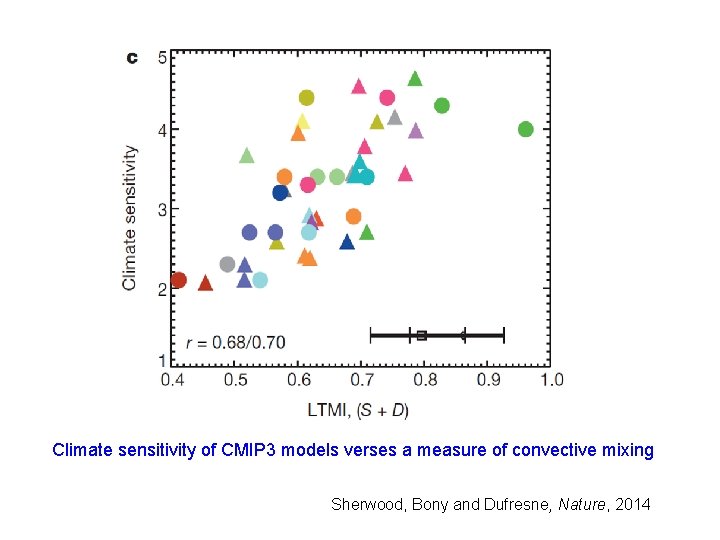
Climate sensitivity of CMIP 3 models verses a measure of convective mixing Sherwood, Bony and Dufresne, Nature, 2014
Other Observational Tests
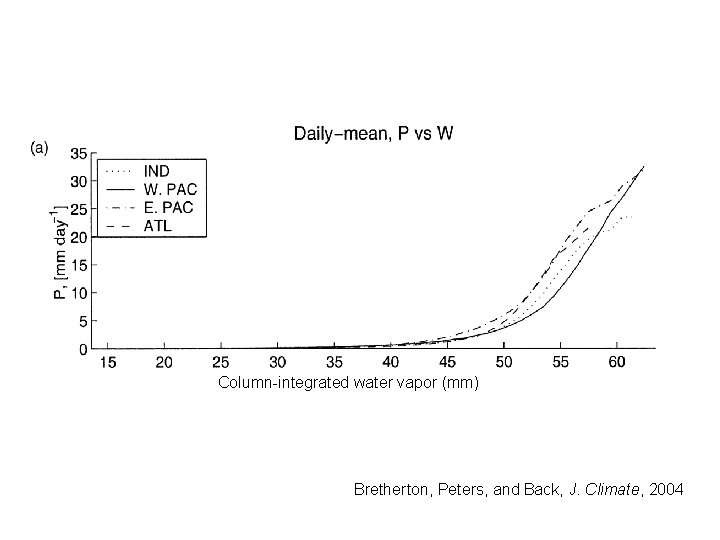
Column-integrated water vapor (mm) Bretherton, Peters, and Back, J. Climate, 2004
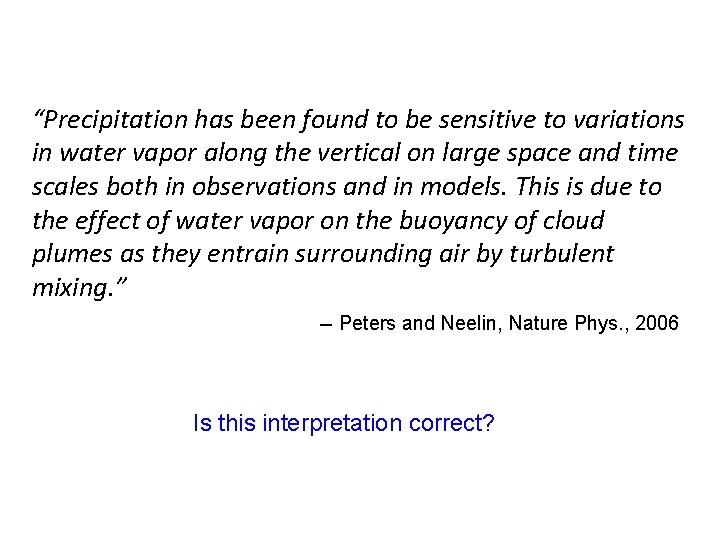
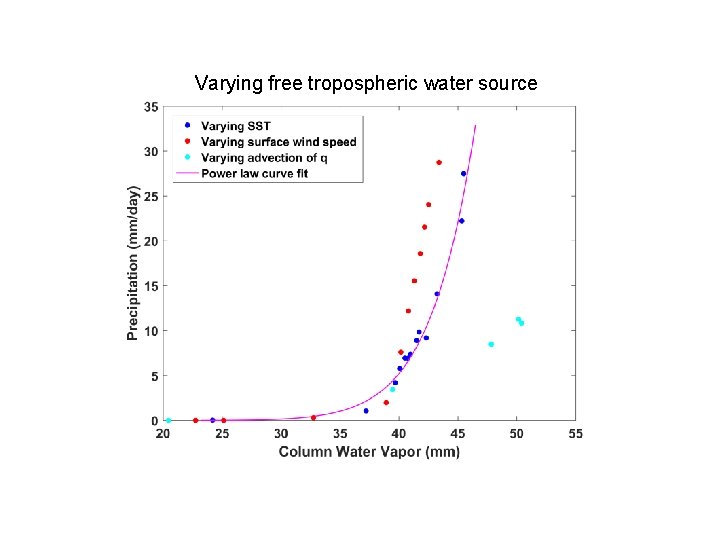
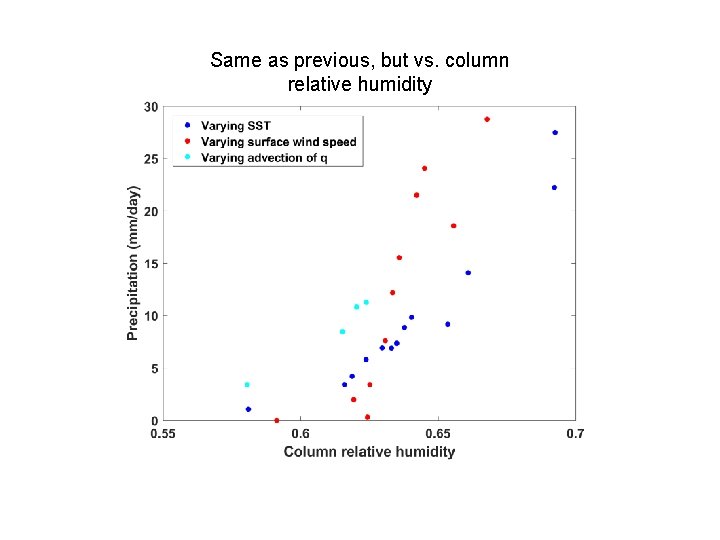
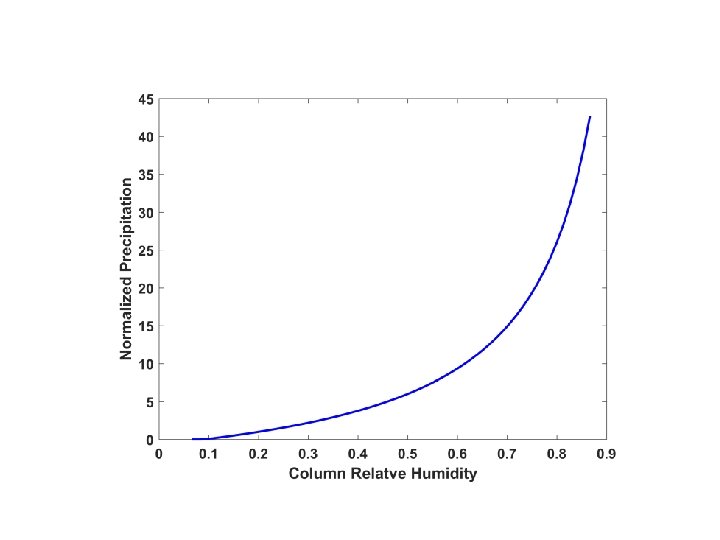
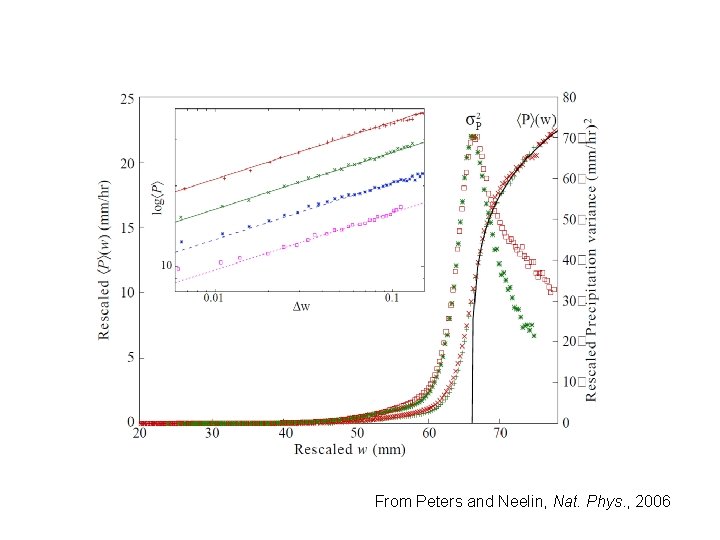
“Precipitation has been found to be sensitive to variations in water vapor along the vertical on large space and time scales both in observations and in models. This is due to the effect of water vapor on the buoyancy of cloud plumes as they entrain surrounding air by turbulent mixing. ” -- Peters and Neelin, Nature Phys. , 2006 Is this interpretation correct?
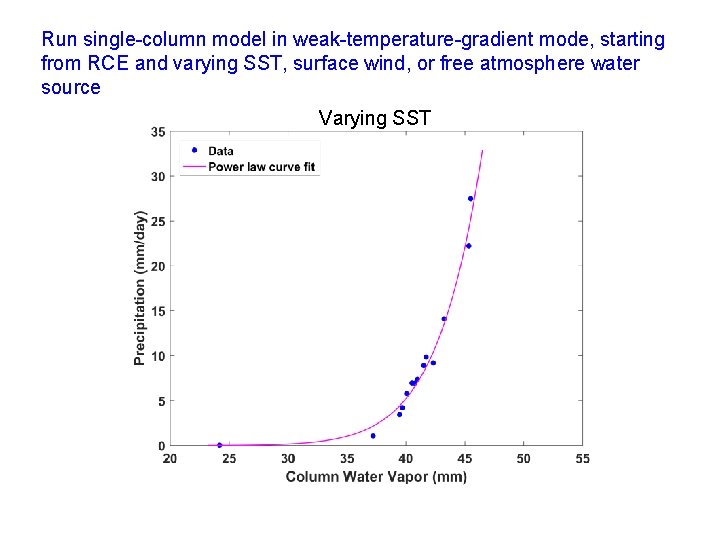
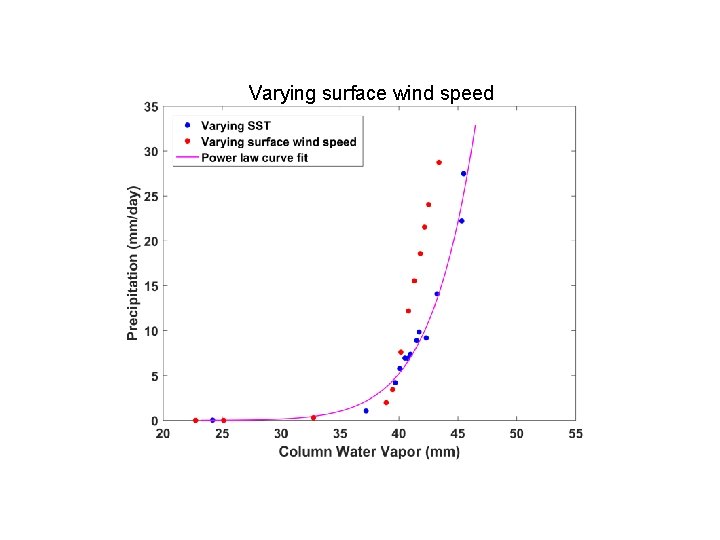
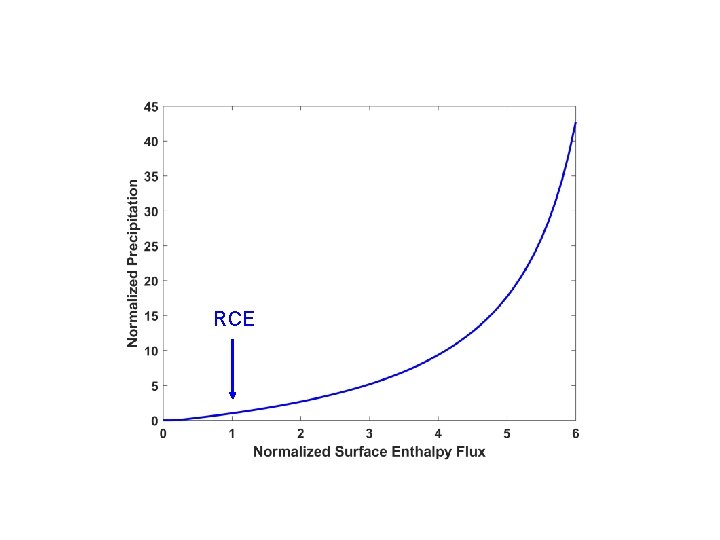
Run single-column model in weak-temperature-gradient mode, starting from RCE and varying SST, surface wind, or free atmosphere water source Varying SST
Varying surface wind speed
Varying free tropospheric water source
Same as previous, but vs. column relative humidity
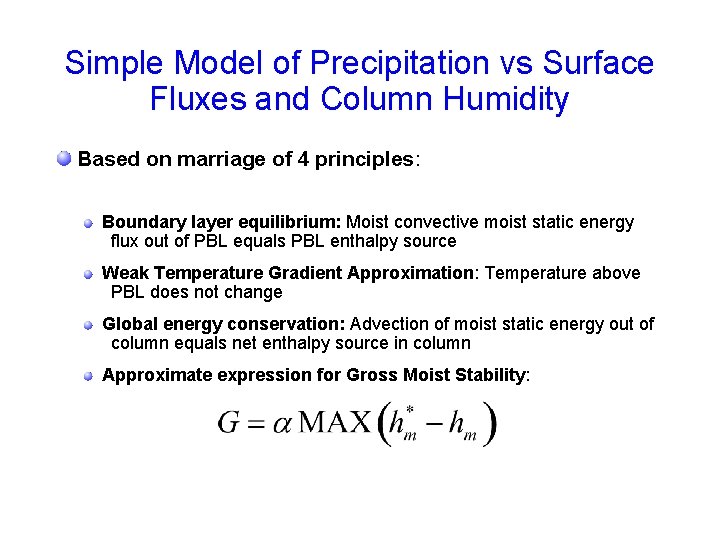
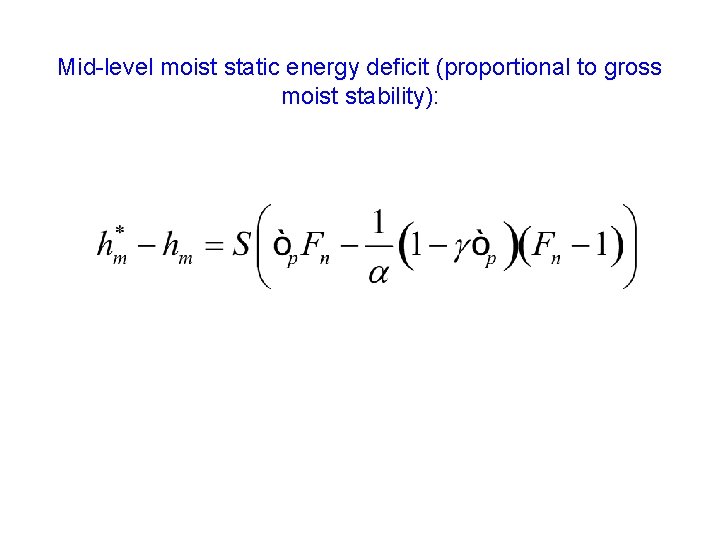
Simple Model of Precipitation vs Surface Fluxes and Column Humidity Based on marriage of 4 principles: Boundary layer equilibrium: Moist convective moist static energy flux out of PBL equals PBL enthalpy source Weak Temperature Gradient Approximation: Temperature above PBL does not change Global energy conservation: Advection of moist static energy out of column equals net enthalpy source in column Approximate expression for Gross Moist Stability:
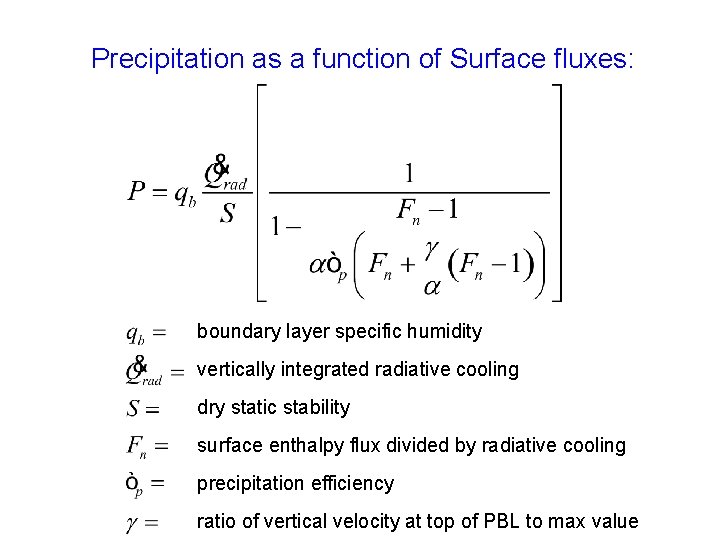
Precipitation as a function of Surface fluxes: boundary layer specific humidity vertically integrated radiative cooling dry static stability surface enthalpy flux divided by radiative cooling precipitation efficiency ratio of vertical velocity at top of PBL to max value
Mid-level moist static energy deficit (proportional to gross moist stability):
RCE
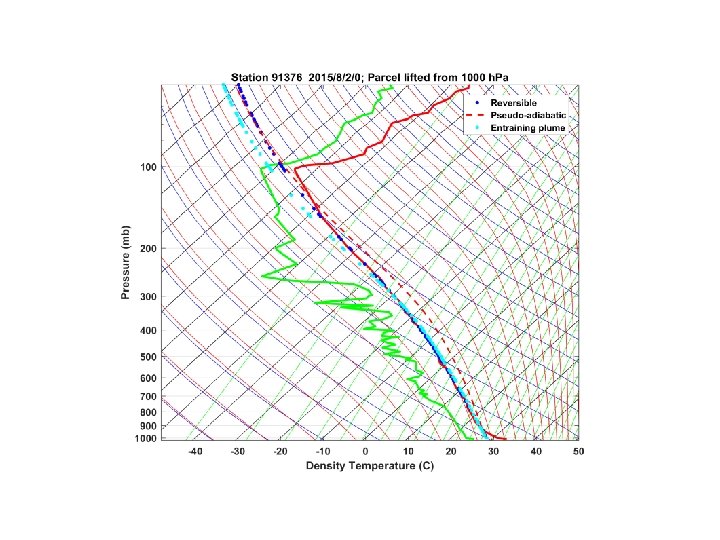
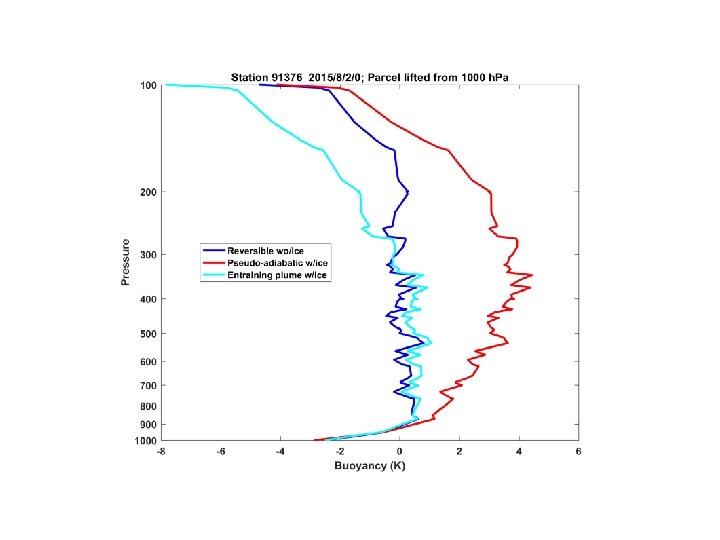
What can we learn from atmospheric soundings?
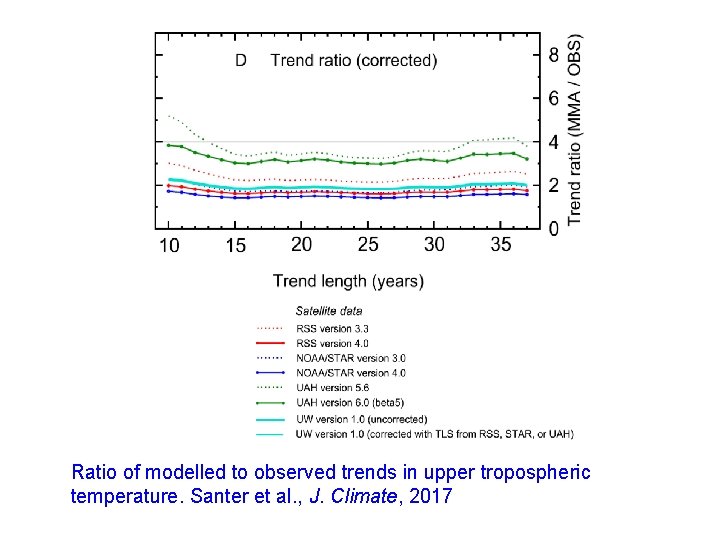
Ratio of modelled to observed trends in upper tropospheric temperature. Santer et al. , J. Climate, 2017
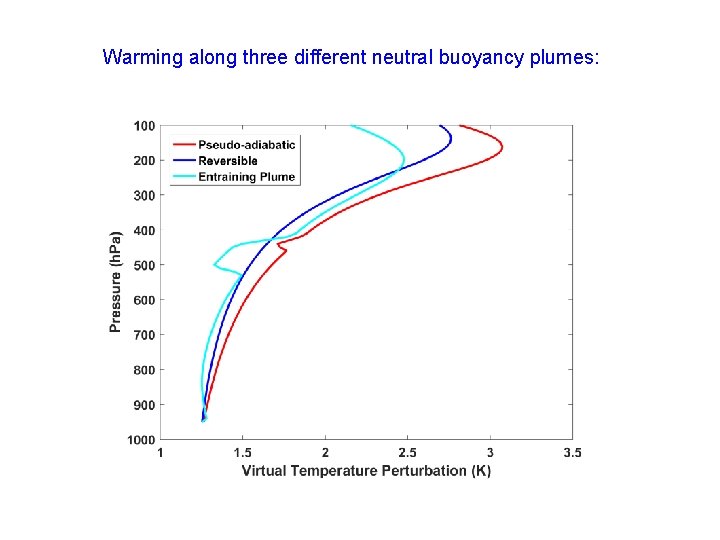
Warming along three different neutral buoyancy plumes:
Coupling ice clouds to convection: Importance for self-aggregation
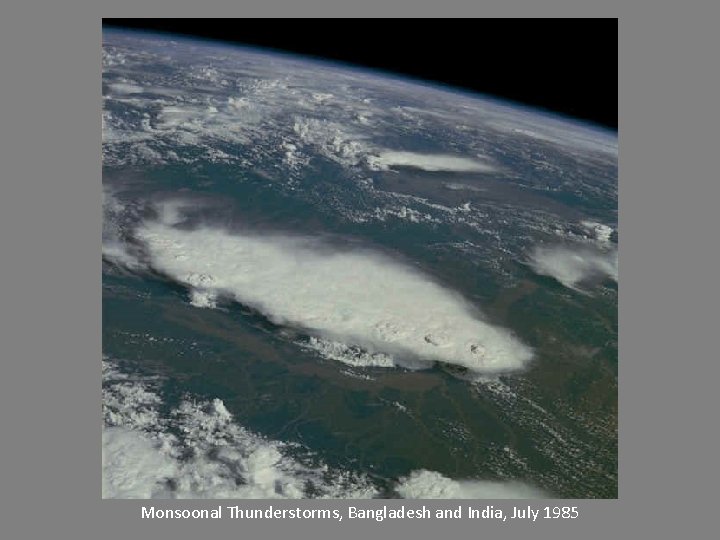
Monsoonal Thunderstorms, Bangladesh and India, July 1985
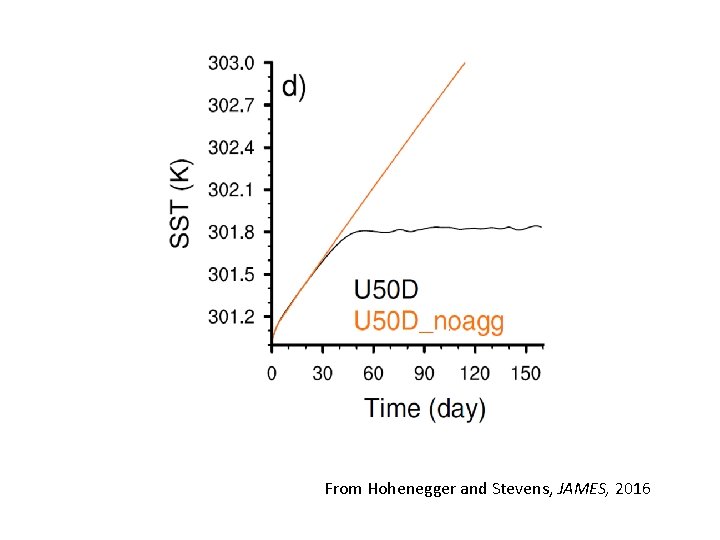
From Hohenegger and Stevens, JAMES, 2016
Summary In spite of the advent of convection-permitting models, there is still a strong need for convective parameterizations All parameterizations must be rigorously tested against observations before being used in models; tuning them within models may be ill-posed Simple models and cloud-permitting models are valuable for advancing our understanding of convection, a prerequisite to improving convective schemes. Atmospheric soundings contain valuable clues to the effect of convection on the large-scale environment More attention needs to be paid to how convective schemes interact with stratified clouds (explicit or parameterized), especially as this may strongly affect aggregation of convection.
From Peters and Neelin, Nat. Phys. , 2006