
What are VALUES rules guidelines beliefs morals Standards

What are VALUES ? rules guidelines beliefs morals Standards principles …we have for our life
INTEGRITY? Doing what is right when no one is looking. Having honesty and truthfulness.
What are your core values? Center your life on correct values and principles. Correct values do not change! Pick no more than 10 Write them down.
Personal Mission Statement It describes what we want to be (character) and what we want to do (achievements). "If something is important enough you should try, even if the probable outcome is failure" -- Elon Musk, CEO of Tesla "My mission in life is not merely to survive, but to thrive; and to do so with some passion, some compassion, some humor, and some style" -- Maya Angelou "To use my gifts of intelligence, charisma, and serial optimism to cultivate the self-worth and net-worth of women around the world" -- Amanda Steinberg, Dailyworth. com "To be a teacher. And to be known for inspiring my students to be more than they thought they could be" -- Oprah Winfrey, Founder of OWN, The Oprah Winfrey Network
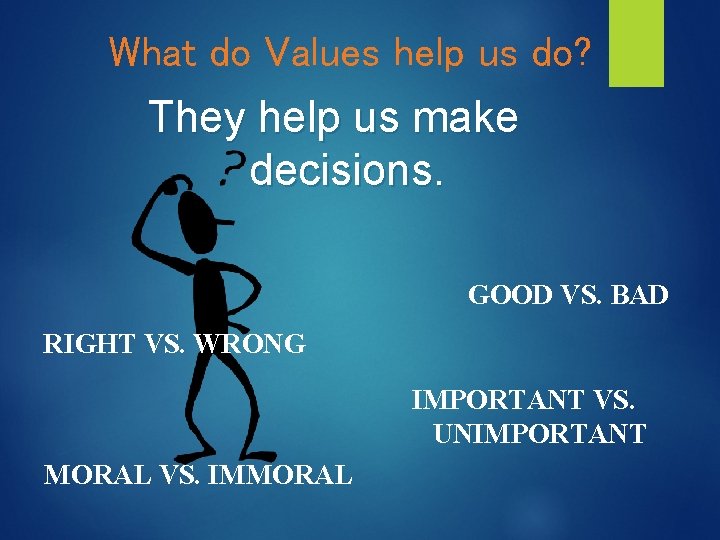
What do Values help us do? They help us make decisions. GOOD VS. BAD RIGHT VS. WRONG IMPORTANT VS. UNIMPORTANT MORAL VS. IMMORAL
Decision vs. Outcome Every day we make 100’s of choices based on the chance that certain events might occur. We control our actions, we do not control our consequences. If you don’t think, be prepared to face the consequences. *Remember… the goodness of a decision is based on how it is made not how it turns out!!
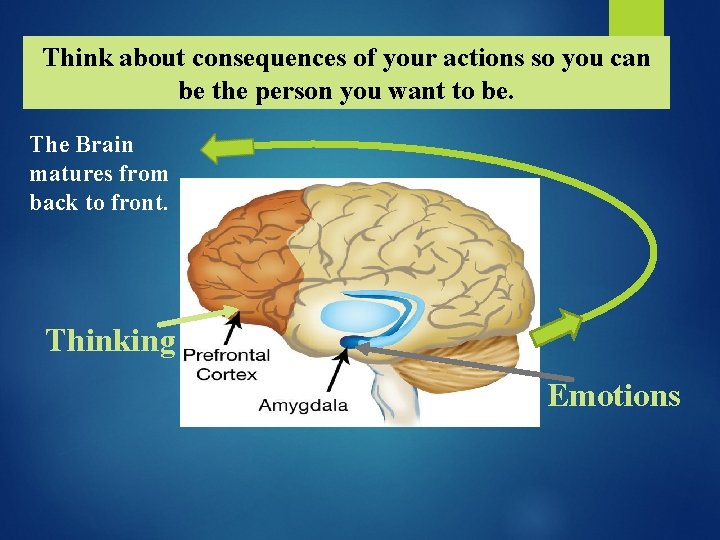
Think about consequences of your actions so you can be the person you want to be. The Brain matures from back to front. Thinking Emotions
Teen Brain Age – 12 – 24 years old Remodeling of the anatomy of the brain is occurring (physical change) Amygdala = emotions = teen brain Hyper rational thinking Prefrontal Cortex = judgment = adult brain Control center – higher level thinking Youtube: Teen Brain https: //www. youtube. com/watch? v=-KQb 3 Mx 2 WMw
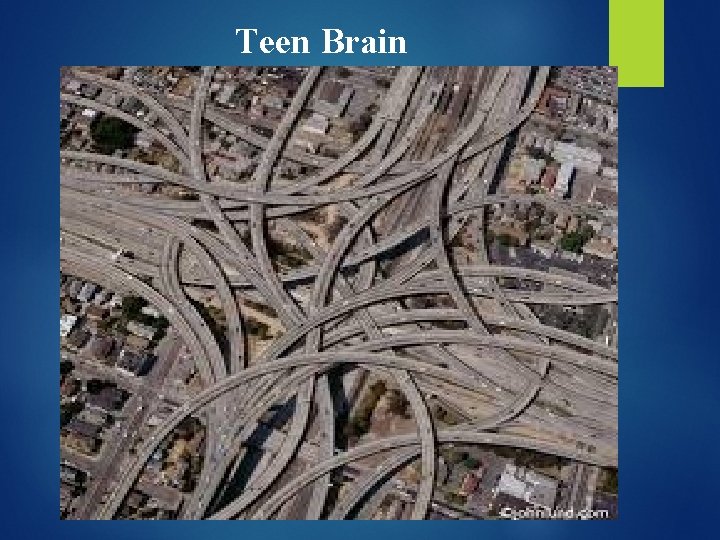
Teen Brain
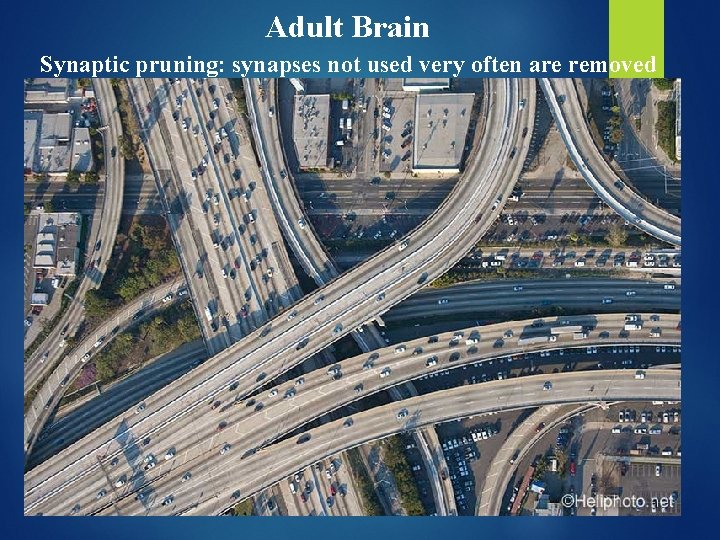
Adult Brain Synaptic pruning: synapses not used very often are removed
THE DECISION MAKING MODEL 1. What is the PROBLEM? 2. BRAINSTORM: (list 3 options) 3. List the Pros (list 3 benefits) 4. List the Cons – (list 3 consequences) 5. DECIDE
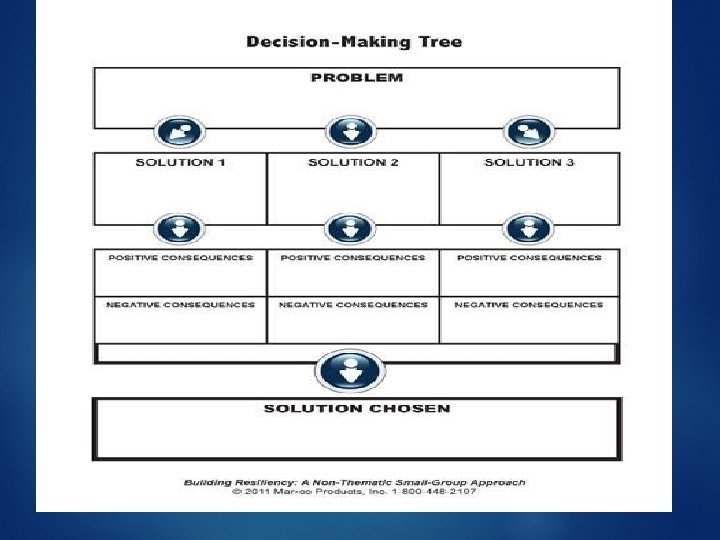
EXAMPLE THE PROBLEM: my friend is being abused OPTIONS: 1. I could tell her mom 2. take her to the school counselor 3. tell my parents THE PROS: 1. She will get help 2. She will be thankful that you care 3. She won’t be hurt any more. THE CONS: 1. she will get mad at you 2. she will not trust you anymore 3. you could lose her friendship DECIDE: I decide to take her to the counselor
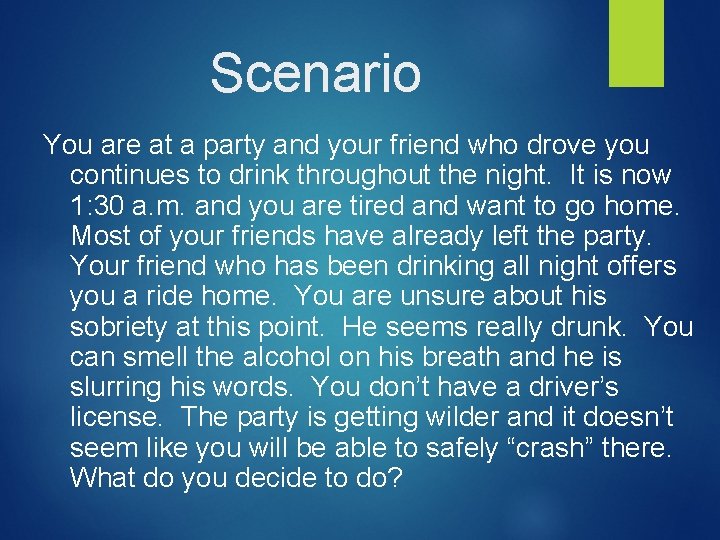
Scenario You are at a party and your friend who drove you continues to drink throughout the night. It is now 1: 30 a. m. and you are tired and want to go home. Most of your friends have already left the party. Your friend who has been drinking all night offers you a ride home. You are unsure about his sobriety at this point. He seems really drunk. You can smell the alcohol on his breath and he is slurring his words. You don’t have a driver’s license. The party is getting wilder and it doesn’t seem like you will be able to safely “crash” there. What do you decide to do?
- Slides: 14