
What are they saying Can you guess what
- Slides: 25
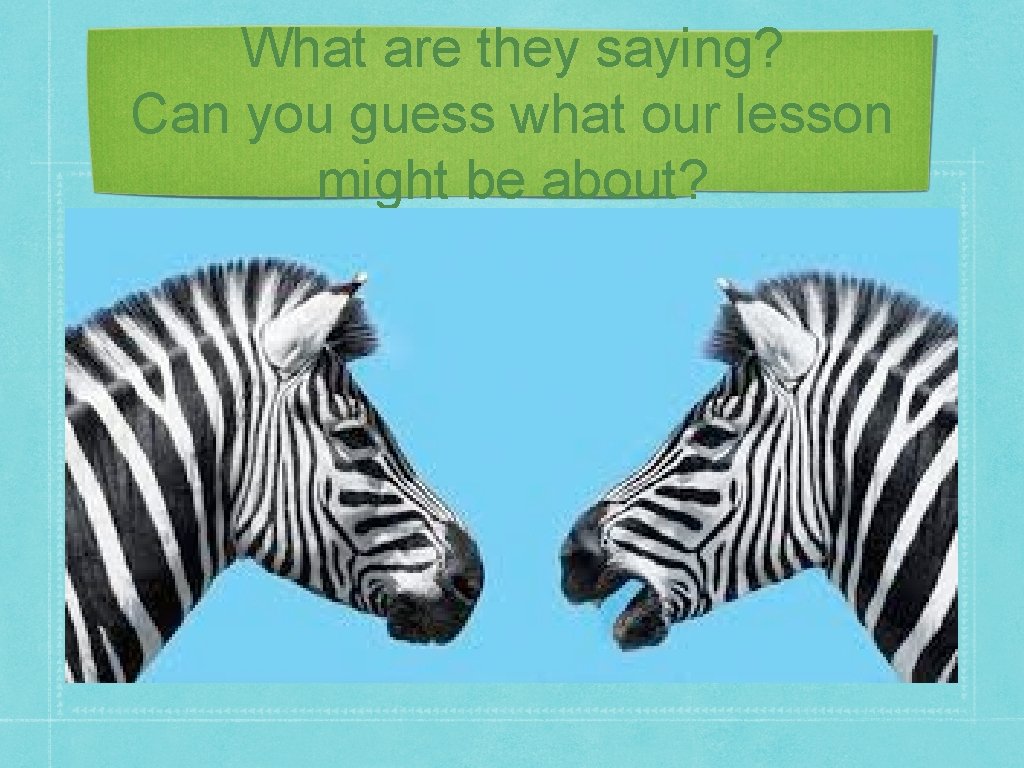
What are they saying? Can you guess what our lesson might be about?
Who can tell me what these words mean? Unit title - Does faith make a difference to justice? Lesson title: What is the difference between prejudice and discrimination? Welcome back to RE!
Learning Objective: To explore the difference between prejudice and discrimination. Learning outcomes: Level 4: I can show understanding of what prejudice and discrimination mean. Level 5: I can explain what prejudice and discrimination are giving examples. Level 6: I can express insight into why people may be prejudiced or discriminate. Level 7: I can evaluate the validity of the reasons people give for being prejudiced or discriminatory.
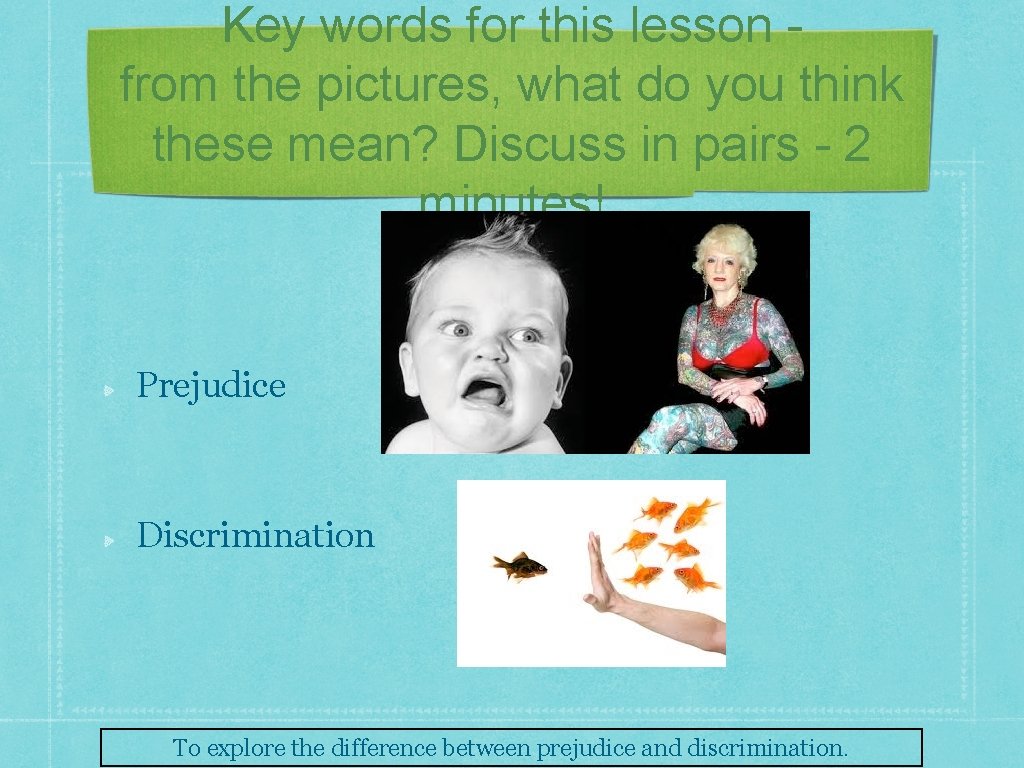
Key words for this lesson from the pictures, what do you think these mean? Discuss in pairs - 2 minutes! Prejudice Discrimination To explore the difference between prejudice and discrimination.
Discussion What do these definitions actually mean? Can you think of your own example for each one? Prejudice - Judging someone before you get to know them e. g. Thinking someone will be stuck up because they are dressed in posh clothes. Discrimination - Treating someone unfairly because they are different from you in some way e. g. race. To explore the difference between prejudice and discrimination.
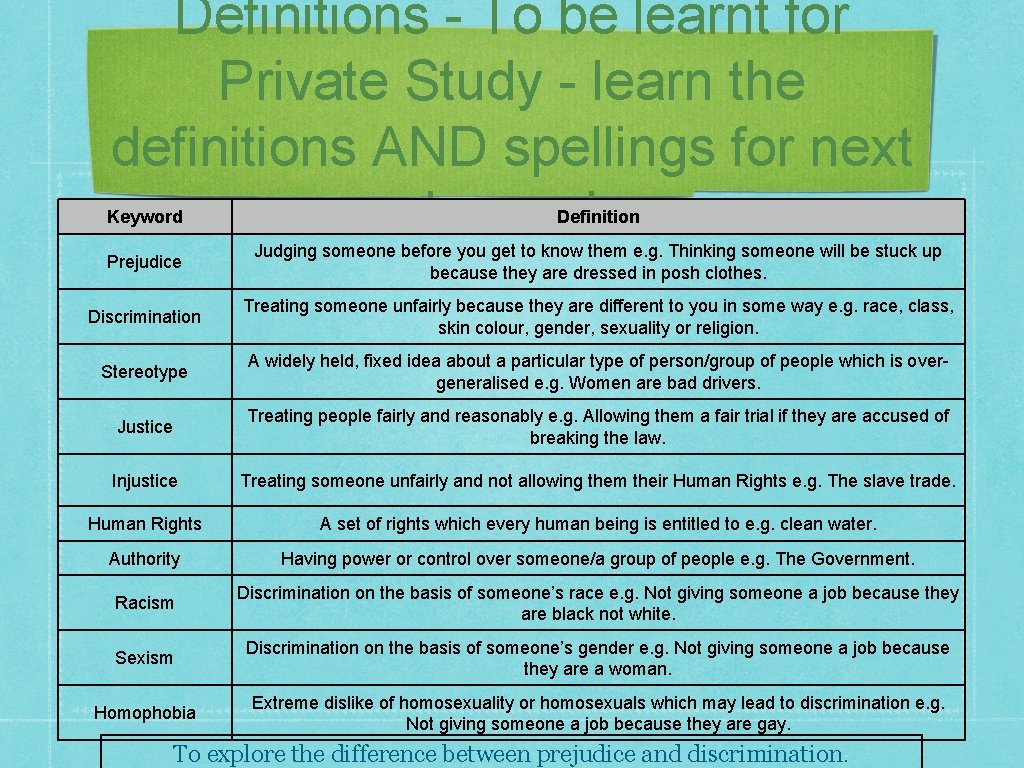
Definitions - To be learnt for Private Study - learn the definitions AND spellings for next lesson! Keyword Definition Prejudice Judging someone before you get to know them e. g. Thinking someone will be stuck up because they are dressed in posh clothes. Discrimination Treating someone unfairly because they are different to you in some way e. g. race, class, skin colour, gender, sexuality or religion. Stereotype A widely held, fixed idea about a particular type of person/group of people which is overgeneralised e. g. Women are bad drivers. Justice Treating people fairly and reasonably e. g. Allowing them a fair trial if they are accused of breaking the law. Injustice Treating someone unfairly and not allowing them their Human Rights e. g. The slave trade. Human Rights A set of rights which every human being is entitled to e. g. clean water. Authority Having power or control over someone/a group of people e. g. The Government. Racism Discrimination on the basis of someone’s race e. g. Not giving someone a job because they are black not white. Sexism Discrimination on the basis of someone’s gender e. g. Not giving someone a job because they are a woman. Homophobia Extreme dislike of homosexuality or homosexuals which may lead to discrimination e. g. Not giving someone a job because they are gay. To explore the difference between prejudice and discrimination.
Types of discrimination In pairs, complete the card sort to find out some of the different types of discrimination that happen. When you’ve finished: Put them in order of which you think is the worst to the most acceptable. Be prepared to justify your reasons! Challenge Yourself! Can you think of any other ways in which people can be discriminated against? To explore the difference between prejudice and discrimination.
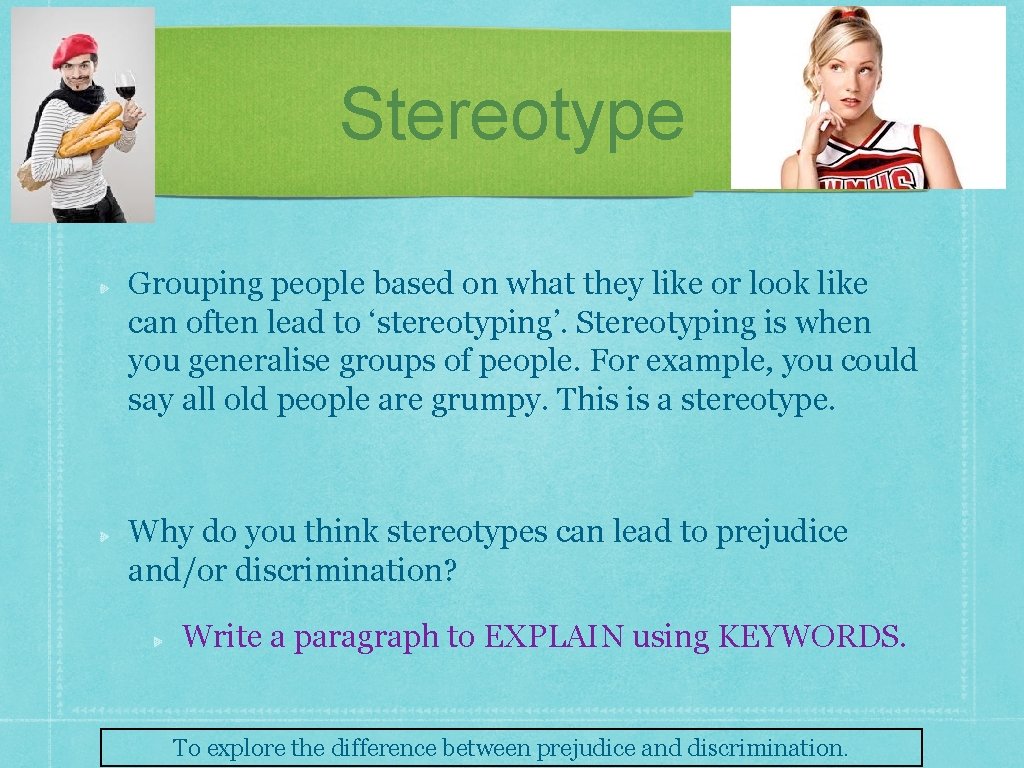
Stereotype Grouping people based on what they like or look like can often lead to ‘stereotyping’. Stereotyping is when you generalise groups of people. For example, you could say all old people are grumpy. This is a stereotype. Why do you think stereotypes can lead to prejudice and/or discrimination? Write a paragraph to EXPLAIN using KEYWORDS. To explore the difference between prejudice and discrimination.
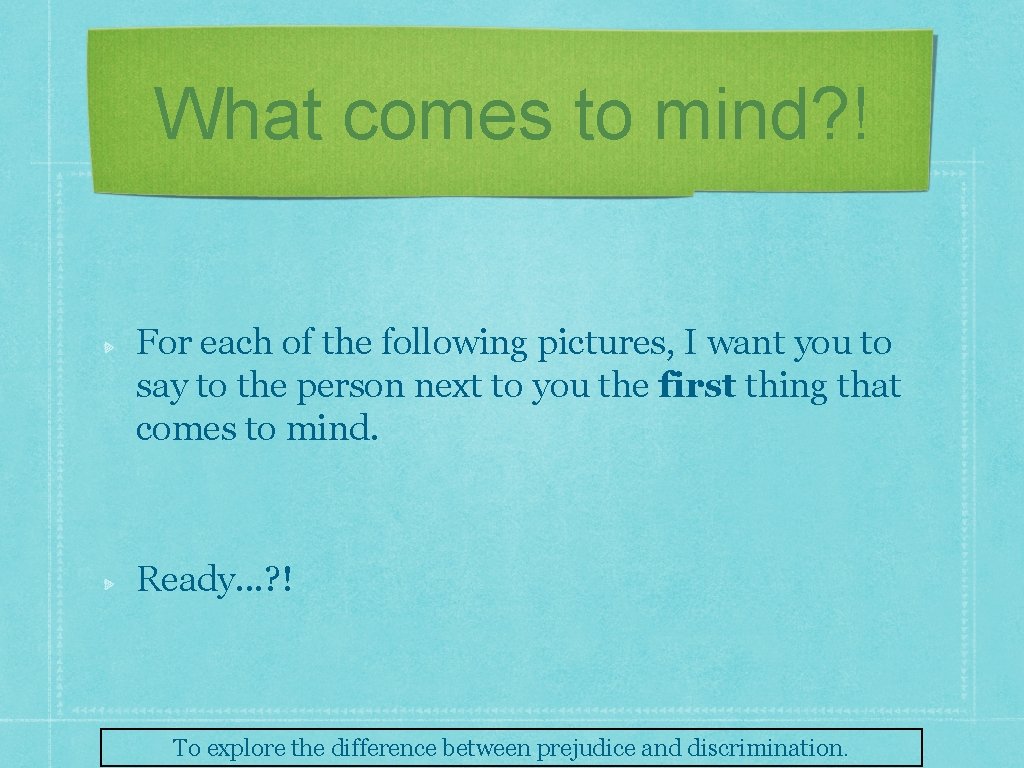
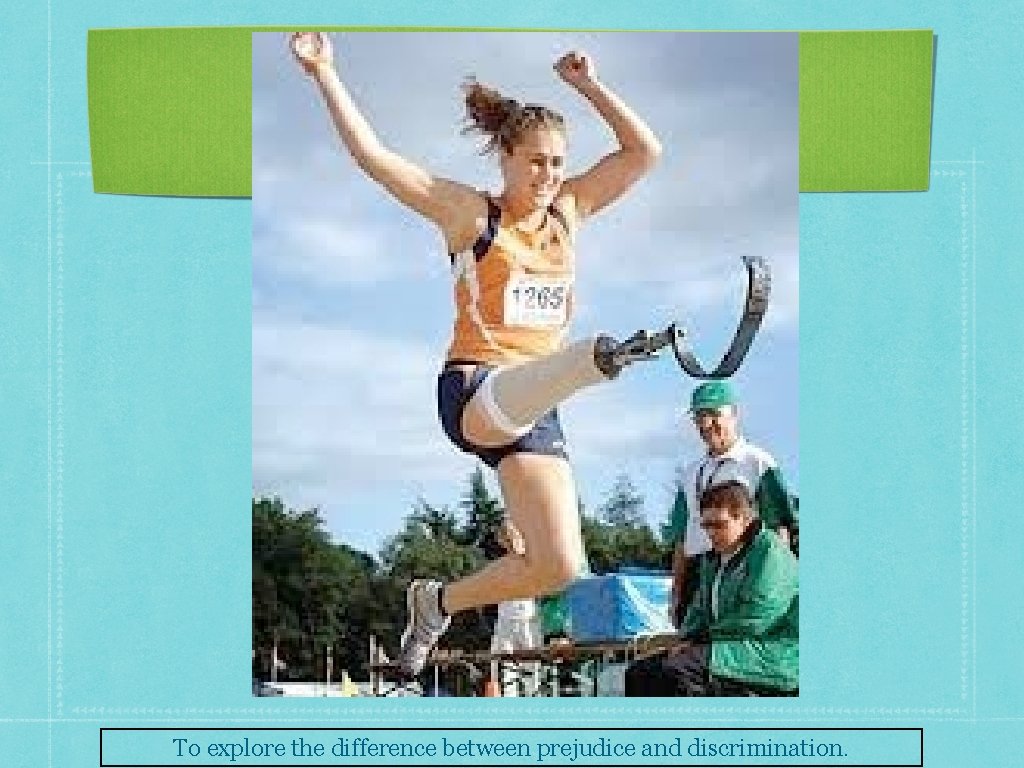
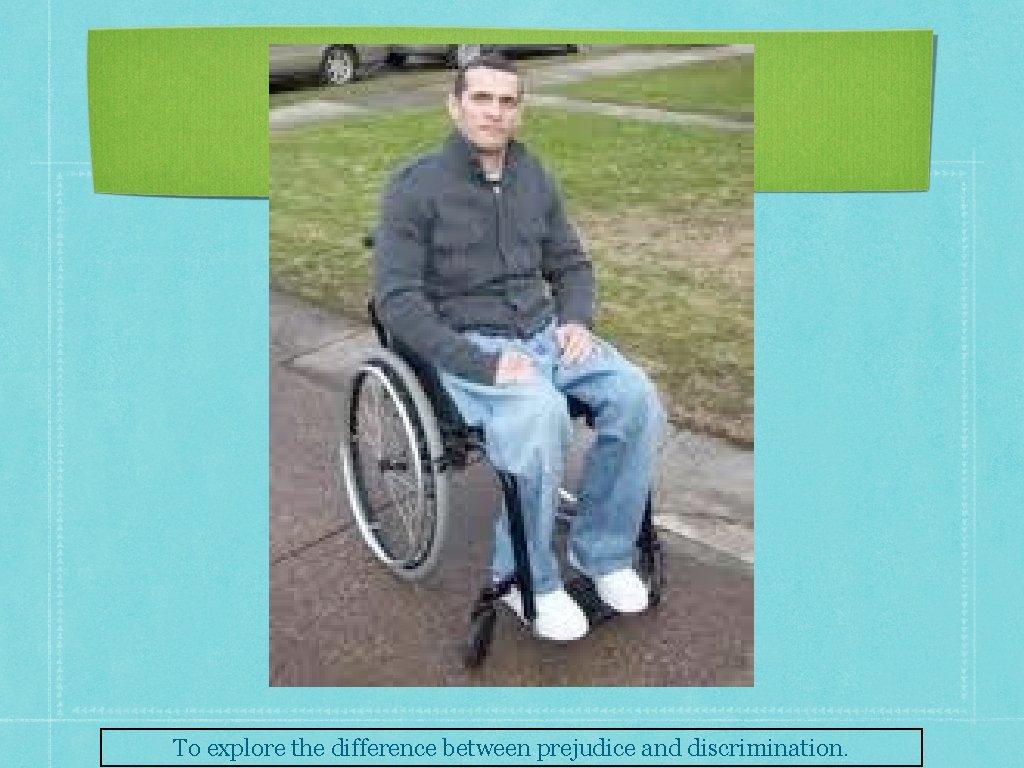
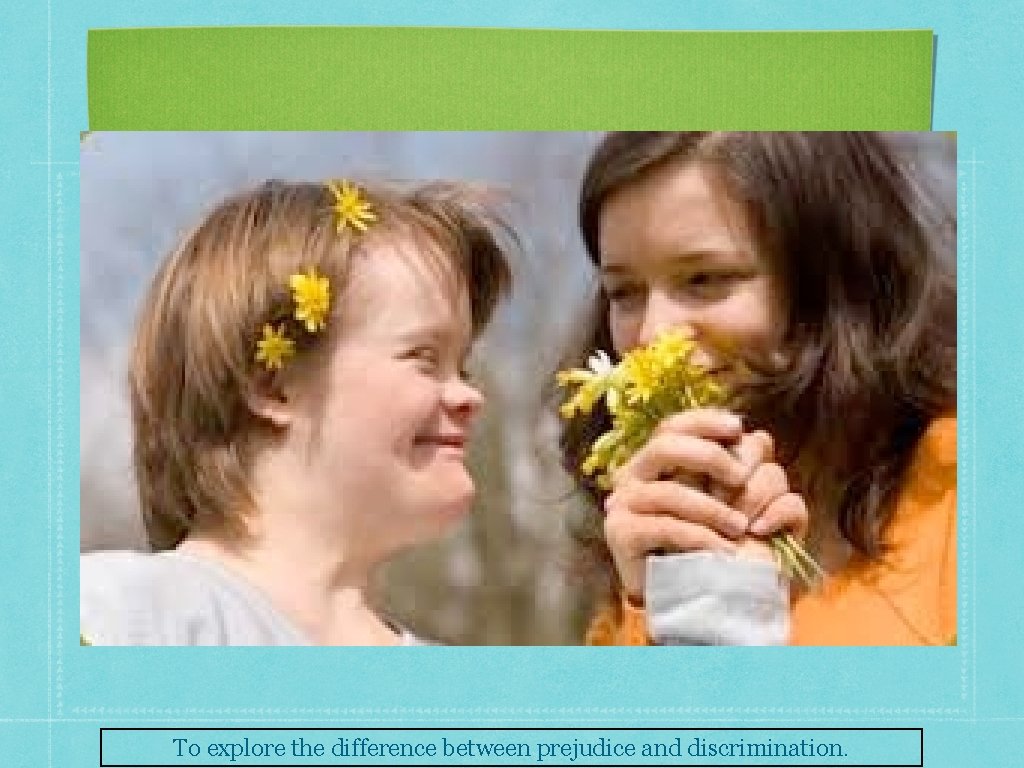
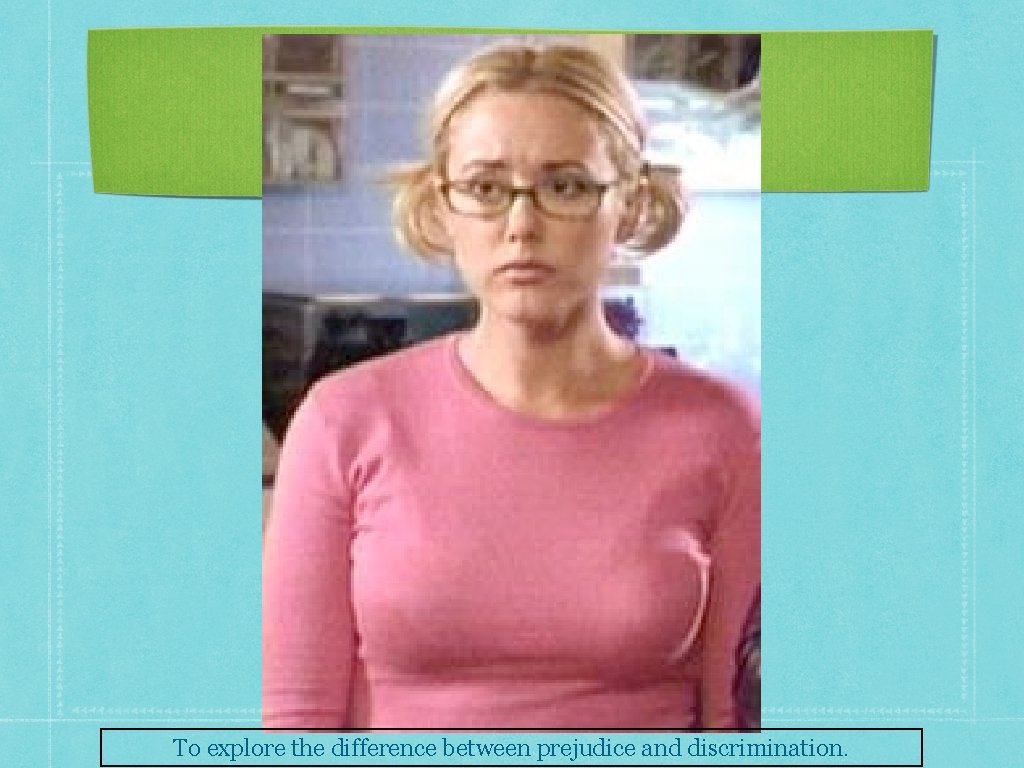
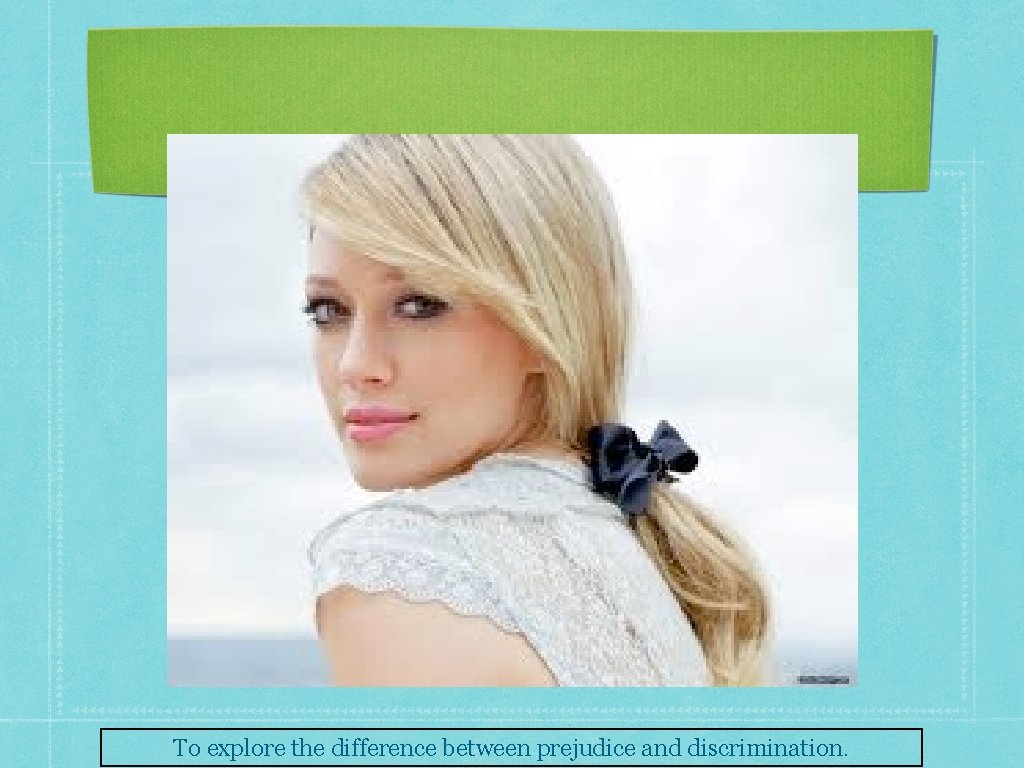
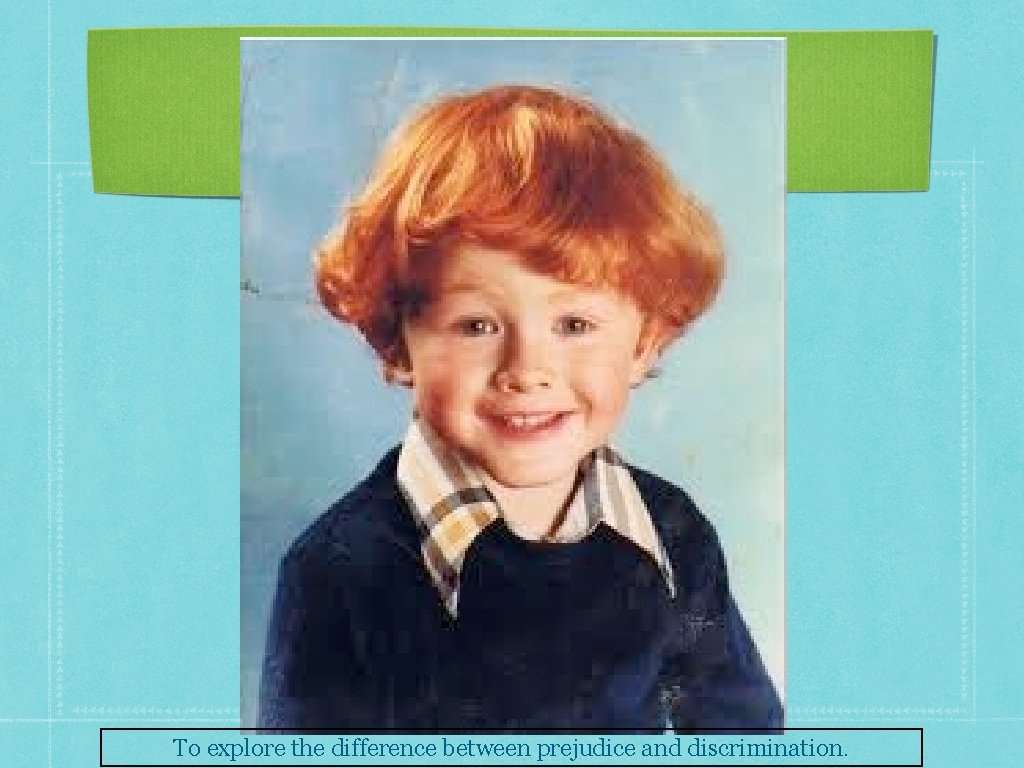
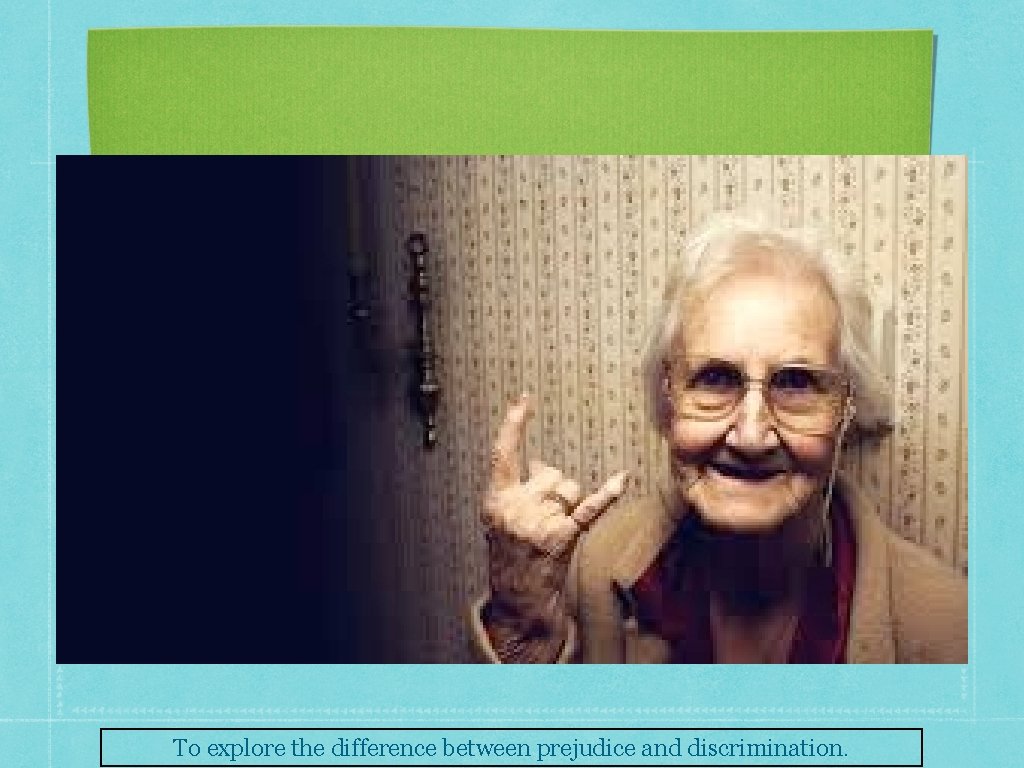
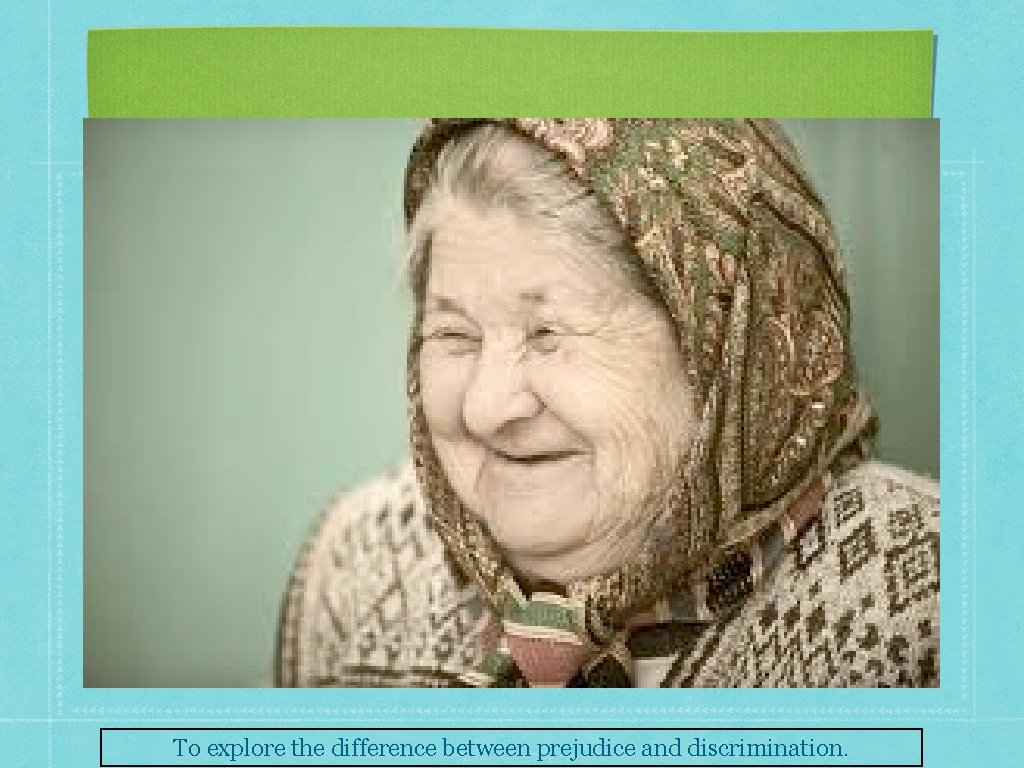
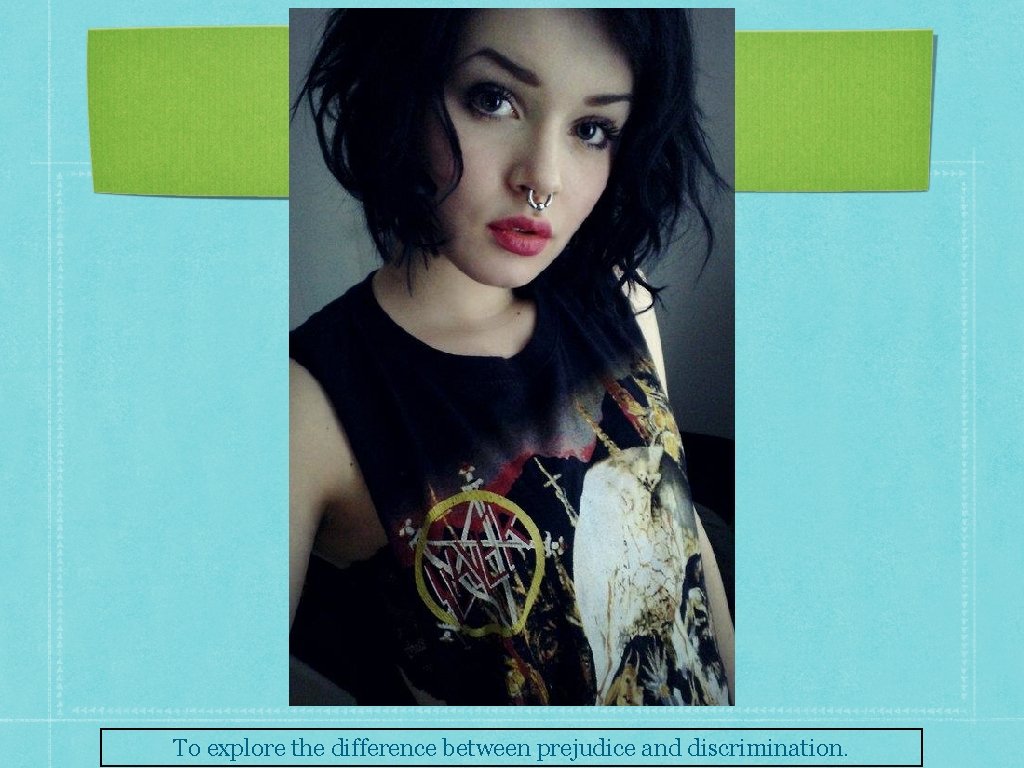
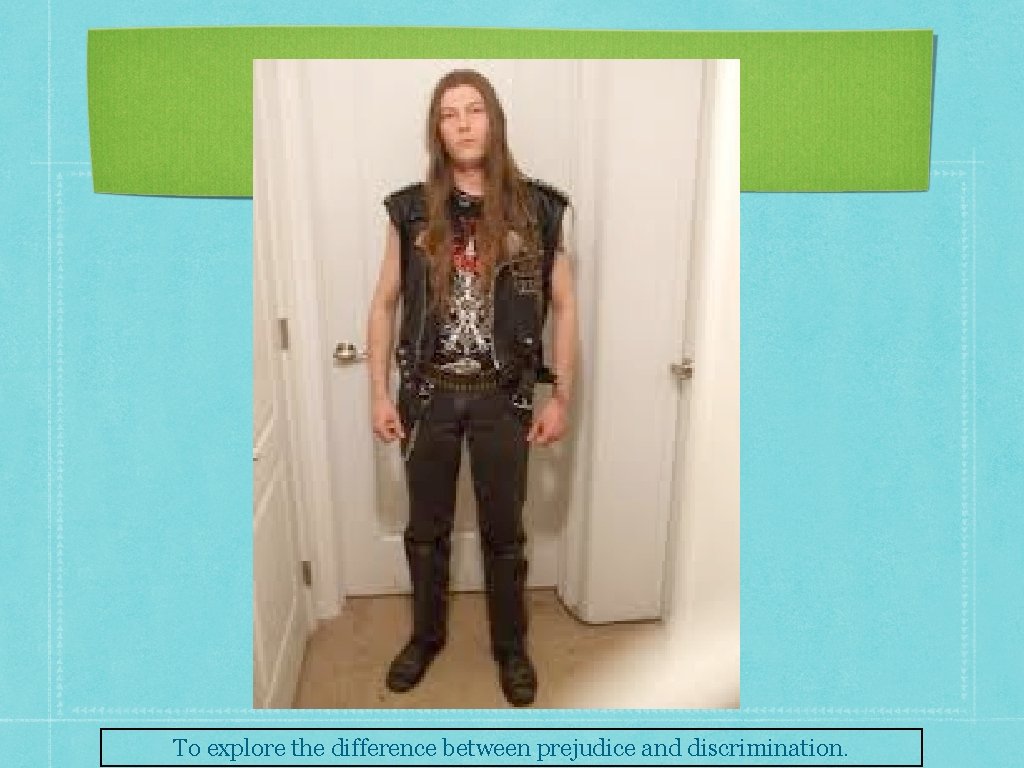
What comes to mind? ! For each of the following pictures, I want you to say to the person next to you the first thing that comes to mind. Ready. . . ? ! To explore the difference between prejudice and discrimination.
To explore the difference between prejudice and discrimination.
To explore the difference between prejudice and discrimination.
To explore the difference between prejudice and discrimination.
To explore the difference between prejudice and discrimination.
To explore the difference between prejudice and discrimination.
To explore the difference between prejudice and discrimination.
To explore the difference between prejudice and discrimination.
To explore the difference between prejudice and discrimination.
To explore the difference between prejudice and discrimination.
To explore the difference between prejudice and discrimination.
What did you think? Some people probably think they are not prejudiced at all, but it is actually quite difficult not to make a spot judgement on someone! Even if you didn’t say anything judgmental to your partner through that activity, be honest with yourself in your head - were you a bit prejudiced at times? To explore the difference between prejudice and discrimination.
Watch the clip. What would you do?
So, why? Table team challenge! Why do people become prejudiced in the first place? List the reasons/influences in each of your books - which team can get the most? ! To explore the difference between prejudice and discrimination.
Writing Task! Work through the questions, in detail, using keywords. Look at your levels! 1. In your own words, what is prejudice? 2. In your own words, what is discrimination? 3. In your own words, EXPLAIN the difference between prejudice and discrimination, using keywords and examples to help you explain. 4. Explain (using keywords and several detailed examples) WHY people might be prejudiced or discriminate. Give at least three, well-explained reasons. 5. Which, if any, of these reasons do you think are justifiable and why? 6. Which cannot be justifiable and why? Learning outcomes: Level 4: I can show understanding of what prejudice and discrimination mean. Level 5: I can explain what prejudice and discrimination are giving examples. Level 6: I can express insight into why people may be prejudiced or discriminate. Level 7: I can evaluate the validity of the reasons people give for being prejudiced or discriminatory. To explore the difference between prejudice and discrimination.
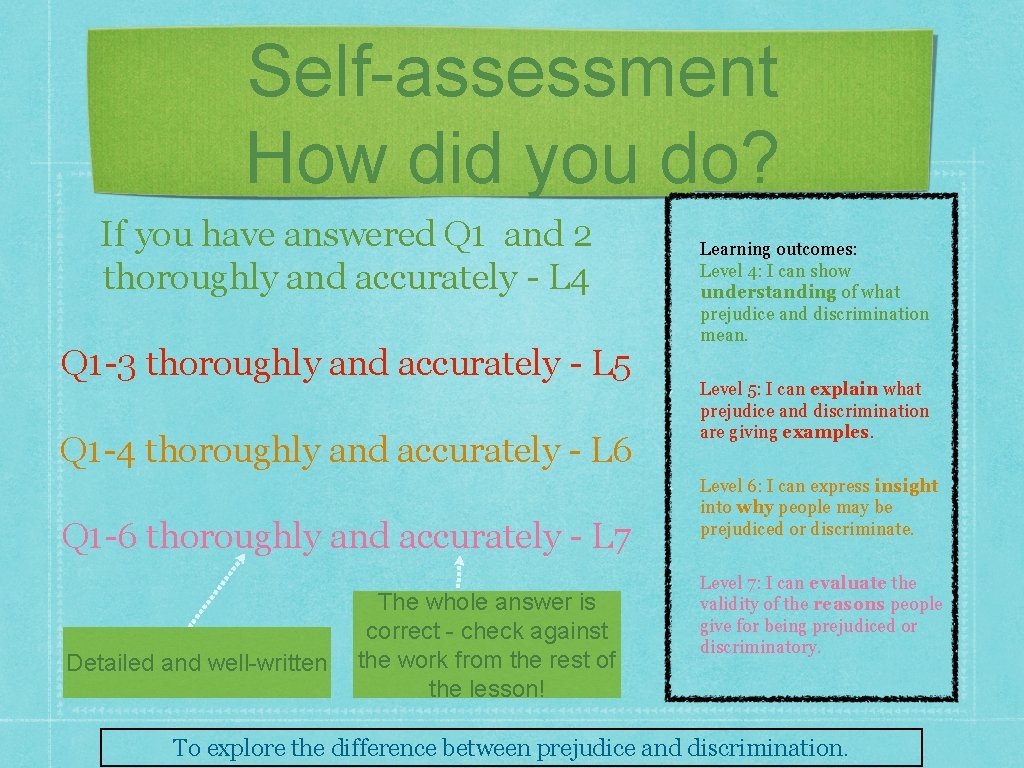
Self-assessment How did you do? If you have answered Q 1 and 2 thoroughly and accurately - L 4 Q 1 -3 thoroughly and accurately - L 5 Q 1 -4 thoroughly and accurately - L 6 Q 1 -6 thoroughly and accurately - L 7 Detailed and well-written The whole answer is correct - check against the work from the rest of the lesson! Learning outcomes: Level 4: I can show understanding of what prejudice and discrimination mean. Level 5: I can explain what prejudice and discrimination are giving examples. Level 6: I can express insight into why people may be prejudiced or discriminate. Level 7: I can evaluate the validity of the reasons people give for being prejudiced or discriminatory. To explore the difference between prejudice and discrimination.
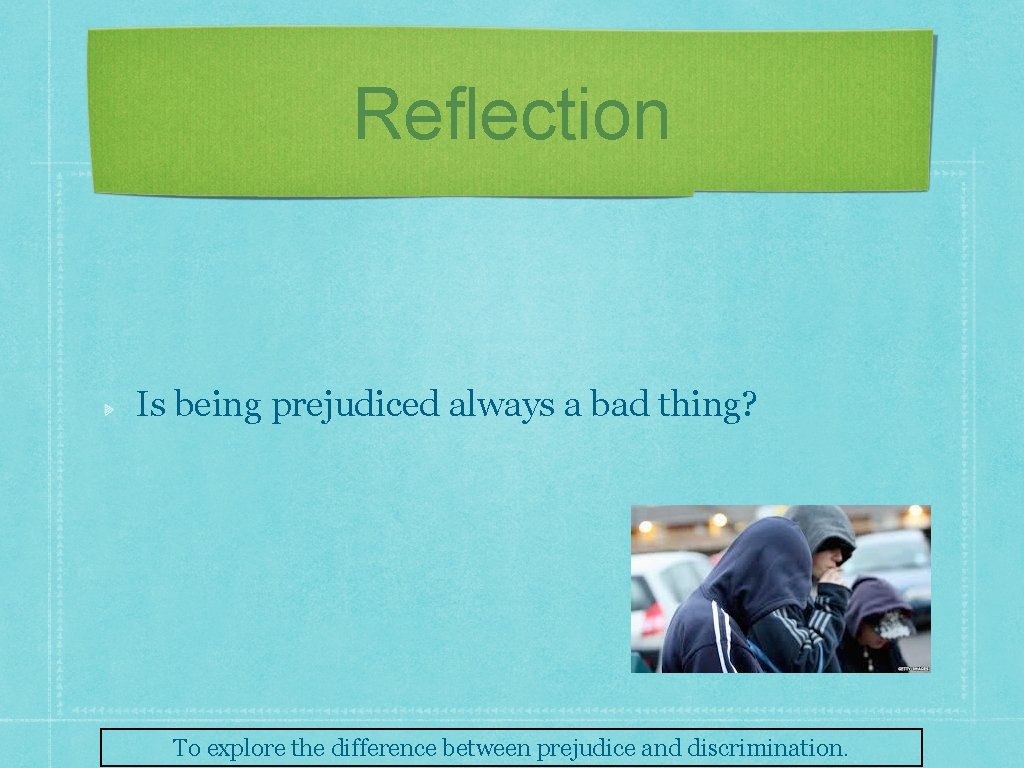
Reflection Is being prejudiced always a bad thing? To explore the difference between prejudice and discrimination.