
What are the main parts of a virus
- Slides: 44
What are the main parts of a virus (its structure)? Describe how the genome of a retrovirus like HIV (Human Immunodeficiency Virus) becomes incorporated into the genome of the host cell. Key words: reverse transcriptase, integrase,
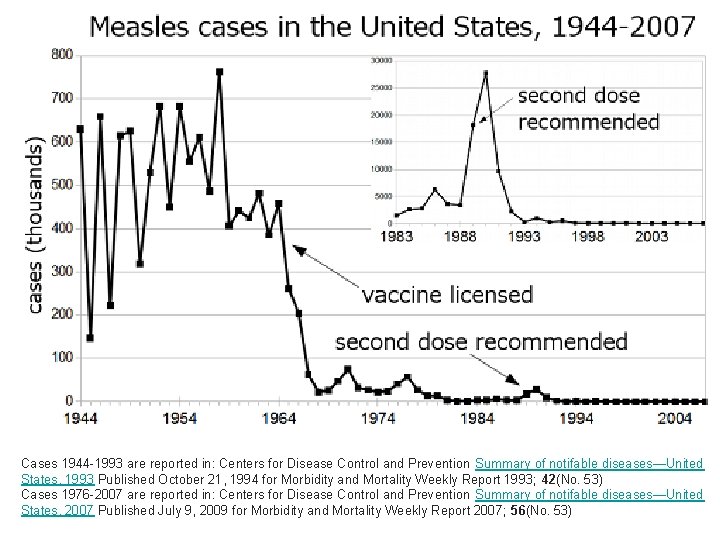
Cases 1944 -1993 are reported in: Centers for Disease Control and Prevention Summary of notifable diseases—United States, 1993 Published October 21, 1994 for Morbidity and Mortality Weekly Report 1993; 42(No. 53) Cases 1976 -2007 are reported in: Centers for Disease Control and Prevention Summary of notifable diseases—United States, 2007 Published July 9, 2009 for Morbidity and Mortality Weekly Report 2007; 56(No. 53)
Viruses
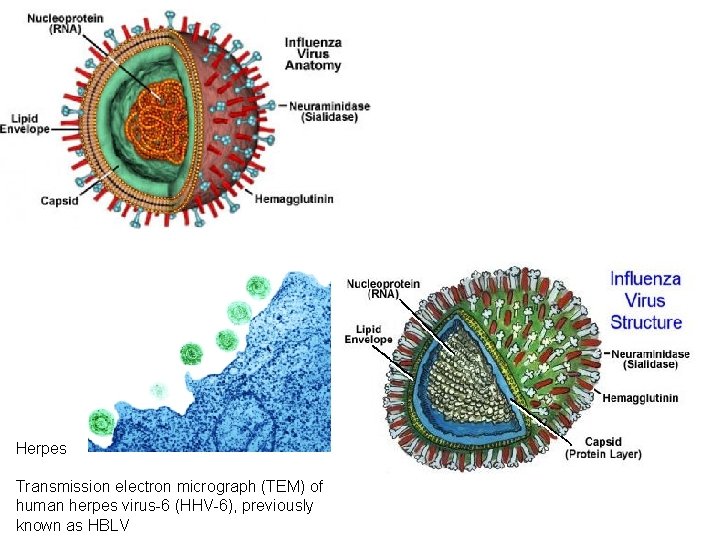
Herpes Transmission electron micrograph (TEM) of human herpes virus-6 (HHV-6), previously known as HBLV
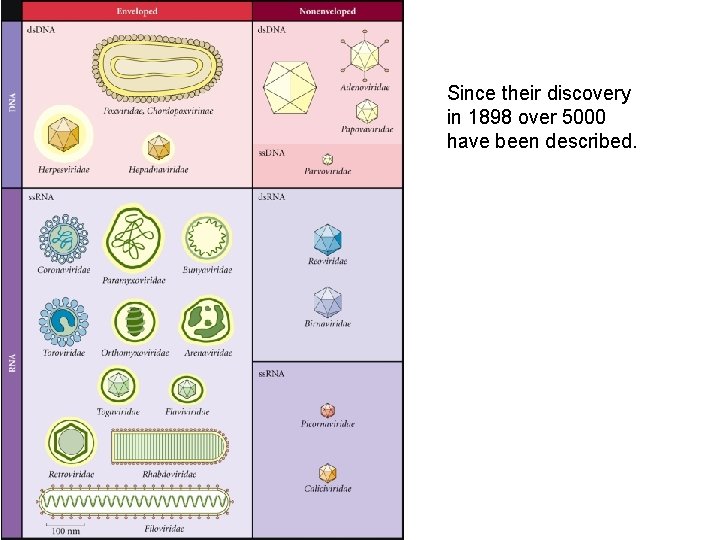
Since their discovery in 1898 over 5000 have been described.
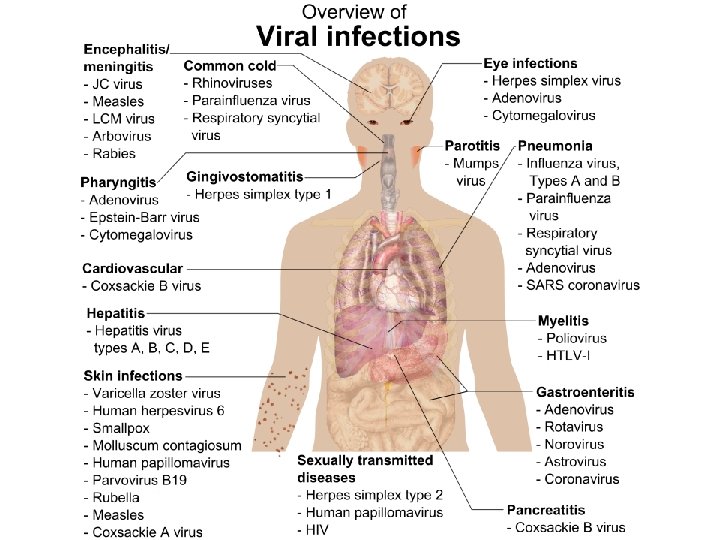
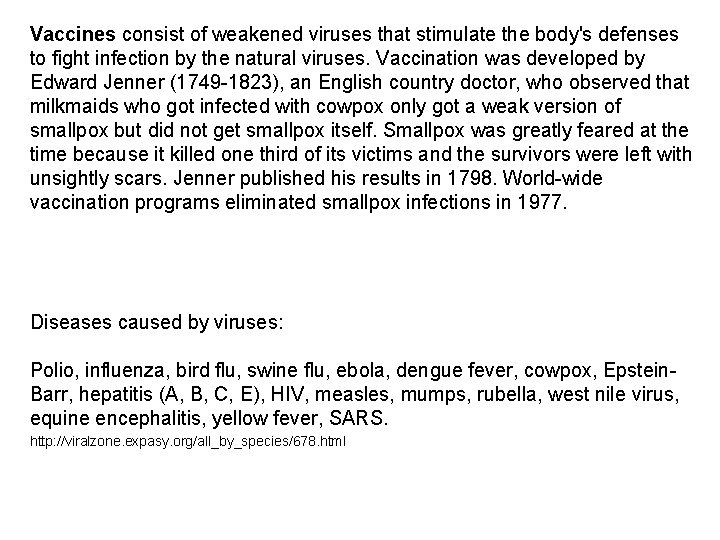
Vaccines consist of weakened viruses that stimulate the body's defenses to fight infection by the natural viruses. Vaccination was developed by Edward Jenner (1749 -1823), an English country doctor, who observed that milkmaids who got infected with cowpox only got a weak version of smallpox but did not get smallpox itself. Smallpox was greatly feared at the time because it killed one third of its victims and the survivors were left with unsightly scars. Jenner published his results in 1798. World-wide vaccination programs eliminated smallpox infections in 1977. Diseases caused by viruses: Polio, influenza, bird flu, swine flu, ebola, dengue fever, cowpox, Epstein. Barr, hepatitis (A, B, C, E), HIV, measles, mumps, rubella, west nile virus, equine encephalitis, yellow fever, SARS. http: //viralzone. expasy. org/all_by_species/678. html
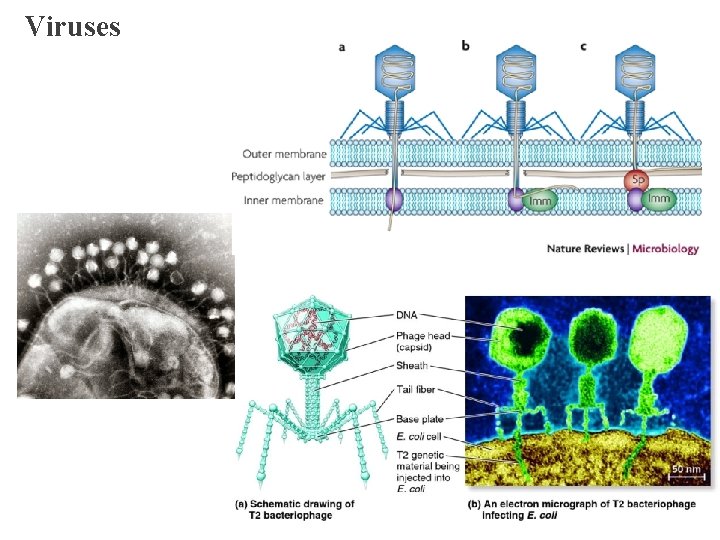
Viruses • Viruses come in great variety • Viruses consist of a capsid (protein coat) surrounding the nucleic acid (1 x or 2 x DNA or RNA) and sometimes a capsule
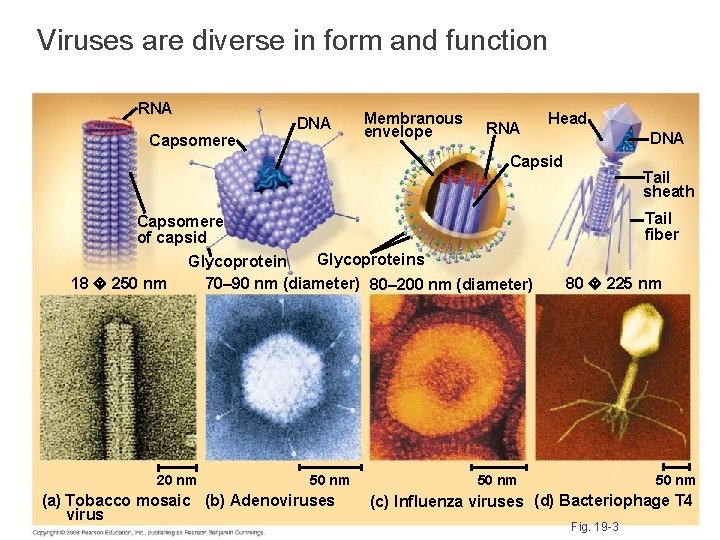
Viruses are diverse in form and function RNA Capsomere DNA Membranous envelope RNA Head DNA Capsid Capsomere of capsid Glycoproteins Glycoprotein 18 250 nm 70– 90 nm (diameter) 80– 200 nm (diameter) 20 nm 50 nm (a) Tobacco mosaic (b) Adenoviruses virus Tail sheath Tail fiber 80 225 nm 50 nm (c) Influenza viruses (d) Bacteriophage T 4 Fig. 19 -3
Origin of viruses • plasmids, circular DNA in bacteria and yeasts, • transposons, small mobile DNA segments • Plasmids, transposons, and viruses are all mobile genetic elements • Viral diversity, simplicity and close match with host could be explained if viruses evolved from the host
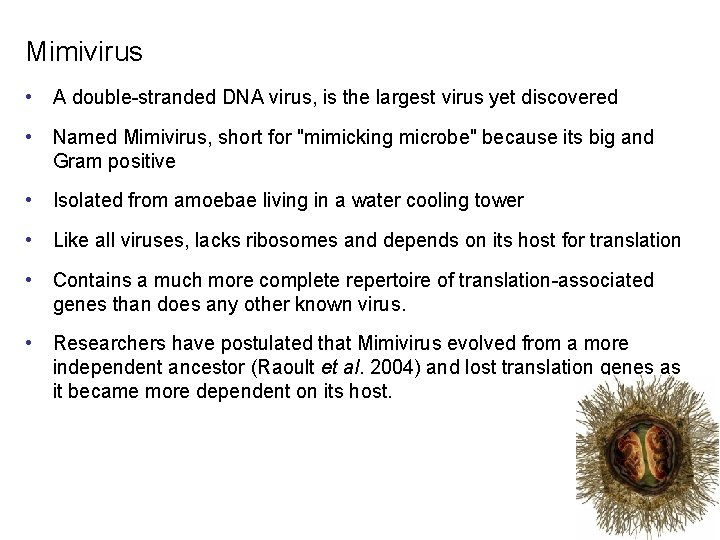
Mimivirus • A double-stranded DNA virus, is the largest virus yet discovered • Named Mimivirus, short for "mimicking microbe" because its big and Gram positive • Isolated from amoebae living in a water cooling tower • Like all viruses, lacks ribosomes and depends on its host for translation • Contains a much more complete repertoire of translation-associated genes than does any other known virus. • Researchers have postulated that Mimivirus evolved from a more independent ancestor (Raoult et al. 2004) and lost translation genes as it became more dependent on its host.
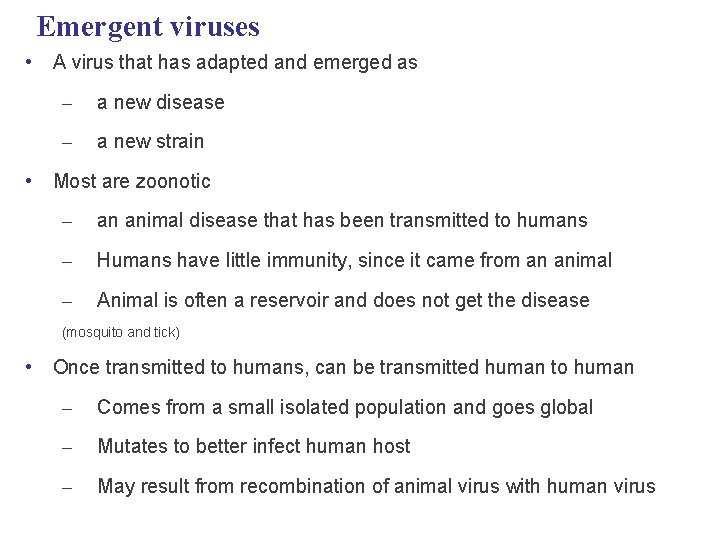
Emergent viruses • A virus that has adapted and emerged as – a new disease – a new strain • Most are zoonotic – an animal disease that has been transmitted to humans – Humans have little immunity, since it came from an animal – Animal is often a reservoir and does not get the disease (mosquito and tick) • Once transmitted to humans, can be transmitted human to human – Comes from a small isolated population and goes global – Mutates to better infect human host – May result from recombination of animal virus with human virus
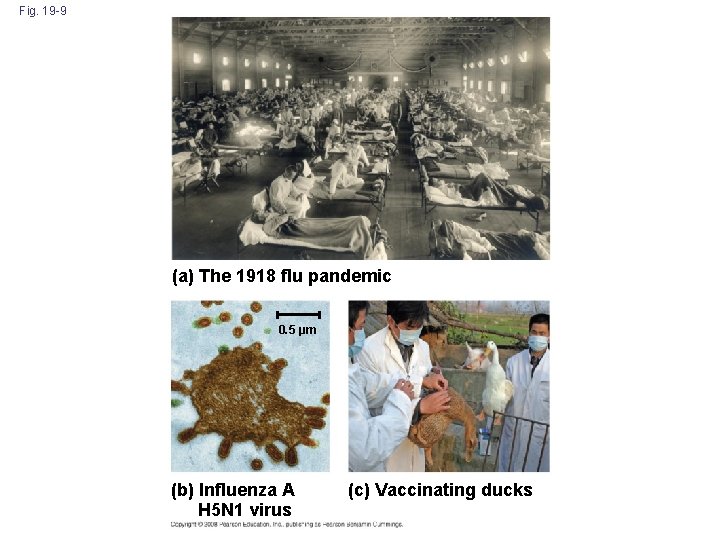
Emergent Viruses • Appear suddenly • Severe acute respiratory syndrome (SARS) – http: //www. ncbi. nlm. nih. gov/pubmedhealth/PMH 0004460/ Flu epidemics – influenza virus - new strains - people have little immunity – can cause pandemics, global epidemics – Flu often hops from birds (avian flu) or pigs (swine flu)
Fig. 19 -9 (a) The 1918 flu pandemic 0. 5 µm (b) Influenza A H 5 N 1 virus (c) Vaccinating ducks
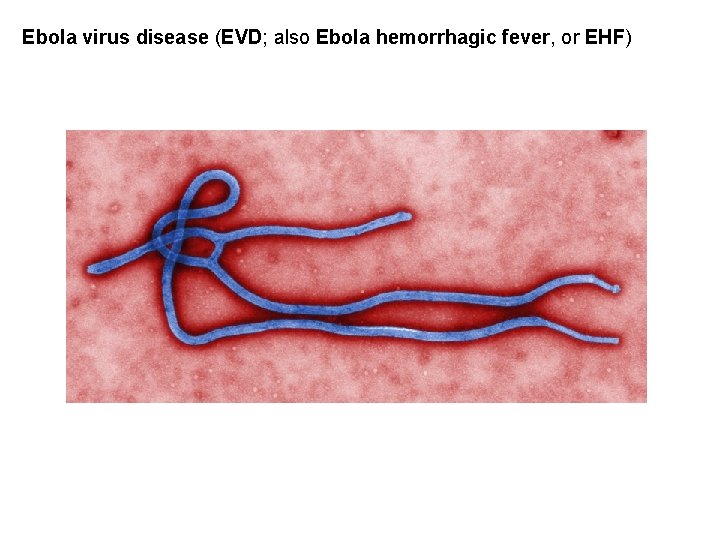
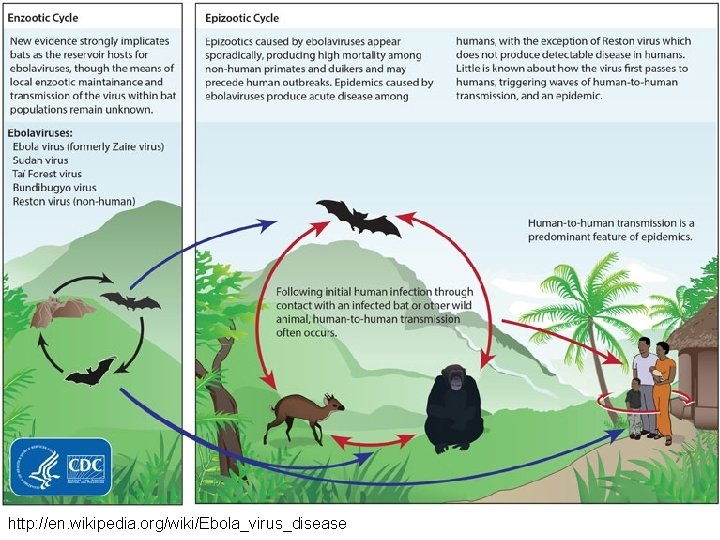
Ebola virus disease (EVD; also Ebola hemorrhagic fever, or EHF)
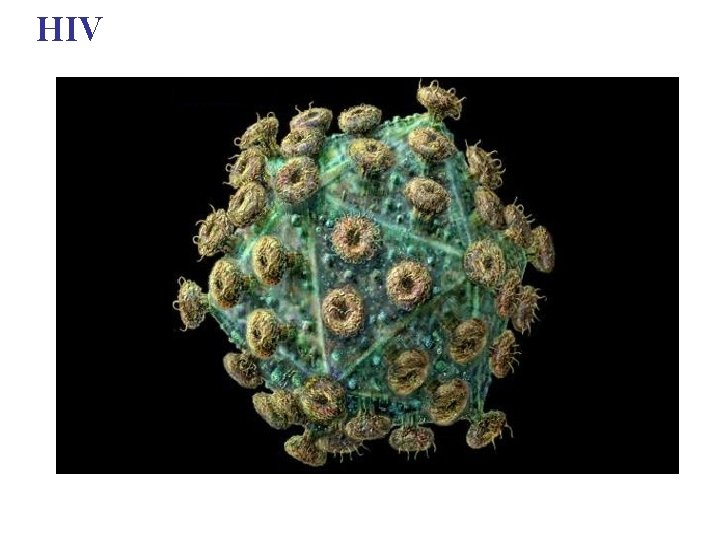
HIV
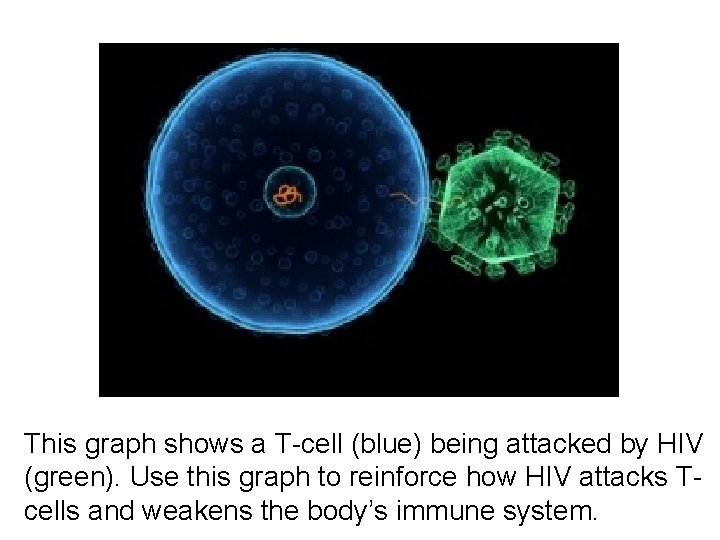
This graph shows a T-cell (blue) being attacked by HIV (green). Use this graph to reinforce how HIV attacks Tcells and weakens the body’s immune system.
The origin of HIV is believed to have originated in non-human primates in sub. Saharan Africa and was transferred to humans late in the 19 th or early in the 20 th century. HIV = Human Immunodeficiency Virus AIDS = Acquired Immunodeficiency Syndrome
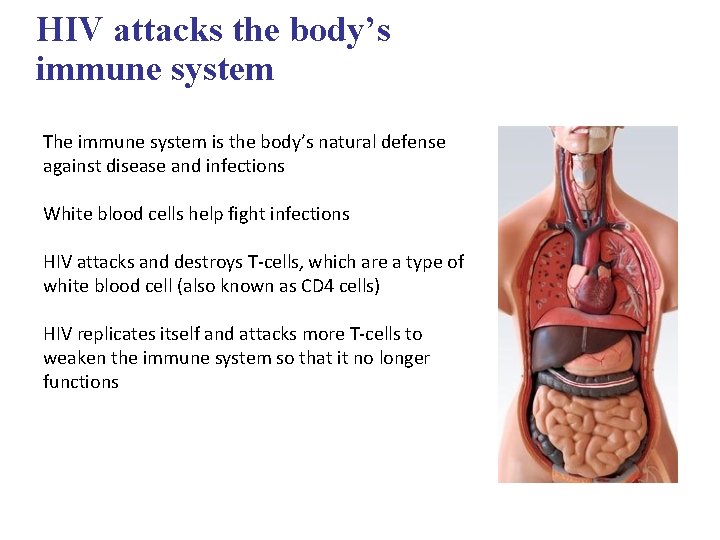
HIV attacks the body’s immune system The immune system is the body’s natural defense against disease and infections White blood cells help fight infections HIV attacks and destroys T-cells, which are a type of white blood cell (also known as CD 4 cells) HIV replicates itself and attacks more T-cells to weaken the immune system so that it no longer functions
Basic facts about HIV/AIDS • HIV is the virus that causes AIDS • HIV/AIDS is treatable, but not curable • It is estimated that 1 in 20 people in D. C. are living with HIV • You can’t tell by looking if a person is living with HIV, the only way to know is by taking an HIV antibody test.
The 4 Fluids • Blood • Semen • Breast Milk • Vaginal Fluids These are the four fluids that transmit HIV. The key to protecting yourself from infection is to avoid these four bodily fluids.
Transmitting HIV is transmitted when one or more of the four fluids is transferred from one person to another. The most common ways HIV is transmitted is by: • Unprotected oral, anal or vaginal sex • Sharing needles • Breastfeeding from infected mother to baby
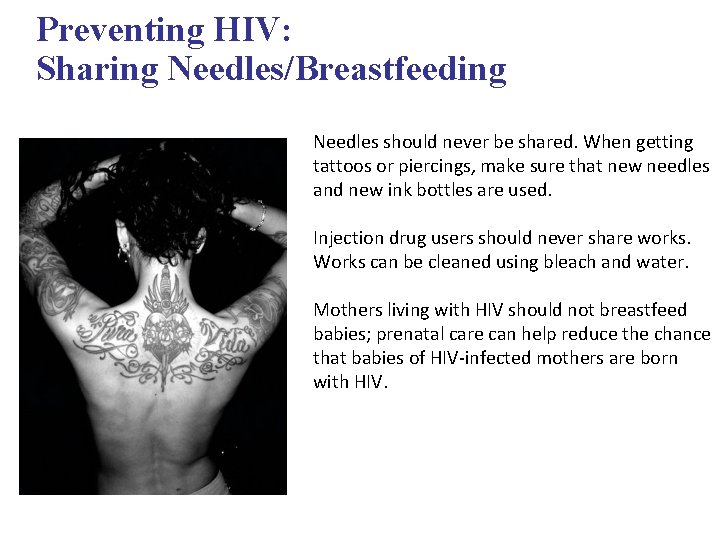
Preventing HIV: Sharing Needles/Breastfeeding Needles should never be shared. When getting tattoos or piercings, make sure that new needles and new ink bottles are used. Injection drug users should never share works. Works can be cleaned using bleach and water. Mothers living with HIV should not breastfeed babies; prenatal care can help reduce the chance that babies of HIV-infected mothers are born with HIV.
http: //en. wikipedia. org/wiki/Ebola_virus_disease
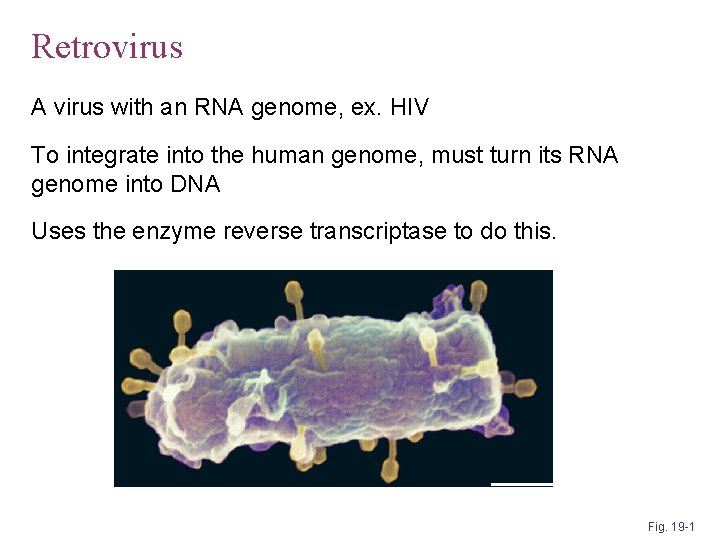
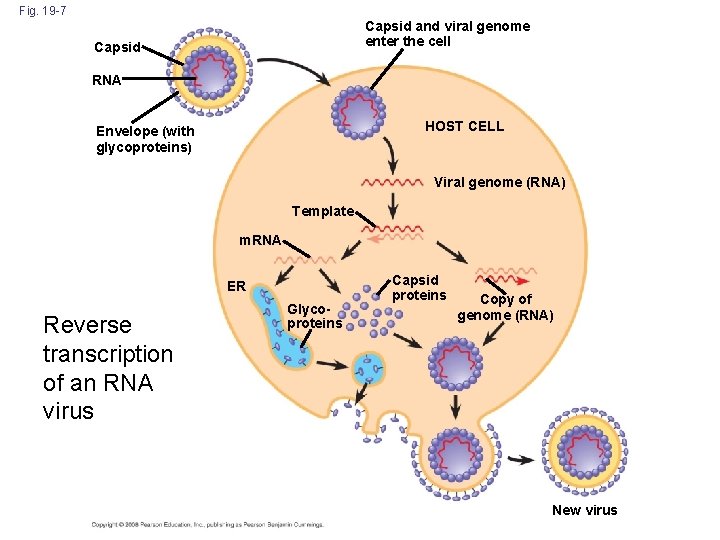
Retrovirus A virus with an RNA genome, ex. HIV To integrate into the human genome, must turn its RNA genome into DNA Uses the enzyme reverse transcriptase to do this. Fig. 19 -1
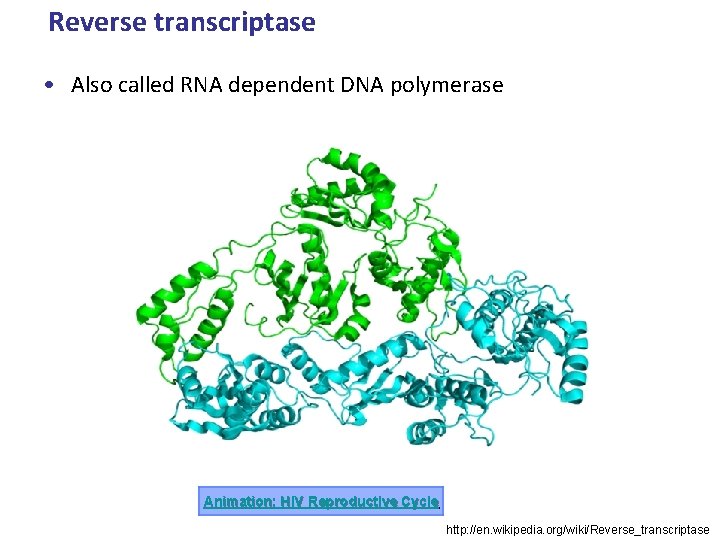
Reverse transcriptase • Also called RNA dependent DNA polymerase Animation: HIV Reproductive Cycle http: //en. wikipedia. org/wiki/Reverse_transcriptase
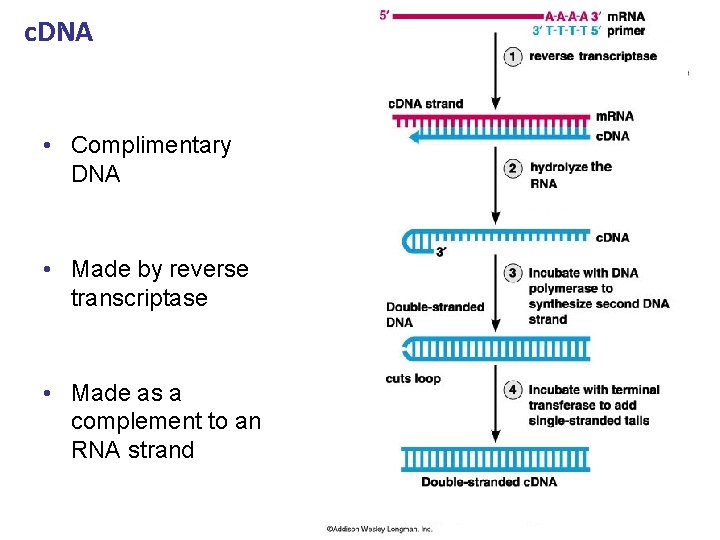
Reverse transcriptase • Synthesizes a strand of DNA complementary to the RNA genome. This strand is called c. DNA • degrades the RNA genome • Makes a DNA strand complementary to the DNA strand already made (above)
Biotechnology Applications • We use reverse transcriptase to make eukaryotic genes that can be put into prokaryotes for transcription Mcgraw: c. DNA
c. DNA • Complimentary DNA • Made by reverse transcriptase • Made as a complement to an RNA strand Mc. Graw: c. DNA
Viruses formidable pathogens infect animals, plants, bacteria, protists, everything
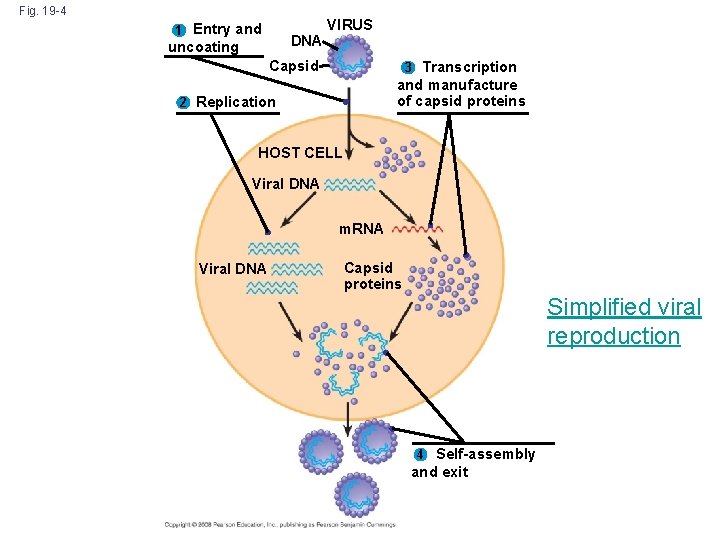
Fig. 19 -4 1 Entry and DNA uncoating VIRUS Capsid 3 Transcription and manufacture of capsid proteins 2 Replication HOST CELL Viral DNA m. RNA Viral DNA Capsid proteins Simplified viral reproduction 4 Self-assembly and exit
The Lytic Cycle = virulent phage • Virus reproduces rapidly, digests host cell wall (host cell dies), progeny viruses released • restriction enzymes - Bacterial defense -cut up certain phage DNA
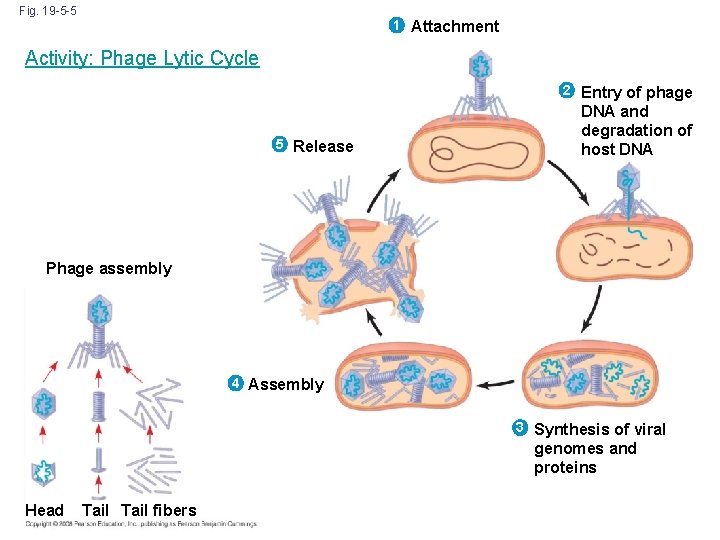
Fig. 19 -5 -5 1 Attachment Activity: Phage Lytic Cycle 2 Entry of phage 5 Release DNA and degradation of host DNA Phage assembly 4 Assembly 3 Synthesis of viral genomes and proteins Head Tail fibers
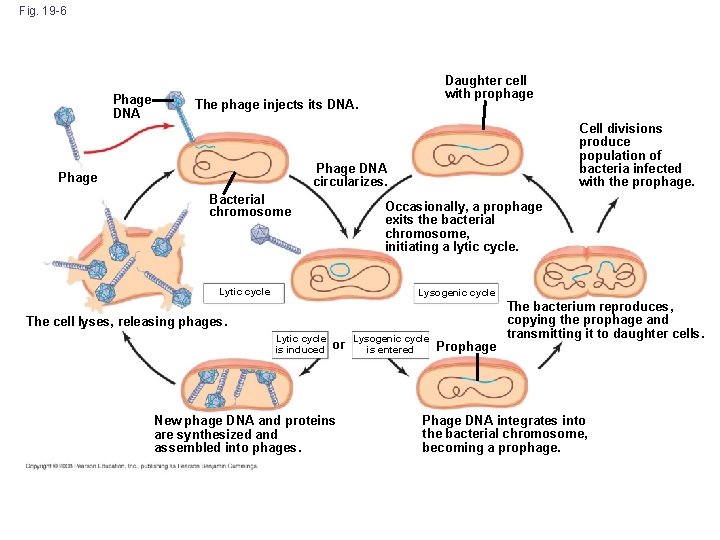
Lysogenic Cycle • viral DNA incorporated into host chromosome and replicated into all daughter cells with host cell division • Provirus - integrated viral DNA • environmental signal triggers viral genome exit from bacterial chromosome and switch to lytic mode Animation: Phage Lambda Lysogenic and Lytic Cycles
Fig. 19 -6 Phage DNA Daughter cell with prophage The phage injects its DNA. Cell divisions produce population of bacteria infected with the prophage. Phage DNA circularizes. Phage Bacterial chromosome Occasionally, a prophage exits the bacterial chromosome, initiating a lytic cycle. Lytic cycle Lysogenic cycle The cell lyses, releasing phages. Lytic cycle is induced or New phage DNA and proteins are synthesized and assembled into phages. Lysogenic cycle is entered Prophage The bacterium reproduces, copying the prophage and transmitting it to daughter cells. Phage DNA integrates into the bacterial chromosome, becoming a prophage.
Viral Genomes DNA virus - Double- or single-stranded DNA RNA virus - Double- or single-stranded RNA
Fig. 19 -7 Capsid and viral genome enter the cell Capsid RNA HOST CELL Envelope (with glycoproteins) Viral genome (RNA) Template m. RNA ER Reverse transcription of an RNA virus Glycoproteins Capsid proteins Copy of genome (RNA) New virus
Animals • Viruses may damage or kill cells by – causing release of hydrolytic enzymes from lysosomes – cause infected cells to produce toxins – having toxic envelope proteins
• Vaccines - harmless derivatives of pathogenic microbes – stimulate immune system against the actual pathogen – can prevent certain viral illnesses • Viral infections cannot be treated by antibiotics • Antiviral drugs can help to treat, though not cure, viral infections
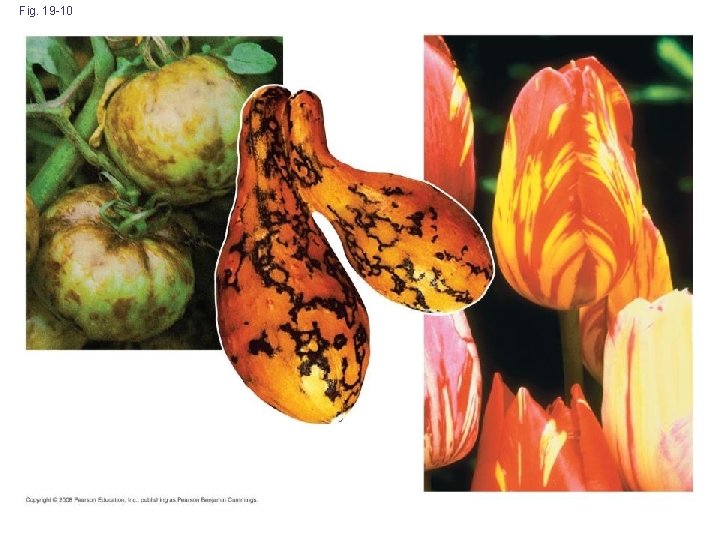
Viral Diseases in Plants • More than 2, 000 types of viral diseases of plants are known and cause spots on leaves and fruits, stunted growth, and damaged flowers or roots • Most plant viruses have an RNA genome • spread: – Horizontal transmission through damaged cell walls – Vertical transmission inheriting from a parent
Fig. 19 -10
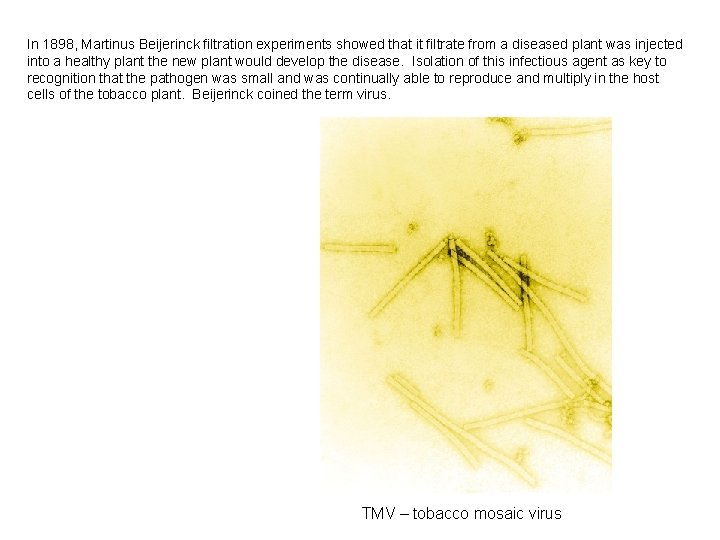
In 1898, Martinus Beijerinck filtration experiments showed that it filtrate from a diseased plant was injected into a healthy plant the new plant would develop the disease. Isolation of this infectious agent as key to recognition that the pathogen was small and was continually able to reproduce and multiply in the host cells of the tobacco plant. Beijerinck coined the term virus. TMV – tobacco mosaic virus