
WHAT ARE ESSENTIAL QUESTIONS The main questions each
- Slides: 37
WHAT ARE ‘ESSENTIAL QUESTIONS’? ? The main questions each class lesson aims to answer by the end of the class. They are the important themes or key points in our curriculum that are necessary to learn.
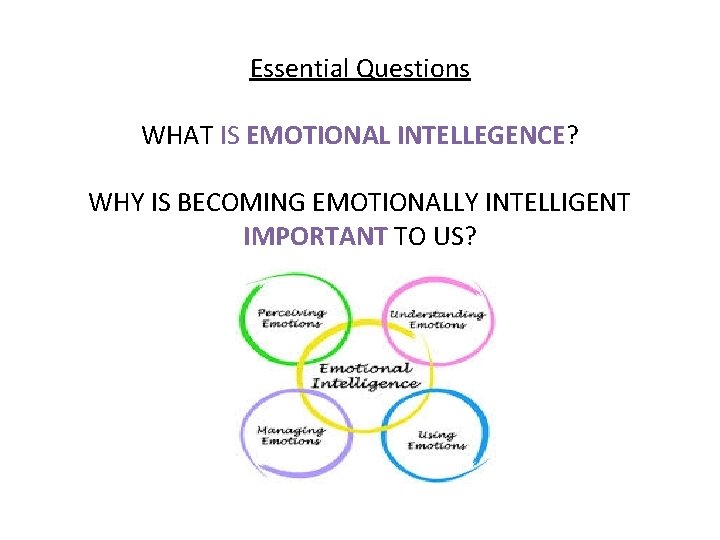
Essential Questions WHAT IS EMOTIONAL INTELLEGENCE? WHY IS BECOMING EMOTIONALLY INTELLIGENT IMPORTANT TO US?
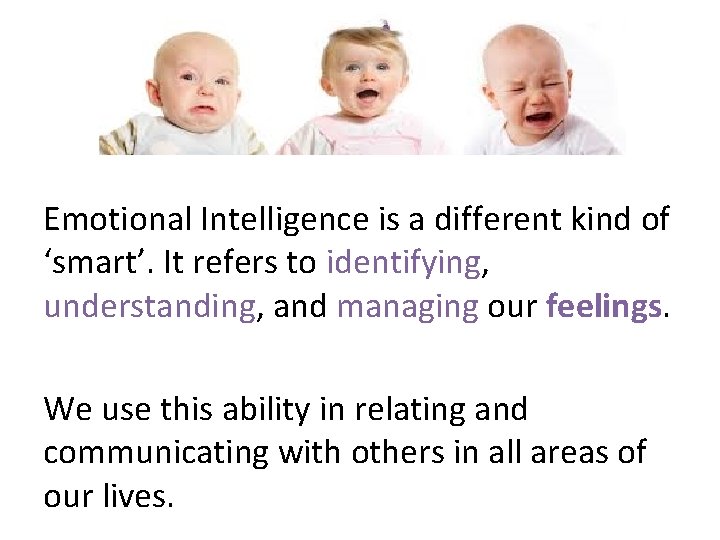
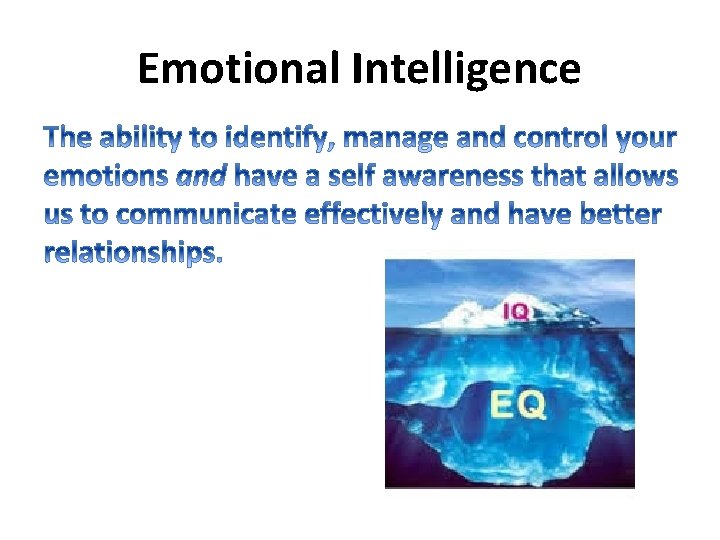
Emotional Intelligence is a different kind of ‘smart’. It refers to identifying, understanding, and managing our feelings. We use this ability in relating and communicating with others in all areas of our lives.
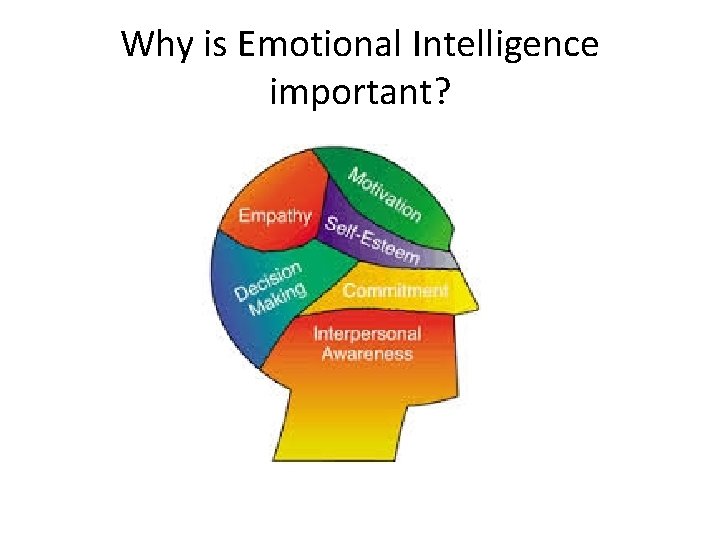
Why is Emotional Intelligence important?
• Emotional Intelligence is important because it means we have a self awareness that effects our attitude and outlook on life. It allows us to understand our thoughts and feelings, to be more content and happy in our lives, and to manage our stress or anxiety. • We can communicate more effectively because we are able to understand ‘others’ feelings and have better relationships • Having the skills to cope and understand our feelings in turn give us the ability to be successful.
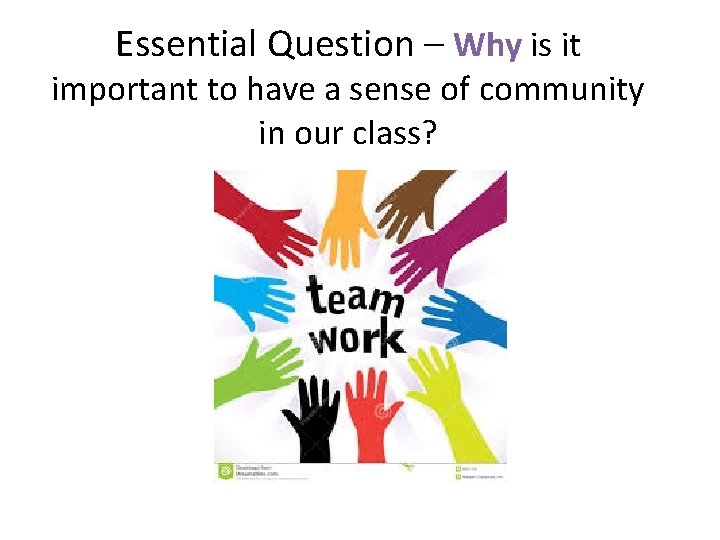
Essential Question – Why is it important to have a sense of community in our class?
• Having a sense of belonging, feeling cared for and caring for others is a basic need in all people. • Feeling connected to others helps us improve our emotional intelligence and feel happier in our lives. • Research shows that we will be more likely to engage in active learning, and less likely to engage in high-risk behaviors.
ESSENTIAL QUESTIONS • How do we want to be treated in this class? • Why is it important to take shared responsibility in setting classroom guidelines?
• The more involvement you have in creating guidelines that are important to you, the more likely you are to feel comfortable in the classroom. • You will likely feel more connected and participate in activities and take responsibility for the class climate. • HAVING A VOICE IS IMPORTANT!!!!
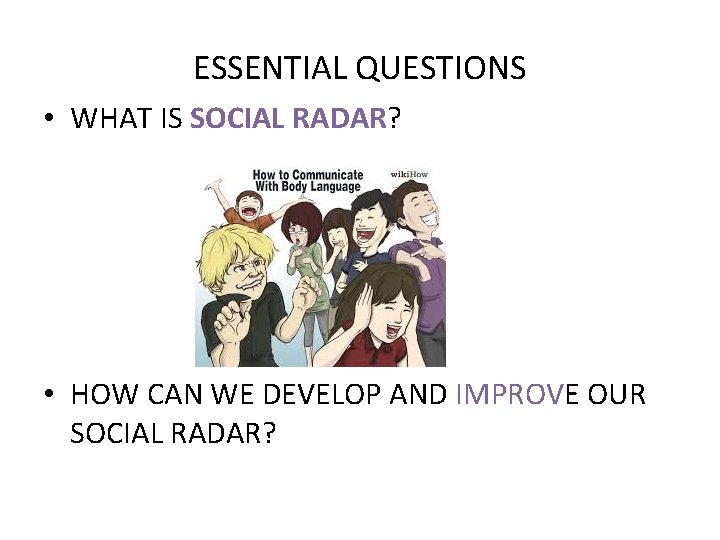
ESSENTIAL QUESTIONS • WHAT IS SOCIAL RADAR? • HOW CAN WE DEVELOP AND IMPROVE OUR SOCIAL RADAR?
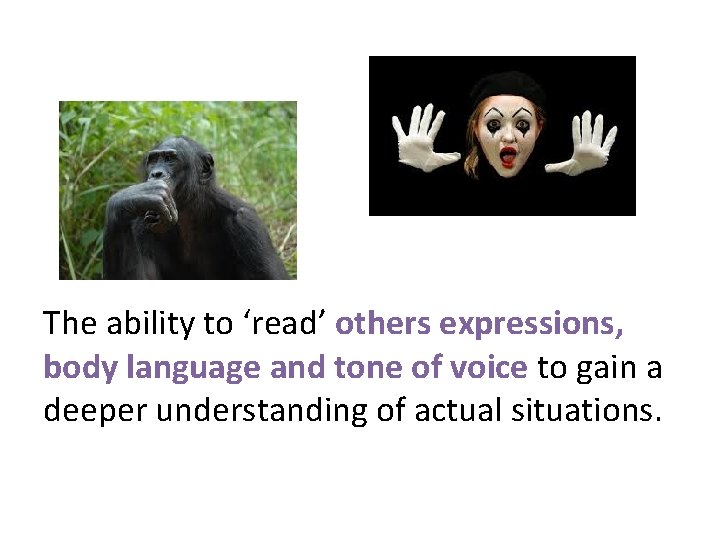
The ability to ‘read’ others expressions, body language and tone of voice to gain a deeper understanding of actual situations.
Social Awareness Skills • Physical cues > visual information like facial expressions and body language • Verbal cues > tone of voice • Body Language > posture and movements • Situational cues > details of a social situation that give info on how someone might be feeling.
Essential questions • What does it mean to take another person’s perspective? • What does active listening look and feel like?
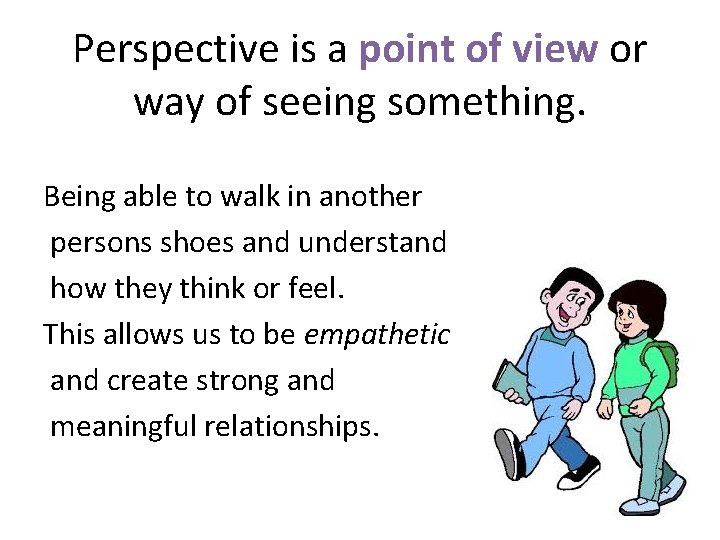
Perspective is a point of view or way of seeing something. Being able to walk in another persons shoes and understand how they think or feel. This allows us to be empathetic and create strong and meaningful relationships.
ACTIVE LISTENING – Listening strategy that includes physical and verbal involvement on part of listener E = Eye Contact A = Acknowledge that you are listening (nod) R = Reflect other’s feelings(identify) S = Say in your own words what you heard other person say (confirm and paraphrase)
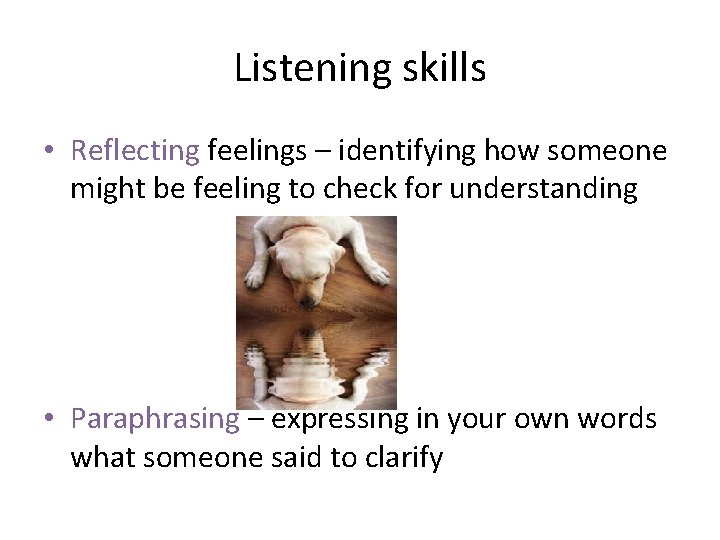
Listening skills • Reflecting feelings – identifying how someone might be feeling to check for understanding • Paraphrasing – expressing in your own words what someone said to clarify
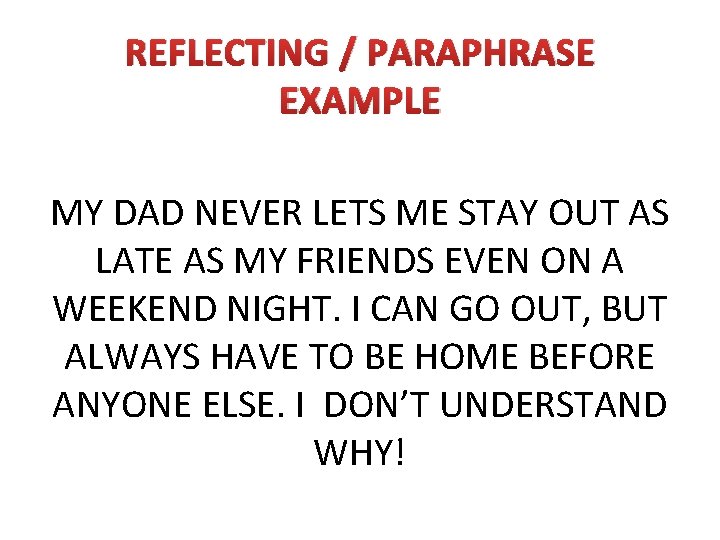
REFLECTING / PARAPHRASE EXAMPLE MY DAD NEVER LETS ME STAY OUT AS LATE AS MY FRIENDS EVEN ON A WEEKEND NIGHT. I CAN GO OUT, BUT ALWAYS HAVE TO BE HOME BEFORE ANYONE ELSE. I DON’T UNDERSTAND WHY!
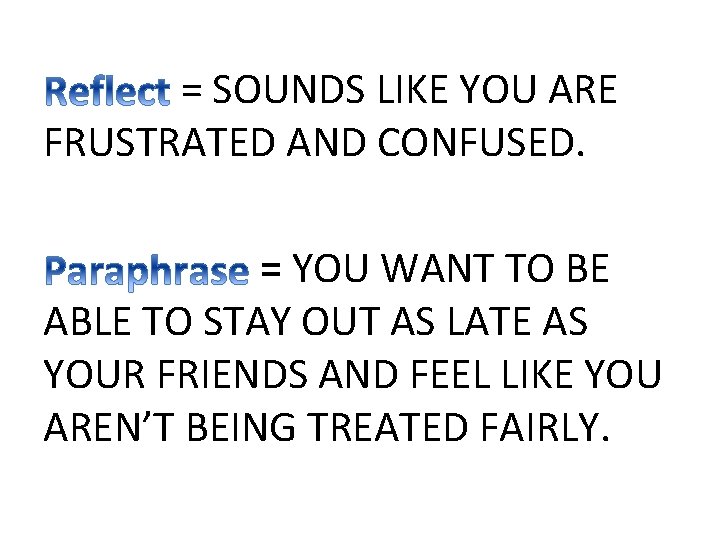
= SOUNDS LIKE YOU ARE FRUSTRATED AND CONFUSED. = YOU WANT TO BE ABLE TO STAY OUT AS LATE AS YOUR FRIENDS AND FEEL LIKE YOU AREN’T BEING TREATED FAIRLY.
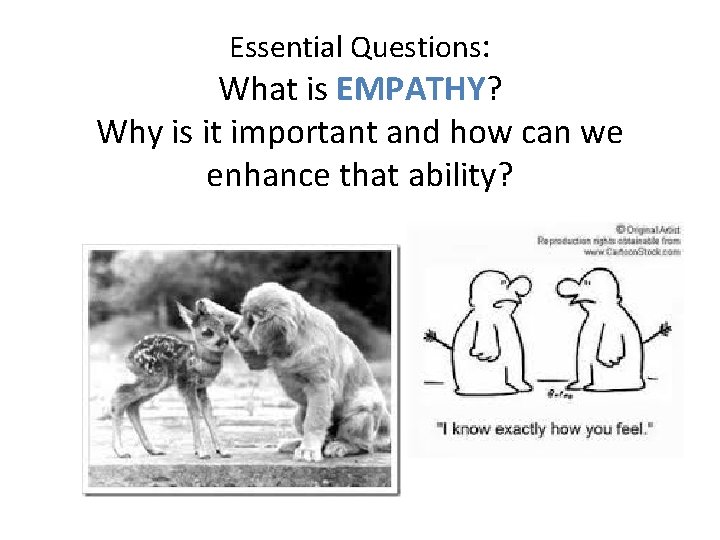
Essential Questions: What is EMPATHY? Why is it important and how can we enhance that ability?
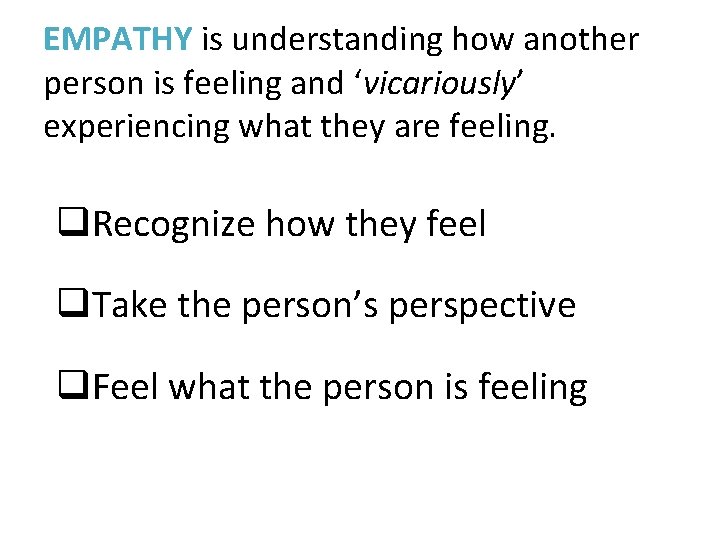
EMPATHY is understanding how another person is feeling and ‘vicariously’ experiencing what they are feeling. q. Recognize how they feel q. Take the person’s perspective q. Feel what the person is feeling
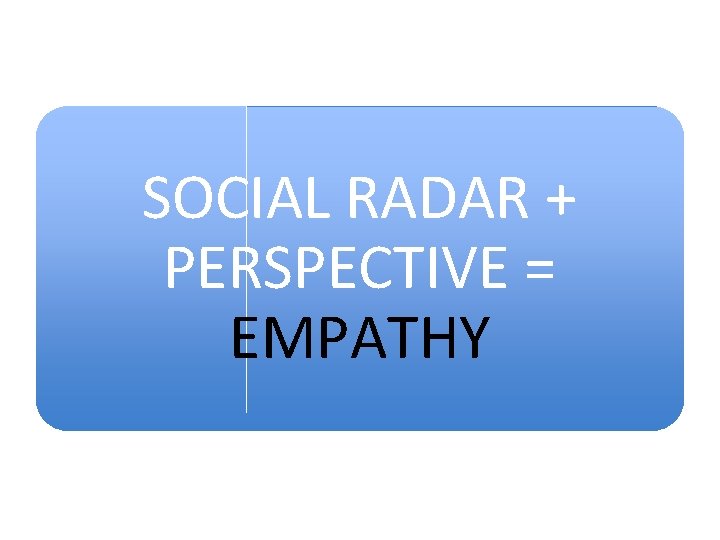
SOCIAL RADAR + PERSPECTIVE = EMPATHY
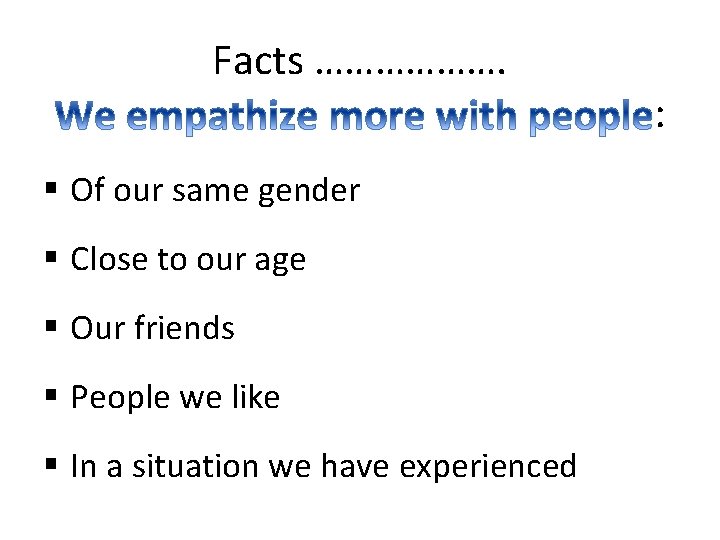
Facts ………………. § Of our same gender § Close to our age § Our friends § People we like § In a situation we have experienced :
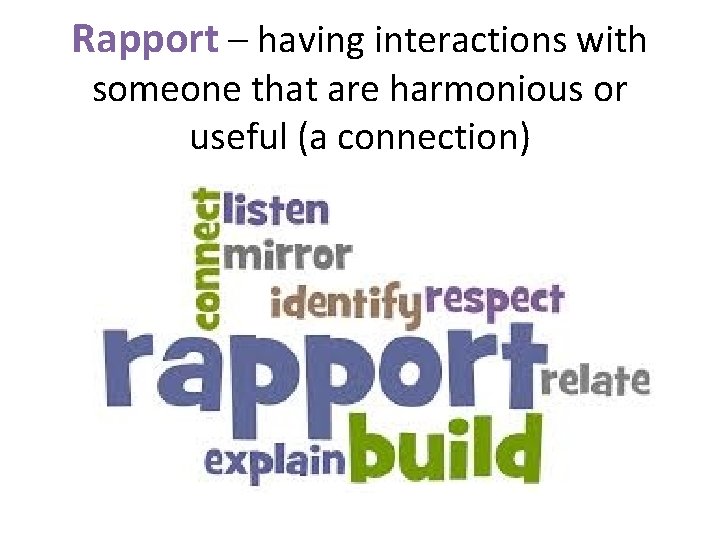
Rapport – having interactions with someone that are harmonious or useful (a connection)
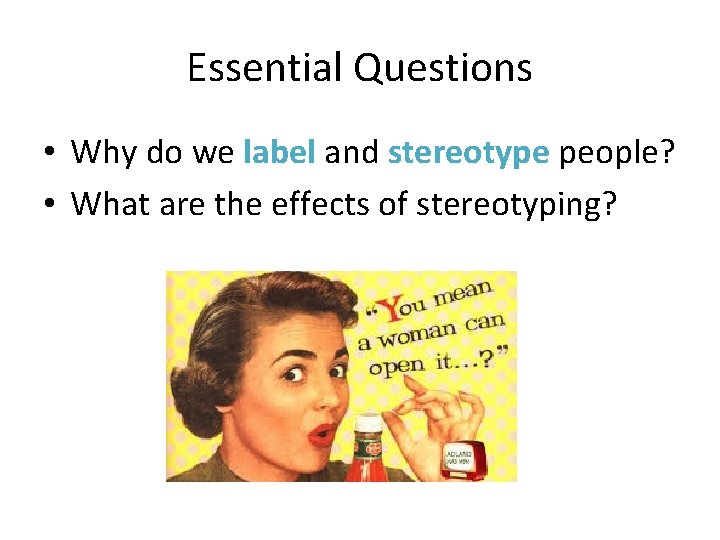
Essential Questions • Why do we label and stereotype people? • What are the effects of stereotyping?
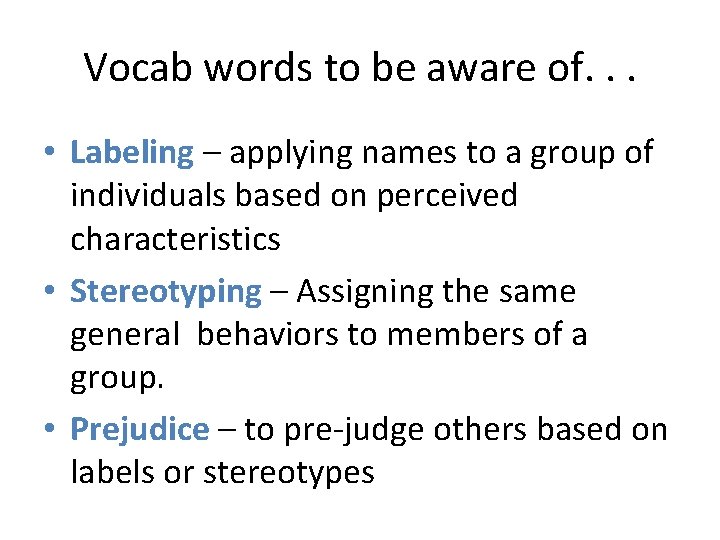
Vocab words to be aware of. . . • Labeling – applying names to a group of individuals based on perceived characteristics • Stereotyping – Assigning the same general behaviors to members of a group. • Prejudice – to pre-judge others based on labels or stereotypes
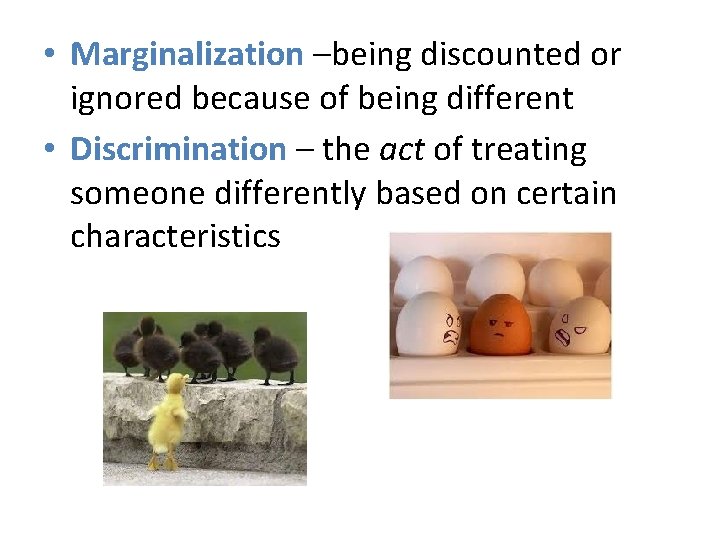
• Marginalization –being discounted or ignored because of being different • Discrimination – the act of treating someone differently based on certain characteristics
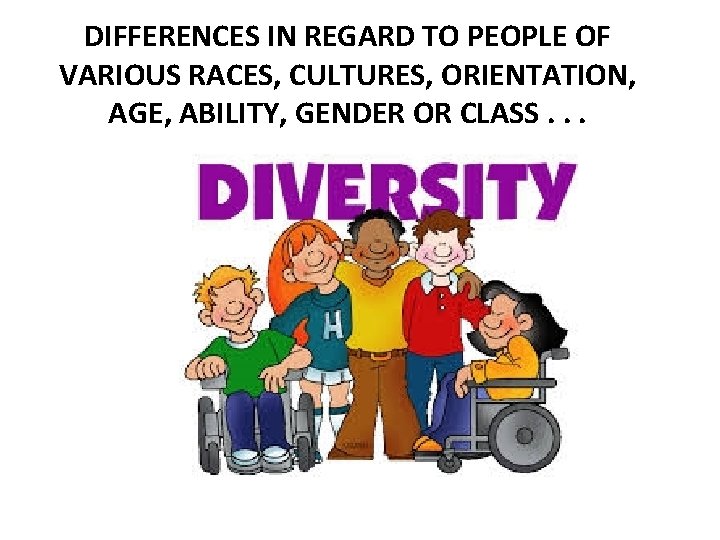
DIFFERENCES IN REGARD TO PEOPLE OF VARIOUS RACES, CULTURES, ORIENTATION, AGE, ABILITY, GENDER OR CLASS. . .
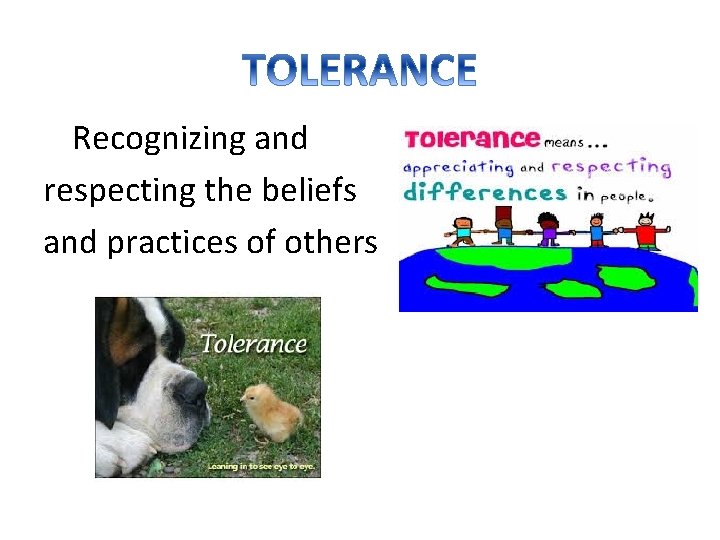
Recognizing and respecting the beliefs and practices of others
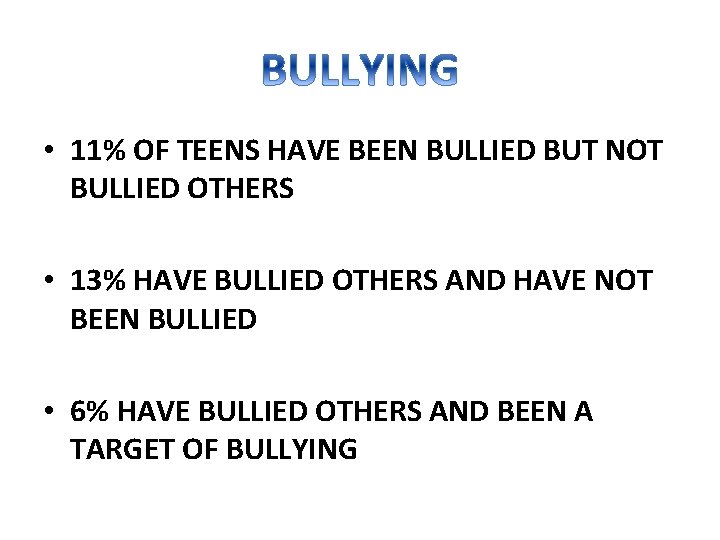
• 11% OF TEENS HAVE BEEN BULLIED BUT NOT BULLIED OTHERS • 13% HAVE BULLIED OTHERS AND HAVE NOT BEEN BULLIED • 6% HAVE BULLIED OTHERS AND BEEN A TARGET OF BULLYING
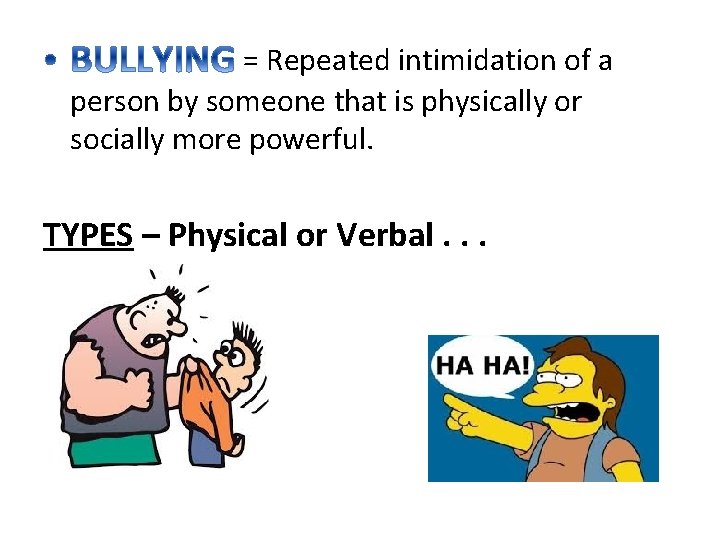
= Repeated intimidation of a person by someone that is physically or socially more powerful. TYPES – Physical or Verbal. . .
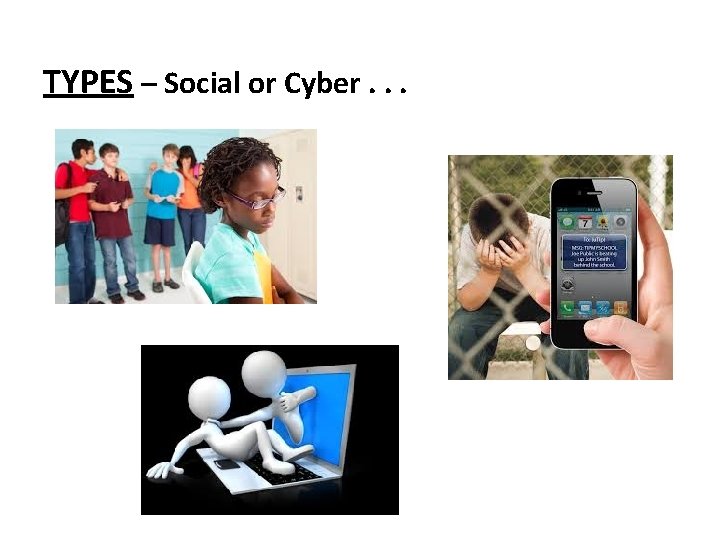
TYPES – Social or Cyber. . .
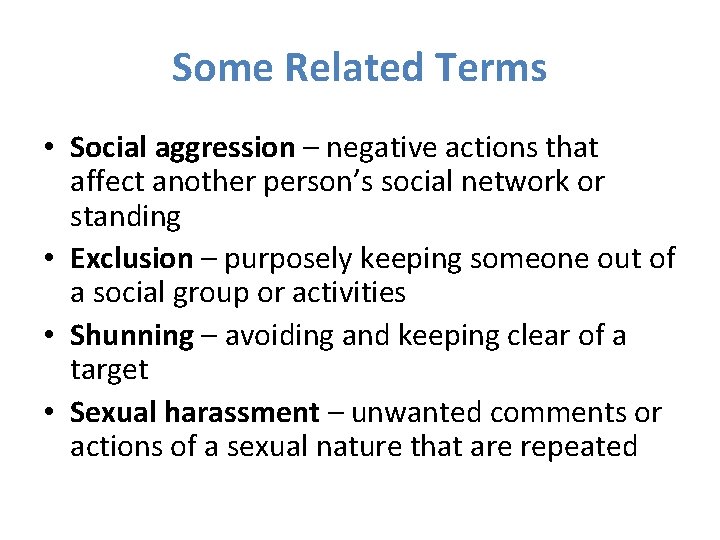
Some Related Terms • Social aggression – negative actions that affect another person’s social network or standing • Exclusion – purposely keeping someone out of a social group or activities • Shunning – avoiding and keeping clear of a target • Sexual harassment – unwanted comments or actions of a sexual nature that are repeated
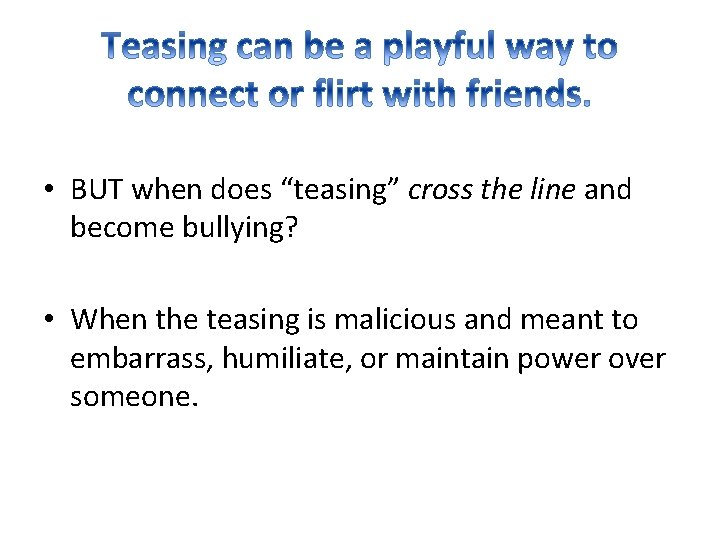
• BUT when does “teasing” cross the line and become bullying? • When the teasing is malicious and meant to embarrass, humiliate, or maintain power over someone.
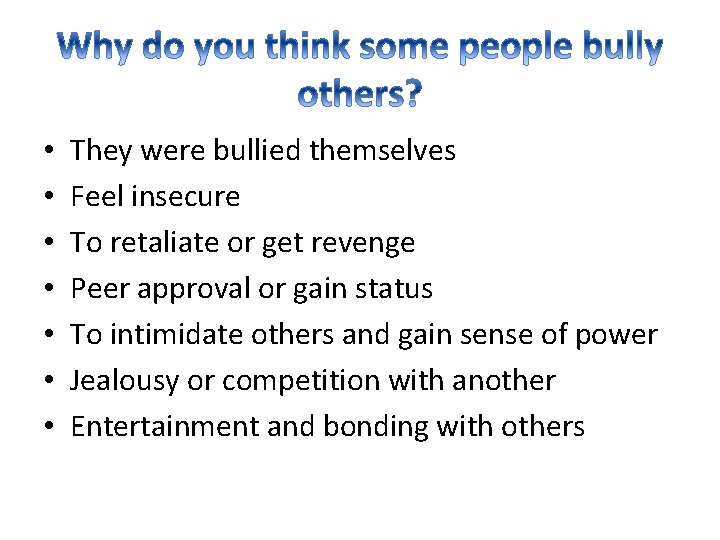
• • They were bullied themselves Feel insecure To retaliate or get revenge Peer approval or gain status To intimidate others and gain sense of power Jealousy or competition with another Entertainment and bonding with others
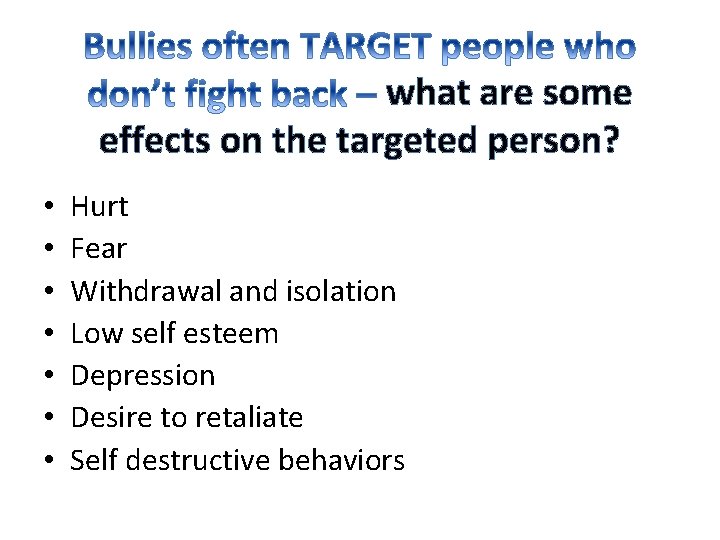
what are some effects on the targeted person? • • Hurt Fear Withdrawal and isolation Low self esteem Depression Desire to retaliate Self destructive behaviors
Emotional Intelligence