
Wellbeing and Balance in Medical School Making Connections
Wellbeing and Balance in Medical School Making Connections
Goals • Maintaining resilience is a key aspect of medical school • Wellbeing is a competency for becoming a physician • There are many resources to support you in these efforts
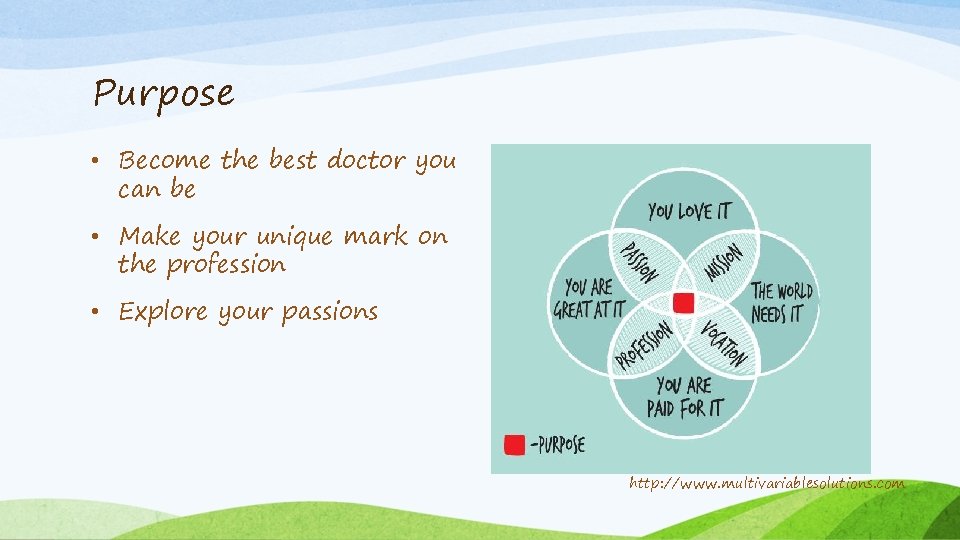
Purpose • Become the best doctor you can be • Make your unique mark on the profession • Explore your passions http: //www. multivariablesolutions. com

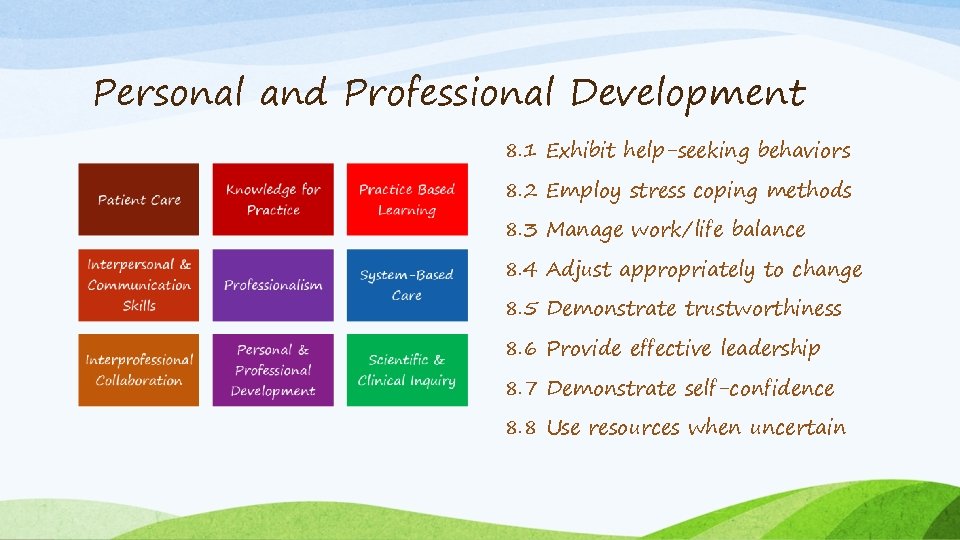
Personal and Professional Development 8. 1 Exhibit help-seeking behaviors 8. 2 Employ stress coping methods 8. 3 Manage work/life balance 8. 4 Adjust appropriately to change 8. 5 Demonstrate trustworthiness 8. 6 Provide effective leadership 8. 7 Demonstrate self-confidence 8. 8 Use resources when uncertain
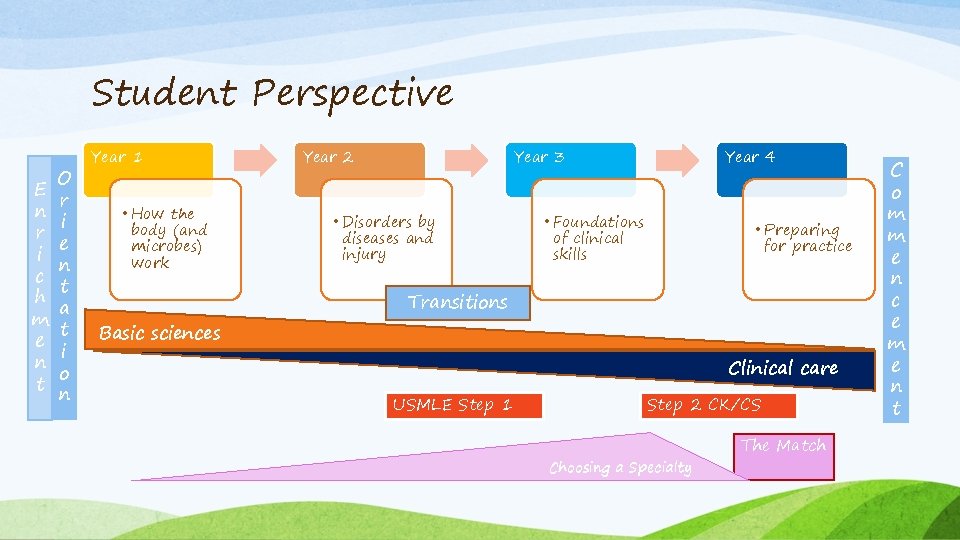
Student Perspective E n r i c h m e n t O r i e n t a t i o n Year 1 • How the body (and microbes) work Year 2 Year 3 • Disorders by diseases and injury Year 4 • Foundations of clinical skills • Preparing for practice Transitions Basic sciences Clinical care USMLE Step 1 Step 2 CK/CS Choosing a Specialty The Match C o m m e n c e m e n t
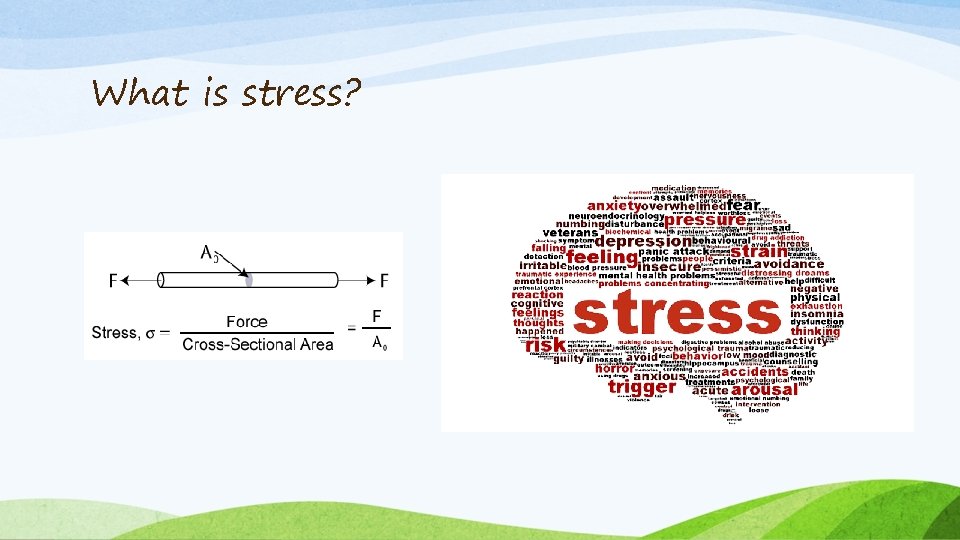
What is stress?
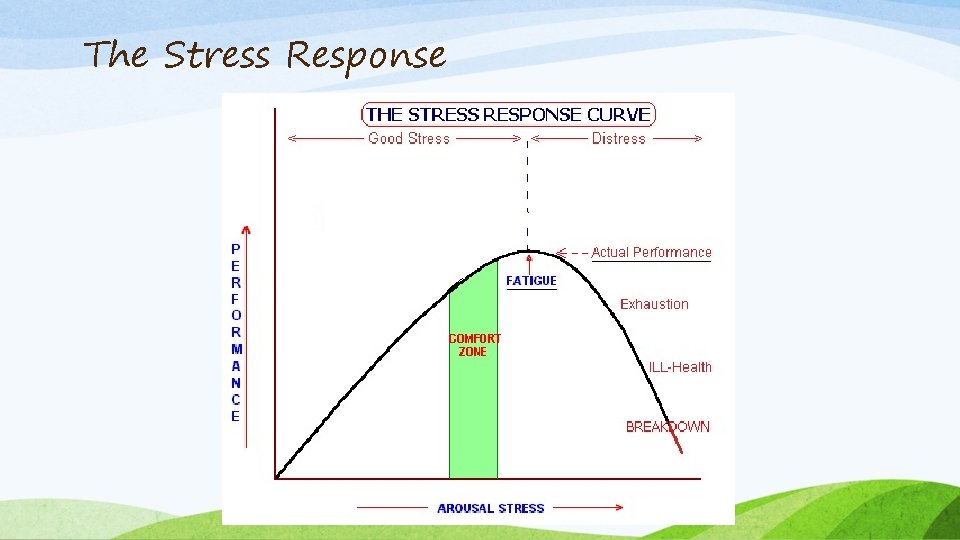
The Stress Response
Burnout • Emotional exhaustion • Depersonalization (feelings of cynicism and detachment) • Decreased sense of accomplishment • Biggest problem for medical students • • 45% of Minnesota medical students report having had symptoms of burnout • Linked to significant negative life - especially illness • Associated with lower QOL • Associated with disconnection to faculty and staff (MS 1 -2) • Exposure to prolonged hours and cynical residents (MS 3 -4) Associated with depression and suicidal ideation
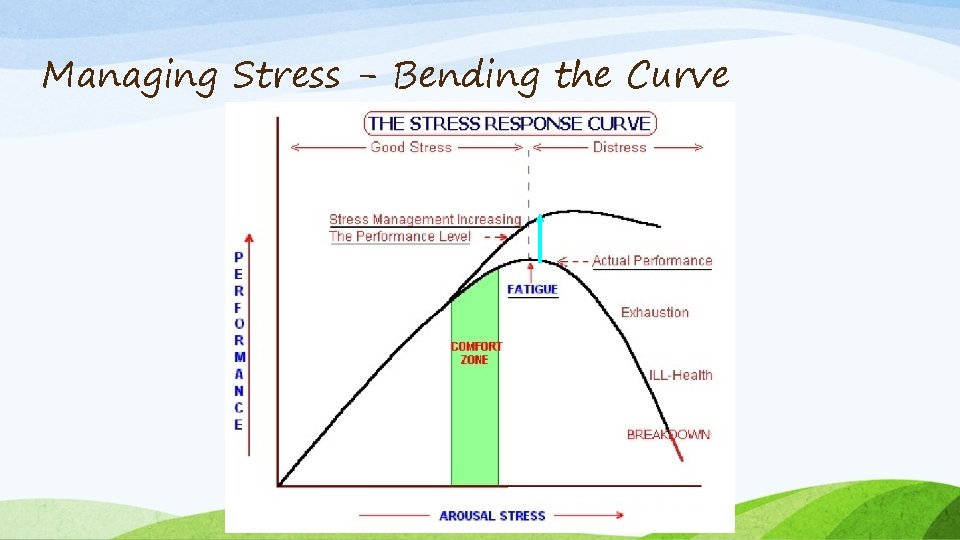
Managing Stress - Bending the Curve
When to seek additional help? • When experiencing sadness or depression more days than not, or at a level that is unusual for you. • Worry or feelings of anxiety that concern you. • Changes in appetite or sleep. • Thoughts of self-harm. • Losing pleasure or interest in doing things that you usually enjoy. • Feeling dissatisfied or uninterested in the future, or experiencing guilt. • When your peer, colleague, mentor, family member or friend thinks you should talk to someone.
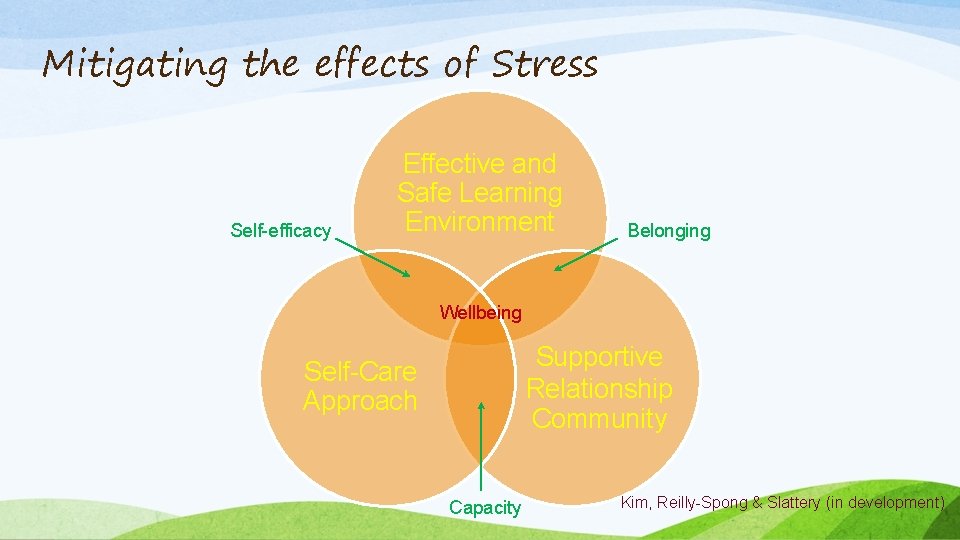
Mitigating the effects of Stress Self-efficacy Effective and Safe Learning Environment Belonging Wellbeing Supportive Relationship Community Self-Care Approach Capacity Kim, Reilly-Spong & Slattery (in development)


Peloton http: //pelotonmagazine. com/
Last Bits of Advice • Adopt a consultation mentality (seek coaching) • Connect with each other (be part of the team) • Stop to smell the roses and reflect on how amazing roses are • Breathe • Stay hydrated! • Small things can lead to big changes (you can do it!)

- Slides: 17