
Well Testing Module 7 Well Test Analysis of


- Slides: 38
Well Testing Module #7: Well Test Analysis of Gas Reservoirs- A Shahab Gerami, Ph. D 1 1 S. Gerami
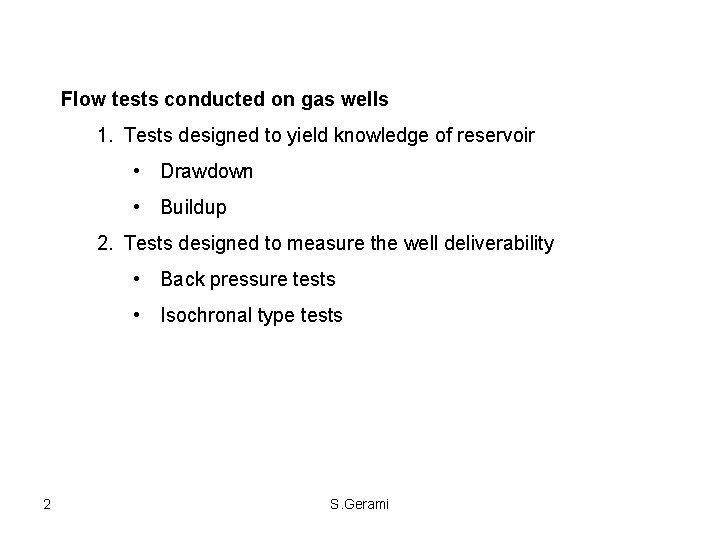
Flow tests conducted on gas wells 1. Tests designed to yield knowledge of reservoir • Drawdown • Buildup 2. Tests designed to measure the well deliverability • Back pressure tests • Isochronal type tests 2 S. Gerami
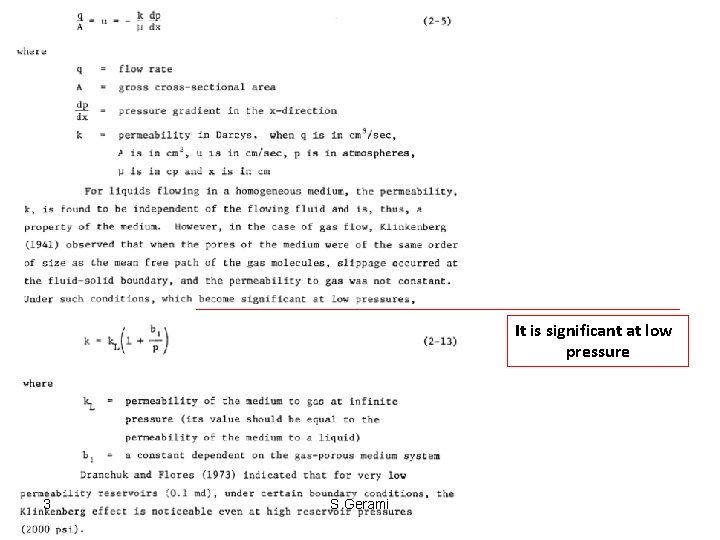
It is significant at low pressure 3 S. Gerami
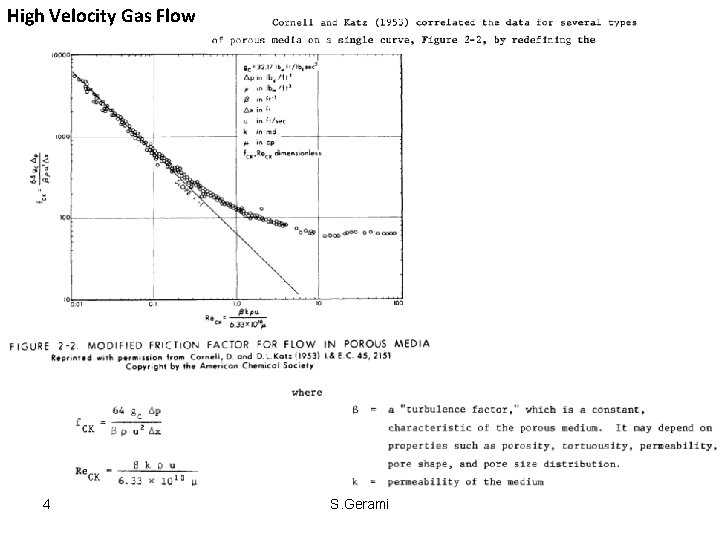
High Velocity Gas Flow 4 S. Gerami
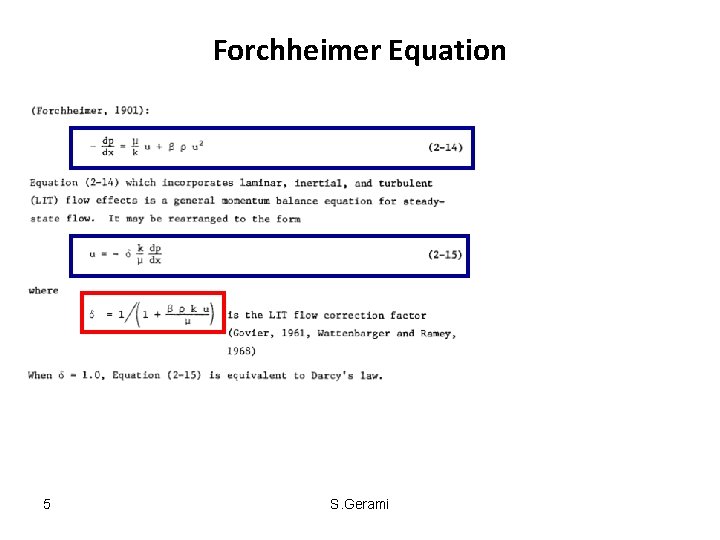
Forchheimer Equation 5 S. Gerami
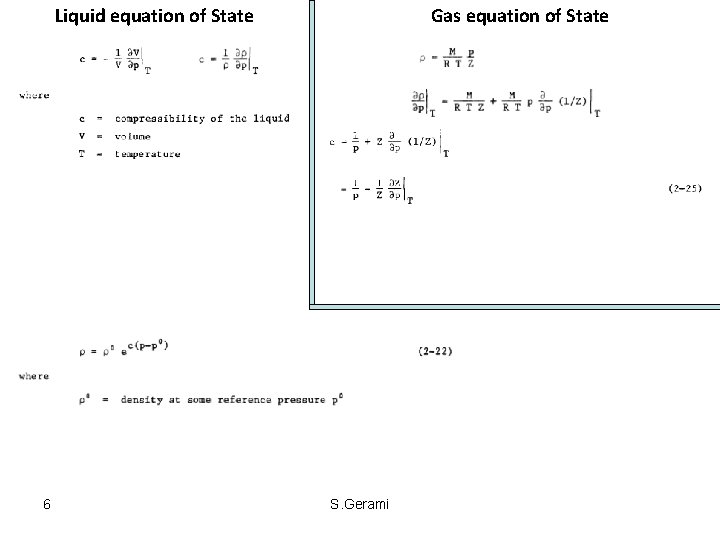
Liquid equation of State 6 Gas equation of State S. Gerami
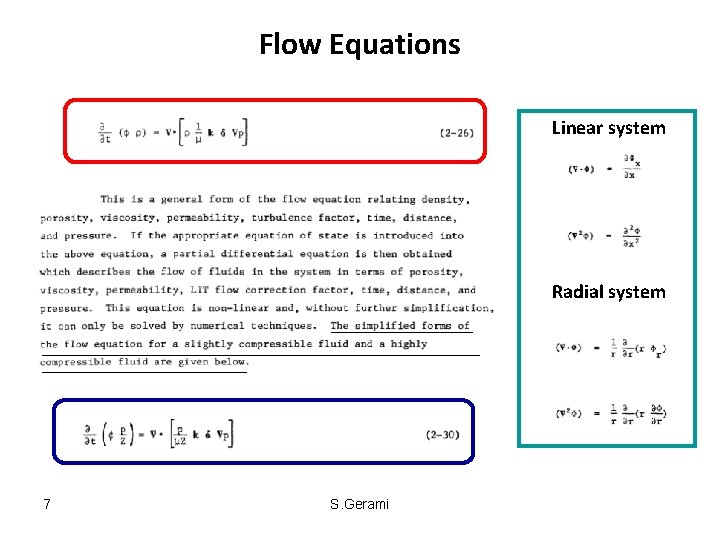
Flow Equations Linear system Radial system 7 S. Gerami
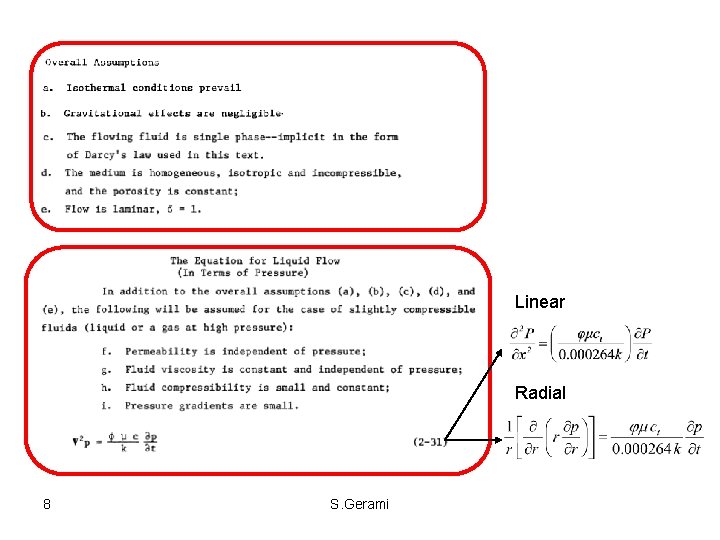
Linear Radial 8 S. Gerami
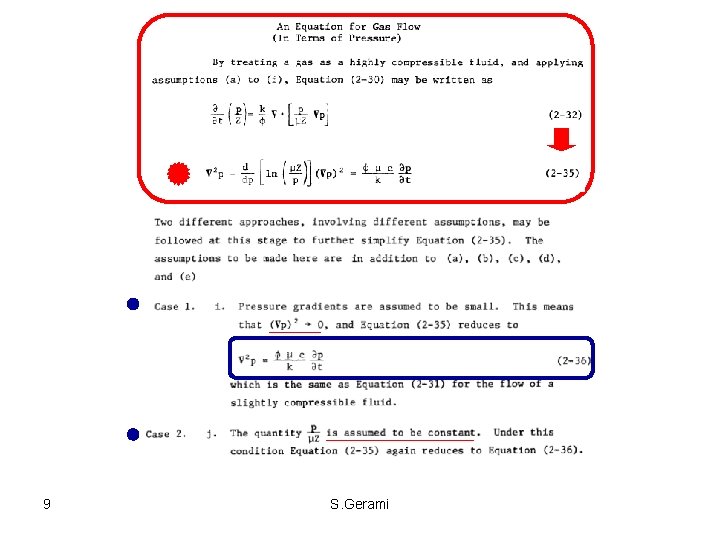
9 S. Gerami
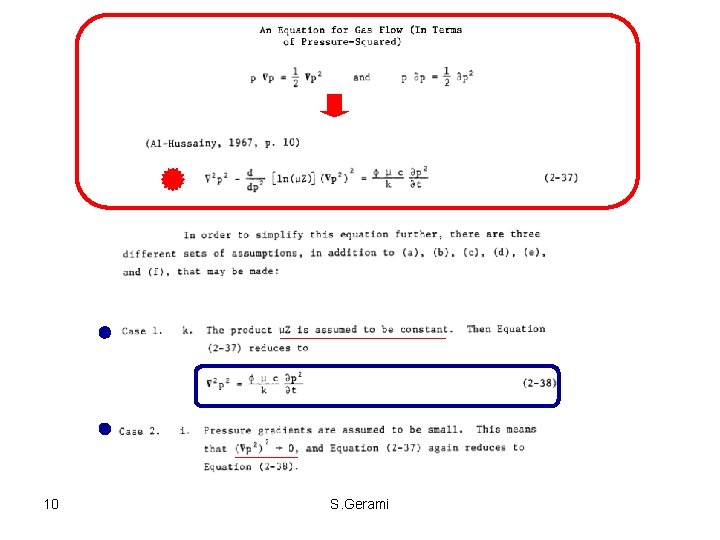
10 S. Gerami
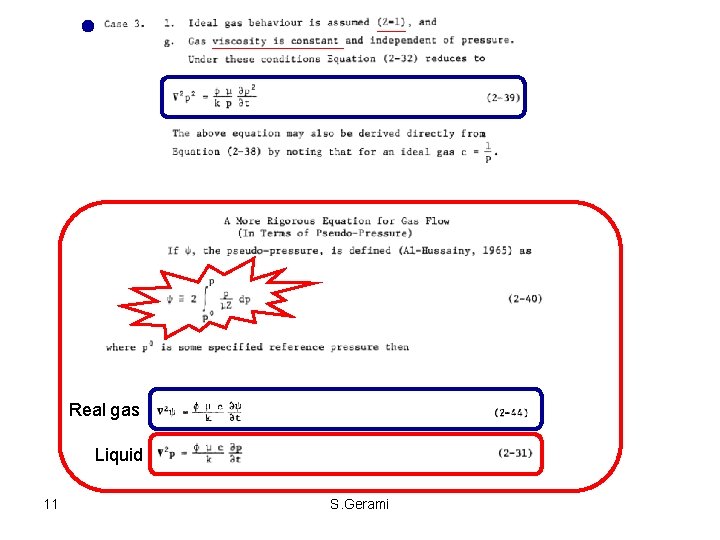
Real gas Liquid 11 S. Gerami
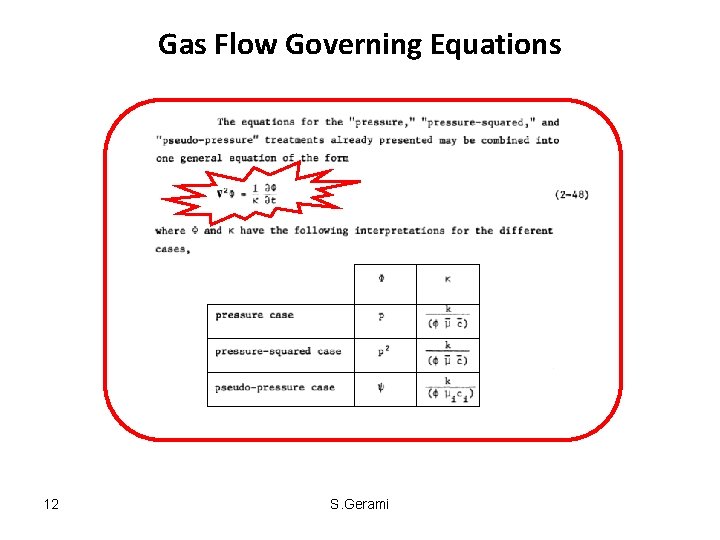
Gas Flow Governing Equations 12 S. Gerami
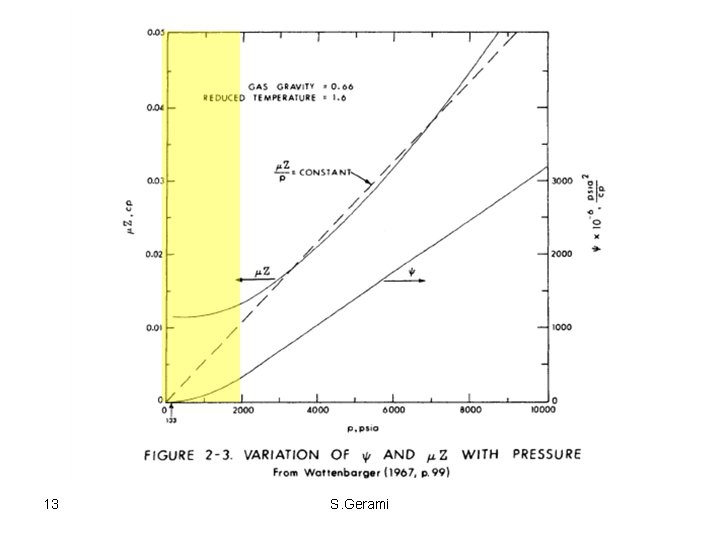
13 S. Gerami
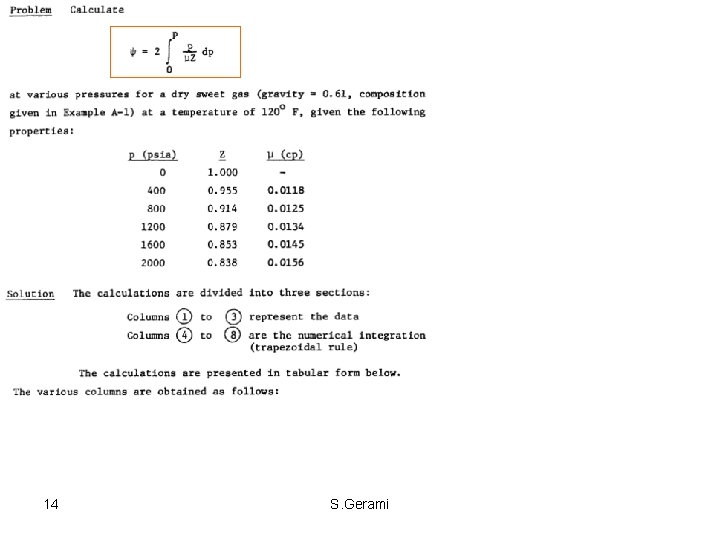
14 S. Gerami
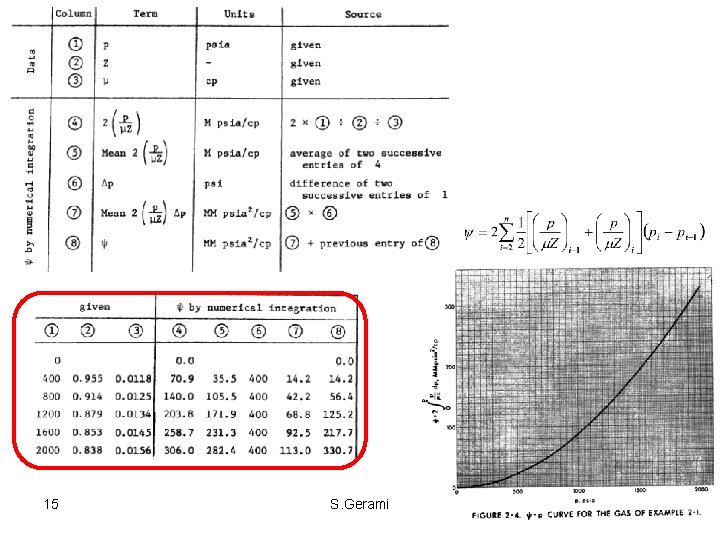
15 S. Gerami
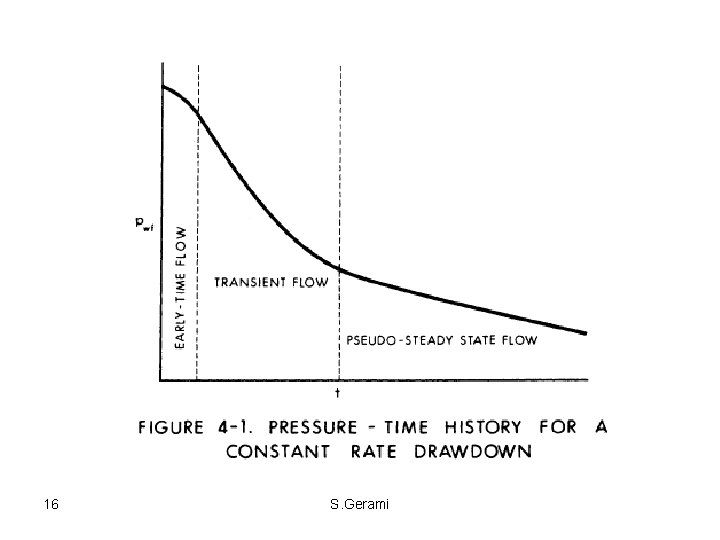
16 S. Gerami
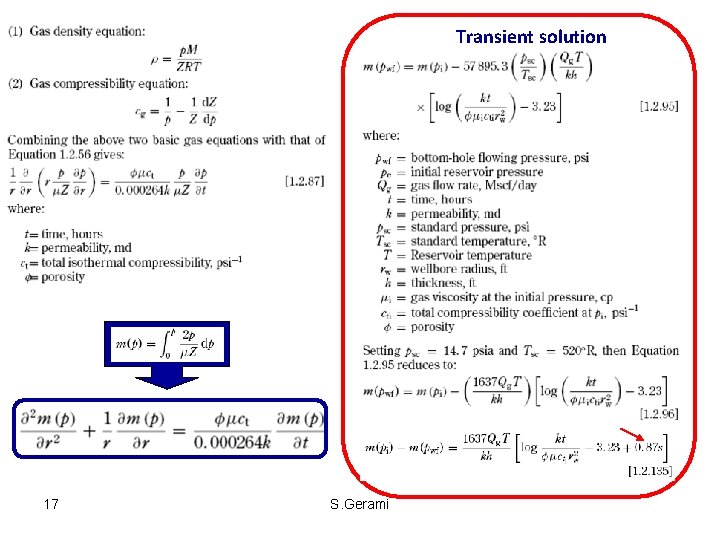
Transient solution 17 S. Gerami
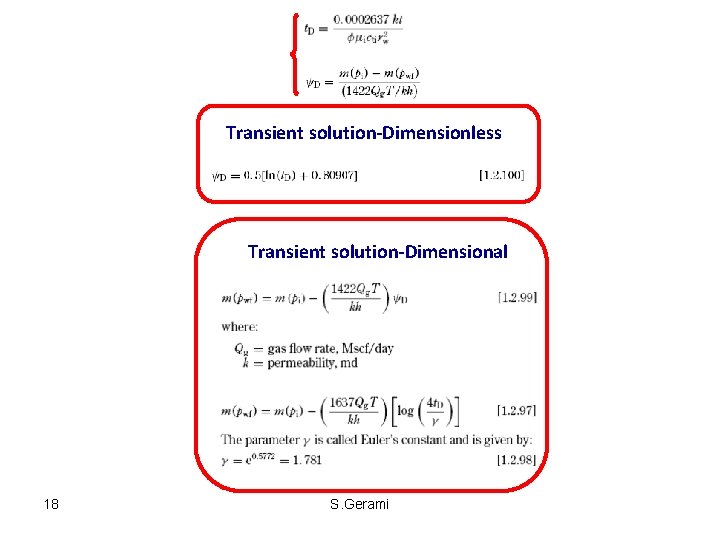
Transient solution-Dimensionless Transient solution-Dimensional 18 S. Gerami
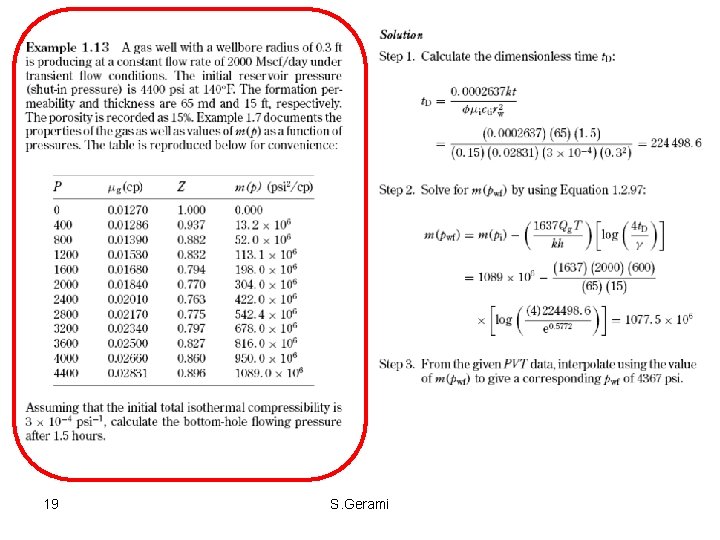
19 S. Gerami
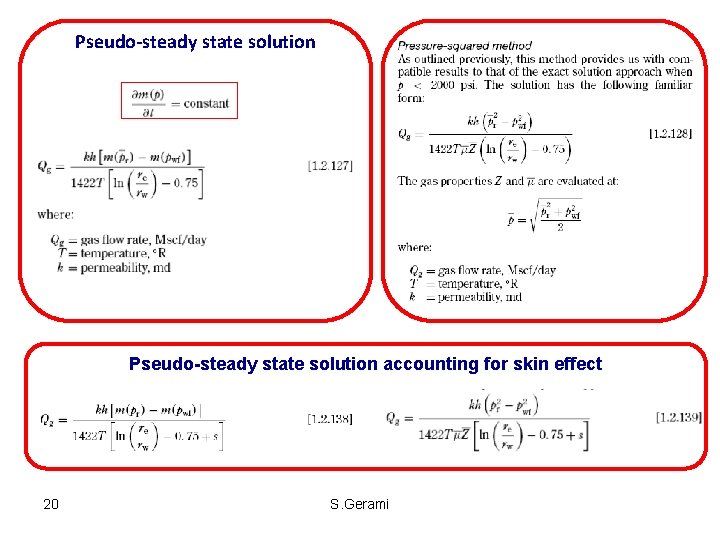
Pseudo-steady state solution accounting for skin effect 20 S. Gerami
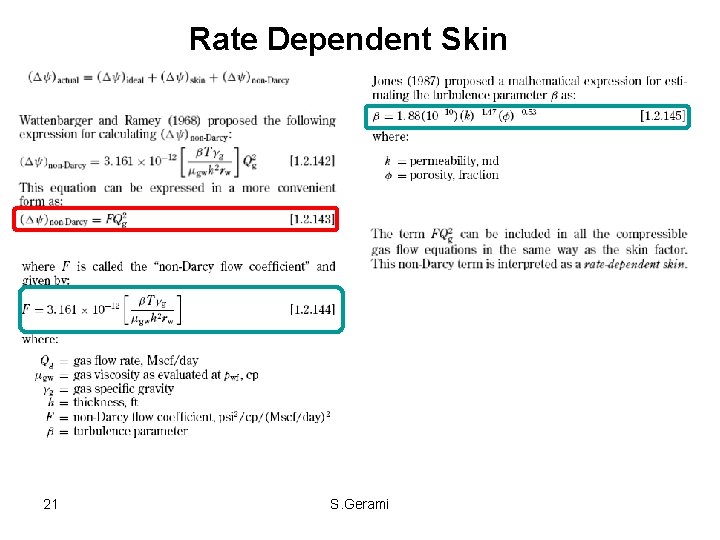
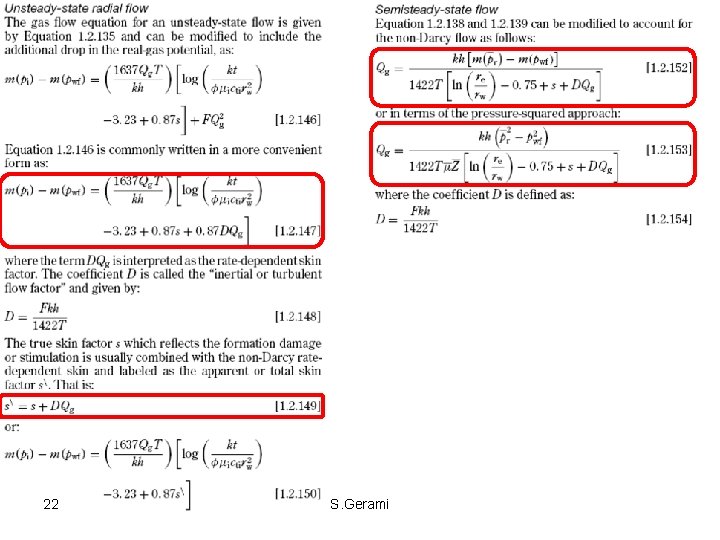
Rate Dependent Skin 21 S. Gerami
22 S. Gerami
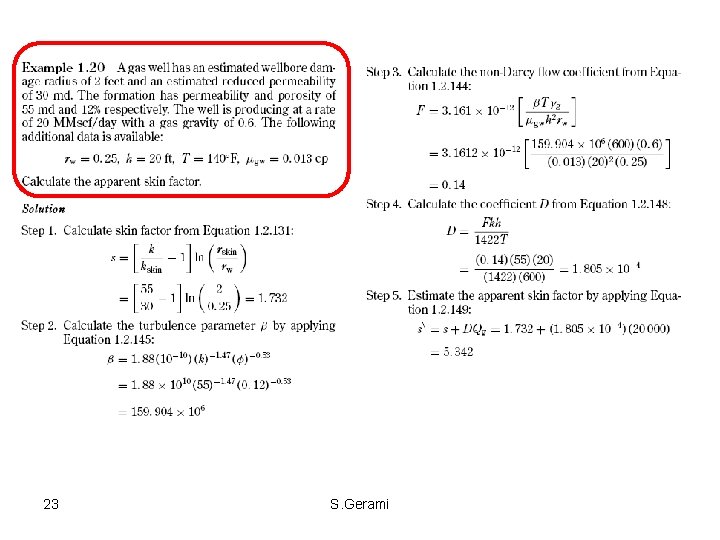
23 S. Gerami
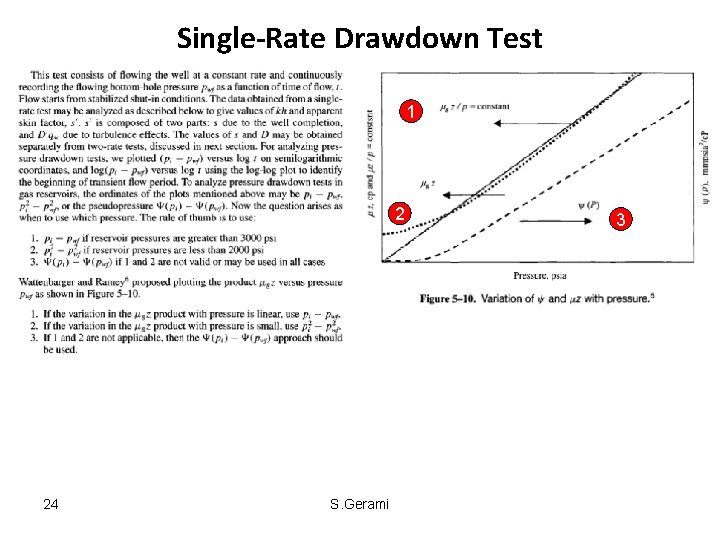
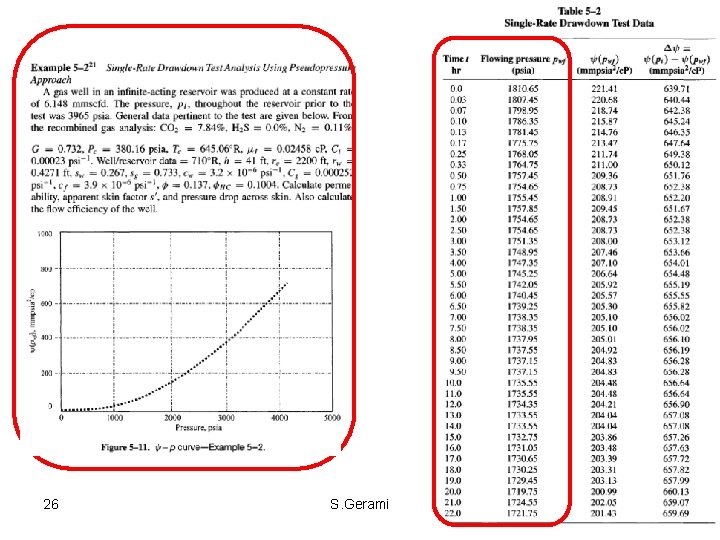
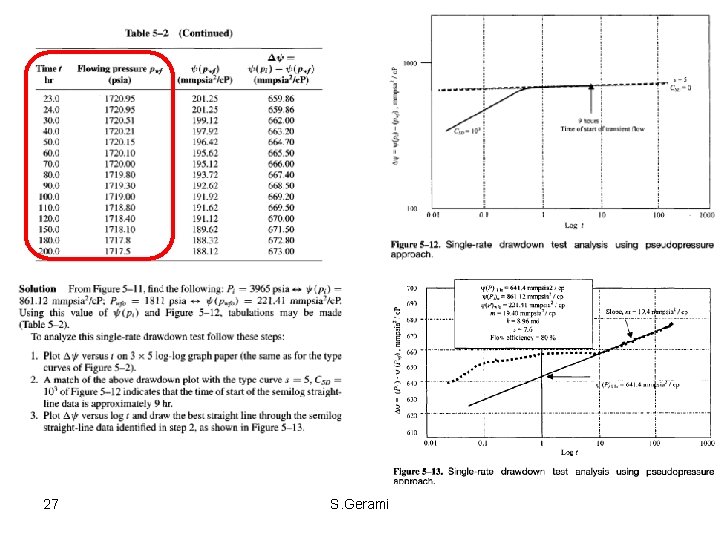
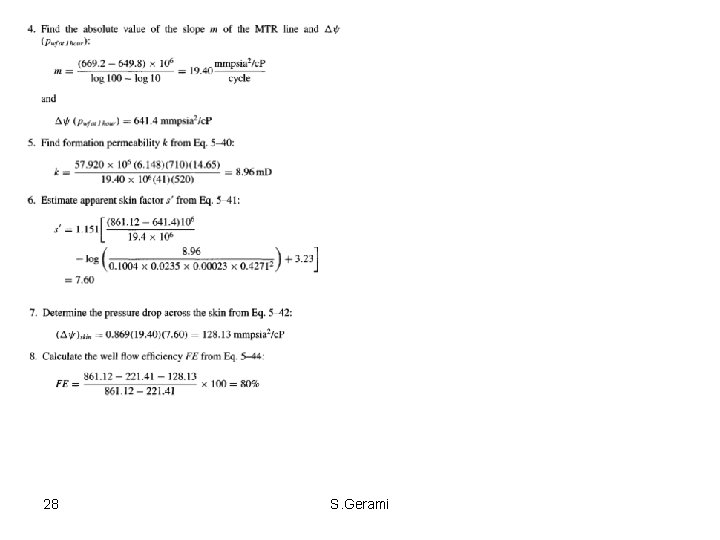
Single-Rate Drawdown Test 1 2 24 S. Gerami 3
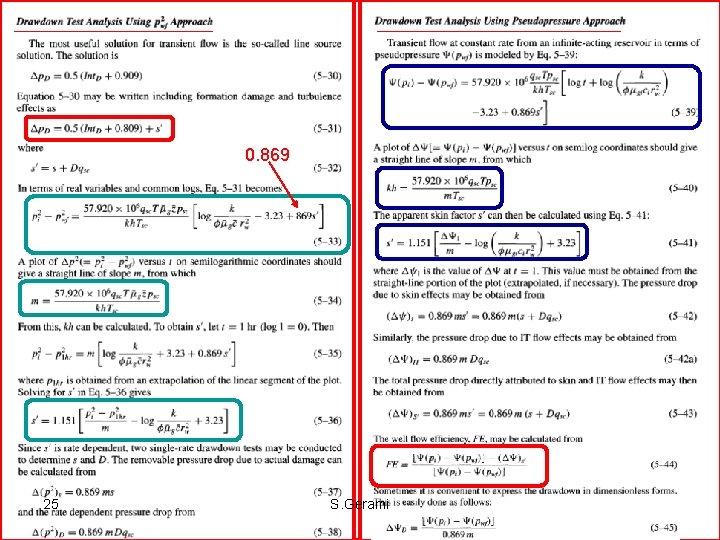
0. 869 25 S. Gerami
26 S. Gerami
27 S. Gerami
28 S. Gerami
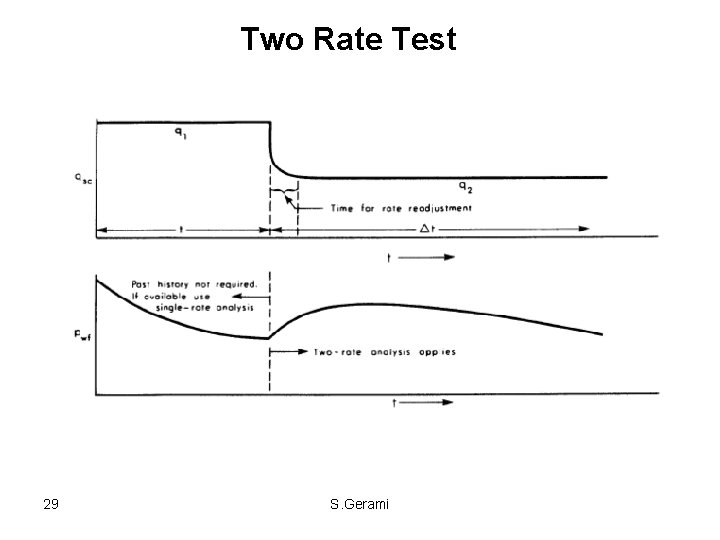
Two Rate Test 29 S. Gerami
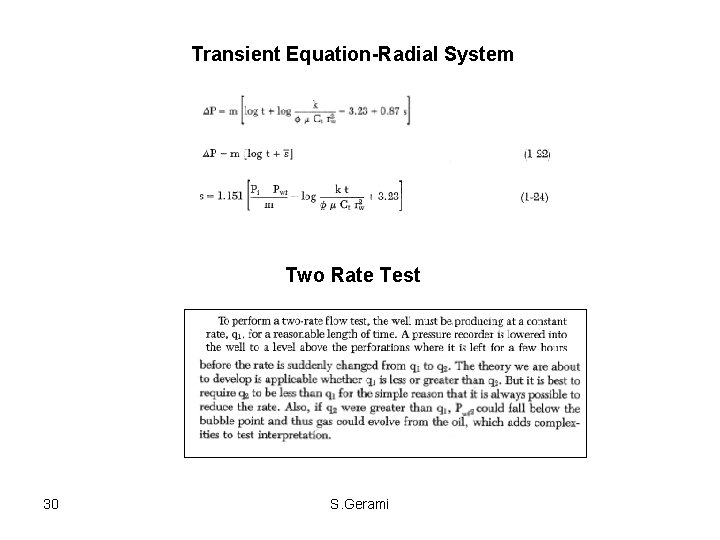
Transient Equation-Radial System Two Rate Test 30 S. Gerami
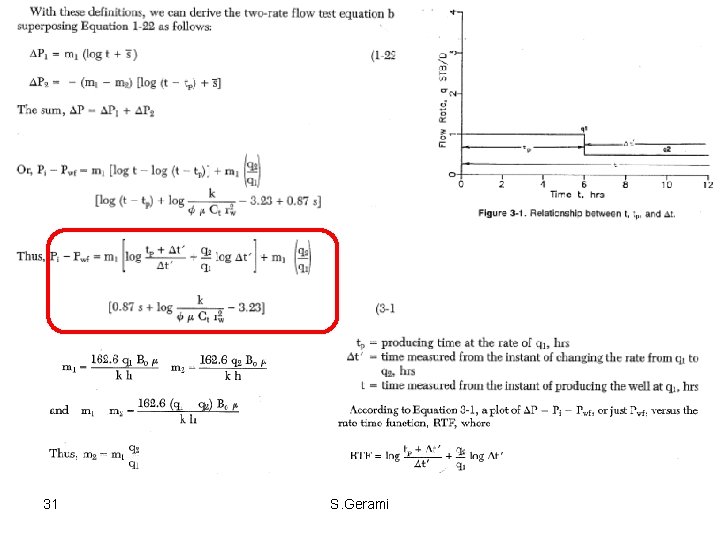
31 S. Gerami
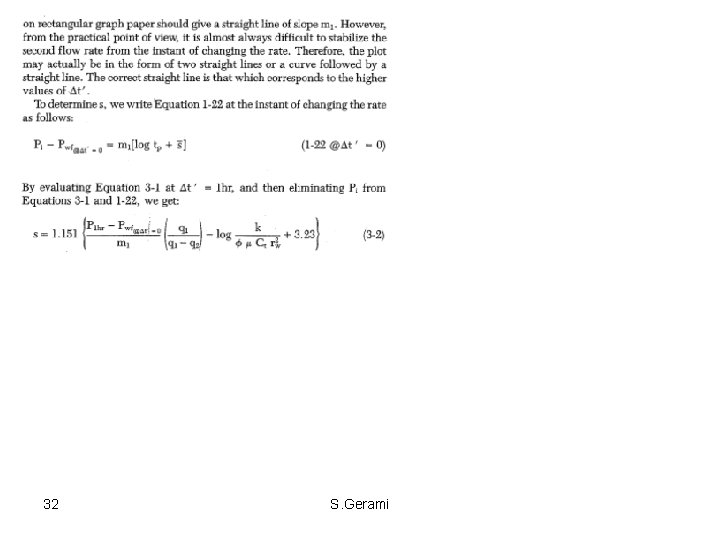
32 S. Gerami
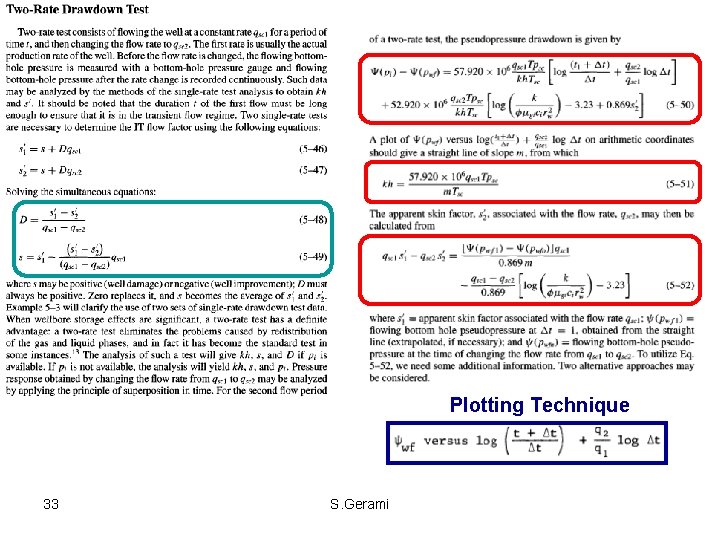
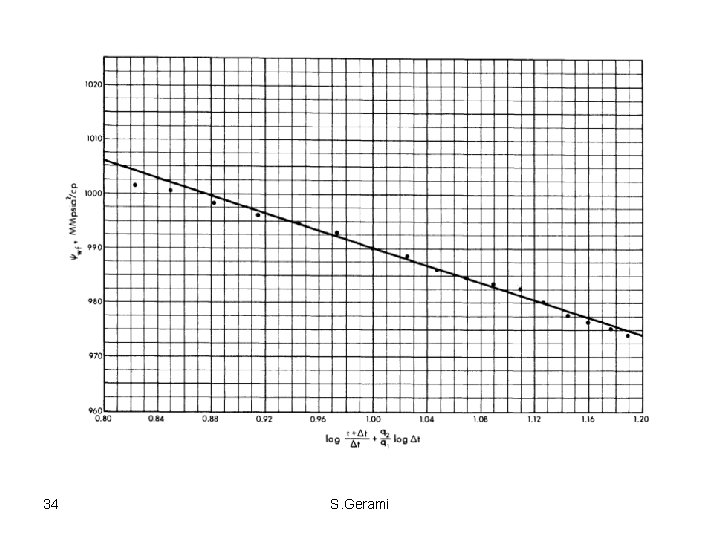
Plotting Technique 33 S. Gerami
34 S. Gerami
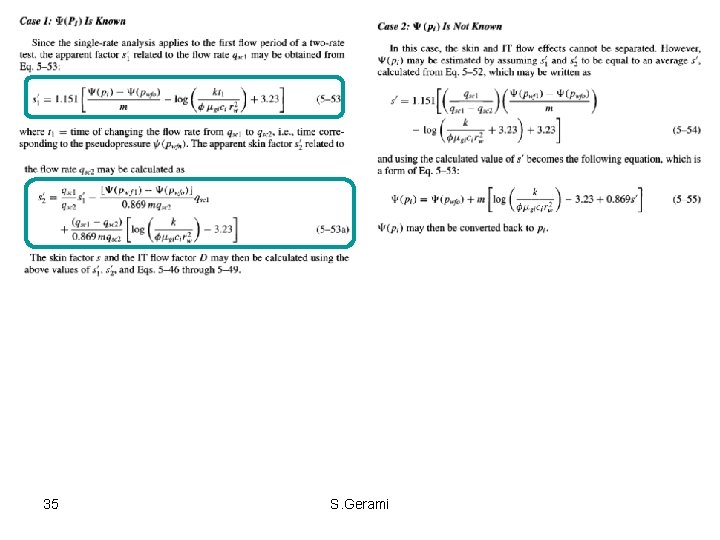
35 S. Gerami
Assignment#F. a-1: A gas well is flowing under a bottom-hole flowing pressure of 900 psi. The current reservoir pressure is 1300 psi. The following additional data is available: T = 140◦F, γg = 0. 65, rw = 0. 3 ft , k = 60 md, h = 40 ft, re = 1000 ft Calculate the gas flow rate by using (a) the real-gas pseudopressure approach; (b) the pressure-squared method. 36 S. Gerami
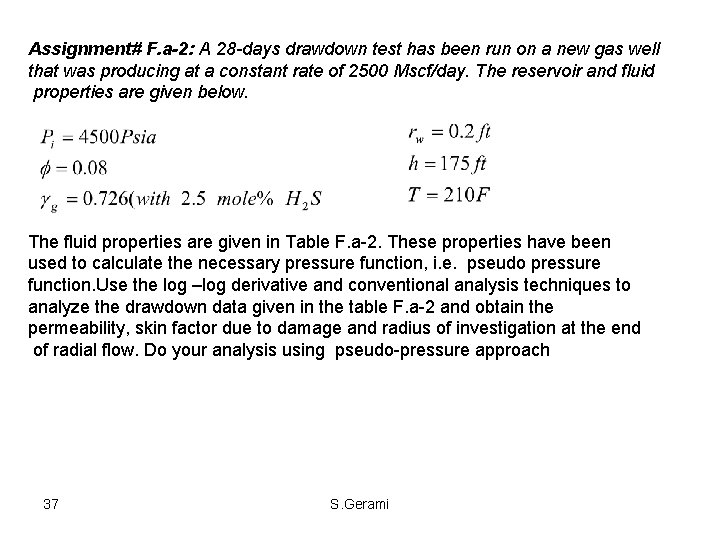
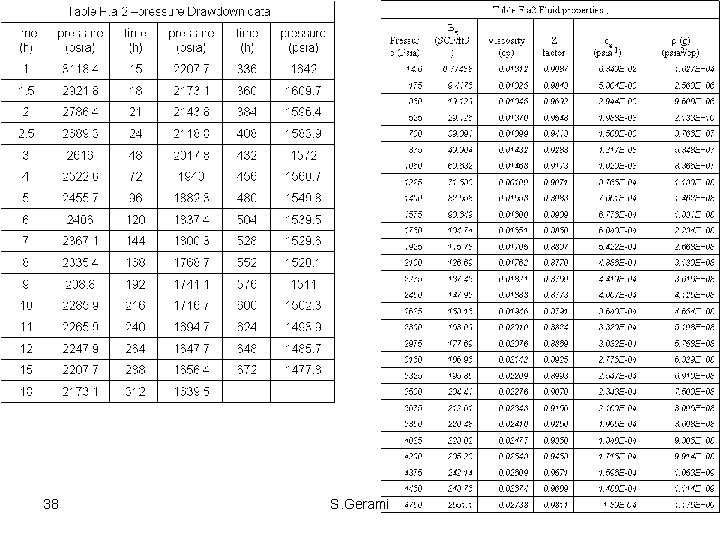
Assignment# F. a-2: A 28 -days drawdown test has been run on a new gas well that was producing at a constant rate of 2500 Mscf/day. The reservoir and fluid properties are given below. The fluid properties are given in Table F. a-2. These properties have been used to calculate the necessary pressure function, i. e. pseudo pressure function. Use the log –log derivative and conventional analysis techniques to analyze the drawdown data given in the table F. a-2 and obtain the permeability, skin factor due to damage and radius of investigation at the end of radial flow. Do your analysis using pseudo-pressure approach 37 S. Gerami
38 S. Gerami