
Welcome WORKING OF CRANES Sivakumar A Professor WorksIRICENPUNE











- Slides: 50
Welcome
WORKING OF CRANES Sivakumar. A Professor Works/IRICEN/PUNE 7420041125 sivakumar@iricen. gov. in
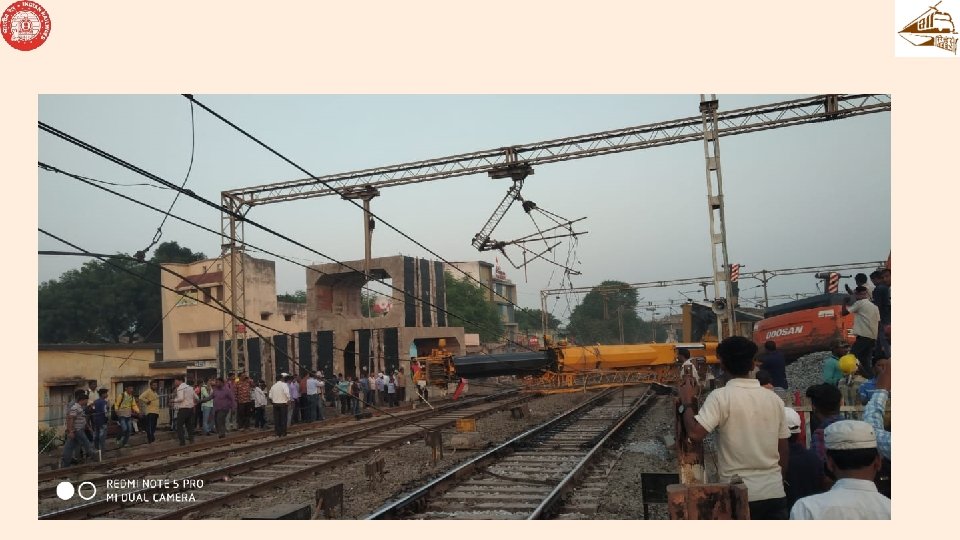
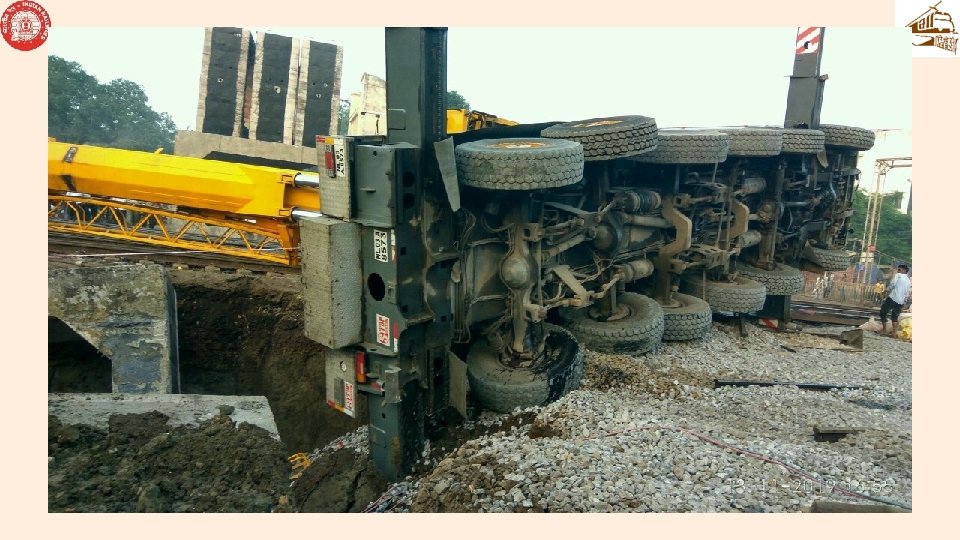
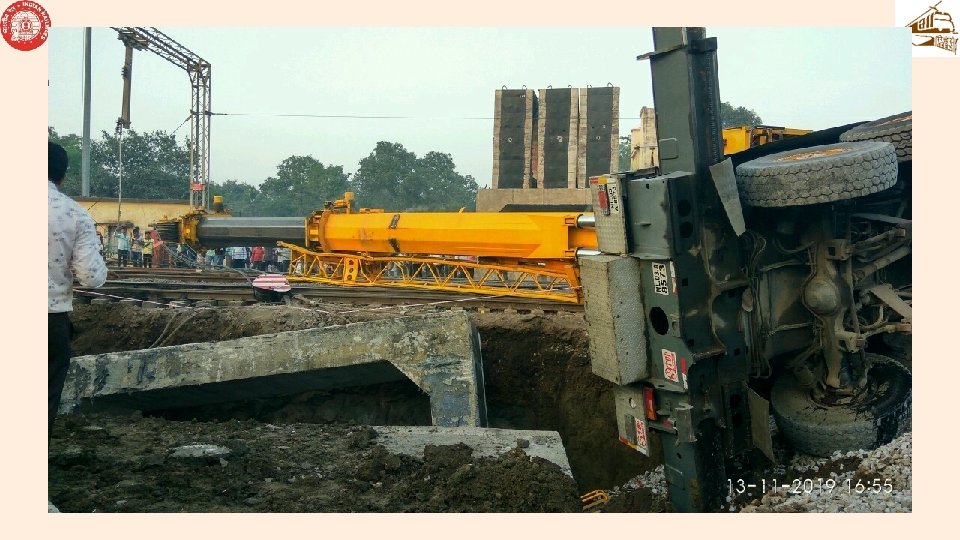
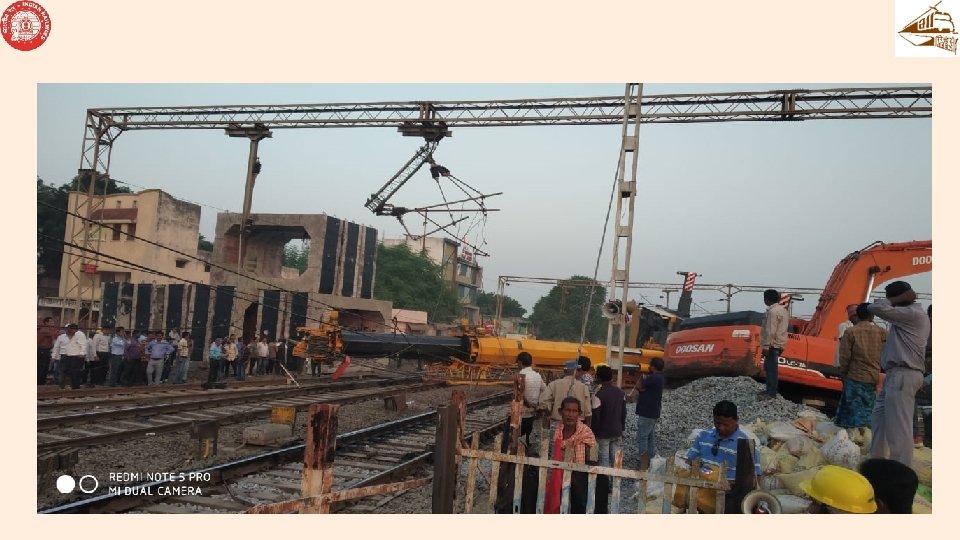
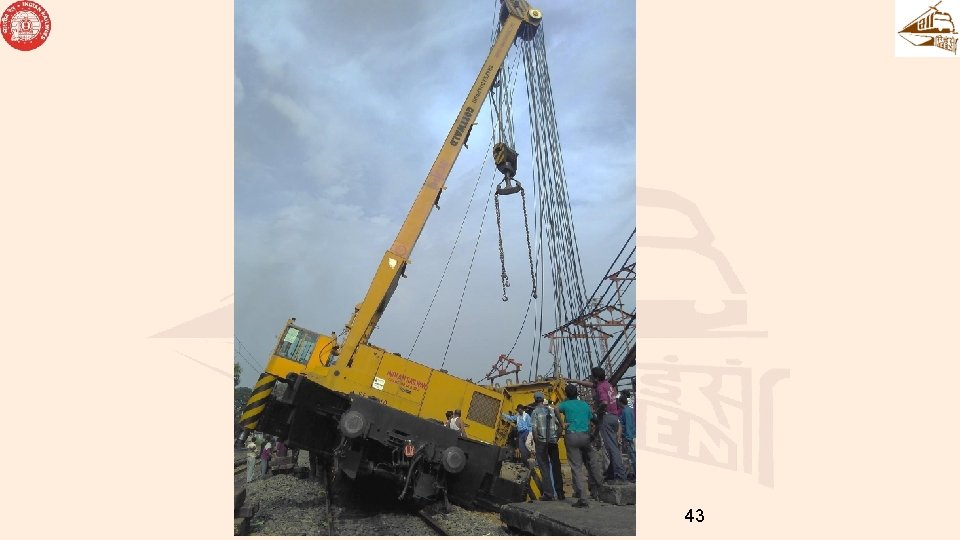
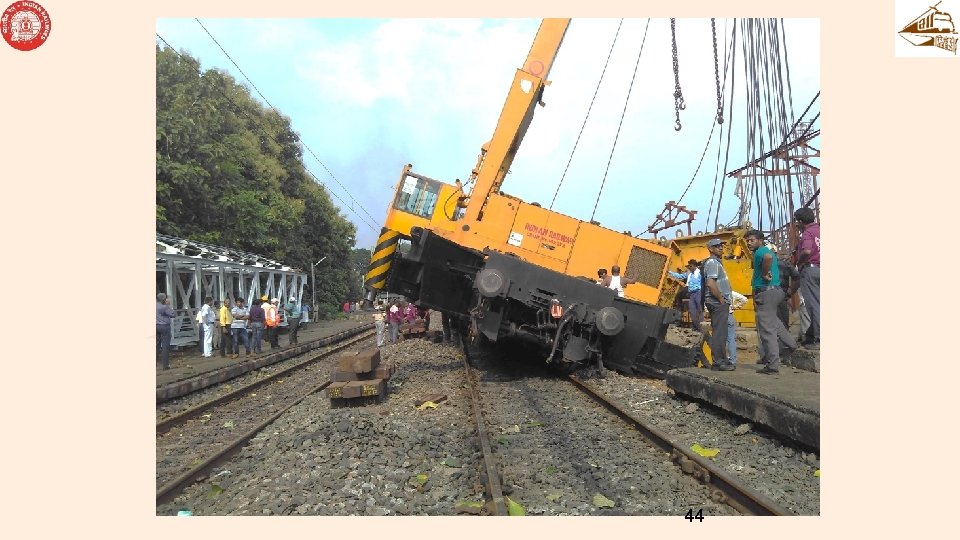
At 16: 53 hrs. , Diesel crane while working for RUB construction at Bilaspur East end (Chuchuhiyapara gate) fall on OHE. All lines blocked.
Any ideas how it happened?
Dos moi pa sto, kai tan gan kinaso Archimedes “Give me A Lever and A Place To Stand I will move the Earth” 9
CRANE DEFINITION: A crane is a type of machine, generally equipped with a wire ropes or chains, that can be used both to lift and lower materials and to move them horizontally. It is mainly used for lifting heavy things and transporting them to other short distances.
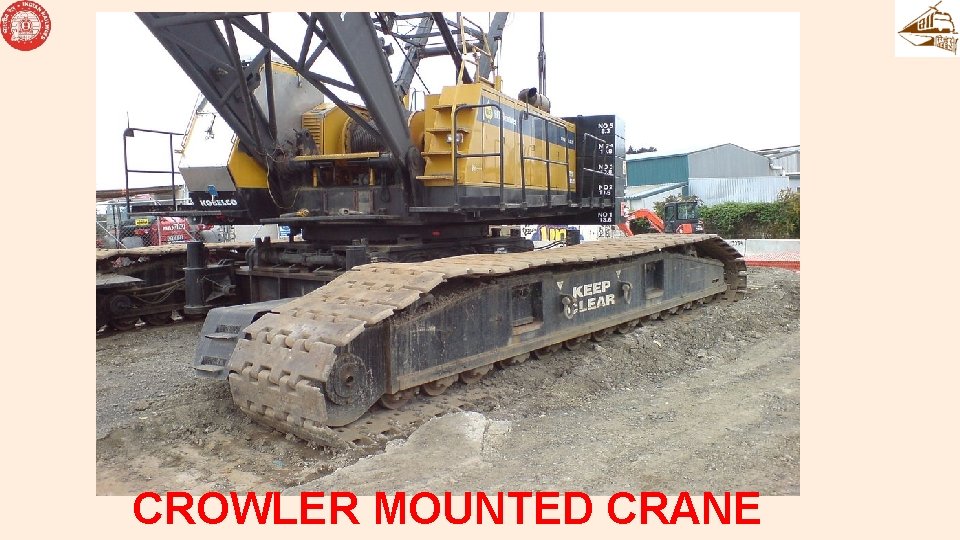
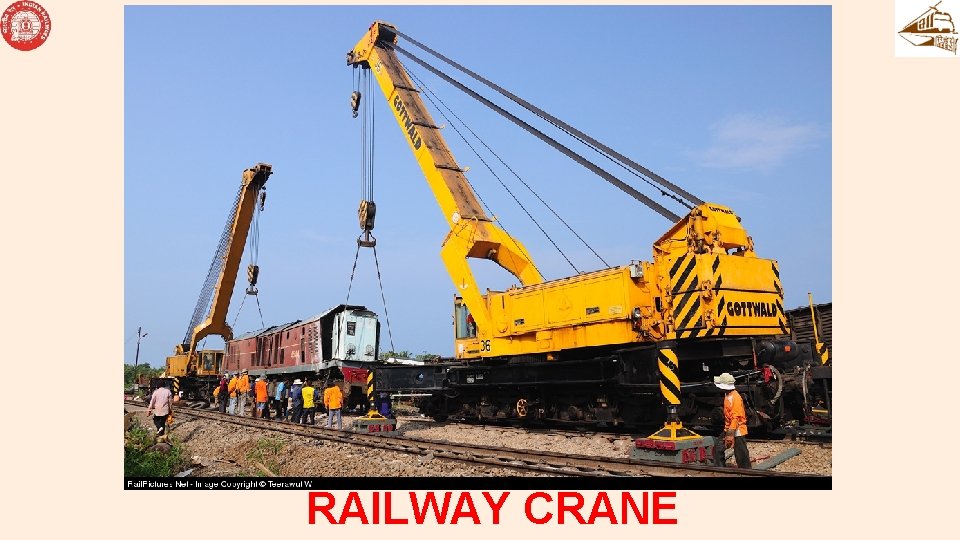
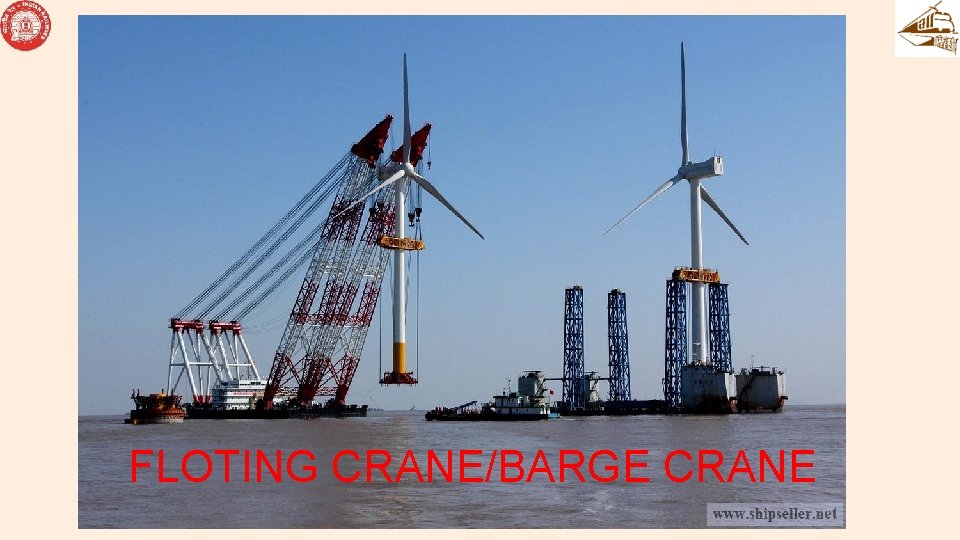
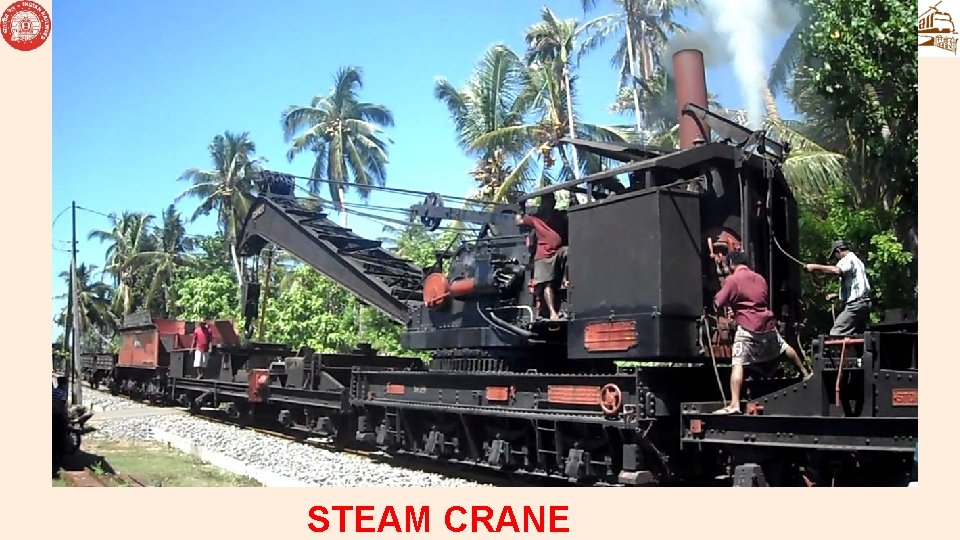
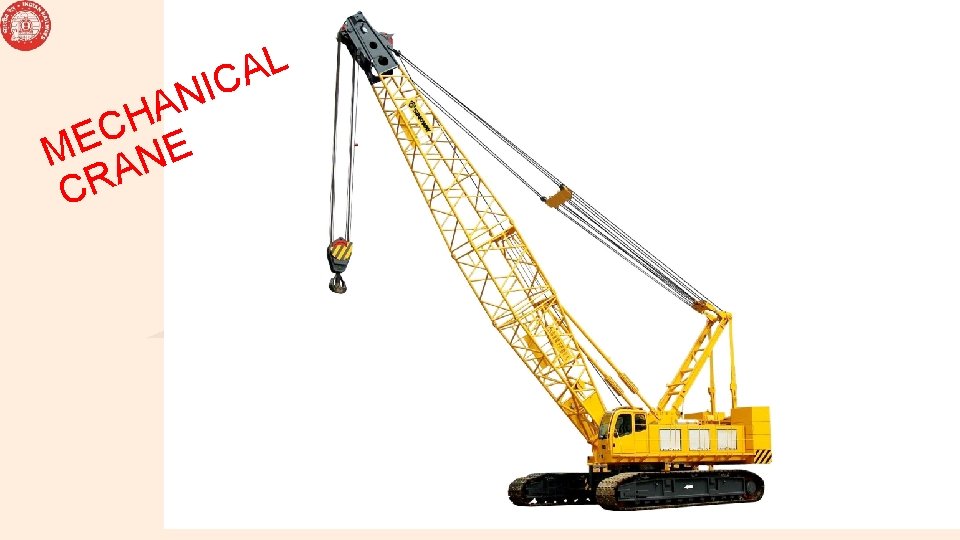
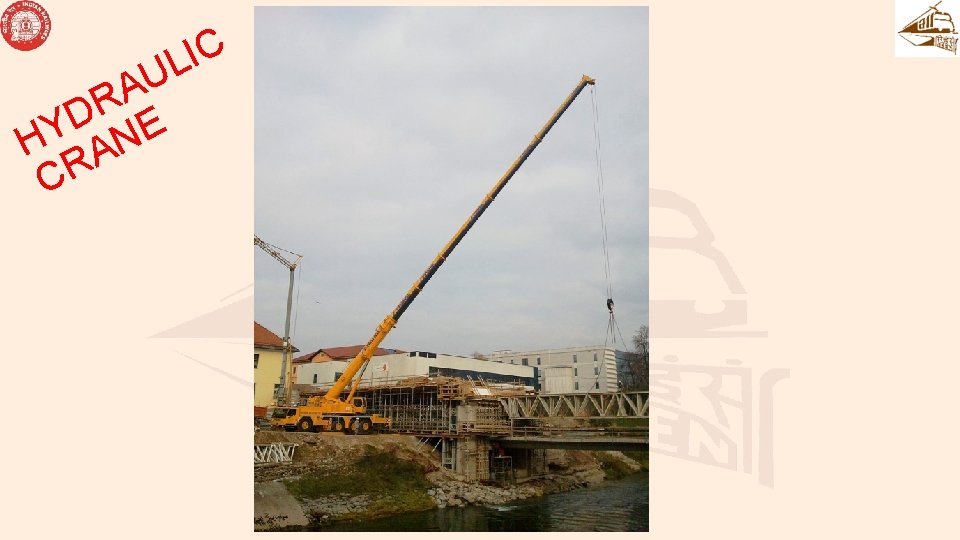
TYPES OF CRANES BASED ON TYPES OF WHEELS (A) ROAD CRANE 1. TYRE MOUNTED CRANE 2. CROWLER MOUNTED CRANE (B) RAILWAY CRANE (C) BARGE CRANE/FLOATING CRANE BASED ON OPERATION • MECHANICAL CRANE • HYDRAULIC CRANE • STEAM CRANE
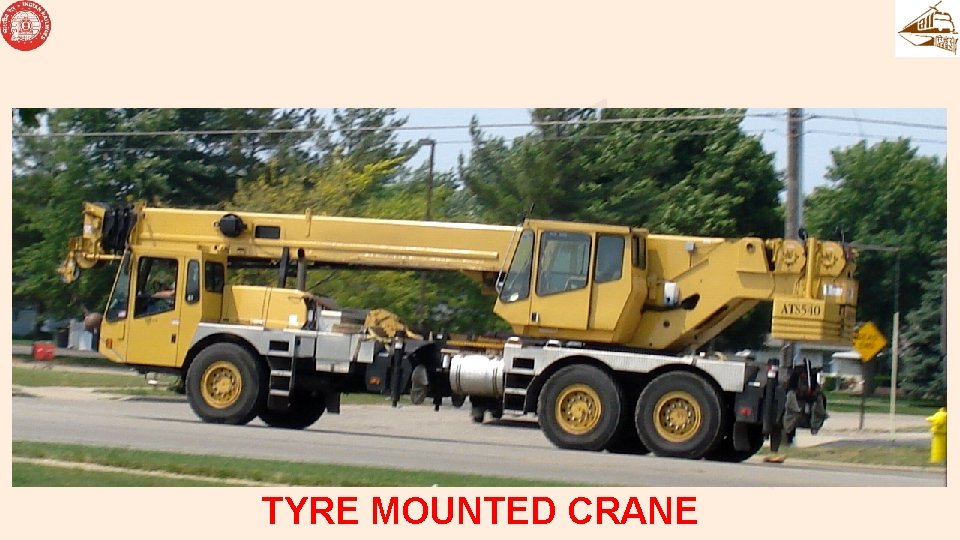
TYRE MOUNTED CRANE
CROWLER MOUNTED CRANE
RAILWAY CRANE
FLOTING CRANE/BARGE CRANE
STEAM CRANE
C I N L A A H C E E M AN CR
U A R D E Y H AN CR C LI
SELECTION OF CRANE It Mainly depends on following factors Ø Weight of the article to be lifted Ø Dimension of the article Ø Amount of lifting/lowering required Ø Place of crane placement Ø Clear horizontal distance between article and crane’s probable location it requires for radius calculation .
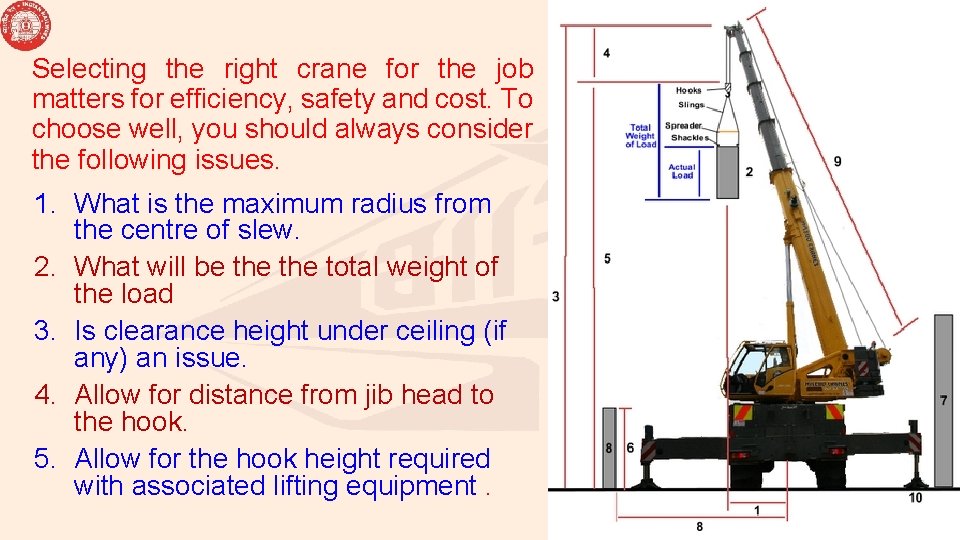
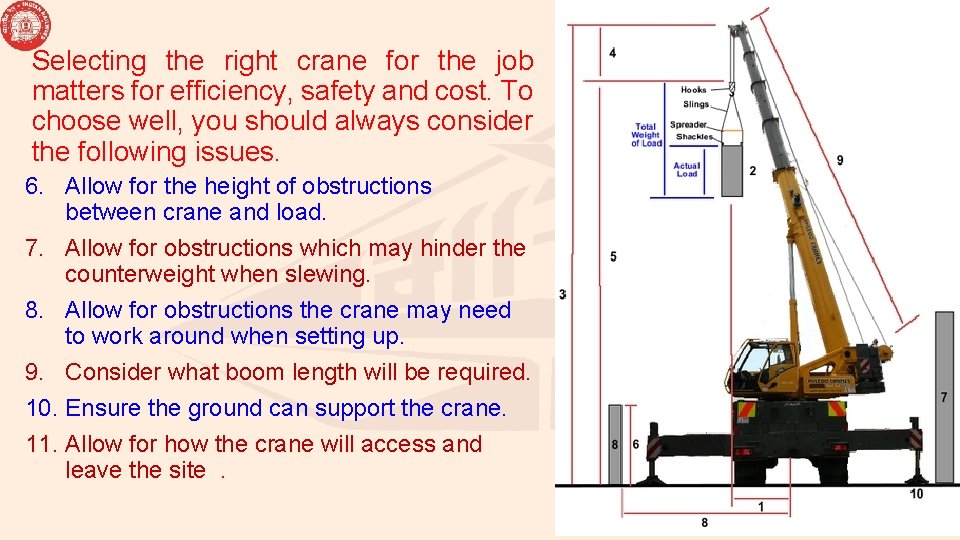
Selecting the right crane for the job matters for efficiency, safety and cost. To choose well, you should always consider the following issues. 1. What is the maximum radius from the centre of slew. 2. What will be the total weight of the load 3. Is clearance height under ceiling (if any) an issue. 4. Allow for distance from jib head to the hook. 5. Allow for the hook height required with associated lifting equipment.
Selecting the right crane for the job matters for efficiency, safety and cost. To choose well, you should always consider the following issues. 6. Allow for the height of obstructions between crane and load. 7. Allow for obstructions which may hinder the counterweight when slewing. 8. Allow for obstructions the crane may need to work around when setting up. 9. Consider what boom length will be required. 10. Ensure the ground can support the crane. 11. Allow for how the crane will access and leave the site .
REQUIREMENTS AS PER SITE CONDITION • Approach road • Levelled and firm ground for placement of crane • Sufficient room/clearance in horizontal and vertical direction for safe and successful operation of crane • Power block or line block if necessary .
Points to be Checked • Load to be Lifted- Dimensions and Approx Weight • Required radius • Required Working Cycle (Hook Height, Slewing range etc) • Site Conditions for propping • Proper marking of Props • Ground Conditions for Outrigger Pad Area • Detailed Planning & Detailed Time Study • Proper Placement of load .
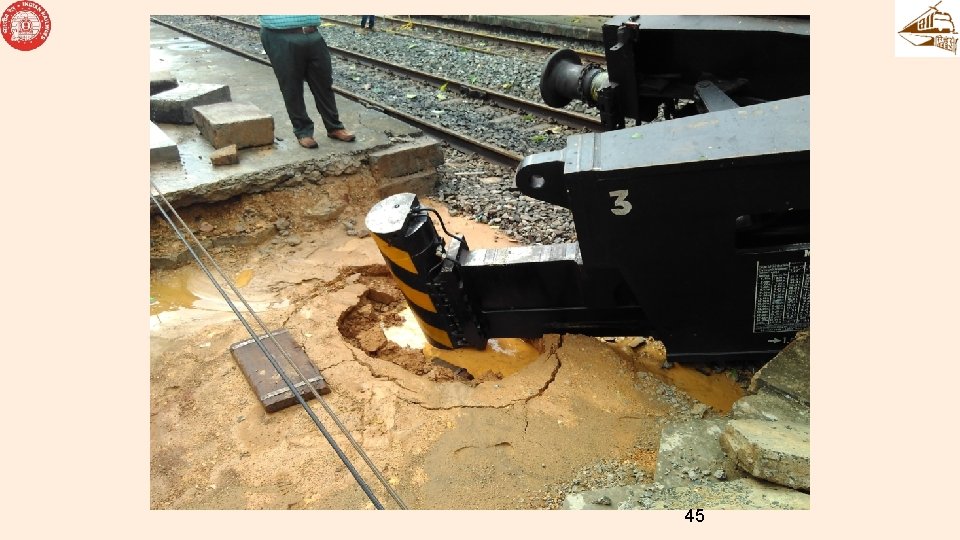
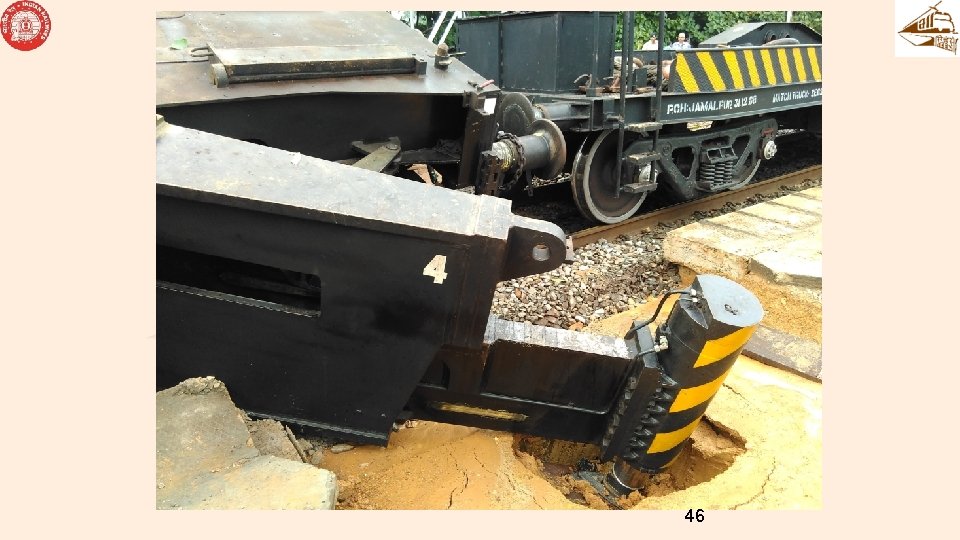
Propping Method • • • Check space for propping Check condition of the soil Use wooden slabs below propping cylinder Prop corners Diagonally Propping pad should be horizontal Crane Body should be Horizontal . 24
Permissible Ground Force • The condition of the ground in the outrigger pad area is very important. The approximate pressures of different types of surfaces is • Natural ground- Approx 50 to 60 Tonne / Sq mtr • Medium sand - 40 t/ Sq Mtr (firm Clay & gravel) • Fine Sand , firm- 15 Tonne / Sq Mtr • On the basis of the soil type, the required counterweight (cwt) combination and type of outrigger propping is determined.
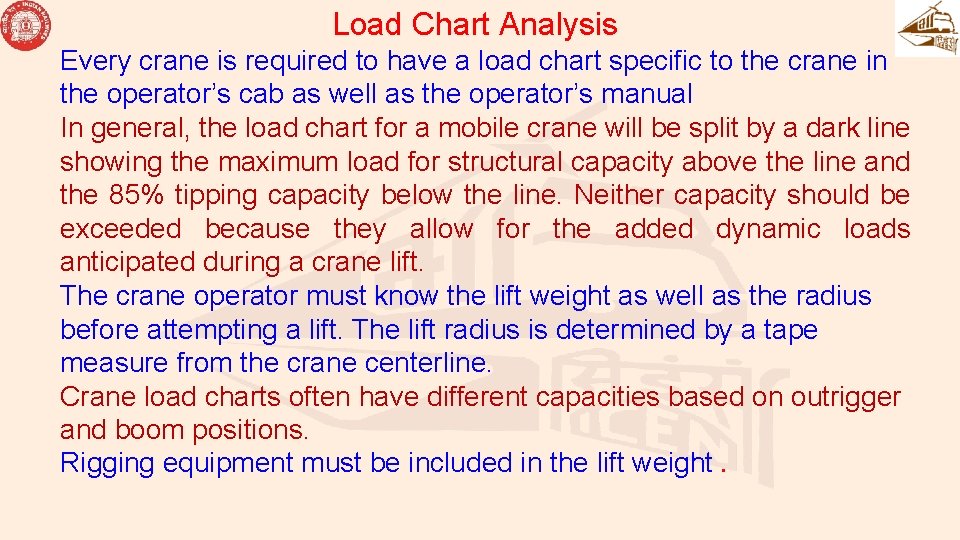
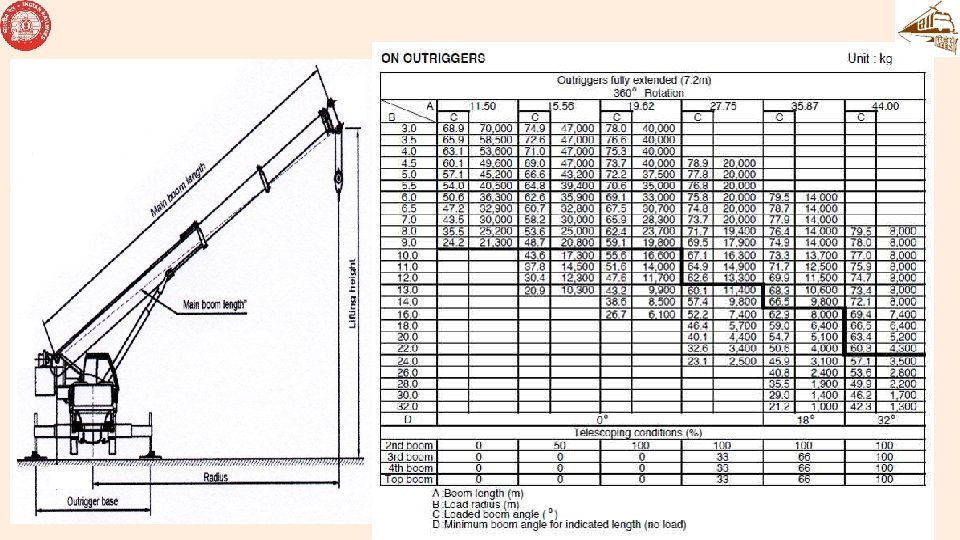
Load Chart Analysis Every crane is required to have a load chart specific to the crane in the operator’s cab as well as the operator’s manual In general, the load chart for a mobile crane will be split by a dark line showing the maximum load for structural capacity above the line and the 85% tipping capacity below the line. Neither capacity should be exceeded because they allow for the added dynamic loads anticipated during a crane lift. The crane operator must know the lift weight as well as the radius before attempting a lift. The lift radius is determined by a tape measure from the crane centerline. Crane load charts often have different capacities based on outrigger and boom positions. Rigging equipment must be included in the lift weight.
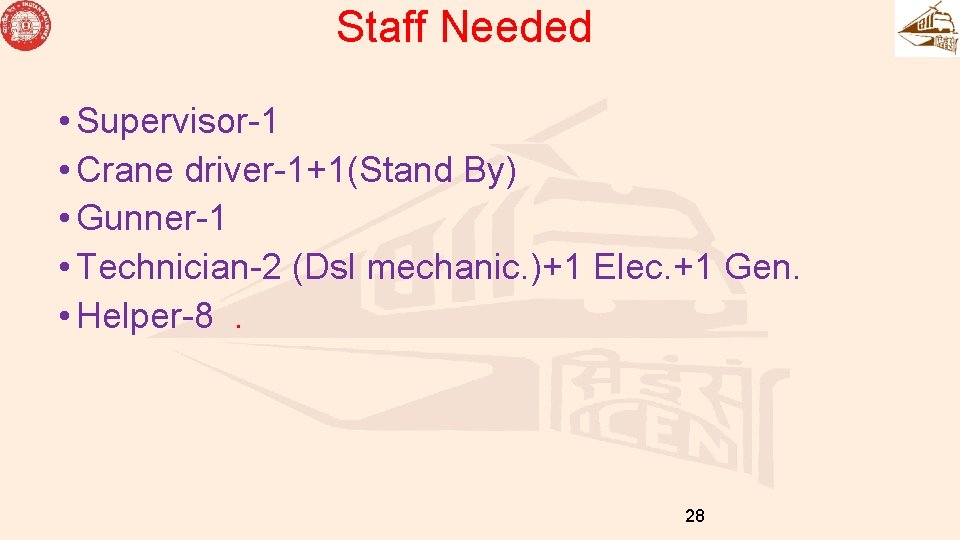
Staff Needed • Supervisor-1 • Crane driver-1+1(Stand By) • Gunner-1 • Technician-2 (Dsl mechanic. )+1 Elec. +1 Gen. • Helper-8 . 28
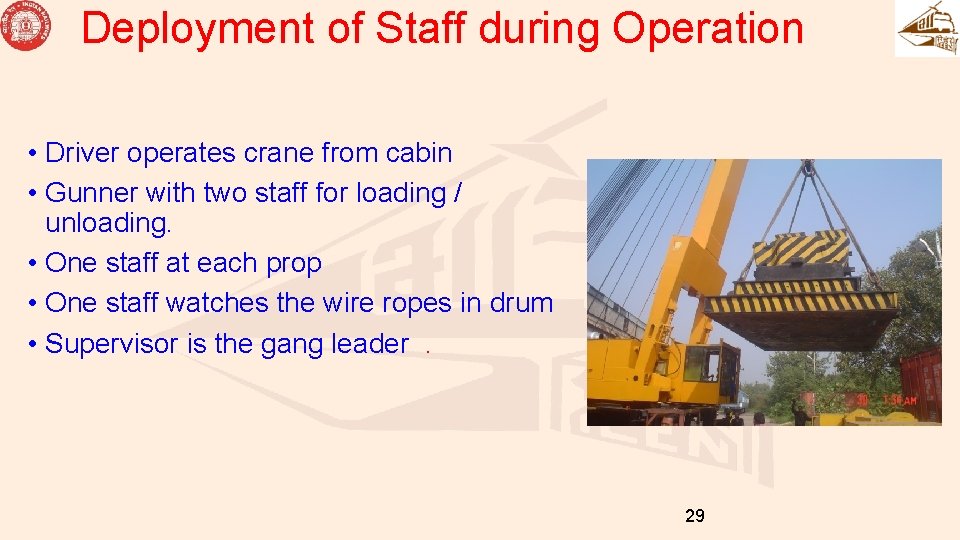
Deployment of Staff during Operation • Driver operates crane from cabin • Gunner with two staff for loading / unloading. • One staff at each prop • One staff watches the wire ropes in drum • Supervisor is the gang leader . 29
Safety Measures in Crane Operation • Before starting the crane, check • Hydraulic oil level • Fuel oil level • Water level in radiator • After starting the crane, check • All pressure gauges • All temperature gauges • SLI (Safe Load Indicator) System. 30
Safety Measures • Visual checking of wire ropes • DO NOT bypass in-built safety (SLI) system • Feed recommended data's in display board • Protect wire ropes during welding • Check wire rope binding on drum. 31
ACCESSORIES D-Shakle & Wire Rope Slings with Soft Eyes
ACCESSORIES
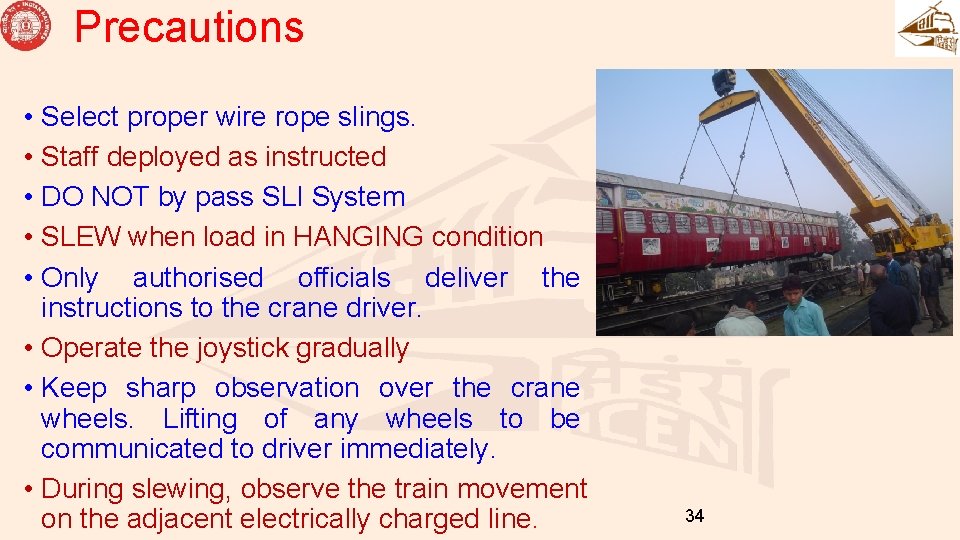
Precautions • Select proper wire rope slings. • Staff deployed as instructed • DO NOT by pass SLI System • SLEW when load in HANGING condition • Only authorised officials deliver the instructions to the crane driver. • Operate the joystick gradually • Keep sharp observation over the crane wheels. Lifting of any wheels to be communicated to driver immediately. • During slewing, observe the train movement on the adjacent electrically charged line. 34
Precautions when lifting with Cranes : 1. The crane must not be used to lift more than the maximum safe working load authorized at the radius. 2. Precautions should be taken to avoid load catching on obstructions as this may seriously overload the crane. 3. Sudden shocks and jerks also tends to overload the cranes and tackles.
Time Management Factors • Arrival of Crane • Positioning of Crane at Site • OHE Removal • Propping near Load • Boom Erection and Counter Weight Placement • Engineering Work (as Excavation, Earth Filling etc) • Load Lifting/ Placement • Remaining Engineering Work • Crane Folding • OHE placement • Crane move from site. 36
DO’s & DON’Ts
DO’s 1. Safe working load and last date of test shall be known for all the cranes. 2. Only the Authorized person should operate crane. He shall be assisted by authorized signalman. 3. Crane operator shall accept signal from his signalman only. 4. One man should be kept to watch the rear side of the crane to give signal to the crane operator. 5. Before taking a crane in to loading operation, all its safety devices should be checked for its healthiness. 6. Before moving trolley or the crane bridge, ensure that the hook with load hanging is high enough to clear obstacles.
DO’s 7. Hooter/buzzer should always be in service when the crane is in use. 8. While raising and lowering load, sufficient clearance shall be maintained on either side of load. 9. To work on OHE Sections, ensure Power Block 10. While moving the mobile crane, lower the boom and keep away from overhead power supply lines. 11. After completion of job, ensure bolts, tools and other materials have been removed so that (i) No damages to machinery will result when the crane the started and (ii) nothing from the crane falls. 12. Stop operation if the crane fails to responds correctly. Report the matter to the supervisor. Attempting to get out of difficulty by repeated operation may make the condition worse. 13. Inspect and test all the lifting tools and tackles regularly .
DON’Ts 1. Never pull or drag a load by crane. 2. Do not permit twisting of rope. 3. Do not load crane beyond its safe working load. 4. Do not allow anybody to ride on a load / on a crane hook. 5. Do not leave the load hanging from a crane hook. 6. Ensure that load at different radius does not exceed its capacity at the particular radius / boom lengths. 7. Lateral Pulls shall not be carried out while lifting the load. The boom of the crane should be exactly above the load.
DON’Ts
Some Photos to Ponder
43
44
45
46
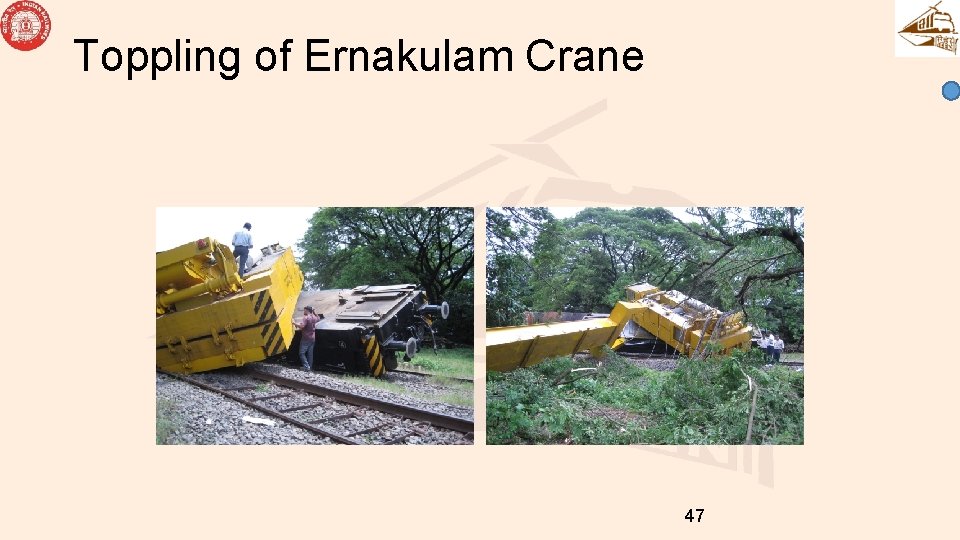
Toppling of Ernakulam Crane 47
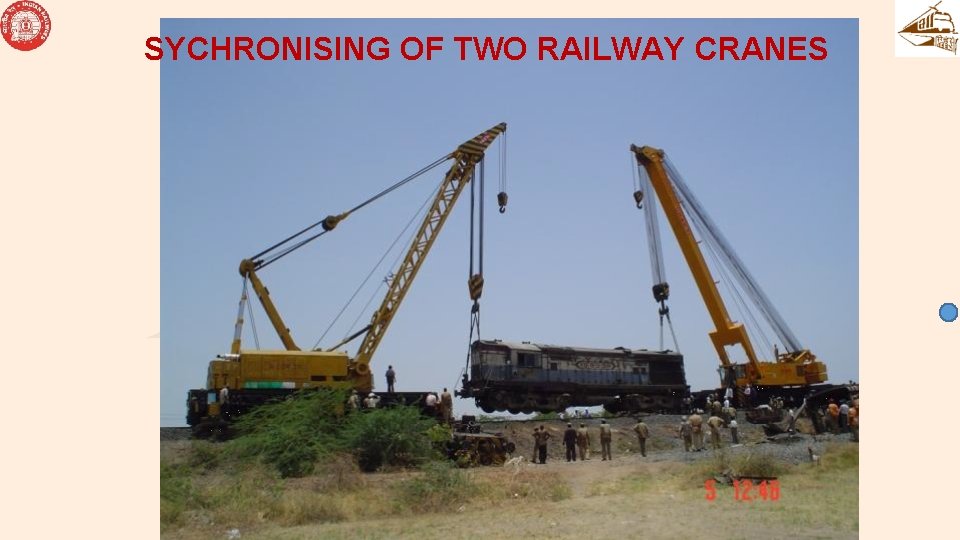
SYCHRONISING OF TWO RAILWAY CRANES
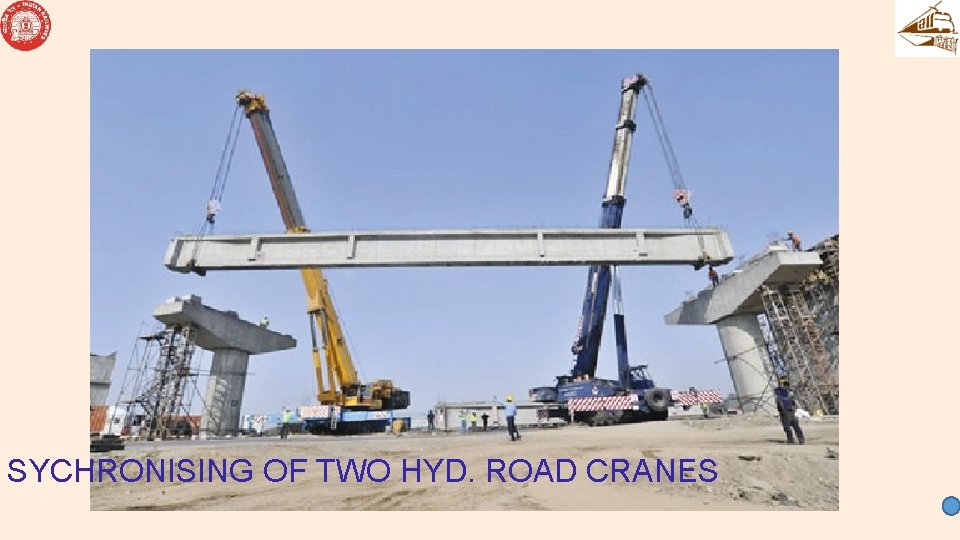
SYCHRONISING OF TWO HYD. ROAD CRANES
THANKS