
Welcome to the Stafford Leys Phonics afternoon Aims







- Slides: 35
Welcome to the Stafford Leys Phonics afternoon.
Aims
Can you read this word? ghoti
Ghoti = fish
ghoti fish enough women emotion
What is phonics?
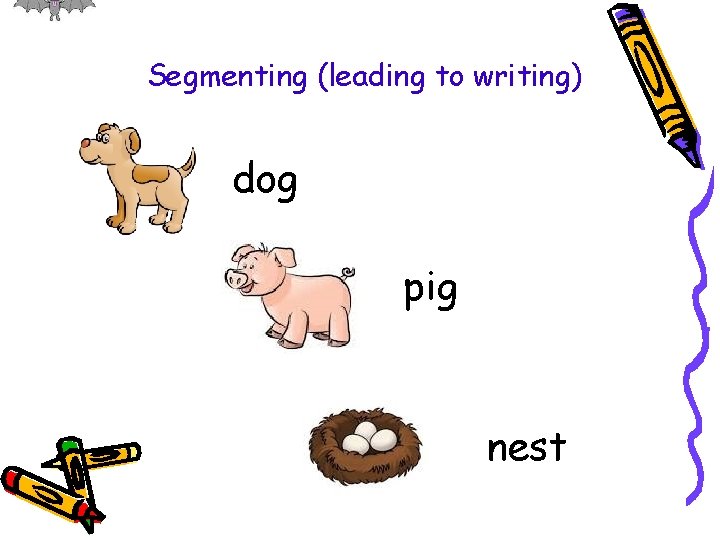
Two main elements Blending Recognising the letter sounds in a written word, for example c-u-p, and merging or synthesising them in the order in which they are written to pronounce the word ‘cup’ Segmenting Identifying the individual sounds in a spoken word (e. g. h-i-m) and writing down or manipulating letters for each sound to form the word ‘him’
Phonics at Stafford Leys www. standards. dfes. gov. uk/ph onics
A phonetic approach to reading? • Phonics places much emphasis on teaching the letter sounds first. • The children are taught to listen carefully to the sounds in words, to identify them and relate them to the letters. • Children learn to read faster when they know the letter sounds, and can work out words for themselves. • Independent writing starts earlier and accurate spelling develops more quickly.
The advantages of using a phonetic approach • It teaches the main letter sounds early on • It relates the sounds to the symbols and so helps the children to understand the alphabetic code used for reading and writing • It enables parents to be involved • When the children have a way of writing each letter sound, they are able to write whatever they want early on • It provides a multi sensory approach, linking sounds with movement
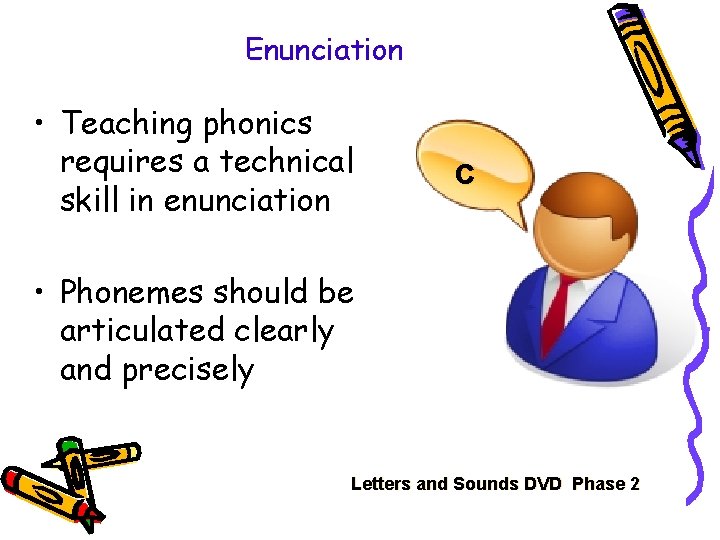
Enunciation • Teaching phonics requires a technical skill in enunciation c • Phonemes should be articulated clearly and precisely Letters and Sounds DVD Phase 2
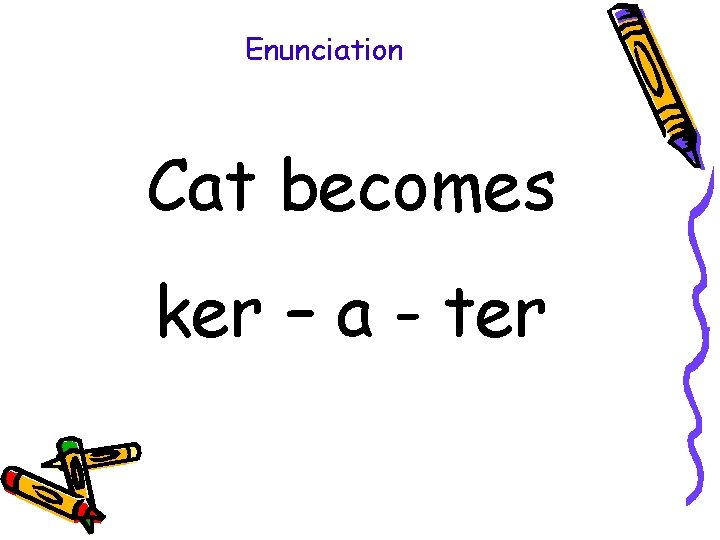
Enunciation Cat becomes ker – a - ter
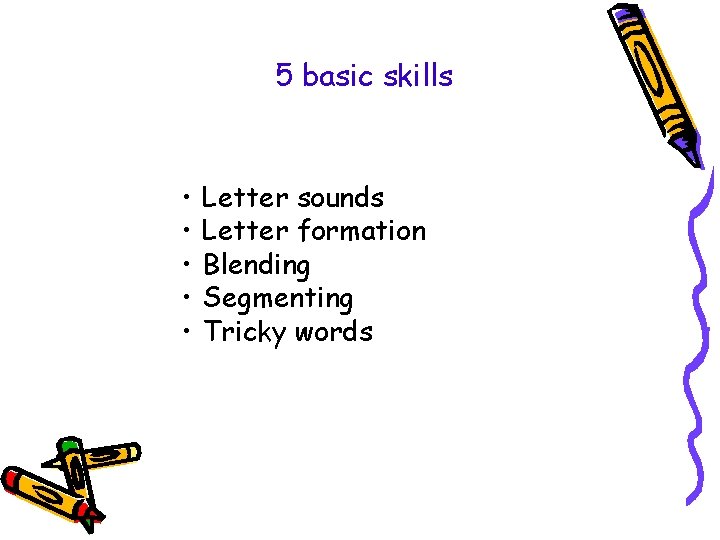
5 basic skills • • • Letter sounds Letter formation Blending Segmenting Tricky words
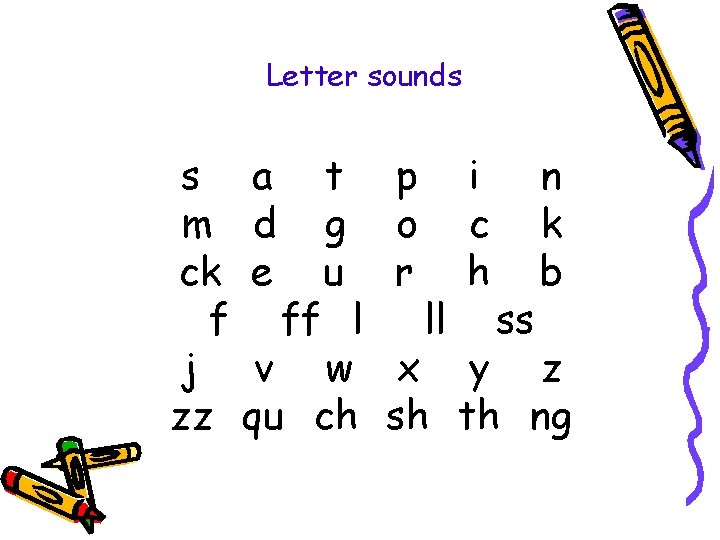
Letter sounds s m ck f j zz a d e t g u p o r i c h n k b ff l ll ss v w x y z qu ch sh th ng
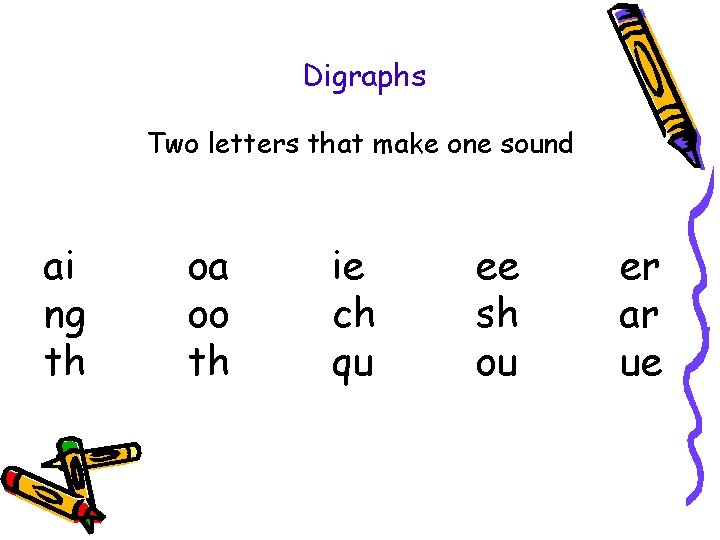
Digraphs Two letters that make one sound ai ng th oa oo th ie ch qu ee sh ou er ar ue
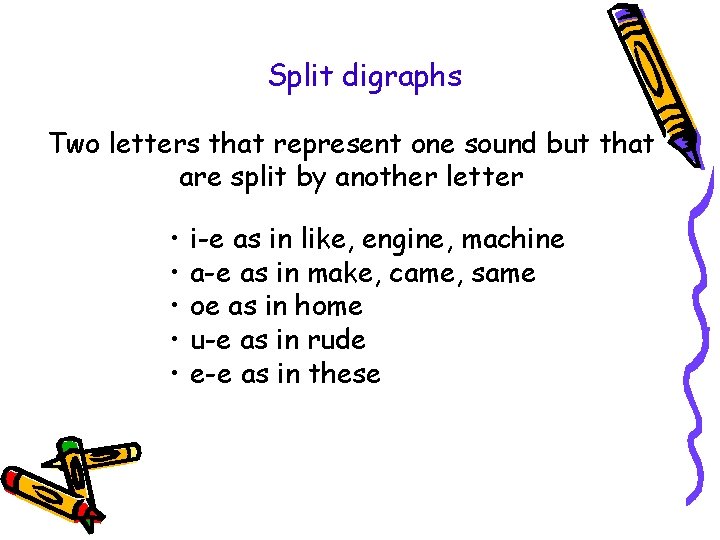
Split digraphs Two letters that represent one sound but that are split by another letter • • • i-e as in like, engine, machine a-e as in make, came, same oe as in home u-e as in rude e-e as in these
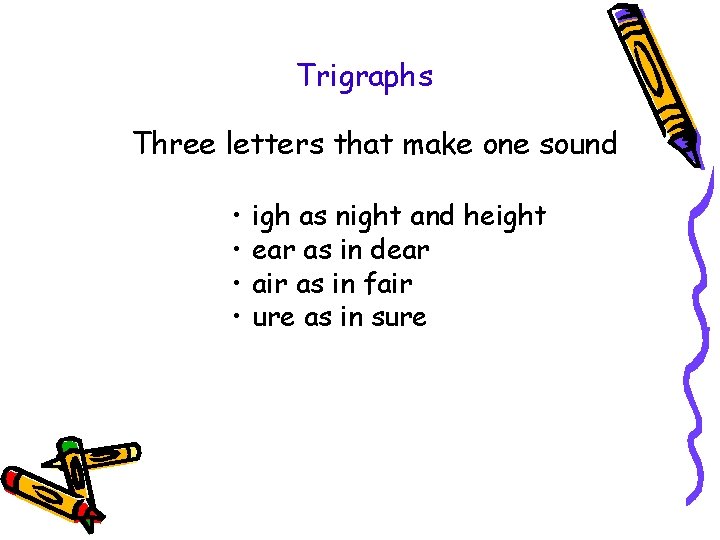
Trigraphs Three letters that make one sound • • igh as night and height ear as in dear air as in fair ure as in sure
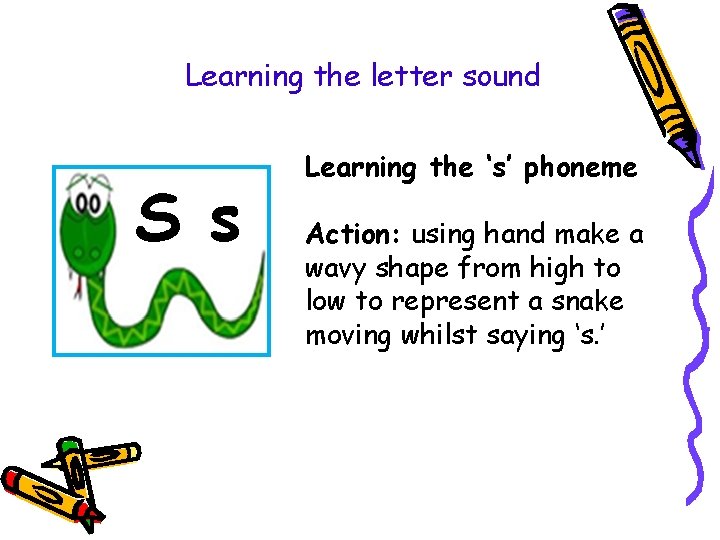
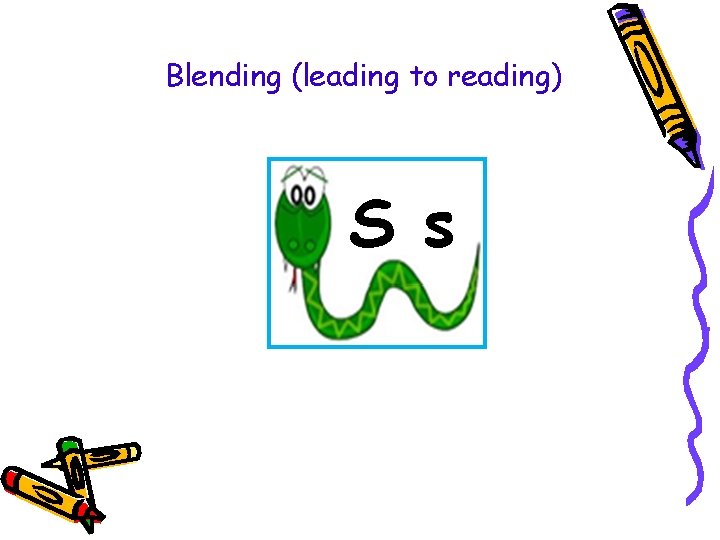
Learning the letter sound S s Learning the ‘s’ phoneme Action: using hand make a wavy shape from high to low to represent a snake moving whilst saying ‘s. ’
Letter formation • See it: flash cards • Feel it: textured letters (sandpaper, ‘squidgy’ letters, string letters) • Write it: in the air, using paint, using water on the ground, in mud, snow, bath bubbles, sand…
EYFS Phoneme sheets
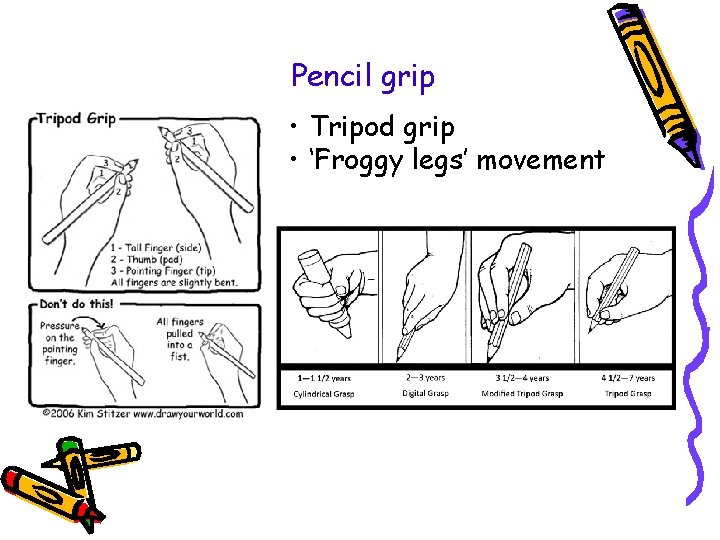
Pencil grip • Tripod grip • ‘Froggy legs’ movement
Blending (leading to reading) S s
Blending words sat it pat tap pan nip
Segmenting (leading to writing) dog pig nest
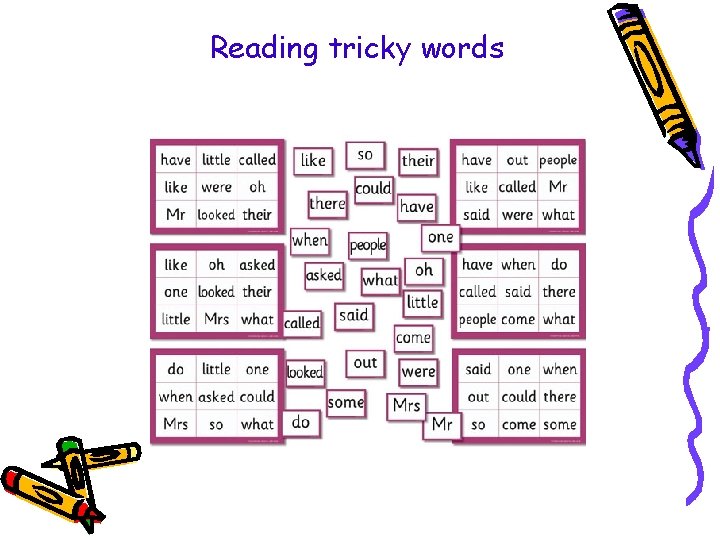
Reading tricky words
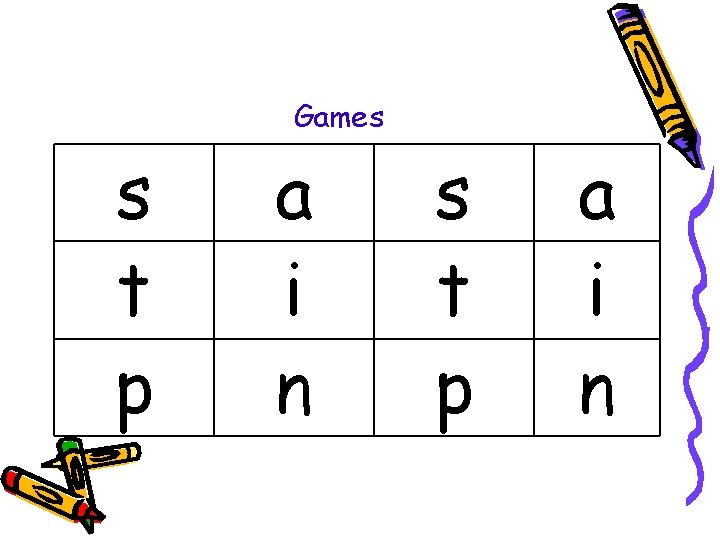
Games s t p a i n
What games can you play at home? • Sound/action/word recognition games • Show your child a sound ask them to complete the action, say the sound, or give an object that begins with that sound • Turn a set of ‘sound’ cards face up, you complete an action or say a sound ask your child to find the correct card to match it • Show an object and ask your child to find the beginning sound, or show the action • Quick recall of words that they are shown • Use the words in a sentence. Orally or written • Lots of variety is best
Other games to play • • • Spot the sound/letter/word Pairs game Snap Reading words Building words and sentences Letter/word/sentence bingo
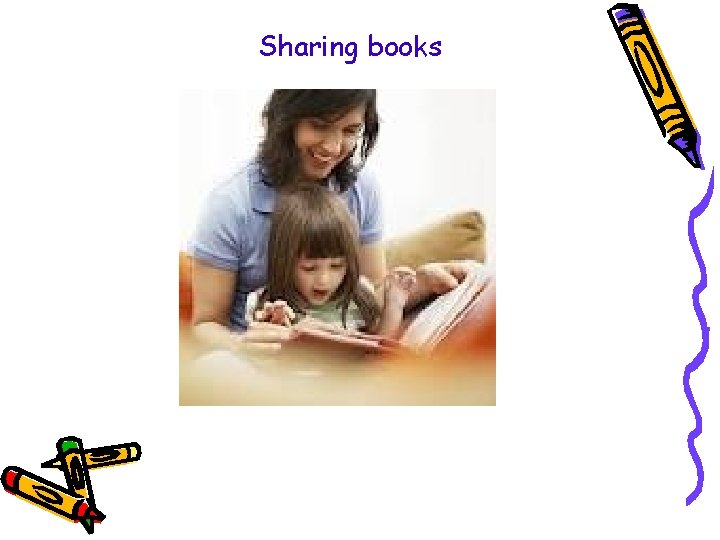
Sharing books
Reading together • • • School reading books Reading books from home Library books Newspapers Magazines Comics Cereal packets Game instructions Etc, etc
Independent writing The children need to know: • The 42 letter sounds • How to hear the sounds in words • One way of writing the letters for the sounds • What they want to say
Praise and encouragement • Inspire them to keep learning • Keep them motivated and excited about learning • Verbal praise and rewards such as stickers are excellent encouragers
Parents • Support from home is invaluable in helping your child to learn to read and write. • It is essential that home and school work closely together in order to provide the best support for your child.
Key points! • Every child is different • Children learn/progress at different rates • Do not become frustrated – keep going. It will eventually pay off! We promise!!!
Thank you for attending the Stafford Leys Phonics afternoon Any questions?