
WELCOME TO STEP SYSTEMATIC TRAINING FOR EFFECTIVE PARENTING


- Slides: 30
WELCOME TO STEP SYSTEMATIC TRAINING FOR EFFECTIVE PARENTING
CLASS INSTRUCTORS David Hale Fran Hollingsworth
GROUND RULES • 6 of 7 classes for certificate. • Leave message for absence. • Cell phones silenced – emergency use only • What we Say here…. . Stays here
Discussions • Become Involved in Group Discussion • Share the Time • Stay Focused • Stay on Topic • Encourage each Other
Website • www. effectivefamily. wordpress. com /parenting/principles-of-step/ • Principles of the Step Program • Benefits • Reference for ideas presented in class • My background
My Background • • • My daughters Used the STEP program for last daughter Teaching other parents Texas Certified Family Mediator Science Teacher Healthcare Advocate and Personal Assistant
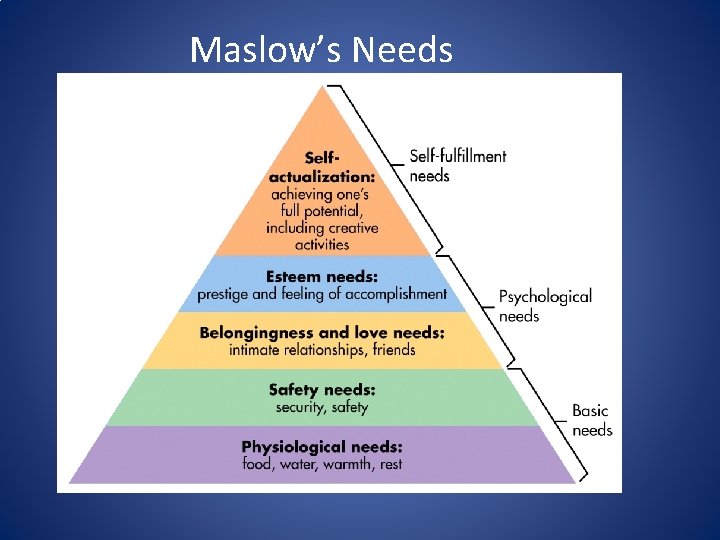
Maslow’s Needs
CHAPTER ONE Understanding Yourself & Your Child
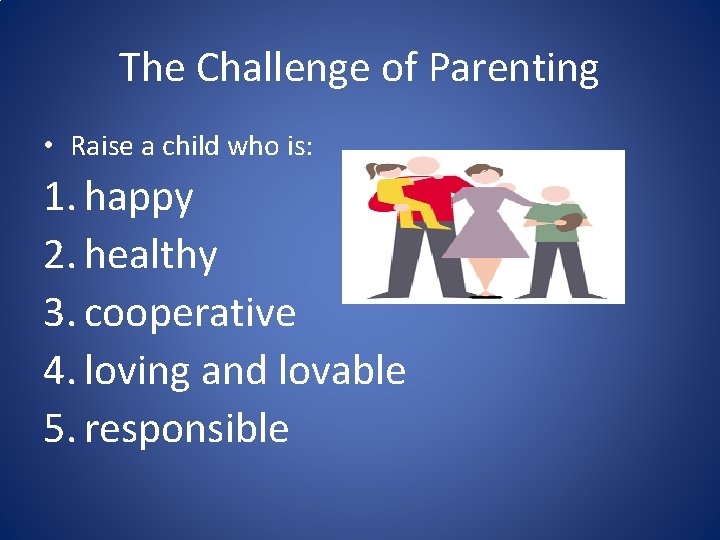
The Challenge of Parenting • Raise a child who is: 1. happy 2. healthy 3. cooperative 4. loving and lovable 5. responsible
Meet the Challenge • Children’s growth and behavior • Dealing with misbehavior. • Encouragement • Listening and Talking Openly
How do we learn “to be” in this world? • Name one parent characteristic that really bothered you growing up? • What do you like about what you are doing? • What do you want to change?
Three Styles of Parenting • Giving Orders – Authoritarian • Giving In – Permissive • Giving Choices – Democratic
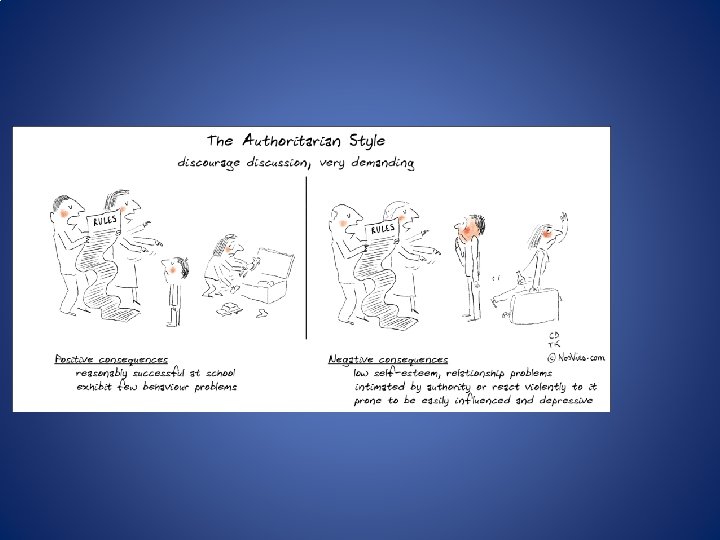
Authoritarian – Giving orders • unreasonable limits. • strict • lots of rules • reward and punishment • Fear • Dependency
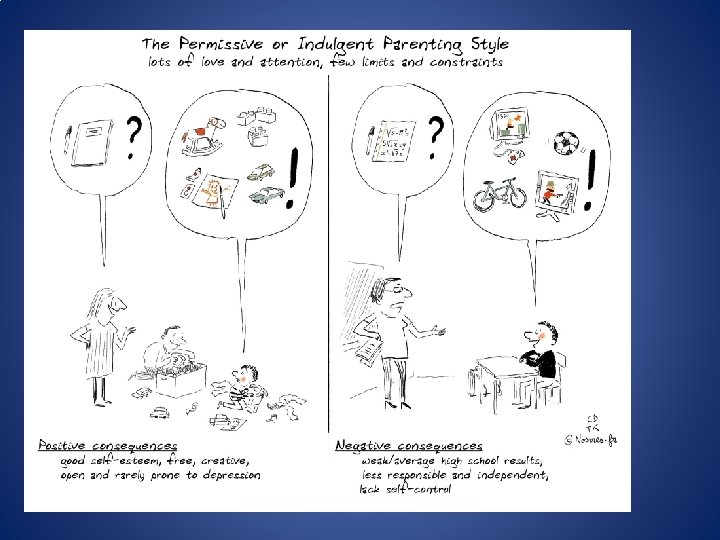
Permissive – Giving in • Freedom without limits • Inconsistent with limits/boundaries • Inappropriate behaviors • Trouble getting along in social settings • rights of others lacking
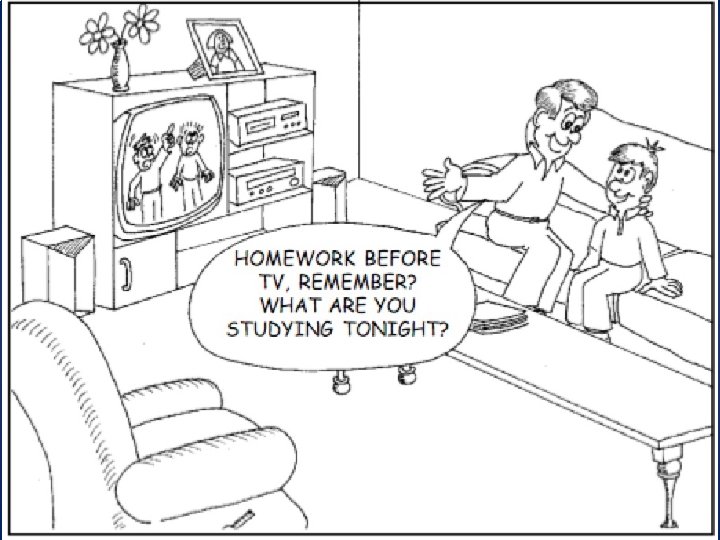
democratic – Giving choices • balance between freedom and limits. • encourages to make decisions. • set limits and give choices • children are more responsible. • some choices carry responsibilities.
Unique individuals • Temperament • Heredity and Environment • Roles for Boys and Girls • Ages and Stages
expectations • Expect Cooperation • Expect Good Behavior RATHER THAN…… • Accepting Uncooperative behavior • Excusing Misbehavior
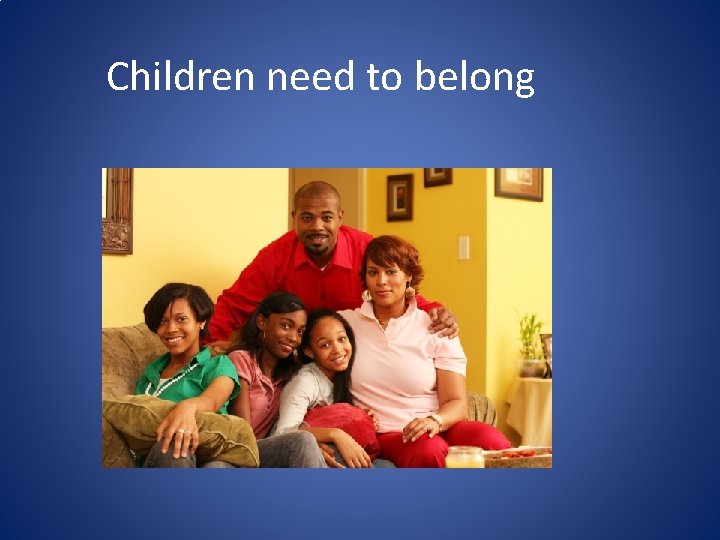
Children need to belong
Why do children misbehave? • discouraged. • belonging
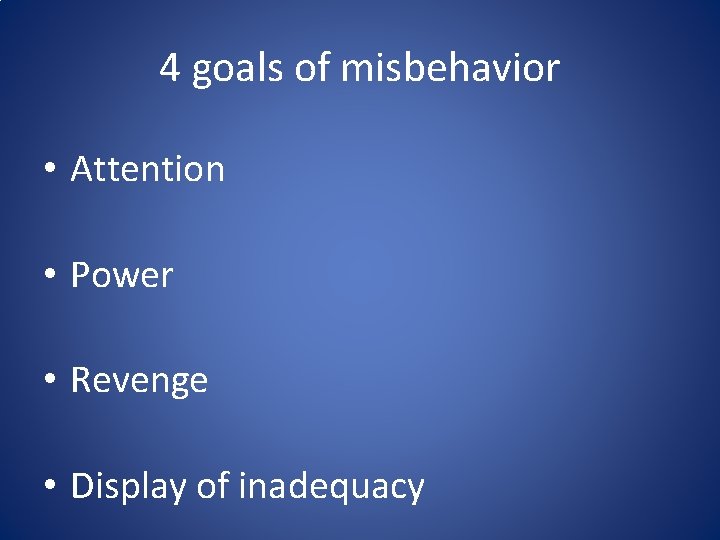
4 goals of misbehavior • Attention • Power • Revenge • Display of inadequacy
ATTENTION • Annoying behavior
POWER • Who is the Boss?
REVENGE • Getting Even
FEELING OF INADEQUACY • Giving Up
Building better relationships • Showing Respect • Having Fun • Give Encouragement • Showing Love
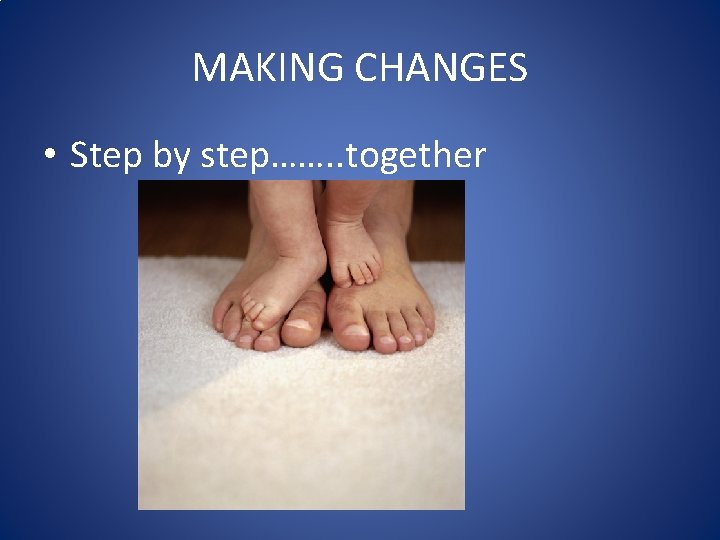
MAKING CHANGES • Step by step……. . together