Welcome to Second Grade Please take notes during

- Slides: 31
Welcome to Second Grade! Please take notes during the presentation, and I’ll answer questions at the end. Grab yourself a drink and a snack. We’ll begin shortly! A copy of this powerpoint will be available on our website, if you need
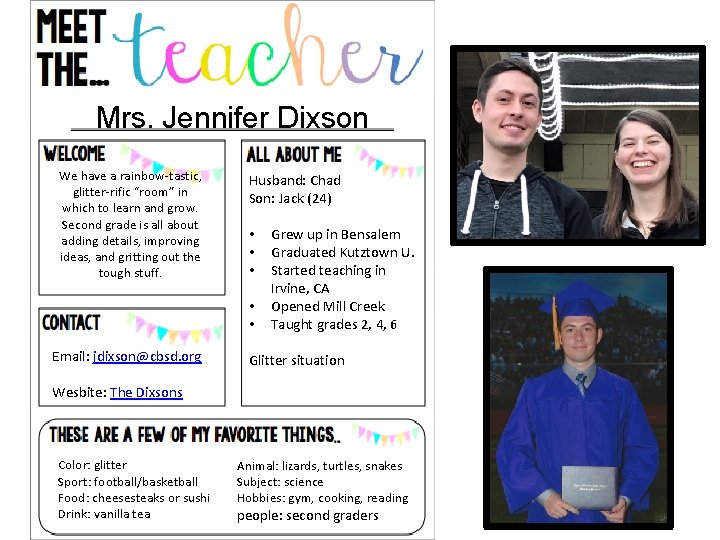
Mrs. Jennifer Dixson We have a rainbow-tastic, glitter-rific “room” in which to learn and grow. Second grade is all about adding details, improving ideas, and gritting out the tough stuff. Husband: Chad Son: Jack (24) • • • Email: jdixson@cbsd. org Grew up in Bensalem Graduated Kutztown U. Started teaching in Irvine, CA Opened Mill Creek Taught grades 2, 4, 6 Glitter situation Wesbite: The Dixsons Color: glitter Sport: football/basketball Food: cheesesteaks or sushi Drink: vanilla tea Animal: lizards, turtles, snakes Subject: science Hobbies: gym, cooking, reading people: second graders
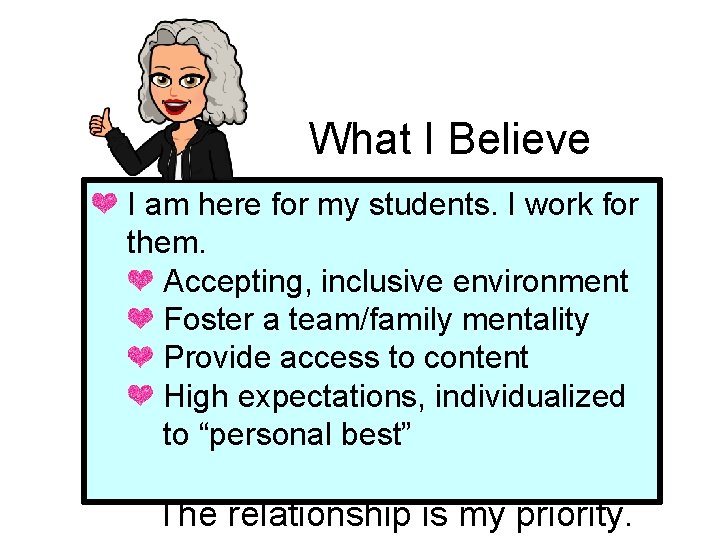
What I Believe I am here for my students. I work for them. Accepting, inclusive environment Foster a team/family mentality Provide access to content High expectations, individualized to “personal best” The relationship is my priority.
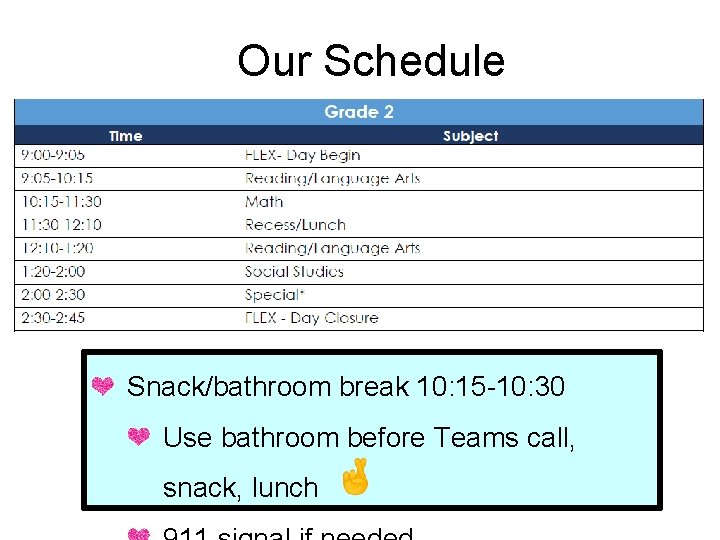
Our Schedule Snack/bathroom break 10: 15 -10: 30 Use bathroom before Teams call, snack, lunch
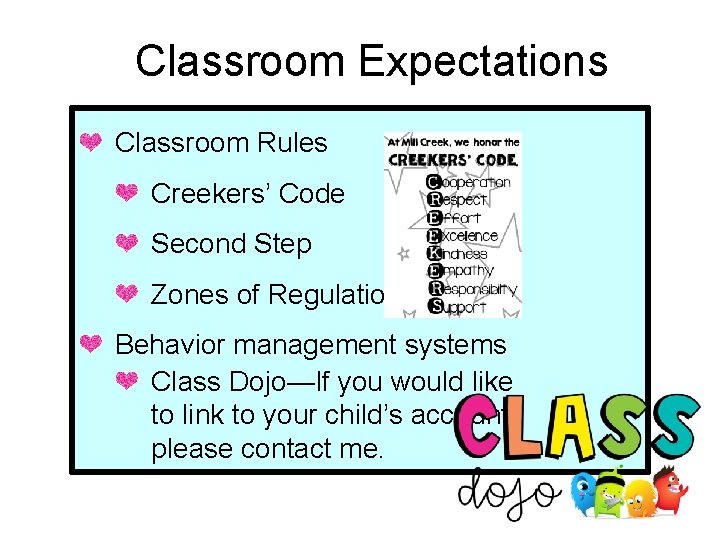
Classroom Expectations Classroom Rules Creekers’ Code Second Step Zones of Regulation Behavior management systems Class Dojo—If you would like to link to your child’s account, please contact me.
Second Step Social Emotional Learning The process through which children and adults acquire and effectively apply the knowledge, attitudes, and skills necessary to understand manage emotions, set and achieve positive goals, feel and show empathy for others, establish and maintain positive relationships, and make responsible decisions.
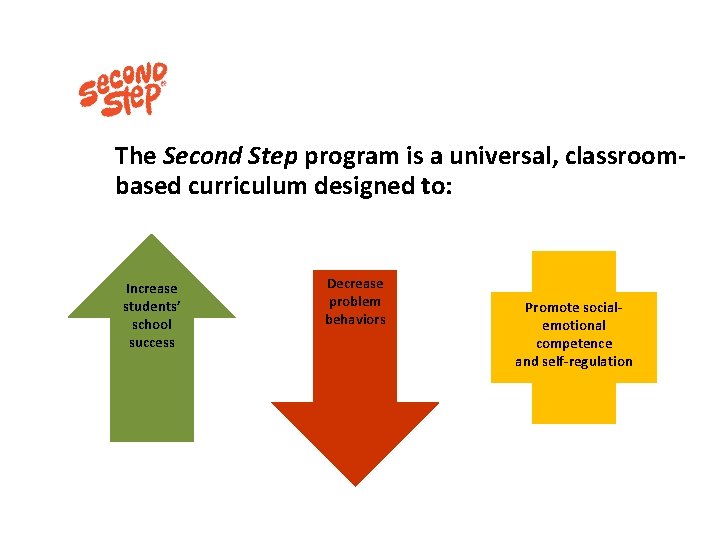
The Second Step program is a universal, classroombased curriculum designed to: Increase students’ school success Decrease problem behaviors Promote socialemotional competence and self-regulation
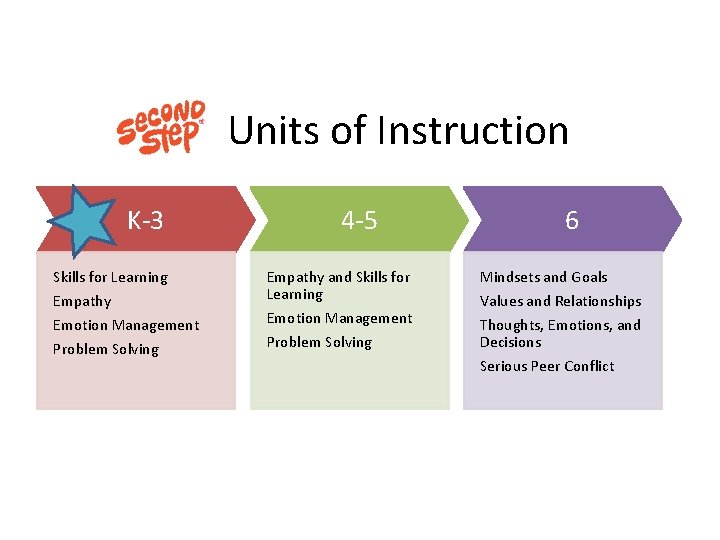
Units of Instruction K-3 Skills for Learning Empathy Emotion Management Problem Solving 4 -5 Empathy and Skills for Learning Emotion Management Problem Solving 6 Mindsets and Goals Values and Relationships Thoughts, Emotions, and Decisions Serious Peer Conflict
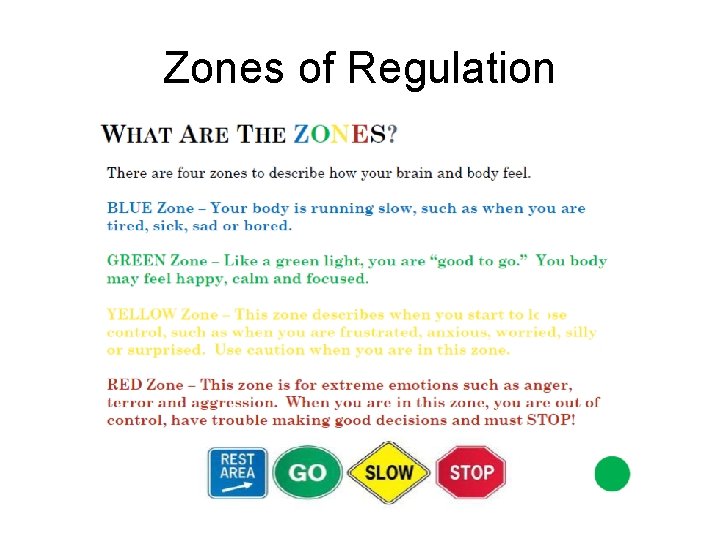
Zones of Regulation A curriculum which supports students (and adults) as they recognize emotions and selfregulate their responses. • Provides choices to help students control emotions and behaviors to allow them to optimize learning – Calming techniques, sensory supports, thinking strategies
Zones of Regulation
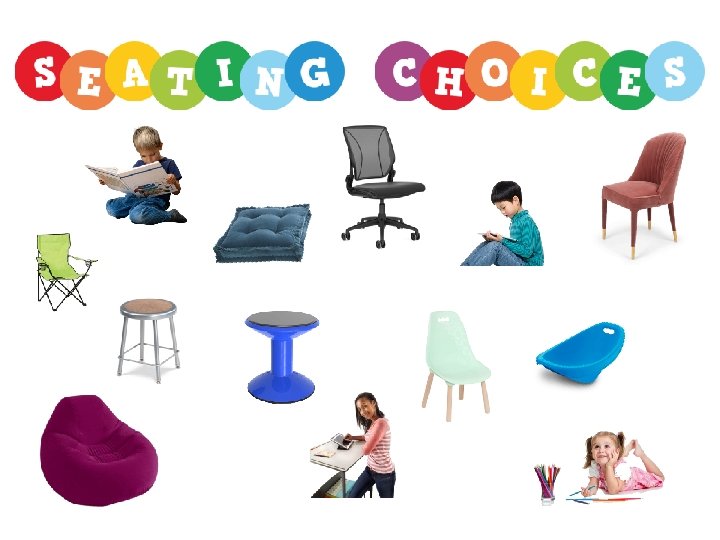
Zones of Regulation • Calming techniques: glitter bottle, breathing, visualizing • Sensory supports: fidgets, brain balls, wiggle stools, exercises/physical movement • Thinking strategies: “size” of problem expected reaction vs. unexpected reaction
Homework Following district guidelines, there will be no homework assigned this year. Instead your child could… play outside, call a relative, write a note and mail it, try a recipe, clean the car, fold laundry, organize the board games, collect things to donate, empty the dishwasher, sing and dance, brush the dog, vacuum, dust, make a positivity sign to hang in a window, dance, ride a bike, paint a picture, shred papers for you, walk the dog, practice tying shoes, perfect fort building, count by 5’s while hopping, read under a tree, write in a journal, sweep the porch, write kind messages and pictures in chalk on the sidewalk, make a race track out of chalk in the driveway for a bike or scooter, try writing with the non-dominant hand, draw insects found outside in your notebook, invent a new game, use a timer to beat a record at doing something, stare at clouds, do a puzzle, play an instrument…and more.
Science Health/Personal Safety http: //www. cbsd. org/Page/14 97 Rocks Sound Habitats
Social Studies Communities Native Americans Geography Economics
Math New-ish program: Math in Focus Model and show thinking Process not just product Mathematical language Chapters 1 and 2 included in blue folder in supply bag
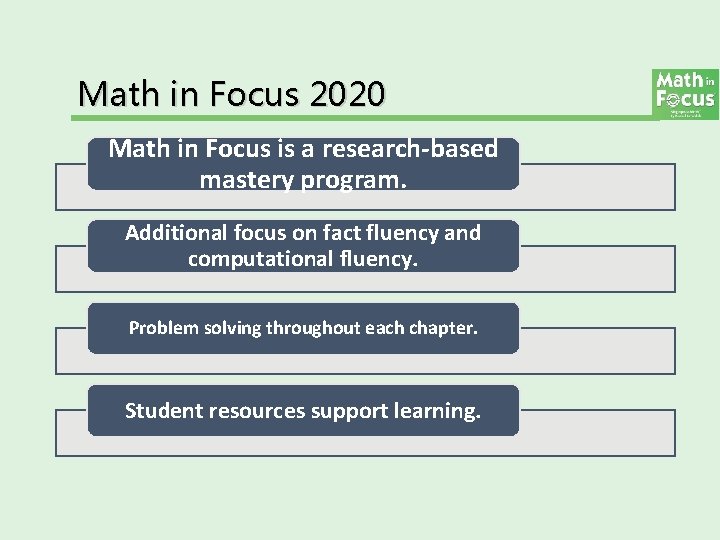
Math in Focus 2020 Math in Focus is a research-based mastery program. Additional focus on fact fluency and computational fluency. Problem solving throughout each chapter. Student resources support learning.
Reading Shared reading Great Habits, Good Readers series Read alouds/author studies Model comprehension strategies Independent reading “good fit” book
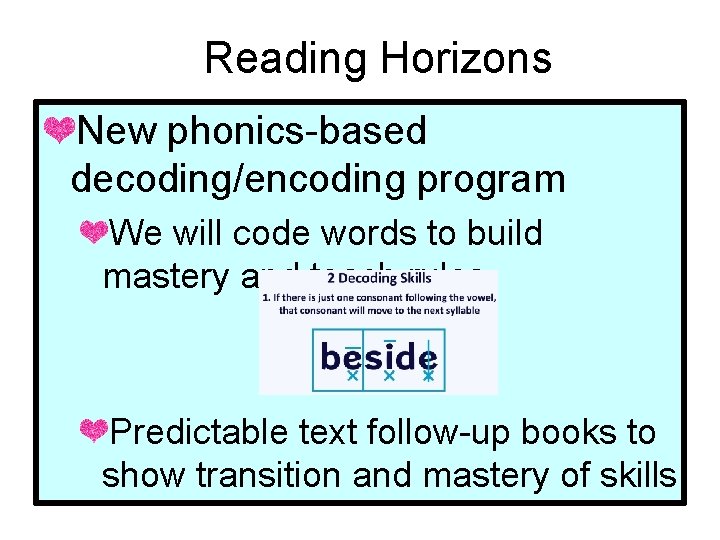
Reading Horizons New phonics-based decoding/encoding program We will code words to build mastery and teach rules Predictable text follow-up books to show transition and mastery of skills
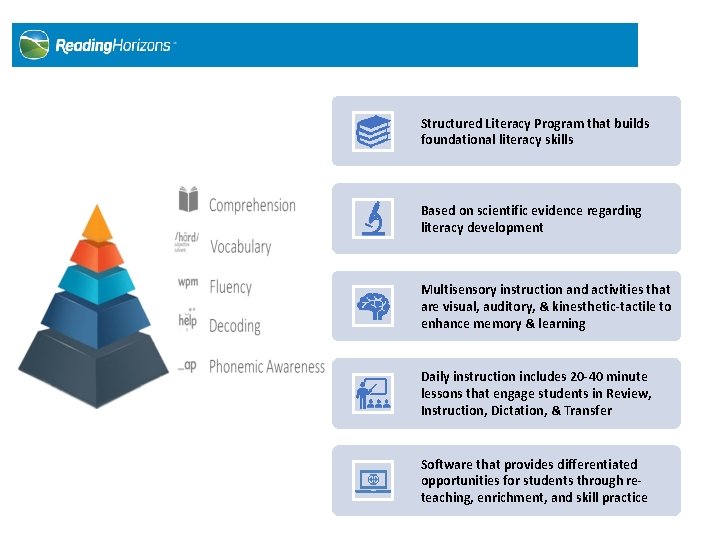
Structured Literacy Program that builds foundational literacy skills Based on scientific evidence regarding literacy development Multisensory instruction and activities that are visual, auditory, & kinesthetic-tactile to enhance memory & learning Daily instruction includes 20 -40 minute lessons that engage students in Review, Instruction, Dictation, & Transfer Software that provides differentiated opportunities for students through reteaching, enrichment, and skill practice
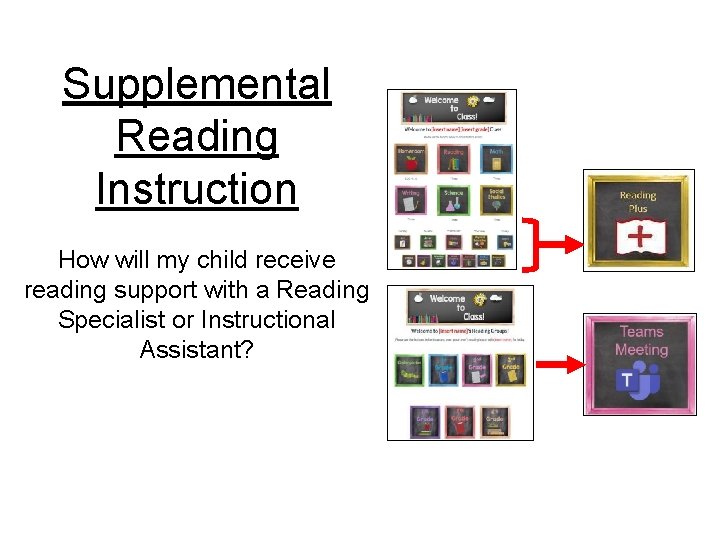
Supplemental Reading Instruction How will my child receive reading support with a Reading Specialist or Instructional Assistant?
Writing “workshop” approach Teacher provides mini-lessons to focus on grammar and writing technique Appropriate conventions in relation to what students have been taught (gradually increases as year progresses) Various genres focused on throughout the year
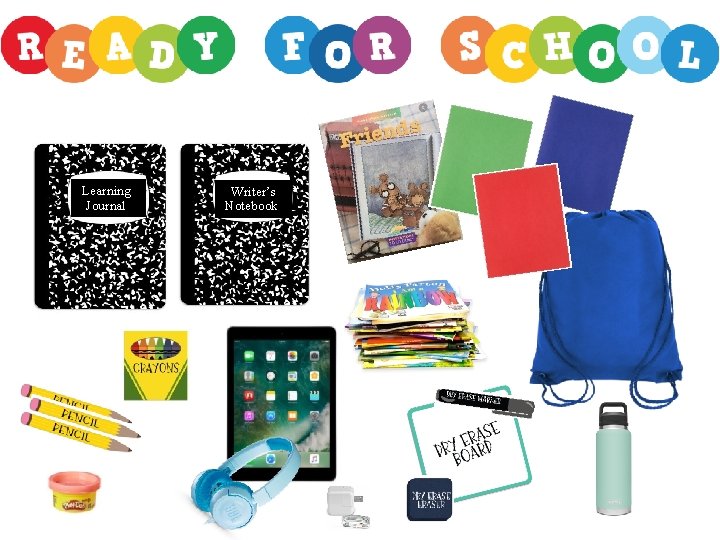
Learning Journal Writer’s Notebook
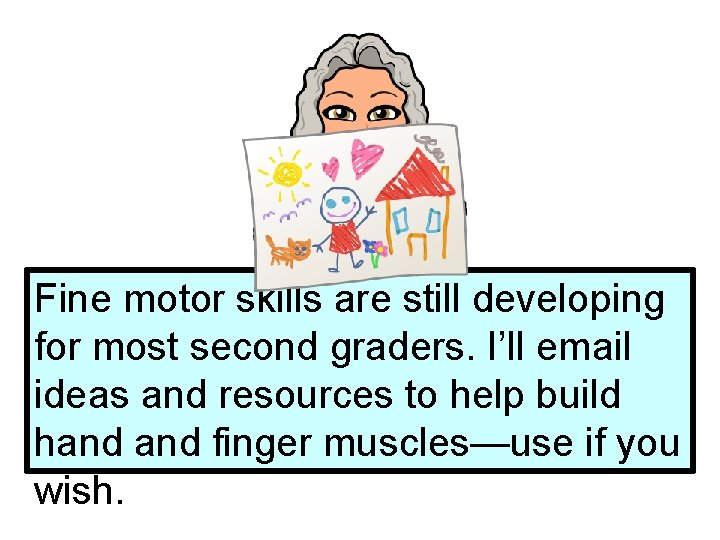
Fine motor skills are still developing for most second graders. I’ll email ideas and resources to help build hand finger muscles—use if you wish.
Tech Support Charging i. Pad (lunch & overnight) Reinstall apps if wonky Power down on Fridays Class. Link Privacy: pictures, video, mic Self-service app
Parent Portal Is your email address correct? Thursday folders are now digital only! Did you know that your child’s Reporting Student Progress document will be available on Parent Portal?
Contact Information Weekly class newsletter emailed on Monday afternoons Weekly school newsletter emailed on Fridays Email is best: jdixson@cbsd. org Please allow 24 hours for me to respond. *Parent info survey
The End Thank you for a great beginning to a most unusual school year. You are welcome to leave the meeting now. You can stay to ask questions using the mic. If you would prefer, you can also email me questions