
Welcome to Practices of Effective Language Teaching c



![[Part A] Your current outlook](https://slidetodoc.com/presentation_image_h2/48bc1d667dfa0dda5cacb452fdaa4393/image-18.jpg "[Part A] Your current outlook")
![[Part B] Your current attitude](https://slidetodoc.com/presentation_image_h2/48bc1d667dfa0dda5cacb452fdaa4393/image-19.jpg "[Part B] Your current attitude")
- Slides: 23
Welcome to Practices of Effective Language Teaching
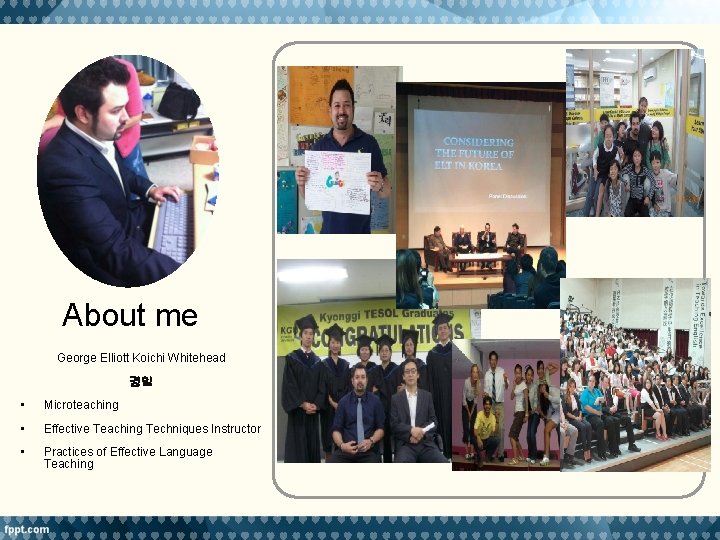
c About me George Elliott Koichi Whitehead 경일 • Microteaching • Effective Teaching Techniques Instructor • Practices of Effective Language Teaching
Associates of Arts BA Linguistics Certificate for Teaching ESL Linguistics MA TEFL/ TESOL c
My 14 Year Career The beginning…
My 14 Year Career continued. .
About the Course
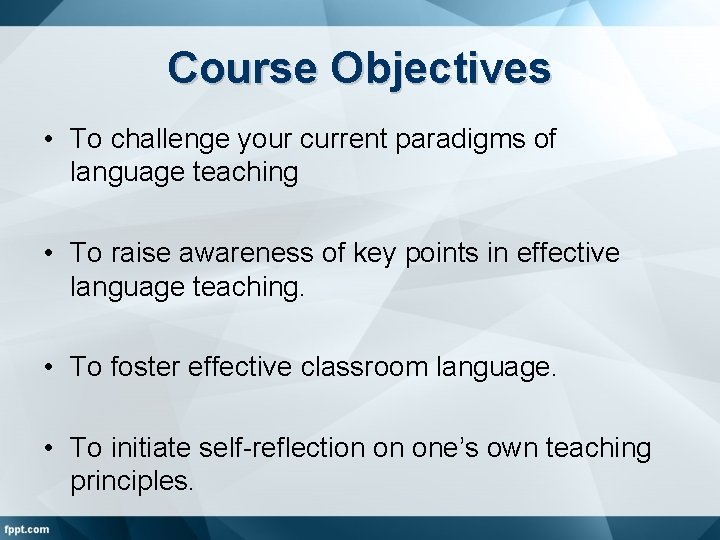
Course Objectives • To challenge your current paradigms of language teaching • To raise awareness of key points in effective language teaching. • To foster effective classroom language. • To initiate self-reflection on one’s own teaching principles.
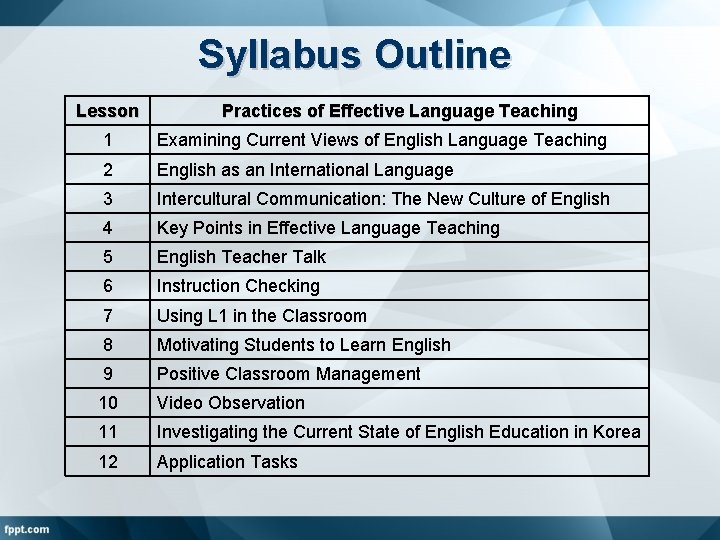
Syllabus Outline Lesson Practices of Effective Language Teaching 1 Examining Current Views of English Language Teaching 2 English as an International Language 3 Intercultural Communication: The New Culture of English 4 Key Points in Effective Language Teaching 5 English Teacher Talk 6 Instruction Checking 7 Using L 1 in the Classroom 8 Motivating Students to Learn English 9 Positive Classroom Management 10 Video Observation 11 Investigating the Current State of English Education in Korea 12 Application Tasks
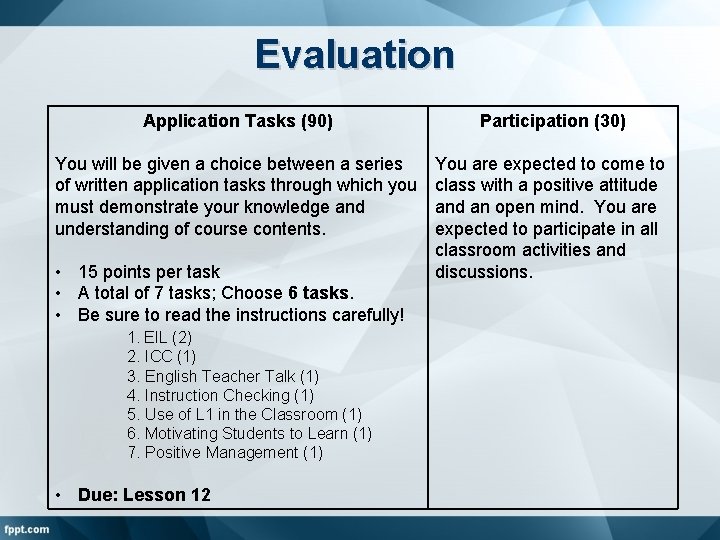
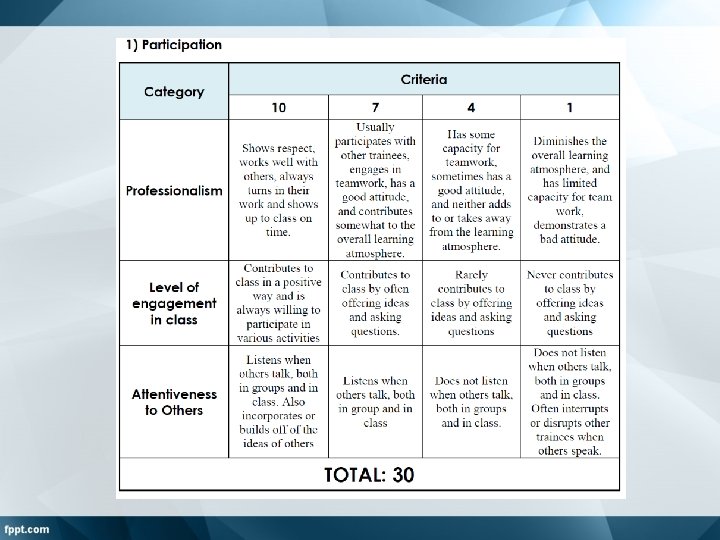
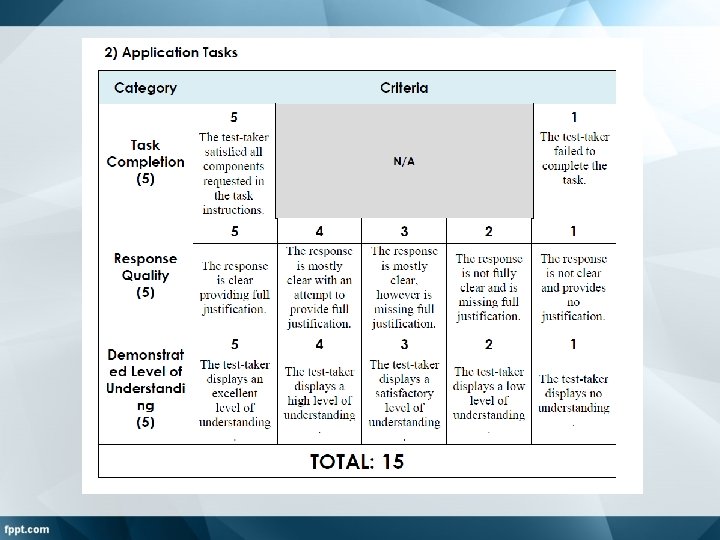
Evaluation Application Tasks (90) Participation (30) You will be given a choice between a series of written application tasks through which you must demonstrate your knowledge and understanding of course contents. You are expected to come to class with a positive attitude and an open mind. You are expected to participate in all classroom activities and discussions. • 15 points per task • A total of 7 tasks; Choose 6 tasks. • Be sure to read the instructions carefully! 1. EIL (2) 2. ICC (1) 3. English Teacher Talk (1) 4. Instruction Checking (1) 5. Use of L 1 in the Classroom (1) 6. Motivating Students to Learn (1) 7. Positive Management (1) • Due: Lesson 12
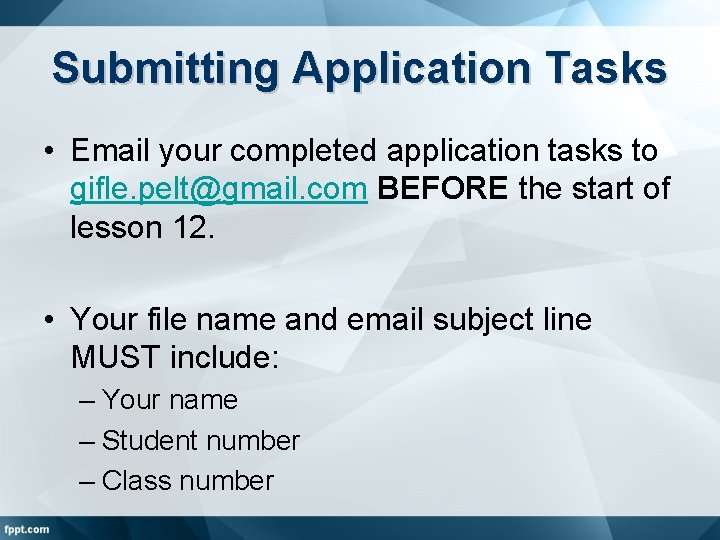
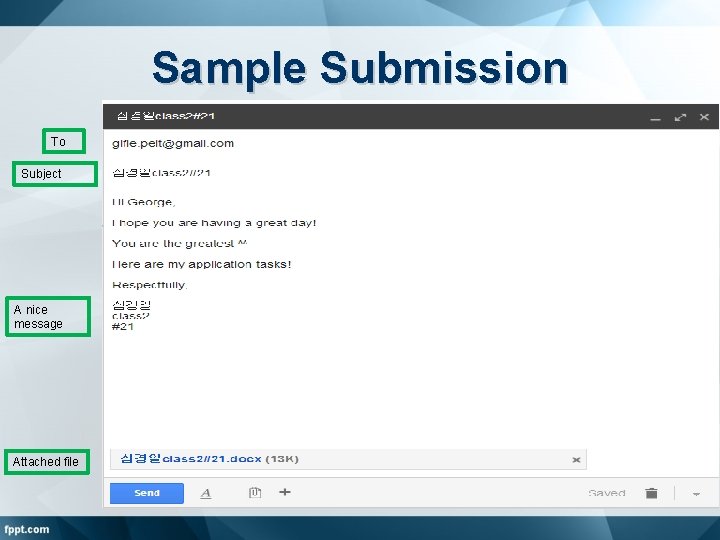
Submitting Application Tasks • Email your completed application tasks to gifle. pelt@gmail. com BEFORE the start of lesson 12. • Your file name and email subject line MUST include: – Your name – Student number – Class number
Sample Submission To Subject A nice message Attached file
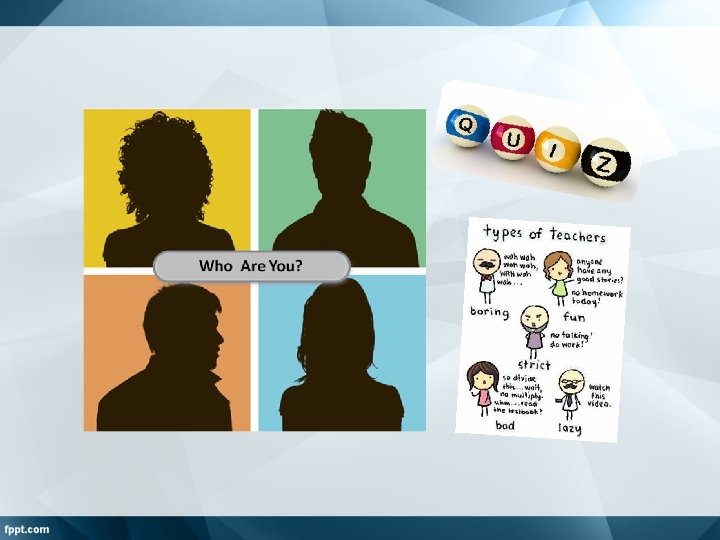
Identify Yourself!
Examining Current Views • Your current views and attitude determines what happens in your classroom. • This reflection is a starting point to help you consider ways in which you may become a more effective teacher.
QUIZ TIME
[Part A] Your current outlook
[Part B] Your current attitude
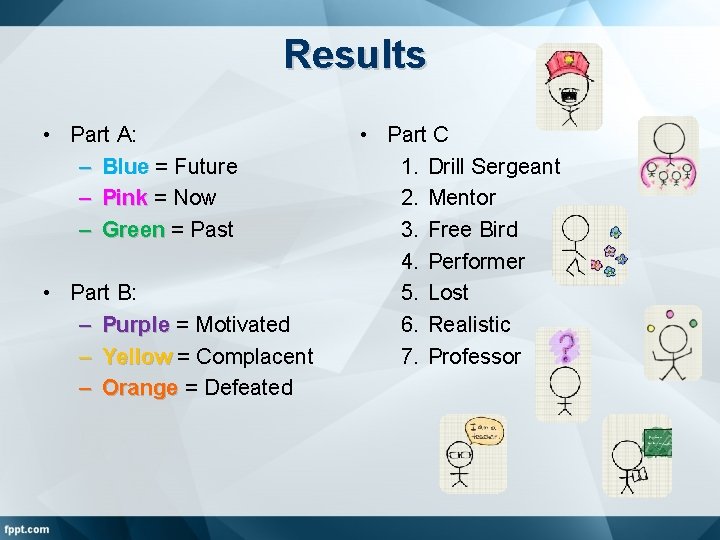
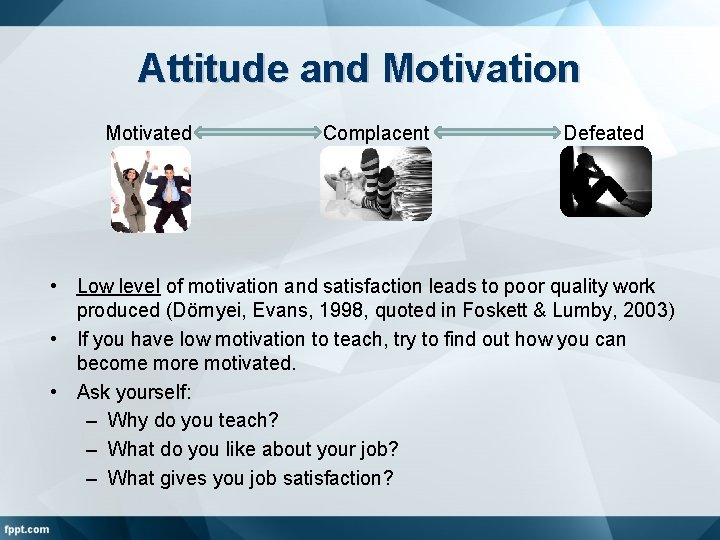
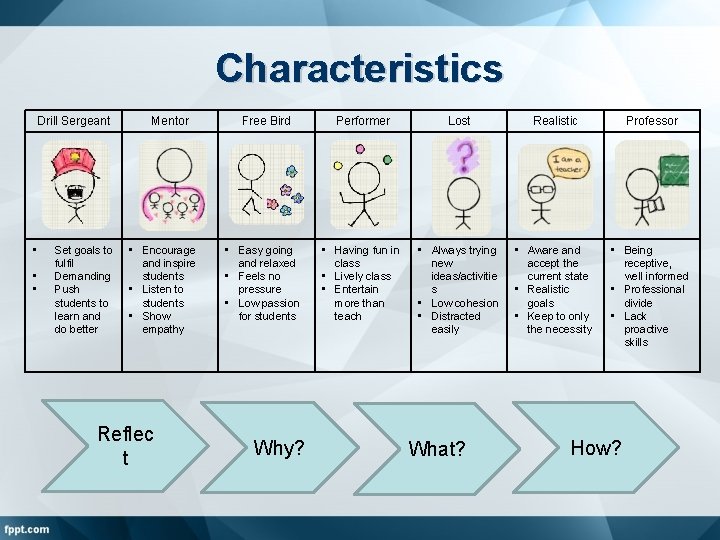
Results • Part A: – Blue = Future – Pink = Now – Green = Past • Part B: – Purple = Motivated – Yellow = Complacent – Orange = Defeated • Part C 1. Drill Sergeant 2. Mentor 3. Free Bird 4. Performer 5. Lost 6. Realistic 7. Professor
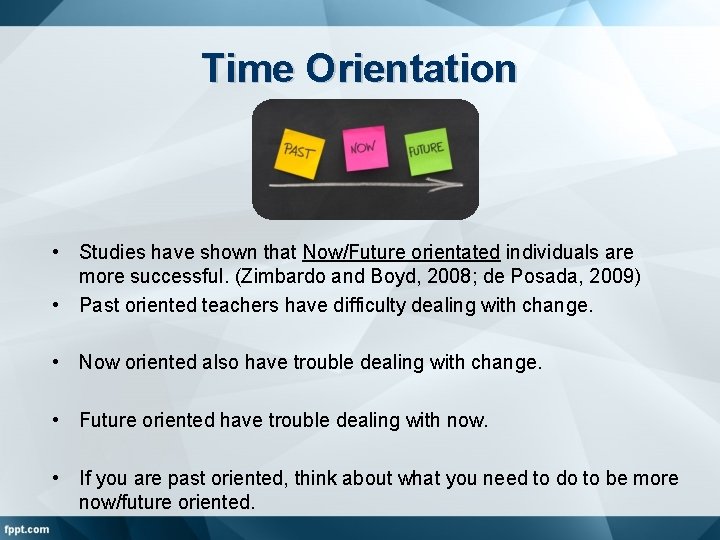
Time Orientation • Studies have shown that Now/Future orientated individuals are more successful. (Zimbardo and Boyd, 2008; de Posada, 2009) • Past oriented teachers have difficulty dealing with change. • Now oriented also have trouble dealing with change. • Future oriented have trouble dealing with now. • If you are past oriented, think about what you need to do to be more now/future oriented.
Attitude and Motivation Motivated Complacent Defeated • Low level of motivation and satisfaction leads to poor quality work produced (Dörnyei, Evans, 1998, quoted in Foskett & Lumby, 2003) • If you have low motivation to teach, try to find out how you can become more motivated. • Ask yourself: – Why do you teach? – What do you like about your job? – What gives you job satisfaction?
Characteristics Drill Sergeant • • • Set goals to fulfil Demanding Push students to learn and do better Mentor • Encourage and inspire students • Listen to students • Show empathy Reflec t Free Bird • Easy going and relaxed • Feels no pressure • Low passion for students Why? Performer Lost Realistic Professor • Having fun in class • Lively class • Entertain more than teach • Always trying new ideas/activitie s • Low cohesion • Distracted easily • Aware and accept the current state • Realistic goals • Keep to only the necessity • Being receptive, well informed • Professional divide • Lack proactive skills What? How?