
Welcome to Micro 22 Principles of Microbiology Tim
Welcome to Micro 22 Principles of Microbiology Tim K. Revell, Ph. D.
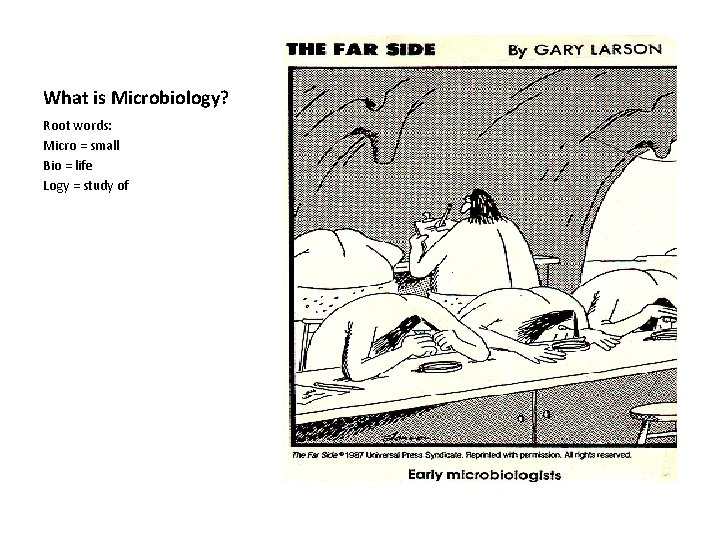
What is Microbiology? Root words: Micro = small Bio = life Logy = study of
Microorganisms (or Microbes) Organisms (living things) too small to be seen with the naked eye OR Organisms too small to be seen without a microscope
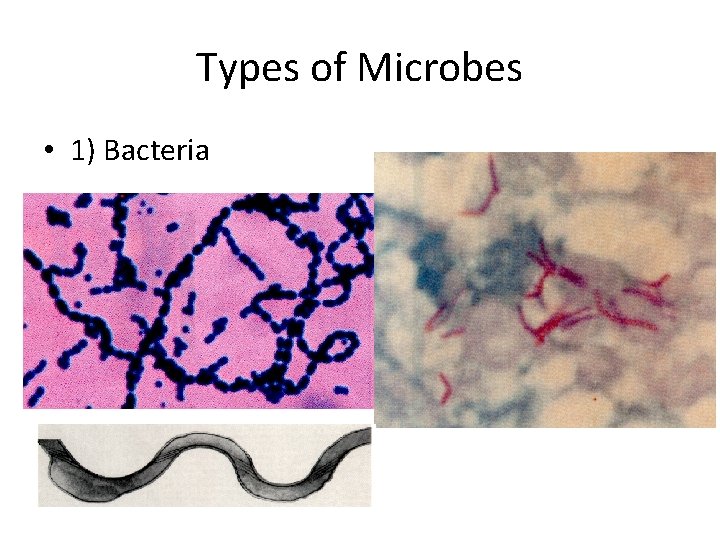
Types of Microbes • 1) Bacteria
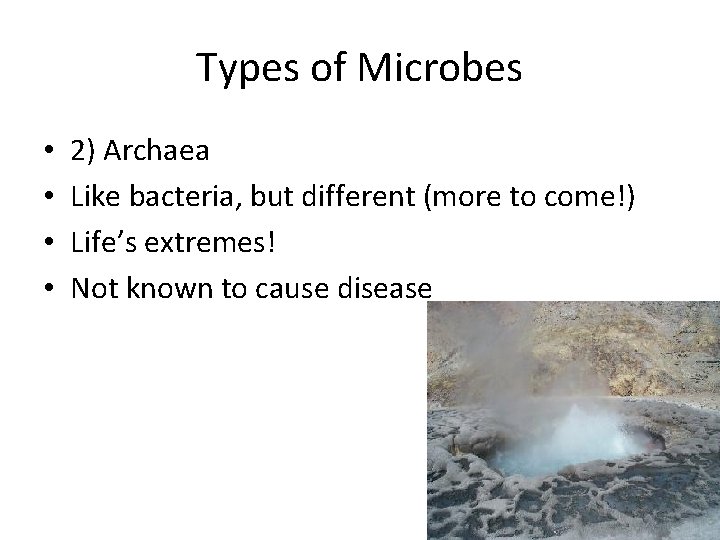
Types of Microbes • • 2) Archaea Like bacteria, but different (more to come!) Life’s extremes! Not known to cause disease
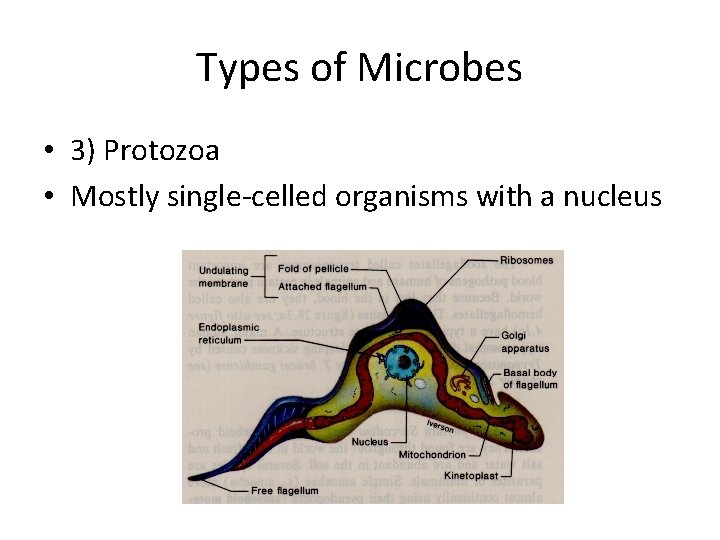
Types of Microbes • 3) Protozoa • Mostly single-celled organisms with a nucleus
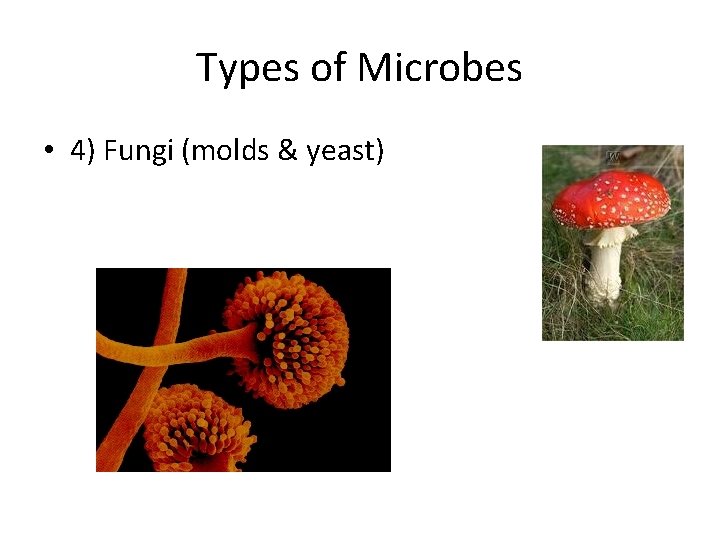
Types of Microbes • 4) Fungi (molds & yeast)
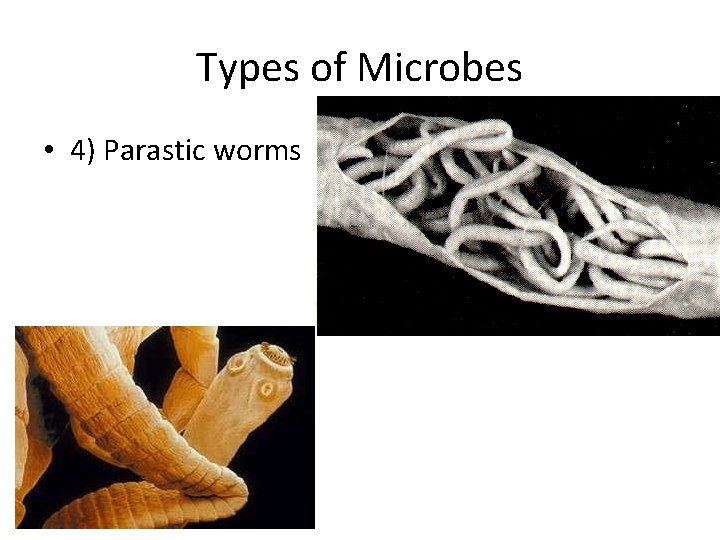
Types of Microbes • 4) Parastic worms
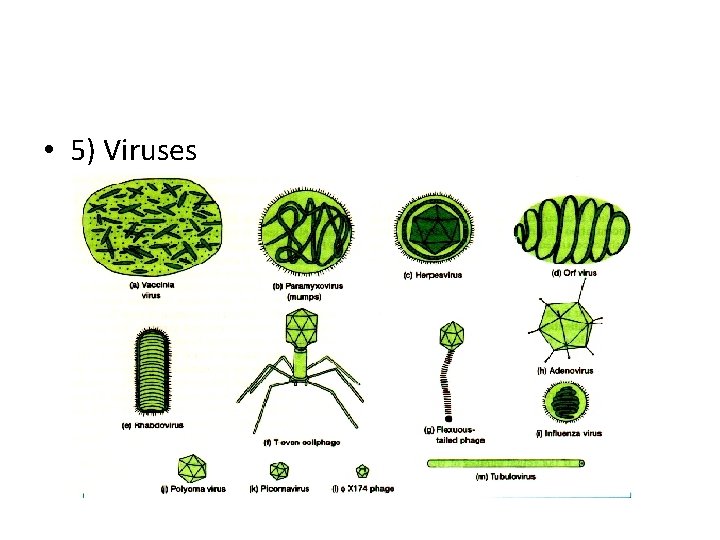
• 5) Viruses
But are microbes good or bad? Bad: Can cause illness Can damage food crops Good: Good microbes can defend against bad microbes Used in making yogurt, birth control pills, meat tenderizers 9 out of 10!
Field of Microbiology • • • A) Parasitology B) Immunology C) Bacteriology D) Mycology E) Virology F) Our emphasis will be on Medical Microbiology
Some terms we use… • Organisms: Any living thing • Microorganism: Any living that is generally microscopic in form • ______: Disease Causing organism or agent. • Words in RED are GREAT options for “fill-inthe-blank” types of questions!
More Terms!. . • _____: A state where the host (such as a human) harbors microbes that survive and multiply in or on body tissue. • _____: A process or event that results in any changes from the general state of good health. • ____________: the damaging result of infection caused by microbes • _______ disease causing ability OR the ability of a pathogen to gain entry to host tissues and bring about disease.

And yet, even more terms! • ______: Degree of pathogenicity or the degree to which a pathogen causes a disease. Example: Salmonella Estimated 2 -4 million cases/yr in U. S. Associated with raw meat, poultry, milk, dairy products, fish, eggs, coconut, frog legs, peanut butter, cocoa and chocolate, Pets! (such as turtles, other reptiles, dogs, cats, birds, pet food, treats)!
Changes in our understanding…. • ____________ - clusters of genes (genetic information) responsible for virulence can move a pathogenic strain into avirulent organism converting it into a pathogen!
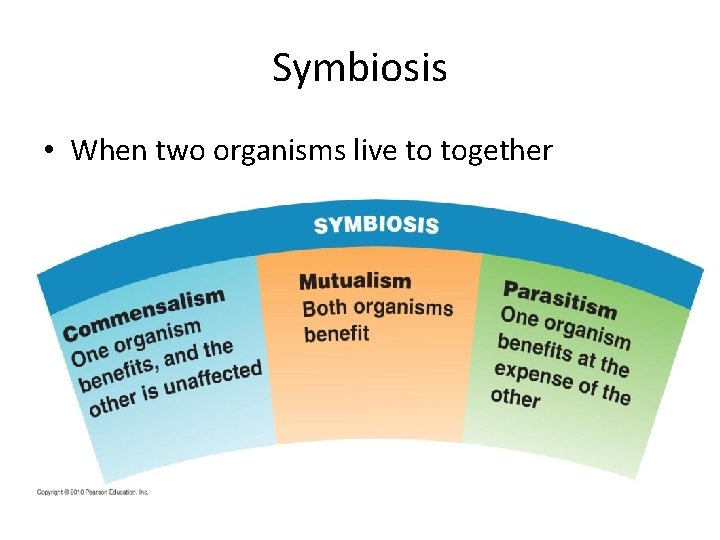
Symbiosis • When two organisms live to together
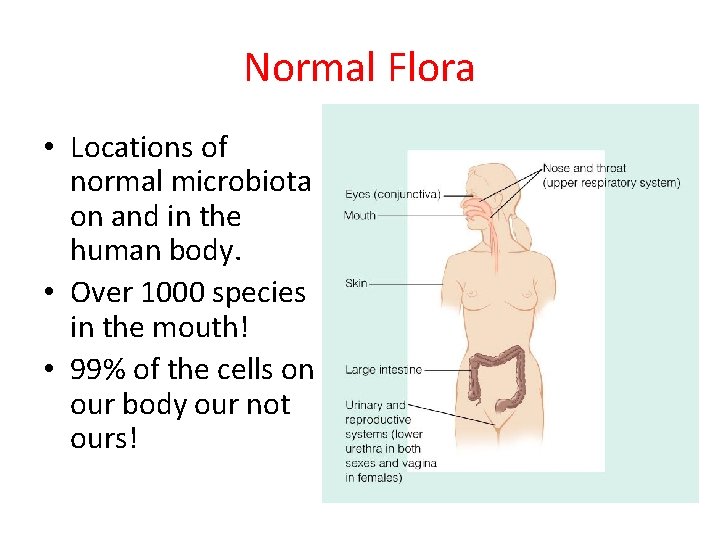
Normal Flora • Locations of normal microbiota on and in the human body. • Over 1000 species in the mouth! • 99% of the cells on our body our not ours!
Normal Microbiota and the host (you!) • Microbial antagonism is a competition between microbes • Normal microbiota protect you by: – Occupying niches that pathogens might occupy – Producing acids – Producing _______ (bacterial toxins that prevent the growth of other bacteria!) • ______ – live microbes applied to or ingested into the body • ______ – chemicals that promote bacterial growth.
Opportunistic Microbes • Normally do not cause disease… • But!. . . – Host becomes weakened • AIDS and Pneumocystis pneumonia – Microbes in a different environment • E. coli in food… – Cooperation among microbes • __________a disease caused by more than one organism (often are synergistic – one alters the environment for the other!)
Classifying Infectious Diseases • _______ a change in body function that is felt by a patient as a result of disease. • _______ a change in a body that can be measured or observed as a result of disease. • _____: A specific group of signs and symptoms that accompany a disease.
Occurrence of Disease • ______ The fraction of a population that contracts a disease during a specific time. – An indicator of the spread of a disease (RATE) • ______ The fraction of a population having a specific disease at a given time. – Regardless of when it first appeared – Takes into account both old an new cases (SNAPSHOT). INCIDENCE is more of a RATE at which a disease is spreading…. PREVALENCE is a measure of how widespread a disease is.
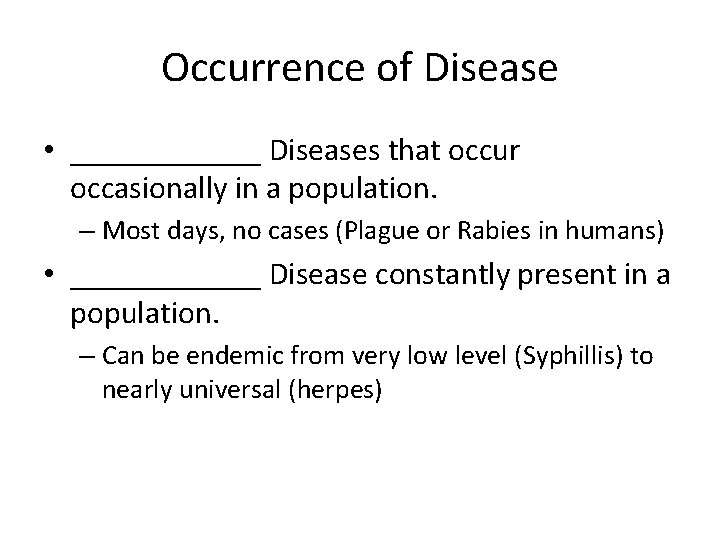
Occurrence of Disease • ______ Diseases that occur occasionally in a population. – Most days, no cases (Plague or Rabies in humans) • ______ Disease constantly present in a population. – Can be endemic from very low level (Syphillis) to nearly universal (herpes)
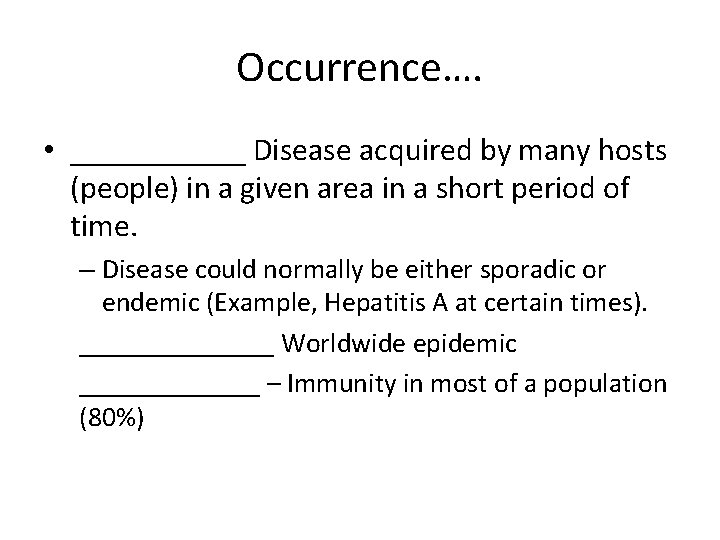
Occurrence…. • ______ Disease acquired by many hosts (people) in a given area in a short period of time. – Disease could normally be either sporadic or endemic (Example, Hepatitis A at certain times). _______ Worldwide epidemic _______ – Immunity in most of a population (80%)
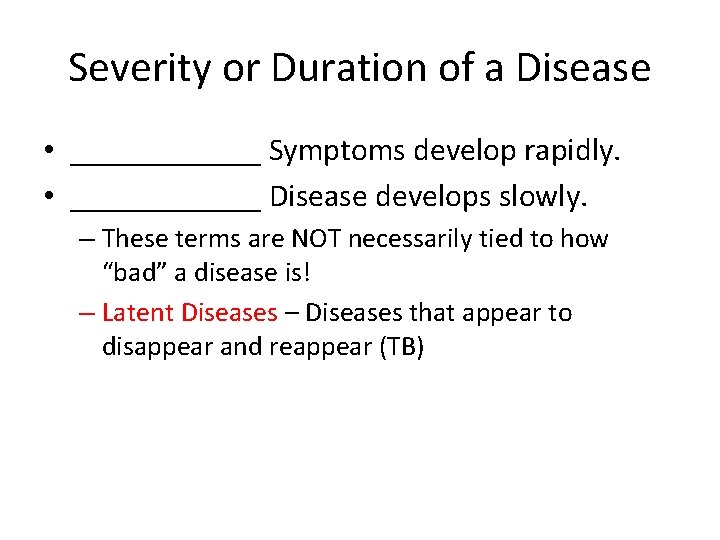
Severity or Duration of a Disease • ______ Symptoms develop rapidly. • ______ Disease develops slowly. – These terms are NOT necessarily tied to how “bad” a disease is! – Latent Diseases – Diseases that appear to disappear and reappear (TB)

Extent of Host Involvement • _______ Pathogens are limited to a small area of the body. • _______ An infection throughout the body. • _______ Systemic infections that began as local infection • ______ Bacteria in the blood • _______ Growth of bacteria in the blood.
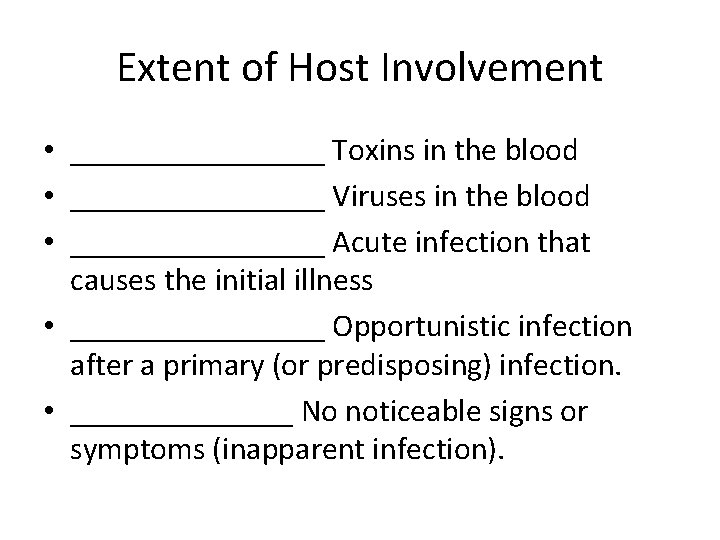
Extent of Host Involvement • ________ Toxins in the blood • ________ Viruses in the blood • ________ Acute infection that causes the initial illness • ________ Opportunistic infection after a primary (or predisposing) infection. • _______ No noticeable signs or symptoms (inapparent infection).
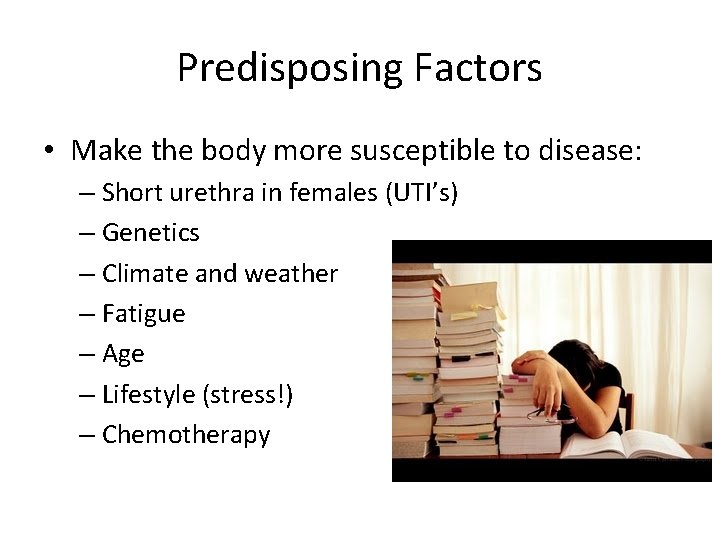
Predisposing Factors • Make the body more susceptible to disease: – Short urethra in females (UTI’s) – Genetics – Climate and weather – Fatigue – Age – Lifestyle (stress!) – Chemotherapy
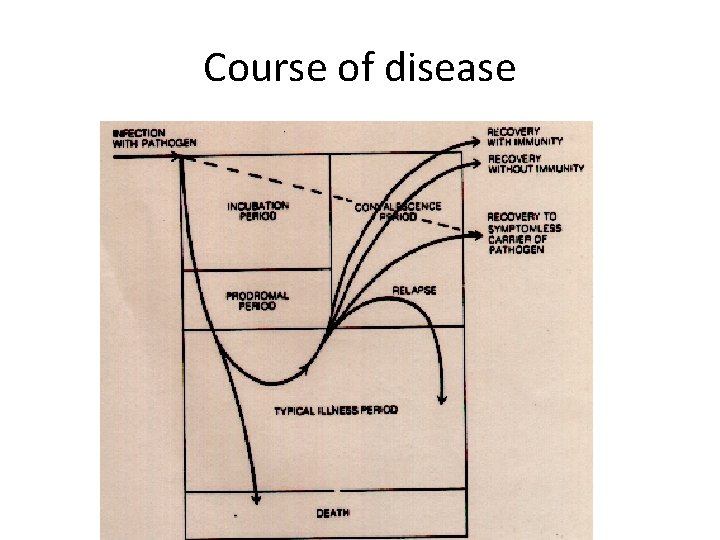
Course of disease
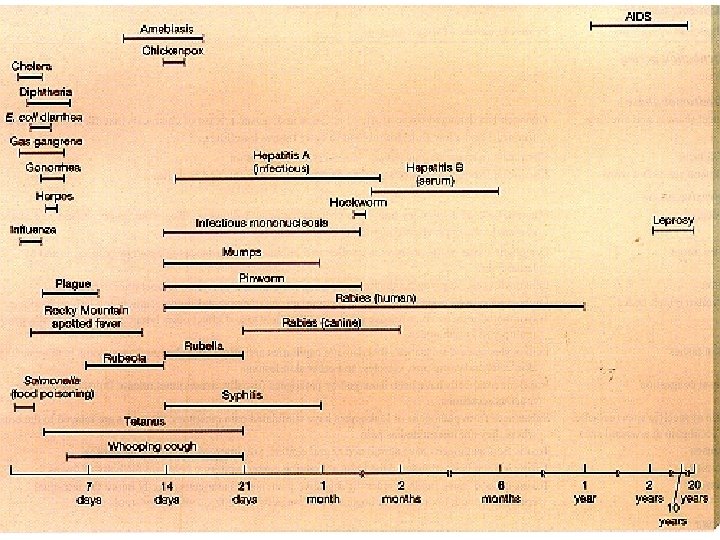
Great Essay Question! Course of Disease • 1)_______ Pathogen enters host body, overcomes host defenses, and initiates parasitism. • 2) _______ time between infection and appearance of first symptoms – Hours to years – Pathogen may be multiplying, adapting to new host, migrating through host body. This is OFTEN when pathogen is most contagious!
Course of Disease • 3)_______ Appearance of nonspecific symptoms (often fever, headache, malaise – Usually can not diagnose by prodromal symptoms • Contagious period: for many diseases, most contagious time is last half of incubation period and prodromal period.
Course of Disease • 4)__________ appearance of specific symptoms – May be specific enough to allow symptomatic diagnosis – Period of illness and period of decline • 5) ________ Period of recovery from illness – Some pathogens remain alive in body – Possibility of relapse (return of symptoms)
Course of disease • Level of recovery: • Recovery with immunity: will probably not have disease again (Chicken Pox) • Recovery without immunity: may have same disease again • Recovery as a carrier of pathogen – No symptoms, but shedding pathogen and able to infect other people – Carrier state may last from days to lifetime – May go directly from infection to carrier state!
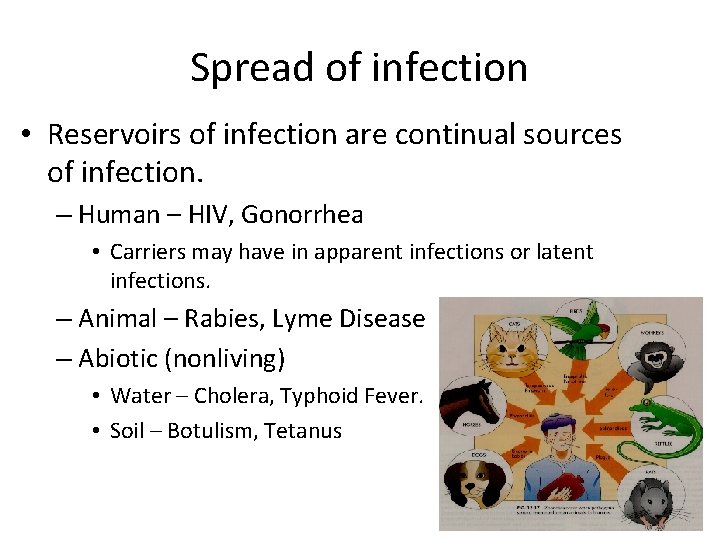
Spread of infection • Reservoirs of infection are continual sources of infection. – Human – HIV, Gonorrhea • Carriers may have in apparent infections or latent infections. – Animal – Rabies, Lyme Disease – Abiotic (nonliving) • Water – Cholera, Typhoid Fever. • Soil – Botulism, Tetanus
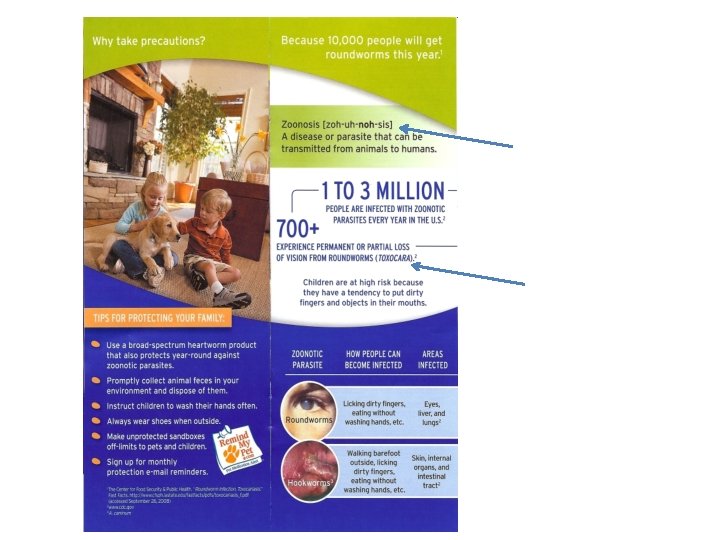
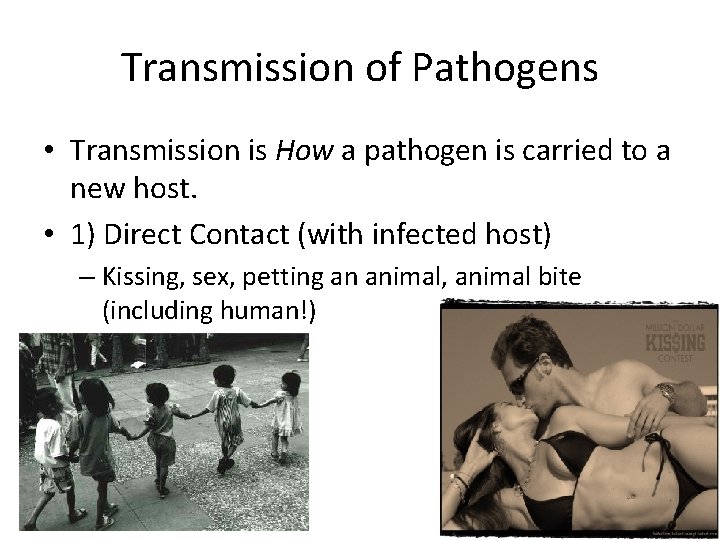
Transmission of Pathogens • Transmission is How a pathogen is carried to a new host. • 1) Direct Contact (with infected host) – Kissing, sex, petting an animal, animal bite (including human!)
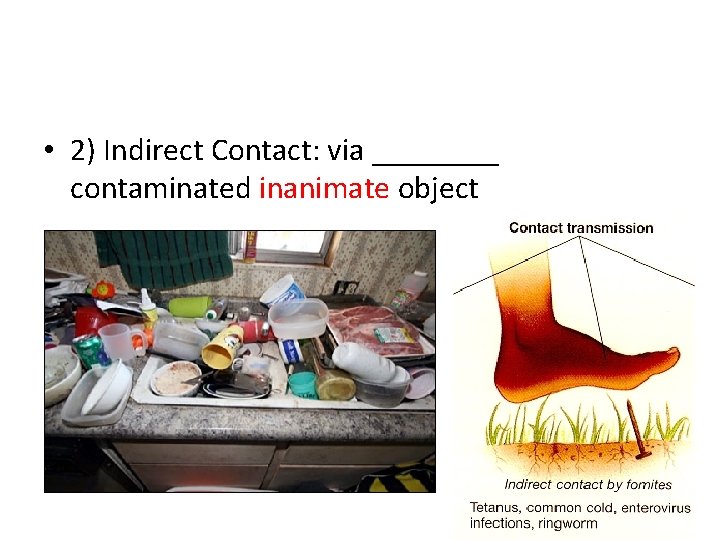
• 2) Indirect Contact: via ____ contaminated inanimate object
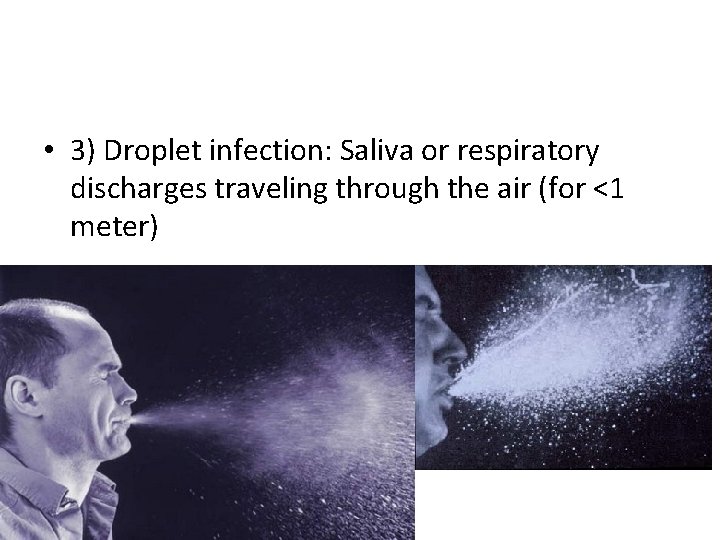
• 3) Droplet infection: Saliva or respiratory discharges traveling through the air (for <1 meter)
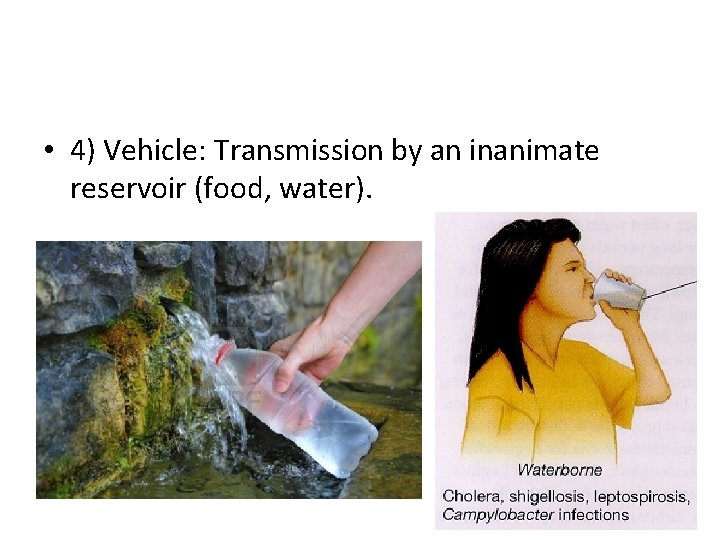
• 4) Vehicle: Transmission by an inanimate reservoir (food, water).
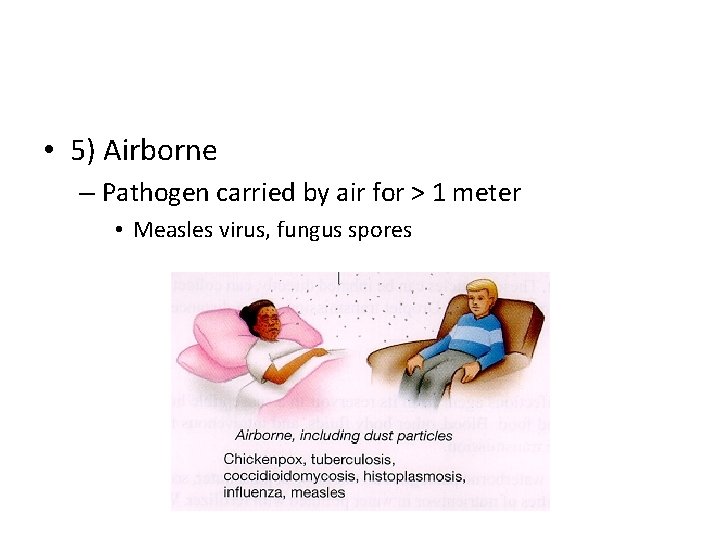
• 5) Airborne – Pathogen carried by air for > 1 meter • Measles virus, fungus spores
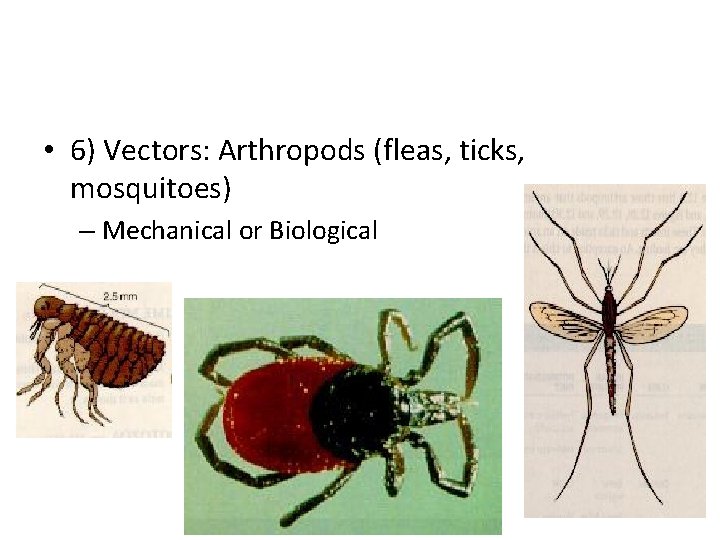
• 6) Vectors: Arthropods (fleas, ticks, mosquitoes) – Mechanical or Biological
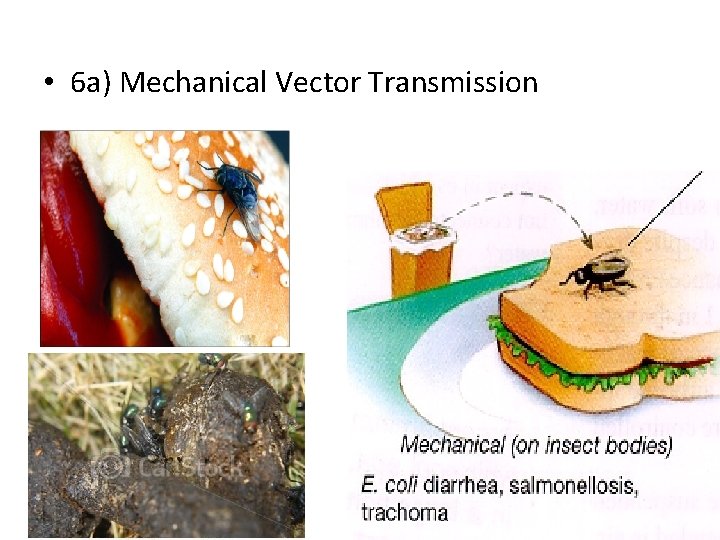
• 6 a) Mechanical Vector Transmission
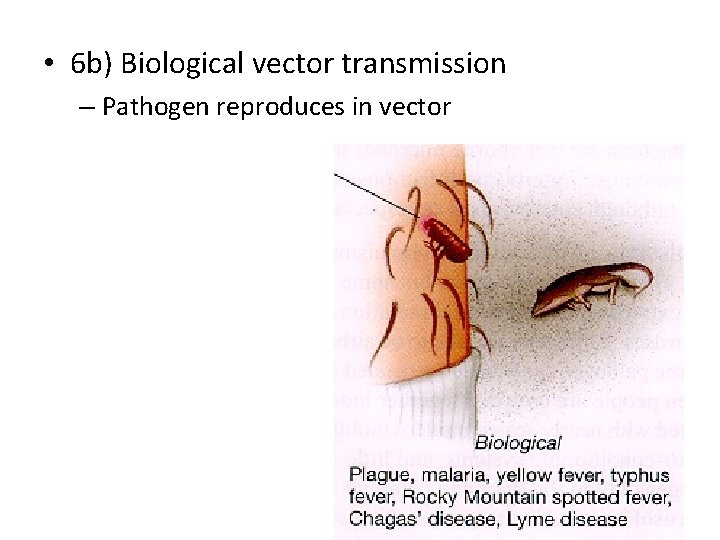
• 6 b) Biological vector transmission – Pathogen reproduces in vector
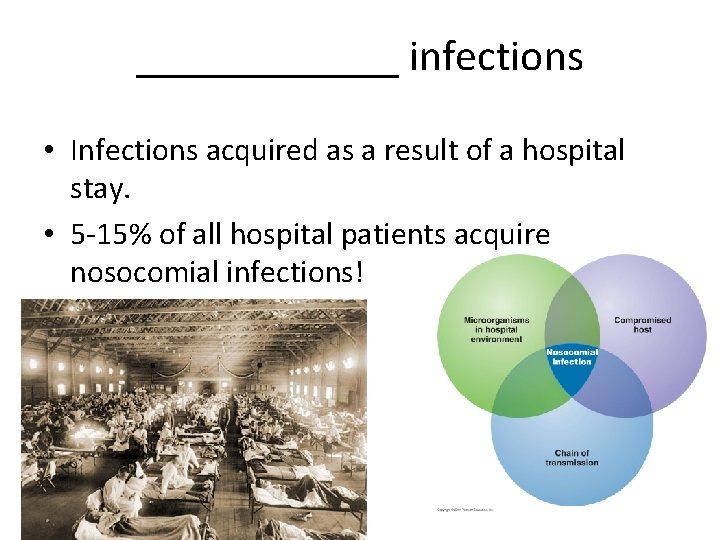
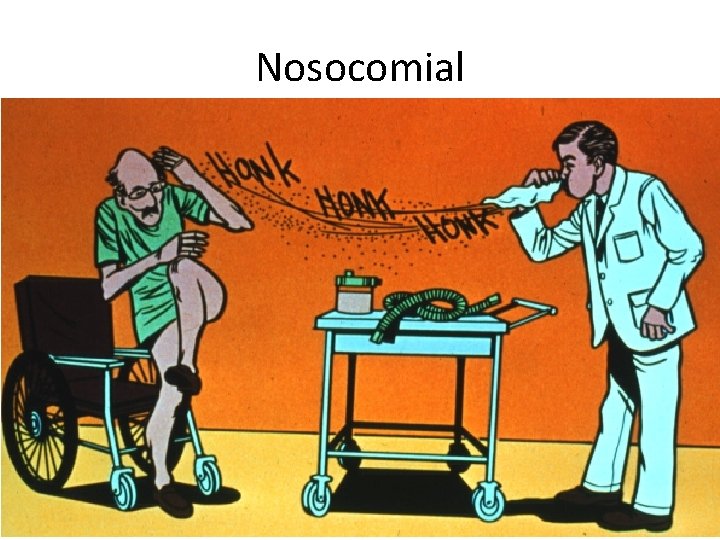
______ infections • Infections acquired as a result of a hospital stay. • 5 -15% of all hospital patients acquire nosocomial infections!
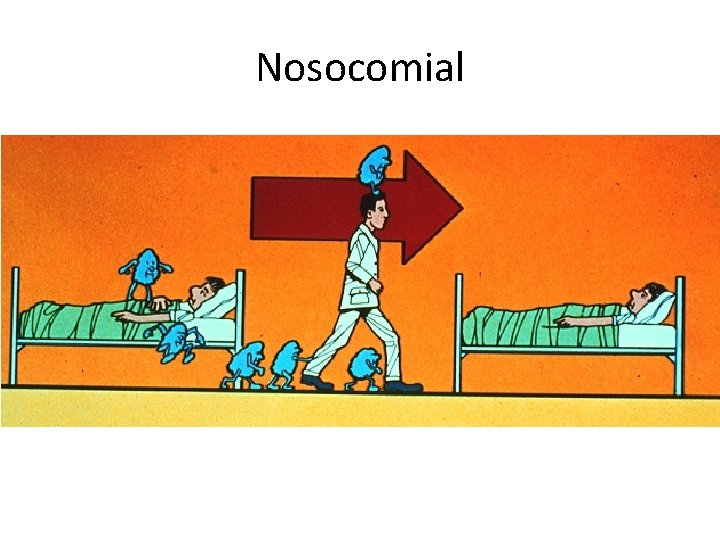
Nosocomial
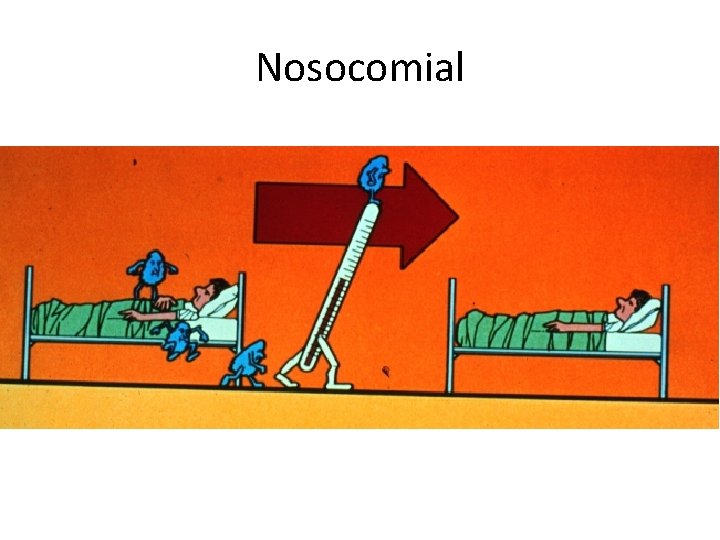
Nosocomial
Nosocomial
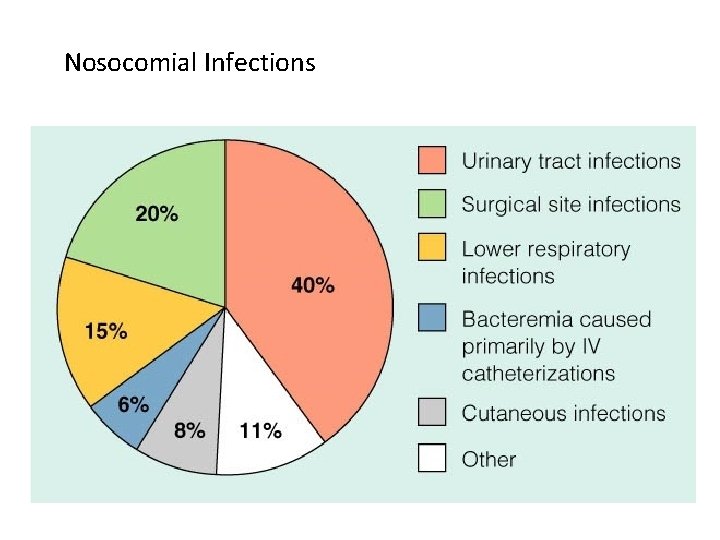
Nosocomial Infections
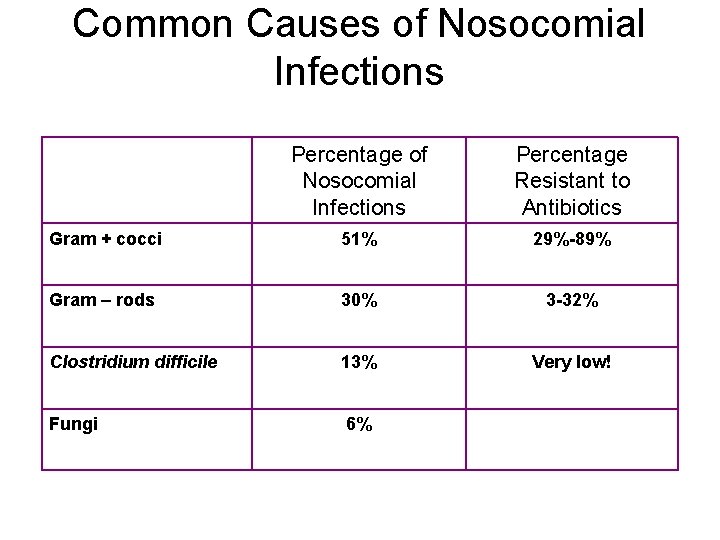
Common Causes of Nosocomial Infections Percentage Resistant to Antibiotics Gram + cocci 51% 29%-89% Gram – rods 30% 3 -32% Clostridium difficile 13% Very low! Fungi 6%
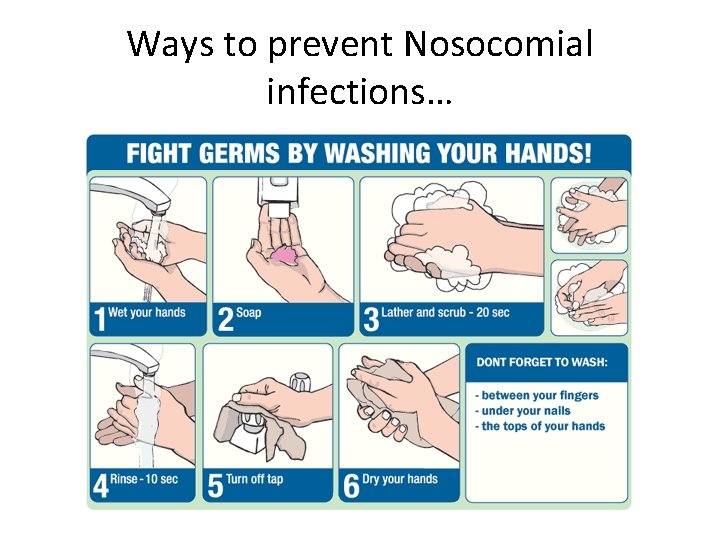
Ways to prevent Nosocomial infections…
Emerging Infectious Diseases • Diseases that are new, increasing in incidence, or showing a potential to increase in the near future. • Contributing factors – Genetic recombination • E. coli 0157, Avian influenza (H 5 N 1), Swine Flu (H 1 N 1) – Evolution of new strains • V. cholerae 0139 – Inapproriate use of antibiotics and pesticides • Antibiotic resistant strains
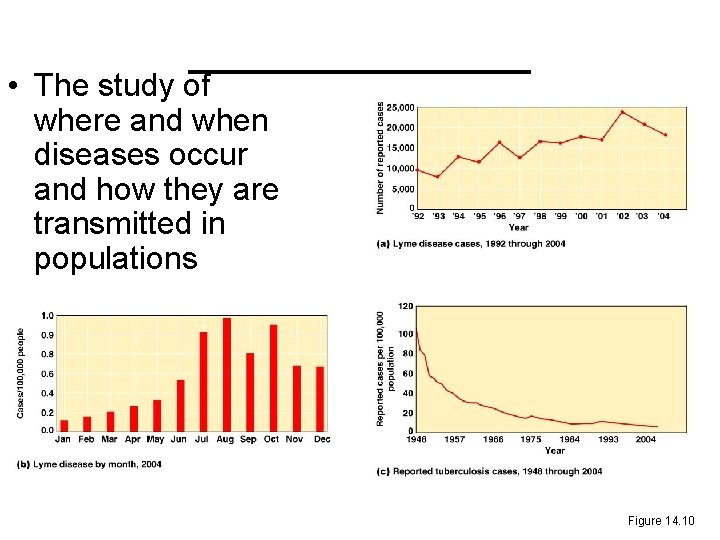
_______ • The study of where and when diseases occur and how they are transmitted in populations Figure 14. 10
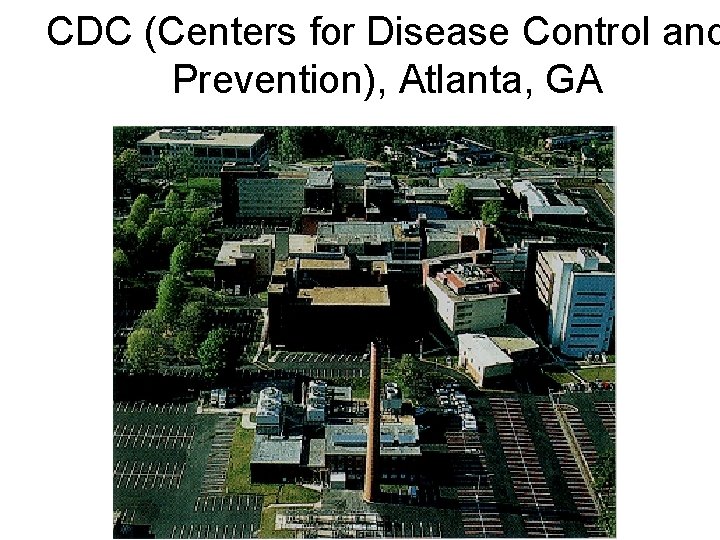
CDC (Centers for Disease Control and Prevention), Atlanta, GA
Centers for Disease Control and Prevention (CDC) • ______: Incidence of a specific notifiable disease. • Mortality: Deaths from notifiable diseases. • Morbidity rate: Number of people affected in relation to the total population in a given time period. • Mortality rate: Number of deaths from a disease in relation to the population in a given time.
Centers for Disease Control and Prevention (CDC) • Collects and analyzes epidemiological information in the United States. • Publishes Morbidity and Mortality Weekly Report (MMWR) www. cdc. gov
Microbial world defined by cell type • Cell= the fundamental unit of all life and carries out all basic functions of living things. • Two Types: – _______ cells such as bacteria and archaea that have single circular chromosome, ribosomes, but no membrane bound organelles. Usually small. – _______ cells such as fungi, worms, animals, plants that have chromosomes enclosed by a nuclear envelope, ribosomes and membrane bound organelles such as mitochondria. Usually larger.
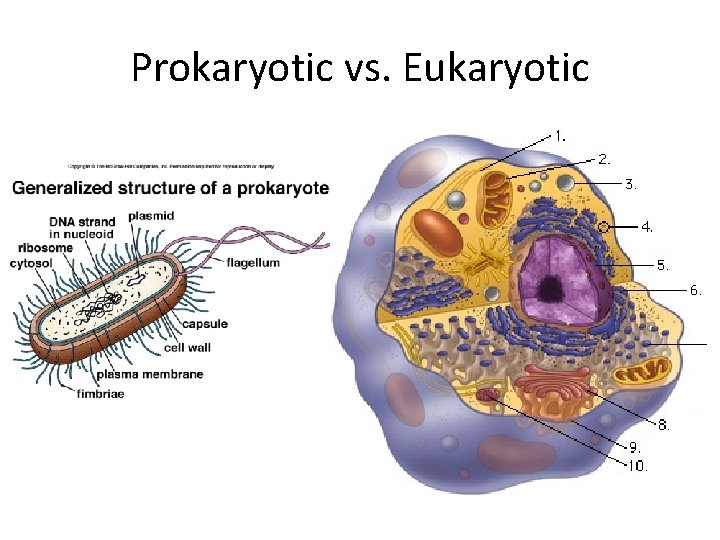
Prokaryotic vs. Eukaryotic
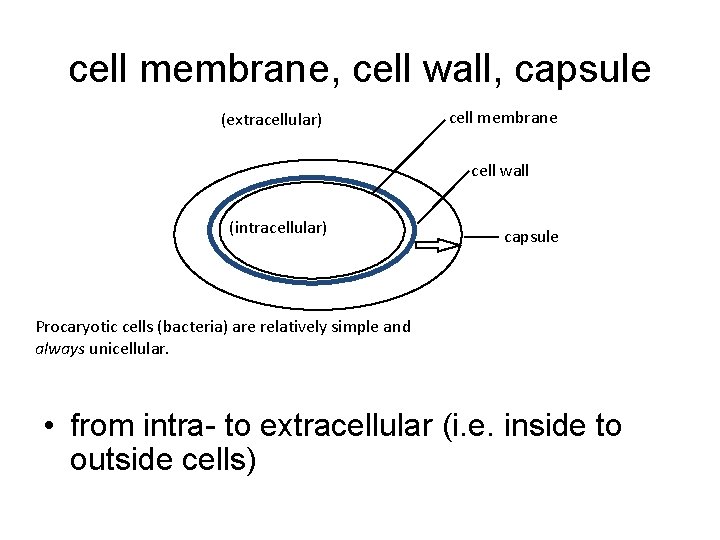
cell membrane, cell wall, capsule (extracellular) cell membrane cell wall (intracellular) capsule Procaryotic cells (bacteria) are relatively simple and always unicellular. • from intra- to extracellular (i. e. inside to outside cells)
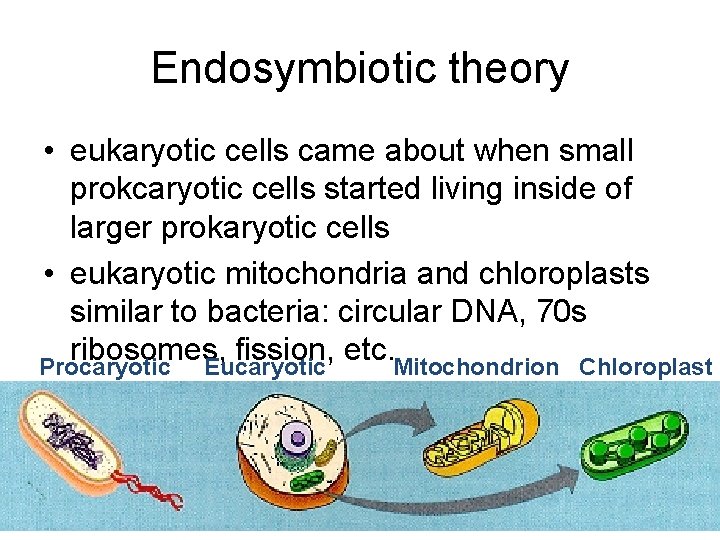
Endosymbiotic theory • eukaryotic cells came about when small prokcaryotic cells started living inside of larger prokaryotic cells • eukaryotic mitochondria and chloroplasts similar to bacteria: circular DNA, 70 s ribosomes, fission, etc. Mitochondrion Chloroplast Procaryotic Eucaryotic
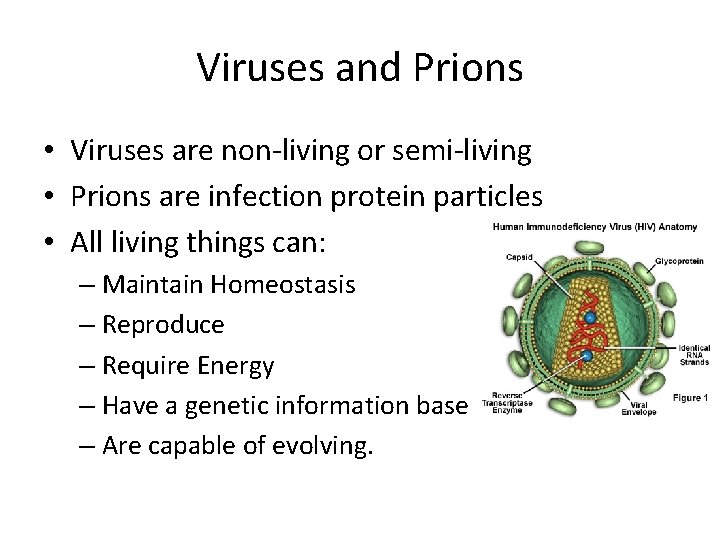
Viruses and Prions • Viruses are non-living or semi-living • Prions are infection protein particles • All living things can: – Maintain Homeostasis – Reproduce – Require Energy – Have a genetic information base – Are capable of evolving.
Classifying Organisms • 1. The # and type of cells present. – Cell type is based on complexity, presence or absence of a cell wall.
Criterion 2: Modes of nutrition • Nutrition refers to the means by which an organism obtains matter (e. g. for growth and repair) and energy (which drives life’s processes). • Sources of matter include 2 types: • organic: molecule containing both carbon and hydrogen e. g. CH 4, C 6 H 12 O 6 • inorganic: molecule not containing both C and H (could have one or the other or neither) e. g. Na. Cl, H 2 O, CO 2 • In addition, energy may be obtained from light or chemical sources.
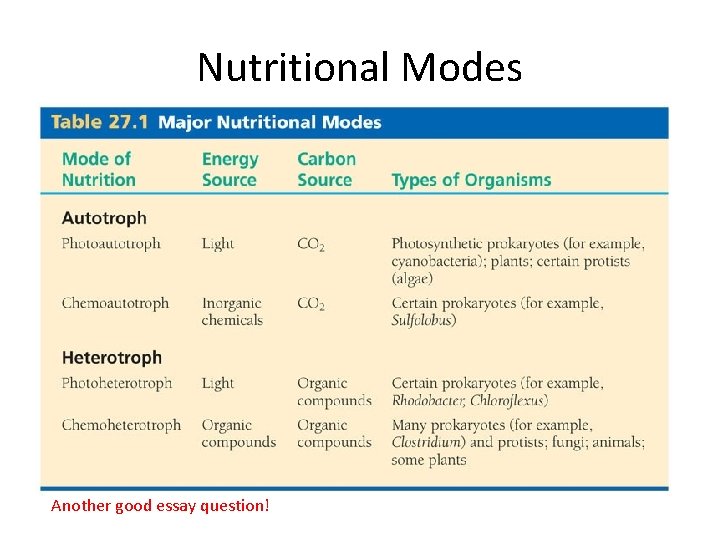
Nutritional Modes Another good essay question!
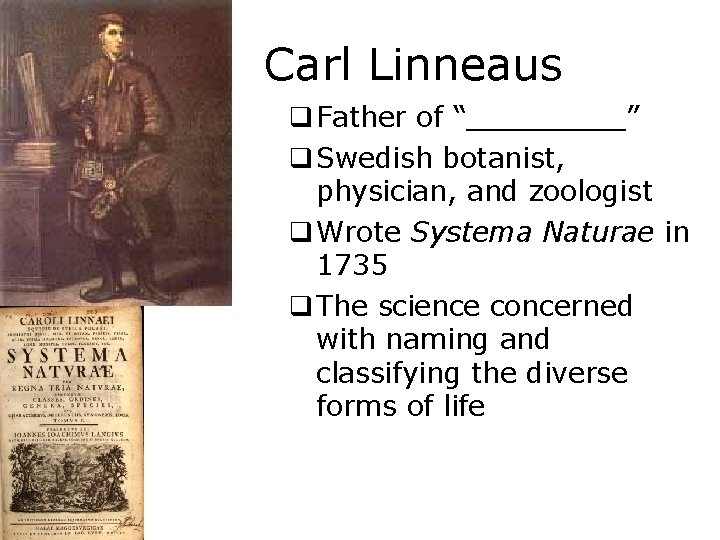
Carl Linneaus q Father of “_____” q Swedish botanist, physician, and zoologist q Wrote Systema Naturae in 1735 q The science concerned with naming and classifying the diverse forms of life
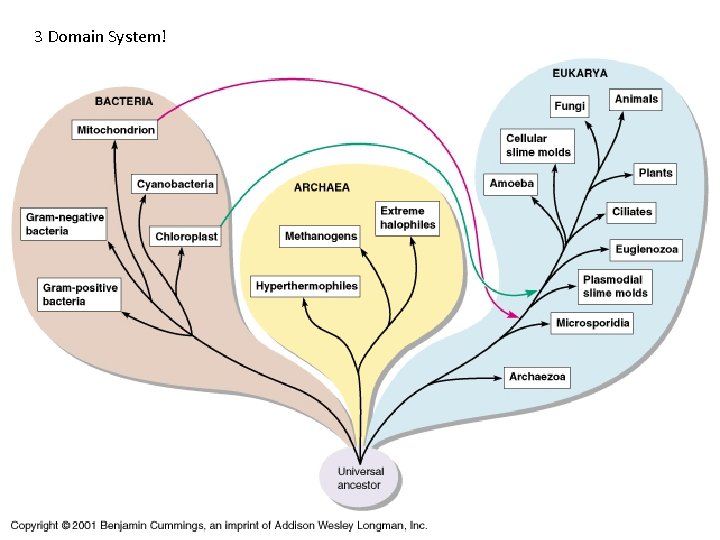
3 Domain System! Figure 10. 1
The Species Concept • 1. a group of individuals capable of mating and producing fertile offspring (or) • 2. a basic kind of organism • 3. Often has issues (particularly with bacteria!)
Genus • • • a group of closely related species; e. g. Clostridium tetani Clostridium botulinum Clostridium perfringens members of a genus will be the same in most respects; different in a few specific ways placement in a genus is “a matter of opinion” – species are moved from genus to genus – Neisseria catarrhalis became Branhamella catarrhalis and is now Moraxella catarrhalis – Streptococcus lactis now Lactococcus (Streptococcus) lactis – Was based on shared properties vs. now evolutionary relationships
Some abbreviations • sp. Refers to species in singular. Often used to refer to an unknown species of a known genus, e. g. Mycobacterium sp. • spp. Refers to species in plural. Often used to refer to all members of a genus, e. g. Mycobacterium spp.
Subspecific levels of classification • subspecies: group within a species, usually defined by visible traits; different subspecies usually live in different areas • strain: group within a species, usually defined by physiological traits • clone: group of organisms all derived from a single cell. All cells in the clone should be identical. However in some cases this isn’t so, and each such group is called a strain. • E. g. E. coli 0157: H 7 • E. g. Vibrio cholerae classic & Vibrio cholerae El Tor • Subspecies, strain, serotype morpho type and variety are terms used

Populations • A group of individuals capable of reproducing (a species) that occupy the same place and time. • IMPORTANT for understanding evolution (genetic change in a group of organism over time).
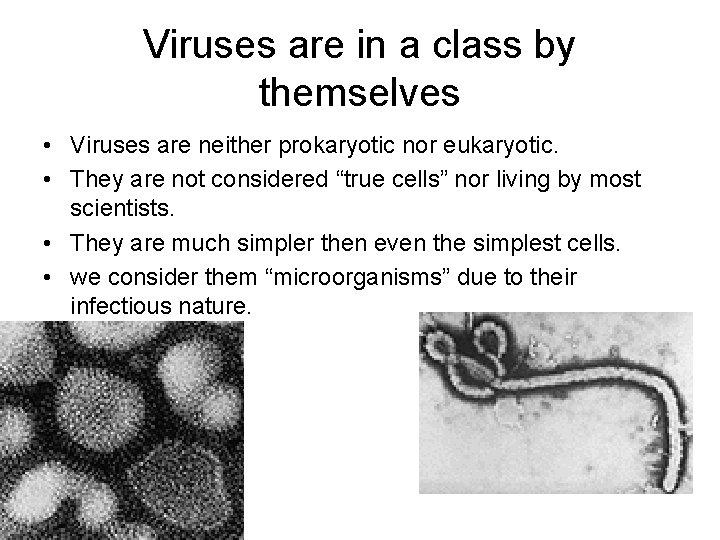
Viruses are in a class by themselves • Viruses are neither prokaryotic nor eukaryotic. • They are not considered “true cells” nor living by most scientists. • They are much simpler then even the simplest cells. • we consider them “microorganisms” due to their infectious nature.
- Slides: 71