
Welcome to Kindergarten Everett Public Schools 2017 Welcome
Welcome to Kindergarten Everett Public Schools 2017

Welcome to School Name
Kindergarten begins with our families The first three days of school have been set aside for teachers to meet individually with each child and family. • An appointment will be scheduled to meet with your teacher. • Family meetings will be held at your student’s school. • Kindergarten students’ first day of school is Monday, September 11, 2017.
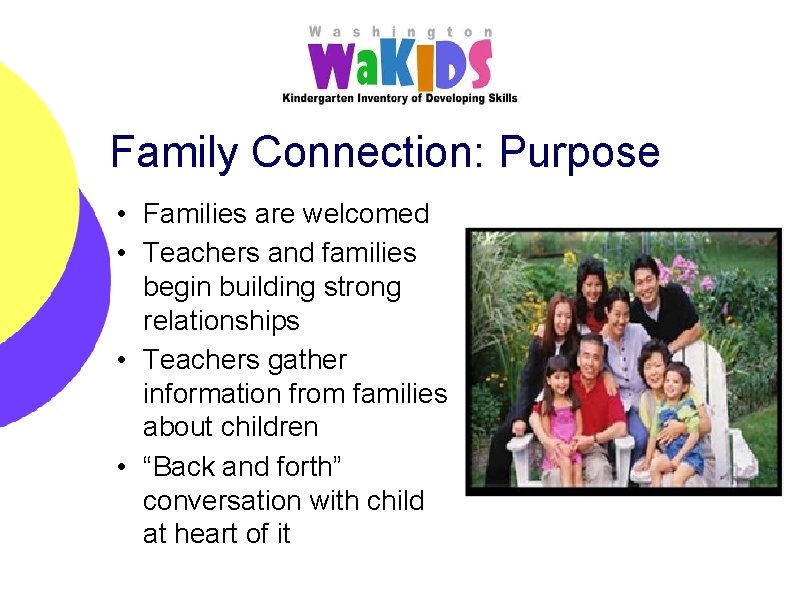
Family Connection: Purpose • Families are welcomed • Teachers and families begin building strong relationships • Teachers gather information from families about children • “Back and forth” conversation with child at heart of it
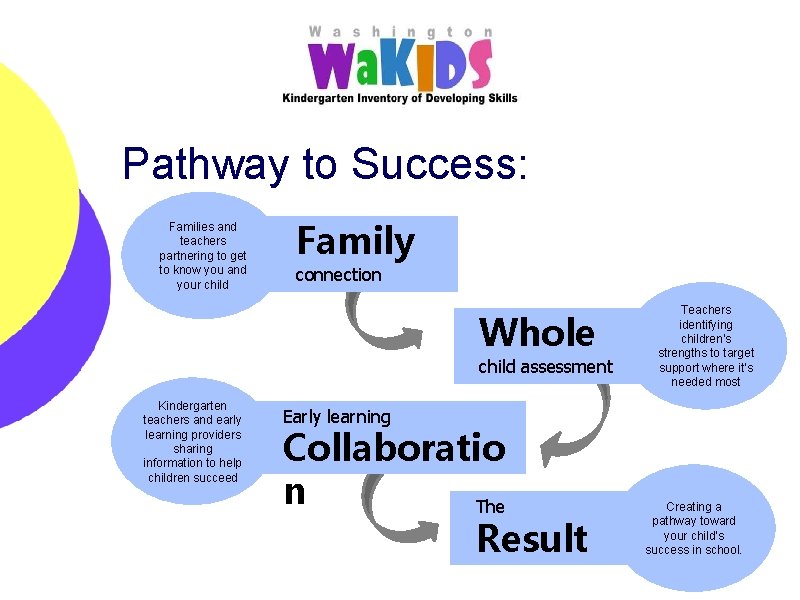
Pathway to Success: Families and teachers partnering to get to know you and your child Family connection Whole child assessment Kindergarten teachers and early learning providers sharing information to help children succeed Teachers identifying children’s strengths to target support where it’s needed most Early learning Collaboratio n The Result Creating a pathway toward your child’s success in school.
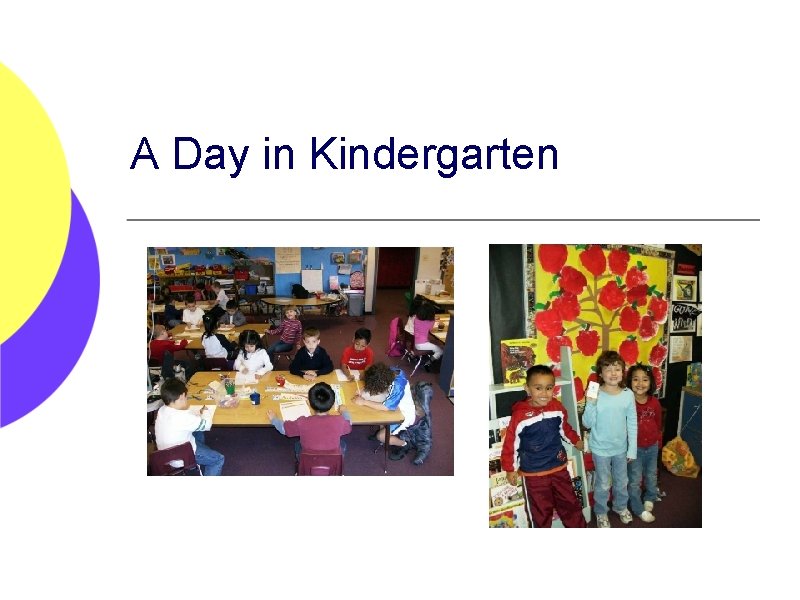
A Day in Kindergarten
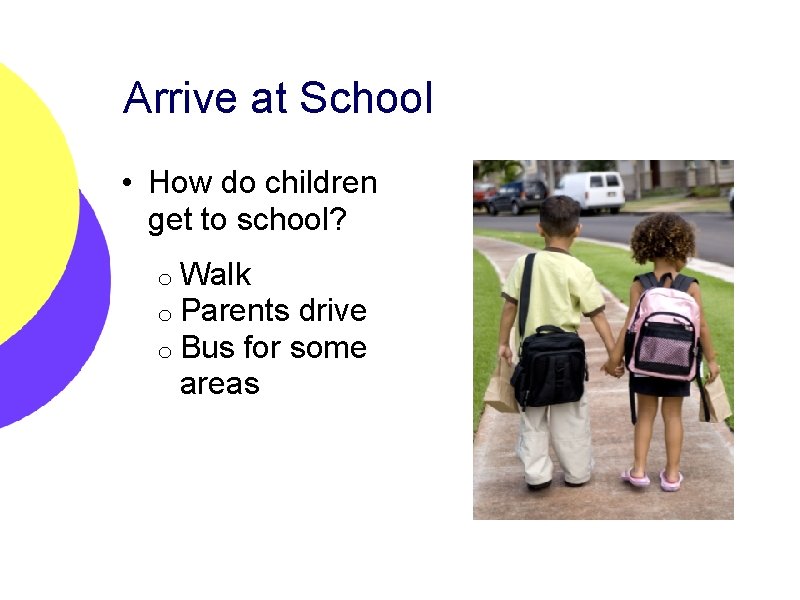
Arrive at School • How do children get to school? o Walk o Parents drive o Bus for some areas
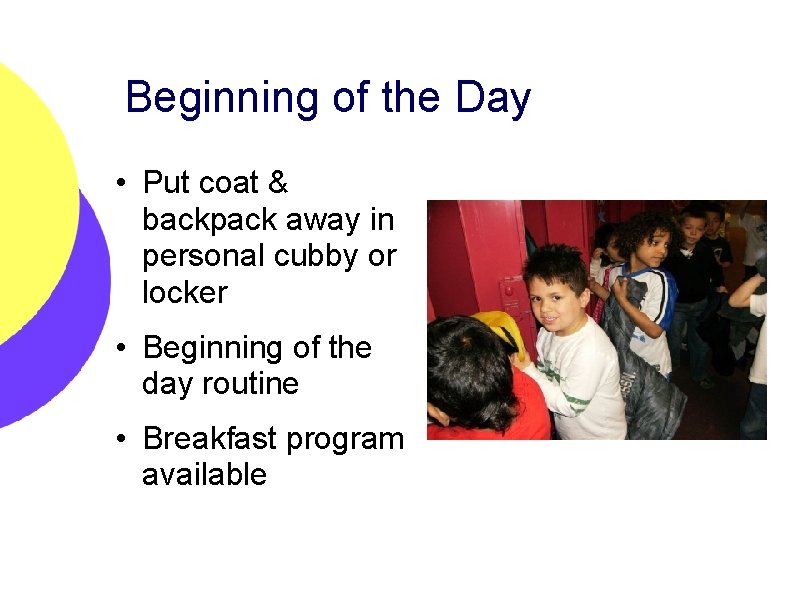
Beginning of the Day • Put coat & backpack away in personal cubby or locker • Beginning of the day routine • Breakfast program available
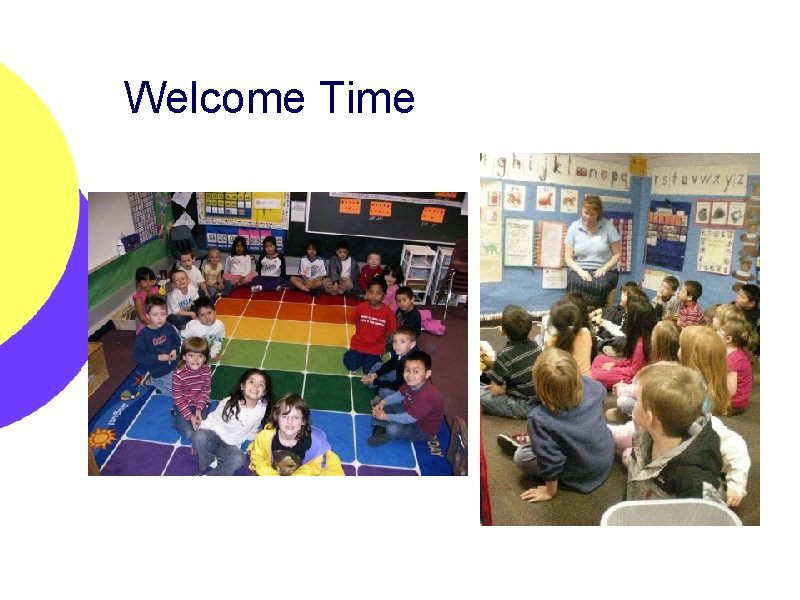
Welcome Time
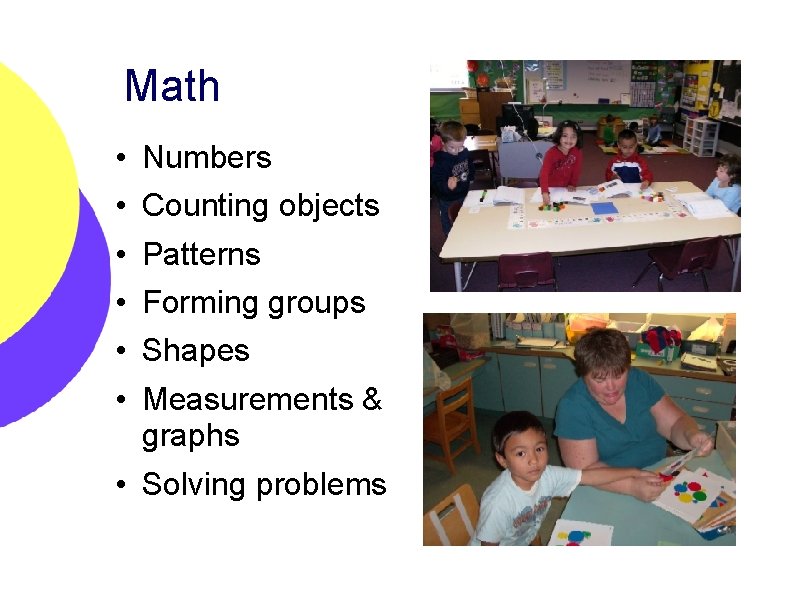
Math • • • Numbers Counting objects Patterns Forming groups Shapes Measurements & graphs • Solving problems
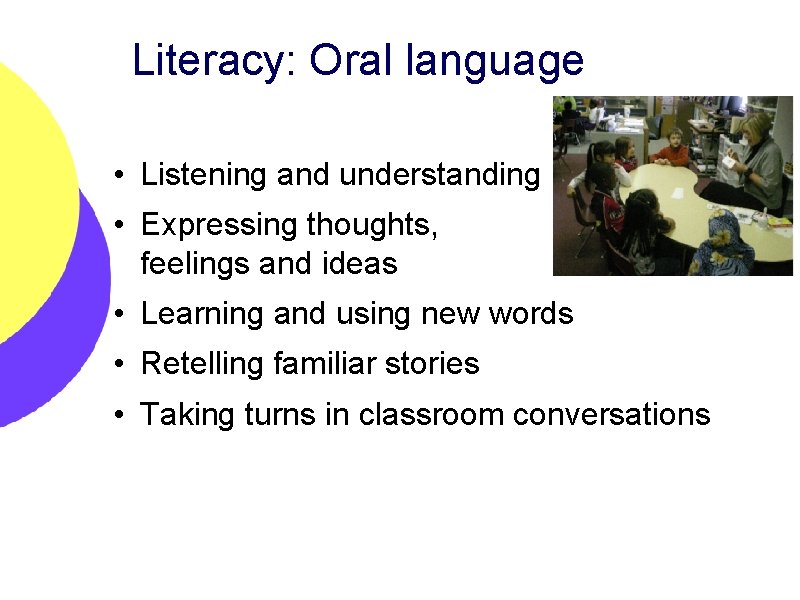
Literacy: Oral language • Listening and understanding • Expressing thoughts, feelings and ideas • Learning and using new words • Retelling familiar stories • Taking turns in classroom conversations
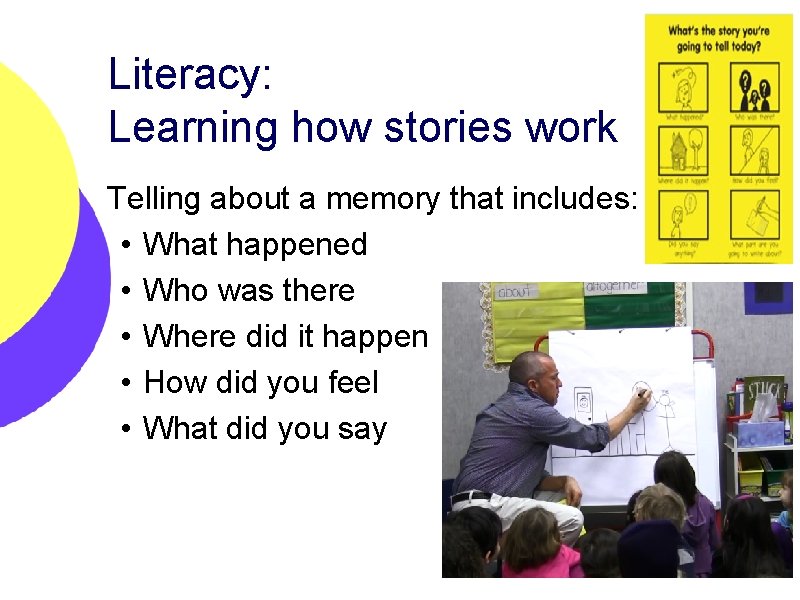
Literacy: Learning how stories work Telling about a memory that includes: • What happened • Who was there • Where did it happen • How did you feel • What did you say
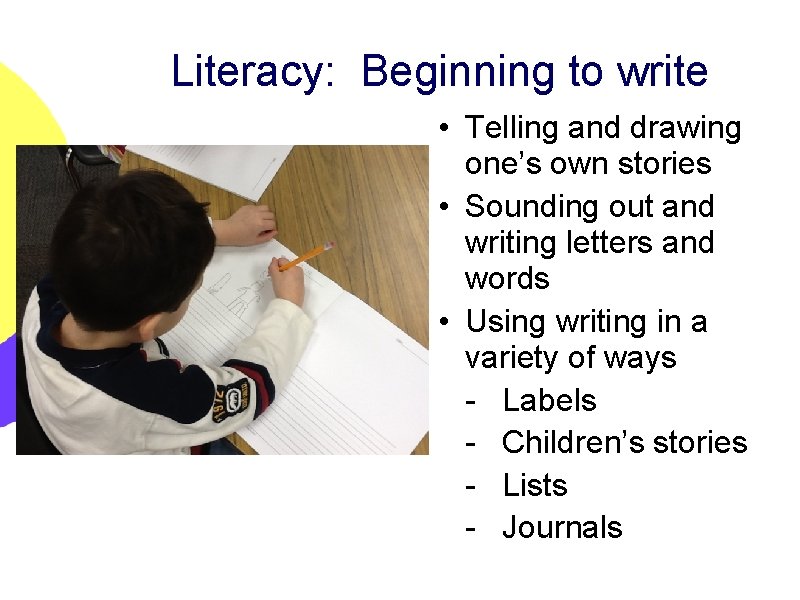
Literacy: Beginning to write • Telling and drawing one’s own stories • Sounding out and writing letters and words • Using writing in a variety of ways - Labels - Children’s stories - Lists - Journals
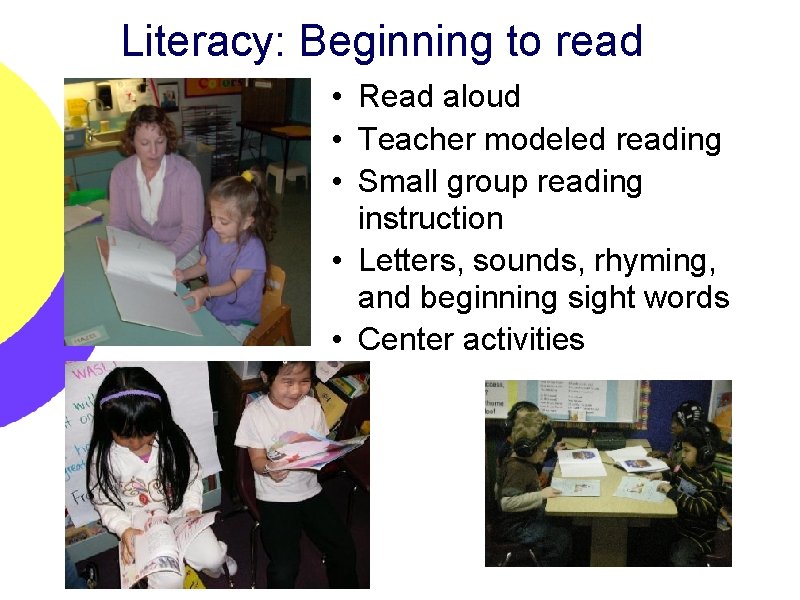
Literacy: Beginning to read • Read aloud • Teacher modeled reading • Small group reading instruction • Letters, sounds, rhyming, and beginning sight words • Center activities
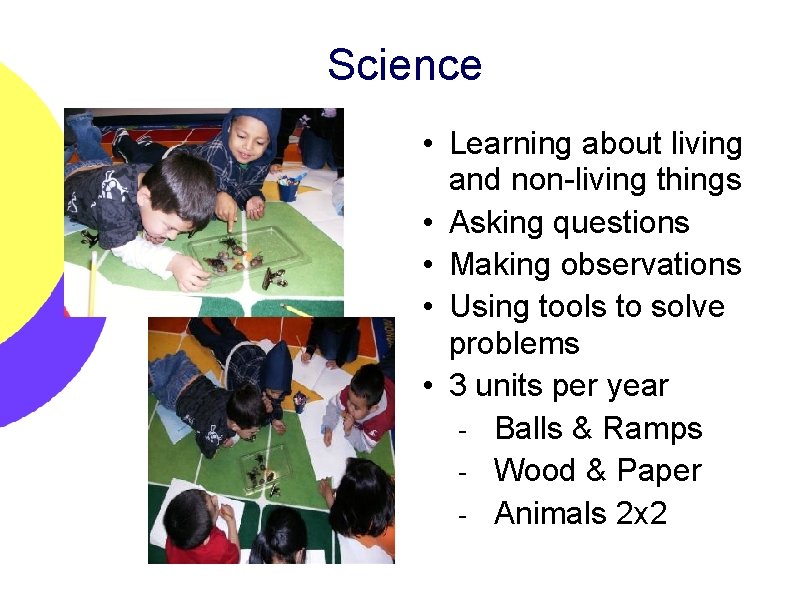
Science • Learning about living and non-living things • Asking questions • Making observations • Using tools to solve problems • 3 units per year - Balls & Ramps - Wood & Paper - Animals 2 x 2
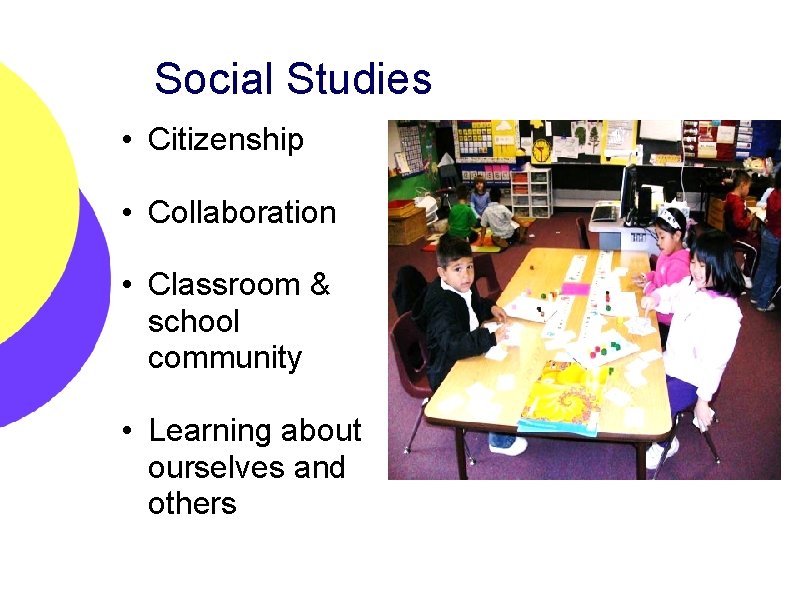
Social Studies • Citizenship • Collaboration • Classroom & school community • Learning about ourselves and others
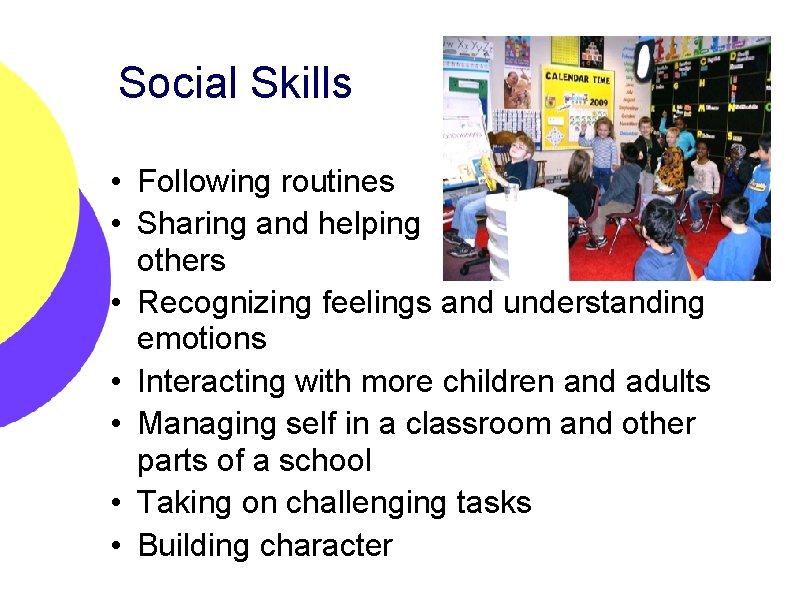
Social Skills • Following routines • Sharing and helping others • Recognizing feelings and understanding emotions • Interacting with more children and adults • Managing self in a classroom and other parts of a school • Taking on challenging tasks • Building character
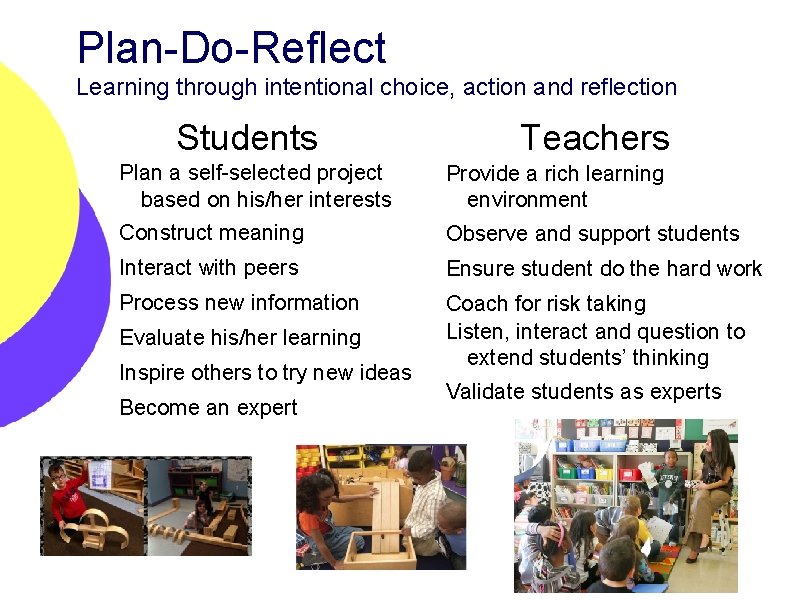
Plan-Do-Reflect Learning through intentional choice, action and reflection Students Teachers Plan a self-selected project based on his/her interests Provide a rich learning environment Construct meaning Observe and support students Interact with peers Ensure student do the hard work Process new information Coach for risk taking Listen, interact and question to extend students’ thinking Evaluate his/her learning Inspire others to try new ideas Become an expert Validate students as experts
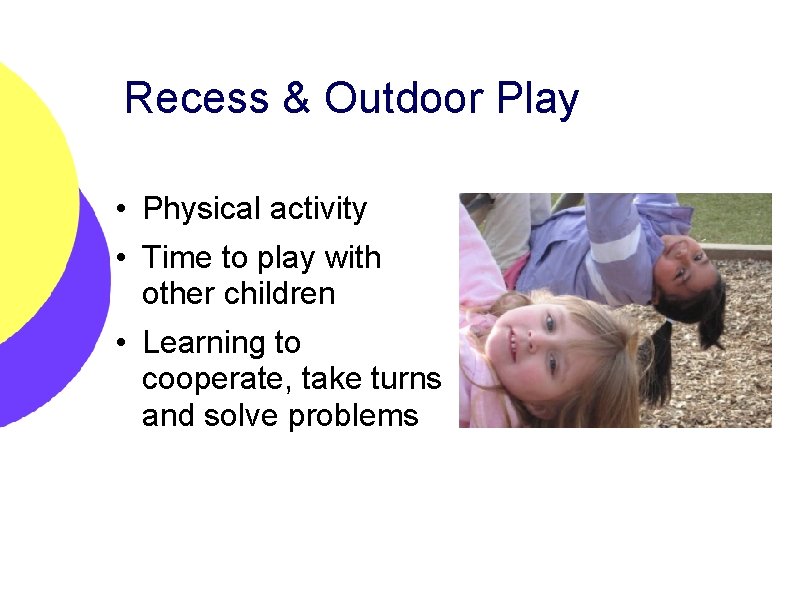
Recess & Outdoor Play • Physical activity • Time to play with other children • Learning to cooperate, take turns and solve problems
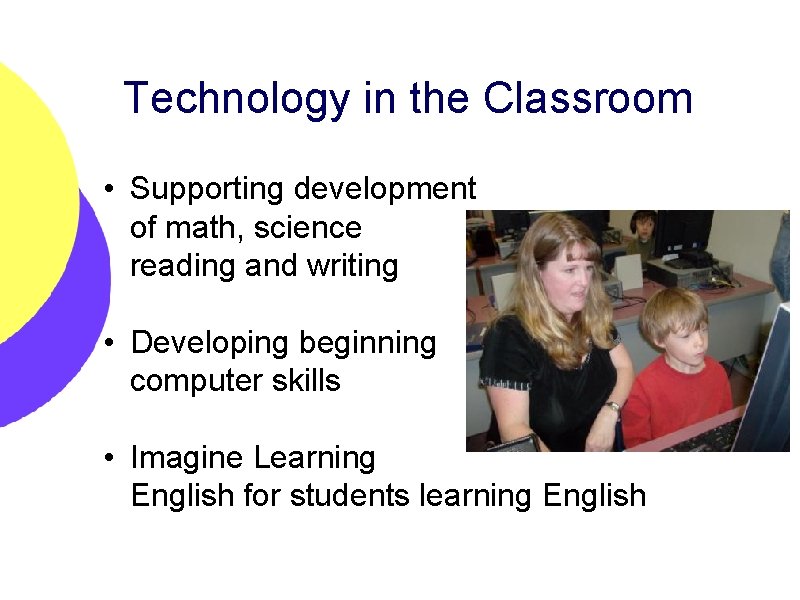
Technology in the Classroom • Supporting development of math, science reading and writing • Developing beginning computer skills • Imagine Learning English for students learning English
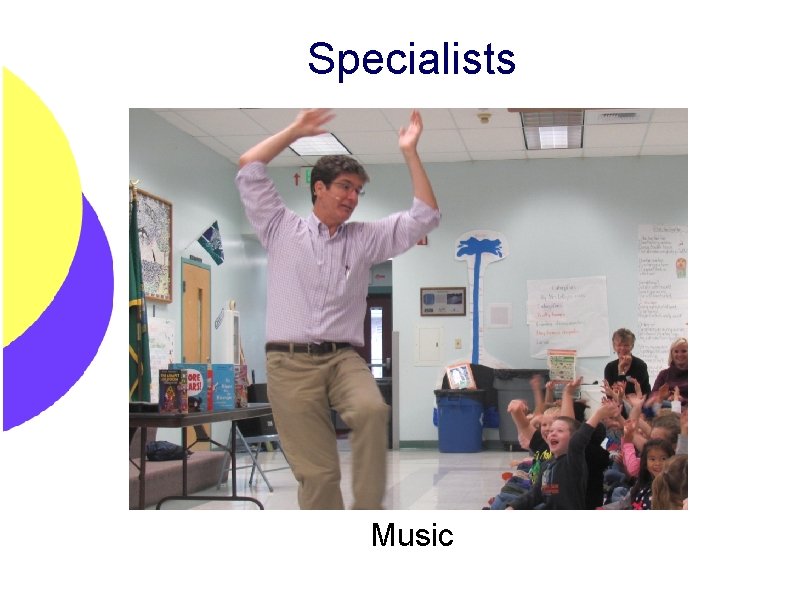
Specialists Music
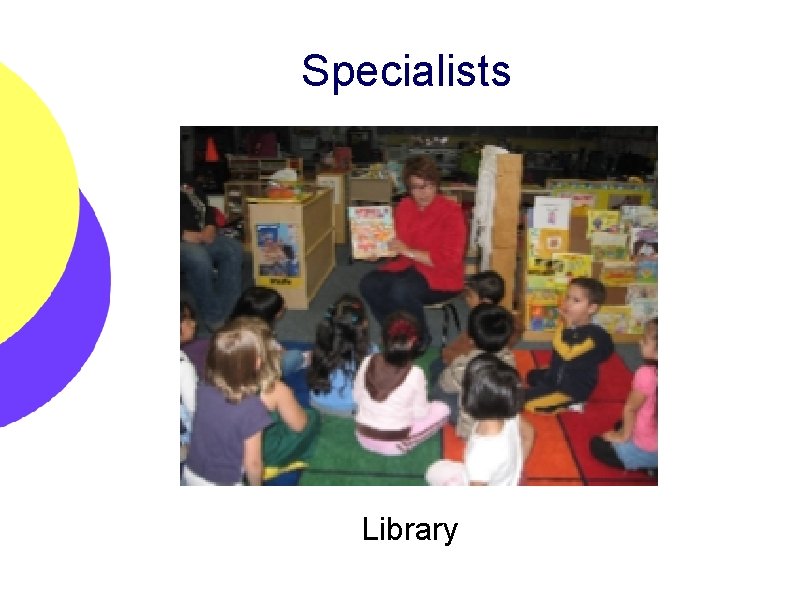
Specialists Library
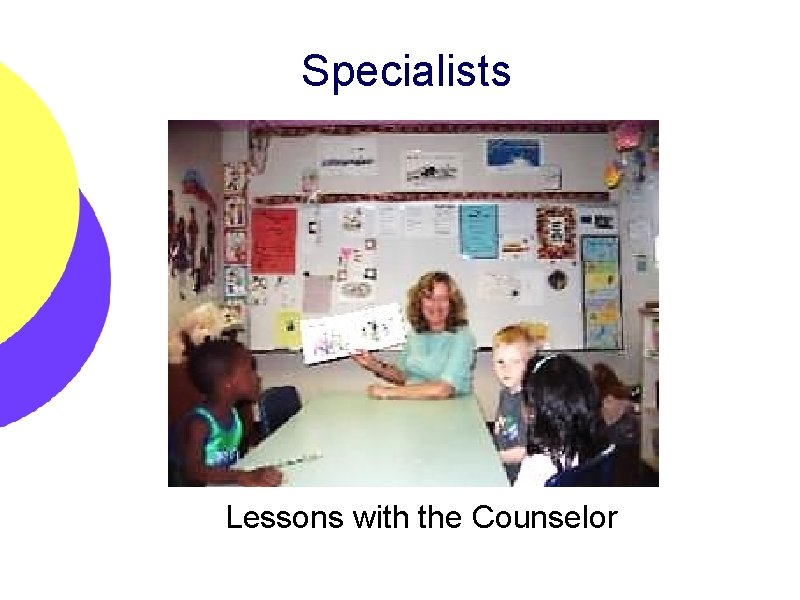
Specialists Lessons with the Counselor
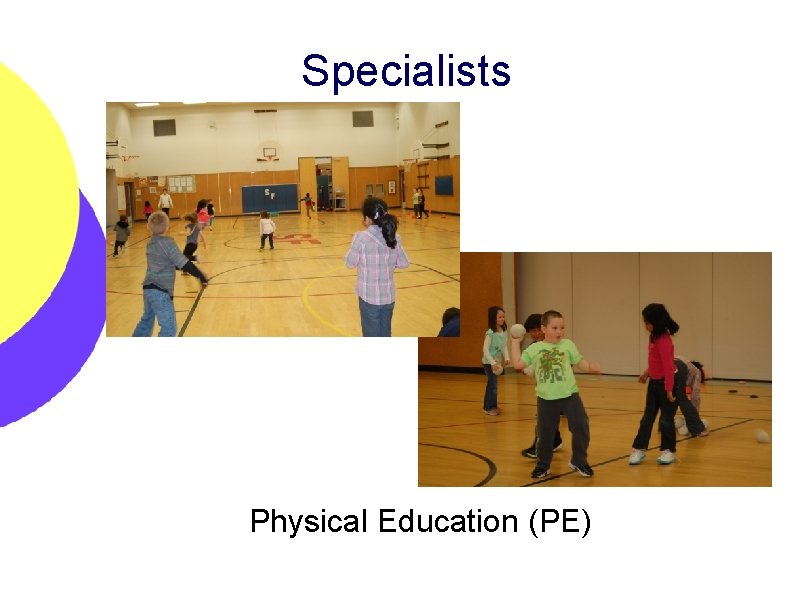
Specialists Physical Education (PE)
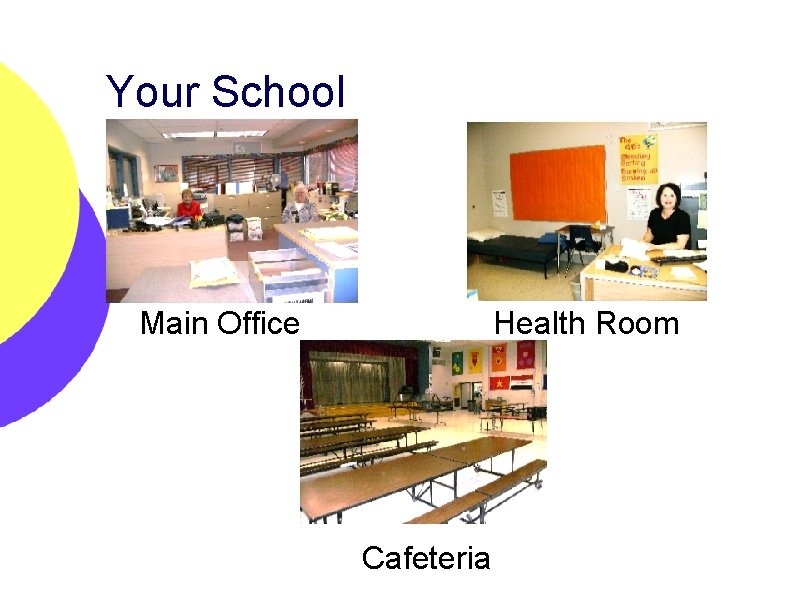
Your School Main Office Health Room Cafeteria
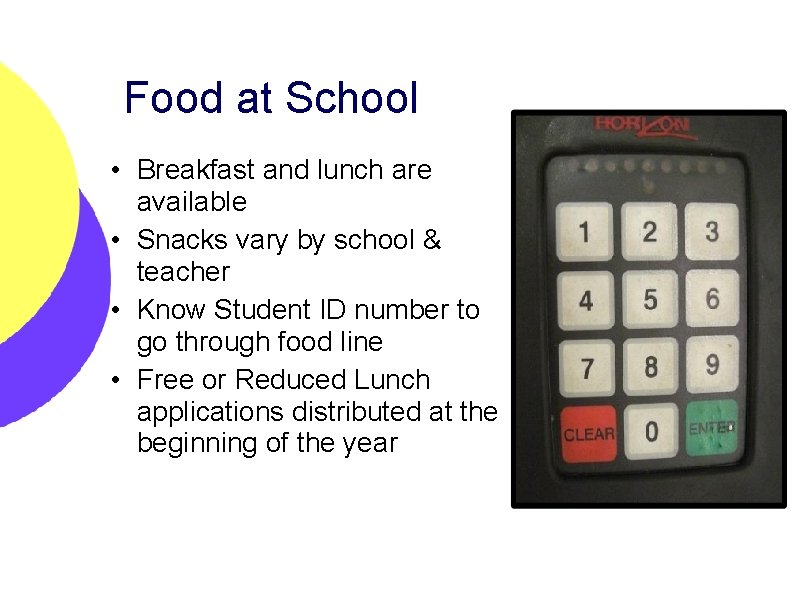
Food at School • Breakfast and lunch are available • Snacks vary by school & teacher • Know Student ID number to go through food line • Free or Reduced Lunch applications distributed at the beginning of the year
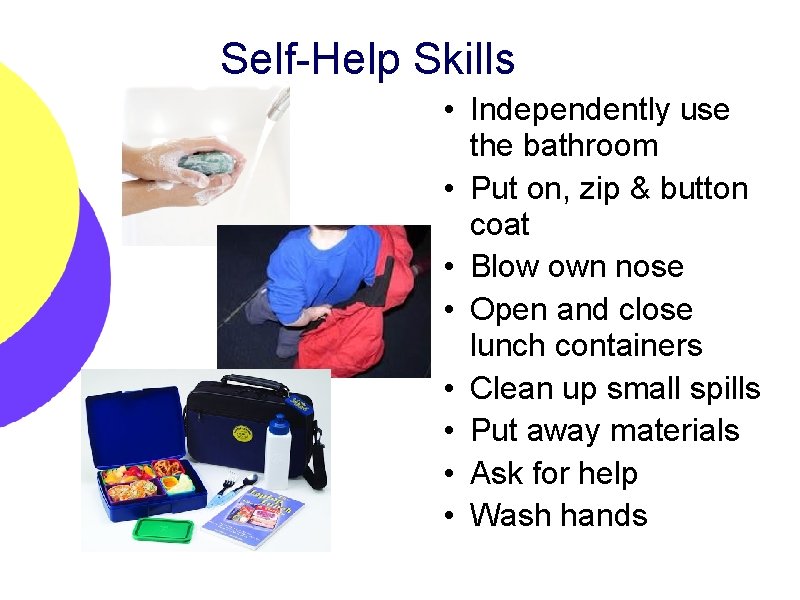
Self-Help Skills • Independently use the bathroom • Put on, zip & button coat • Blow own nose • Open and close lunch containers • Clean up small spills • Put away materials • Ask for help • Wash hands

Supporting Your Child’s Success
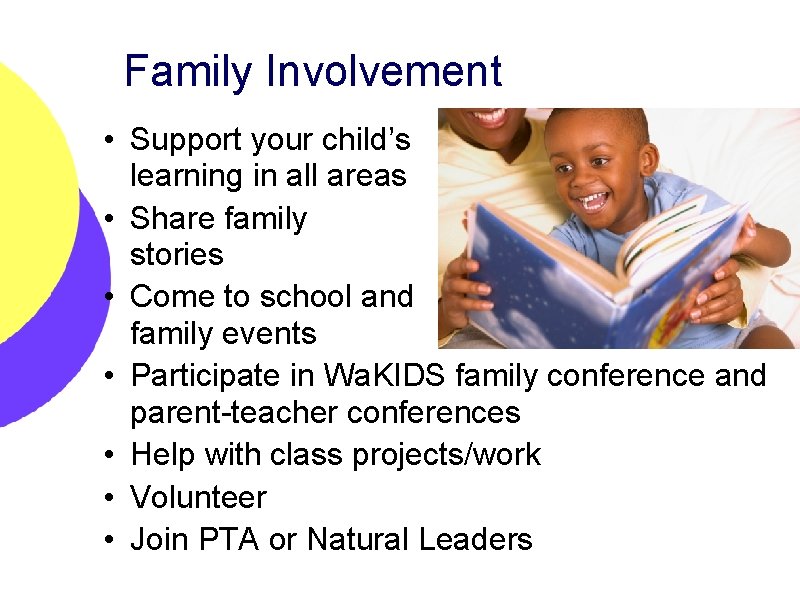
Family Involvement • Support your child’s learning in all areas • Share family stories • Come to school and family events • Participate in Wa. KIDS family conference and parent-teacher conferences • Help with class projects/work • Volunteer • Join PTA or Natural Leaders
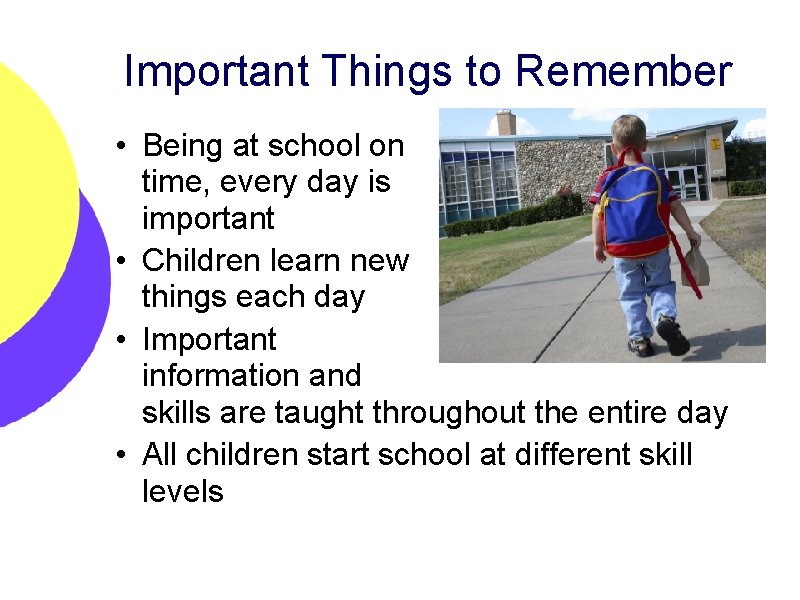
Important Things to Remember • Being at school on time, every day is important • Children learn new things each day • Important information and skills are taught throughout the entire day • All children start school at different skill levels
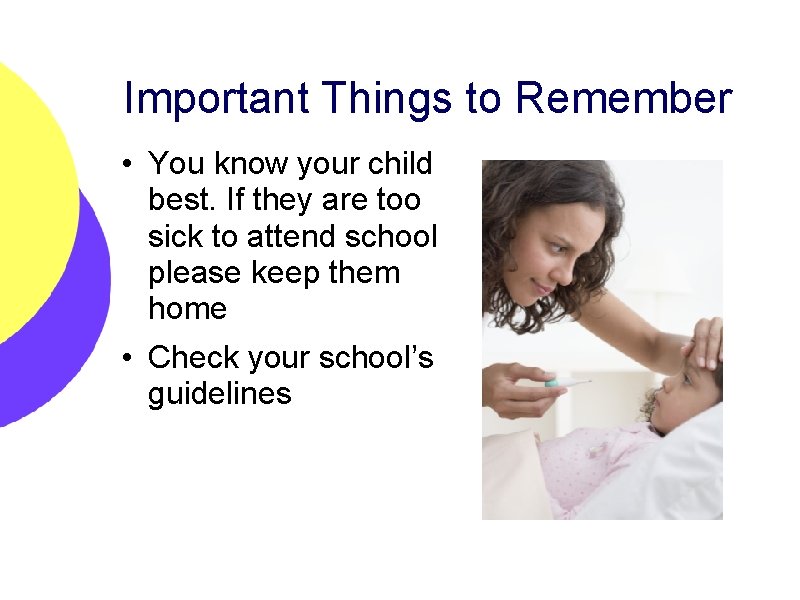
Important Things to Remember • You know your child best. If they are too sick to attend school please keep them home • Check your school’s guidelines
Before the First Day… • Develop a home routine • Help your child learn their personal information and how to care for him/herself • Get supplies ready and labeled (see list for your school) • Visit the school playground over the summer • Practice drop off and pick up
Over the summer… • Watch your email for playful learning activities to do throughout the summer • Check with your school for summer reading program or other learning opportunities
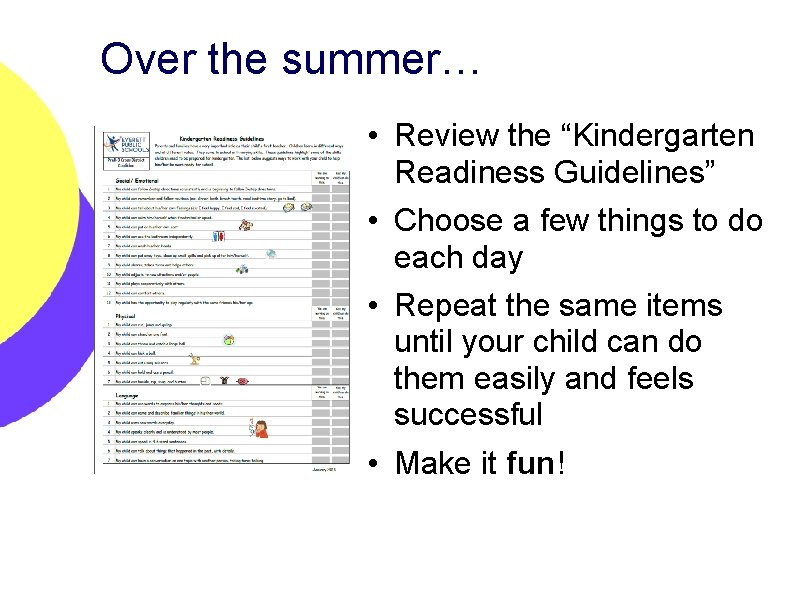
Over the summer… • Review the “Kindergarten Readiness Guidelines” • Choose a few things to do each day • Repeat the same items until your child can do them easily and feels successful • Make it fun!
First Day for Parents • Schools put in your own information – see notes below for topic ideas
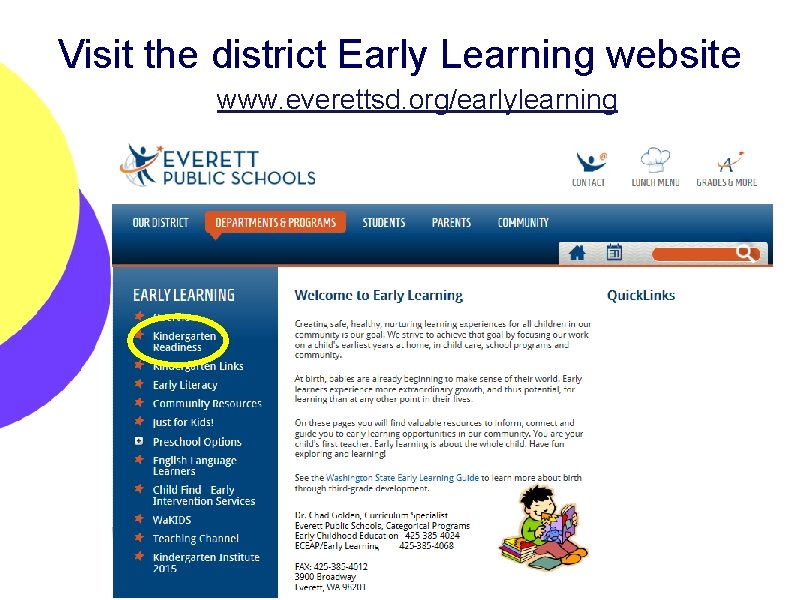
Visit the district Early Learning website www. everettsd. org/earlylearning
Additional Support If you have concerns about your child’s development or readiness for kindergarten, please contact: • Your School Principal • Special Services o 425 -385 -5250 • Early Learning Department o 425 -385 -4024 o 425 -385 -4068
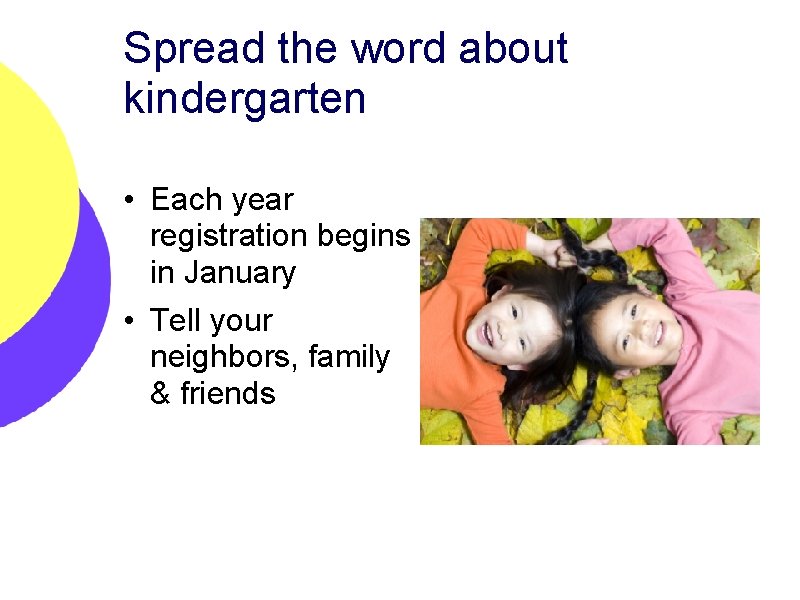
Spread the word about kindergarten • Each year registration begins in January • Tell your neighbors, family & friends
Questions? Check with your school’s principal
- Slides: 39