
Welcome to Egypt Where is Egypt North Eastern

- Slides: 32
Welcome to Egypt Where is Egypt? North Eastern Africa
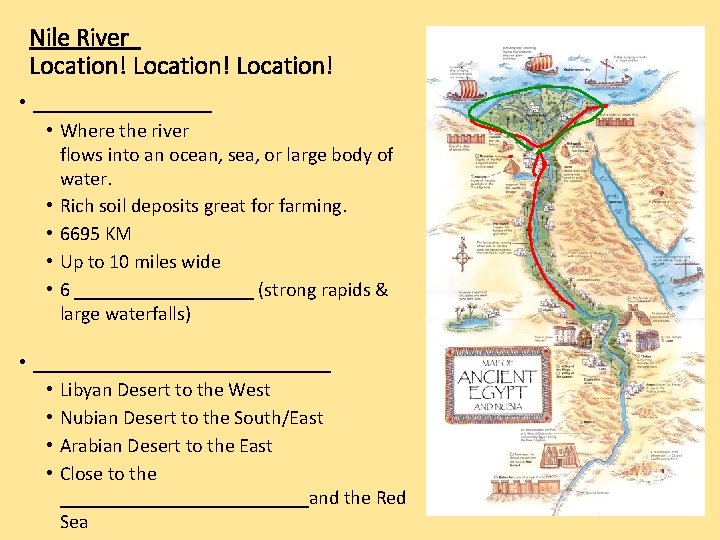
Nile River Location! • _________ • Where the river flows into an ocean, sea, or large body of water. • Rich soil deposits great for farming. • 6695 KM • Up to 10 miles wide • 6 _________ (strong rapids & large waterfalls) • _______________ • Libyan Desert to the West • Nubian Desert to the South/East • Arabian Desert to the East • Close to the _____________and the Red Sea
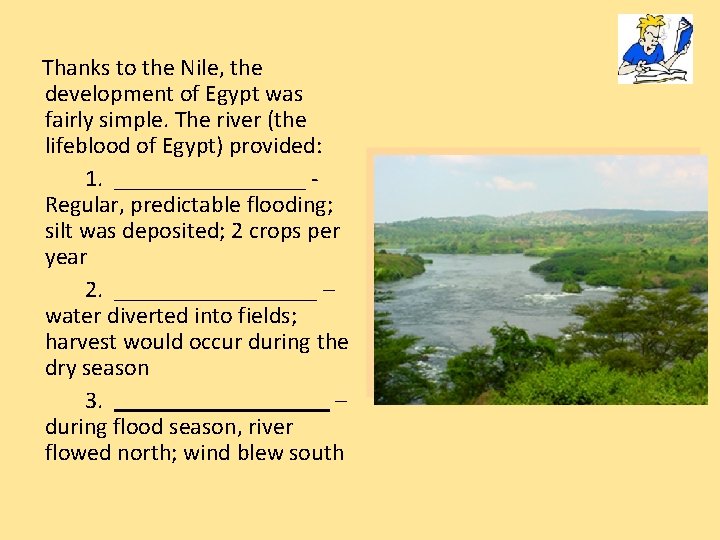
Thanks to the Nile, the development of Egypt was fairly simple. The river (the lifeblood of Egypt) provided: 1. ________ Regular, predictable flooding; silt was deposited; 2 crops per year 2. _________ – water diverted into fields; harvest would occur during the dry season 3. _________ – during flood season, river flowed north; wind blew south
Religion • __________ – 28 gods, anthropomorphic; having human characteristics. • Believed in a great after life – Pharaoh would become a god; commoner would stay the same; slaves could gain freedom/property • Brought much with them into death; tried to preserve bodies… ____________
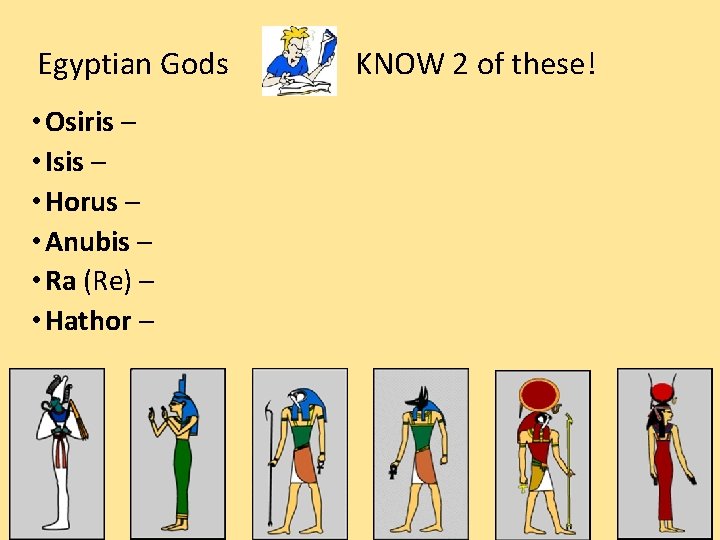
Egyptian Gods • Osiris – • Isis – • Horus – • Anubis – • Ra (Re) – • Hathor – KNOW 2 of these!
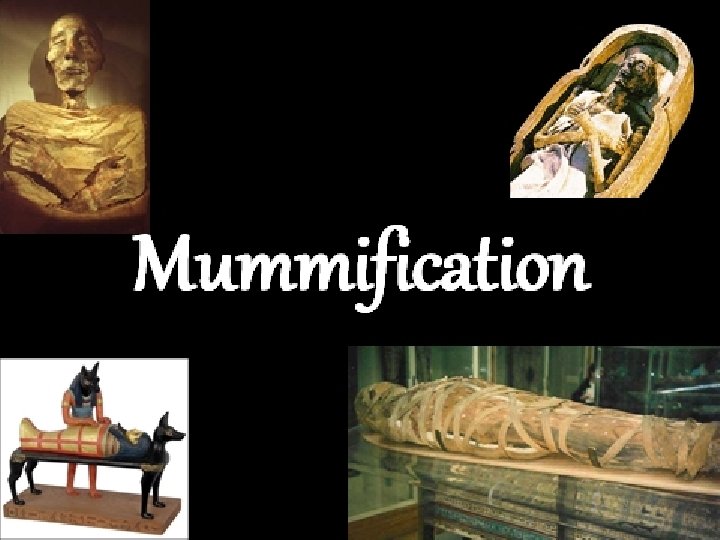
• After death, corpses of ordinary people were placed in ____________ where they were naturally preserved. • Pharaohs and nobles were mummified to ensure their preservation.
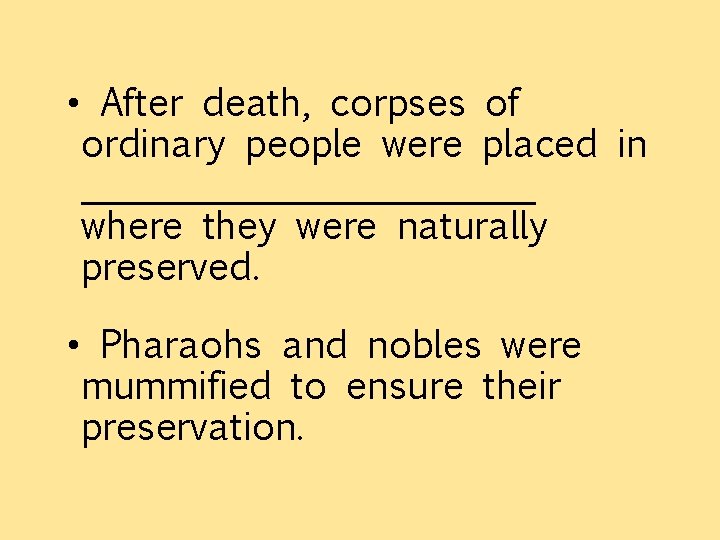
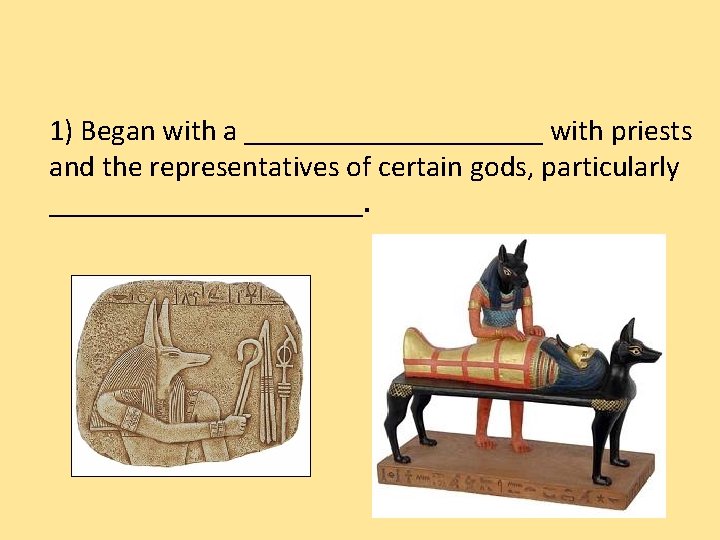
1) Began with a __________ with priests and the representatives of certain gods, particularly ___________.
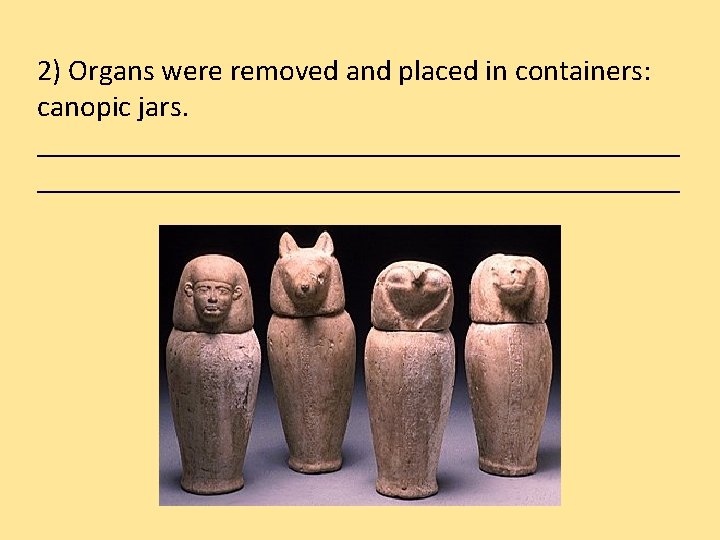
2) Organs were removed and placed in containers: canopic jars. ___________________________________________
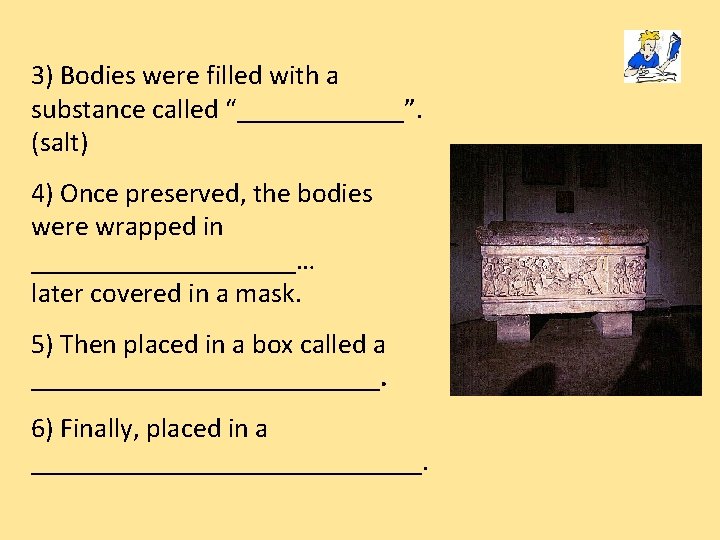
3) Bodies were filled with a substance called “______”. (salt) 4) Once preserved, the bodies were wrapped in __________… later covered in a mask. 5) Then placed in a box called a _____________. 6) Finally, placed in a ______________.
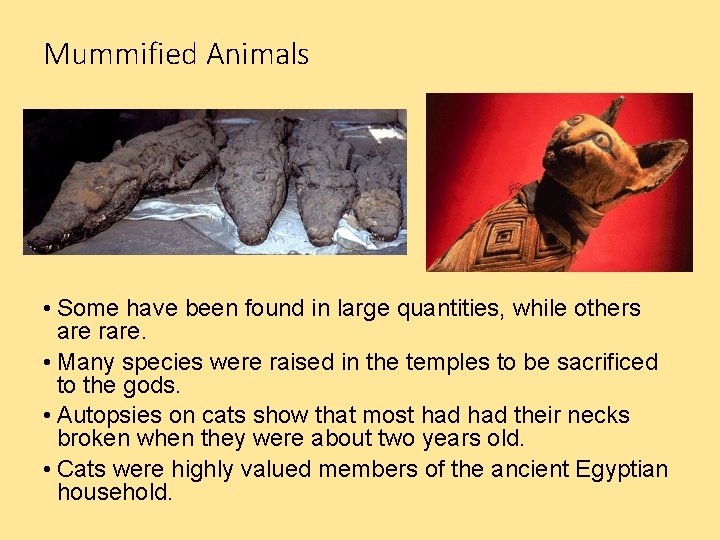
Mummified Animals • Some have been found in large quantities, while others are rare. • Many species were raised in the temples to be sacrificed to the gods. • Autopsies on cats show that most had their necks broken when they were about two years old. • Cats were highly valued members of the ancient Egyptian household.
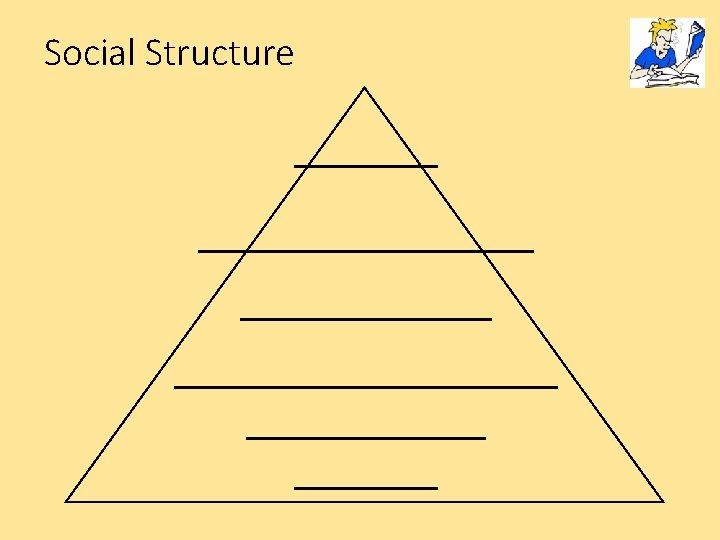
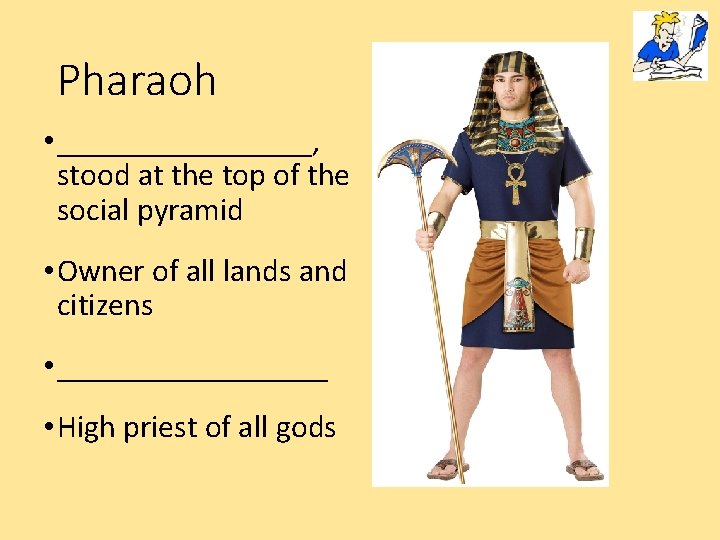
Pharaoh • ________, stood at the top of the social pyramid • Owner of all lands and citizens • _________ • High priest of all gods
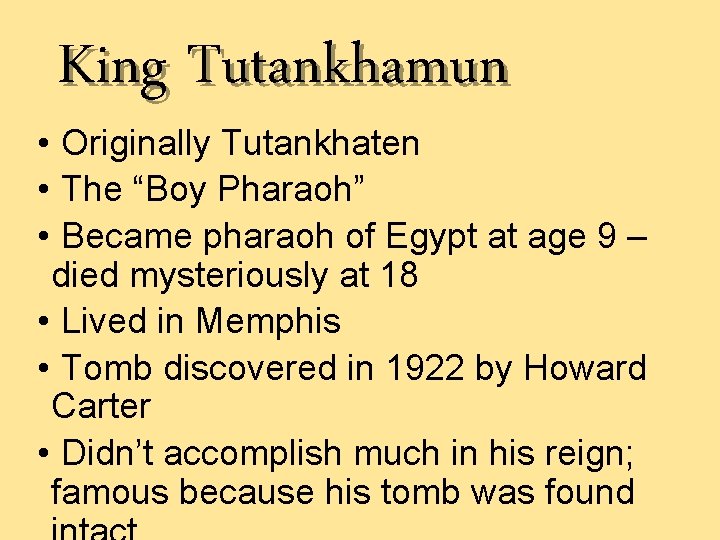
King Tutankhamun • Originally Tutankhaten • The “Boy Pharaoh” • Became pharaoh of Egypt at age 9 – died mysteriously at 18 • Lived in Memphis • Tomb discovered in 1922 by Howard Carter • Didn’t accomplish much in his reign; famous because his tomb was found
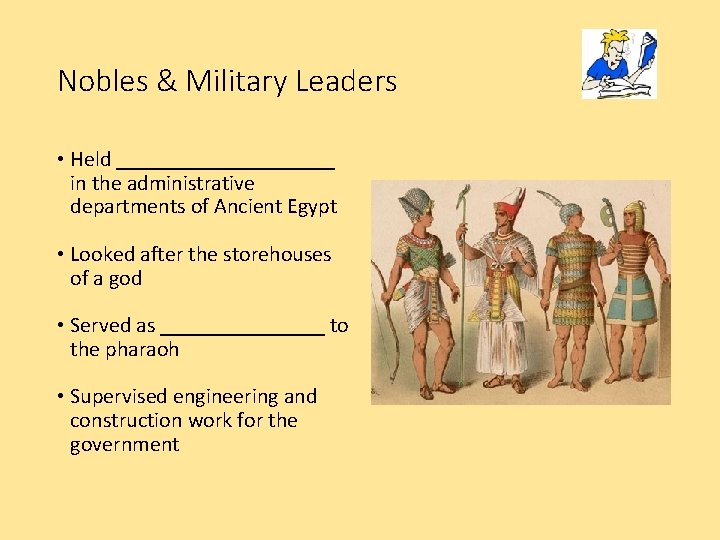
Nobles & Military Leaders • Held __________ in the administrative departments of Ancient Egypt • Looked after the storehouses of a god • Served as ________ to the pharaoh • Supervised engineering and construction work for the government
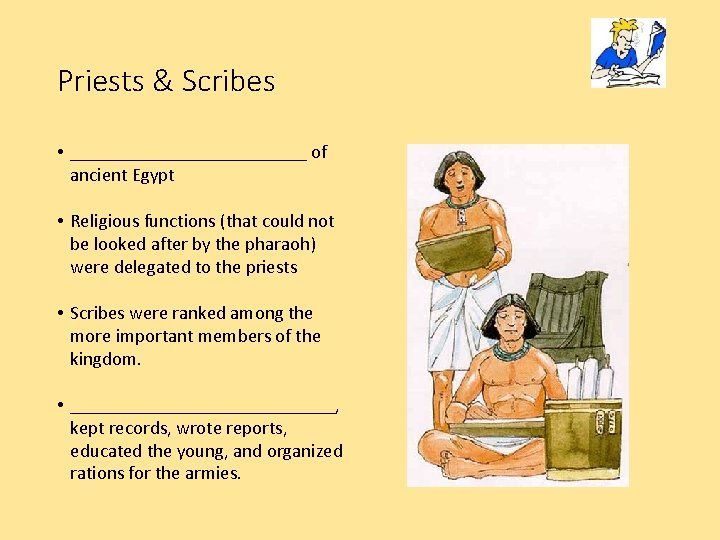
Priests & Scribes • _____________ of ancient Egypt • Religious functions (that could not be looked after by the pharaoh) were delegated to the priests • Scribes were ranked among the more important members of the kingdom. • ______________, kept records, wrote reports, educated the young, and organized rations for the armies.
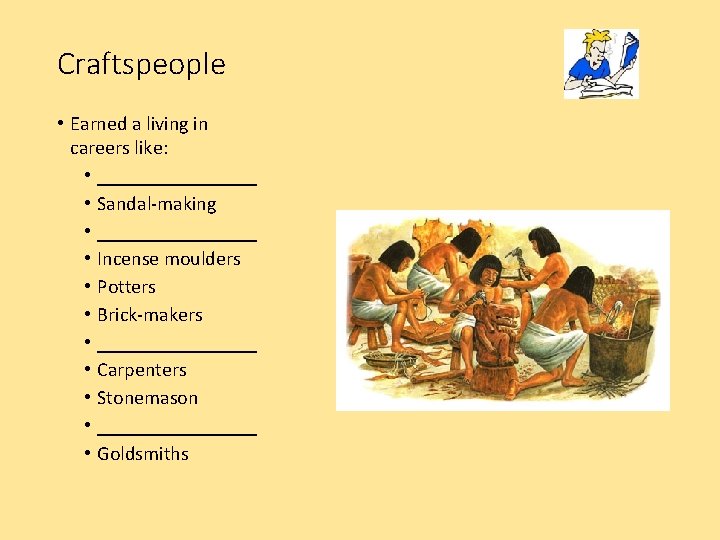
Craftspeople • Earned a living in careers like: • ________ • Sandal-making • ________ • Incense moulders • Potters • Brick-makers • ________ • Carpenters • Stonemason • ________ • Goldsmiths
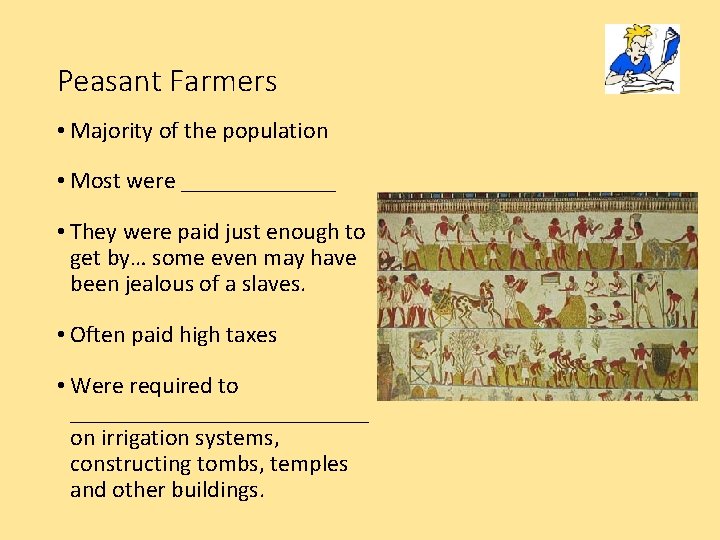
Peasant Farmers • Majority of the population • Most were _______ • They were paid just enough to get by… some even may have been jealous of a slaves. • Often paid high taxes • Were required to _____________ on irrigation systems, constructing tombs, temples and other buildings.
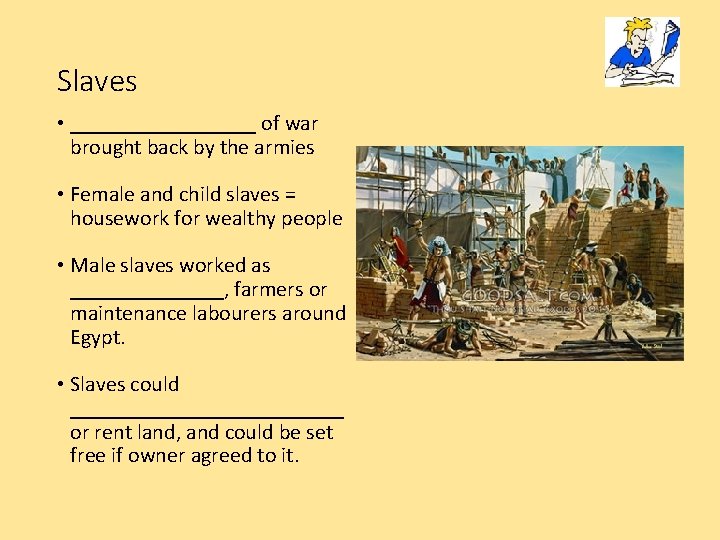
Slaves • _________ of war brought back by the armies • Female and child slaves = housework for wealthy people • Male slaves worked as _______, farmers or maintenance labourers around Egypt. • Slaves could _____________ or rent land, and could be set free if owner agreed to it.
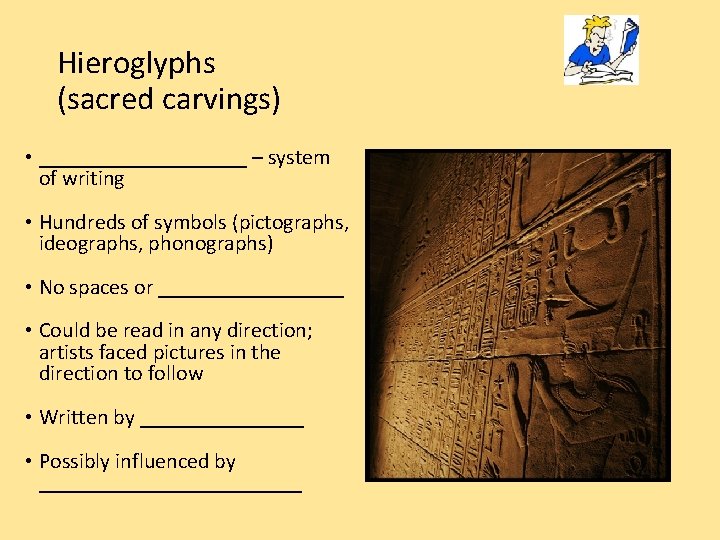
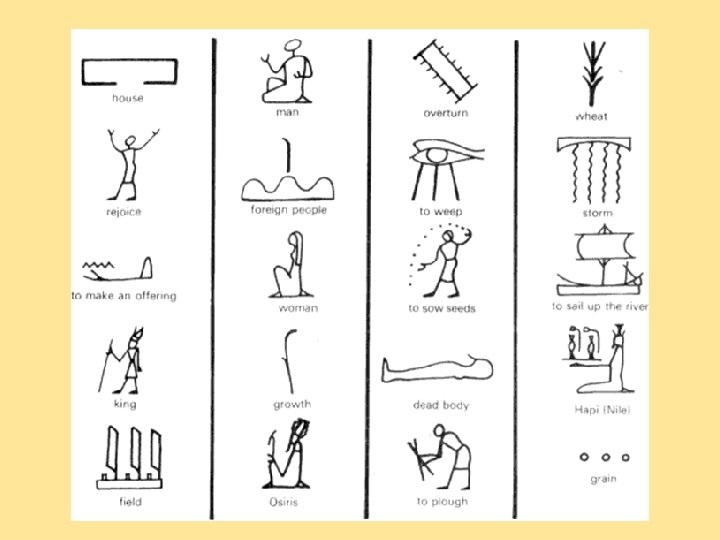
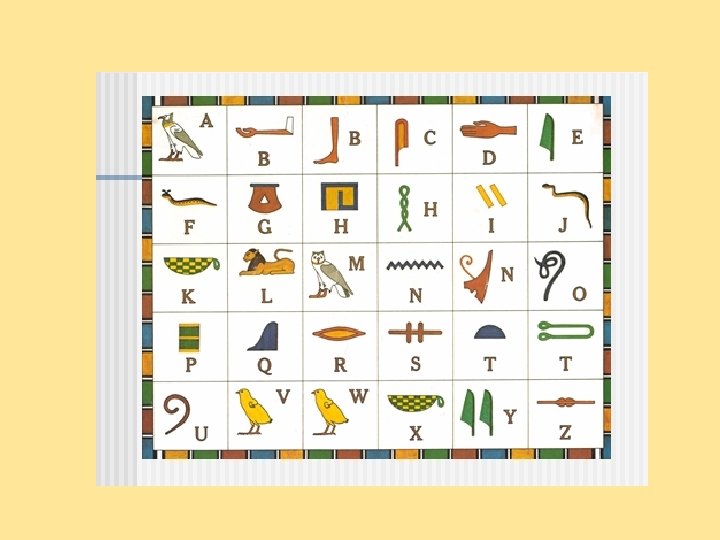
Hieroglyphs (sacred carvings) • __________ – system of writing • Hundreds of symbols (pictographs, ideographs, phonographs) • No spaces or _________ • Could be read in any direction; artists faced pictures in the direction to follow • Written by ________ • Possibly influenced by ____________
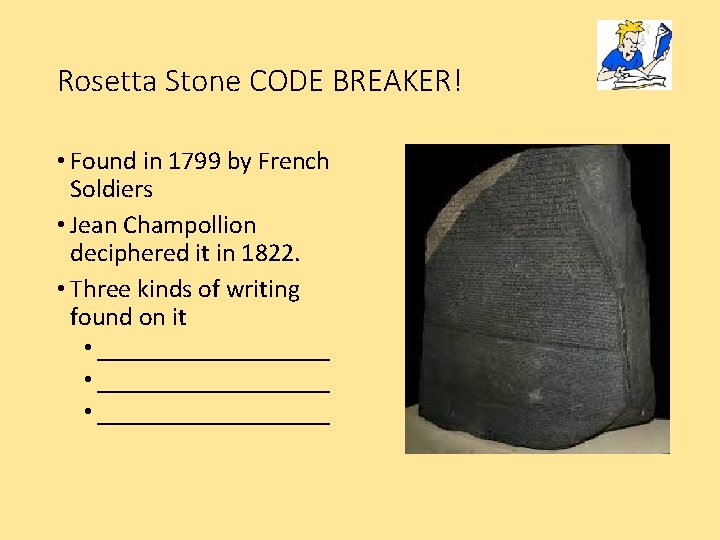
Rosetta Stone CODE BREAKER! • Found in 1799 by French Soldiers • Jean Champollion deciphered it in 1822. • Three kinds of writing found on it • __________________ • _________
The Pyramids • Pyramids are _____________built as tombs for the pharaohs • Mostly during the Old Kingdom (2700 -2200 BCE). • The _________ would bring things they needed in the next world. • Largest pyramids are found in the city of ______. • Built in __________: largest for pharaoh; smaller for family; mastabas for his
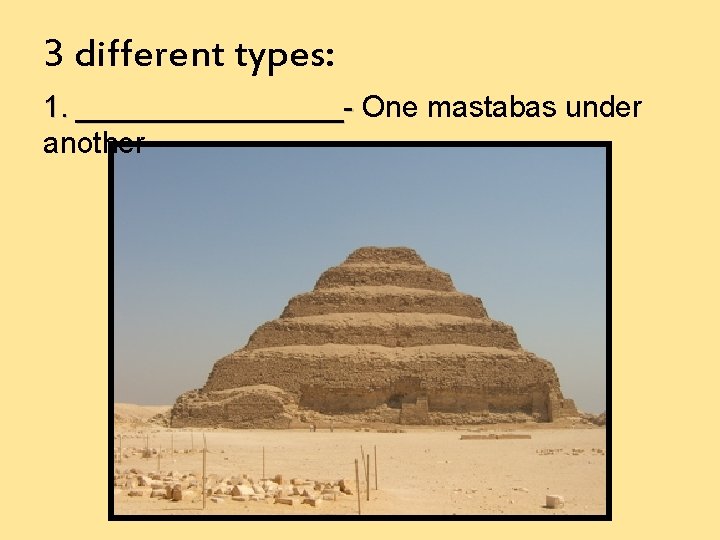
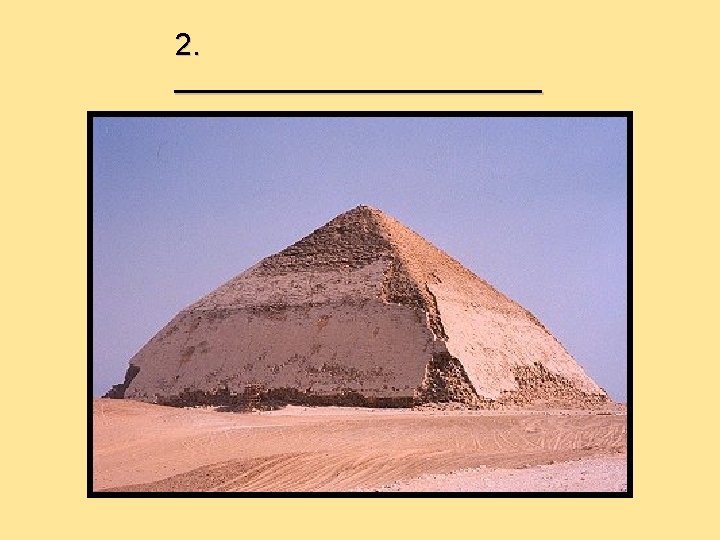
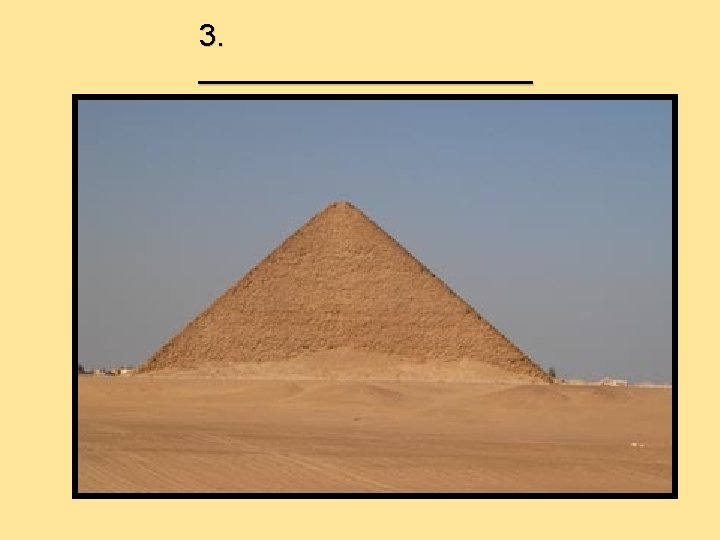
3 different types: 1. ________- One mastabas under another
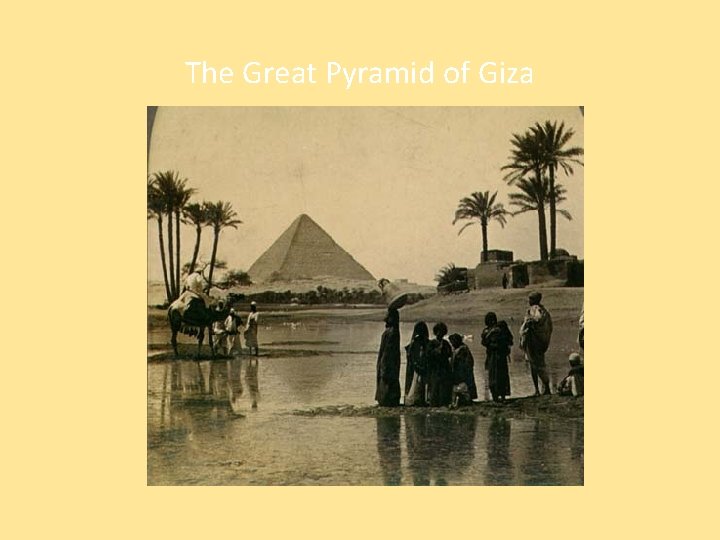
The Great Pyramid of Giza
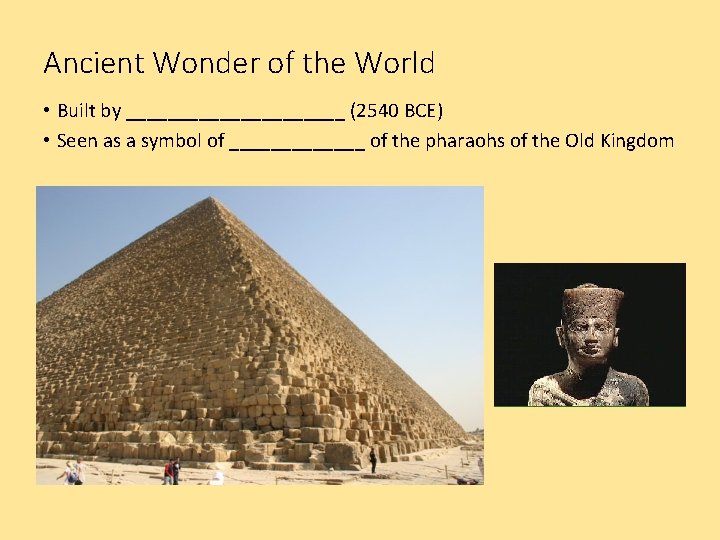
Ancient Wonder of the World • Built by ___________ (2540 BCE) • Seen as a symbol of _______ of the pharaohs of the Old Kingdom
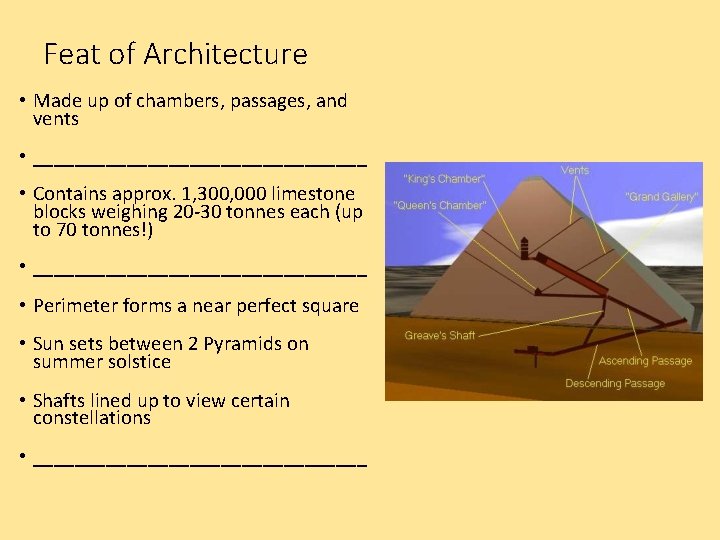
Feat of Architecture • Made up of chambers, passages, and vents • ________________ • Contains approx. 1, 300, 000 limestone blocks weighing 20 -30 tonnes each (up to 70 tonnes!) • ________________ • Perimeter forms a near perfect square • Sun sets between 2 Pyramids on summer solstice • Shafts lined up to view certain constellations • ________________
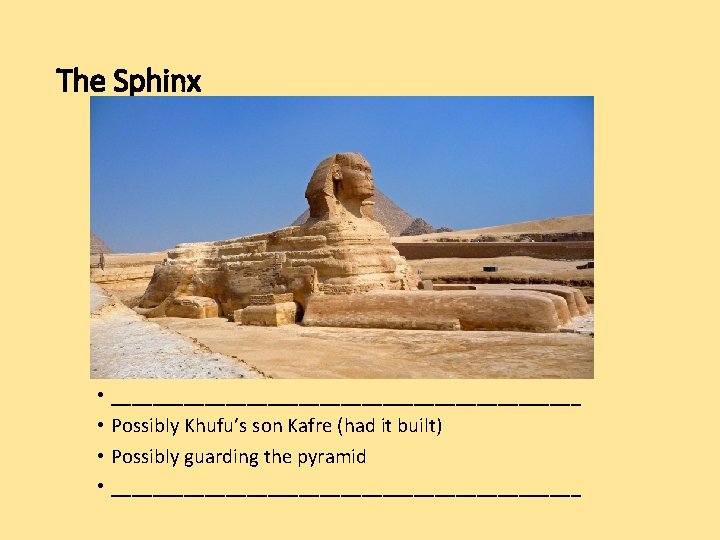
The Sphinx • _______________________ • Possibly Khufu’s son Kafre (had it built) • Possibly guarding the pyramid • _______________________
The Decline of the Egyptian Empire • In-fighting amongst the nobility: ____________ and murders weakened and destabilized the position of pharaoh. • Egypt, once again, became vulnerable to foreign powers. 1. ___________ – Alexander the Great marched into Egypt in 332 BCE and took over. 2. ___________ 48 BCE– Cleopatra was the last pharaoh and fell to the influence of Romans Julius Caesar and Marc Antony.