
WELCOME TO BRAND U ACADEMY www thebranduacademy com

WELCOME TO BRAND ‘U” ACADEMY www. thebranduacademy. com

Profession Effectiveness
Efficiency vs. Effectiveness
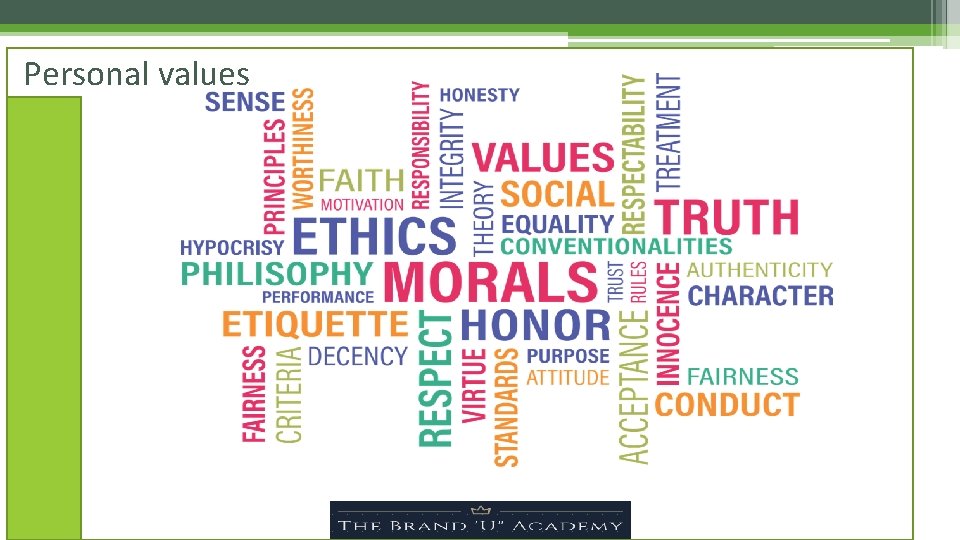
Personal values
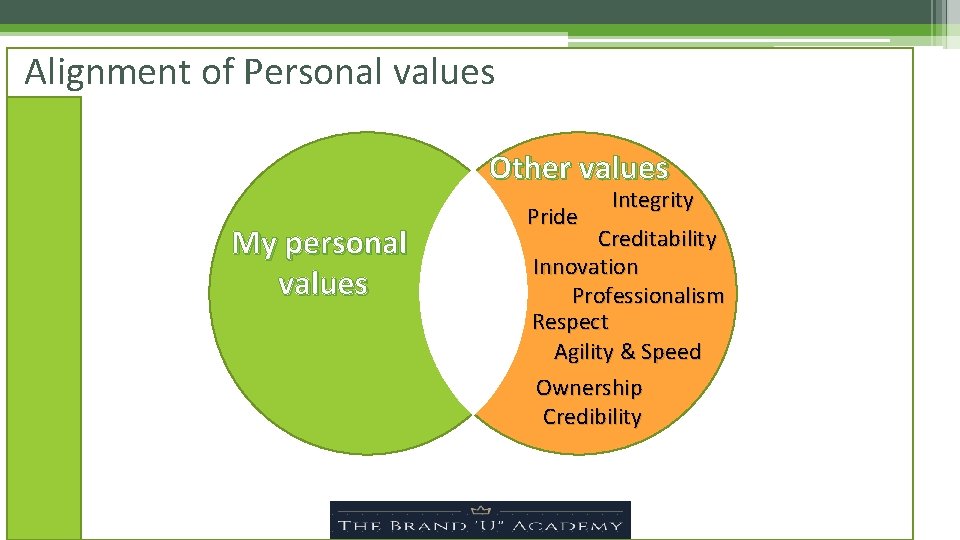
Alignment of Personal values Other values My personal values Pride Integrity Creditability Innovation Professionalism Respect Agility & Speed Ownership Credibility
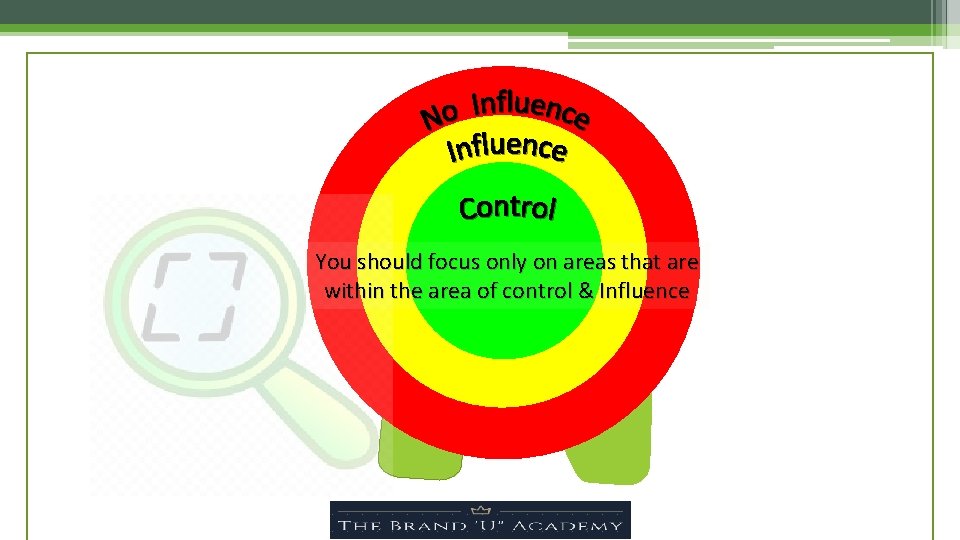
You should focus only on areas that are within the area of control & Influence
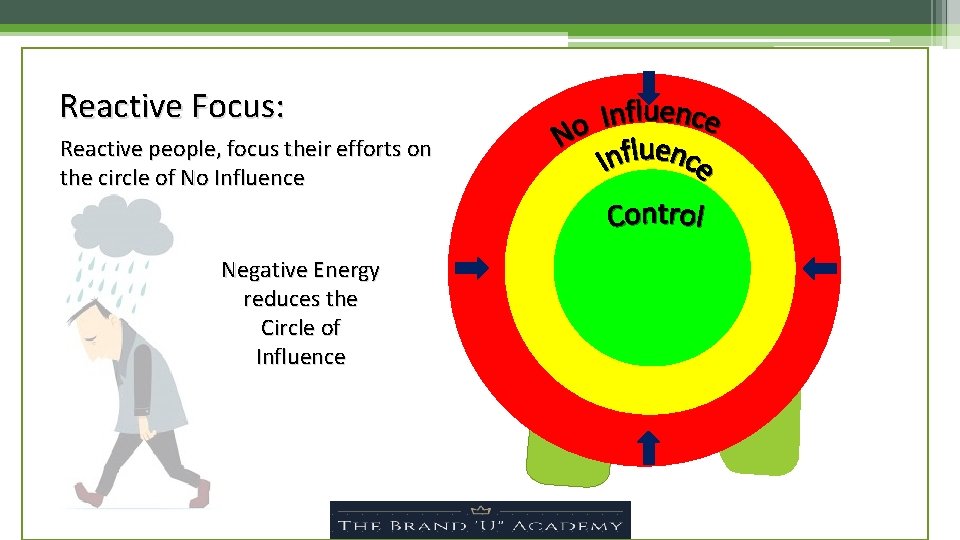
Reactive Focus: Reactive people, focus their efforts on the circle of No Influence Negative Energy reduces the Circle of Influence
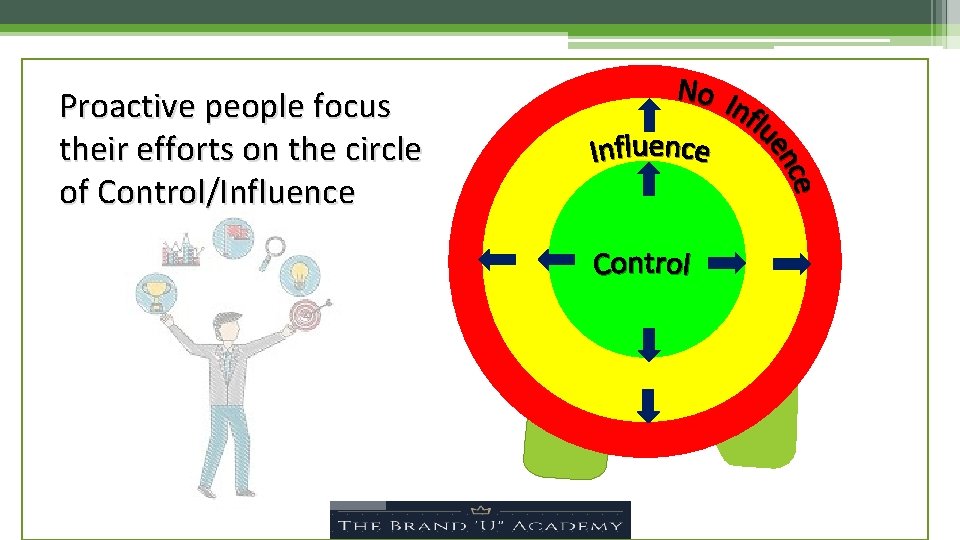
Proactive people focus their efforts on the circle of Control/Influence
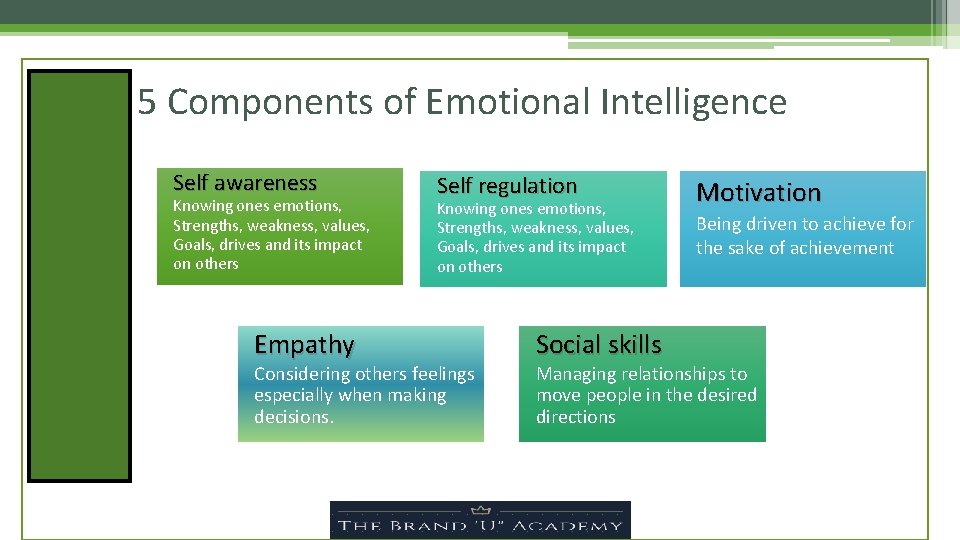
5 Components of Emotional Intelligence Self awareness Knowing ones emotions, Strengths, weakness, values, Goals, drives and its impact on others Empathy Self regulation Knowing ones emotions, Strengths, weakness, values, Goals, drives and its impact on others Considering others feelings especially when making decisions. Social skills Motivation Being driven to achieve for the sake of achievement Managing relationships to move people in the desired directions
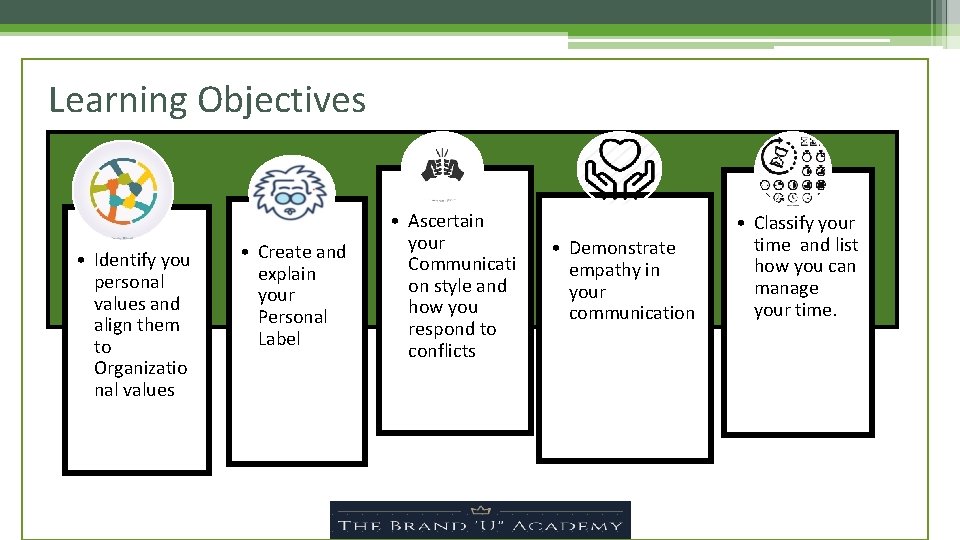
Learning Objectives • Identify you personal values and align them to Organizatio nal values • Create and explain your Personal Label • Ascertain your Communicati on style and how you respond to conflicts • Demonstrate empathy in your communication • Classify your time and list how you can manage your time.
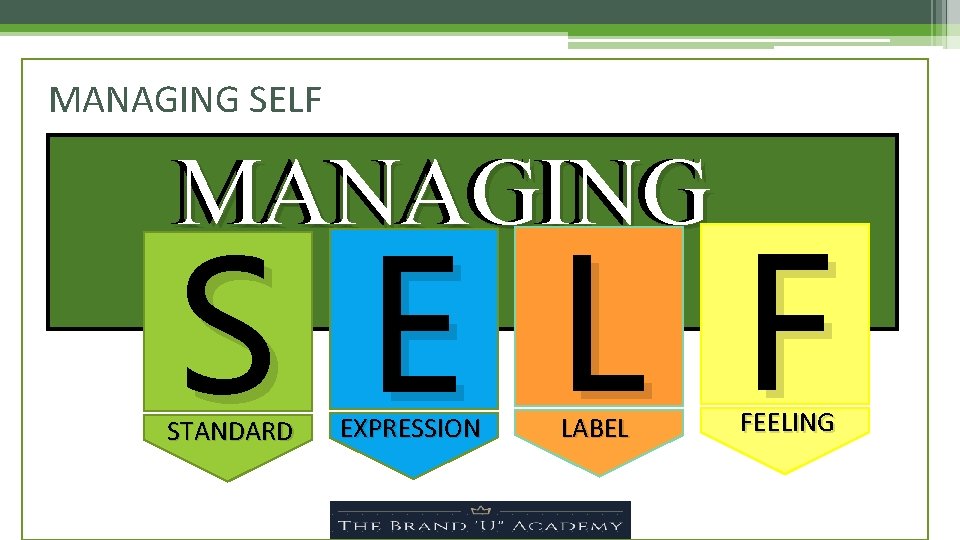
MANAGING SELF MANAGING S E L F STANDARD EXPRESSION LABEL FEELING
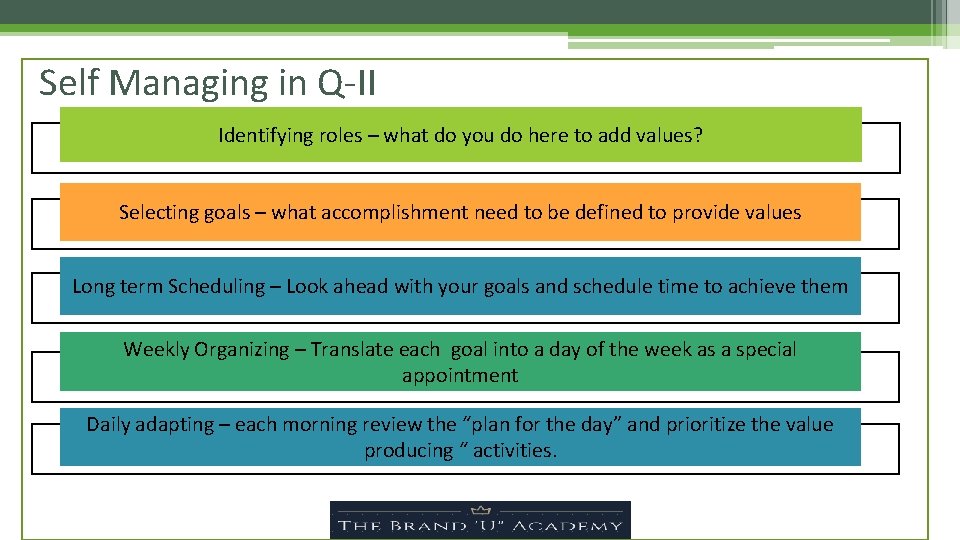
Self Managing in Q-II Identifying roles – what do you do here to add values? Selecting goals – what accomplishment need to be defined to provide values Long term Scheduling – Look ahead with your goals and schedule time to achieve them Weekly Organizing – Translate each goal into a day of the week as a special appointment Daily adapting – each morning review the “plan for the day” and prioritize the value producing “ activities.
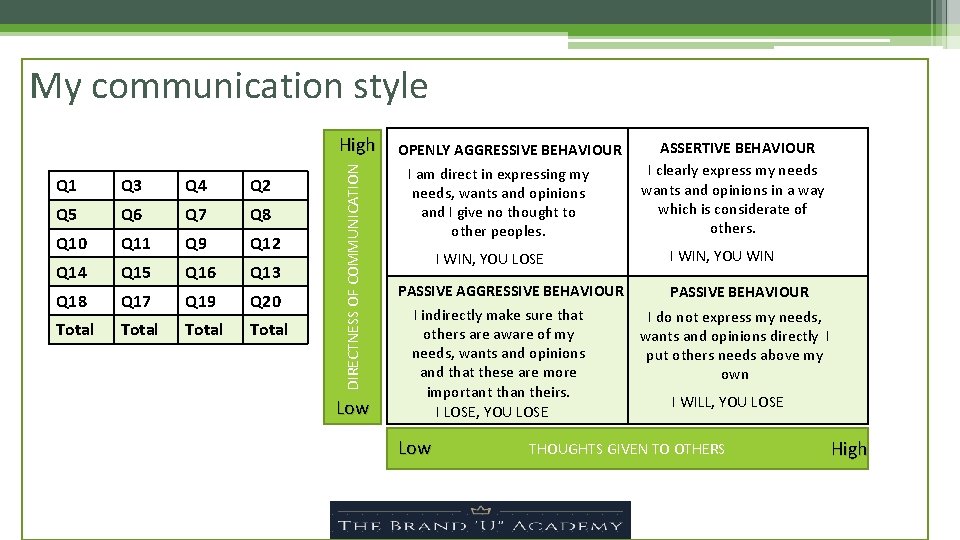
My communication style Q 1 Q 3 Q 4 Q 2 Q 5 Q 6 Q 7 Q 8 Q 10 Q 11 Q 9 Q 12 Q 14 Q 15 Q 16 Q 13 Q 18 Q 17 Q 19 Q 20 Total DIRECTNESS OF COMMUNICATION High Low OPENLY AGGRESSIVE BEHAVIOUR I am direct in expressing my needs, wants and opinions and I give no thought to other peoples. I WIN, YOU LOSE PASSIVE AGGRESSIVE BEHAVIOUR I indirectly make sure that others are aware of my needs, wants and opinions and that these are more important than theirs. I LOSE, YOU LOSE Low ASSERTIVE BEHAVIOUR I clearly express my needs wants and opinions in a way which is considerate of others. I WIN, YOU WIN PASSIVE BEHAVIOUR I do not express my needs, wants and opinions directly I put others needs above my own I WILL, YOU LOSE THOUGHTS GIVEN TO OTHERS High
What is your Communication Style
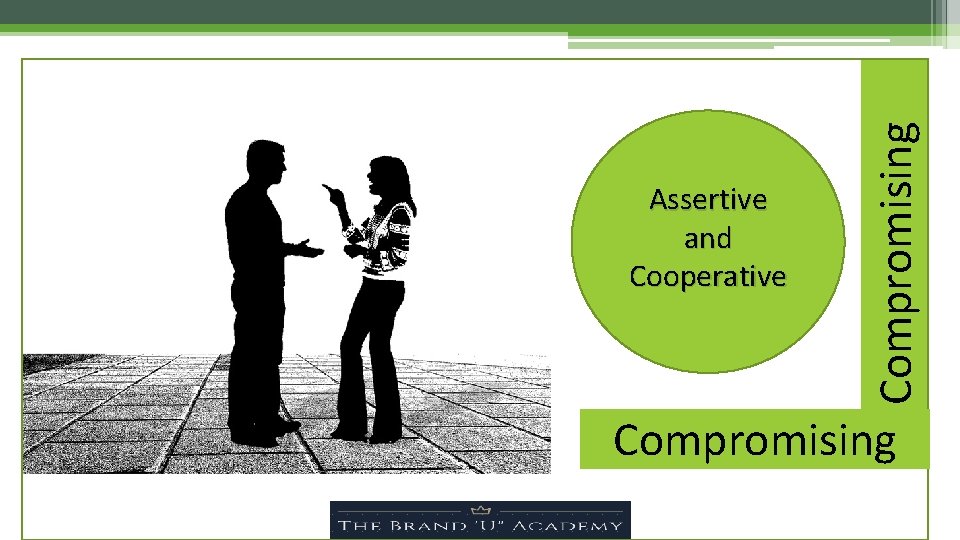
Compromising Assertive and Cooperative Compromising
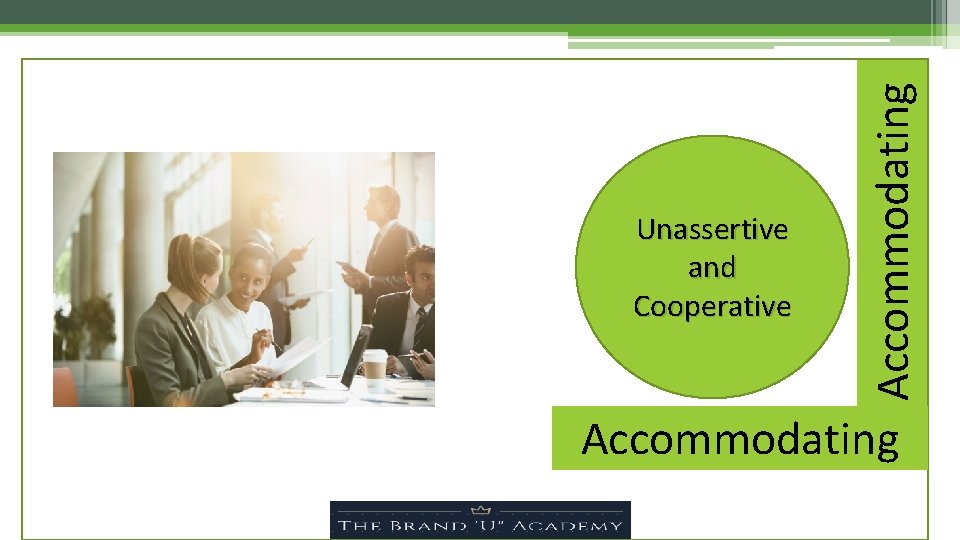
Accommodating Unassertive and Cooperative Accommodating
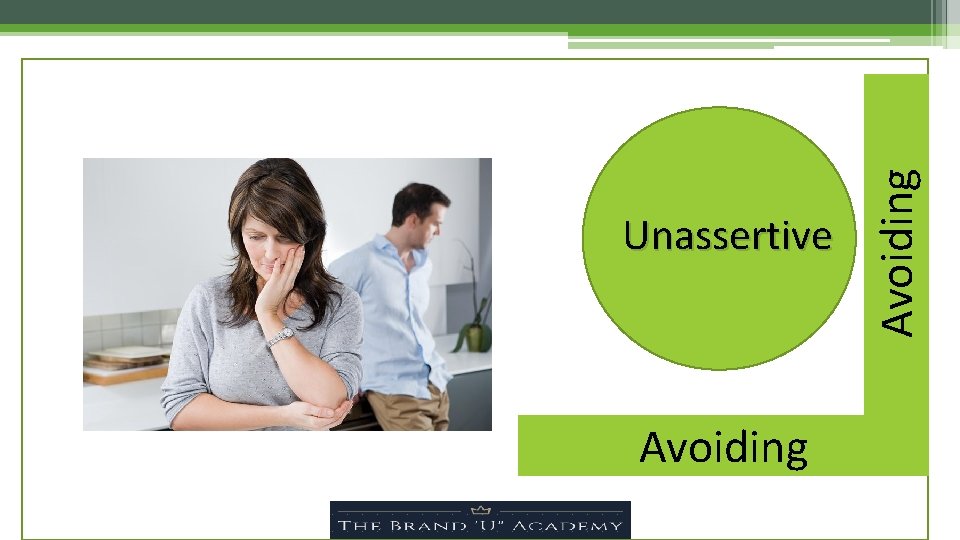
Avoiding Unassertive
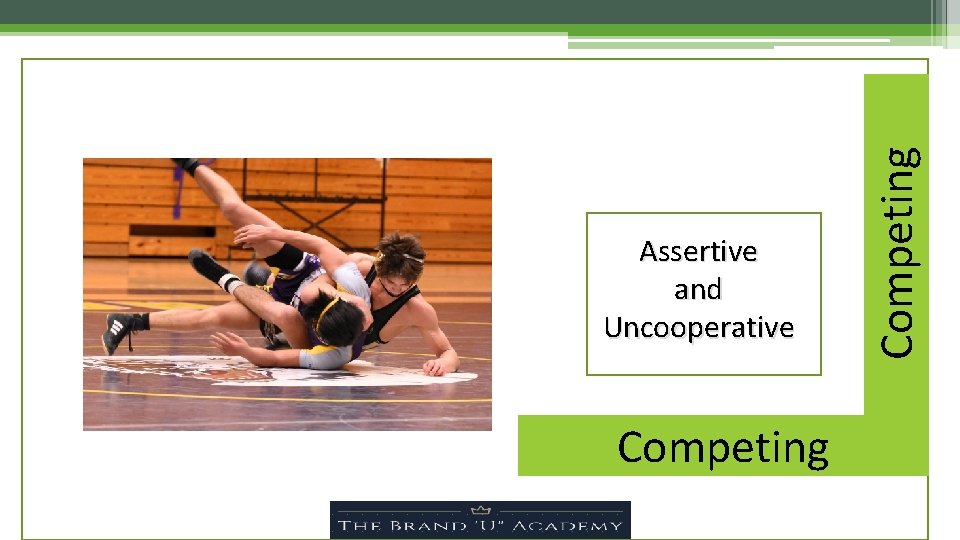
Competing Assertive and Uncooperative
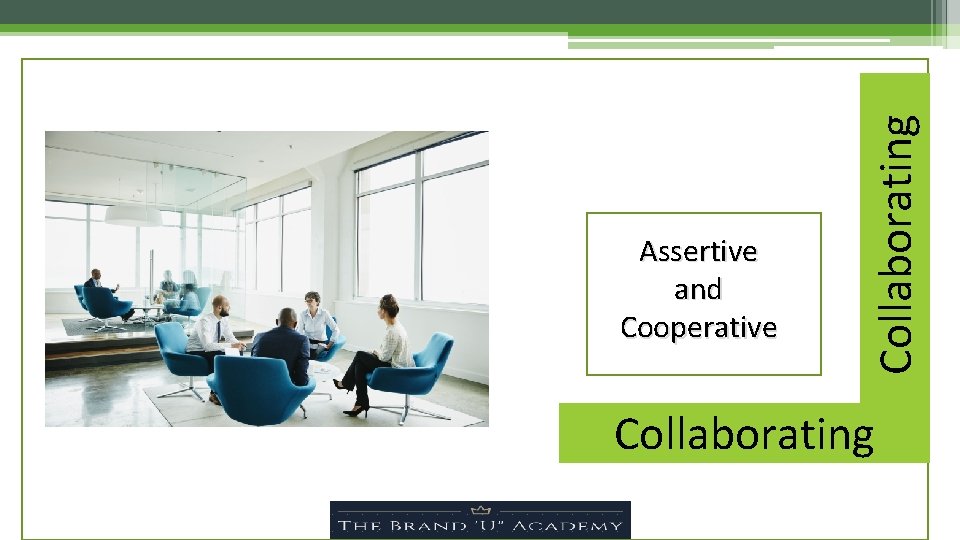
Collaborating Assertive and Cooperative Collaborating
Education Speak well in multiple language Team Player Quick Learner Good Listener Patient and Calm s. W OT Education Speak well in multiple language Team Player Quick Learner Good Listener Patient and Calm
Highly Effective people … • Are not problem minded, they’re opportunity minded • Feed opportunities and starve problems • Think preventively
TM and Quadrant II • The only way to get time for Quadrant II is to take it from Quadrant III and Quadrant IV. • You can’t ignore the urgent and important activities in Quadrant I, but they will shrink with time. • You have to be proactive in Quadrant II at all times ⁻ ⁻ Quadrant I and Quadrant III work “on” you, wear you down. To say “yes” to important Quadrant II activities, you have to say “no” to all other activities. • In the end you have to say “no” to some thing , so choose Quadrant III and IV activities. “If you want to get something done, go see a busy man (or woman). ”
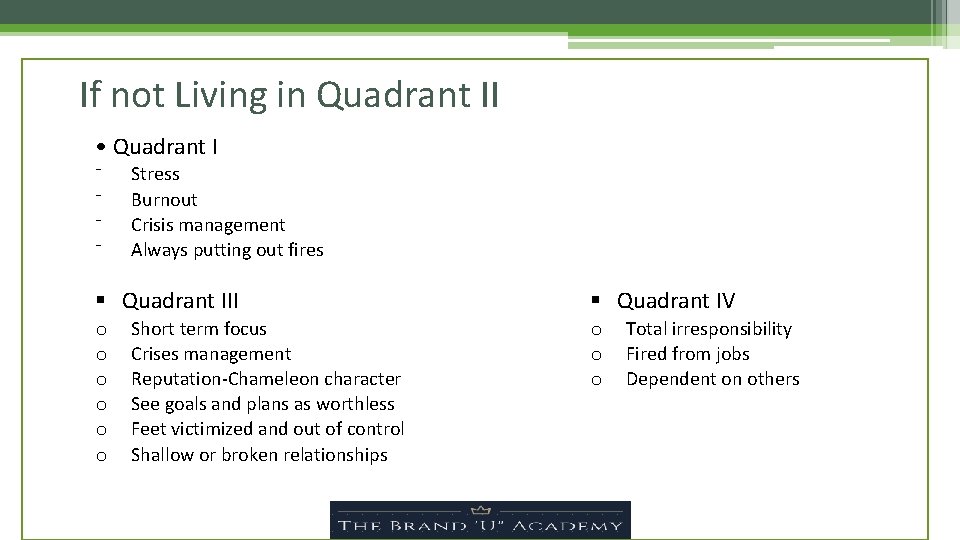
If not Living in Quadrant II • Quadrant I ⁻ ⁻ Stress Burnout Crisis management Always putting out fires § Quadrant III o o o Short term focus Crises management Reputation-Chameleon character See goals and plans as worthless Feet victimized and out of control Shallow or broken relationships § Quadrant IV o o o Total irresponsibility Fired from jobs Dependent on others

THE BRAND CALLED Y U
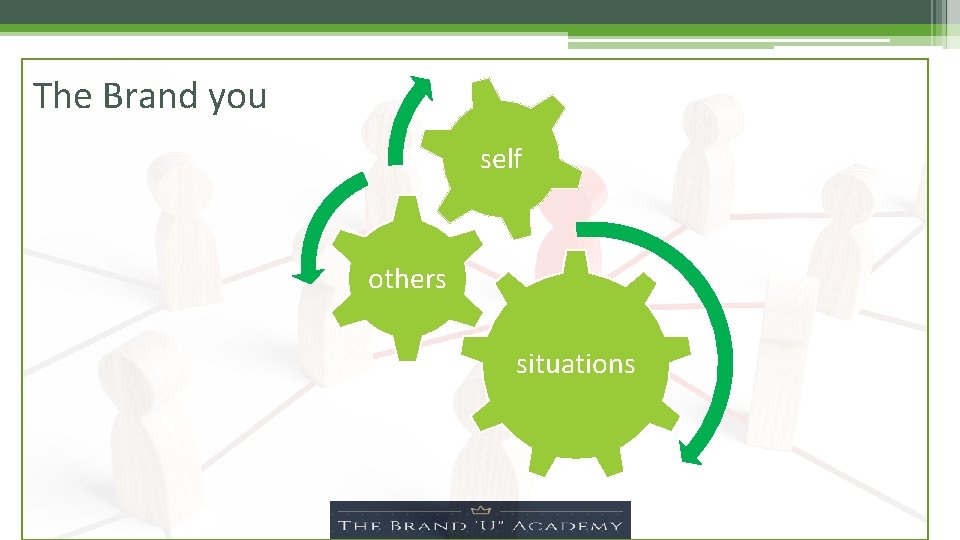
The Brand you self others situations

Time Management Matrix Important Not Important Urgent Not Urgent I II Crises Pressing Problems Deadline Driven Projects Interruptions Mail Meetings Popular activities III Prevention Relationship Building Planning New Opportunities IV Trivia Busy work Pleasant activities
Have’s vs. Be’s • The Circle of No Influence is filled with the have’s: ₋ “If only I had a more comfortable working hours. . . ” ₋ “If I had more resources…” ₋ If I could just have more time to myself…” ₋ “If there was better infrastructure…”

Have’s vs. Be’s • The Circle of No Influence is filled with the Be’s: ₋ “I can be more patient” ₋ “I can be more flexible” ₋ “I can be more empathetic” ₋ “I can be more committed” ₋ “ I can be more understanding”
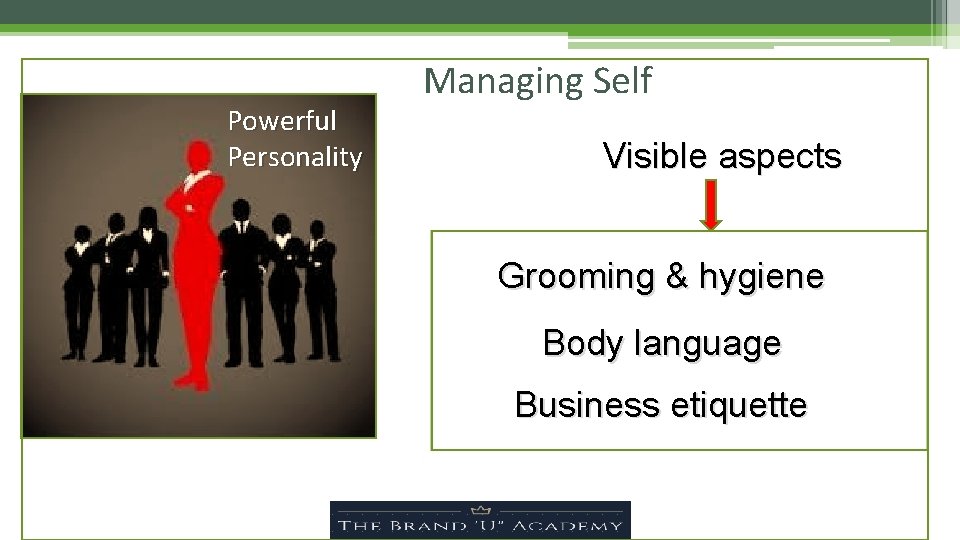
Powerful Personality Managing Self Visible aspects Grooming & hygiene Body language Business etiquette
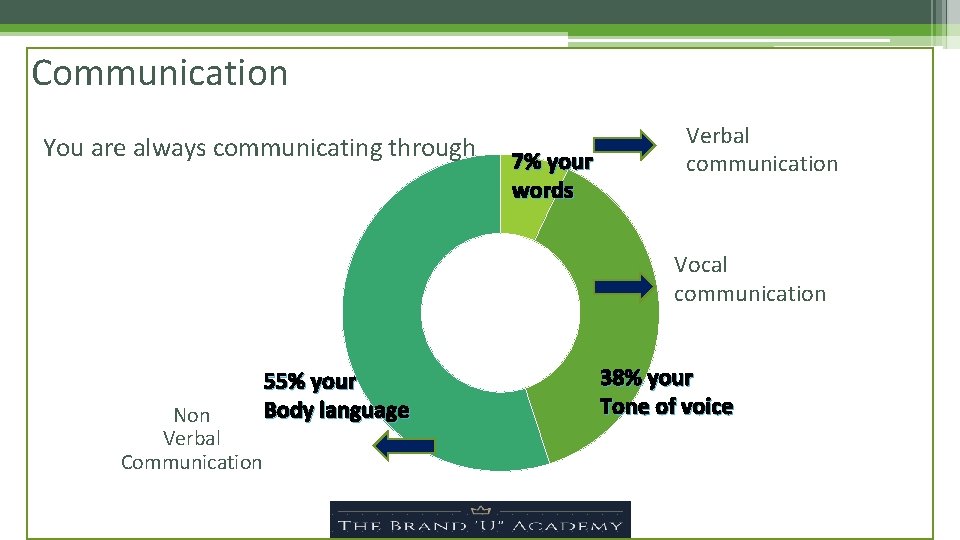
Communication You are always communicating through 7% your words Verbal communication Vocal communication Non Verbal Communication 55% your Body language 38% your Tone of voice
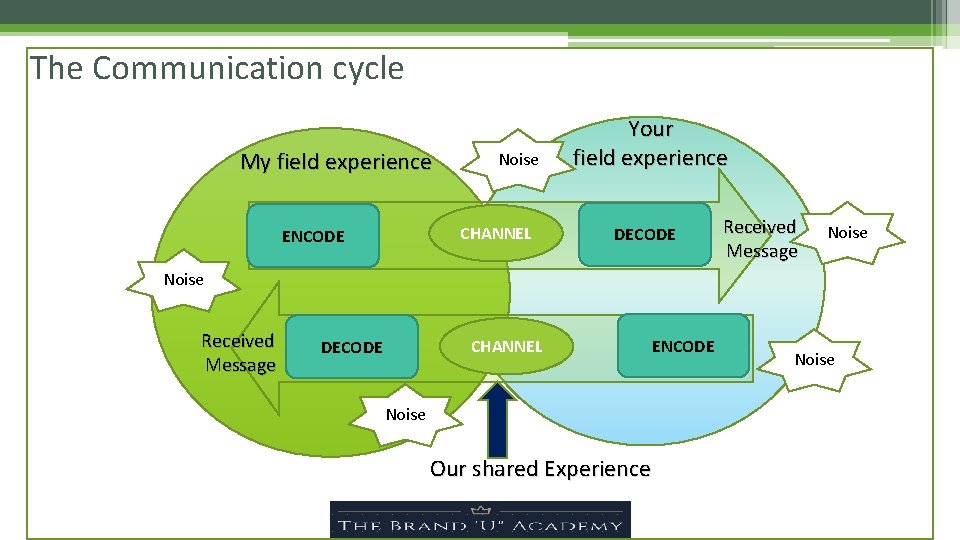
The Communication cycle My field experience Noise CHANNEL ENCODE Your field experience DECODE Received Message Noise Received Message CHANNEL DECODE Noise Our shared Experience ENCODE Noise

How to handle conflicts Make sure that good relationships are a priority Separate PEOPLE From problems Listen carefully to different interests Explore options together Set out the “Facts” Listen first talk second
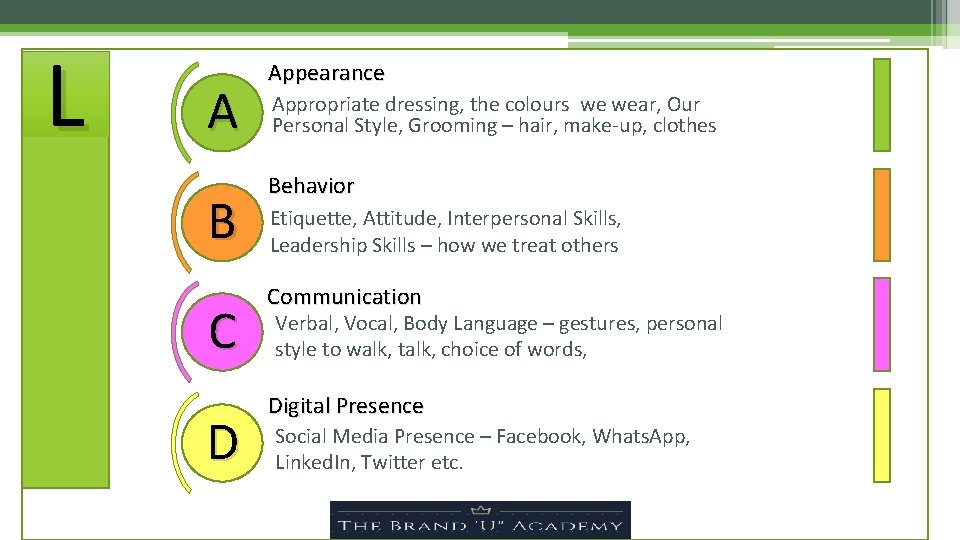
L A B C D Appearance Appropriate dressing, the colours we wear, Our Personal Style, Grooming – hair, make-up, clothes Behavior Etiquette, Attitude, Interpersonal Skills, Leadership Skills – how we treat others Communication Verbal, Vocal, Body Language – gestures, personal style to walk, talk, choice of words, Digital Presence Social Media Presence – Facebook, Whats. App, Linked. In, Twitter etc.
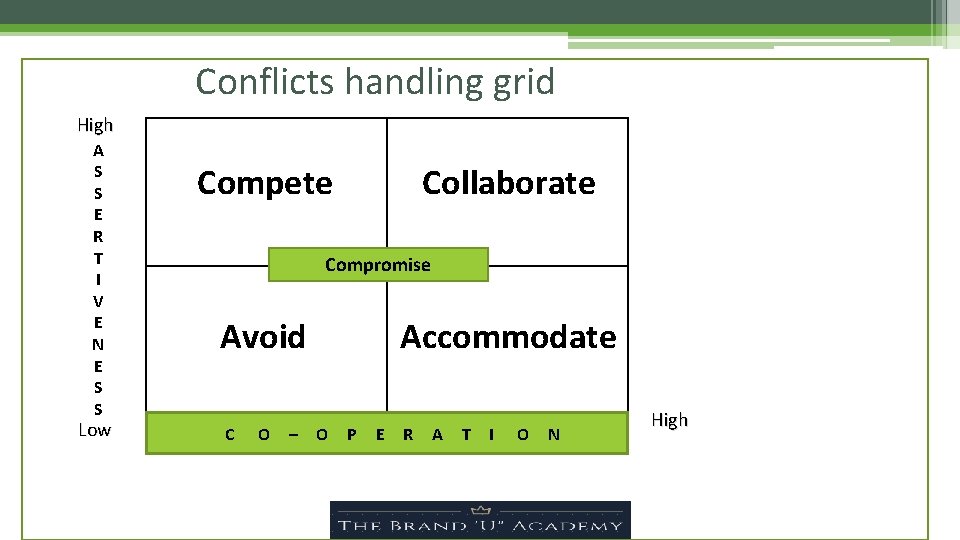
Conflicts handling grid High A S S E R T I V E N E S S Low Collaborate Compete Compromise Accommodate Avoid C O – O P E R A T I O N High
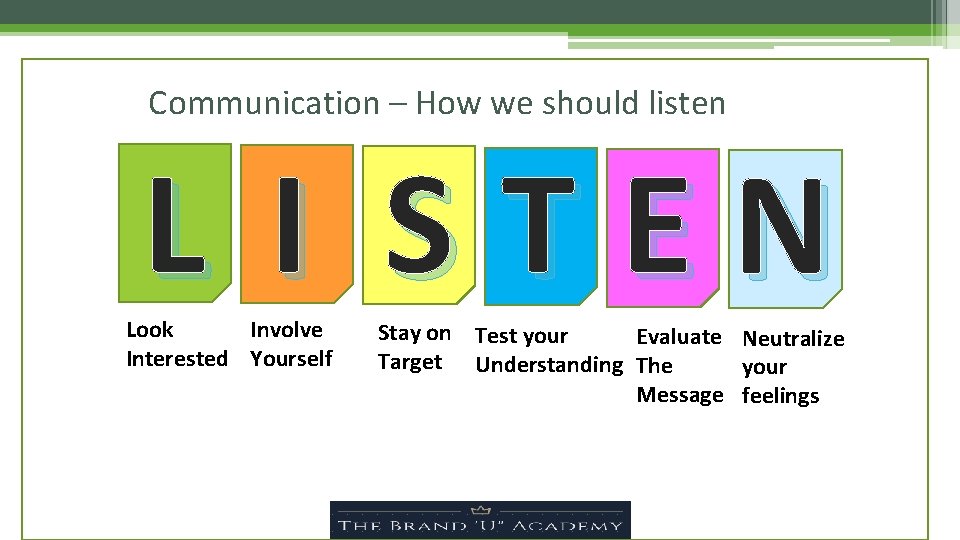
Communication – How we should listen L I STEN Look Involve Interested Yourself Stay on Test your Evaluate Neutralize Target Understanding The your Message feelings
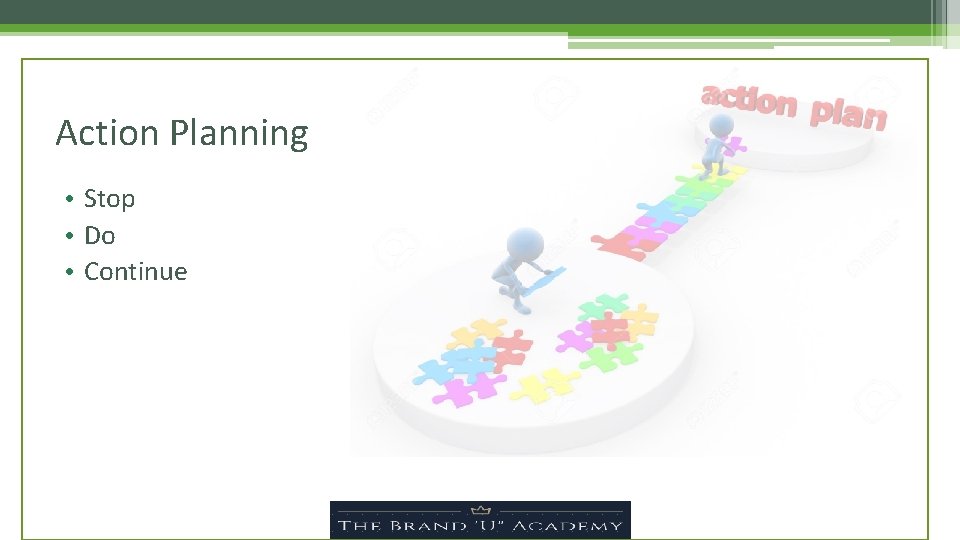
Action Planning • Stop • Do • Continue
What’s your Answer ?
Video based Discussion

Thank you www. thebranduacademy. com
- Slides: 39