
Welcome to Bio 1030 Biology Today Second Part
Welcome to Bio 1030 Biology Today Second Part of Semester Feb 27 -April 21, 2008 Instructor for Second Part: Moti Nissani
Previous Lecture 1: Nature of Scientific Inquiry Assigned Readings: Bio 1030 & and link: Hempel: Scientific Inquiry
Both posted at: www. is. wayne. edu/mnis sani/bio 1030/ Instructor’s E-mail: aa 1674@wayne. edu
Lectures will not typically reiterate material from assigned readings. I shall assume that you can master those on your own. Instead, lectures will explain, add to, and amplify key concepts
Many discoveries and breathroughs in science: Extending our senses.
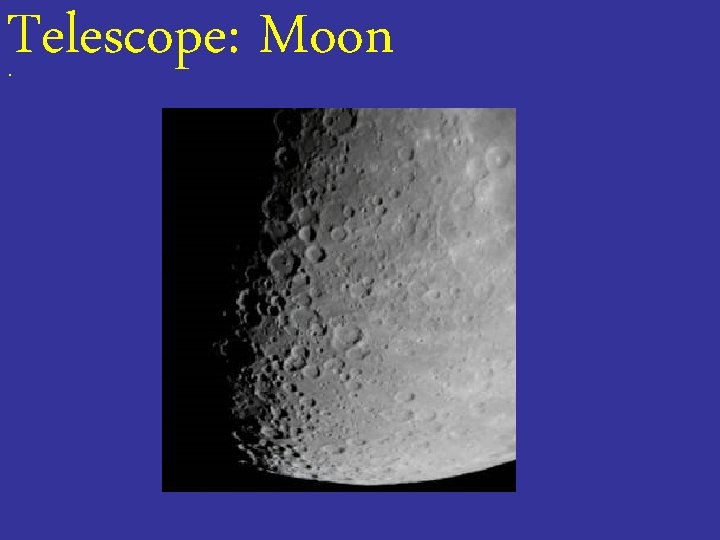
Telescope: Moon.
Dolphin Conversation. With instruments, we can really eavesdrop: .
. Sonogram: Baby of 20 weeks: http: //youtube. com/watch? v=3 bz EXM 8 c 0 P 4
. Microscopy is yet another way of expanding our sensory world: There are several types of scopes:
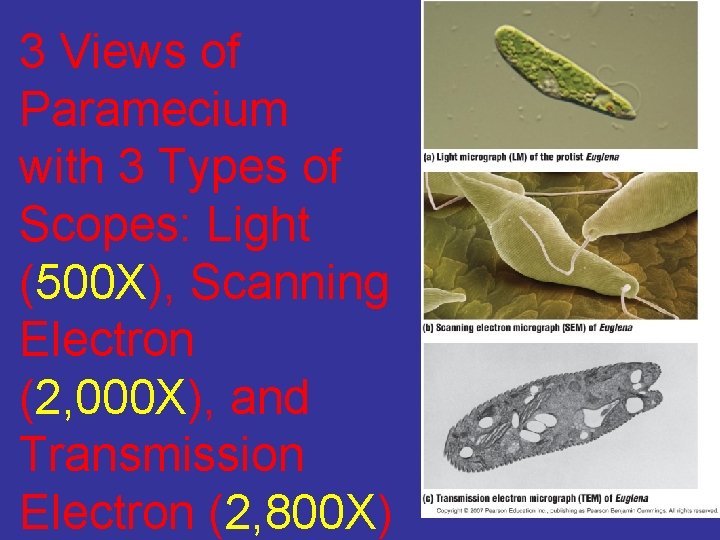
3 Views of Paramecium with 3 Types of Scopes: Light (500 X), Scanning Electron (2, 000 X), and Transmission Electron (2, 800 X)
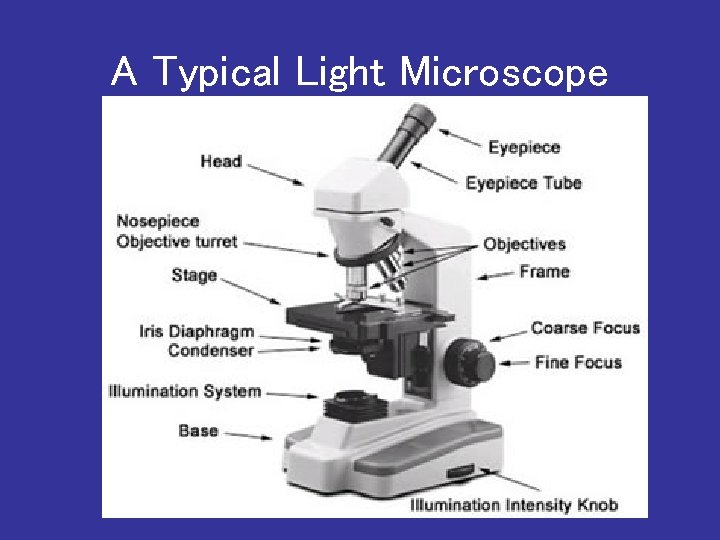
A Typical Light Microscope
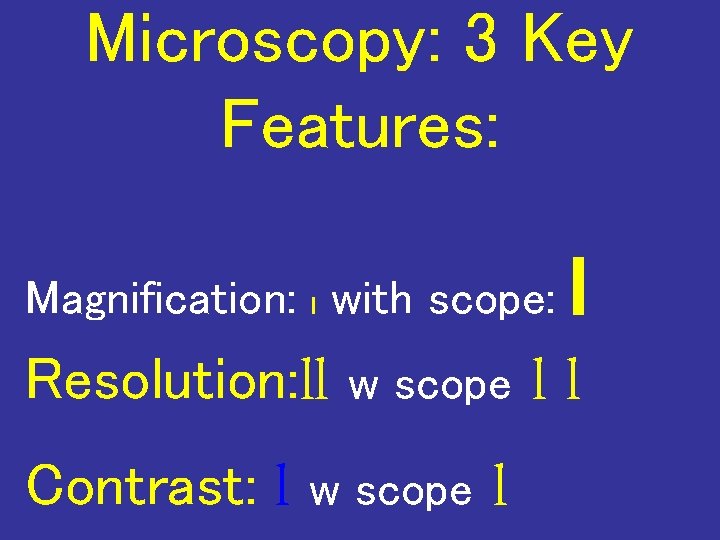
Microscopy: 3 Key Features: l Resolution: ll w scope l l Contrast: l w scope l Magnification: l with scope:
The Microscope, in turn, led to the CELL THEORY Cells: The building blocks of all living organisms
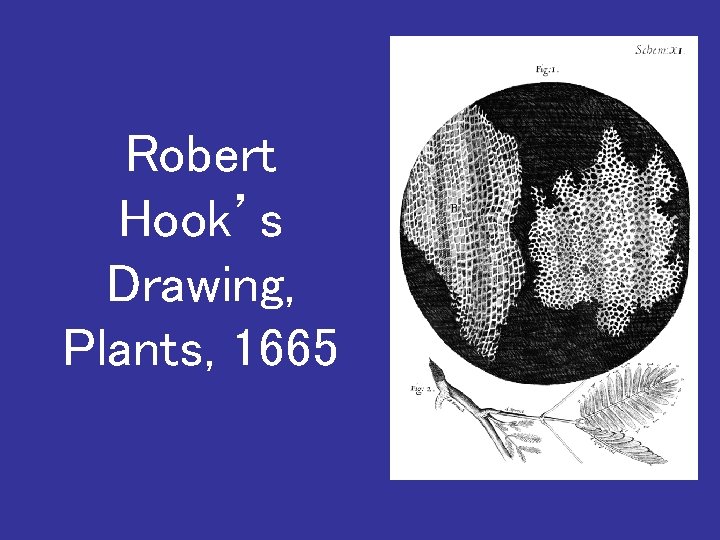
Robert Hook’s Drawing, Plants, 1665
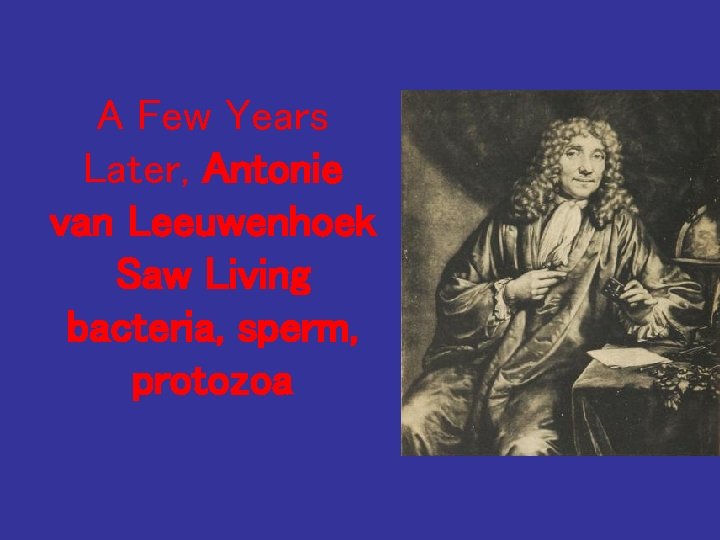
A Few Years Later, Antonie van Leeuwenhoek Saw Living bacteria, sperm, protozoa
Cell Theory. Cells are a fundamental feature of ALL LIFE (viruses excepted). There are 2 useful classification schemes here: • unicellular vs. multicellular • eukaryotes vs. prokaryotes
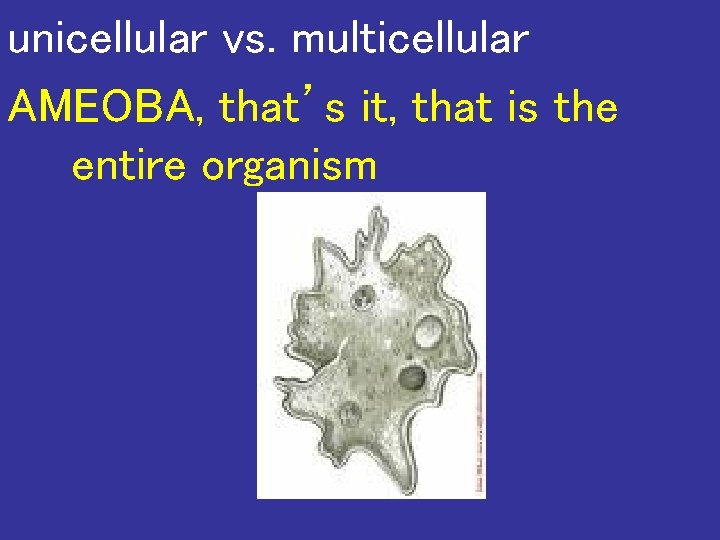
unicellular vs. multicellular AMEOBA, that’s it, that is the entire organism
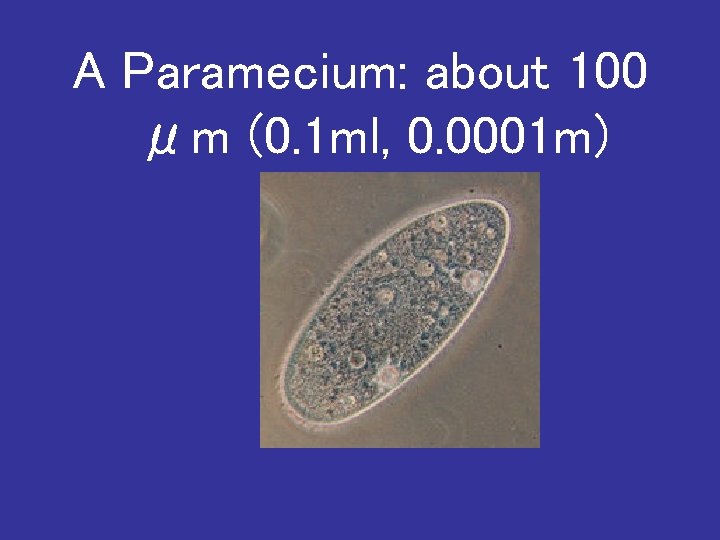
A Paramecium: about 100 μm (0. 1 ml, 0. 0001 m)
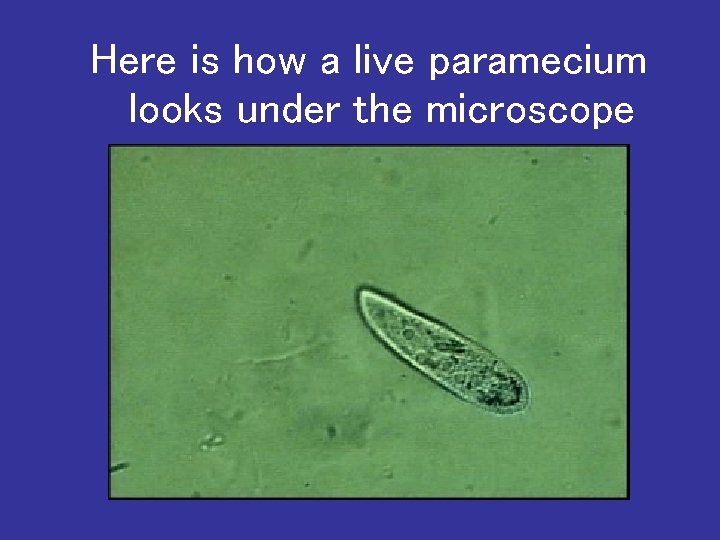
Here is how a live paramecium looks under the microscope
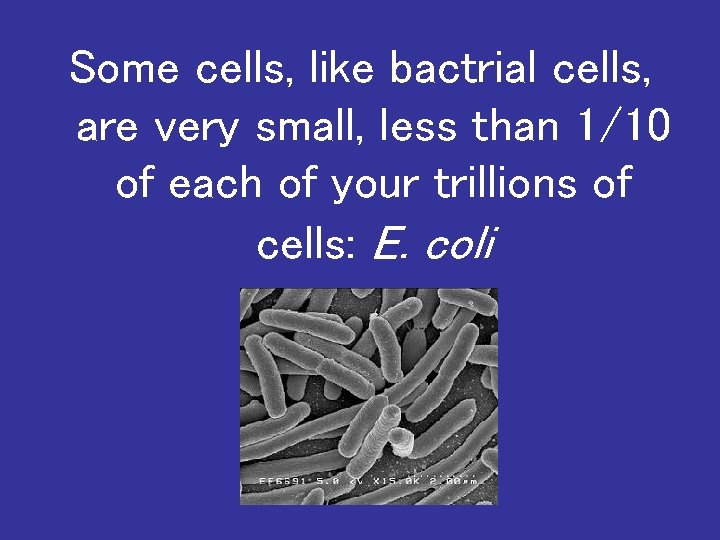
Some cells, like bactrial cells, are very small, less than 1/10 of each of your trillions of cells: E. coli
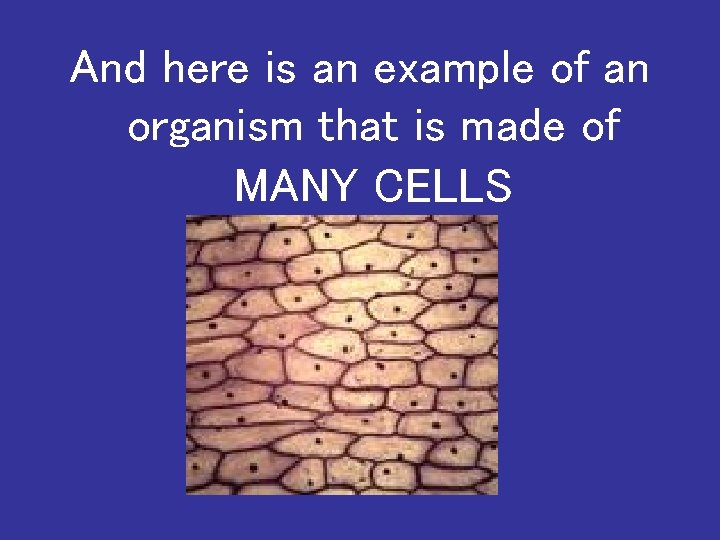
And here is an example of an organism that is made of MANY CELLS
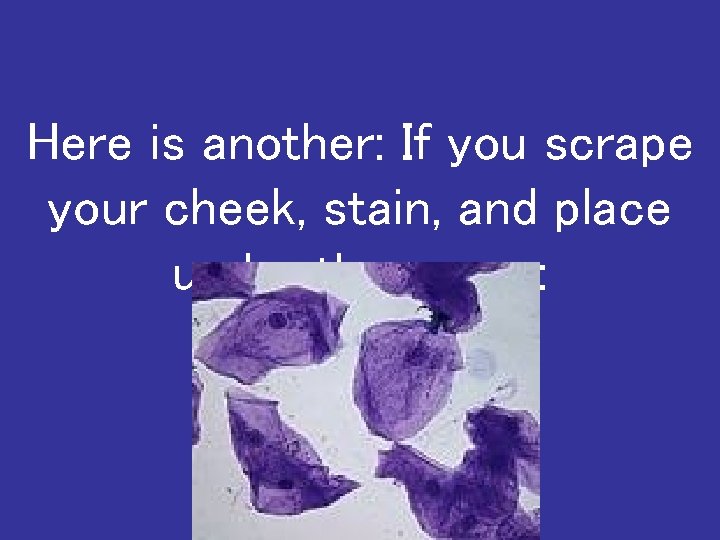
Here is another: If you scrape your cheek, stain, and place under the scope:
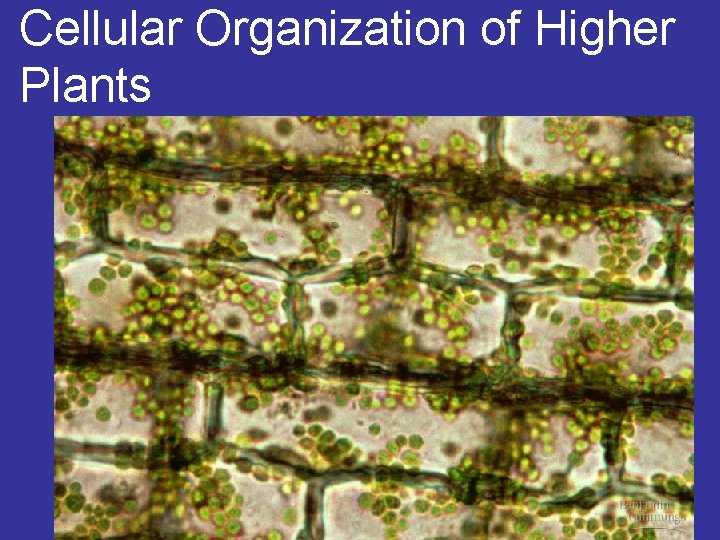
Cellular Organization of Higher Plants
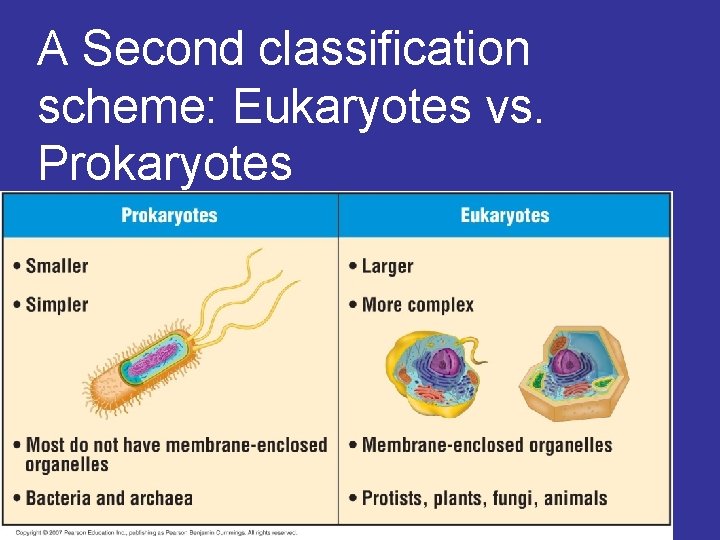
A Second classification scheme: Eukaryotes vs. Prokaryotes
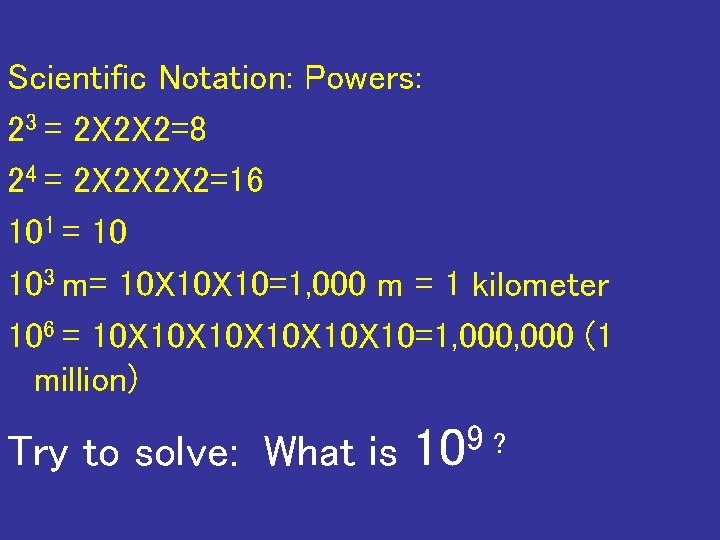
Scientific Notation: Powers: 23 = 2 X 2 X 2=8 24 = 2 X 2 X 2 X 2=16 101 = 10 103 m= 10 X 10=1, 000 m = 1 kilometer 106 = 10 X 10 X 10 X 10=1, 000 (1 million) Try to solve: What is 9 10 ?
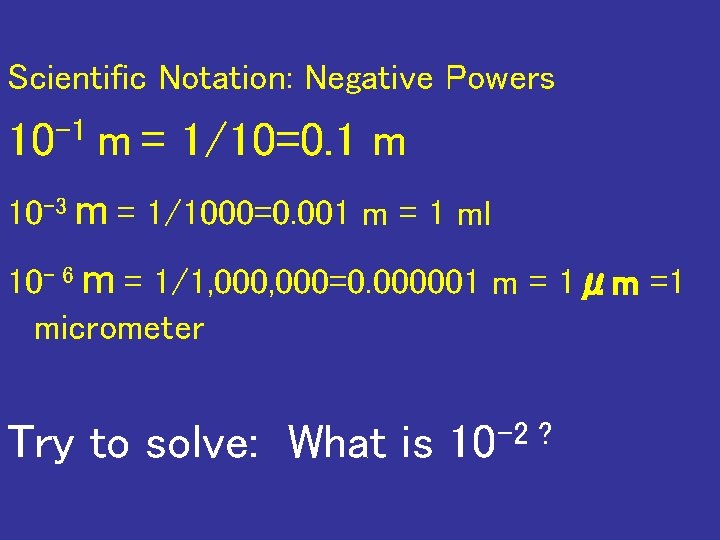
Scientific Notation: Negative Powers 10 -1 m = 1/10=0. 1 m 10 -3 m = 1/1000=0. 001 m = 1 ml 10 - 6 m = 1/1, 000=0. 000001 m = 1μm =1 micrometer Try to solve: What is -2 ? 10
So, if I had microscopic vision and could see air, I would see zillions of dancing atoms. Likewise, if I could magnify any living thing, I would see: • Single cells or clumps, simple, small: prokayotes (e. g. , E. coli) • Single cells, large, complex: Single. Celled Eukaryotes (e. g. , paramecium, amoeba) • Complex, many cells: Eukaryotes (maple trees, dogs, fleas)
Another way of visualizing this, from small to big: Viruses: 0. 0000001 meter: Life forms? Bacteria: 0. 000001 m, prokaryotes Euglena, amoeba (single-cell organisms), human heart cells (building blocks of a larger organism): 0. 00001 m A human child: 1 m Distance to alpha-centauri: 4. 3 light years, or 40, 000, 000 m
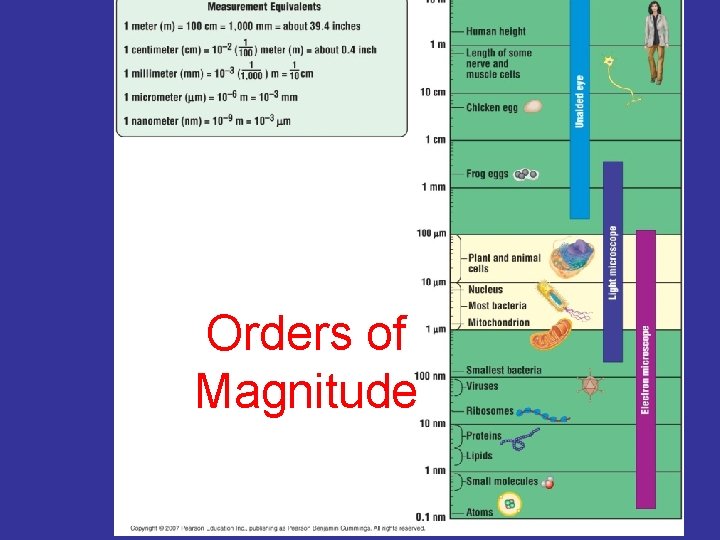
Orders of Magnitude
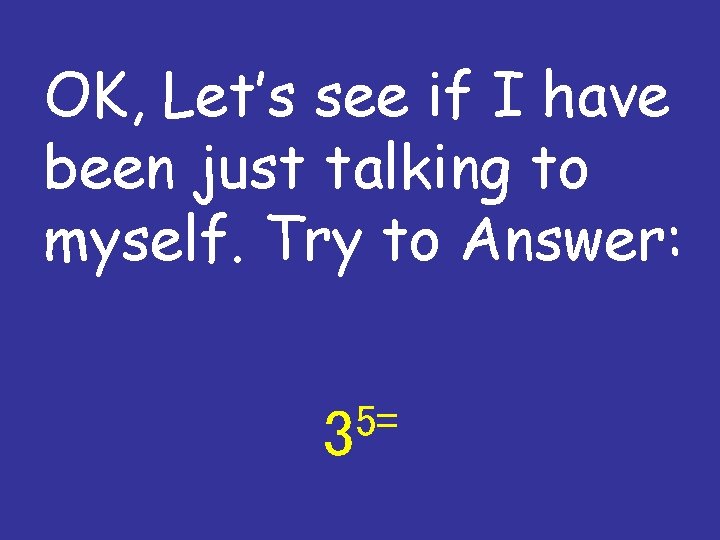
OK, Let’s see if I have been just talking to myself. Try to Answer: 5= 3
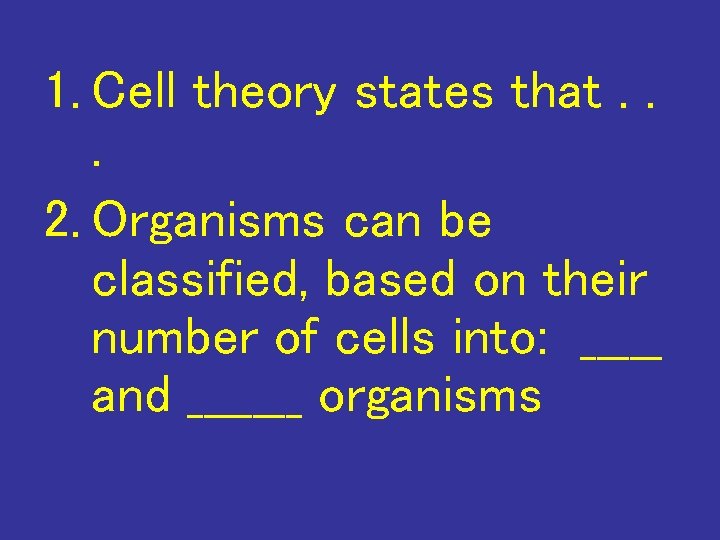
1. Cell theory states that. . . 2. Organisms can be classified, based on their number of cells into: _____ and _______ organisms
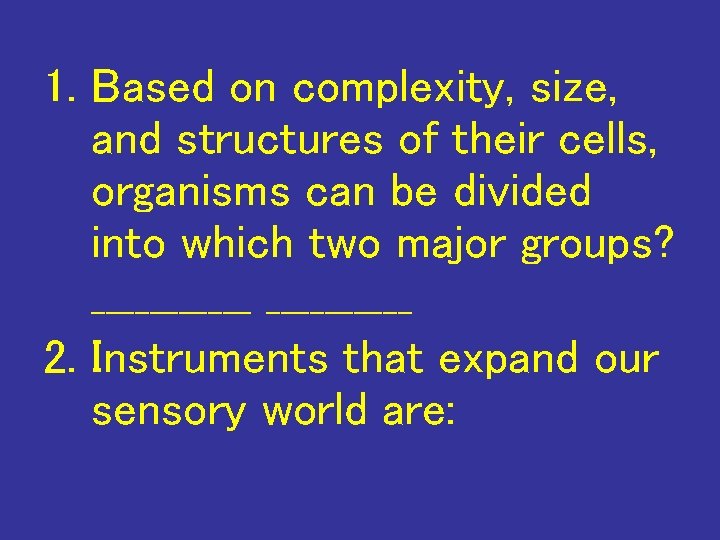
1. Based on complexity, size, and structures of their cells, organisms can be divided into which two major groups? ______ 2. Instruments that expand our sensory world are:
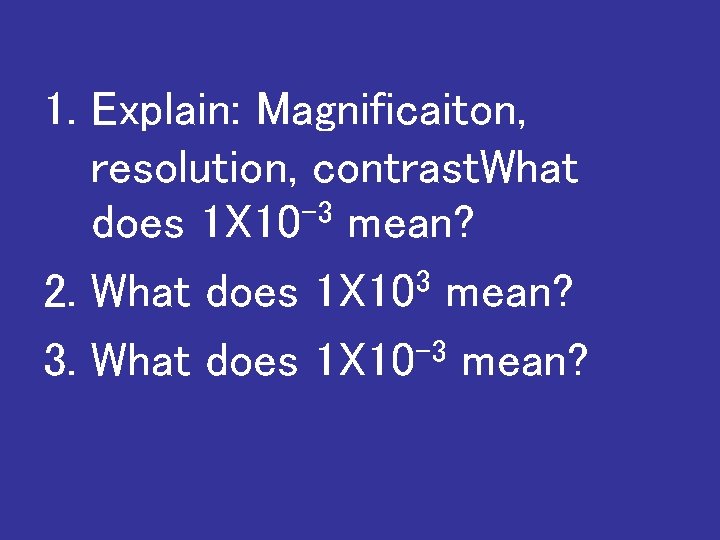
1. Explain: Magnificaiton, resolution, contrast. What -3 does 1 X 10 mean? 2. What does 1 X 10³ mean? 3. What does 1 X 10 -3 mean?

1. What’s our class website? 2. Instructor’s e-mail?
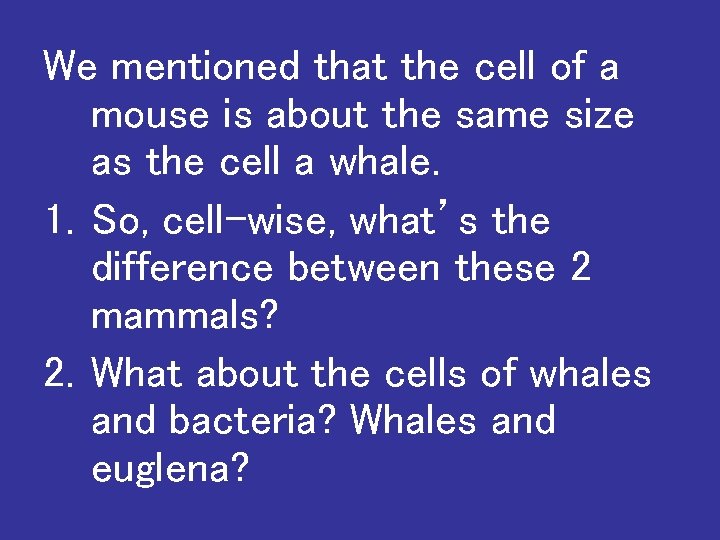
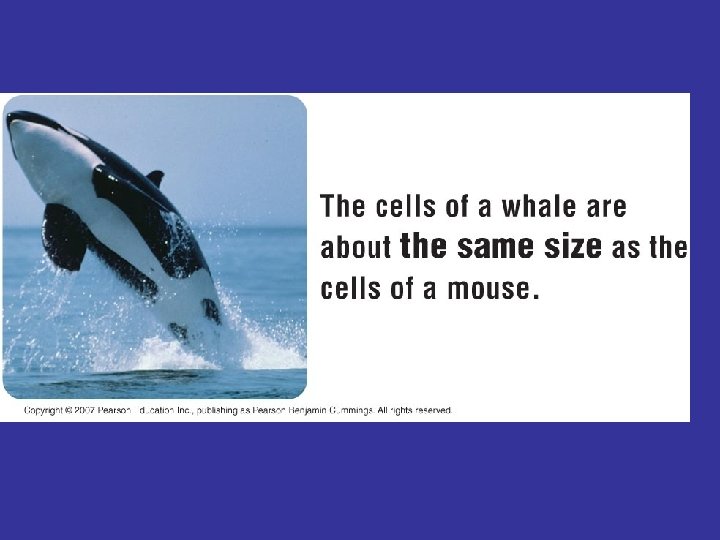
We mentioned that the cell of a mouse is about the same size as the cell a whale. 1. So, cell-wise, what’s the difference between these 2 mammals? 2. What about the cells of whales and bacteria? Whales and euglena?
- Slides: 37