
WELCOME Reading Handwriting at Caldecote Primary School Question

- Slides: 18
WELCOME Reading & Handwriting at Caldecote Primary School Question while you wait: How do you pronounce GHOTI?
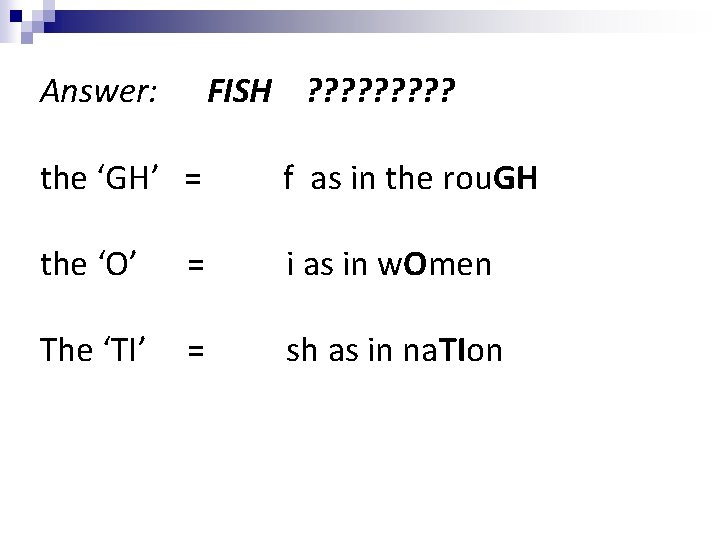
Answer: FISH ? ? ? ? ? the ‘GH’ = f as in the rou. GH the ‘O’ = i as in w. Omen The ‘TI’ = sh as in na. TIon
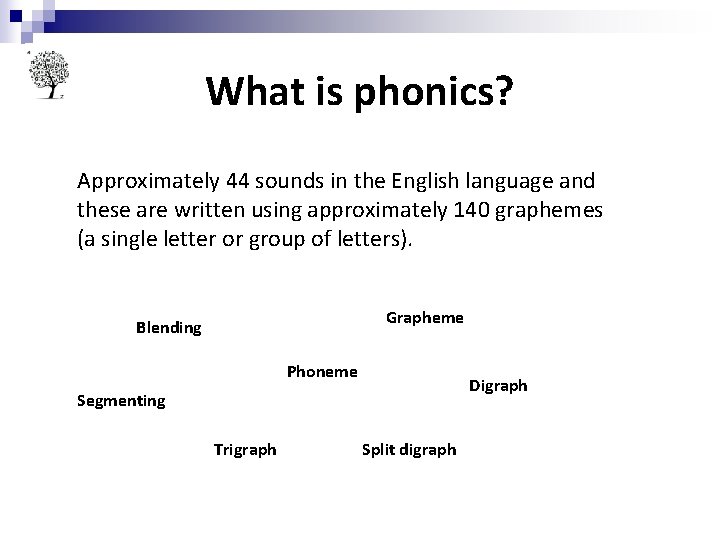
What is phonics? Approximately 44 sounds in the English language and these are written using approximately 140 graphemes (a single letter or group of letters). Grapheme Blending Phoneme Digraph Segmenting Trigraph Split digraph
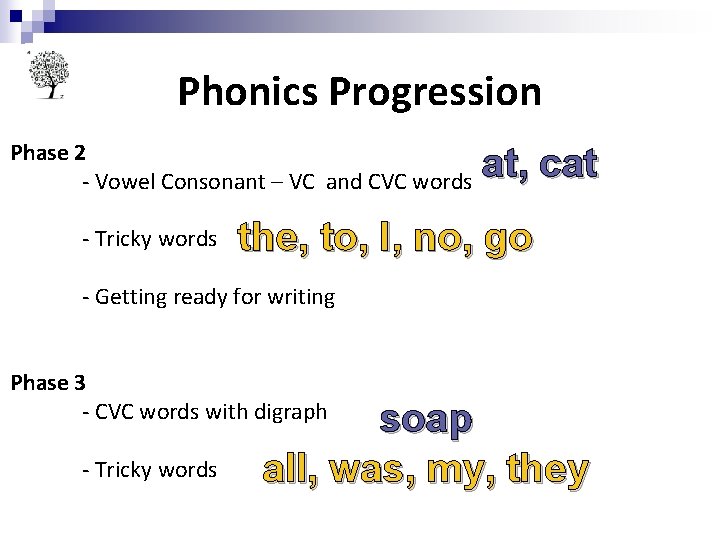
Phonics Progression Phase 2 - Vowel Consonant – VC and CVC words - Tricky words at, cat the, to, I, no, go - Getting ready for writing Phase 3 - CVC words with digraph - Tricky words soap all, was, my, they
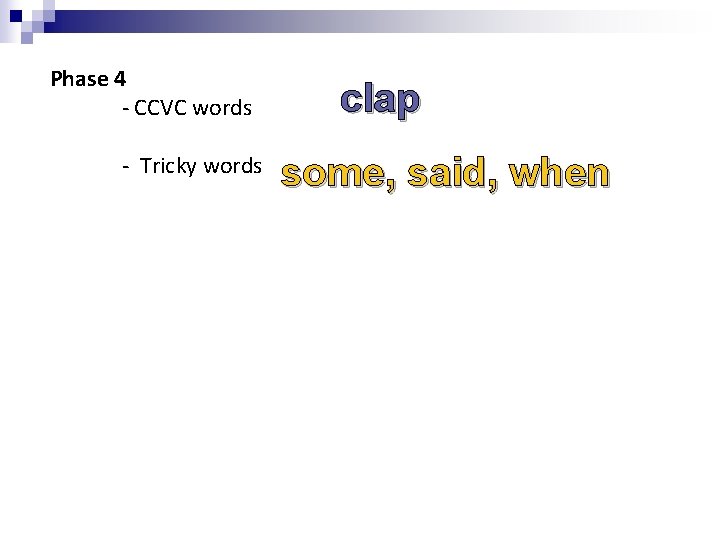
Phase 4 - CCVC words - Tricky words clap some, said, when
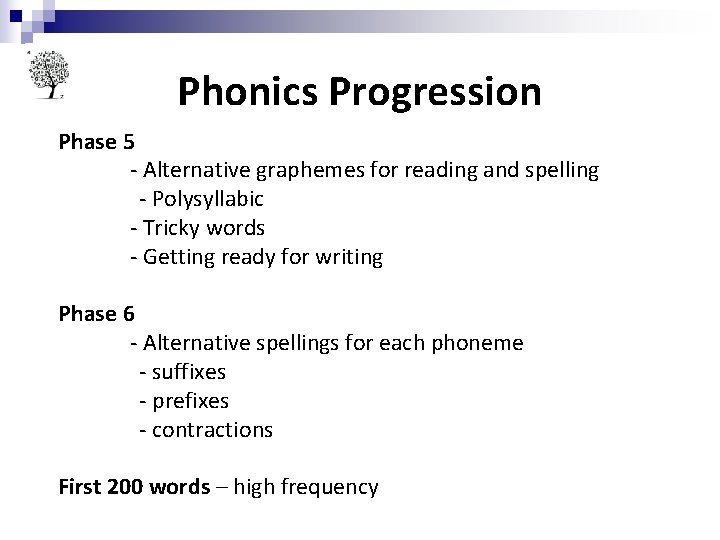
Phonics Progression Phase 5 - Alternative graphemes for reading and spelling - Polysyllabic - Tricky words - Getting ready for writing Phase 6 - Alternative spellings for each phoneme - suffixes - prefixes - contractions First 200 words – high frequency
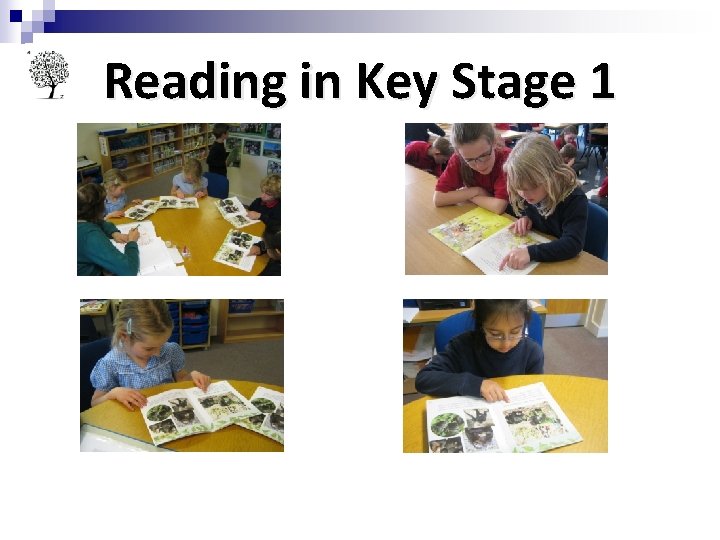
Reading in Key Stage 1
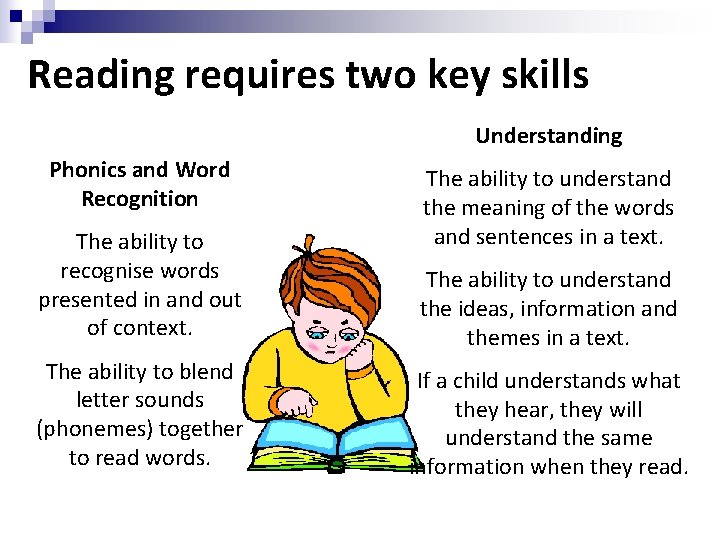
Reading requires two key skills Understanding Phonics and Word Recognition The ability to understand the meaning of the words and sentences in a text. The ability to recognise words presented in and out of context. The ability to understand the ideas, information and themes in a text. The ability to blend letter sounds (phonemes) together to read words. If a child understands what they hear, they will understand the same information when they read.
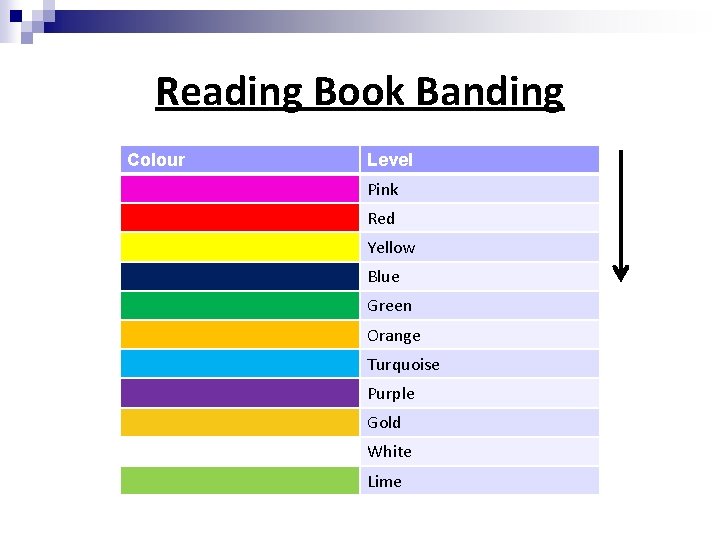
Reading Book Banding Colour Level Pink Red Yellow Blue Green Orange Turquoise Purple Gold White Lime
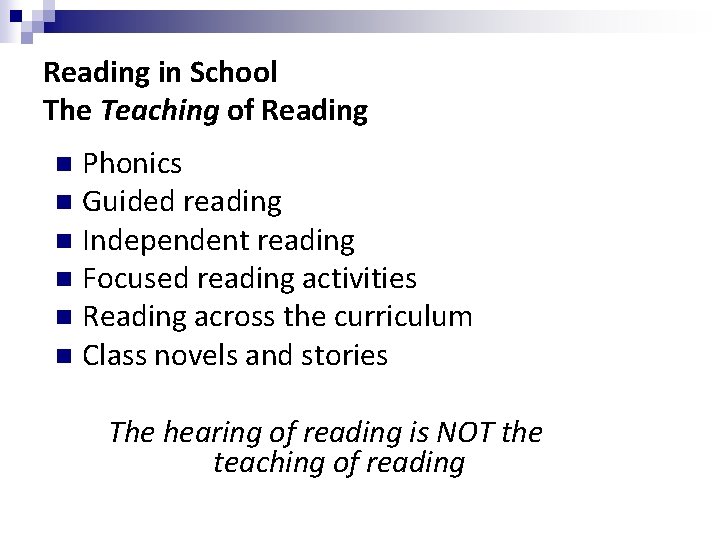
Reading in School The Teaching of Reading Phonics n Guided reading n Independent reading n Focused reading activities n Reading across the curriculum n Class novels and stories n The hearing of reading is NOT the teaching of reading
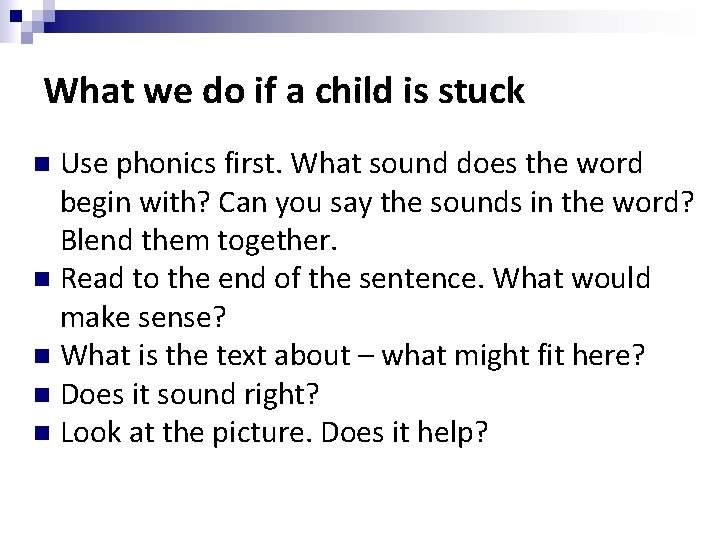
What we do if a child is stuck Use phonics first. What sound does the word begin with? Can you say the sounds in the word? Blend them together. n Read to the end of the sentence. What would make sense? n What is the text about – what might fit here? n Does it sound right? n Look at the picture. Does it help? n
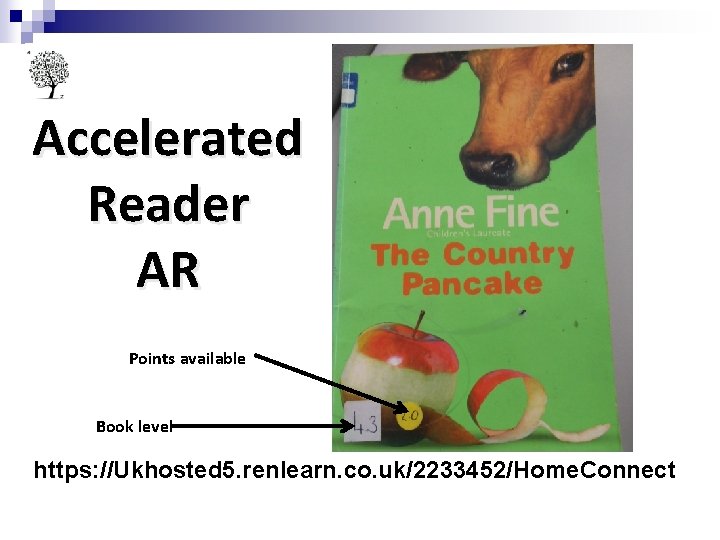
Accelerated Reader AR Points available Book level https: //Ukhosted 5. renlearn. co. uk/2233452/Home. Connect
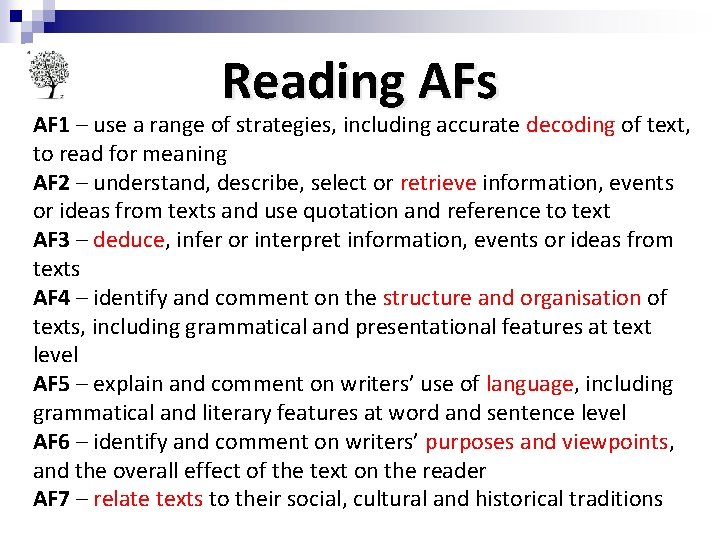
Reading AFs AF 1 – use a range of strategies, including accurate decoding of text, to read for meaning AF 2 – understand, describe, select or retrieve information, events or ideas from texts and use quotation and reference to text AF 3 – deduce, infer or interpret information, events or ideas from texts AF 4 – identify and comment on the structure and organisation of texts, including grammatical and presentational features at text level AF 5 – explain and comment on writers’ use of language, including grammatical and literary features at word and sentence level AF 6 – identify and comment on writers’ purposes and viewpoints, and the overall effect of the text on the reader AF 7 – relate texts to their social, cultural and historical traditions
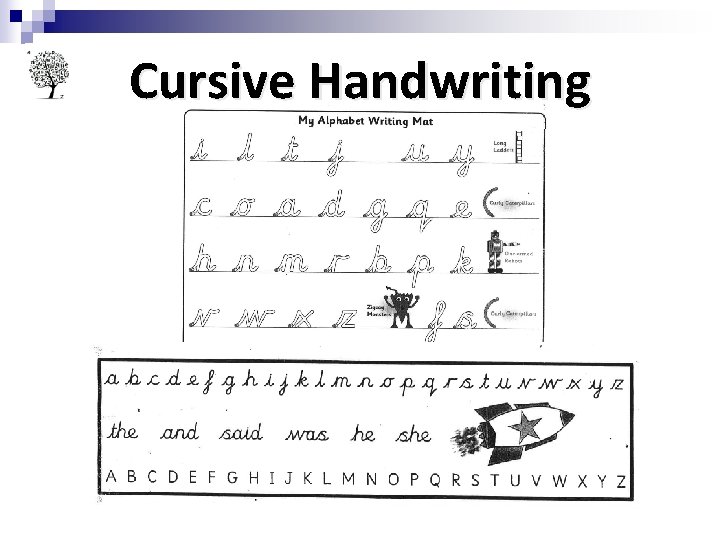
Cursive Handwriting
Cursive Handwriting Taught across the school n Research has shown that cursive writing improves spelling n Consulted many schools and carried out research n The British dyslexia foundation n
Caldecote Primary School Our website has information and resources to support parents
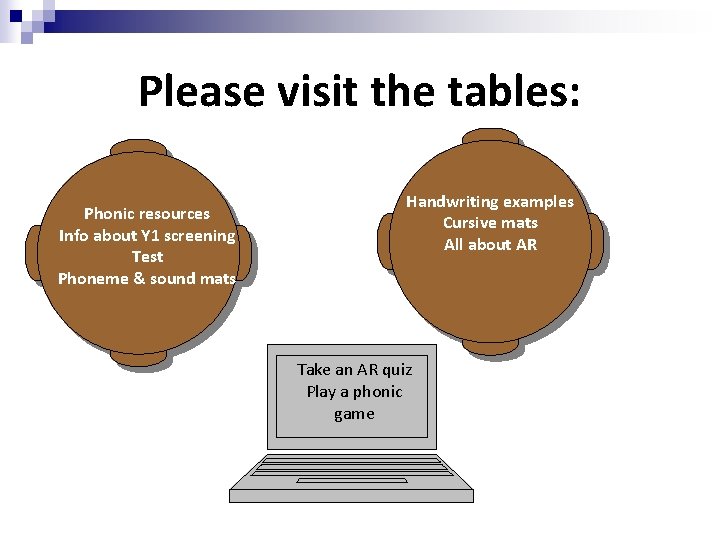
Please visit the tables: Phonic resources Info about Y 1 screening Test Phoneme & sound mats Handwriting examples Cursive mats All about AR Take an AR quiz Play a phonic game
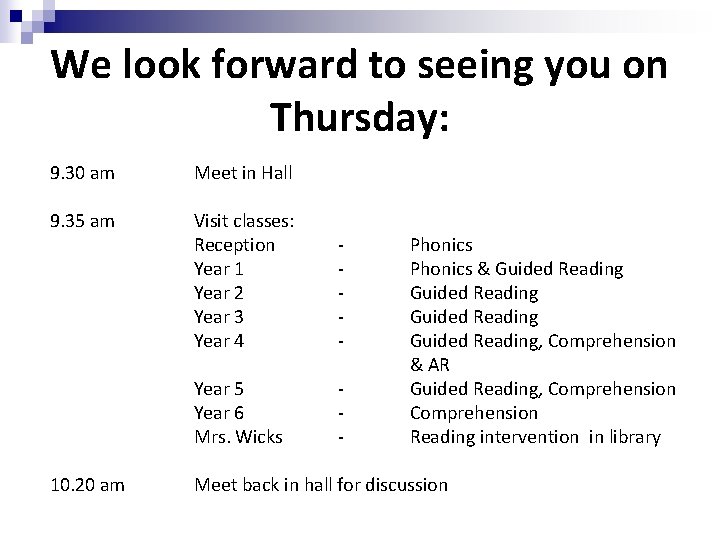
We look forward to seeing you on Thursday: 9. 30 am Meet in Hall 9. 35 am Visit classes: Reception Year 1 Year 2 Year 3 Year 4 - Year 5 Year 6 Mrs. Wicks - 10. 20 am Phonics & Guided Reading, Comprehension & AR Guided Reading, Comprehension Reading intervention in library Meet back in hall for discussion