
Welcome Many many greetings to you all Teacher


- Slides: 26
Welcome Many many greetings to you all.
Teacher and lesson identity 2/27/2021 Shahidul Islam LECTURER IN ENGLISH DHAKADAKSHIN ML H/S & COLLEGE, SYLHET 01715600555 Unit: 10, Lesson: 02 Dreams 2
Learning Outcome At the end of the lesson ss will be able-1. Define Dream. 2. Explain their opinion about dream. 3. Eescribe the materialistic sight of Dream.
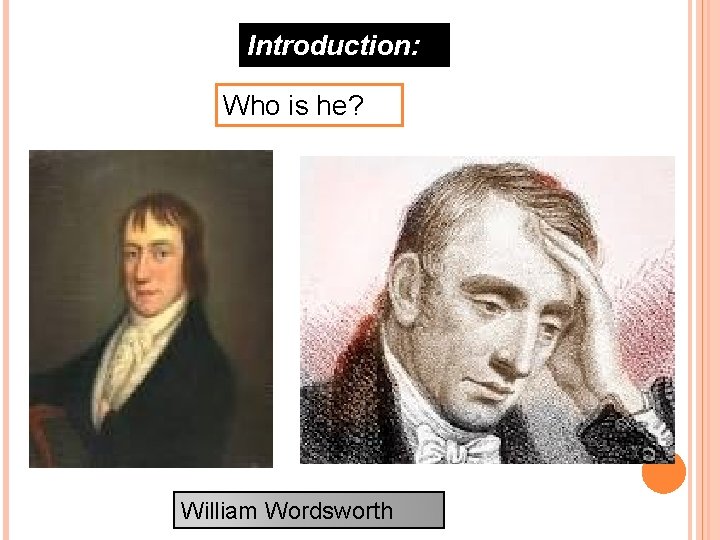
Introduction: Who is he? William Wordsworth
William Wordsworth (1770 -1850), the great Romantic poet, considered poets dreamers because they have the ability to turn our wish, our power, our thought into “a deed”. Poets give voice to what we desire and strive hard to achieve. They write about the dreams of lovers, men of action, patriots, social reformers, workers and just about anyone given to imagining a better tomorrow for themselves and for others.
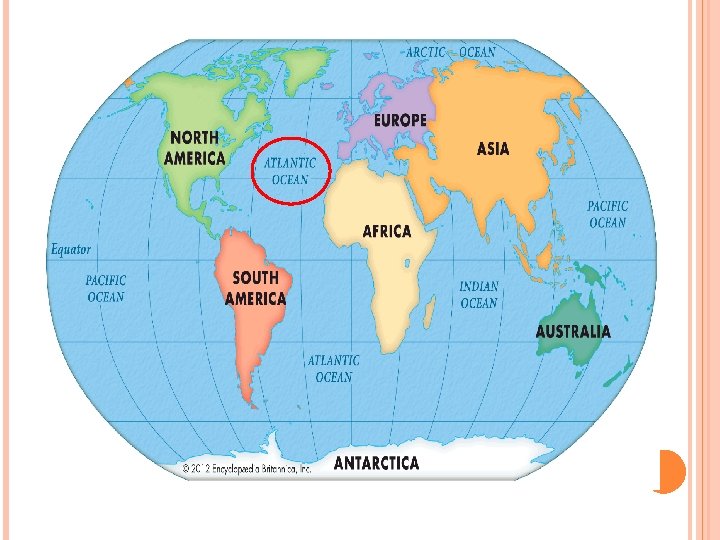
In the previous lessons we've learnt about different aspects of dreams. In this lesson, we will read two poems, written by two poets from two sides of the Atlantic.
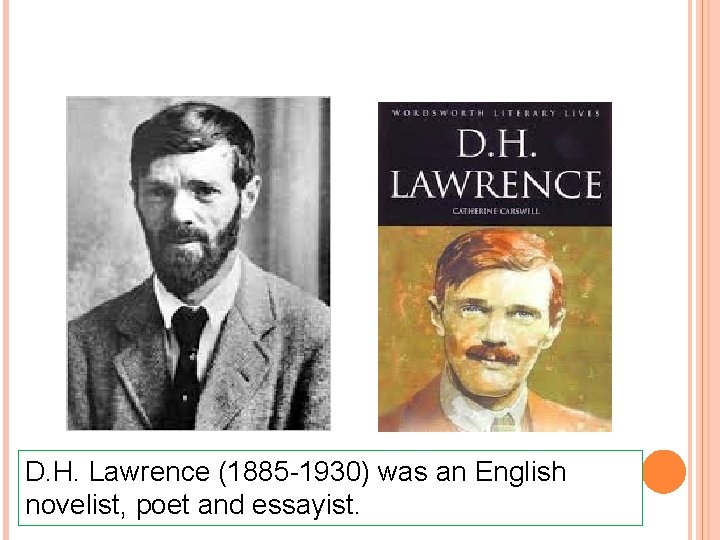
D. H. Lawrence (1885 -1930) was an English novelist, poet and essayist.
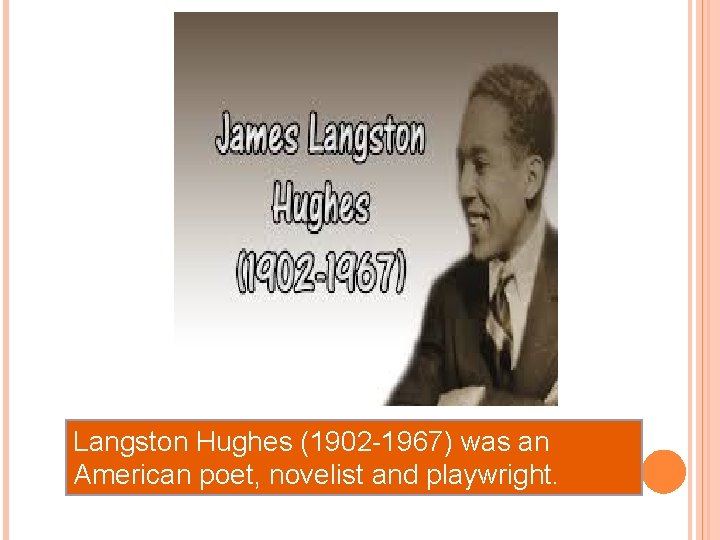
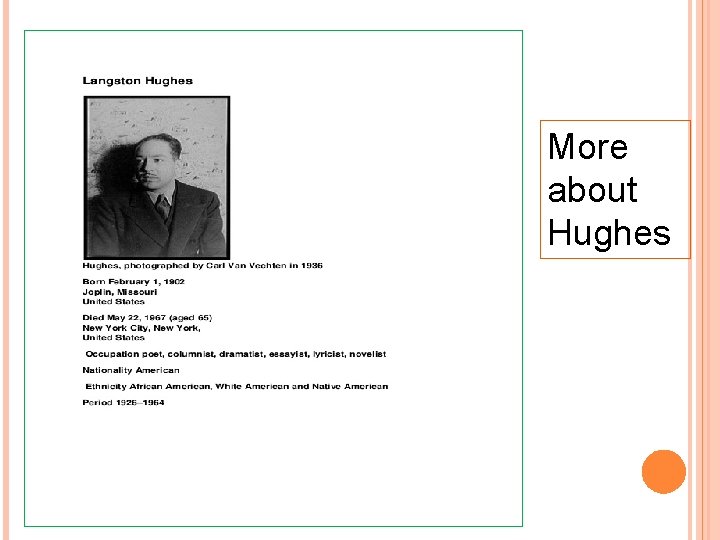
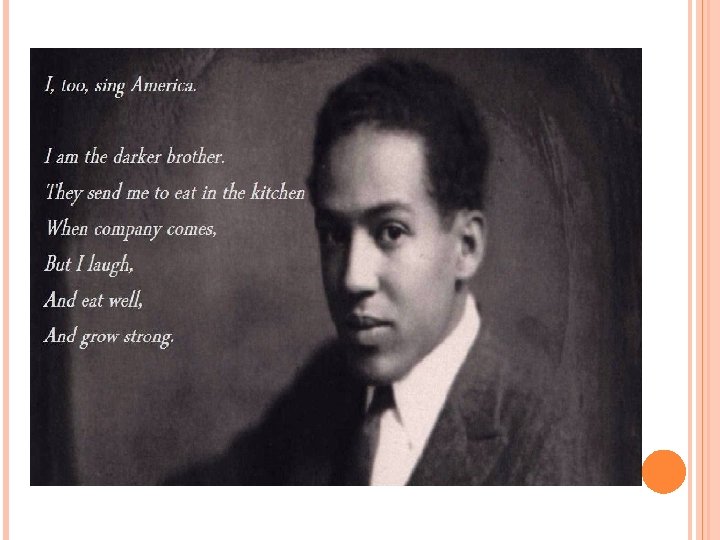
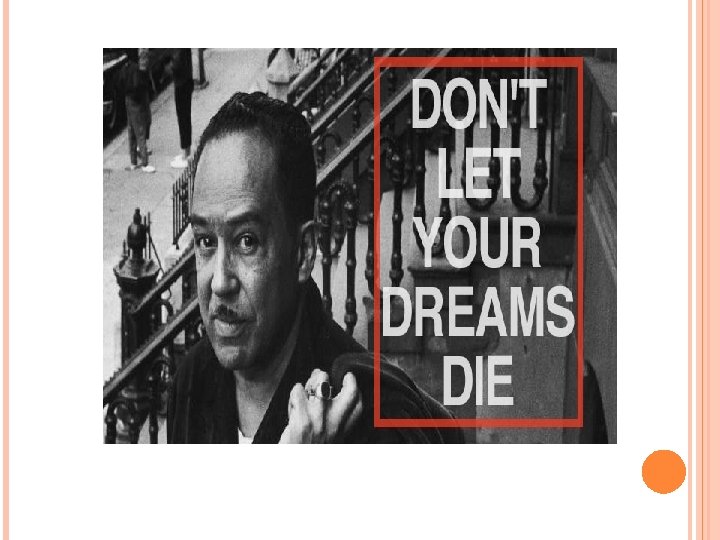
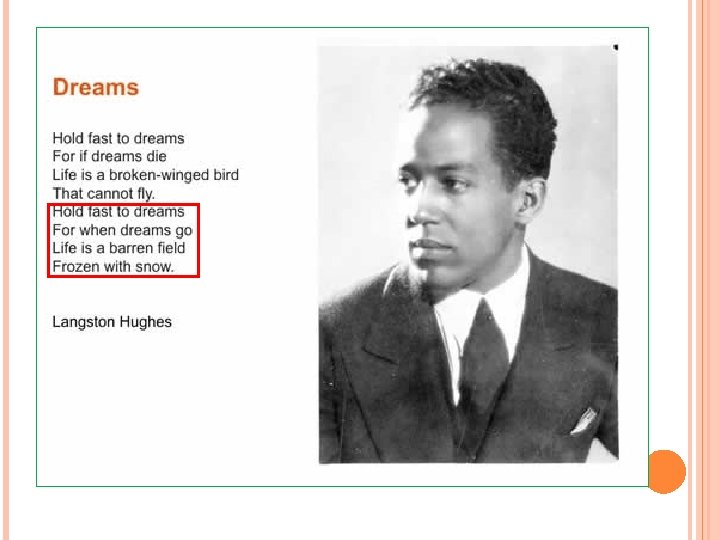
Langston Hughes (1902 -1967) was an American poet, novelist and playwright.
More about Hughes
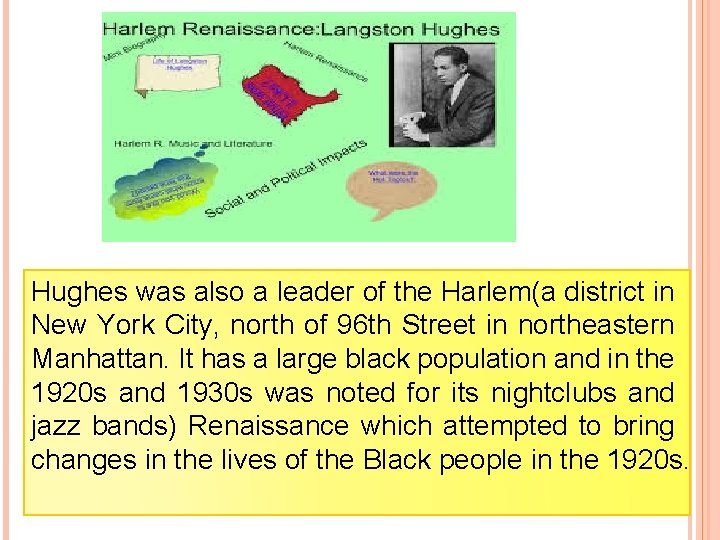
Hughes was also a leader of the Harlem(a district in New York City, north of 96 th Street in northeastern Manhattan. It has a large black population and in the 1920 s and 1930 s was noted for its nightclubs and jazz bands) Renaissance which attempted to bring changes in the lives of the Black people in the 1920 s.
2. Now read the two poems and answer the questions that follow. Dreams by D. H. Lawrence
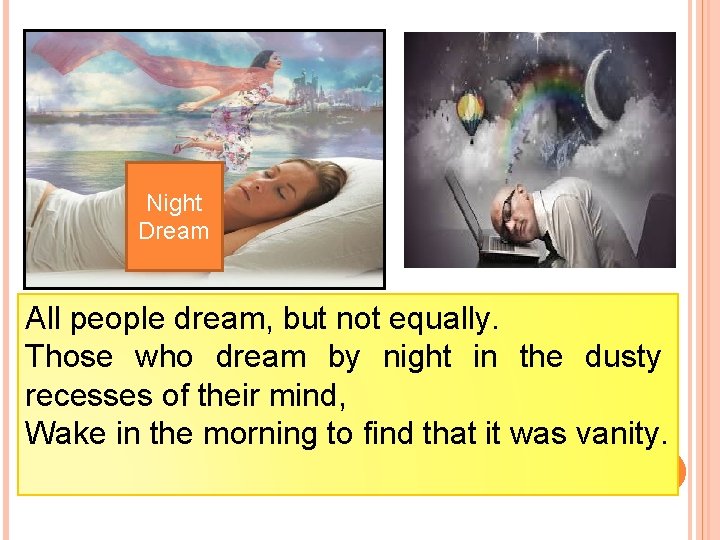
Night Dream All people dream, but not equally. Those who dream by night in the dusty recesses of their mind, Wake in the morning to find that it was vanity.
But the dreamers of the day are dangerous people, For they dream their dreams with open eyes, And make them come true.
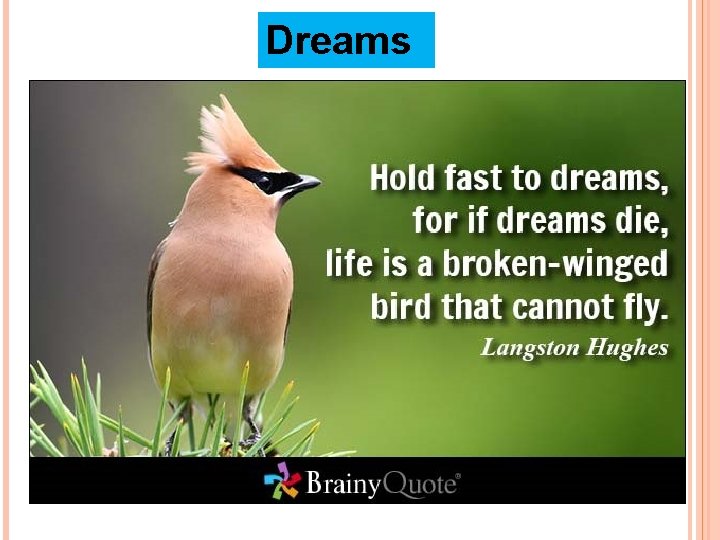
Dreams
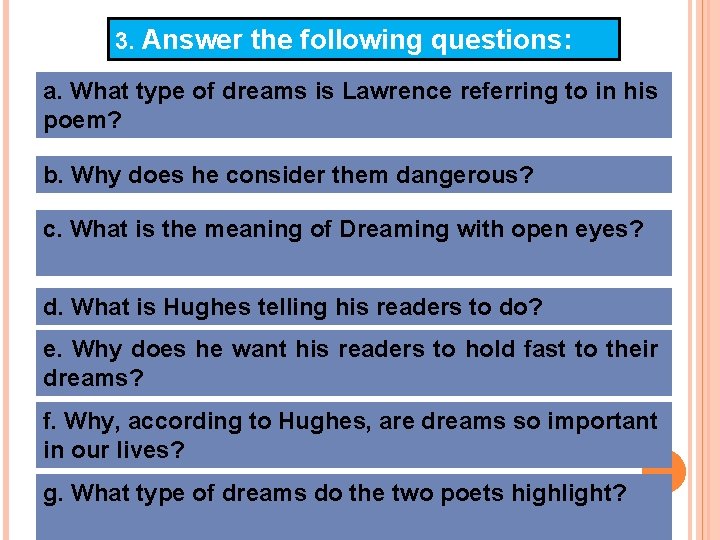
3. Answer the following questions: a. What type of dreams is Lawrence referring to in his poem? b. Why does he consider them dangerous? c. What is the meaning of Dreaming with open eyes? d. What is Hughes telling his readers to do? e. Why does he want his readers to hold fast to their dreams? f. Why, according to Hughes, are dreams so important in our lives? g. What type of dreams do the two poets highlight?
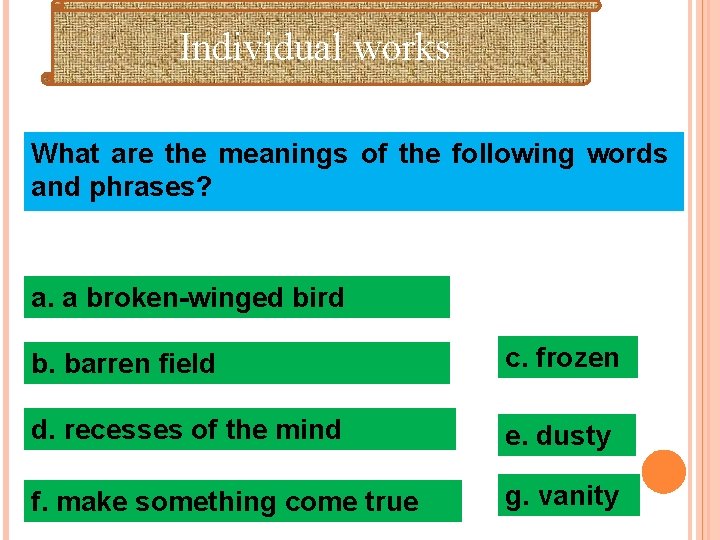
Individual works What are the meanings of the following words and phrases? a. a broken-winged bird b. barren field c. frozen d. recesses of the mind e. dusty f. make something come true g. vanity
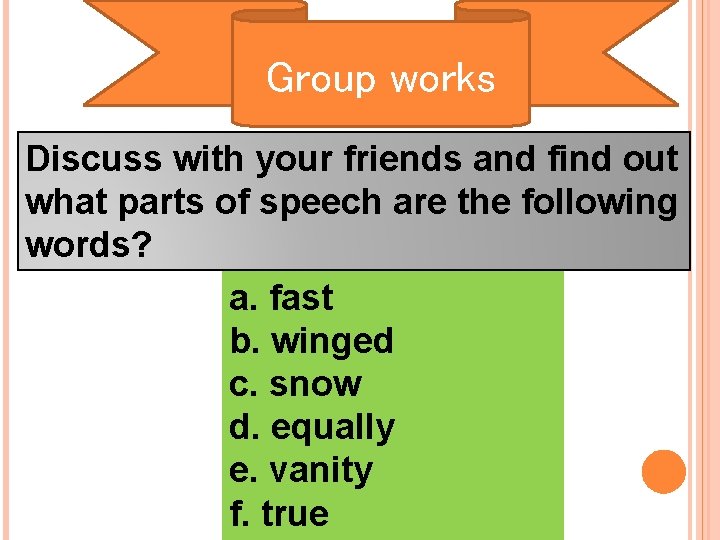
Group works Discuss with your friends and find out what parts of speech are the following words? a. fast b. winged c. snow d. equally e. vanity f. true
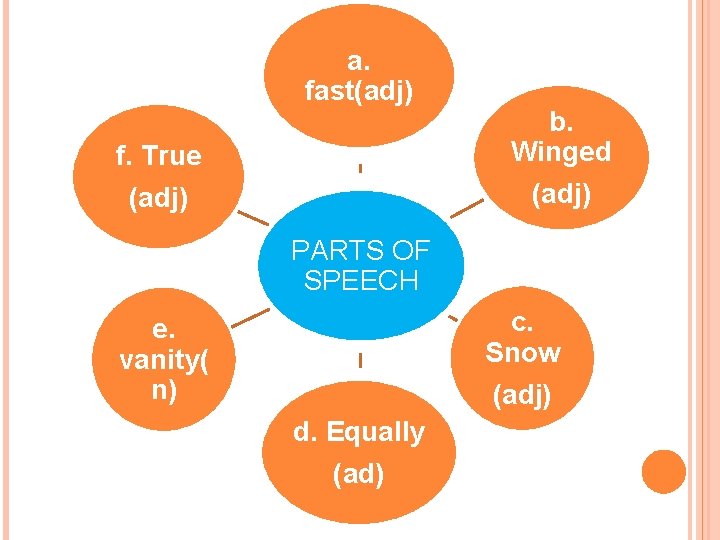
a. fast(adj) f. True (adj) b. Winged (adj) PARTS OF SPEECH c. Snow (adj) e. vanity( n) d. Equally (ad)
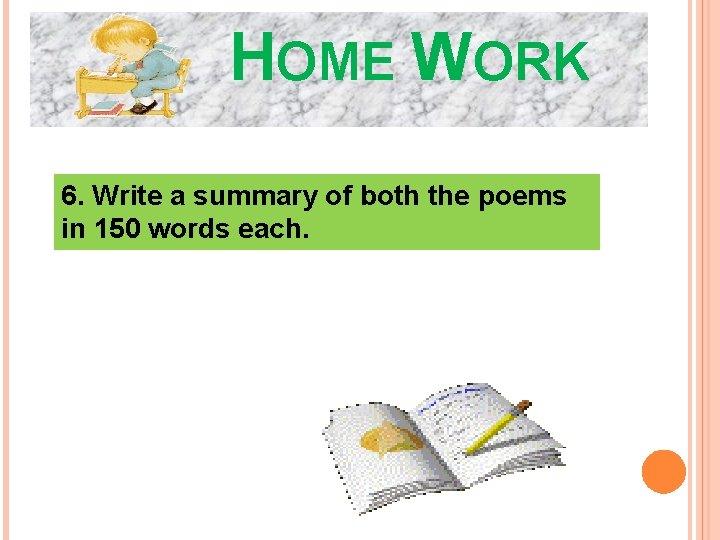
HOME WORK 6. Write a summary of both the poems in 150 words each.