
Welcome everyone Lagoon Presenting By Bibhuti Chakma Roll

Welcome everyone Lagoon Presenting By Bibhuti Chakma Roll : Ash 1818037 m
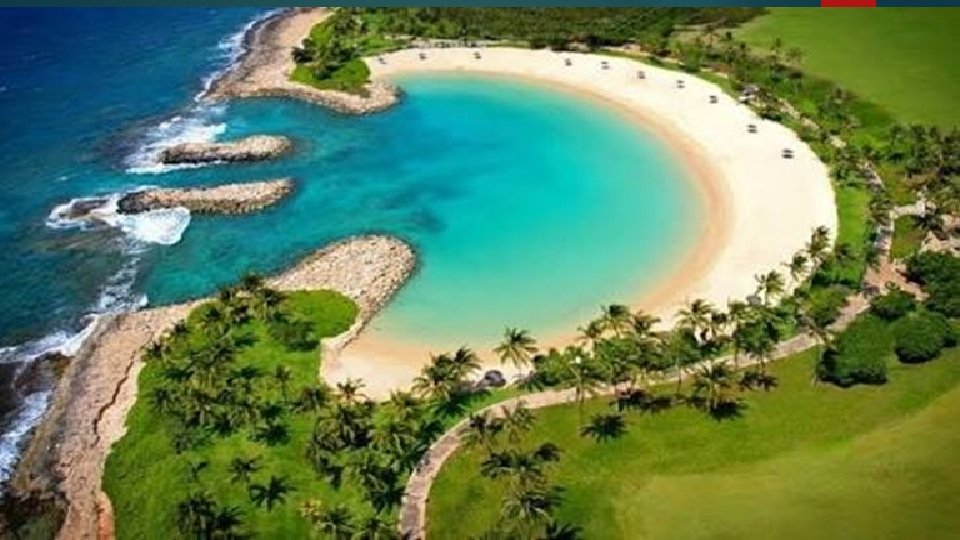
What IS LAGOON? A lagoon is a shallow body of water separated from a large body of water by barrier islands or reefs. They have also been identified as occouring on mixed sand gravel costlines. There is an overlap between bodies of water classified as estuaries. Lagoons can also be man made and used for waste water treatment, as in case for waste stabilization ponds.
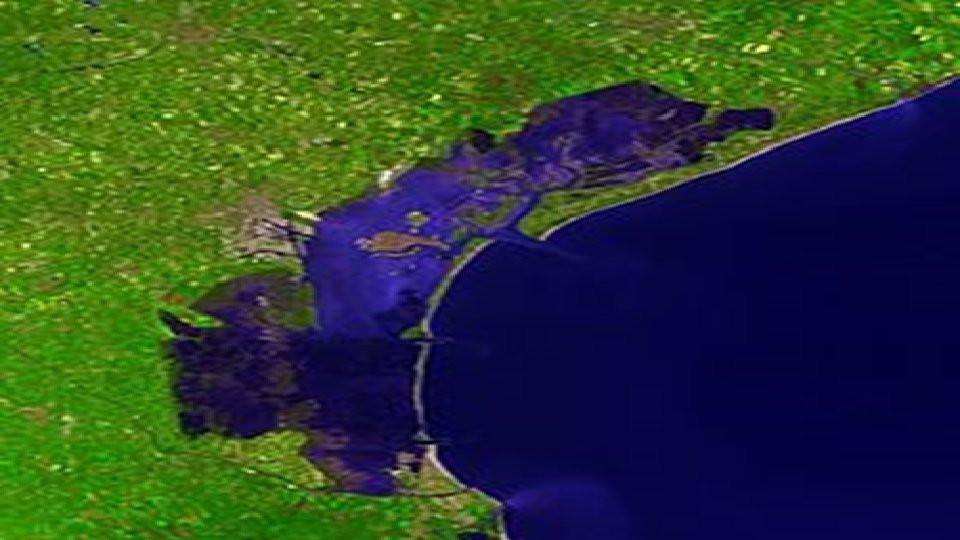

The types of lagoons : Lagoons are commonly divided into two categories. Coastal lagoons Atoll lagoons
Atoll lagoons: Atoll lagoons from as coral reefs grow upward while the island that the reefs surrounding subside, until eventually only the reefs remain above sea level. Unlike the lagoons that from shoreward of fringing reefs , atoll lagoons often contain some deep portions.
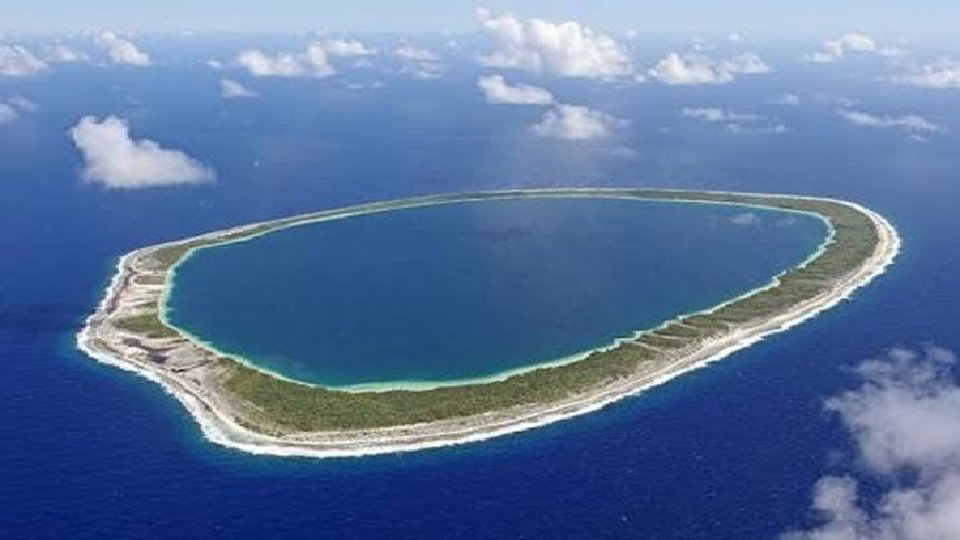
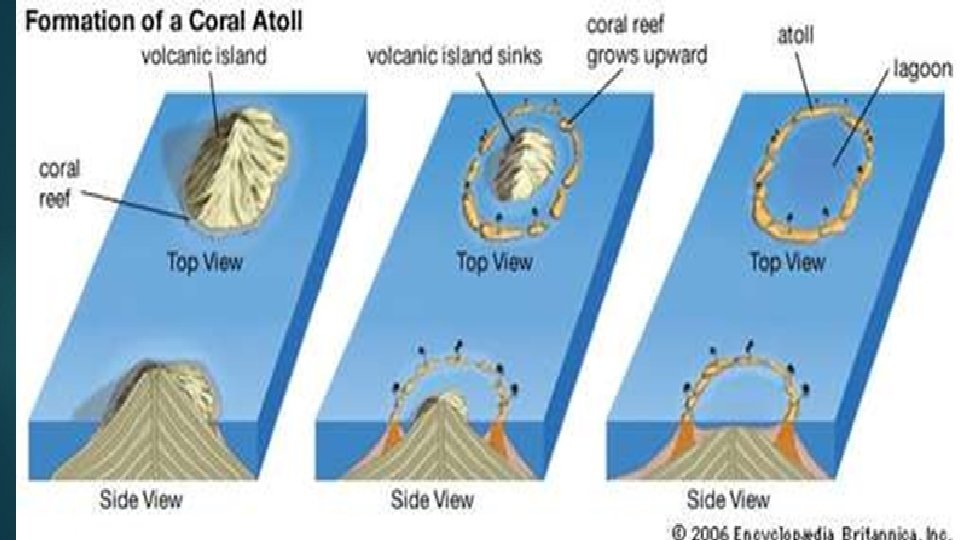
Coastal lagoons from along gently sloping coastal where barrier island or reefs can develop off shore and the sea level is rising relative to the land along the shore. Coastal lagoons do not form along steep or rocky coast or if the range of tides is more than 4 mitres. Coastal lagoons are shallow. They are sensitive to changes in sea level due to global warming. Coastal lagoon s are usually connected to the open ocean by inlets between barrier island
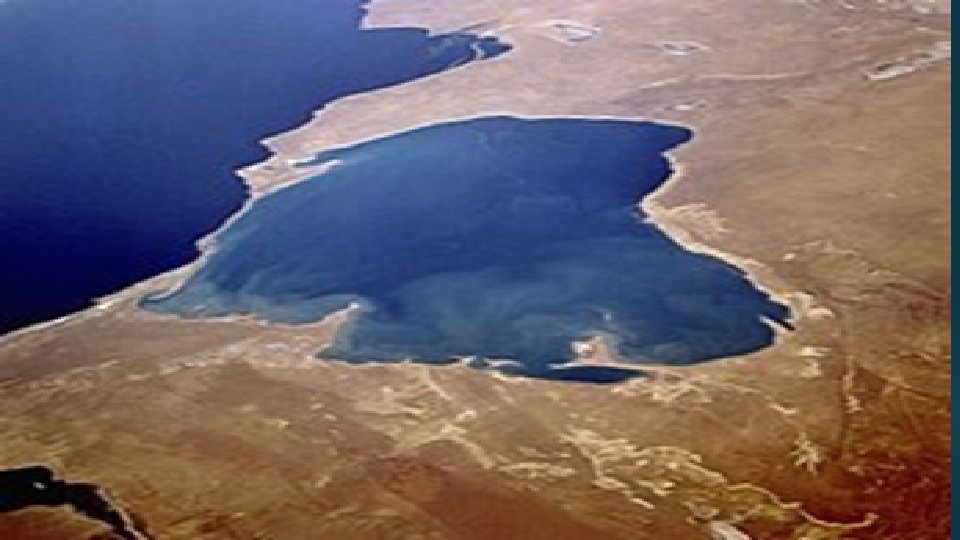
Ecological characteritries of lagoons coastal lagoons are highly productive ecosysatems. ther contribute to the overall productivity of coastal waters by supporting a variety of habitats, including salt marshes, seagrass and mangroves. they also provide essaintial habitat for many fisghand shellfish species. for example, seagrass beds are a common feature of solt. substate lagoons on the atlantic coast. where seagrass beds occur.
Physical charactaristics of lagoons A coastal lagoons is a shallow body of water separated from the ocean by one or more restricted inlets. Coastal lagoons are formed and maintained through sediment transport process. Sediment carried by rivers, waves, current, wind and tideaccumulates in river and tidal deltas. The process of sedimentation can eventually fill in lagoons. Lagoons barrier are constantly eroded by waves and wind, requiring continous sediment deposition to maintain them
WHAT ARE THE FACTORS IN LAGOONS FORMATION? BARRIEER BARS AND SEDIMENT SHORES WAVE, TIDE AND SURF STROMS AND CATASTROPHIC EVENT SEA LEVEL TEMPERATURE
CONCLUTION Lagoons play a vital roles as habitatgor juvenile and adult anadronomous salmonids. The lagoons is an excellent candidate area for channel and riparian improvement project that benefit for anadromous salmonids.

Thank you
- Slides: 15