
WELCOME Chapter 4 Similarity 4 1 Dilations and
- Slides: 28
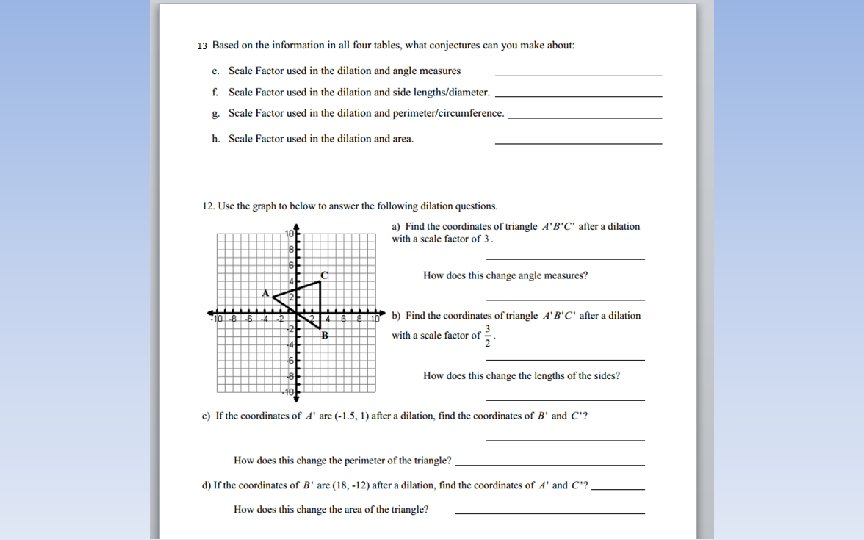
WELCOME Chapter 4: Similarity 4. 1: Dilations and Similar Triangles Tonight’s Homework: 4. 1 Handout
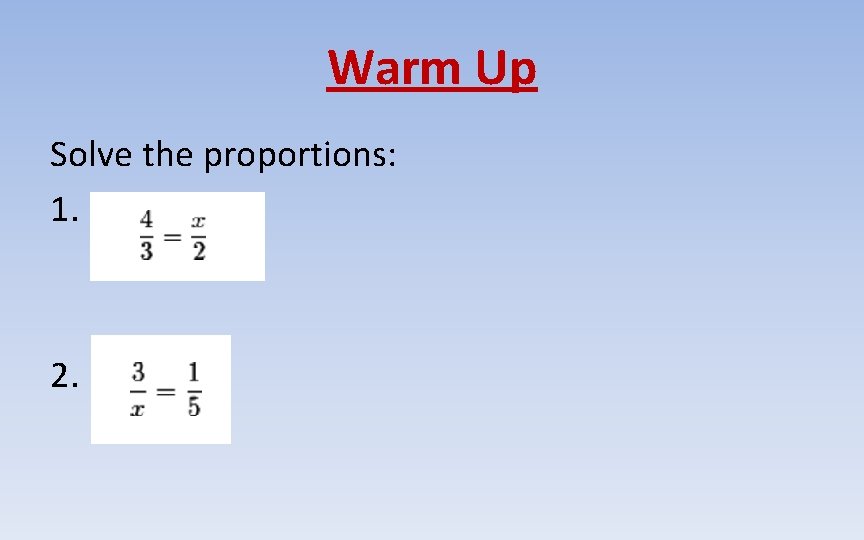
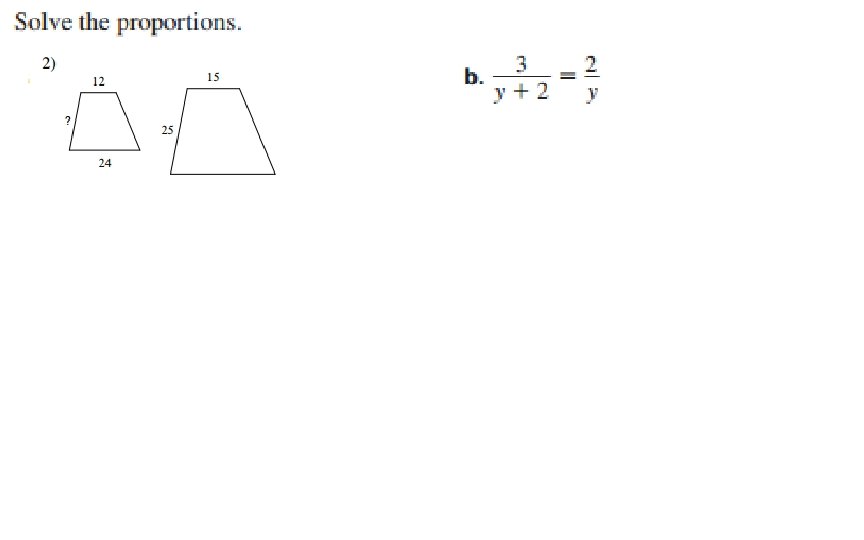
Warm Up Solve the proportions: 1. 2.
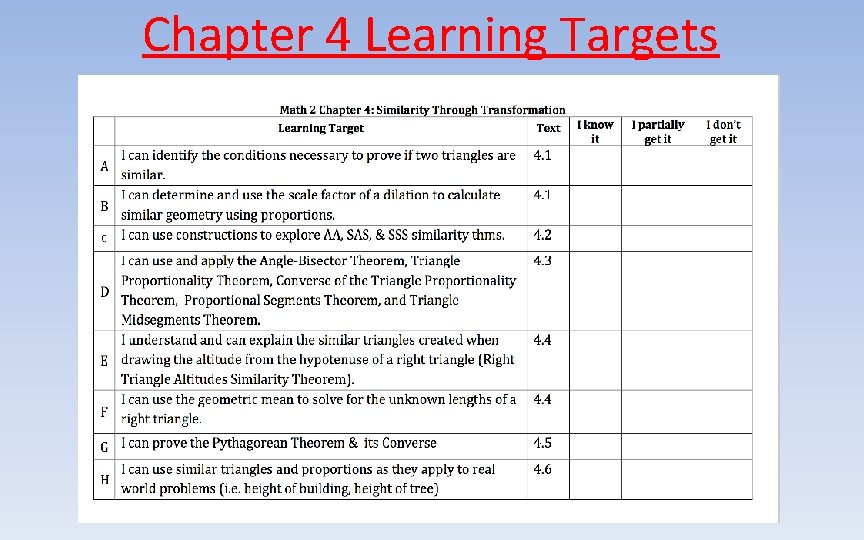
Chapter 4 Learning Targets
Ratios Relationship between two quantities using the same units. Ratio of a to b = a b = *Simplify when possible* a: b
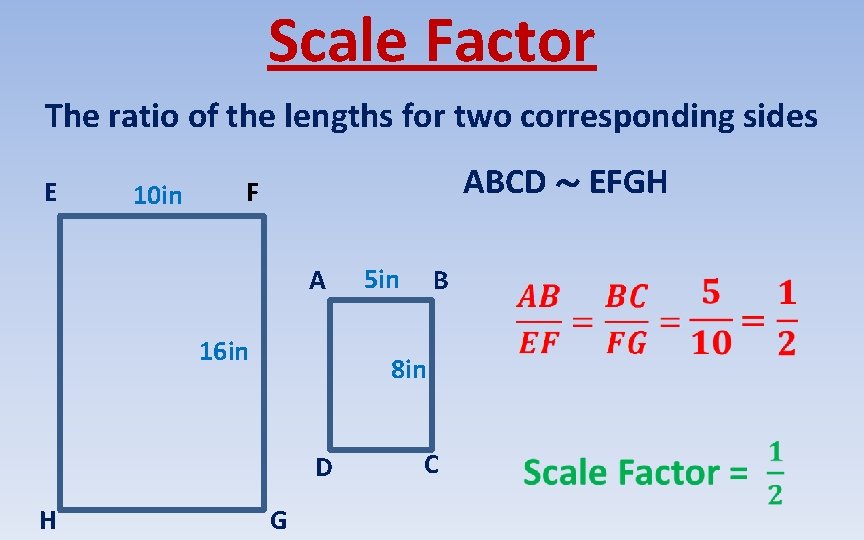
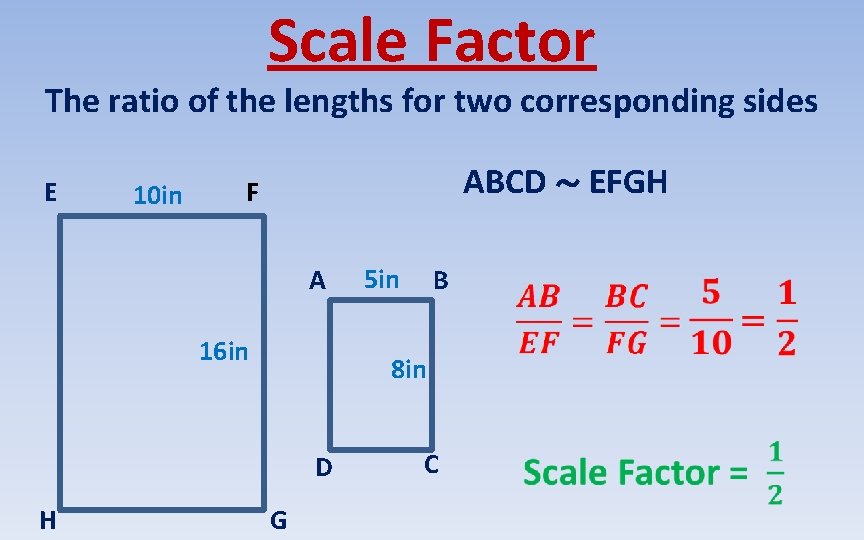
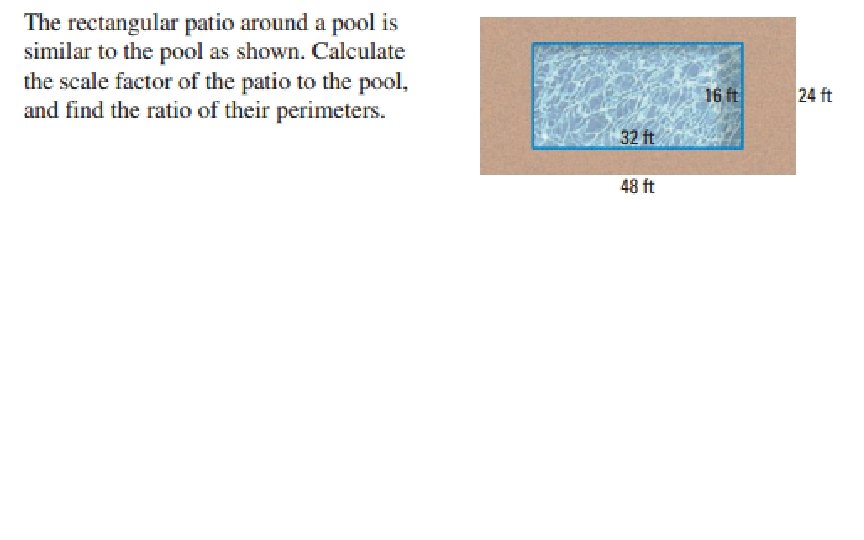
Scale Factor The ratio of the lengths for two corresponding sides E 10 in ABCD ∼ EFGH F A 16 in B 8 in D H 5 in G C
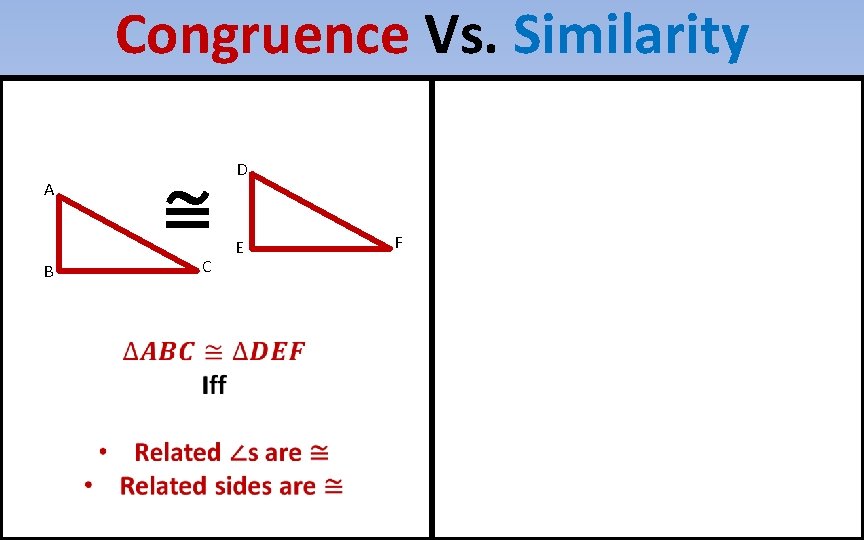
Congruence Vs. Similarity A B ≅ C D E F
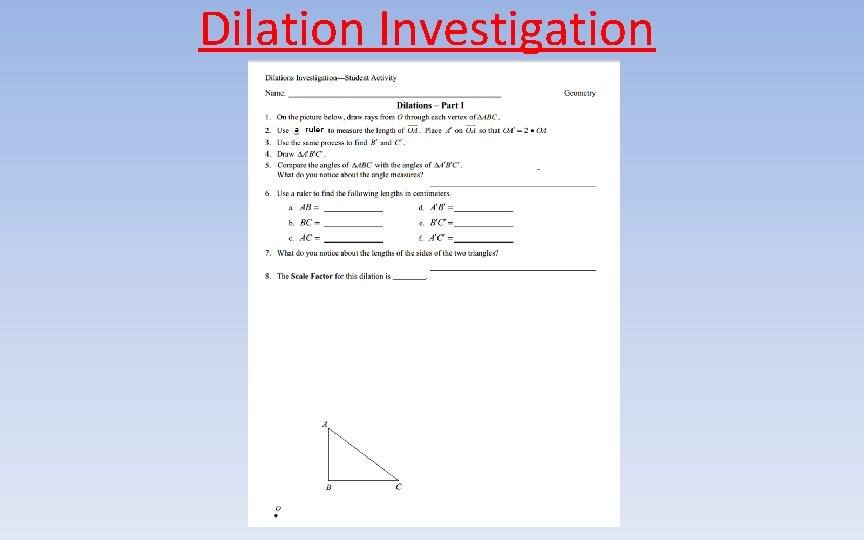
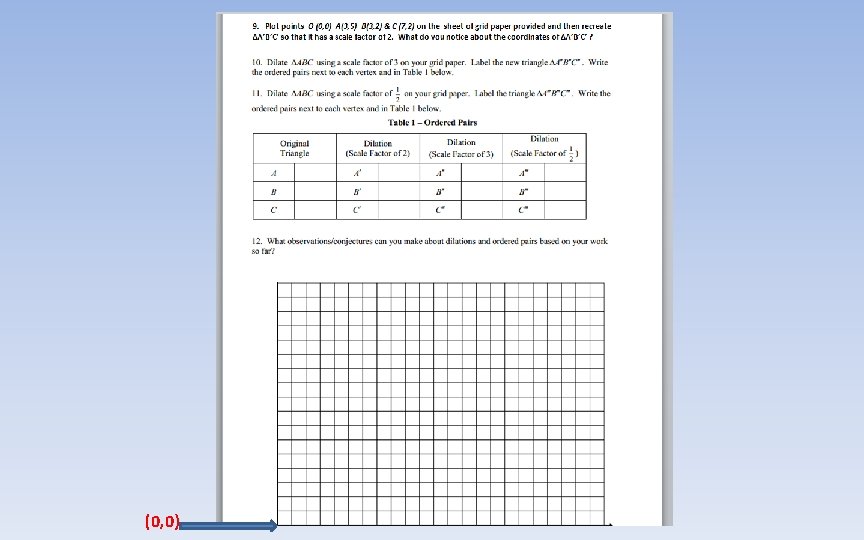
Dilation Investigation
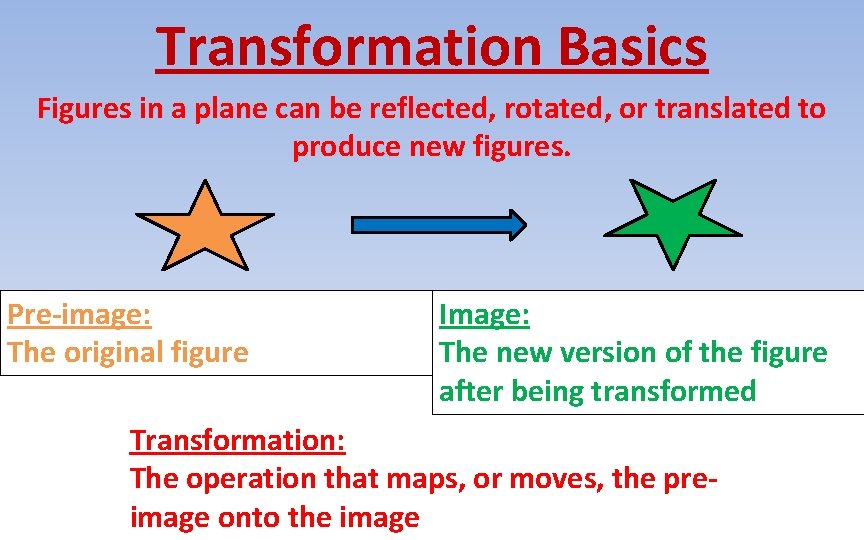
Transformation Basics Figures in a plane can be reflected, rotated, or translated to produce new figures. Pre-image: The original figure Image: The new version of the figure after being transformed Transformation: The operation that maps, or moves, the preimage onto the image
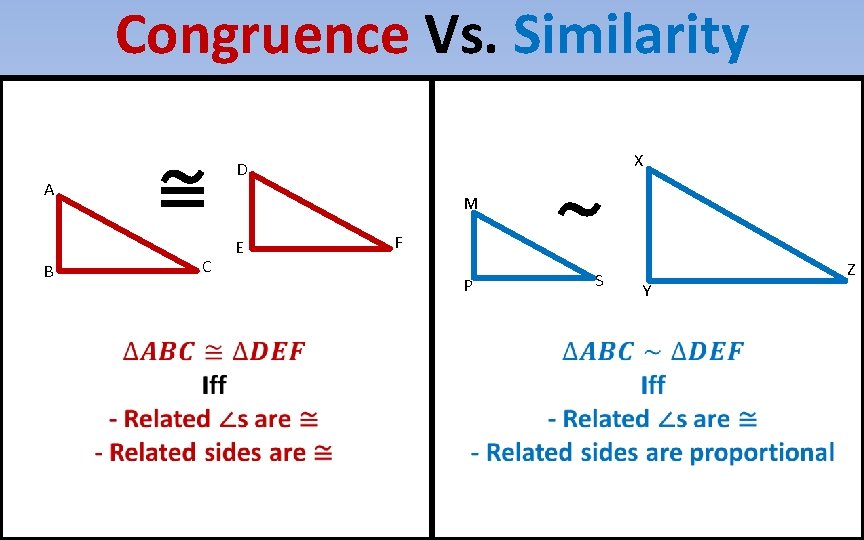
Congruence Vs. Similarity A B ≅ C X D M E F P ∼ S Y Z
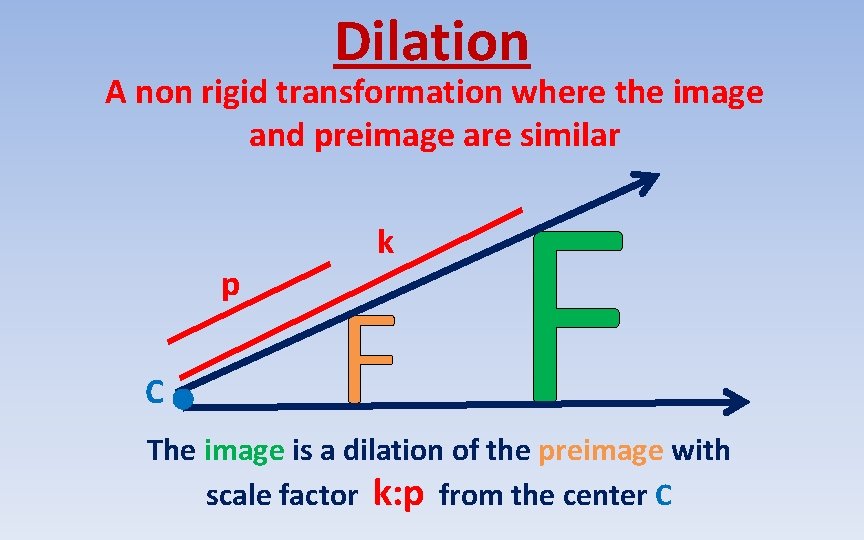
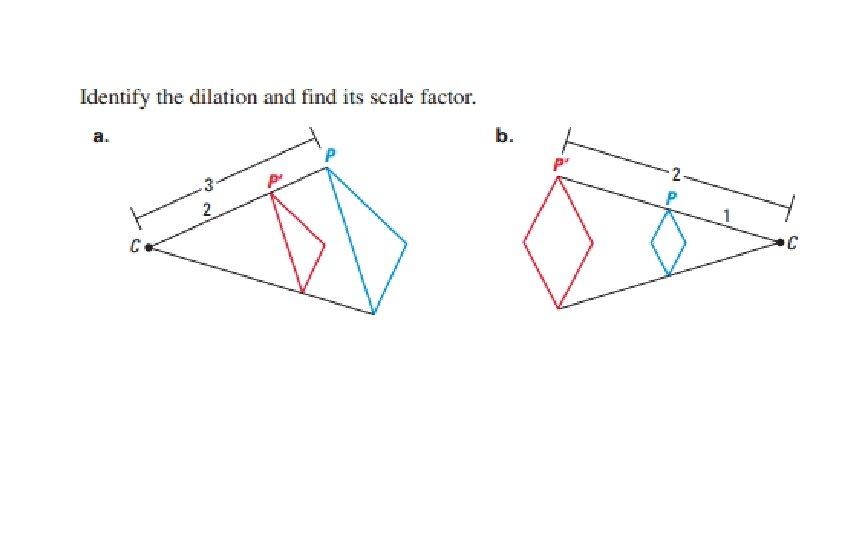
Dilation A non rigid transformation where the image and preimage are similar p C k F F The image is a dilation of the preimage with scale factor k: p from the center C
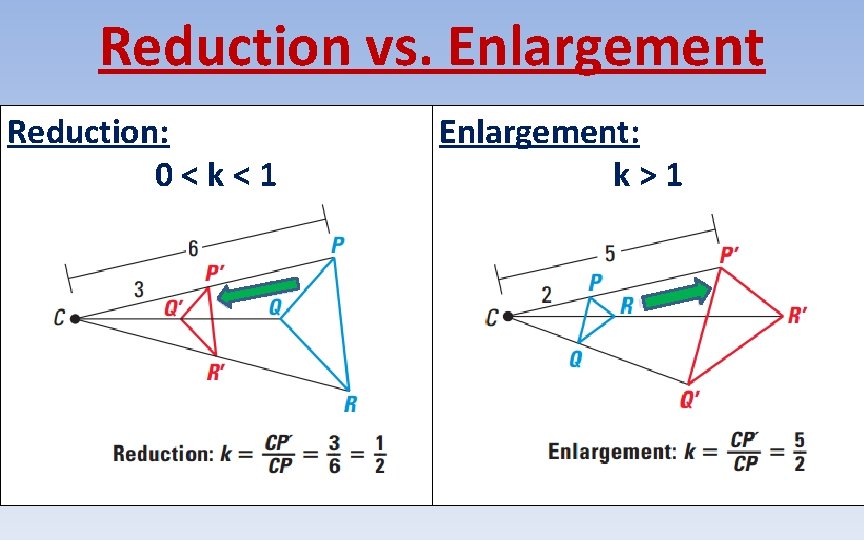
Reduction vs. Enlargement Reduction: 0<k<1 Enlargement: k>1
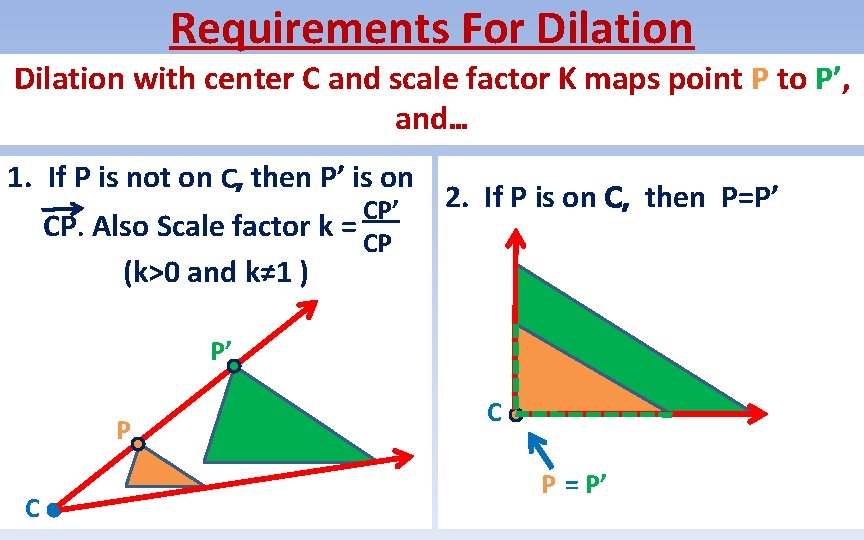
Requirements For Dilation with center C and scale factor K maps point P to P’, and… 1. If P is not on C, then P’ is on 2. If P is on C, then P=P’ CP. Also Scale factor k = CP (k>0 and k≠ 1 ) P’ P C C P = P’
Scale Factor The ratio of the lengths for two corresponding sides E 10 in ABCD ∼ EFGH F A 16 in B 8 in D H 5 in G C
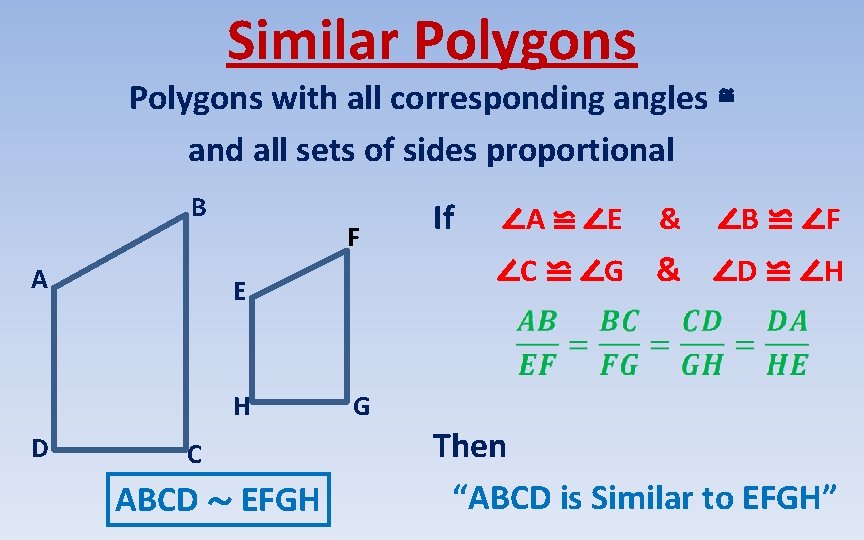
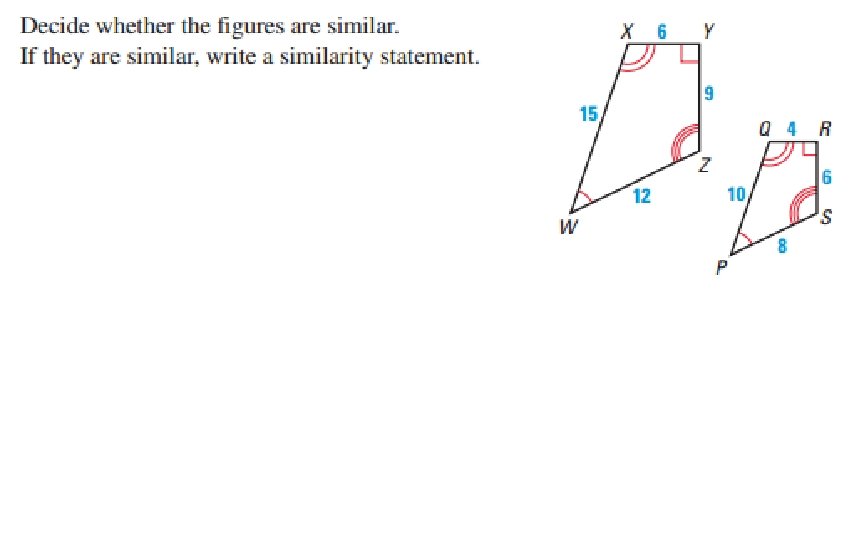
Similar Polygons with all corresponding angles ≌ and all sets of sides proportional B A F E H D C ABCD ∼ EFGH If ∠A ≌ ∠E & ∠B ≌ ∠ F ∠ C ≌ ∠G & ∠ D ≌ ∠H G Then “ABCD is Similar to EFGH”
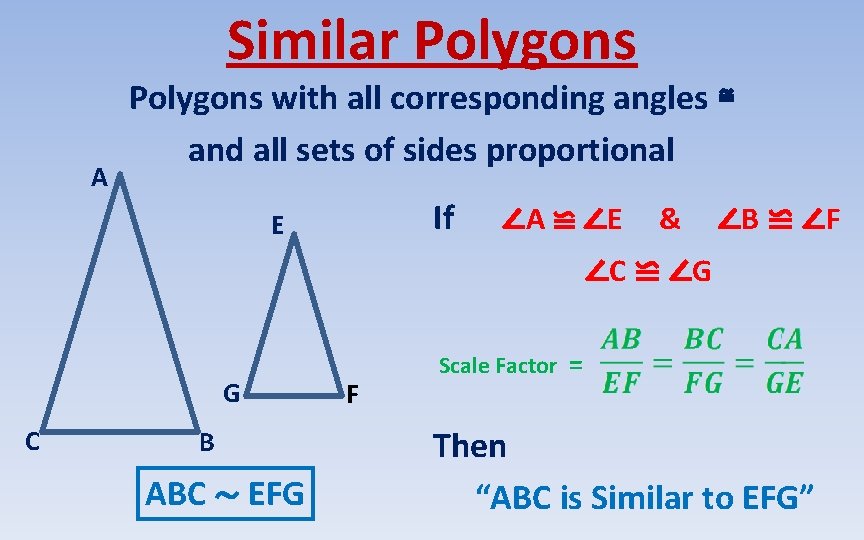
Similar Polygons A Polygons with all corresponding angles ≌ and all sets of sides proportional If E G C B ABC ∼ EFG F ∠A ≌ ∠E & ∠B ≌ ∠ F ∠C ≌ ∠G Scale Factor = Then “ABC is Similar to EFG”
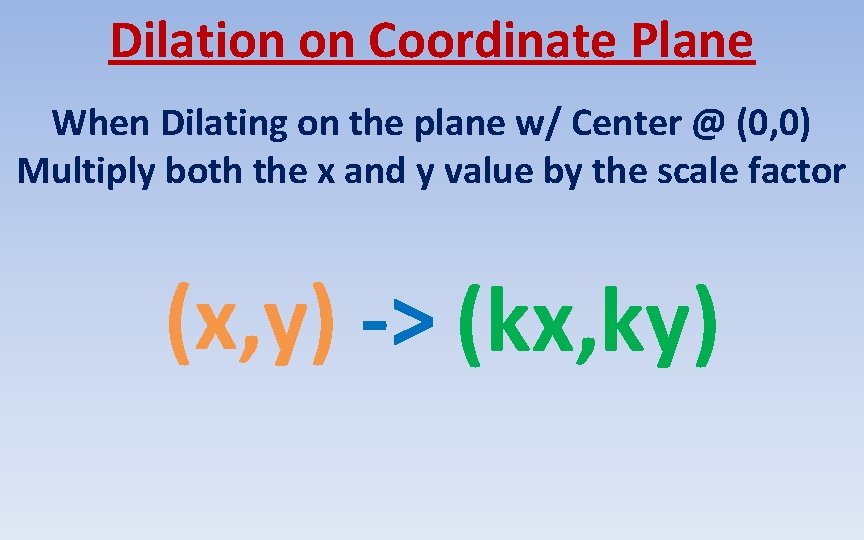
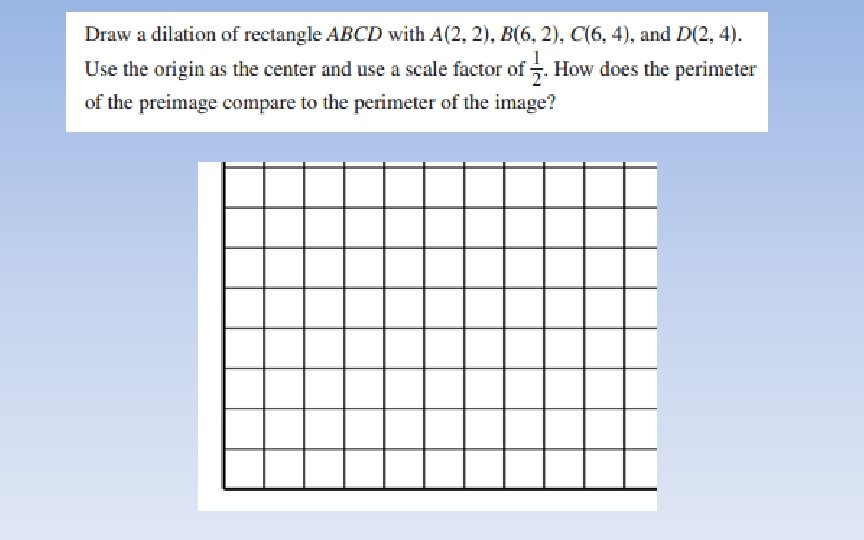
Dilation on Coordinate Plane When Dilating on the plane w/ Center @ (0, 0) Multiply both the x and y value by the scale factor (x, y) -> (kx, ky)
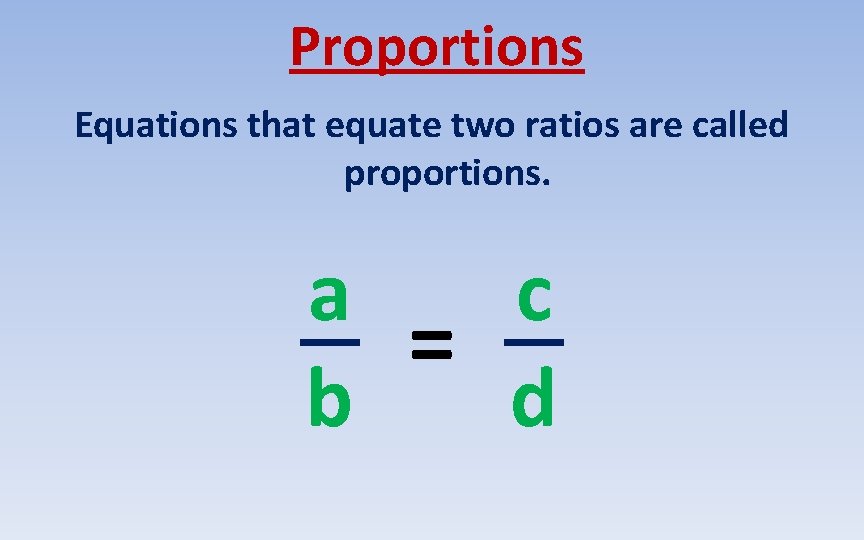
Proportions Equations that equate two ratios are called proportions. a c = b d
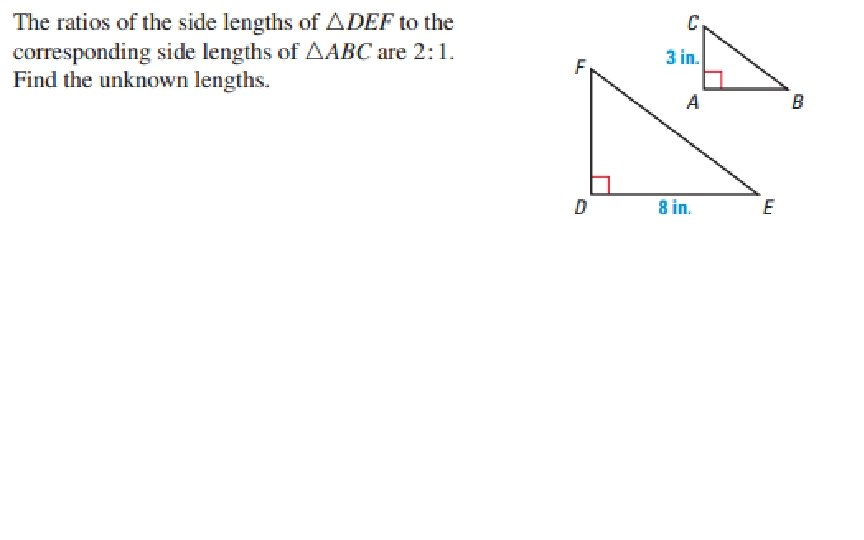
Proportion Practice
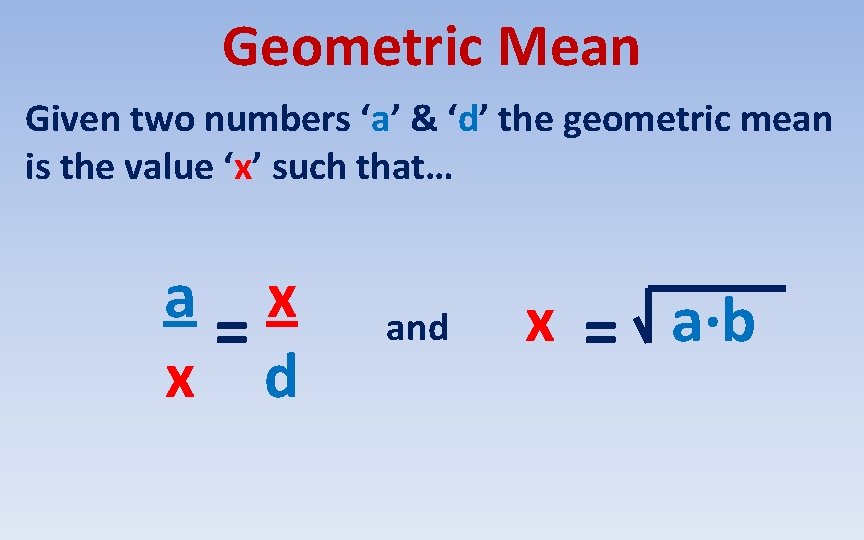
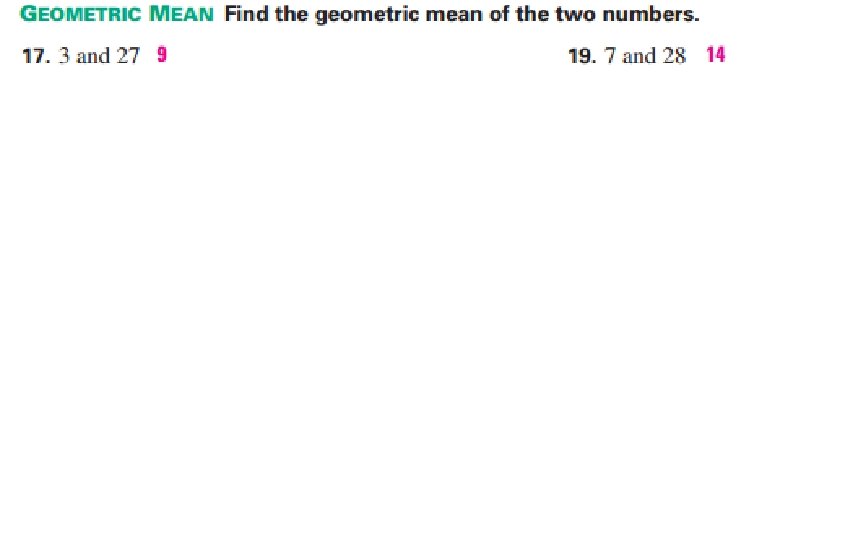
Geometric Mean Given two numbers ‘a’ & ‘d’ the geometric mean is the value ‘x’ such that… a x = x d and x = a∙b