
WELCOME Challenges of Symptom Management when the Oral



- Slides: 27
WELCOME!!
Challenges of Symptom Management when the Oral / SL Routes Fail and the Macy Catheter Brad Macy RN, BA, BSN, CHPN President and Co-founder, Hospi Corporation
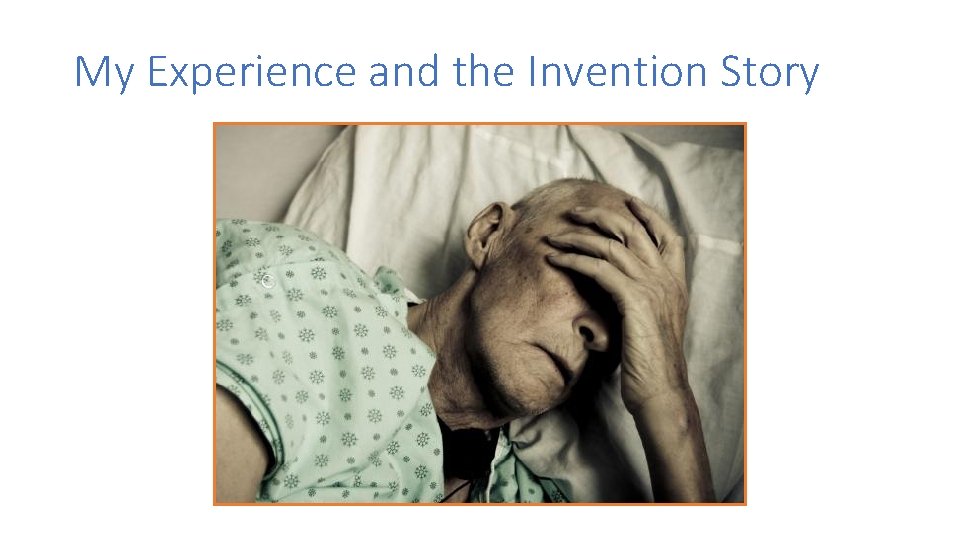
My Experience and the Invention Story
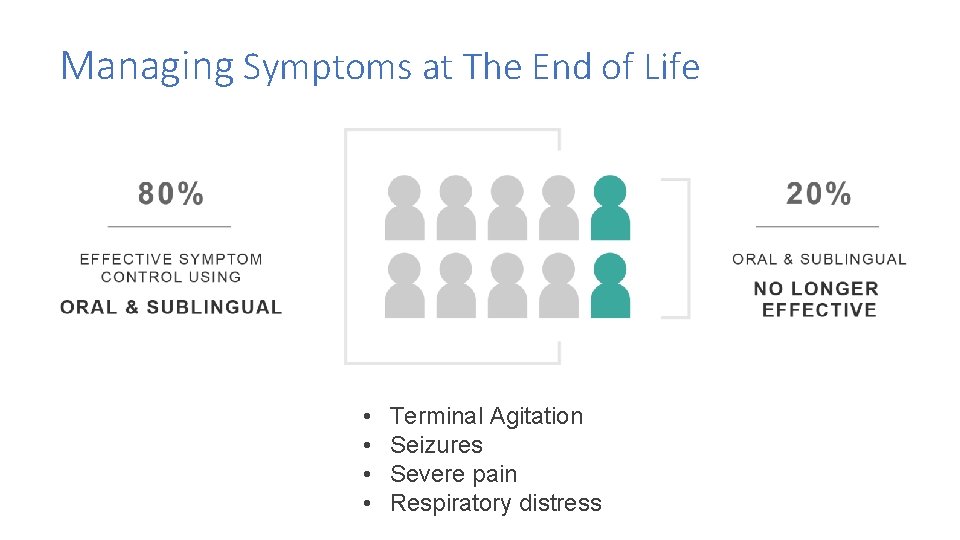
Managing Symptoms at The End of Life • • Terminal Agitation Seizures Severe pain Respiratory distress
Non-Oral Options We need a route that is; • • Fast Proven (evidence base) Comfortable Easy to use and teach Safe (minimal complications) Readily available Comparatively cost effective
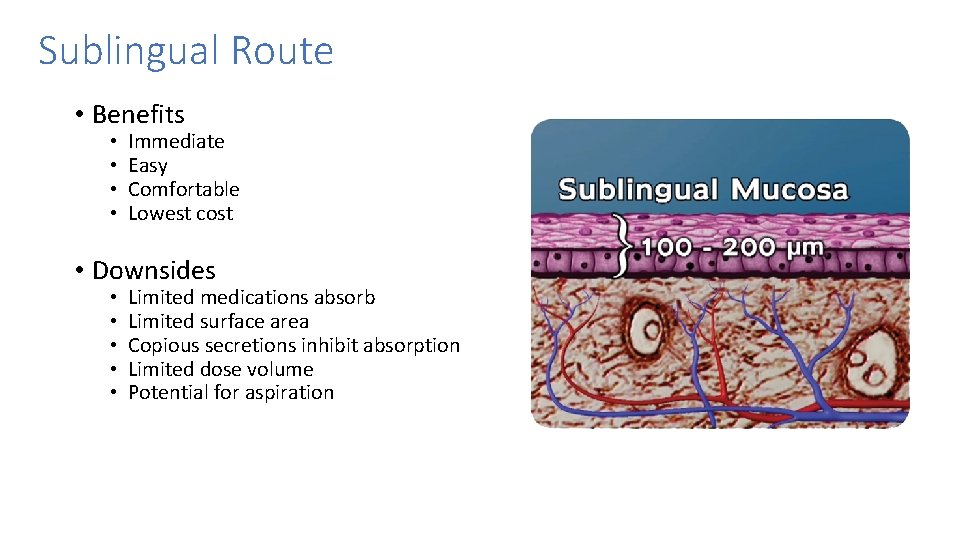
Sublingual Route • Benefits • • Immediate Easy Comfortable Lowest cost • Downsides • • • Limited medications absorb Limited surface area Copious secretions inhibit absorption Limited dose volume Potential for aspiration
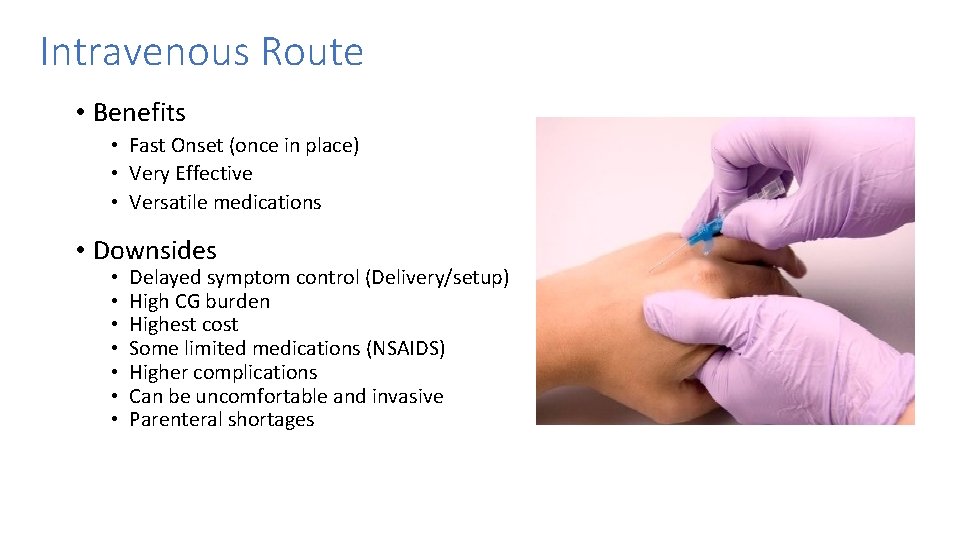
Intravenous Route • Benefits • Fast Onset (once in place) • Very Effective • Versatile medications • Downsides • • Delayed symptom control (Delivery/setup) High CG burden Highest cost Some limited medications (NSAIDS) Higher complications Can be uncomfortable and invasive Parenteral shortages
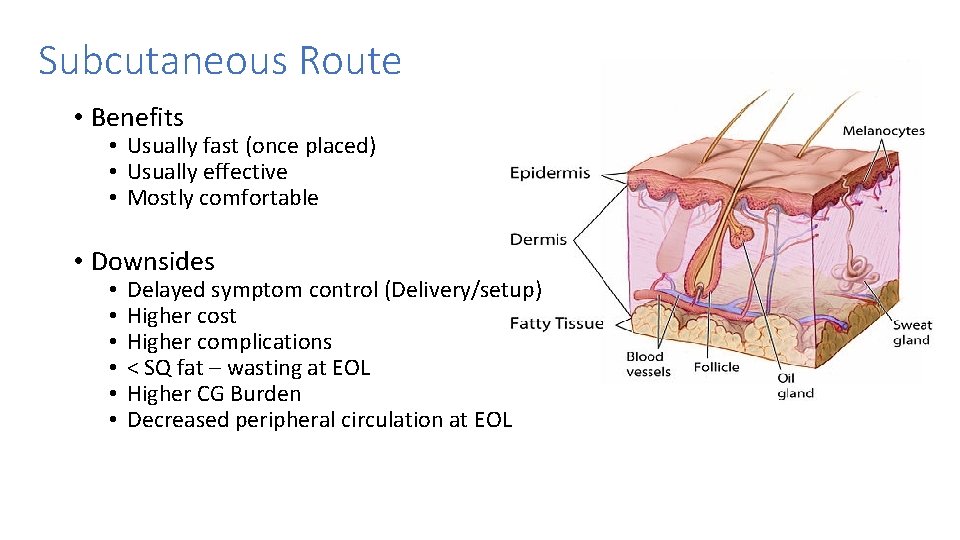
Subcutaneous Route • Benefits • Usually fast (once placed) • Usually effective • Mostly comfortable • Downsides • • • Delayed symptom control (Delivery/setup) Higher cost Higher complications < SQ fat – wasting at EOL Higher CG Burden Decreased peripheral circulation at EOL
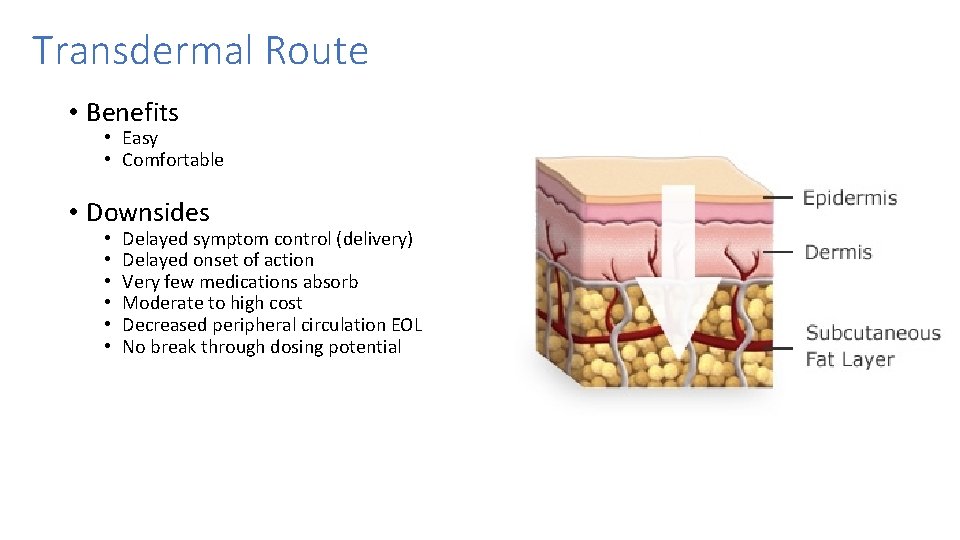
Transdermal Route • Benefits • Easy • Comfortable • Downsides • • • Delayed symptom control (delivery) Delayed onset of action Very few medications absorb Moderate to high cost Decreased peripheral circulation EOL No break through dosing potential
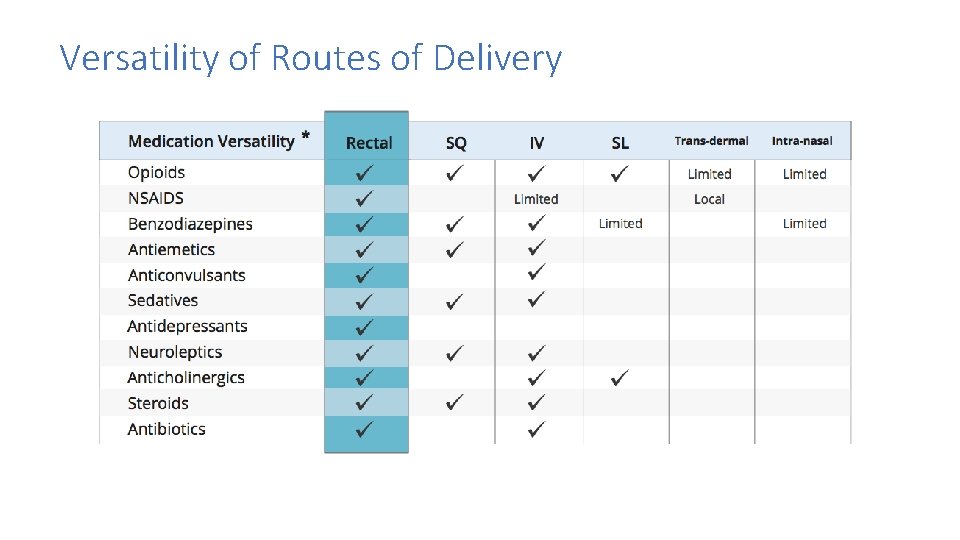
Rectal Route - Suppositories • Benefits • High versatility • Effective absorption most meds used at EOL(11, 12) • Downsides • • Delayed symptom control (delivery/teaching) Higher CG Burden Uncomfortable (requires repeated movement) Ongoing invasion of privacy Low dose versatility – usually one drug, one dose Availability and cost if specially compounded Time to onset of effect High absorption variability between patients
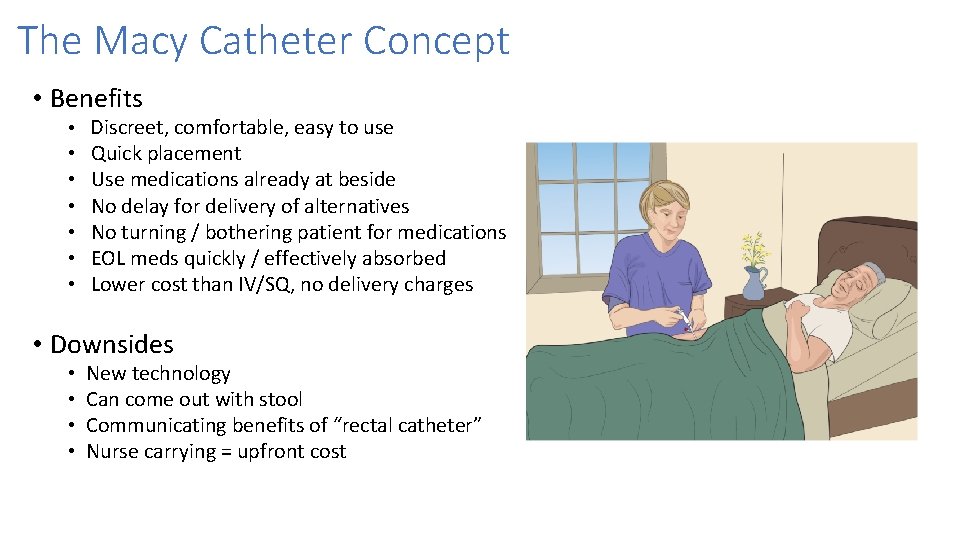
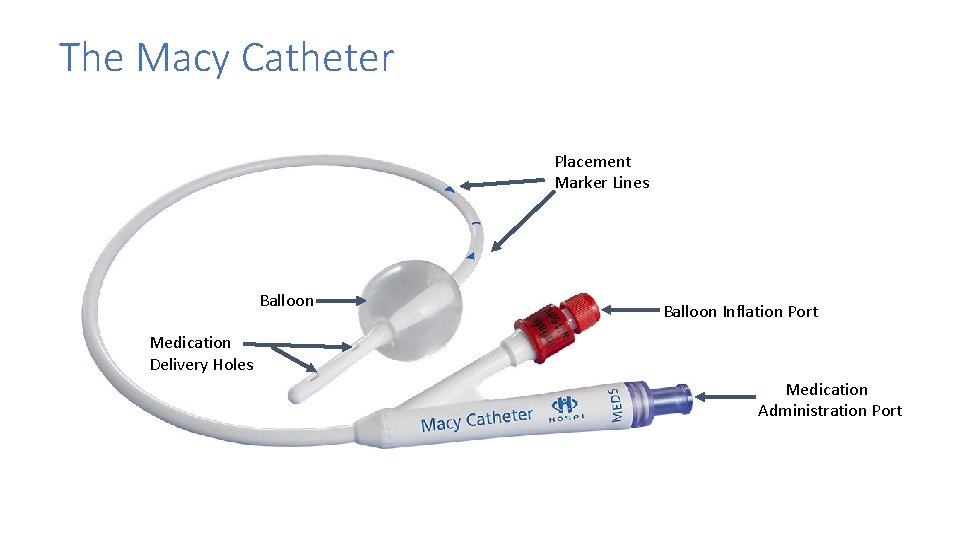
The Macy Catheter Concept • Benefits • Discreet, comfortable, easy to use • • • Quick placement Use medications already at beside No delay for delivery of alternatives No turning / bothering patient for medications EOL meds quickly / effectively absorbed Lower cost than IV/SQ, no delivery charges • Downsides • • New technology Can come out with stool Communicating benefits of “rectal catheter” Nurse carrying = upfront cost
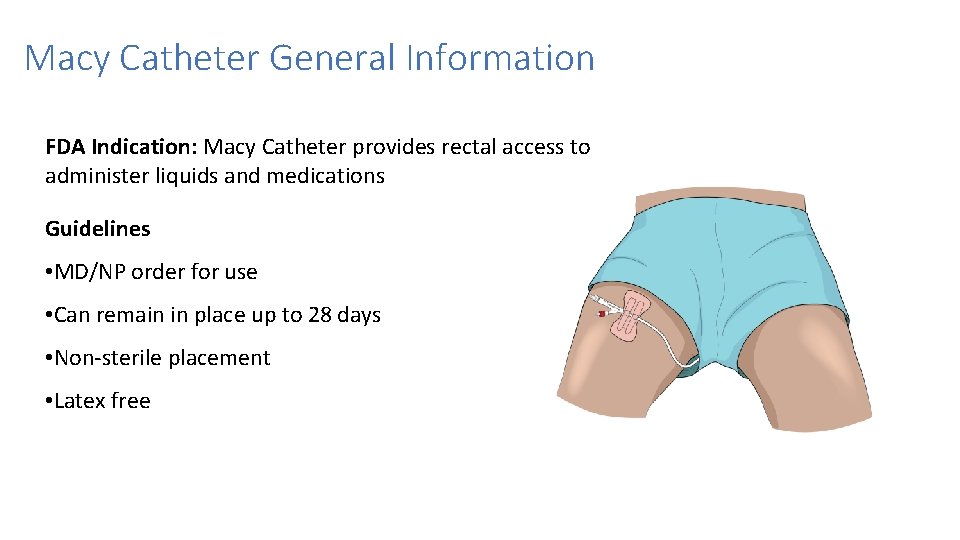
Macy Catheter General Information FDA Indication: Macy Catheter provides rectal access to administer liquids and medications Guidelines • MD/NP order for use • Can remain in place up to 28 days • Non-sterile placement • Latex free
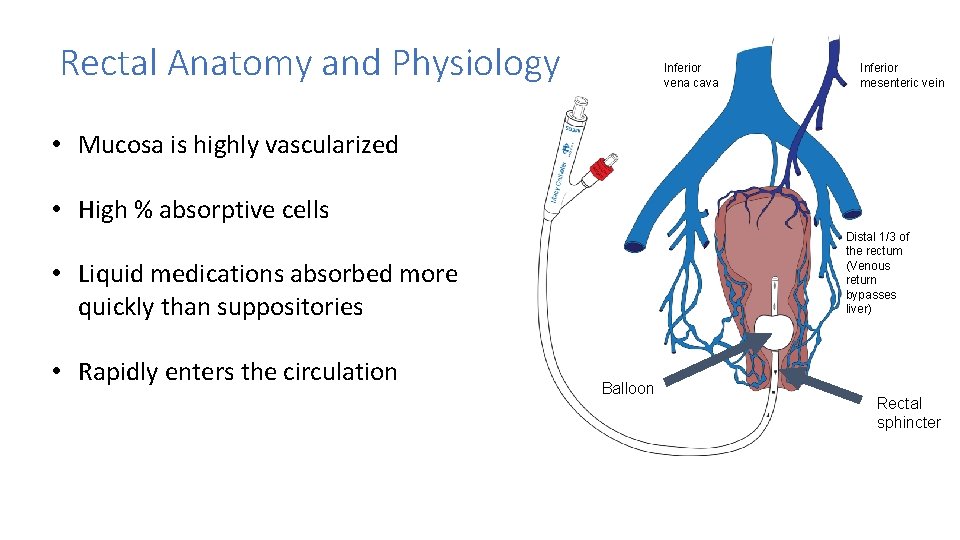
Rectal Anatomy and Physiology Inferior vena cava Inferior mesenteric vein • Mucosa is highly vascularized • High % absorptive cells Distal 1/3 of the rectum (Venous return bypasses liver) • Liquid medications absorbed more quickly than suppositories • Rapidly enters the circulation Balloon Rectal sphincter
Versatility of Routes of Delivery
The Macy Catheter Placement Marker Lines Balloon Inflation Port Medication Delivery Holes Medication Administration Port
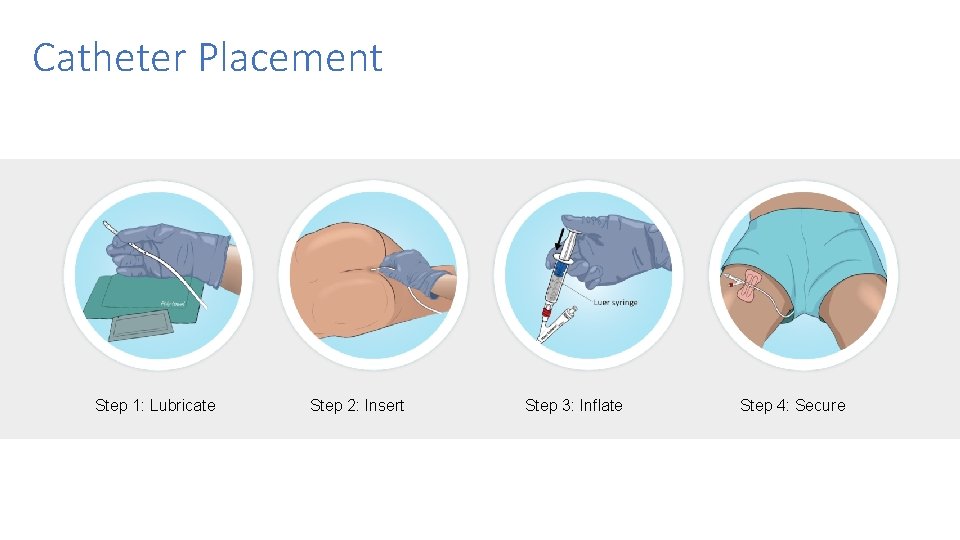
Catheter Placement Step 1: Lubricate Step 2: Insert Step 3: Inflate Step 4: Secure
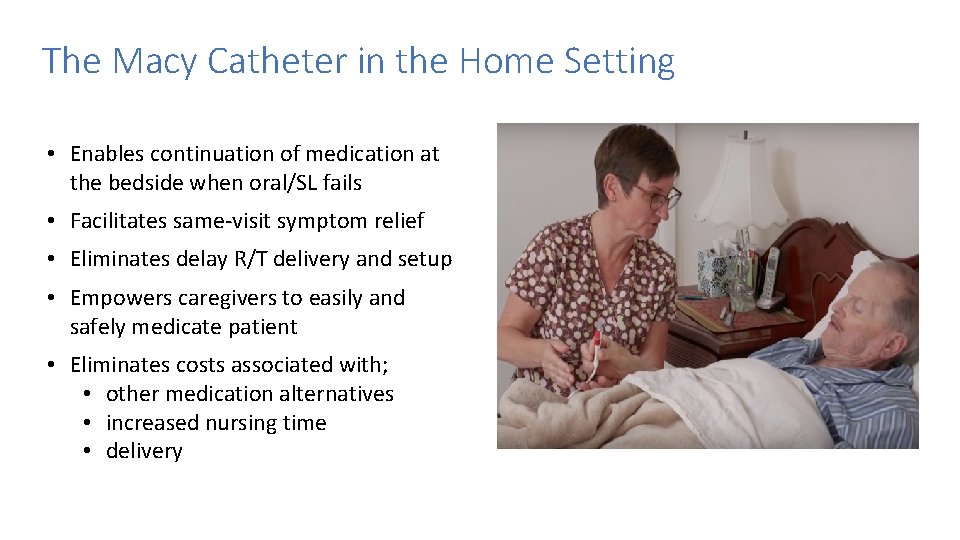
The Macy Catheter in the Home Setting • Enables continuation of medication at the bedside when oral/SL fails • Facilitates same-visit symptom relief • Eliminates delay R/T delivery and setup • Empowers caregivers to easily and safely medicate patient • Eliminates costs associated with; • other medication alternatives • increased nursing time • delivery
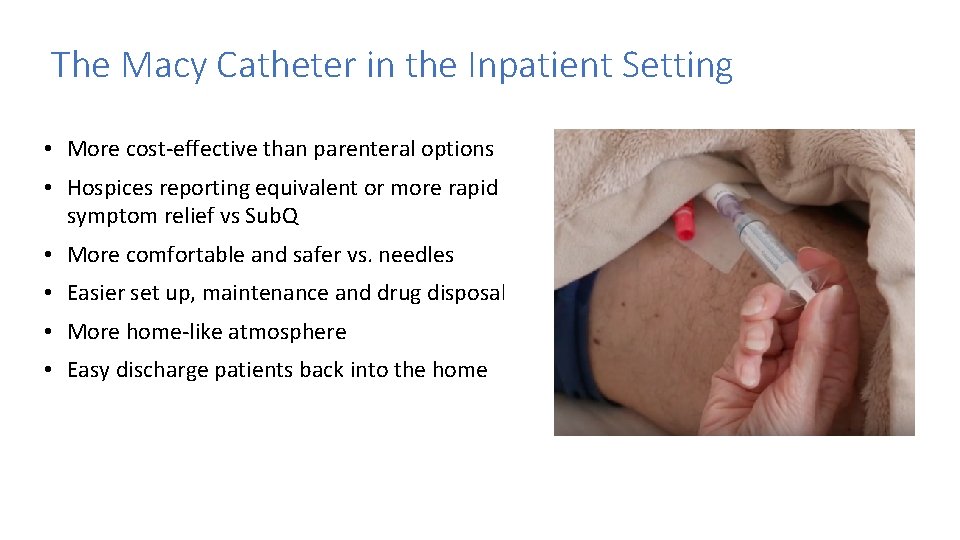
The Macy Catheter in the Inpatient Setting • More cost-effective than parenteral options • Hospices reporting equivalent or more rapid symptom relief vs Sub. Q • More comfortable and safer vs. needles • Easier set up, maintenance and drug disposal • More home-like atmosphere • Easy discharge patients back into the home
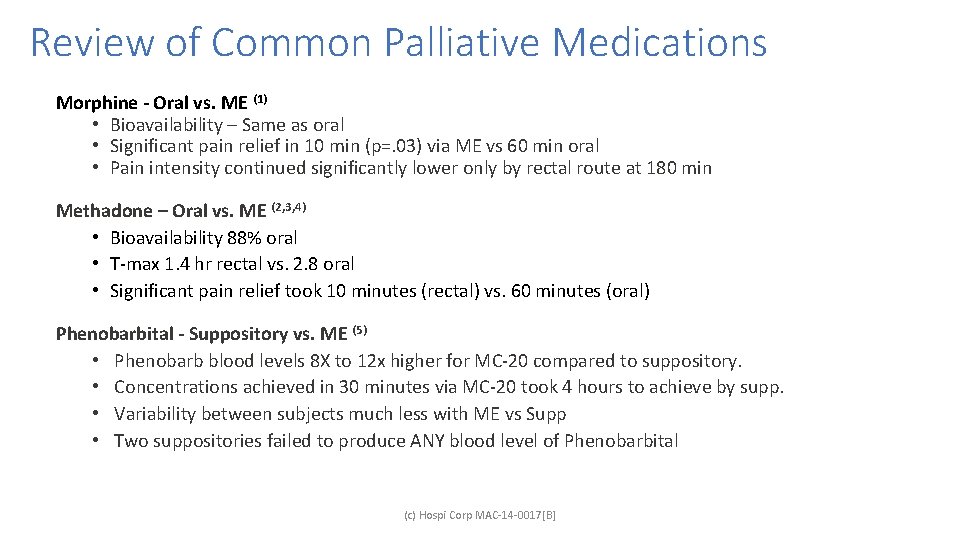
Review of Common Palliative Medications Morphine - Oral vs. ME (1) • Bioavailability – Same as oral • Significant pain relief in 10 min (p=. 03) via ME vs 60 min oral • Pain intensity continued significantly lower only by rectal route at 180 min Methadone – Oral vs. ME (2, 3, 4) • Bioavailability 88% oral • T-max 1. 4 hr rectal vs. 2. 8 oral • Significant pain relief took 10 minutes (rectal) vs. 60 minutes (oral) Phenobarbital - Suppository vs. ME (5) • Phenobarb blood levels 8 X to 12 x higher for MC-20 compared to suppository. • Concentrations achieved in 30 minutes via MC-20 took 4 hours to achieve by supp. • Variability between subjects much less with ME vs Supp • Two suppositories failed to produce ANY blood level of Phenobarbital (c) Hospi Corp MAC-14 -0017[B]
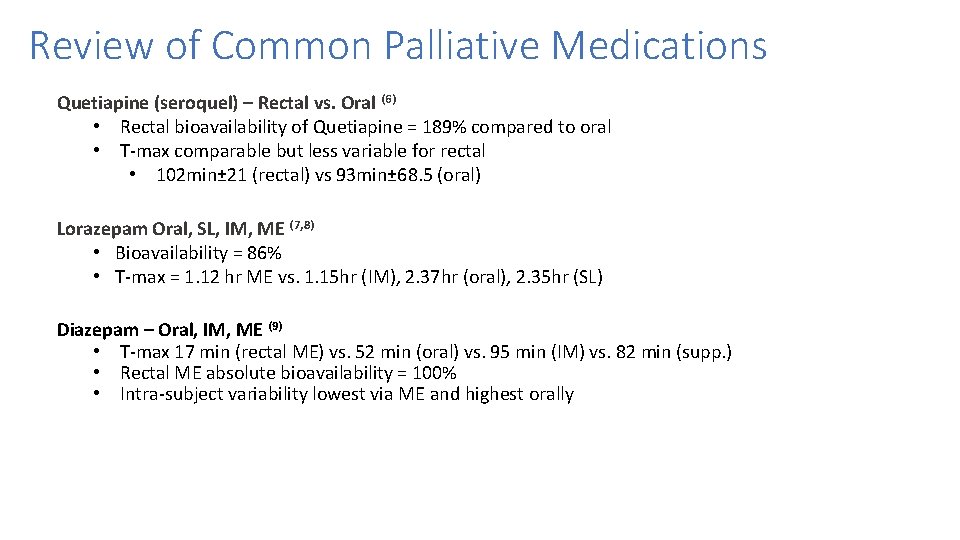
Review of Common Palliative Medications Quetiapine (seroquel) – Rectal vs. Oral (6) • Rectal bioavailability of Quetiapine = 189% compared to oral • T-max comparable but less variable for rectal • 102 min± 21 (rectal) vs 93 min± 68. 5 (oral) Lorazepam Oral, SL, IM, ME (7, 8) • Bioavailability = 86% • T-max = 1. 12 hr ME vs. 1. 15 hr (IM), 2. 37 hr (oral), 2. 35 hr (SL) Diazepam – Oral, IM, ME (9) • T-max 17 min (rectal ME) vs. 52 min (oral) vs. 95 min (IM) vs. 82 min (supp. ) • Rectal ME absolute bioavailability = 100% • Intra-subject variability lowest via ME and highest orally
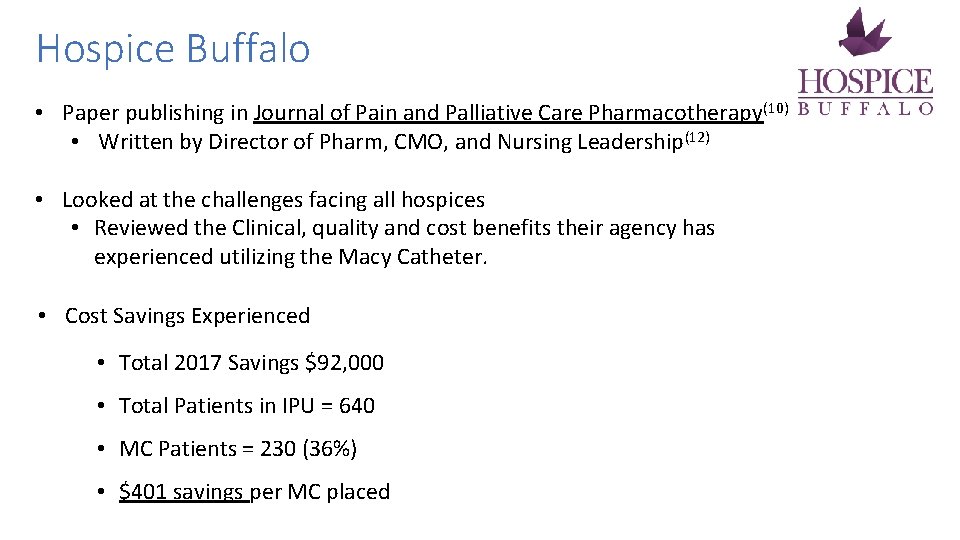
Hospice Buffalo • Paper publishing in Journal of Pain and Palliative Care Pharmacotherapy(10) • Written by Director of Pharm, CMO, and Nursing Leadership(12) 64 $2 k • Looked at the challenges facing all hospices • Reviewed the Clinical, quality and cost benefits their agency has experienced utilizing the Macy Catheter. • Cost Savings Experienced patients saved • Total 2017 Savings $92, 000 • Total Patients in IPU = 640 $40 • MC Patients = 230 (36%) saved per MC • $401 savings per MC placed
Ohio’s Hospice of Dayton • Had opioid shortage crisis at end of 2017 • Switched in mid-November 2017 • Used in > 1000 patients to date • Using Macy instead of SQ in almost all patients • Except patients that have contraindications for rectal delivery • Finding Macy Catheter faster, easier and more cost efficient
Ohio’s Hospice of Dayton Testimonial Video
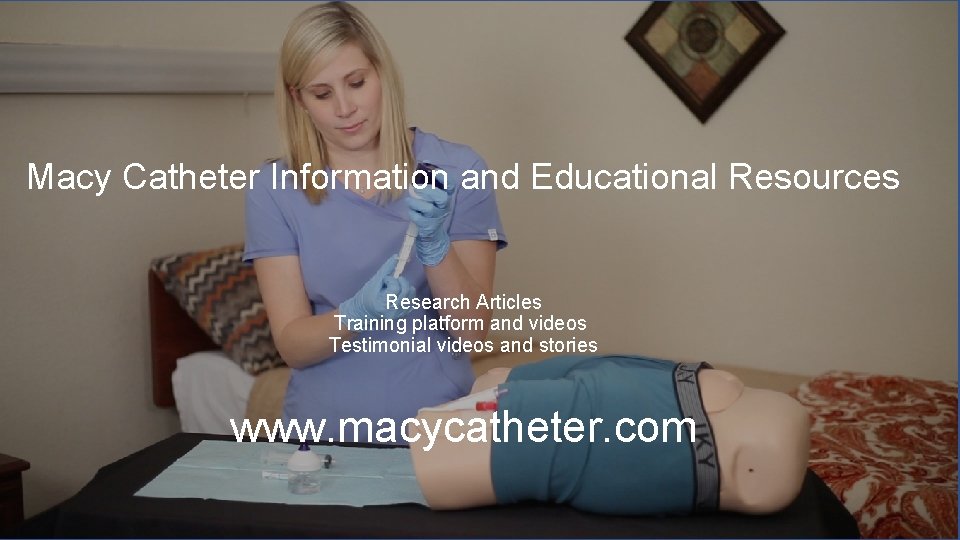
Macy Catheter Information and Educational Resources Research Articles Training platform and videos Testimonial videos and stories www. macycatheter. com
? Q&A
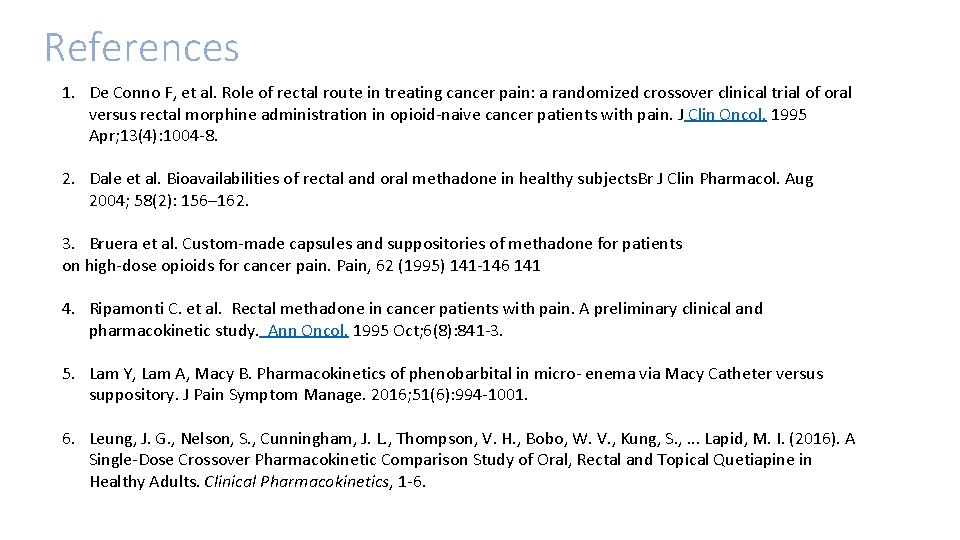
References 1. De Conno F, et al. Role of rectal route in treating cancer pain: a randomized crossover clinical trial of oral versus rectal morphine administration in opioid-naive cancer patients with pain. J Clin Oncol. 1995 Apr; 13(4): 1004 -8. 2. Dale et al. Bioavailabilities of rectal and oral methadone in healthy subjects. Br J Clin Pharmacol. Aug 2004; 58(2): 156– 162. 3. Bruera et al. Custom-made capsules and suppositories of methadone for patients on high-dose opioids for cancer pain. Pain, 62 (1995) 141 -146 141 4. Ripamonti C. et al. Rectal methadone in cancer patients with pain. A preliminary clinical and pharmacokinetic study. Ann Oncol. 1995 Oct; 6(8): 841 -3. 5. Lam Y, Lam A, Macy B. Pharmacokinetics of phenobarbital in micro- enema via Macy Catheter versus suppository. J Pain Symptom Manage. 2016; 51(6): 994 -1001. 6. Leung, J. G. , Nelson, S. , Cunningham, J. L. , Thompson, V. H. , Bobo, W. V. , Kung, S. , . . . Lapid, M. I. (2016). A Single-Dose Crossover Pharmacokinetic Comparison Study of Oral, Rectal and Topical Quetiapine in Healthy Adults. Clinical Pharmacokinetics, 1 -6.
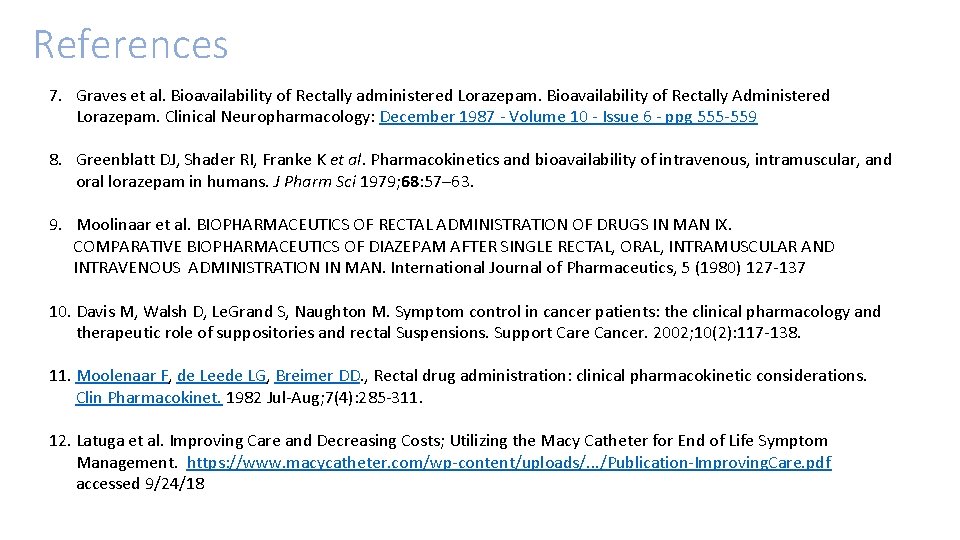
References 7. Graves et al. Bioavailability of Rectally administered Lorazepam. Bioavailability of Rectally Administered Lorazepam. Clinical Neuropharmacology: December 1987 - Volume 10 - Issue 6 - ppg 555 -559 8. Greenblatt DJ, Shader RI, Franke K et al. Pharmacokinetics and bioavailability of intravenous, intramuscular, and oral lorazepam in humans. J Pharm Sci 1979; 68: 57– 63. 9. Moolinaar et al. BIOPHARMACEUTICS OF RECTAL ADMINISTRATION OF DRUGS IN MAN IX. COMPARATIVE BIOPHARMACEUTICS OF DIAZEPAM AFTER SINGLE RECTAL, ORAL, INTRAMUSCULAR AND INTRAVENOUS ADMINISTRATION IN MAN. International Journal of Pharmaceutics, 5 (1980) 127 -137 10. Davis M, Walsh D, Le. Grand S, Naughton M. Symptom control in cancer patients: the clinical pharmacology and therapeutic role of suppositories and rectal Suspensions. Support Care Cancer. 2002; 10(2): 117 -138. 11. Moolenaar F, de Leede LG, Breimer DD. , Rectal drug administration: clinical pharmacokinetic considerations. Clin Pharmacokinet. 1982 Jul-Aug; 7(4): 285 -311. 12. Latuga et al. Improving Care and Decreasing Costs; Utilizing the Macy Catheter for End of Life Symptom Management. https: //www. macycatheter. com/wp-content/uploads/. . . /Publication-Improving. Care. pdf accessed 9/24/18